Attractions and Places To See in Lauterberg - Top 9
Best attractions and places to see in Lauterberg, nestled in the southern Harz mountains of Lower Saxony, Germany, offers a range of points of interest. The region features historical landmarks, cultural sites, and natural features. As a health resort town, it provides opportunities for both relaxation and outdoor activities. Visitors can explore a diverse landscape that includes mountains, forests, and reservoirs.
Best attractions and places to see in Lauterberg
- The most popular attractions is Old Werra Railway Embankment, a…
Last updated: July 5, 2026
Former Werra Railway: Oberlauter–Tiefenlauter Section
Highlight (Segment) • Trail
Translated by Google •
Tip by

Old Werra Railway Embankment
Highlight (Segment) • Trail
Translated by Google •
Tip by

Sign up now to discover places like this
Get recommendations on the best single tracks, peaks, & plenty of other exciting outdoor places.
Sign up for free
Descent Past Herzogsbrunnen
Highlight (Segment) • Trail
Translated by Google •
Tip by

Old Werrabahn Memorial and Trail
Highlight (Segment) • Trail
Translated by Google •
Tip by
Translated by Google •
Tip by
Sign up for free to discover even more attractions in Lauterberg.
Sign up for free
Already have an account?
Start today with a free account
Your next adventure awaits.
Login or Signup
Tips from the Community

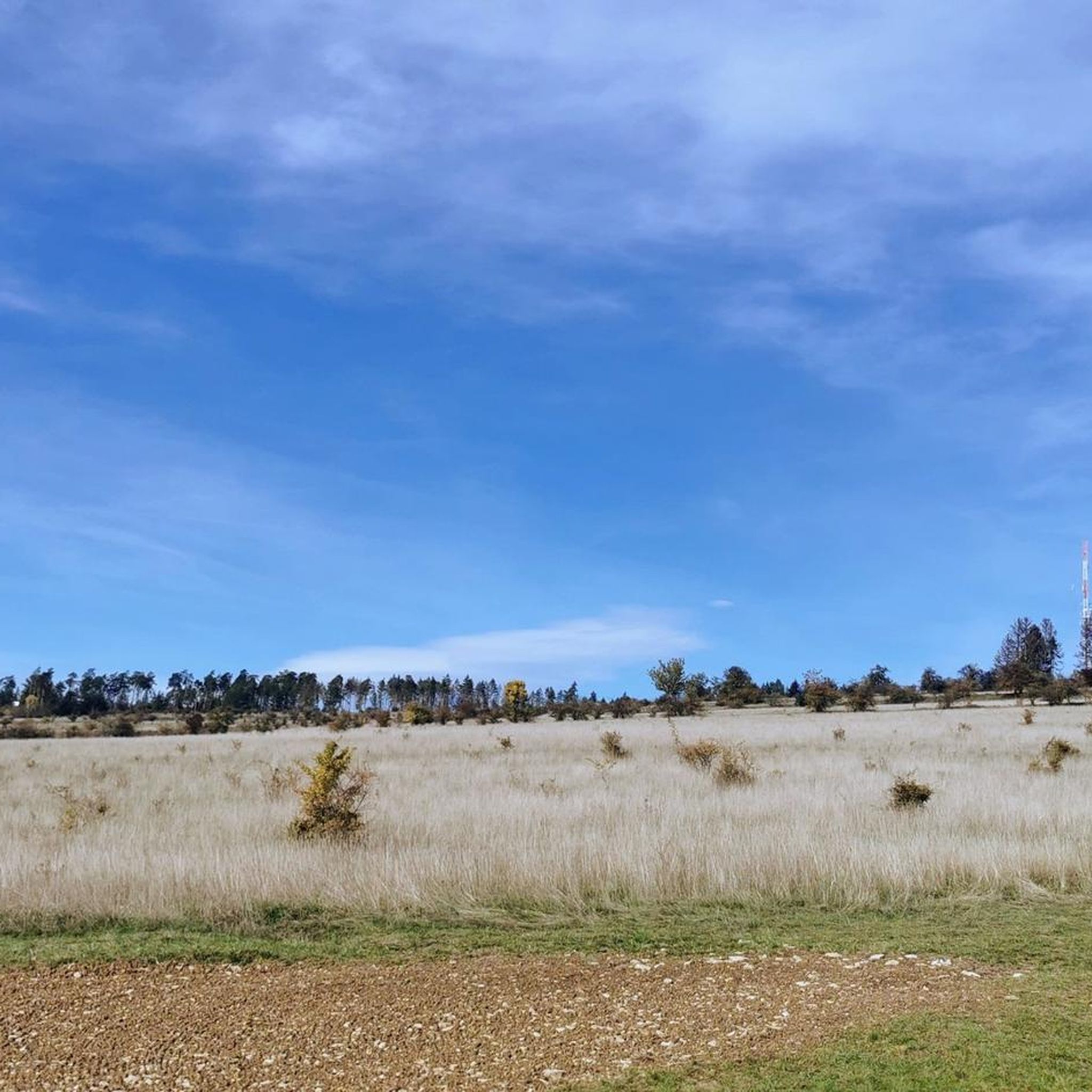
In the upper reaches of the Itz River, individual peaks in the Franconian Fault-Block Country reach heights of approximately 500 meters. The Hohe Schwenge, between the Itz River and its tributary, the Fornbach, is one of the highest elevations at 505 meters. The Schwengbrunn Natural Forest Reserve lies on its southwestern lower slope and extends down to the Fornbach Valley. The stands, which have emerged from coppice management, are home to pedunculate oak, beech, quaking aspen, spruce, silver birch, hornbeam, small-leaved linden, field maple, and Norway maple. Numerous hazel trees are also present.
4
0
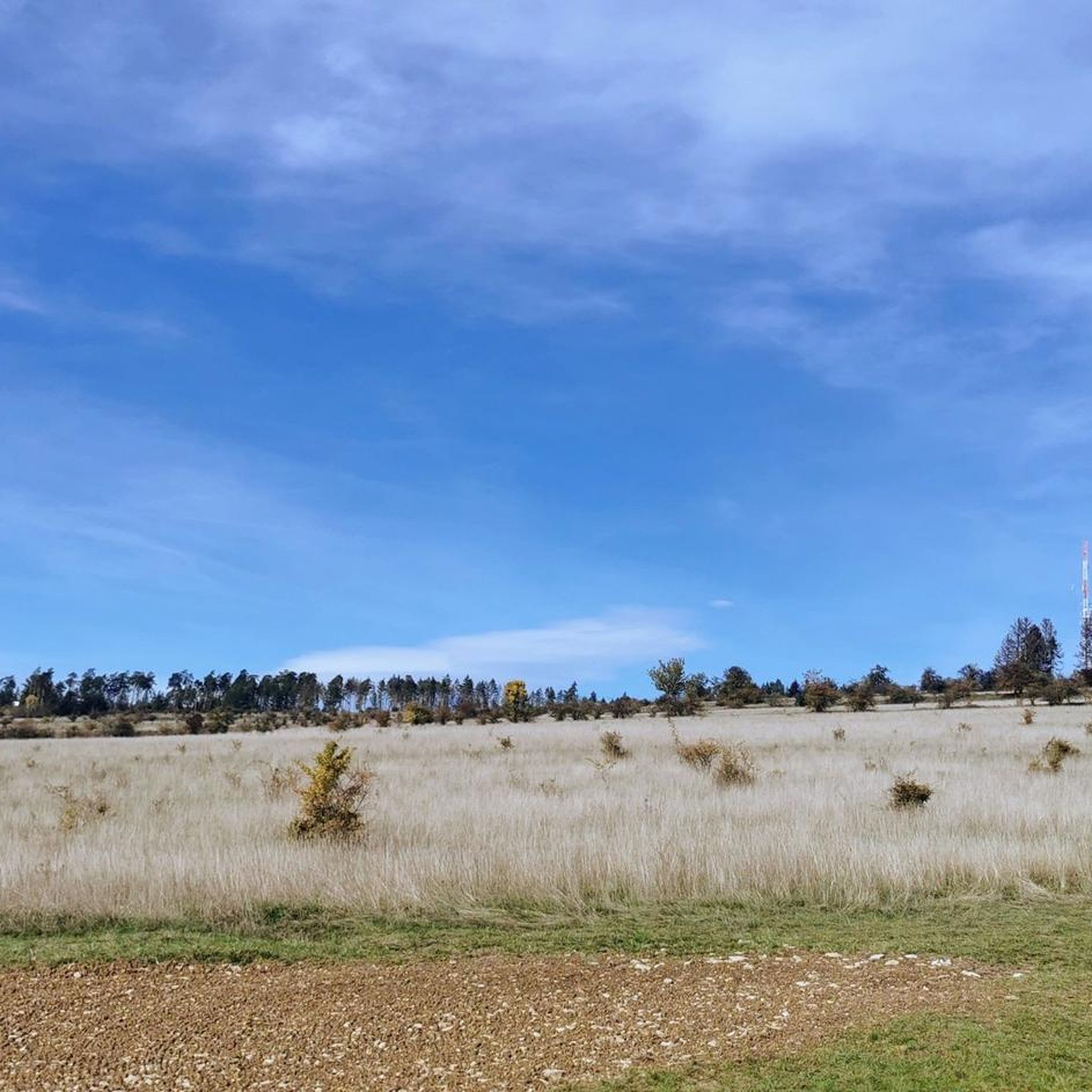
The Herzogsbrunnen (Duke's Fountain) is a spring near Rödental-Oberwohlsbach and is located near the Hohe Schwenge peak and the quarry nature reserve near Taimbach. The following information can be found on the Rödental town website: "The area around Lauterburg Castle was once a favorite hunting ground of the Dukes of Coburg. It was a separate forestry district (see Taimbach Forester's House) and had its own forester. For all those involved in a hunt, the spring was a popular meeting place and resting place. So, it was only natural to name it "Herzogsbrunnen" (Duke's Fountain) when, in 1907, nature and hiking enthusiasts had it dug and the fountain created. The plaque on the Herzogsbrunnen bears the following inscription: "What you sought when you crossed the threshold of your house, here you will find it: the pure air, a drink from the cool spring – and deep rest in the quiet peace of the forest."
4
0


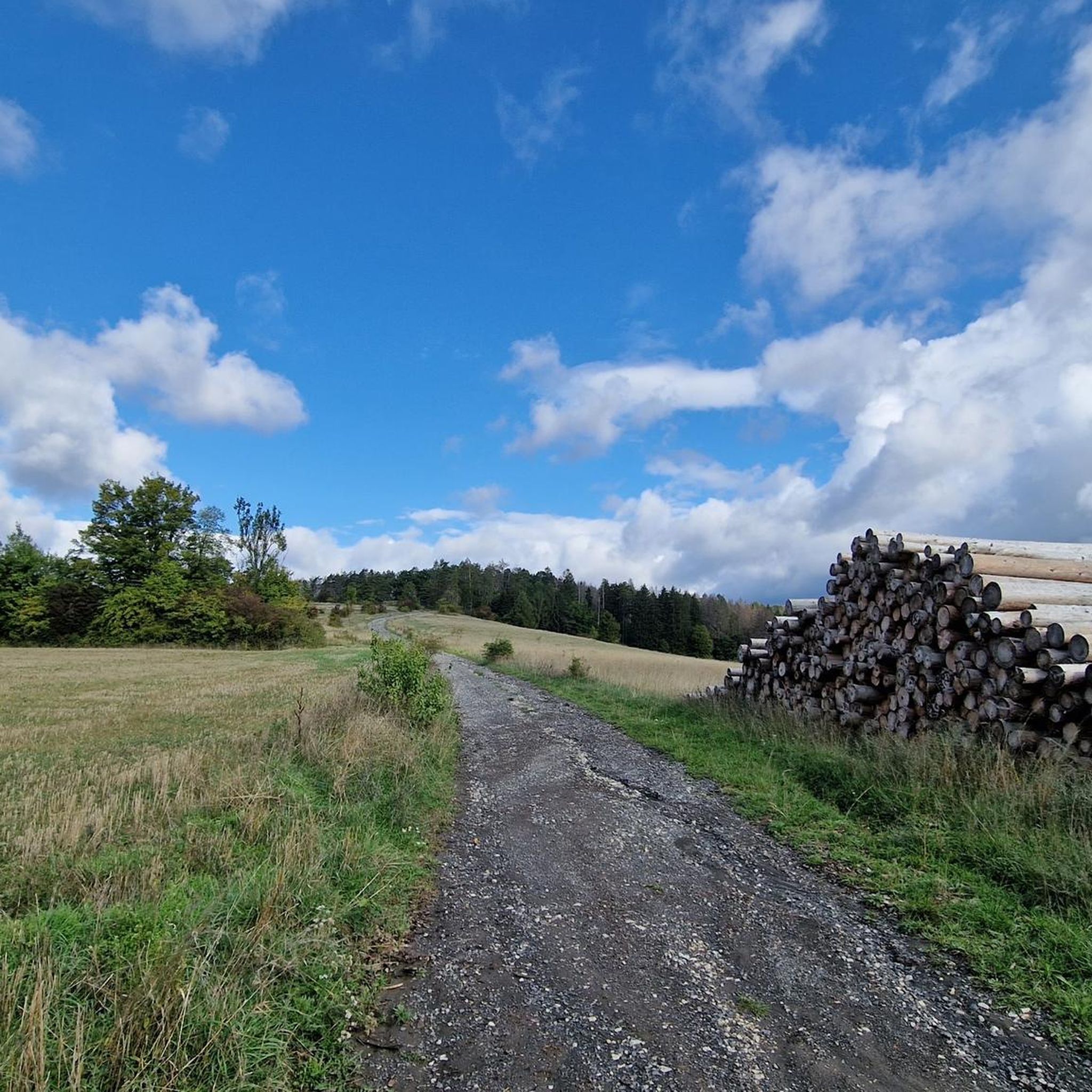
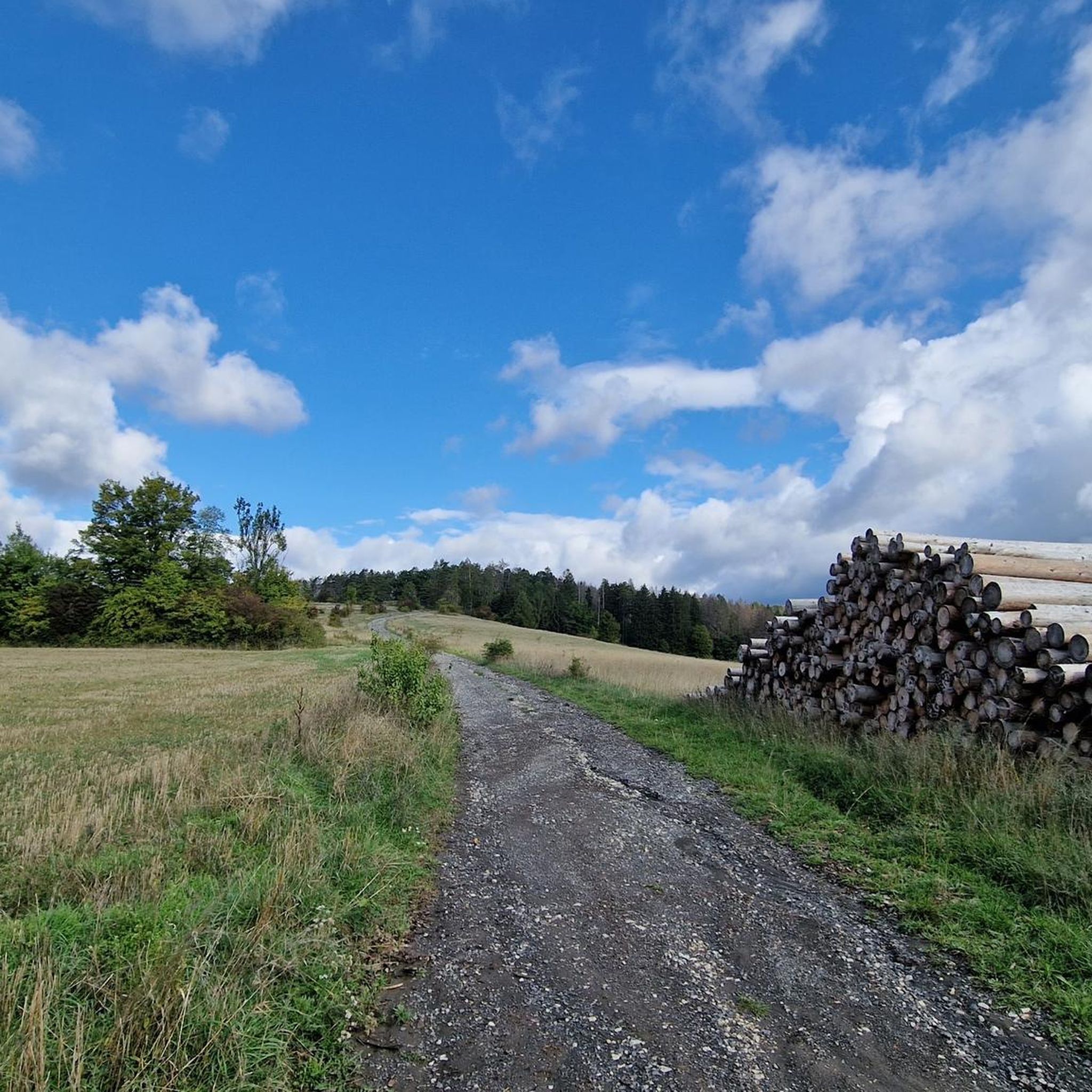
Currently (May 2024) free of all kinds of wood again. But be careful in wet weather: the path has zero grip and the braking performance is severely reduced
2
0

oh Doro Fee, every tunnel has two directions in which you can go, so a "left" is of no use to anyone, and the railway is also accessible via dozens of entrances.
0
1

On February 18, 1856, the groundbreaking ceremony took place in Grimmelshausen near Themar. On November 1, 1858, the entire route between Eisenach and Coburg, with a length of 130.1 km, was officially inaugurated. 17 reception buildings, 10 locomotive sheds, a workshop, 22 residential buildings for railway officials, 128 signalmen's houses, 179 road crossings, 63 underpasses and overpasses, 31 bridges and a tunnel near Förtha were built. Up to 8,470 workers (June 1858) were employed in the construction of the railway. Regular train service began on November 2, 1858 with 24 locomotives and 367 wagons. The remaining 30 km route to Lichtenfels was put into operation in January 1859. All of the engineering structures had been designed from the outset for double-track operation. Source:https://de.m.wikipedia.org/wiki/Bahnstrecke_Eisenach%E2%80%93Lichtenfels
7
1
The Eisenach–Lichtenfels railway line is a single-track main line in Thuringia and Bavaria, which was originally built and operated by the Werra Railway Company. It runs from Eisenach along the Werra via Meiningen to Eisfeld and previously via Coburg to Lichtenfels. Due to its route and the company that built it, it is also called the Werra Railway. The section from Coburg to Lichtenfels is electrified. Source: https://de.m.wikipedia.org/wiki/Bahnstrecke_Eisenach%E2%80%93Lichtenfels
7
1

The path to this old tunnel is quite inconspicuous. After the tunnel, along the path on the left, you reach the hiking trail.
2
1
Frequently Asked Questions
What kind of outdoor activities can I enjoy in Lauterberg?
Lauterberg, nestled in the Harz mountains, offers a wide range of outdoor activities. You can explore extensive hiking networks, including trails like the Old Werra Railway Embankment and the Former Werra Railway: Oberlauter–Tiefenlauter Section. The region is also popular for Nordic walking and mountain biking. For specific routes, you can find numerous options for easy hikes, running trails, and MTB trails in the area.
Are there any historical sites or landmarks to visit in Lauterberg?
Yes, Lauterberg boasts several significant historical sites. You can visit the remains of Burg Lutterberg on the Hausberg, accessible via the Burgseilbahn, or explore the Bismarck Tower on the Kummelberg for panoramic views. The Königshütte Industrial Monument offers insight into the region's iron smelting history, and the St. Andreas Church features detailed frescoes and a historic pulpit altar. The Former Werra Railway: Oberlauter–Tiefenlauter Section also represents a piece of local railway history.
What natural attractions can I find near Lauterberg?
The area around Lauterberg is rich in natural beauty. The Oder Reservoir (Odertalsperre) is ideal for water sports, swimming, and hiking, while the Wiesenbeker Teich offers a picturesque setting for walks and paddle boating. The Harz National Park surrounds the town, providing vast opportunities for exploring forests and mountains. Don't miss the Lauterberg Nature Reserve for unique vegetation and views, or the famous Unicorn Cave (Einhornhöhle), a natural scenic attraction.
Are there family-friendly activities available in Bad Lauterberg?
Absolutely. Families can enjoy the VITAMAR Freizeit- und Erlebnisbad, an adventure pool with a wave pool and slides. The historic visitor mine Besucherbergwerk Scholmzeche is also an exciting option for kids. Additionally, the Old Werra Railway Embankment and the Former Werra Railway: Oberlauter–Tiefenlauter Section are noted as family-friendly trails for walks and exploration.
What are the best viewpoints in the Lauterberg region?
For stunning views, head to the Hausberg, where you can take the Burgseilbahn to the summit and enjoy panoramic vistas from the restaurant terrace. The Bismarck Tower on the Kummelberg also offers extensive views, reaching as far as the Brocken on clear days. The Lauterberg Nature Reserve is another excellent spot for scenic overlooks.
Can I go swimming or enjoy water activities in Lauterberg?
Yes, the Oder Reservoir (Odertalsperre) is a popular spot for swimming and various water sports during the summer months. The Wiesenbeker Teich also offers opportunities for swimming and paddle boating in warmer weather. For an indoor option, the VITAMAR Freizeit- und Erlebnisbad features a large wave pool and other water attractions.
What is the best time of year to visit Lauterberg?
Lauterberg is appealing year-round, depending on your interests. Summer is ideal for swimming and water sports at the Oder Reservoir and Wiesenbeker Teich. Spring and autumn offer pleasant temperatures for hiking and exploring the Harz National Park. In winter, the region transforms into a winter sports destination with cross-country ski trails and a ski slope on Mount Hausberg.
Are there any unique cultural experiences or museums in Lauterberg?
Beyond historical landmarks, Lauterberg offers several museums. You can visit the Local History Museum, the German Diabetes Museum, and the historic visitor mine Besucherbergwerk Scholmzeche. The Königshütte Industrial Monument also provides a unique cultural experience with guided tours detailing the history of iron smelting.
What kind of trails are available for hiking and cycling in Lauterberg?
Lauterberg offers a variety of trails suitable for different skill levels. You can find easy, moderate, and challenging routes for hiking, Nordic walking, and mountain biking. The Harzer Wandernadel hiking network and Volksbank Arena Harz trails are extensive. Notable trails include the Old Werra Railway Embankment and the Former Werra Railway: Oberlauter–Tiefenlauter Section. For specific routes, explore the easy hikes, running trails, and MTB trails guides.
Where can I relax and unwind in Lauterberg?
As a health resort town, Lauterberg provides excellent opportunities for relaxation. The Kirchberg Thermal Spa offers a subtropical bathing experience with thermal saltwater pools and a large sauna area. You can also enjoy a leisurely stroll through the idyllic Spa Park (Kurpark), with its old trees, ponds, and historic Kurhaus.
Are there any notable castle ruins to explore near Lauterberg?
Yes, the Scharzfels Castle Ruins are a prominent medieval fortress known for their unique design, where the castle is integrated into the rock formations. Visitors can explore the passages within the rocks and enjoy views of the southern Harz foothills.
What winter activities are available in Bad Lauterberg?
During winter, Bad Lauterberg offers a 47-kilometer-long network of cross-country ski trails. There is also a ski slope with a lift located on Mount Hausberg, providing opportunities for downhill skiing.
Most popular routes in Lauterberg

Get inspired with the komoot mobile app


Explore more
Still not found the Highlight you’re looking for? See guides of the top attractions in other regions:
