Attractions and Places To See in Meißner - Top 20
Best attractions and places to see in Meißner are found in the mountain region of Hesse, known for its natural beauty and connection to local folklore. This area is situated within the Meißner-Kaufunger Wald Nature Park, offering diverse landscapes. The Hoher Meißner, the highest peak in northeast Hesse, provides extensive hiking opportunities and is traditionally considered the home mountain of the legendary figure Frau Holle. Visitors can explore a variety of natural features, including basalt formations, scenic viewpoints, and tranquil…
Last updated: July 5, 2026
Lake Kalbe
Highlight • Lake
Translated by Google •
Tip by

Seesteine Natural Monument
Highlight • Natural Monument
Translated by Google •
Tip by

Sign up now to discover places like this
Get recommendations on the best single tracks, peaks, & plenty of other exciting outdoor places.
Sign up for free
Frau Holle Pond and Frau Holle Sculpture
Highlight • Lake
Translated by Google •
Tip by

Kitzkammer Basalt Cave
Highlight • Cave
Translated by Google •
Tip by

View from the Kalbe summit (Hoher Meißner)
Highlight • Viewpoint
Translated by Google •
Tip by

Sign up for free to discover even more attractions in Meißner.
Sign up for free
Already have an account?
Start today with a free account
Your next adventure awaits.
Login or Signup


Tips from the Community

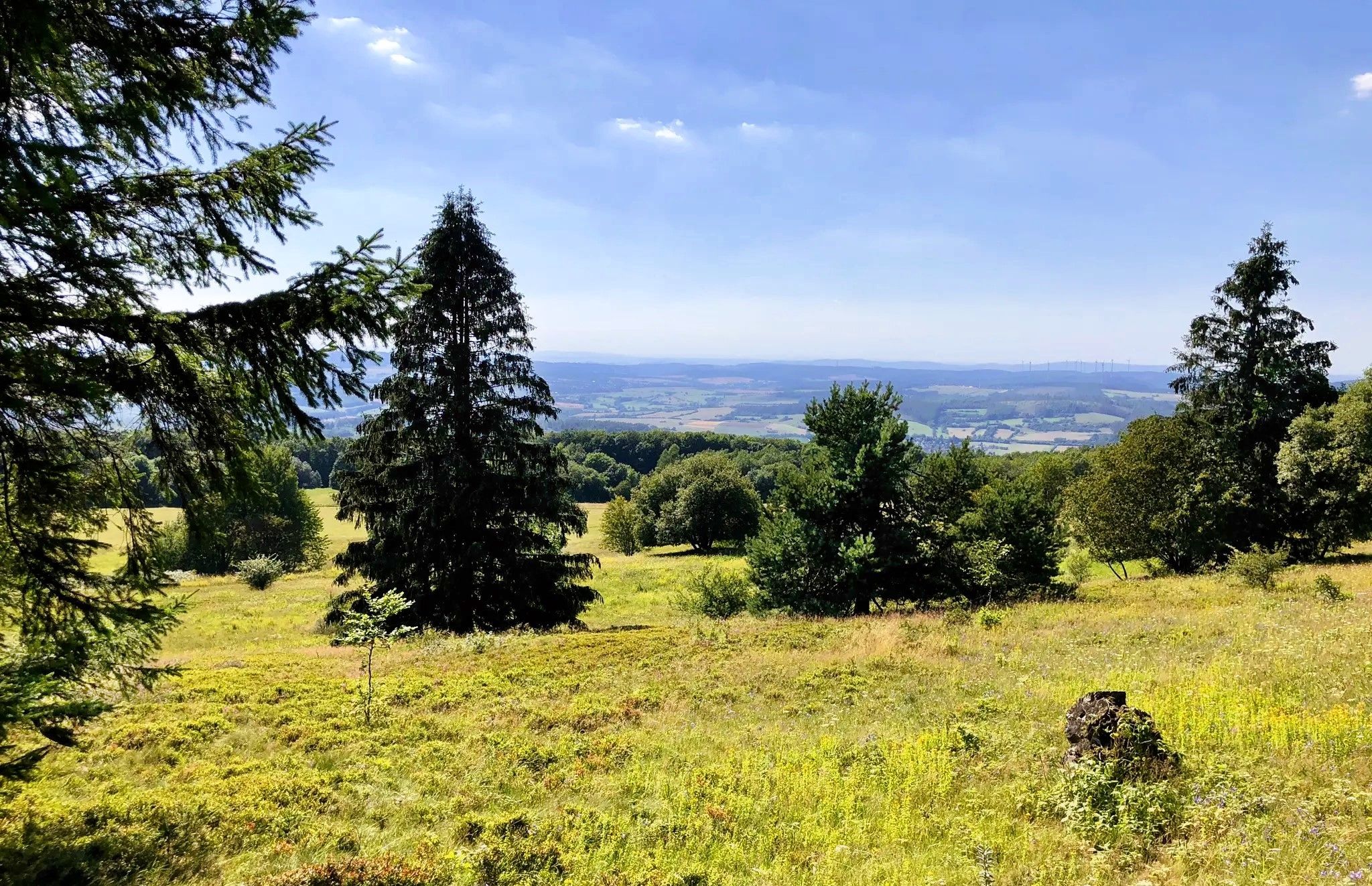
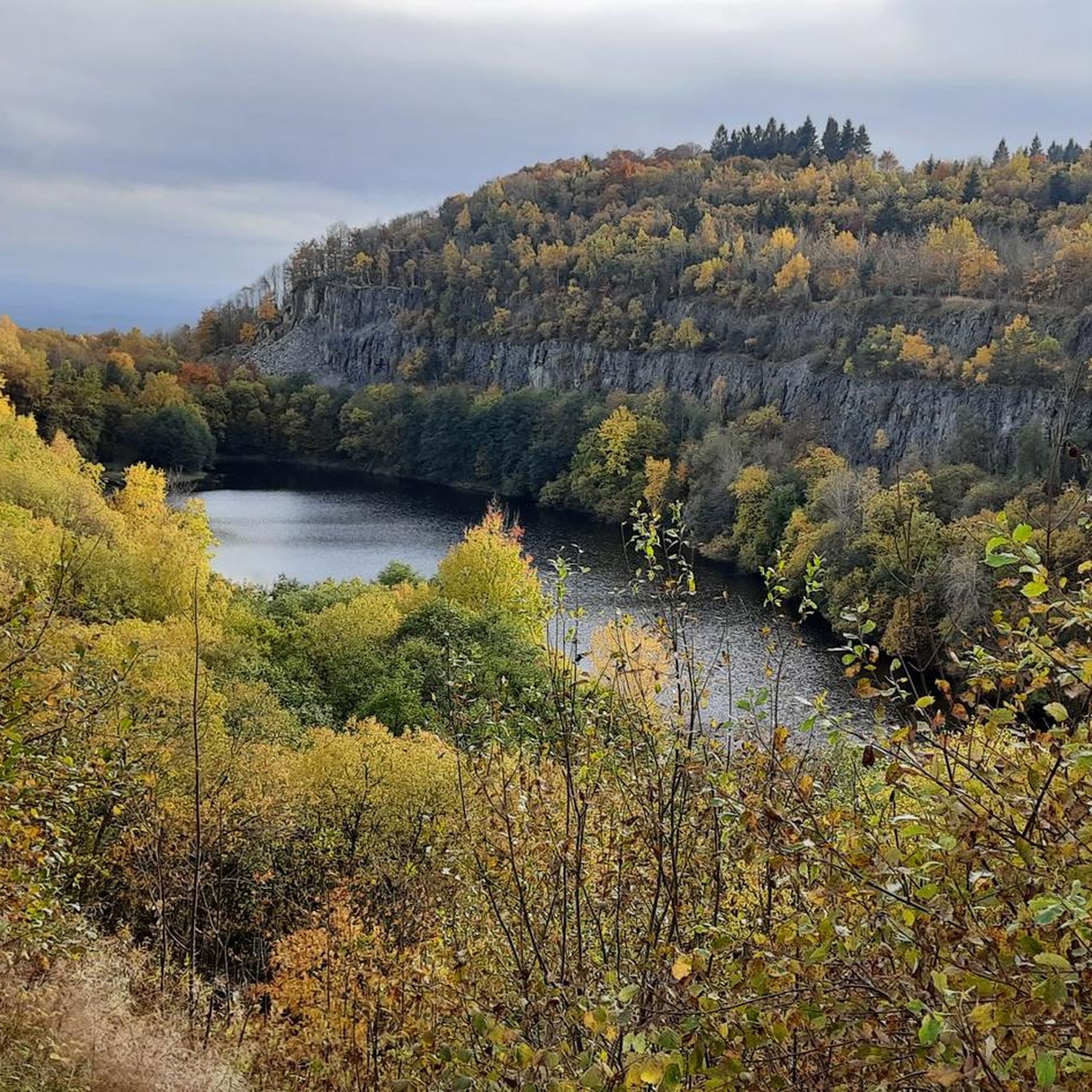
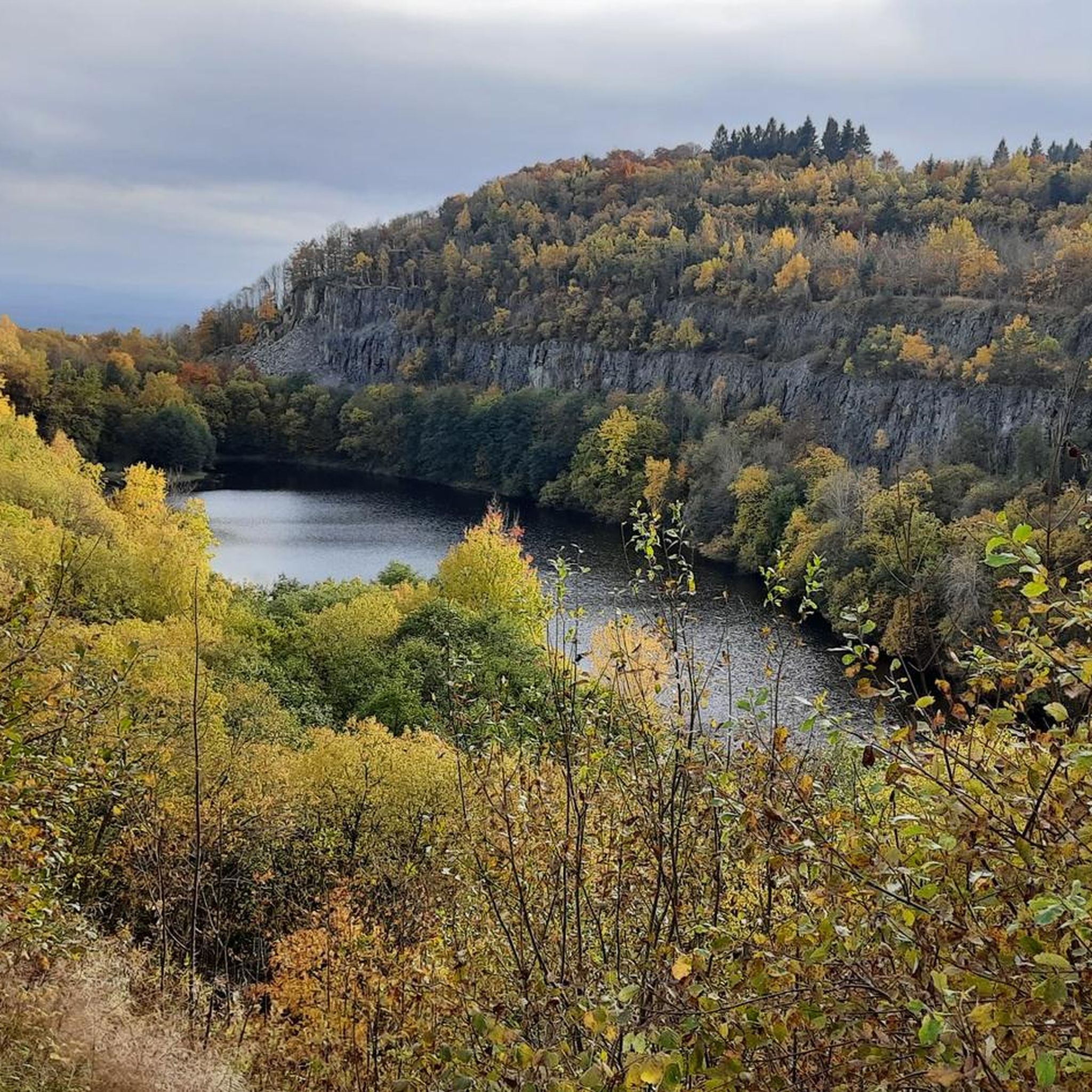
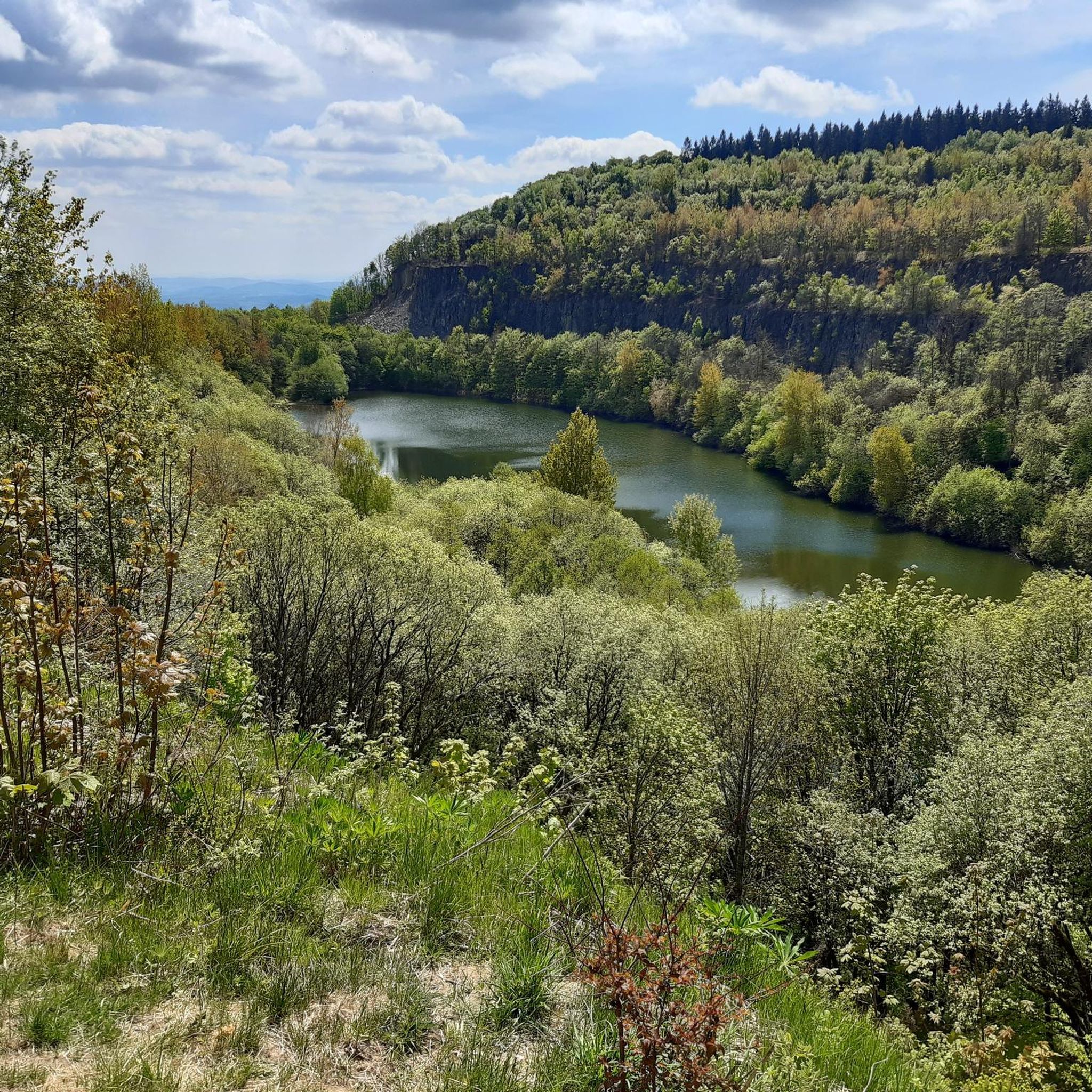
From the Kalbe summit, the path continues to a boulder field. From there, the panoramic view is even more extensive than from the surrounding vantage points. While there are no benches or shade, this spot is still ideal for a scenic break. I would have liked to mark this spot on the map, but Komoot prohibits it. For whatever reason.
4
0

In Carl-Christoph Schmieder's Frau Holle stories, Frau Holle transforms drunken young men into calves and then lets them graze on the "Kalbe" (calf). Before the open-cast lignite mining, there really was a large meadow there. The name "Kalbe" can be explained geologically: the mountain calves, meaning large boulders of basalt broke off from the plateau and piled up on the slope. Or quite simply: bare spot. The viewpoint at 720 m above sea level can only be reached on foot from the Frau Holle Pond via the Kalbe Trail or the Eulenstieg Trail. It is also located on the P1 Hoher Meißner premium trail. Source: https://www.naturparkfrauholle.land/frau-holle/sagen-mythen/sagenorte-der-frau-holle/kalbe
4
0

According to legend, Mother Holle imprisoned young girls here and turned them into kittens.
11
1
The name "Kalbe" can be explained geologically: the mountain calves, i.e. large basalt chunks break off from the plateau and pile up on the slope. Or quite simply: bare spot,
9
2

And based on the folk tale of the Meißnerberge by Karl Christoph Schmieder (1819): "Mrs. Holle especially took care of the poor girls who were left unfaithfully by their fiancés. Many of them were vain and addicted to cleaning. Each wanted to be the most beautiful, and there was much envy and strife among them. When Mother Holle came home one day and noticed the quarrels, she got angry. She shook her magic bell and immediately the girls were transformed into cats. They were banished to a rocky cave on the evening side of the Meißner. The cave is now called the Kitzkammer. From there the cats had to spread all over the mountain and serve Mother Holle. They had to show the good wanderers the way, but lead the bad ones astray.”
10
2
Legend of the Frau Holle pond: The lake forms the entrance to Frau Holle's subterranean realm. At the bottom lies her castle of pure silver, surrounded by lush gardens full of flowers, fruit and vegetables. Every noon the beautiful young woman appears at her lake to take her bath in the middle of the pond. That's why this place is also called 'Bathroom of Frau Holle'. As the light earth mother and goddess of fertility, Mother Holle gave people rich harvests. She brought the rain that brought growth to the fields, and when she shook out their beds, the snow that covered everything. If they were angered, they brought misfortune and misery to the land.
13
1

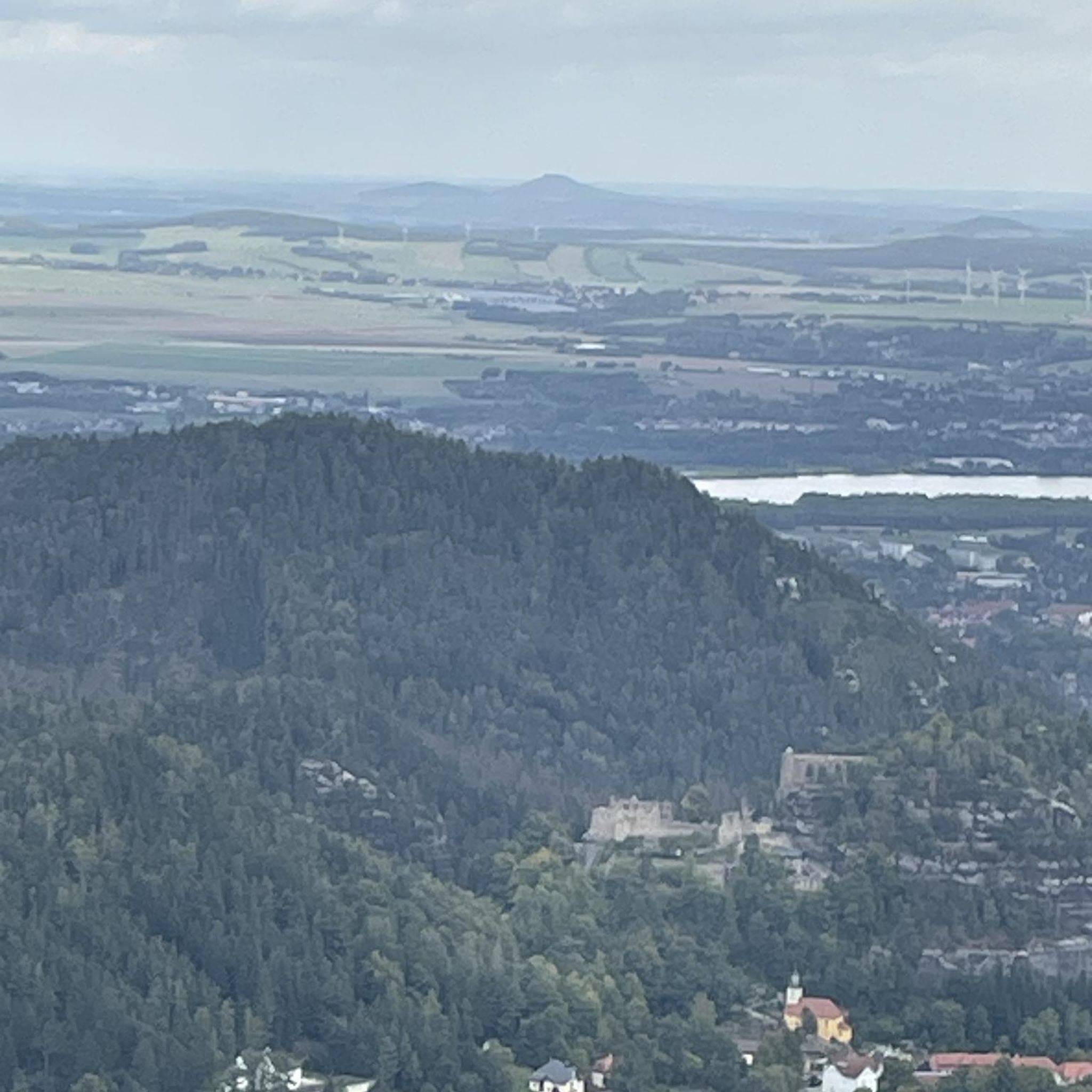
A nice view to the northeast.
4
0

The Kitzkammer got its name from a fairy tale about Mother Holle - Kitz does not stand for fawn, but for cats. In winter you should take every step carefully, because it can get very slippery.
14
1
Frequently Asked Questions
What natural features can I explore in Meißner?
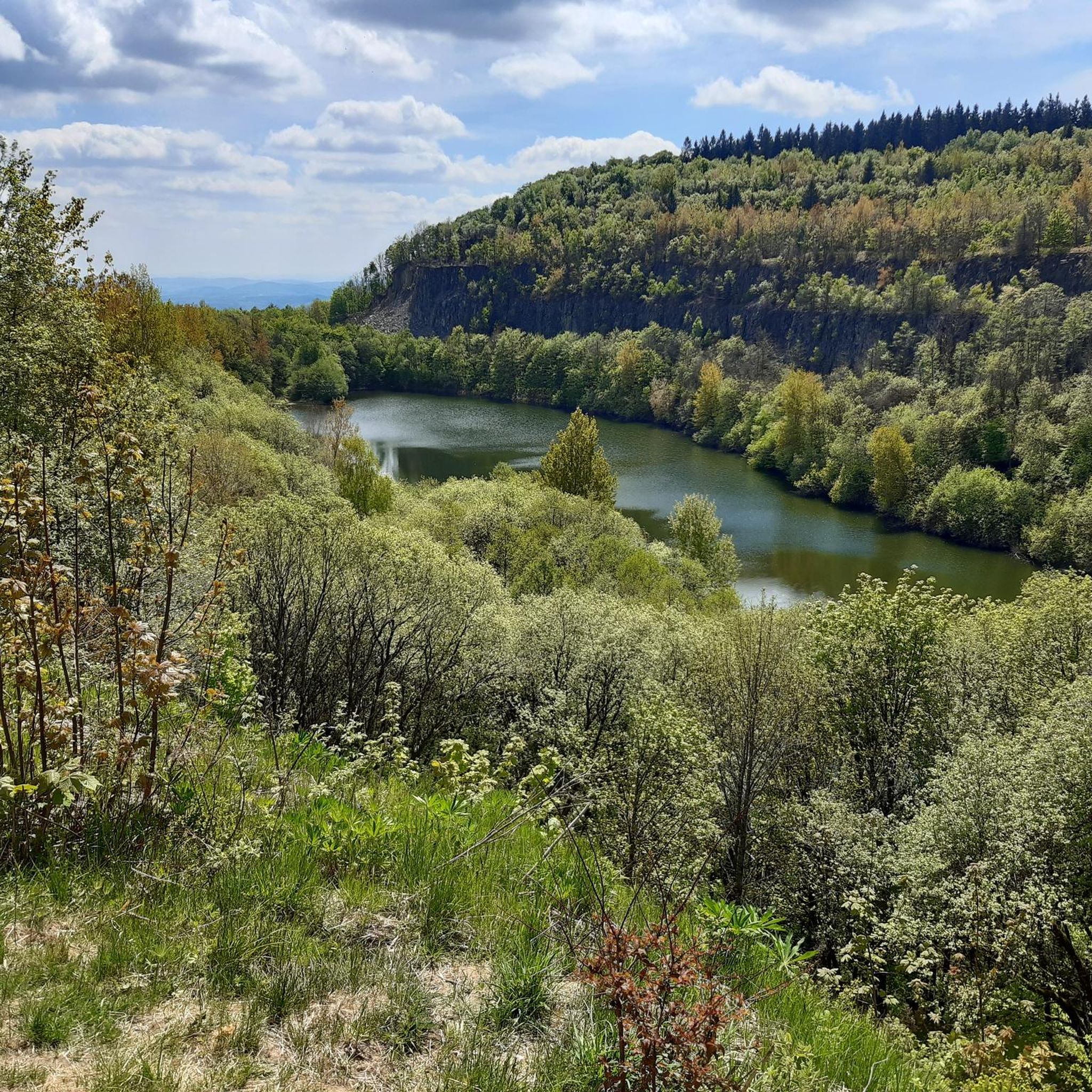
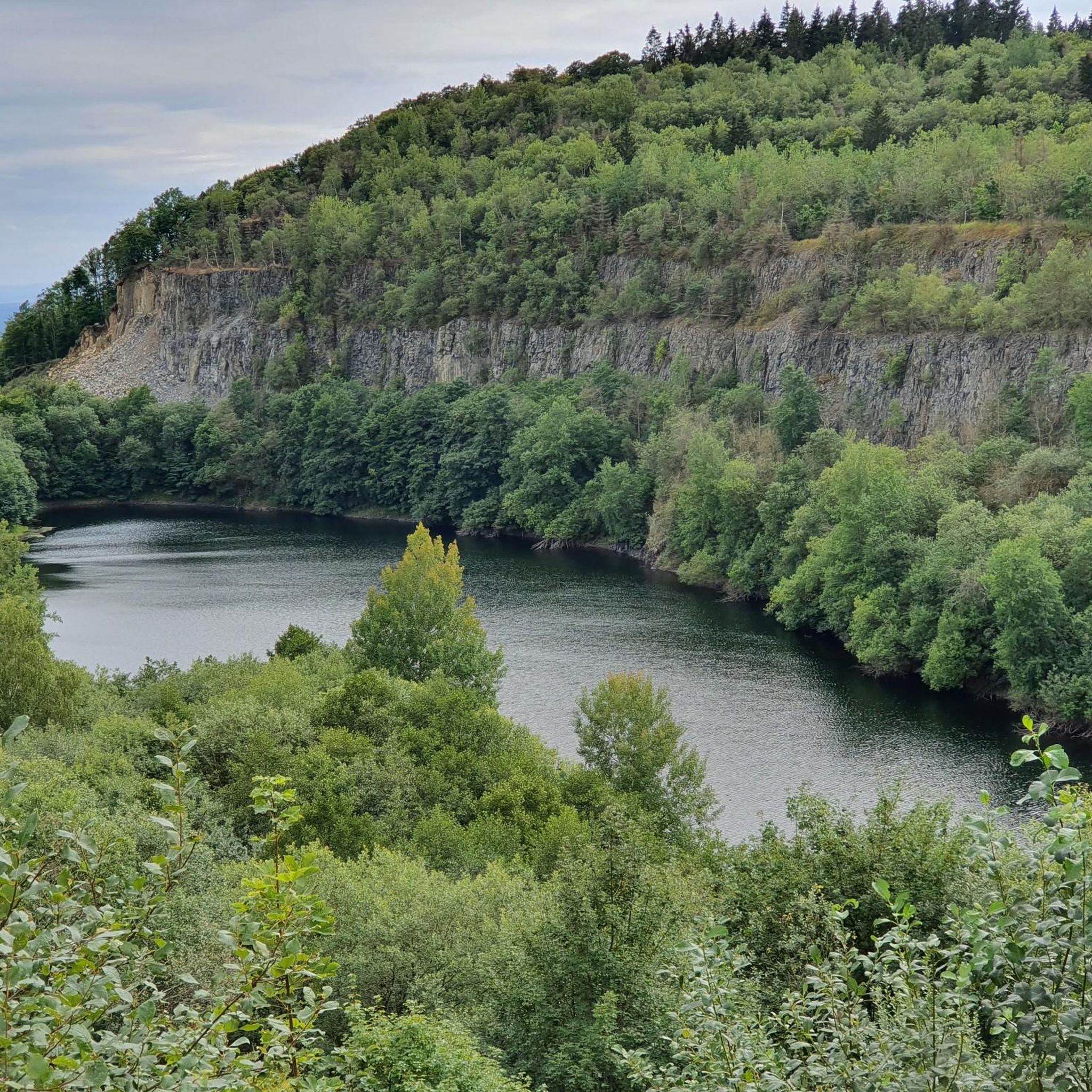
The Meißner region in Hesse is rich in natural beauty. You can visit Lake Kalbe, which offers impressive views and insights into the area's mining history. Another must-see is the Seesteine Natural Monument, a basalt rock formation with ancient steps. The legendary Frau Holle Pond is also a popular spot, considered the entrance to Frau Holle's underground realm.
Are there any unique geological formations to see in Meißner?
Yes, Meißner is known for its distinctive geological features. The Seesteine Natural Monument is a prominent basalt rock formation. You can also explore the Kitzkammer Basalt Cave, a natural monument featuring a rock niche between impressive basalt columns, formed from ancient lava flows.
Where can I find the best viewpoints in the Meißner region?
For breathtaking panoramic views, head to the View from the Kalbe summit (Hoher Meißner). From this basalt knoll at 719 meters, you can see for miles towards Berkatal-Frankershausen and beyond on a clear day. Another excellent lookout point is Schwalbenthal, offering splendid views towards Meißner-Vockerode and Thuringia.
What outdoor activities can I do near Meißner's attractions?
The Meißner region is ideal for outdoor enthusiasts, especially hikers. You can find numerous trails for various difficulty levels. For example, there are several easy hikes like the loop from Kasseler Kuppe to Kitzkammer Basalt Cave and Seesteine Natural Monument. For more options, explore the easy hikes in Meißner guide or the running trails in Meißner.
Are there family-friendly attractions or activities in Meißner?
Yes, Meißner offers several family-friendly spots. The Frau Holle Pond and Frau Holle Sculpture is a magical place for families, surrounded by well-signposted hiking trails suitable for all ages. The pond is associated with local folklore, making it an engaging visit for children. Many of the natural attractions, like Lake Kalbe, are also accessible and enjoyable for families.
What is the best time of year to visit Meißner for hiking?
The Meißner region is beautiful year-round, but for hiking, spring (April-May) and autumn (September-October) offer pleasant temperatures and vibrant scenery. Summer (June-August) is also popular, though trails can be busier. In winter, the landscape can be magical, especially around the Frau Holle Pond, but some paths might be slippery due to ice or snow, especially around basalt formations like the Kitzkammer Basalt Cave.
What is the significance of Frau Holle in the Meißner region?
The legendary figure of Frau Holle is deeply rooted in the folklore of the Meißner region. The Hoher Meißner mountain is traditionally considered her home. The Frau Holle Pond is particularly significant, as it's believed to be the entrance to her underground realm. Many local stories and legends are associated with this mystical figure, adding a unique cultural layer to the natural landscape.
Can I find challenging hiking trails in Meißner?
Absolutely. While there are many easy and moderate routes, the Meißner region also offers more challenging hikes, especially around the Hoher Meißner. For instance, the loop from Hausen to Seesteine Natural Monument and View from Schwalbenthal is considered difficult. These trails often involve varied terrain and significant elevation changes, providing a rewarding experience for experienced hikers. You can find more challenging options in the waterfall hikes in Meißner guide.
What do visitors enjoy most about the attractions in Meißner?
Visitors frequently praise the stunning natural beauty and the sense of tranquility in Meißner. Many appreciate the impressive views from spots like Lake Kalbe and the unique geological formations such as the Seesteine Natural Monument. The well-maintained hiking trails and the magical atmosphere around the Frau Holle Pond are also highly rated, often described as transporting visitors to 'a different, earlier world'.
Are there any historical sites or cultural points of interest in the Meißner area?
While the Meißner region (Hesse) is primarily known for its natural landscapes, the nearby historic half-timbered old town of Bad Sooden-Allendorf offers a pleasant historical atmosphere with its well-preserved framework. Additionally, the Gemerode Monastery, a Premonstratensian double monastery mentioned as early as 1454/1455, is considered a significant architectural work in North Hesse for those interested in local history.
Is the Meißner region suitable for dog owners?
Yes, the Meißner region is generally very dog-friendly, with numerous trails and natural areas perfect for exploring with your canine companion. Many hiking routes, including those around the Frau Holle Pond and on the Hoher Meißner, are suitable for dogs. Always remember to keep your dog on a leash where required, especially in nature reserves, and to clean up after them.
Are there any cafes or restaurants near the main attractions in Meißner?
While the Meißner region is largely natural, you can find cafes and restaurants in the surrounding villages and towns, particularly near popular trailheads or within the Meißner-Kaufunger Wald Nature Park. These establishments often cater to hikers and offer local specialties. It's advisable to check specific locations for opening hours, especially outside of peak season.
Most popular routes in Meißner
Most popular attractions in Meißner

Get inspired with the komoot mobile app


Explore more
Still not found the Highlight you’re looking for? See guides of the top attractions in other regions:
