Dreiherrenstein-Eschenberg-Kreutzerberg
Dreiherrenstein-Eschenberg-Kreutzerberg
Attractions and Places To See in Dreiherrenstein-Eschenberg-Kreutzerberg - Top 8
Best attractions and places to see in Dreiherrenstein-Eschenberg-Kreutzerberg are found within a significant nature reserve in northern Hesse, Germany. This region is characterized by mountains like Dreiherrenstein (478 m) and Eschenberg (450 m), featuring natural beech forests, rock formations, and steep slopes. It is part of the Geo-Naturpark Frau-Holle-Land and the Green Belt, known for its ecological importance and diverse flora and fauna, including rare plant species. The area offers extensive hiking opportunities and historical points of interest along the…
Last updated: April 23, 2026
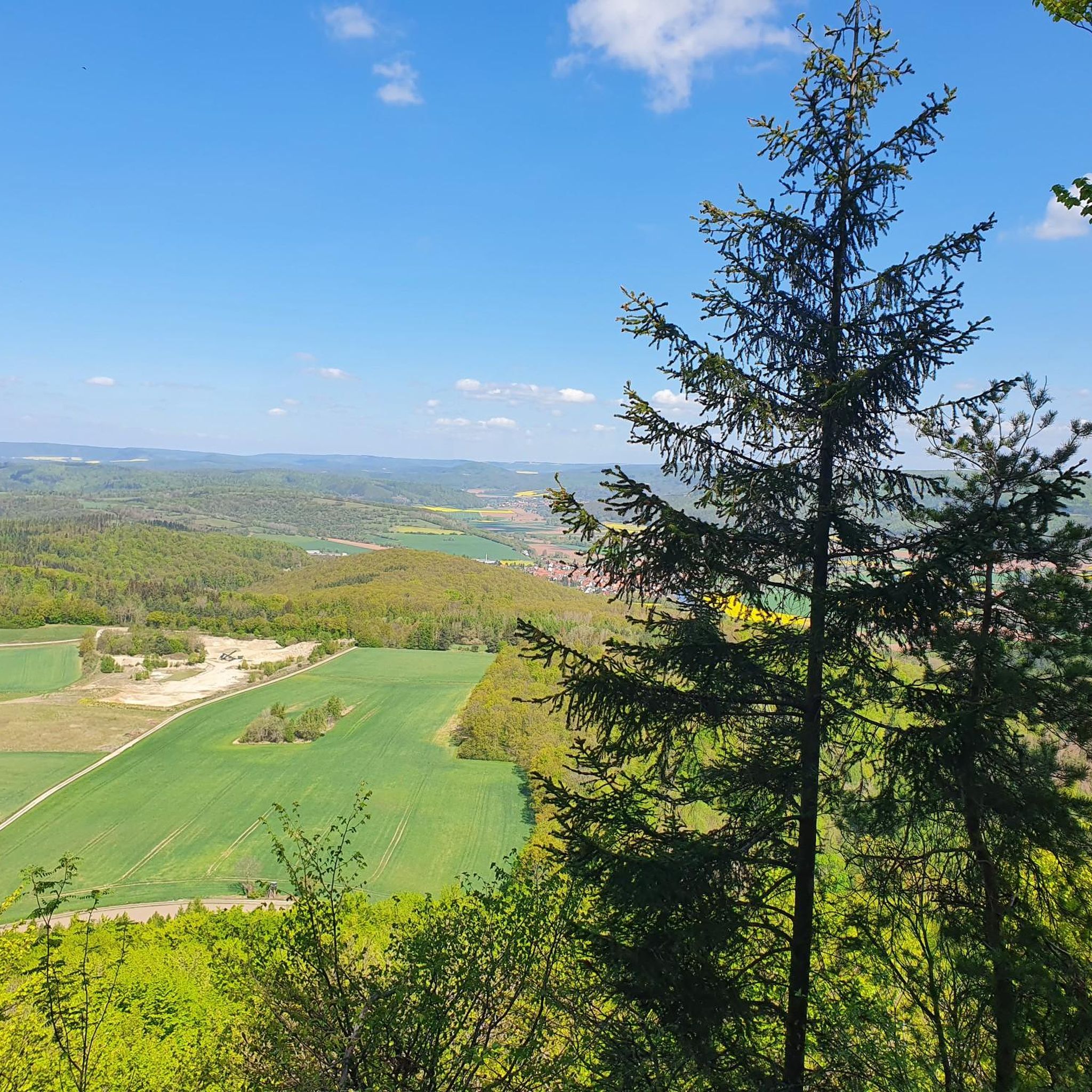
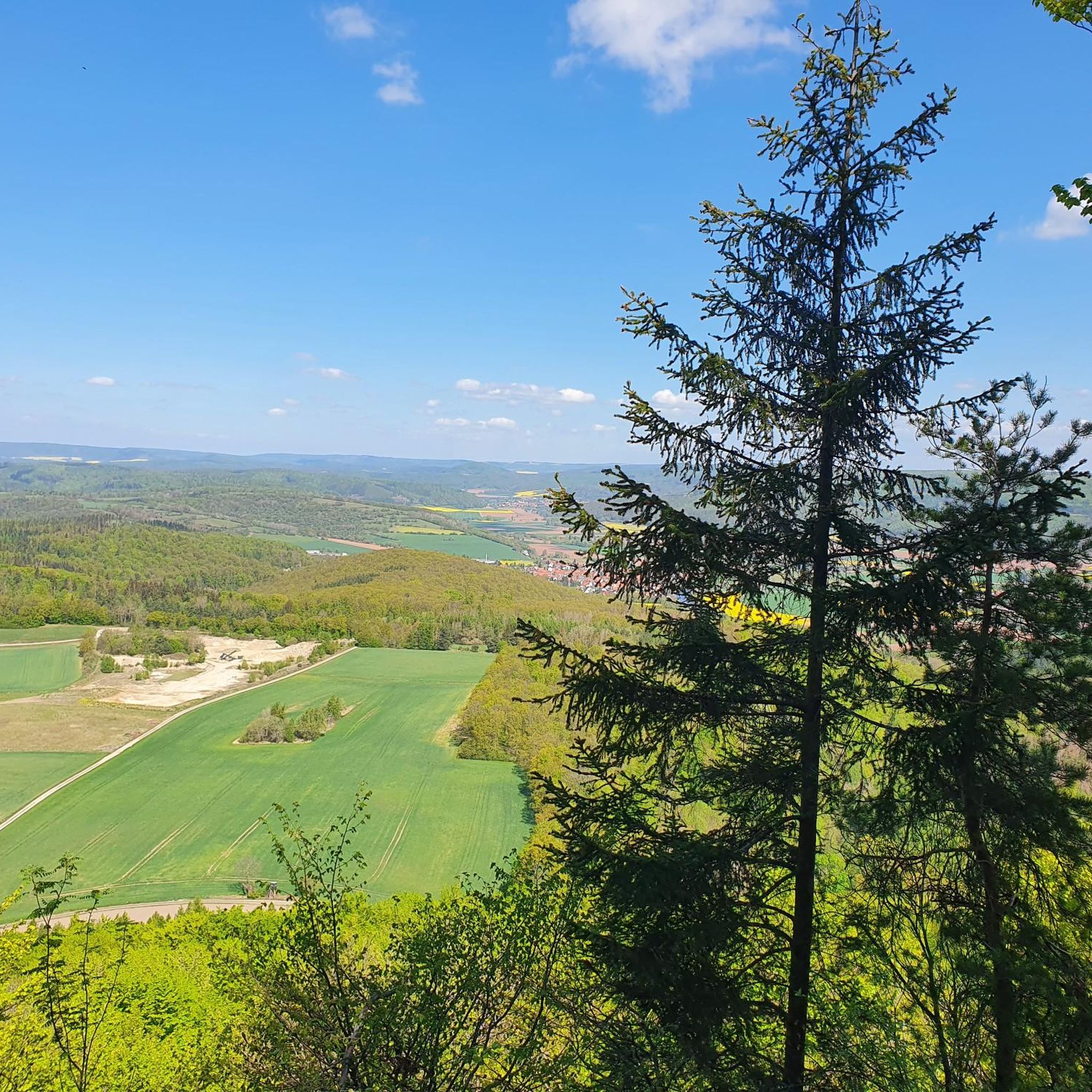
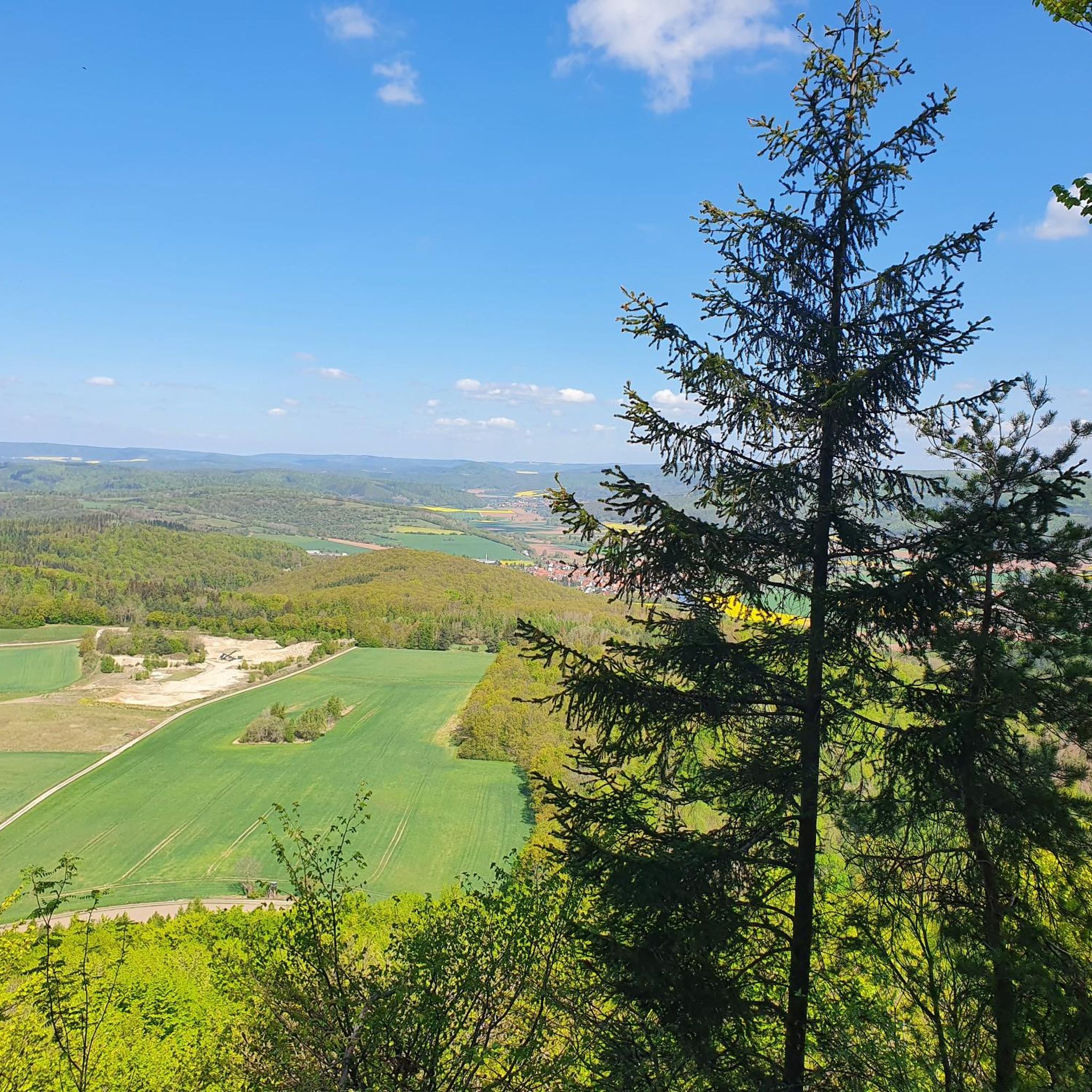
Dreiherrenstein Viewpoint
Highlight • Viewpoint
Translated by Google •
Tip by

Zaunvolk – Ars Natura Sculpture by Georg Janthur
Highlight • Monument
Translated by Google •
Tip by

Sign up now to discover places like this
Get recommendations on the best single tracks, peaks, & plenty of other exciting outdoor places.
Sign up for free
The Rambach Wall
Highlight (Segment) • Climb
Translated by Google •
Tip by

Holdra & Stein and Ars Natura Trail Sculptures
Highlight • Trail
Translated by Google •
Tip by

Lebensspur by Michaela Biet
Highlight • Monument
Translated by Google •
Tip by
Sign up for free to discover even more attractions in Dreiherrenstein-Eschenberg-Kreutzerberg.
Sign up for free
Already have an account?
Start today with a free account
Your next adventure awaits.
Login or Signup
Popular around Dreiherrenstein-Eschenberg-Kreutzerberg
Cycling in Dreiherrenstein-Eschenberg-Kreutzerberg
Road Cycling Routes in Dreiherrenstein-Eschenberg-Kreutzerberg
Running Trails in Dreiherrenstein-Eschenberg-Kreutzerberg
Hiking in Dreiherrenstein-Eschenberg-Kreutzerberg
MTB Trails in Dreiherrenstein-Eschenberg-Kreutzerberg

Gravel biking in Dreiherrenstein-Eschenberg-Kreutzerberg
Tips from the Community

Easy to drive in dry weather with good views
1
0

Where else can you find art along the way?
1
0

On the Dreiherrenstein, the steep foothills of the Heldrastein, domains of power collided that changed names and owners many times over the centuries. A surviving boundary stone bears the chiseled initials and coats of arms of three former German states whose borders met at the Dreiherrenstein: KH and Hessian lion for the Electorate of Hesse, KP and Prussian eagle for Kingdom of Prussia and SWE and Saxon family coat of arms for the Grand Duchy of Saxe-Weimar-Eisenach. A memorial stone on the Dreiherrenstein also reminds of the former inner-German border, which was also the "Iron Curtain" between the power blocs of the Warsaw Pact and NATO. (WIKI WALL)
1
0

Still reality until the end of 1989: A group of people stands on the Hessian side at the inner-German border and looks across at a country that is unreachable. An Ars Natura artwork by Georg Janthur, Wuppertal. http://www.ars-natura-stiftung.de/index.php/de/kunstwerk/285?c=41&ts=19. The sculptures are part of an ongoing series of chainsaw works found in various parts of the world. http://www.georg-janthur.de/page6.html#header2-1n
0
0
The trace of life is reminiscent of a spine, but can also be related to the "Green Belt" that runs through Germany in place of the former border. More about the artwork at www.ars-natura-stiftung.de/index.php/de/kunstwerk/287?c=41&ts=19
0
0

THE THREE-MAN STONE: A boundary stone of historical importance since 1336. The directions of the outgoing border lines are engraved on the head of the stone. The sides show the coats of arms of the neighboring German states: West - Hessian Lion - K.H. = Electorate of Hesse, 1866 K.P. Northeast: Prussian Eagle - K.P. = Kingdom of Prussia Southeast: Saxon family coat of arms - SWE = Sachsen-Weimar-Eisenach (...from information board)
2
0


Not far from the Heldrastein, also a great view of the Werra valley
1
0
Frequently Asked Questions
What kind of natural features can I expect to see in Dreiherrenstein-Eschenberg-Kreutzerberg?
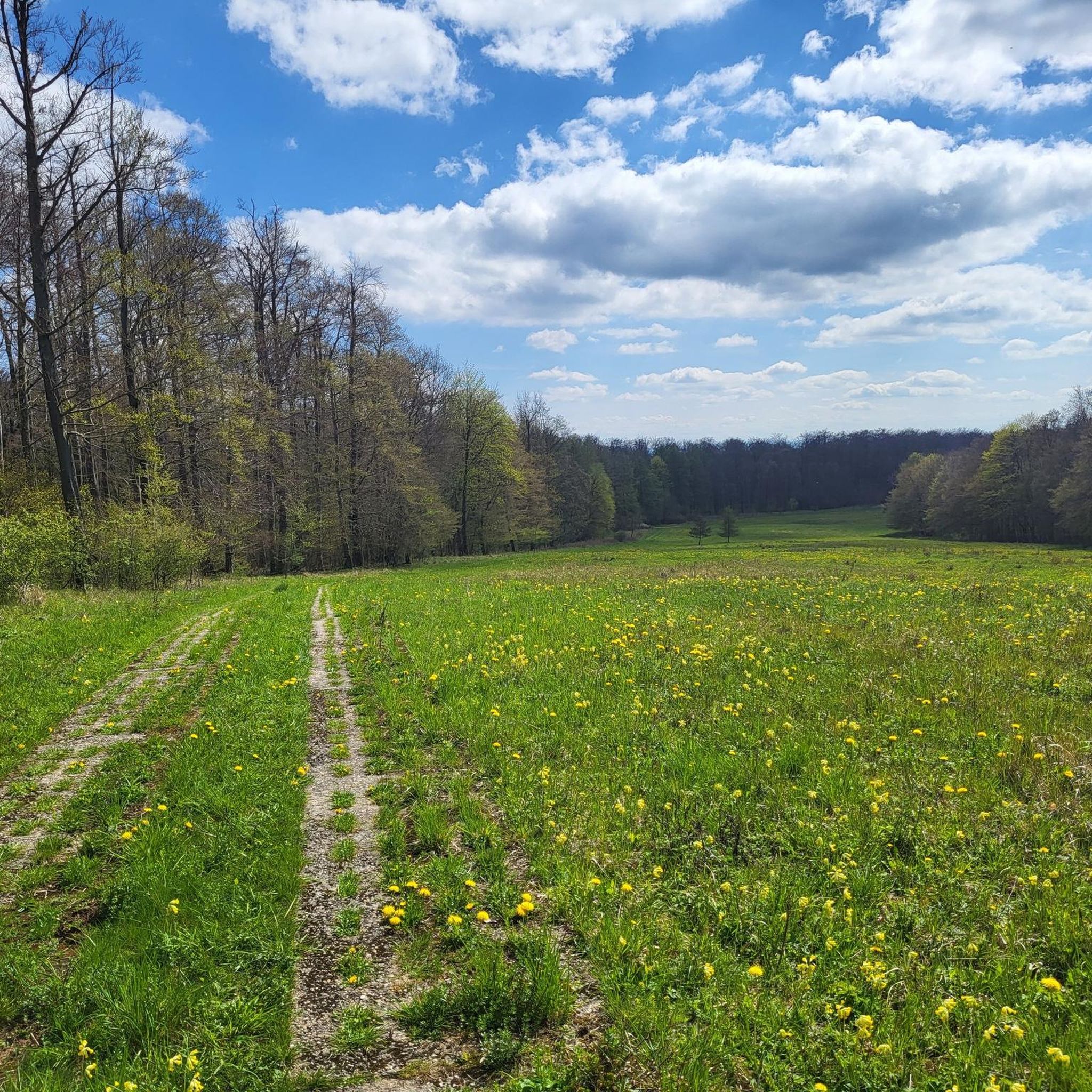
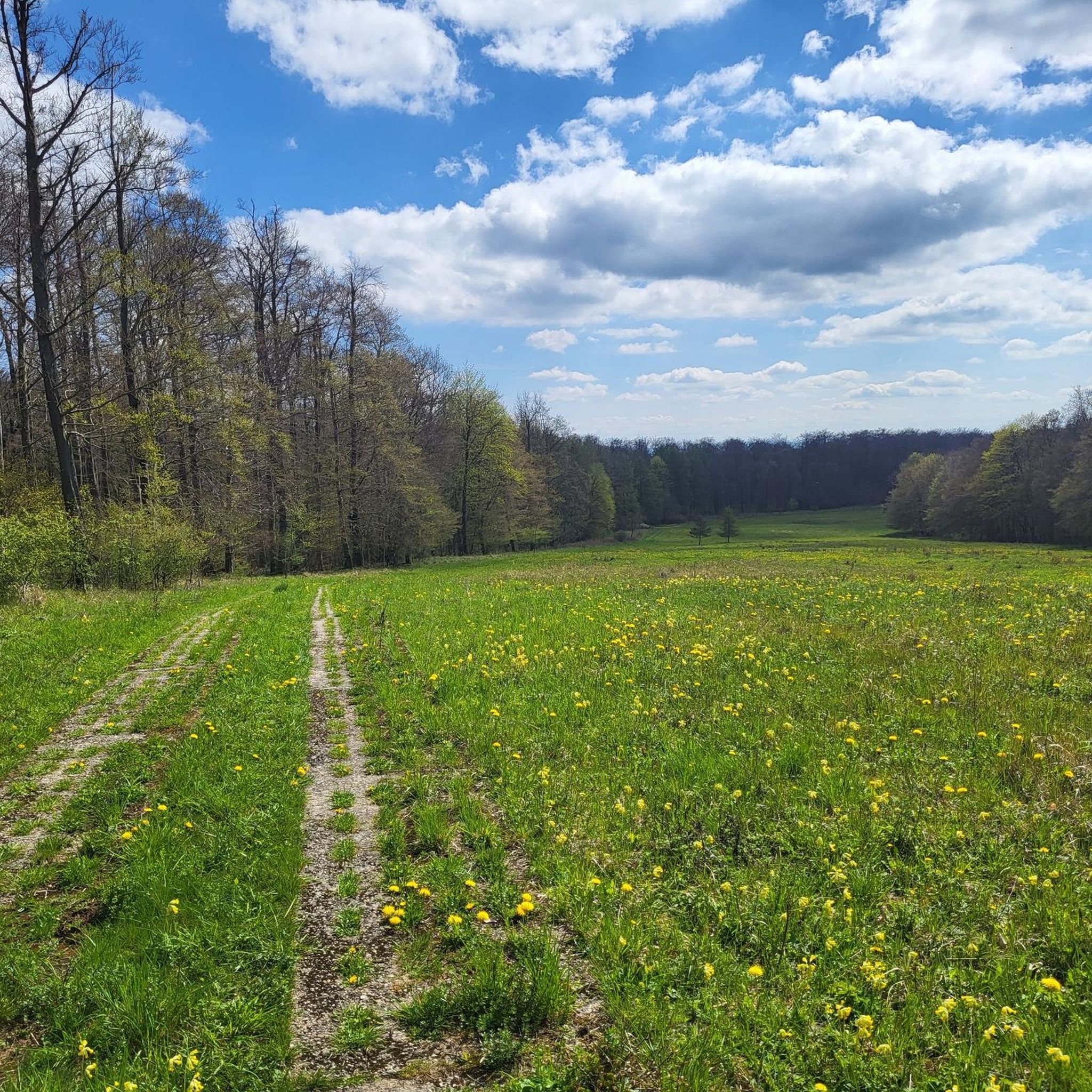
The region is characterized by mountains with steep slopes, rocks, and landslides, including Dreiherrenstein (478 m) and Eschenberg (450 m). You'll find natural beech forests, unique rock formations, moist meadows, and extensively managed open areas. It's also known for its rich flora, especially various orchid species, and geological features like the three "Blaugrashalden" (bluegrass slopes).
Are there good hiking opportunities in Dreiherrenstein-Eschenberg-Kreutzerberg?
Yes, the area offers an extensive network of well-developed hiking trails suitable for various skill levels. Popular options include the historic "Hike to the Three Lords" and the Eschenberger Wald to Kreutzerberg Circular Route. You can also explore nearby routes like the easy View of Rambach loop from Graburg or more challenging waterfall hikes.
What historical sites or cultural points of interest are there?
The region holds significant historical value, particularly related to the former inner-German border. You can visit the Dreiherrenstein Viewpoint, which marks the former German-German border. Another historical marker is Saxon Boundary Stone 316, indicating the former Kingdom of Prussia. Additionally, you'll find unique artworks like Zaunvolk – Ars Natura Sculpture by Georg Janthur and Lebensspur by Michaela Biet, which are part of the Ars Natura art trail and often reflect the region's history.
Are there viewpoints with panoramic vistas?
Absolutely. The Dreiherrenstein Viewpoint offers expansive views and is a worthwhile detour. Heldrastein, often called the "king of the Werra valley," is another prominent location known for its excellent panoramic views. Many hiking trails in the area also lead to observation towers, providing stunning vistas of the surrounding countryside.
What is the best time of year to visit Dreiherrenstein-Eschenberg-Kreutzerberg for outdoor activities?
The region is beautiful year-round, but spring and autumn are particularly recommended for hiking. In spring, you can witness the blooming of various orchid species in the limestone grasslands and beech forests. Autumn offers vibrant foliage and comfortable temperatures for longer treks. Summer is also suitable, especially for shaded forest trails.
Are there family-friendly hiking trails in the area?
Yes, many trails are suitable for families. The Eschenberger Wald to Kreutzerberg Circular Route, for instance, combines varied landscapes with gentle inclines and features informative boards about local flora and fauna, as well as rest areas. You can also find several easy hikes in the region, perfect for a family outing.
Can I bring my dog on the hiking trails in Dreiherrenstein-Eschenberg-Kreutzerberg?
Generally, dogs are welcome on the hiking trails in the Dreiherrenstein-Eschenberg-Kreutzerberg nature reserve. However, as it is a protected area, it's crucial to keep dogs on a leash to protect wildlife and sensitive plant species, especially during breeding seasons. Always follow local signage and regulations.
Where can I find parking for hiking trails in Dreiherrenstein-Eschenberg-Kreutzerberg?
Parking is typically available at the start points of popular hiking trails and near key attractions. Look for designated parking areas in villages bordering the nature reserve, such as Rambach or Weißenborn. Specific parking information is often provided on local trail maps or at information boards.
Are there other outdoor activities besides hiking in the region?
Beyond hiking, the region offers excellent opportunities for road cycling. You can explore various road cycling routes, ranging from moderate to difficult, which take you through scenic landscapes. The challenging The Rambach Wall, with its 15-percent incline, is a notable challenge for cyclists.
Are there any specific rules or permits needed for hiking in the Dreiherrenstein-Eschenberg-Kreutzerberg nature reserve?
As a nature reserve and part of the Natura 2000 network, the area has regulations to protect its unique flora and fauna. Generally, hiking on marked trails is permitted without special permits. However, it's essential to stay on designated paths, refrain from picking plants, and avoid disturbing wildlife. Always respect local signage regarding access and conservation.
What is the 'Grünes Band' (Green Belt) and its significance in this region?
The 'Grünes Band' is a significant biotop network that runs along the former inner-German border. The Dreiherrenstein-Eschenberg-Kreutzerberg nature reserve is an integral part of this Green Belt, which has become a unique ecological corridor. It connects numerous rare habitats and plays a crucial role in biodiversity conservation, preserving species that thrive in these undisturbed borderland environments.
Are there places to eat or stay near Dreiherrenstein-Eschenberg-Kreutzerberg?
While the nature reserve itself is primarily undeveloped, you can find cafes, pubs, and accommodation options in the nearby villages such as Rambach and Weißenborn. These local establishments offer opportunities to refresh and refuel after your outdoor adventures.
Most popular routes in Dreiherrenstein-Eschenberg-Kreutzerberg

Get inspired with the komoot mobile app


Explore more
Still not found the Highlight you’re looking for? See guides of the top attractions in other regions:
