Attractions and Places To See in Bergpark Wilhelmshöhe - Top 20
Best attractions and places to see in Bergpark Wilhelmshöhe include a UNESCO World Heritage site known for its expansive landscape and unique blend of Baroque design and English landscaping. This large hillside park features monumental landmarks, impressive water features, and cultural sites. Visitors can explore terraced gardens, dense forests, and winding paths throughout the 560-hectare park.
Best attractions and places to see in Bergpark Wilhelmshöhe
- The most popular attractions is Hercules Monument, Wilhelmshöhe Mountain Park, a man-made monument that…
Last updated: July 5, 2026
Hercules Monument, Wilhelmshöhe Mountain Park
Highlight • Monument
Translated by Google •
Tip by

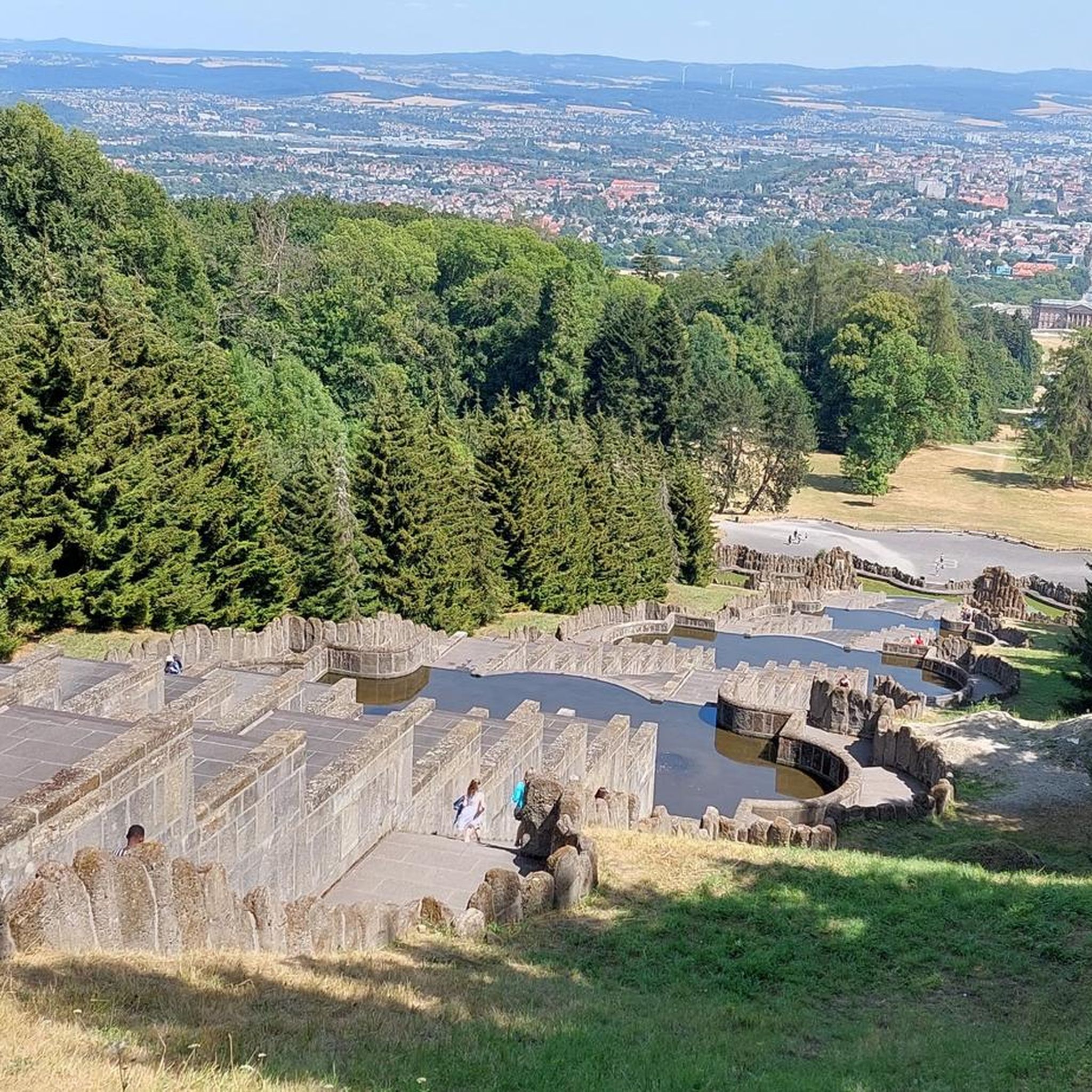
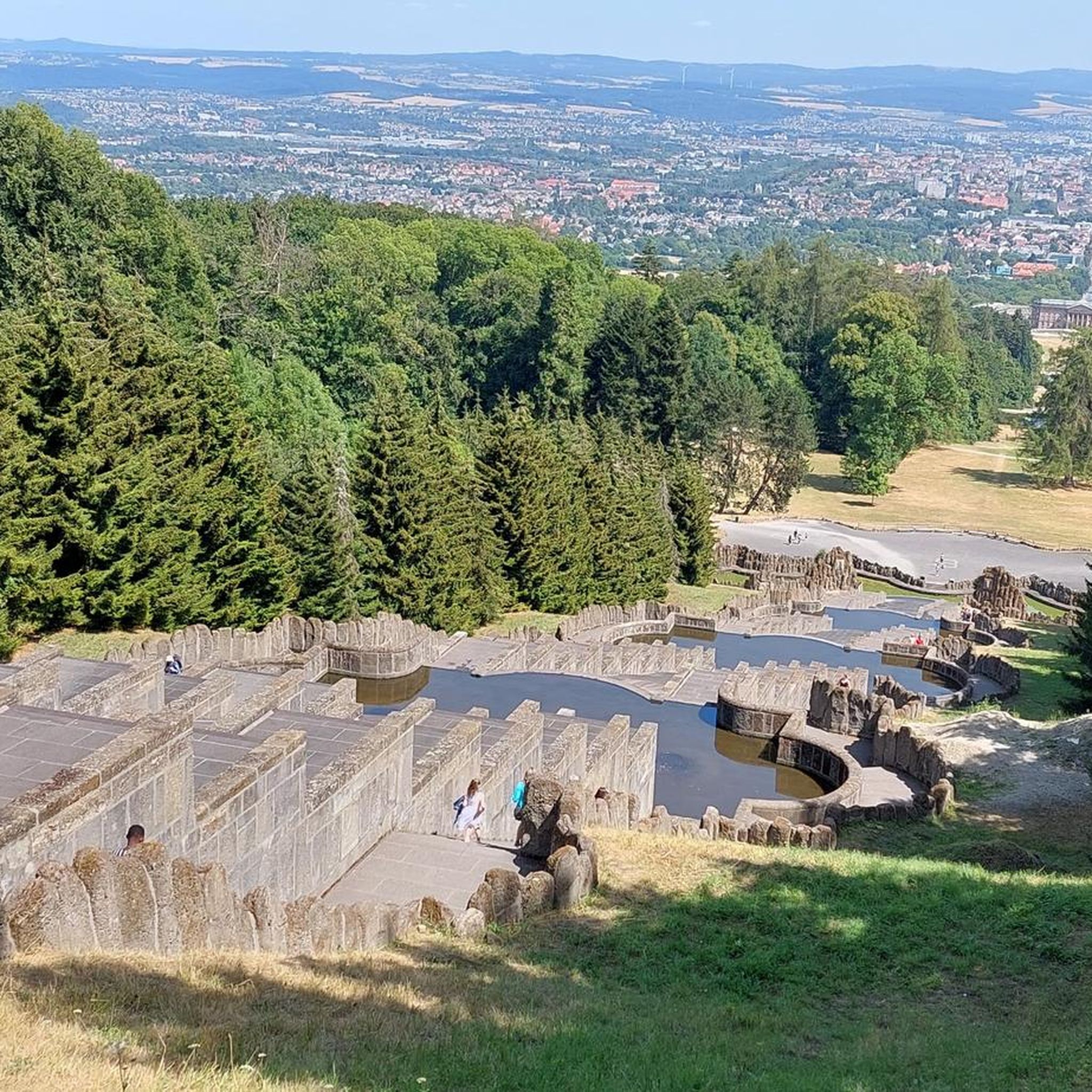
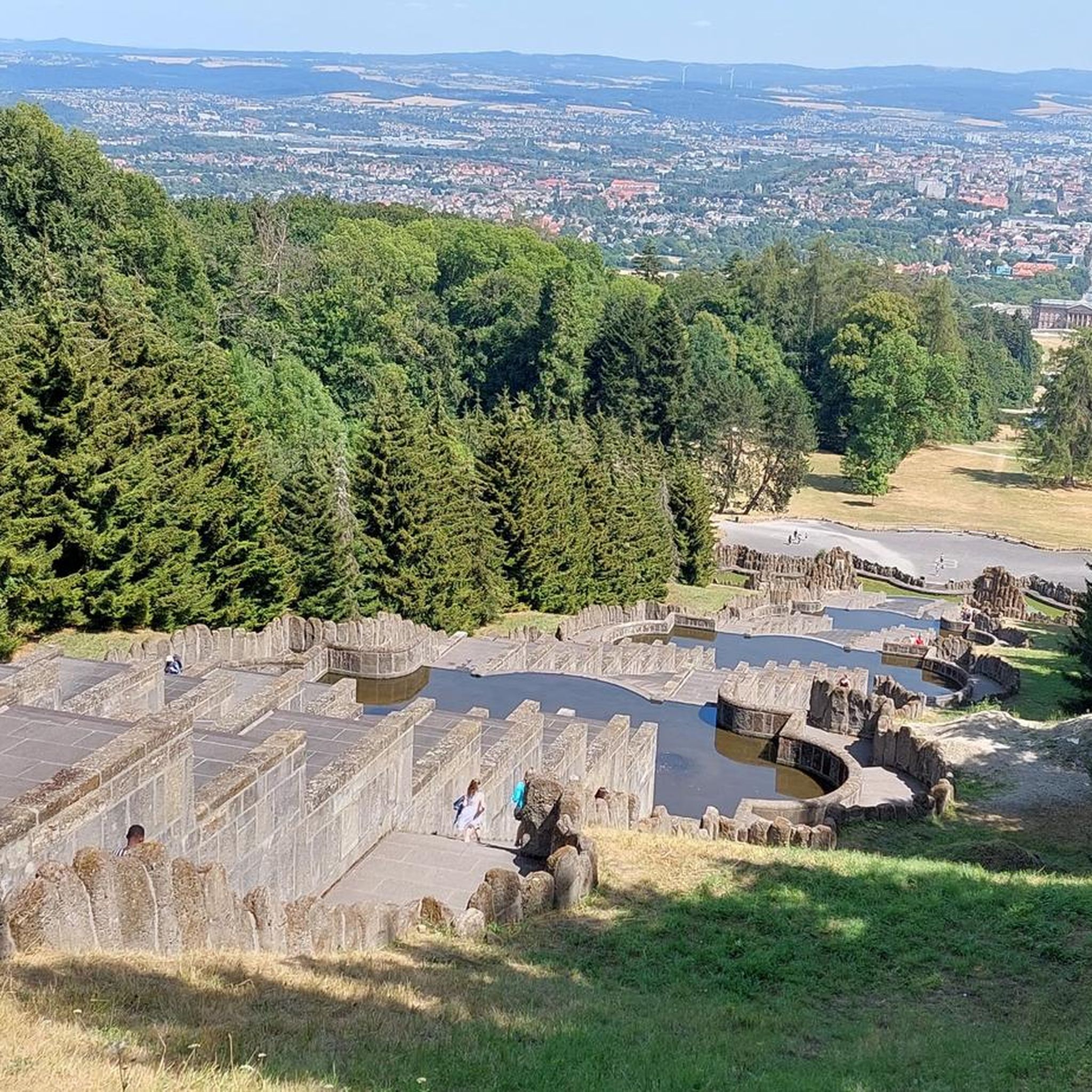
Neptune Basin and the Cascades, Bergpark Wilhelmshöhe
Highlight • Monument
Translated by Google •
Tip by

Sign up now to discover places like this
Get recommendations on the best single tracks, peaks, & plenty of other exciting outdoor places.
Sign up for free
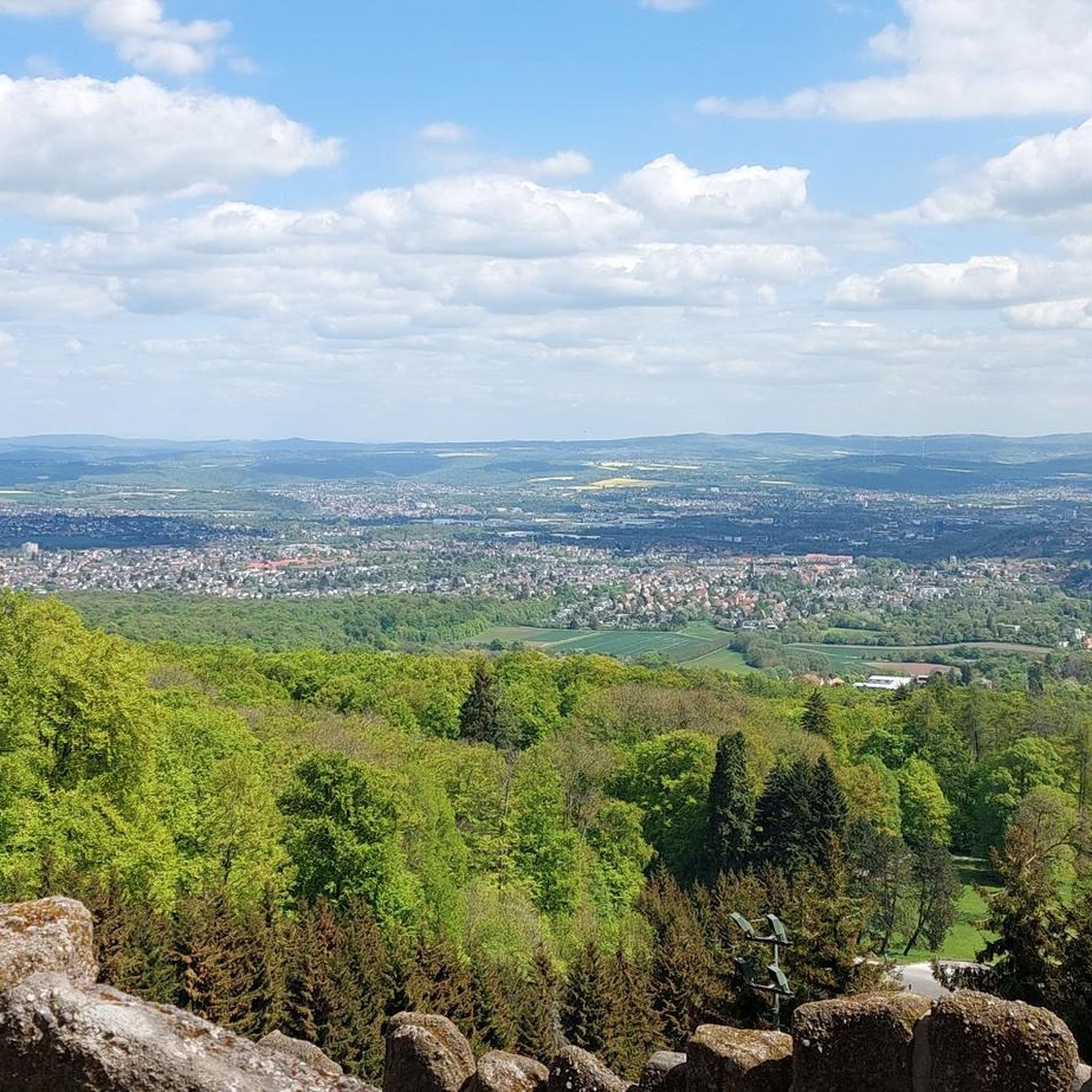
View of Kassel from the Bergpark Wilhelmshöhe
Highlight • Viewpoint
Translated by Google •
Tip by

Wilhelmshöhe Palace
Highlight • Castle
Translated by Google •
Tip by
Löwenburg (Wilhelmshöhe Mountain Park)
Highlight • Castle
It represents an …
Translated by Google •
Tip by

Sign up for free to discover even more attractions in Bergpark Wilhelmshöhe.
Sign up for free
Already have an account?
Start today with a free account
Your next adventure awaits.
Login or Signup
Popular around Bergpark Wilhelmshöhe
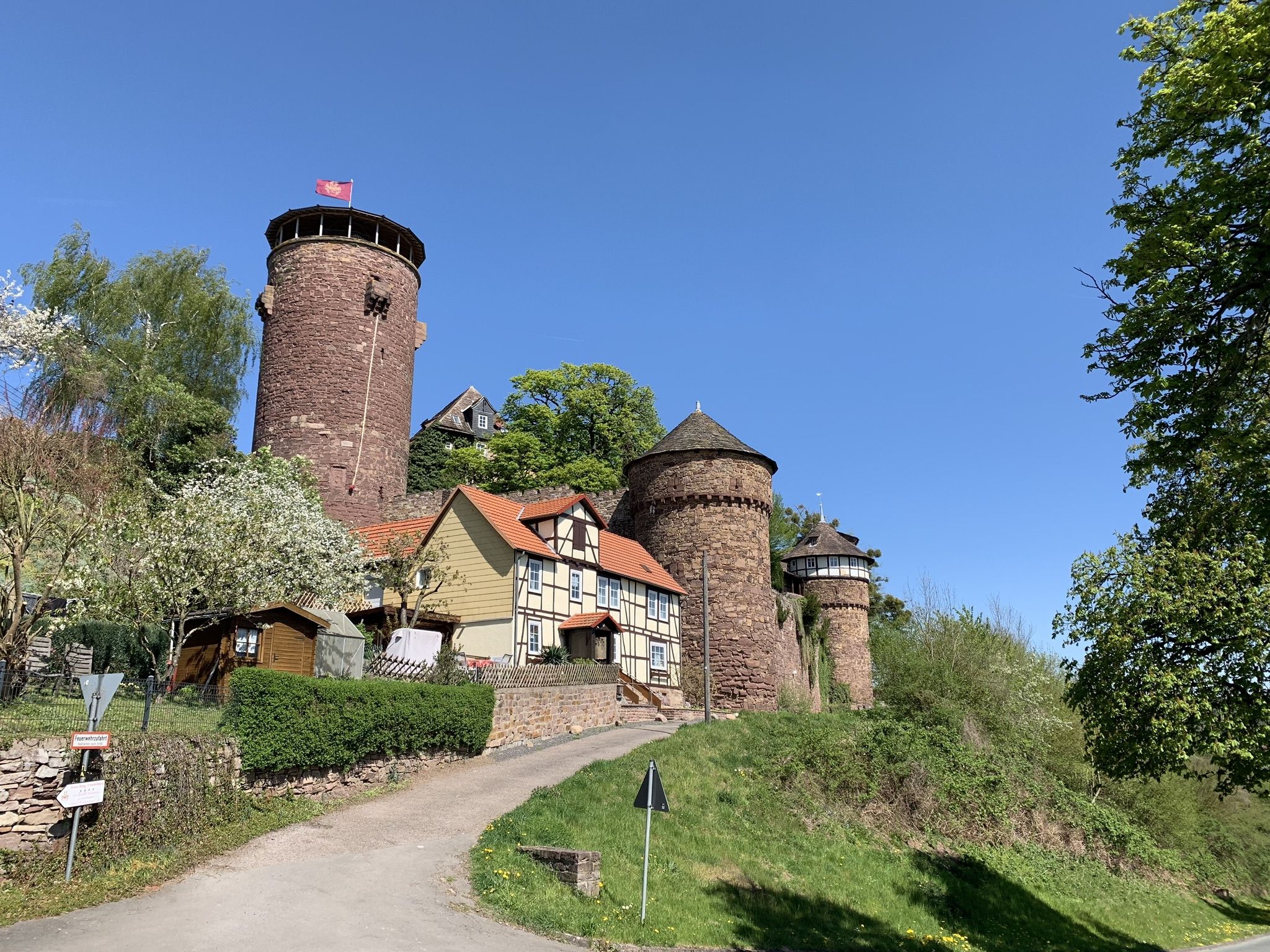
Hike the Fairy Tale Route – Enchanting days in Germany
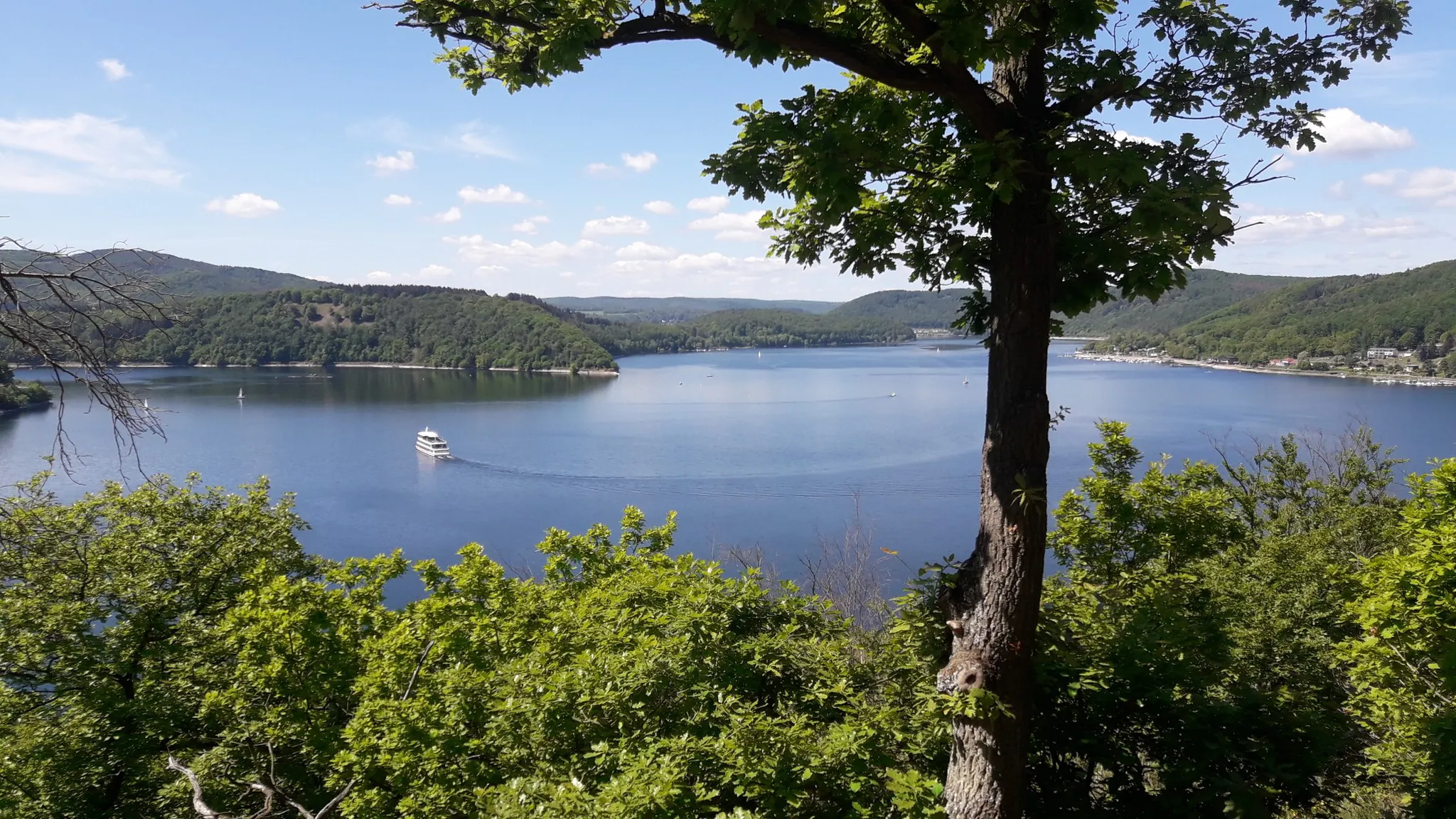
Ederseeweg trail — three stages from the city to the lake
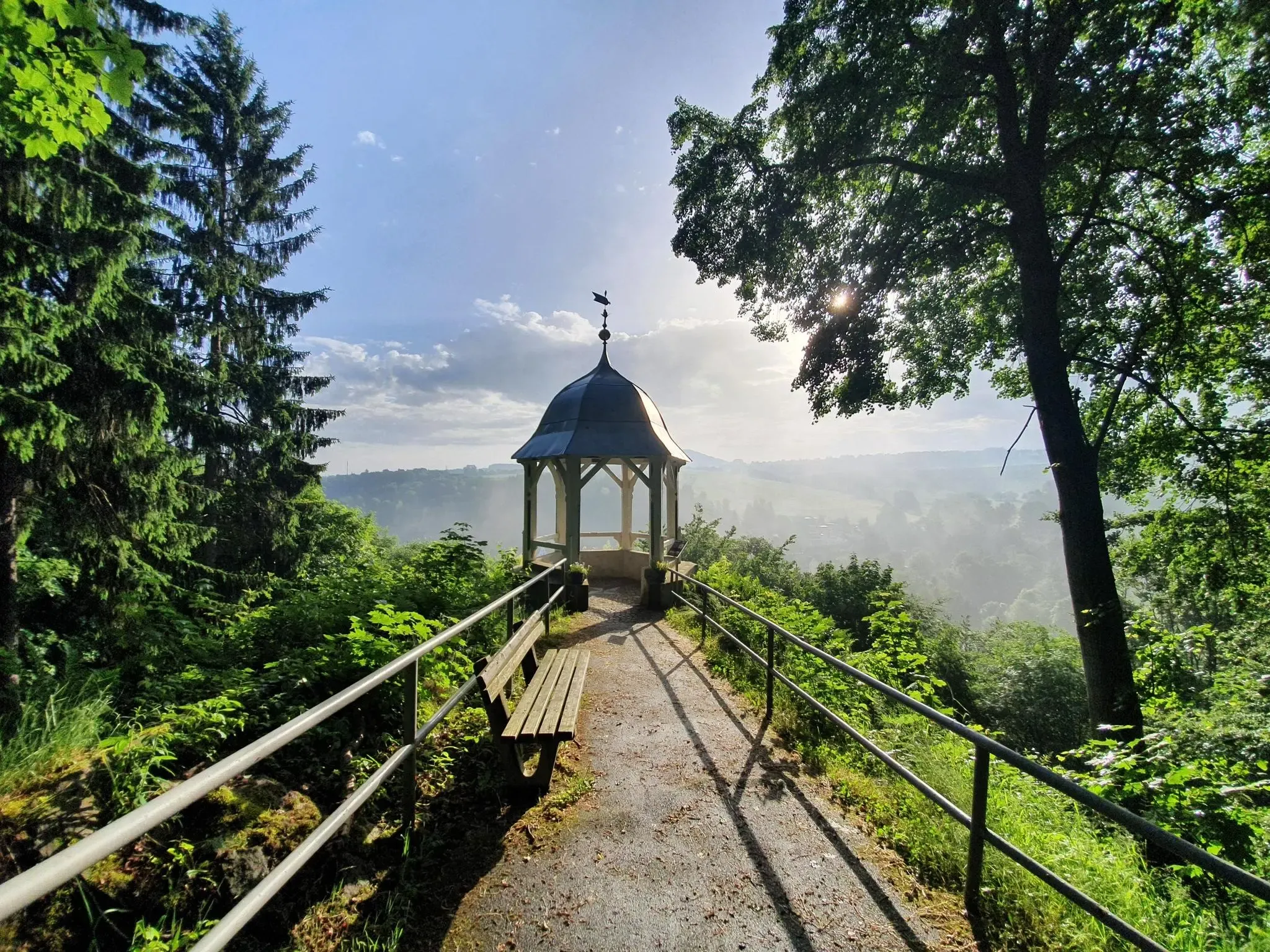
#GoFurther – discover the views of Germany!
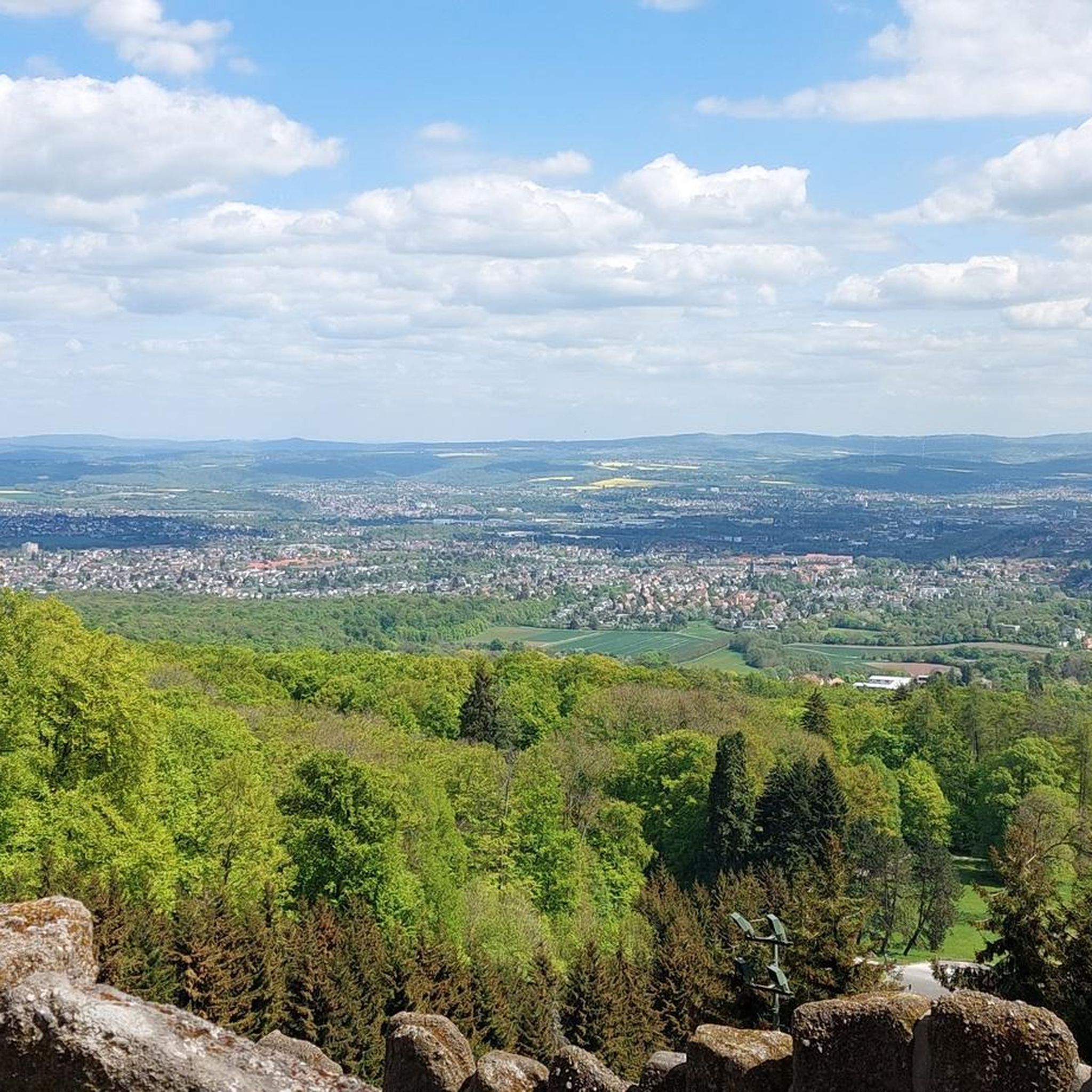
Road Cycling Routes in Bergpark Wilhelmshöhe
Hiking in Bergpark Wilhelmshöhe
MTB Trails in Bergpark Wilhelmshöhe
Gravel biking in Bergpark Wilhelmshöhe
Running Trails in Bergpark Wilhelmshöhe
Cycling in Bergpark Wilhelmshöhe
Mountain Hikes in Bergpark Wilhelmshöhe


Tips from the Community

Above Wilhelmshöhe Castle lies the artificial castle ruins of the Löwenburg. From a distance it appears like a romantic knight's castle from the Middle Ages. However, it was only built between 1793 and 1801 as the “ancestral castle” of Landgrave Wilhelm IX. of Hesse-Kassel, the later Elector Wilhelm I. His court architect Heinrich Christoph Jussow implemented the bold plans. The Löwenburg was not a fortress, but a pleasure palace, whose princely living quarters and rich furnishings with historical furniture, paintings, tapestries, glasses, bronzes as well as a magnificent collection of weapons and medieval stained glass windows reflect the great passion for collecting of its builder. The immediate surroundings of the castle were also included in the production by creating an ancient-looking castle garden, a vineyard, a tournament field and a zoo.
17
1

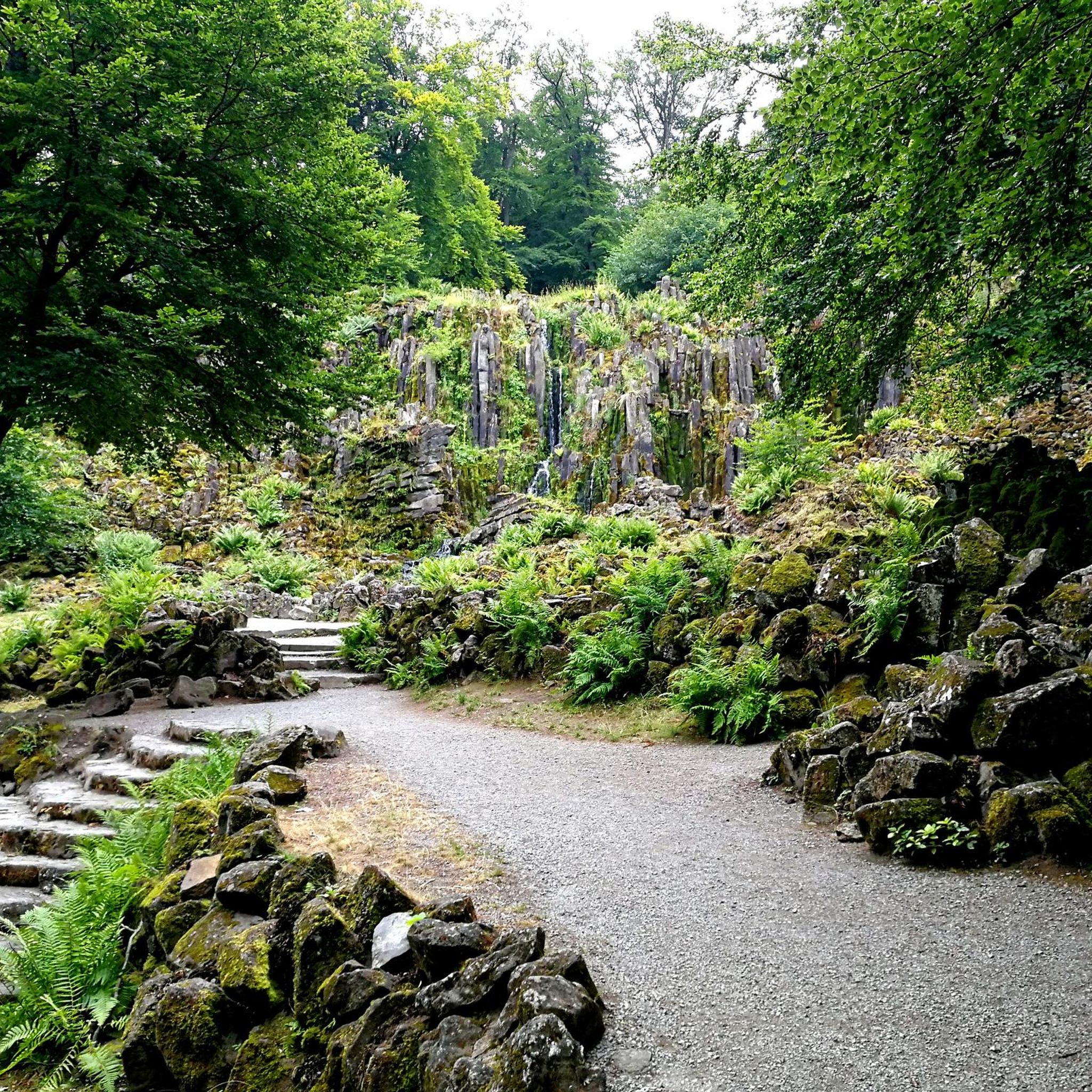
The water bubbles over the cascades, the Steinhöfer waterfall, the Devil's Bridge and falls over the aqueduct and the Peneus cascades down to the castle pond. Here the water pressure causes the "Great Fountain" to shoot up over 50 meters. This spectacle is the conclusion and highlight of the water games. Always on Wednesdays, Sundays and on public holidays at certain times.
25
1

Several museums and collections are housed in Wilhelmshöhe Palace: in the middle section is the famous picture gallery of the old masters, the collection of antiquities and the graphic collection. The castle museum can be found in the Weißenstein wing. And the chapel in the church wing is popular for weddings.
14
1

The statue, which is considered a landmark of the city of Kassel, is located at the top of a pyramid that stands on the octagon, the giant castle. Today, the name "Hercules" not only stands for the statue, but for the entire building, which is also the starting point for the summer water games in the mountain park. The octagon and the Hercules go back to different construction phases. Since June 23, 2013, the Hercules - as part of the Bergpark Wilhelmshöhe - has been on the UNESCO World Heritage List as an example of absolutist architecture.
20
1
Woooow, like a movie set. The sight knocks every ambitious hiker's socks off 😍
17
1

Impressive building, which can also be visited. There is a locality next to the main building. If you step out of the main entrance you have a sensational view over the park area up to the Hercules.
11
1

Landgrave Wilhelm IX had the mountain park redesigned and expanded according to the English-influenced spirit of the time. This also included the Löwenburg Castle, which was built as a ruin in 1793. The habitable ruin was his personal retreat and was also intended to be his grave, where he still lies today. Kassel was exposed to heavy bombings during the Second World War, which also severely damaged the Löwenburg. It was only rebuilt for practical purposes. The facility is now being restored again and will then look exactly as it did when it was founded. Due to the restoration work, only the armory and the chapel can currently be visited (2022). This is done exclusively through guided tours, which take place every hour.
18
1
In 1696, Landgrave Carl von Hessen-Kassel decided to create a mountain park directly behind his Weißenstein hunting lodge, which was to be on a par with the gardens of Versailles. The Huguenot inventor Denis Papin was to develop a steam-powered fountain for this purpose, as he was one of the developers of the first steam engine. Since there were repeated setbacks, Papin was no longer financed and Gottfried Wilhelm Leibniz declined due to lack of interest. Instead, a 60 m long model for a mountain park was designed with the Italian architect Guerniero, of which only a third was ultimately realized. From 1701, the expansion for the elaborate water features began, which only took place 13 years later for the first time. Instead of using steam power, the fountains now worked exclusively with the water pressure from a higher pond. The water covers a height difference of 320 m over a 2 km flow distance. The finale is a 50 m high fountain, which shoots up solely due to the water pressure. With these impressive water features, Landgrave Carl wanted to express the power of his county on the one hand, and the power of man over nature. Over 130 years, his successors expanded the mountain park. Only when the county was abolished by Prussia did the expansion come to an end, but Prussian rulers such as Kaiser Wilhelm II also liked to stay in Kassel, where they used the Bergpark. The site was preserved and still functions as it did more than 300 years ago. A visit to the mountain park is a must! If you want to hike the entire park, you should be able to walk well and plan enough time and a few meters of altitude. The always new views and numerous sights are worth all the effort. Even without the water games, which take place every Wednesday and Sunday, the mountain park is a unique attraction. Those who are not good on foot should at least enjoy the incredible view of Kassel in front of the Hercules.
23
2
Frequently Asked Questions
What are the famous water features in Bergpark Wilhelmshöhe and when can I see them?
The internationally admired Water Features (Wasserkünste) are a spectacular example of monumental water engineering. They run from May to October, typically on Wednesdays, Sundays, and public holidays at specific times. Key elements include the Grand Cascade, Steinhöfer Waterfall, Devil's Bridge, Aqueduct, and the Grand Fountain, which can propel water up to 52 meters high in the Wilhelmshöhe Palace Pond. You can experience the start of the water features near the Neptune Basin and the Cascades, Bergpark Wilhelmshöhe.
What historical sites can I explore within Bergpark Wilhelmshöhe?
Bergpark Wilhelmshöhe is rich in history. You can visit Wilhelmshöhe Palace, an elegant neoclassical palace housing an Old Masters Picture Gallery and an antiques collection. Another significant site is Löwenburg (Lion's Castle), a picturesque, pseudo-medieval knight's castle built around 1800, designed as a romantic ruin.
Are there family-friendly activities or attractions in Bergpark Wilhelmshöhe?
Yes, Bergpark Wilhelmshöhe offers several family-friendly options. The expansive park itself is great for walks and exploration. Children often enjoy the dramatic water features and exploring the unique architecture of Löwenburg (Lion's Castle). The park's natural beauty and various paths provide ample space for families to enjoy the outdoors together.
What kind of views can I expect in Bergpark Wilhelmshöhe?
The park offers numerous stunning viewpoints. The most prominent is from the Hercules Monument, Wilhelmshöhe Mountain Park, which crowns the Bergpark at 530 meters and provides panoramic views of the entire park and the city of Kassel. Other scenic spots include the bridge over the Höllenteich, offering a spectacular view of the water features.
What outdoor activities, like hiking or running, can I do near the attractions?
Bergpark Wilhelmshöhe is ideal for outdoor activities. You can find various running trails, such as the 'Steinhöfer Waterfall – View of Kassel at Night loop' or the 'Hercules Monument – Hercules Monument and Octagon loop'. For more options, explore the Running Trails in Bergpark Wilhelmshöhe guide. The park's winding paths and diverse landscapes are perfect for walking and hiking.
Are there cycling routes available in Bergpark Wilhelmshöhe?
Yes, there are several cycling opportunities. For mountain biking, you can find routes like the 'Löwenburg, Kassel – Hohes Gras Observation Tower loop'. If you prefer road cycling, consider routes such as the 'Covered Bridge Over the Fulda – Fulda Cycle Route (R1) loop'. You can discover more detailed options in the MTB Trails in Bergpark Wilhelmshöhe guide and the Road Cycling Routes in Bergpark Wilhelmshöhe guide.
What is the best time of year to visit Bergpark Wilhelmshöhe?
The park is open year-round and free of charge. However, the spectacular Water Features run from May to October, making this period particularly popular. During these months, the park is vibrant with lush greenery. Autumn also offers beautiful scenery with changing foliage, while winter can provide a unique, serene experience, though some facilities might have reduced hours.
How long should I plan for a visit to Bergpark Wilhelmshöhe?
To fully experience the main attractions like the Hercules Monument, the Water Features (if running), Wilhelmshöhe Palace, and Löwenburg, you should plan at least half a day, if not a full day. The park is expansive, covering 560 hectares, and exploring its various paths and features takes time.
Is Bergpark Wilhelmshöhe accessible by public transport?
Yes, Bergpark Wilhelmshöhe is well-connected by public transport. You can reach the park easily from Kassel city center. Specific bus and tram lines serve the area, with stops conveniently located near the main entrances and attractions like Wilhelmshöhe Palace.
What do visitors enjoy most about Bergpark Wilhelmshöhe?
Visitors frequently praise the sheer scale and beauty of the park, especially the impressive Hercules Monument and the dramatic Water Features. The historical significance of sites like Wilhelmshöhe Palace and Löwenburg also receives high appreciation. Many enjoy the challenging but rewarding climb up the cascades for the panoramic views.
Are there any natural features or hidden gems to discover in the park?
Beyond the main landmarks, the park itself is a magnificent landscape garden with a unique wealth of trees and plants, some over 200 years old. You can find picturesque spots like the Höllenteich and the Devil's Bridge, which are part of the water features but also offer serene natural beauty. The park's design blends Baroque and English landscaping, creating many inspiring, less-trafficked areas to explore.
Most popular routes in Bergpark Wilhelmshöhe
Most popular attractions in Bergpark Wilhelmshöhe

Get inspired with the komoot mobile app


Explore more
Still not found the Highlight you’re looking for? See guides of the top attractions in other regions:
