Attractions and Places To See in Nsg Hülser Bruch - Top 20
Best attractions and places to see in Nsg Hülser Bruch, Krefeld's largest nature reserve, spans approximately 430 hectares. This area features a varied landscape with woodlands, meadows, and wetlands, supporting diverse flora and fauna. Hülser Berg, Krefeld's highest natural elevation at 63 meters, is a prominent feature within the reserve. The Johannesturm Observation Tower on Hülser Berg provides panoramic views over the Lower Rhine region.
Best attractions and places to see in Nsg Hülser Bruch
- The most popular attractions is…
Last updated: October 9, 2026
Johannesturm Observation Tower
Highlight • Viewpoint
Translated by Google •
Tip by

Fallow Deer Enclosure at Hülser Bruch
Highlight • Natural
Translated by Google •
Tip by

Sign up now to discover places like this
Get recommendations on the best single tracks, peaks, & plenty of other exciting outdoor places.
Forest trails in the Hülser Bruch Nature Reserve
Highlight • Forest
Translated by Google •
Tip by

Hubertushof
Highlight • Structure
Translated by Google •
Tip by

Wood Art Gallery Krefeld
Highlight • Structure
Translated by Google •
Tip by

Sign up for free to discover even more attractions in Nsg Hülser Bruch.
Already have an account?
Start today with a free account
Your next adventure awaits.

Tips from the Community

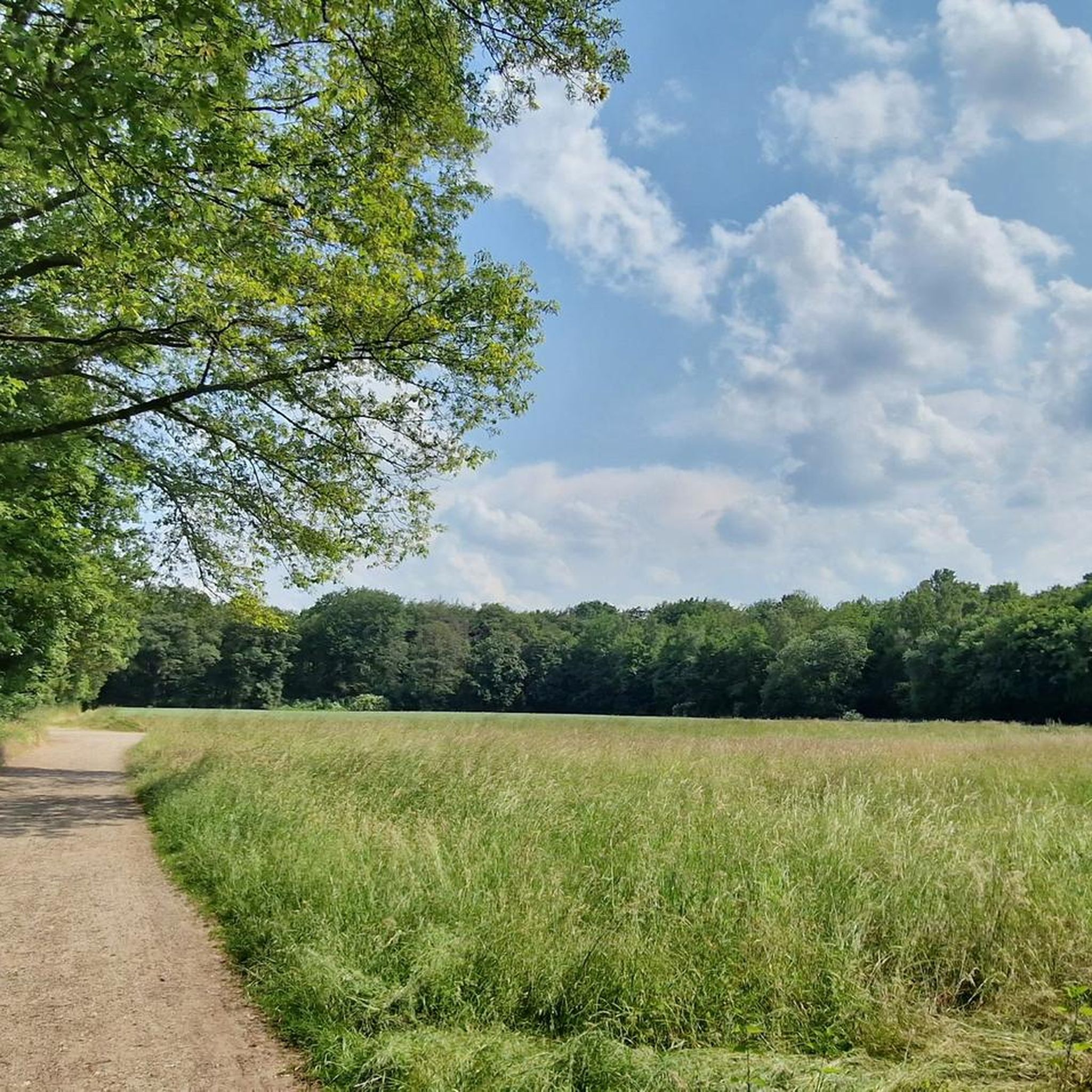
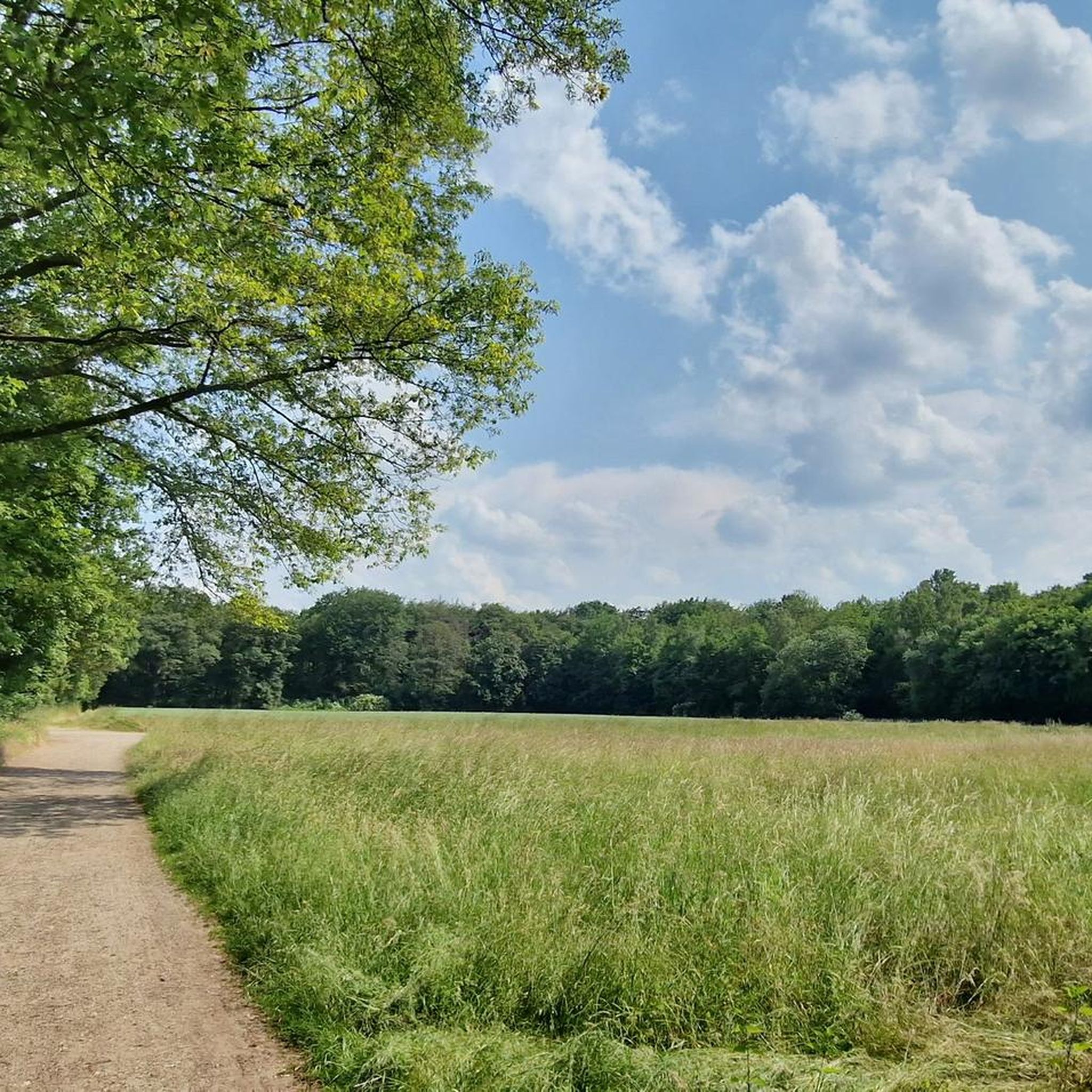
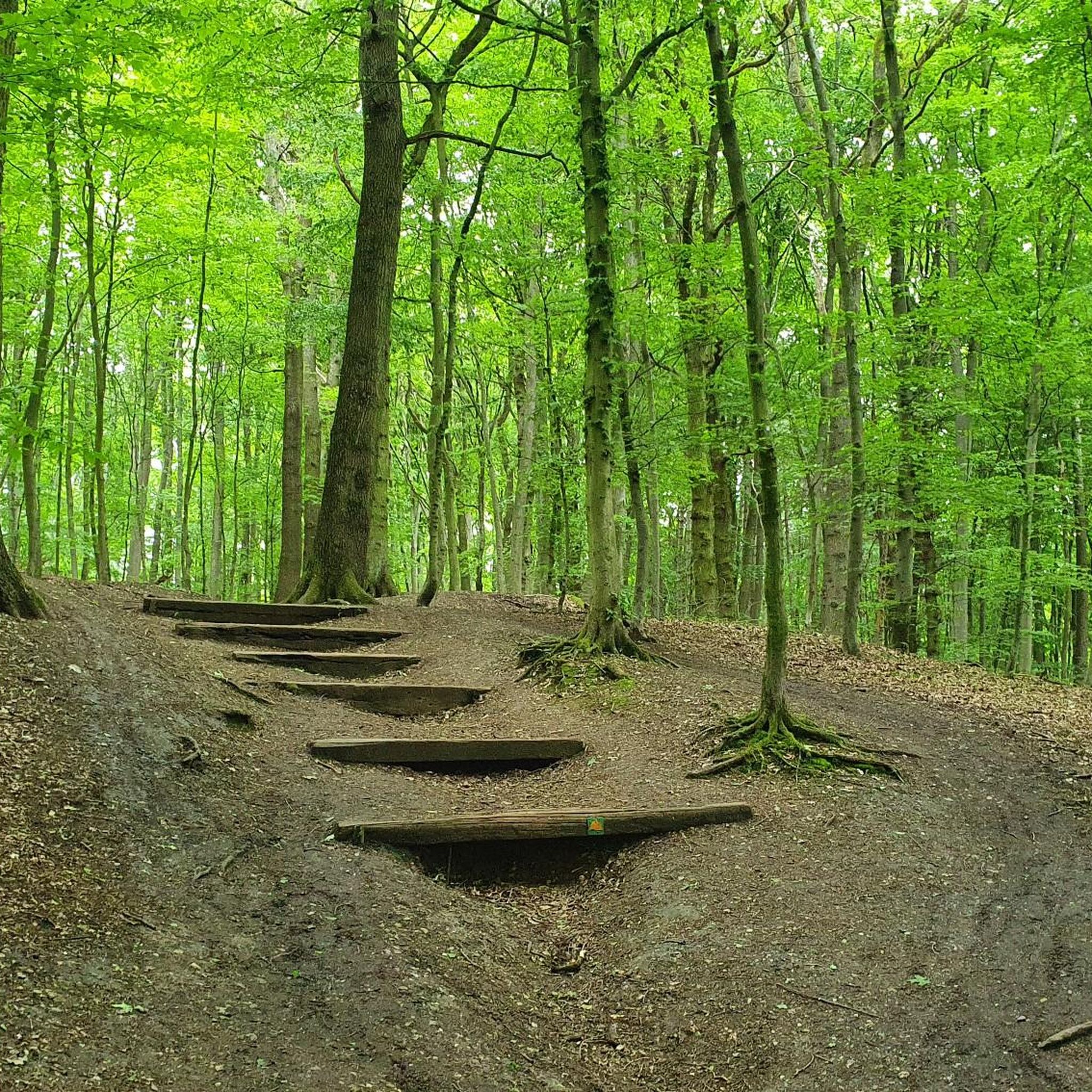
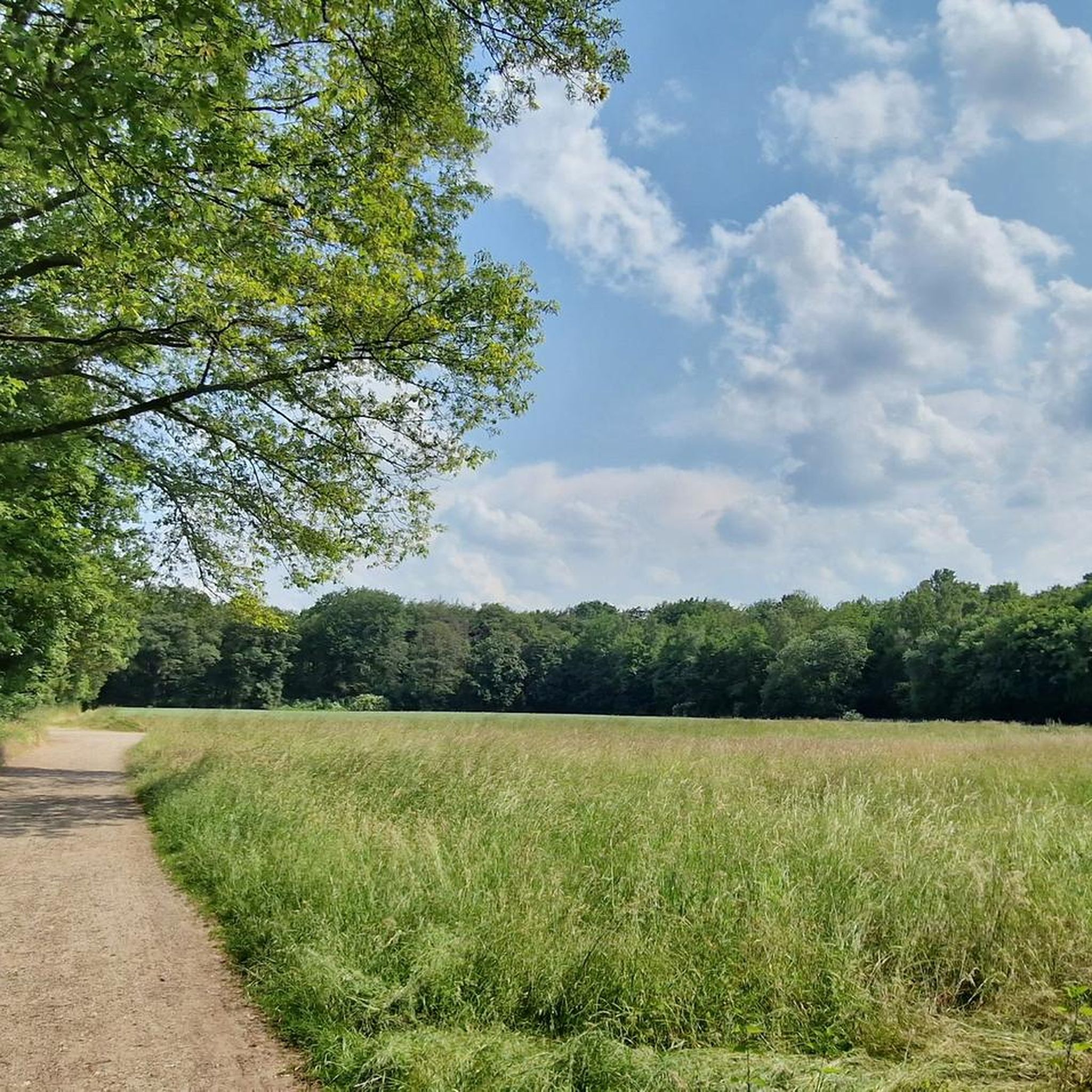
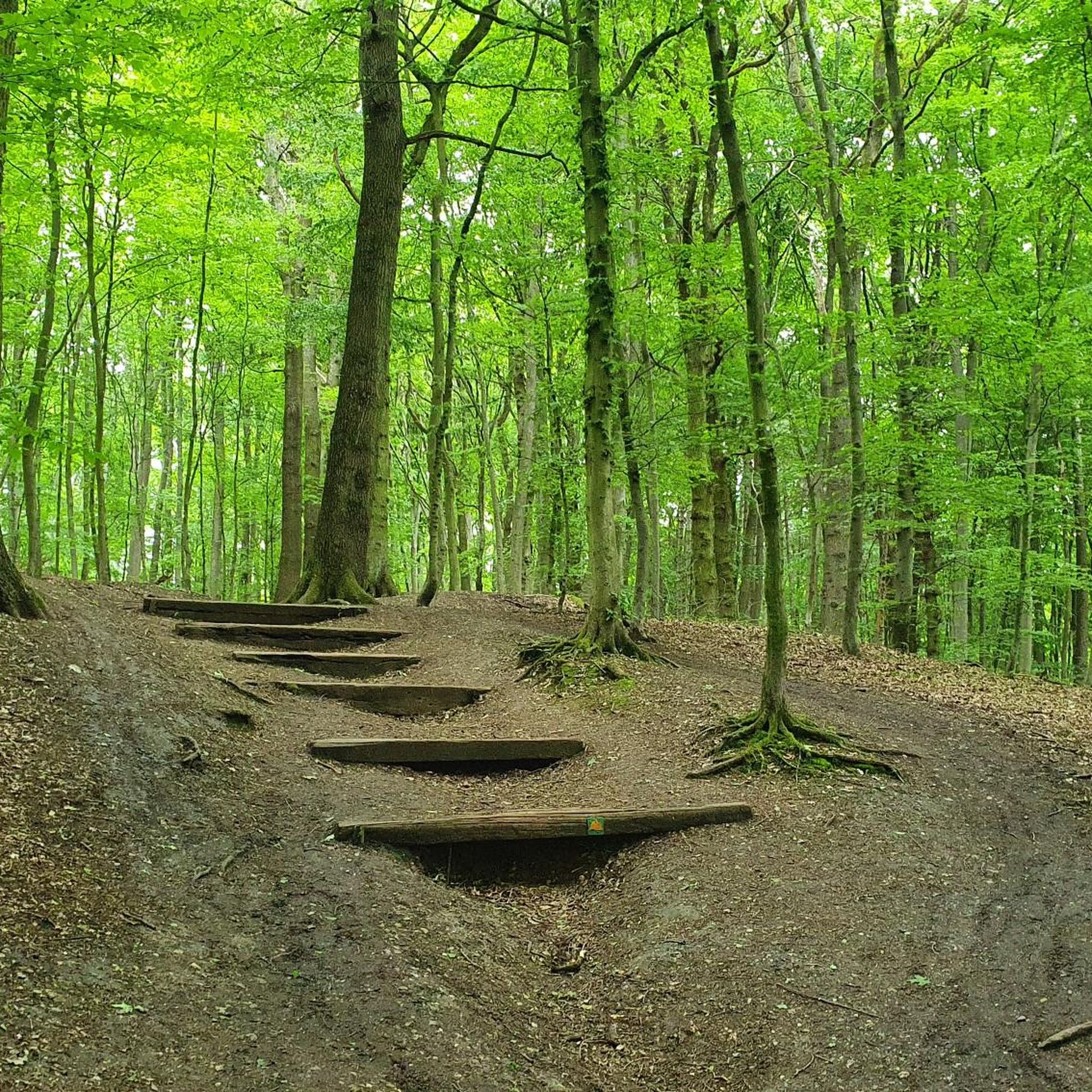
Large wooded area on Hülser Berg with hiking trails that are shady in summer.
0
0

The Hülser Bruch is Krefeld's largest nature reserve. It is located about four kilometers north of Krefeld's city center and about two kilometers northeast of the incorporated village of Hüls, in the districts of Traar and Hüls. To the north is the Hülser Berg, at 63 meters the highest natural elevation. The Gelderner Fleuth, also called Flöthbach here, flows from the Bruch into the Niers. The Hülser Bruch is a leveled area from the final phase of the penultimate ice age (Saale ice age) about 140,000 years ago. The adjacent Hülser Berg to the north is the remnant of a push moraine. In the final phase of the penultimate ice age, glaciers piled up ridges of clay and stones on the Lower Rhine. After the ice had melted, these so-called push moraines remained as distinct elevations. Wind and weather leveled them; but above all, the Rhine, which repeatedly changed its course, was responsible for erosion. The material washed away by the Rhine leveled the flat meltwater channels and depressions in the surrounding area. The Hülser Bruch is such a leveled area. The designation "Bruch" dates from earlier times when the entire area was significantly wetter than today. High groundwater and clayey soil layers are unsuitable for agriculture, so the area was only used for obtaining firewood and litter. "Der Bruch" or "das Bruch" was used as a word for swamps with bush or forest. In Krefeld, it is linguistically "Das Hülser Bruch". The stress on the 'u' in Bruch is long. The wet meadows are the last remnants of the former fens and are the exception in the Hülser Bruch. The Hülser Bruch is a unique old cultural landscape of its kind. The aim of the conservation measures is the preservation and further development of the Bruch landscape as well as the securing and stabilization of the special features of this nature reserve. There is a varied and diverse vegetation. Existing biotopes include, among others, coppice, high forest, hedges, pollarded willows, dikes, and grassland areas. Fauna The Hülser Bruch is home to many animals. In addition to many game species and amphibians, the golden oriole, black woodpecker, little owl, and kestrels are also offered a chance to survive. Source reference and link to the full article: https://de.wikipedia.org/wiki/H%C3%BClser_Bruch
2
0
The pan mill is a grinder for crushing and mixing stones, ores, paper raw materials or food. One or two upright heavy discs, the so-called runners, rotate around a vertical axis on a base plate and thus grind the contents. Mill mills are suitable for grinding sticky, wet, damp or dry materials. Source and link to the full article: https://de.wikipedia.org/wiki/Kollergang
6
0
Beautiful old courtyard in red brick with friezes and arches decorated in yellow clinker bricks. I could easily imagine it as a film backdrop for yet-to-be-invented television series à la “Forest Office Hubertushof” or “The Chief Forester of the Witches’ Forest”... 😉
7
0

The Wood Art Gallery was an action as part of the Krefeld change of perspective
3
0
Much of the graffiti art is now badly weathered.
7
0


There is always very tasty jam and marmalade
5
0
Frequently Asked Questions
What natural features and landmarks can I explore in Nsg Hülser Bruch?
Nsg Hülser Bruch is rich in natural beauty. You can visit Hülser Berg Forest, the highest natural elevation in Krefeld, which offers varied forest types and historical sites. Don't miss the Johannesturm Observation Tower on Hülser Berg for panoramic views. The area also features wild ponds known as Niepkuhlen, and diverse habitats with reeds, willows, and ancient cultural landscape elements.
Are there opportunities for wildlife spotting in Nsg Hülser Bruch?
Yes, Nsg Hülser Bruch is an excellent place for wildlife observation. You can visit the Fallow Deer Enclosure at Hülser Bruch and the Hülser Berg Red Deer Enclosure to see these animals in a semi-natural setting. The reserve is also home to wild boars and various bird species, including Grey Heron, Great Egret, and White Stork, making it popular for birdwatching.
What historical or cultural sites can I find in the Nsg Hülser Bruch area?
Beyond its natural beauty, Nsg Hülser Bruch has cultural points of interest. The GeoPfad Hülser Berg offers a 5-kilometer walking trail and a 19-kilometer cycling route with information panels about local geology and landscape history. You can also find the Environmental Center, which includes the Wood Art Gallery, and the Hülser Heimatstuben (Local History Museum) in the nearby historic town center of Hüls, showcasing local pottery history.
What outdoor activities are popular in Nsg Hülser Bruch?
The reserve is ideal for various outdoor activities. You can enjoy extensive hiking and walking on numerous paths, including a 5-kilometer circular trail on Hülser Berg. Cycling and mountain biking are popular on scenic trails, and designated bridle paths are available for horseback riding. Wildlife observation and birdwatching are also favorite pastimes.
Are there family-friendly attractions or activities in Nsg Hülser Bruch?
Absolutely! Nsg Hülser Bruch is very family-friendly. Children will enjoy visiting the Fallow Deer Enclosure at Hülser Bruch and the Hülser Berg Red Deer Enclosure to see animals. The Environmental Center offers outdoor educational experiences, and on select holidays, the nostalgic "Schluff" steam train provides a unique ride between Tönisvorst and Hülser Berg.
What kind of hiking trails are available in Nsg Hülser Bruch?
Nsg Hülser Bruch offers a variety of hiking trails suitable for different fitness levels. You can find easy hikes like the 5.7 km loop from the Hülser Berg Red Deer Enclosure to Hubertushof, or the 5.8 km loop connecting the Red Deer Enclosure to the Johannesturm Observation Tower. For more options, explore the easy hikes listed in the Easy hikes in Nsg Hülser Bruch guide.
Can I go cycling in Nsg Hülser Bruch?
Yes, Nsg Hülser Bruch is excellent for cycling. There's a 19 km cycle path that connects Hülser Bruch with the historic center of Hüls, part of the GeoPfad. You can find various road cycling routes, including moderate options like the 37.3 km 'Aumühle Moers Historic Watermill – Burg Gastendonk loop'. More cycling routes are available in the Road Cycling Routes in Nsg Hülser Bruch guide.
What do visitors enjoy most about Nsg Hülser Bruch?
Visitors particularly appreciate the extensive forest trails for hiking and the panoramic views from the Johannesturm Observation Tower. The opportunity to observe fallow deer and red deer in their enclosures is also a highlight, especially for families. The peaceful natural setting and diverse landscapes make it a popular spot for relaxation and outdoor activities.
Is Nsg Hülser Bruch accessible by public transport and are there parking options?
Nsg Hülser Bruch is easily accessible by both bus and tram. For those traveling by car, parking is available outside the main reserve area, ensuring convenient access to the trails and attractions.
Are there any cafes or amenities near Nsg Hülser Bruch?
While the nature reserve itself focuses on natural experiences, the nearby historic town center of Hüls offers amenities such as cafes and restaurants. Additionally, the Hubertushof is a notable old courtyard in the area, though specific cafe information would require local inquiry.
What is the best time of year to visit Nsg Hülser Bruch?
Nsg Hülser Bruch offers beauty throughout the year. Spring and autumn are particularly pleasant for hiking and cycling due to mild temperatures and vibrant foliage. Summer is great for longer days and outdoor activities, while winter walks can be serene, especially if there's snow, offering a different perspective of the landscape.
Can I bring my dog to Nsg Hülser Bruch?
Yes, Nsg Hülser Bruch is generally dog-friendly, with many trails suitable for walks with your canine companion. However, always ensure your dog is kept on a leash, especially near wildlife enclosures and in areas with sensitive flora and fauna, to protect both your pet and the local wildlife.
Most popular routes in Nsg Hülser Bruch
Most popular attractions in Nsg Hülser Bruch

Get inspired with the komoot mobile app


Explore more
Still not found the Highlight you’re looking for? See guides of the top attractions in other regions:
