Attractions and Places To See in Dijlevallei Tussen Mechelen En Rijmenam - Top 20
Best attractions and places to see in Dijlevallei Tussen Mechelen En Rijmenam offers a diverse landscape characterized by its expansive river valley along the Dijle, featuring well-preserved alluvial plains, dikes, and wet meadows. The region combines natural beauty with historical landmarks and cultural sites. Visitors can explore a variety of nature reserves, historical churches, and castles, reflecting centuries of agricultural and cultural heritage. This area provides opportunities to experience both natural environments and historical significance.
Best attractions and places to…
Last updated: July 5, 2026
Mispeldonk Nature Reserve
Highlight • Natural
Translated by Google •
Tip by

Barebeek Valley
Highlight • River
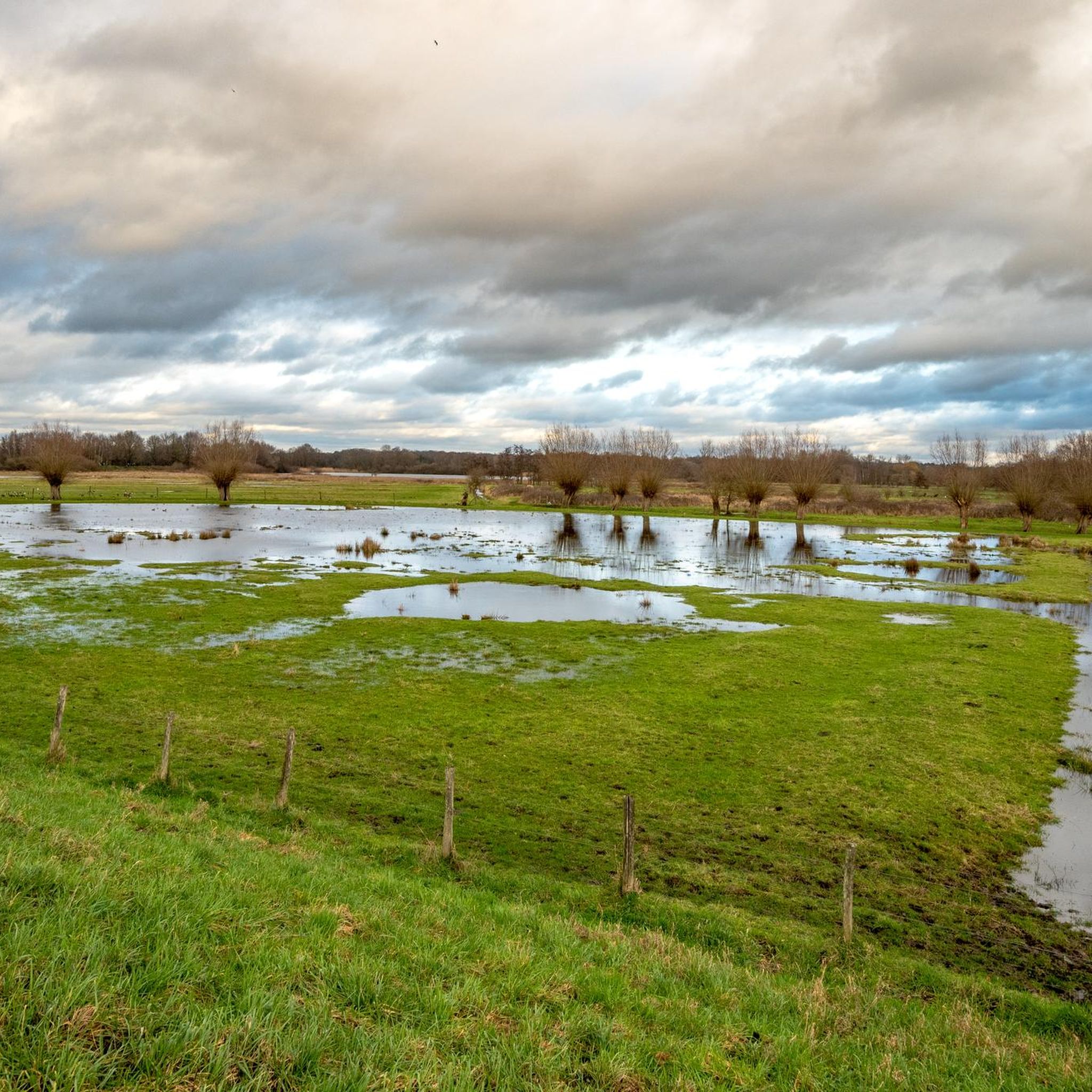
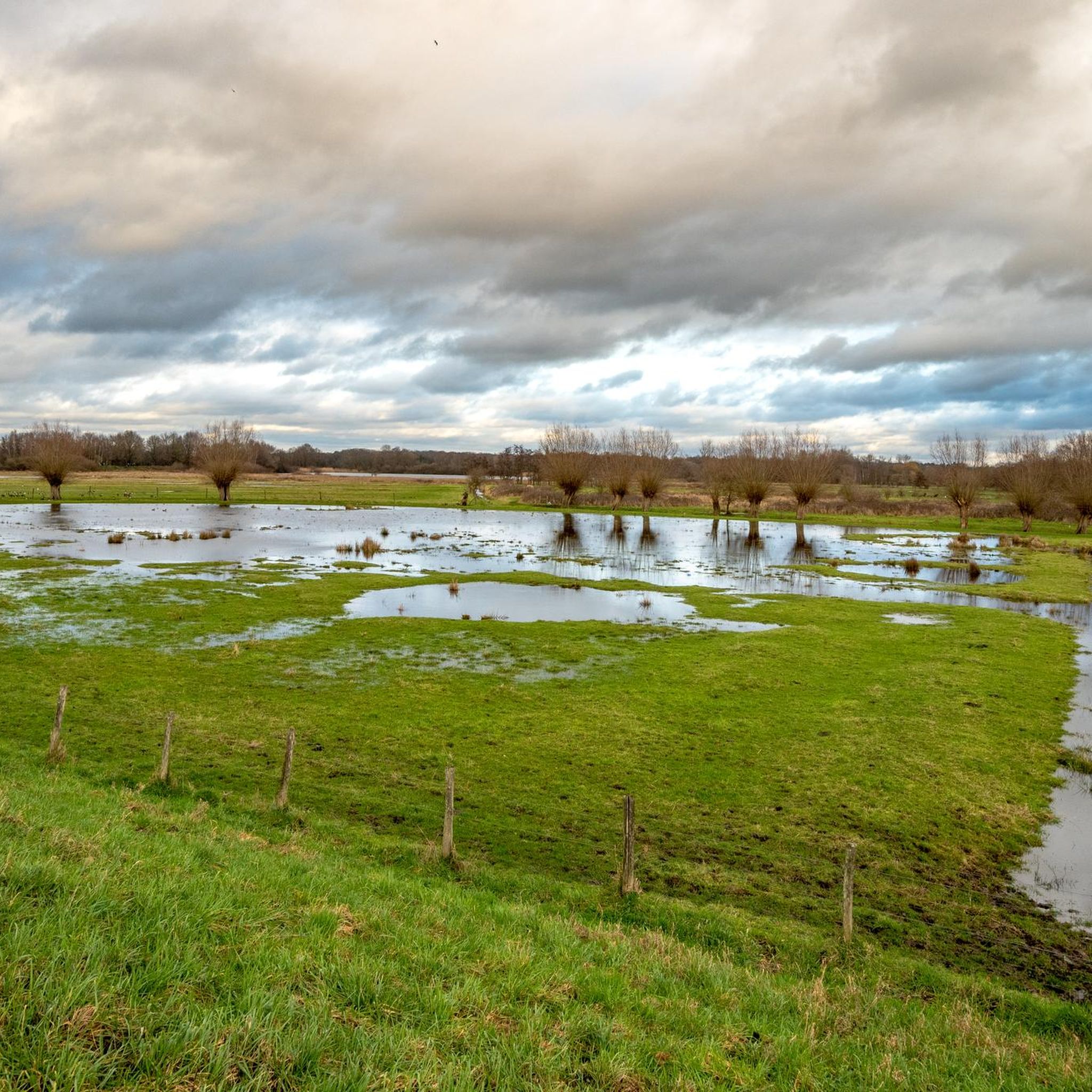
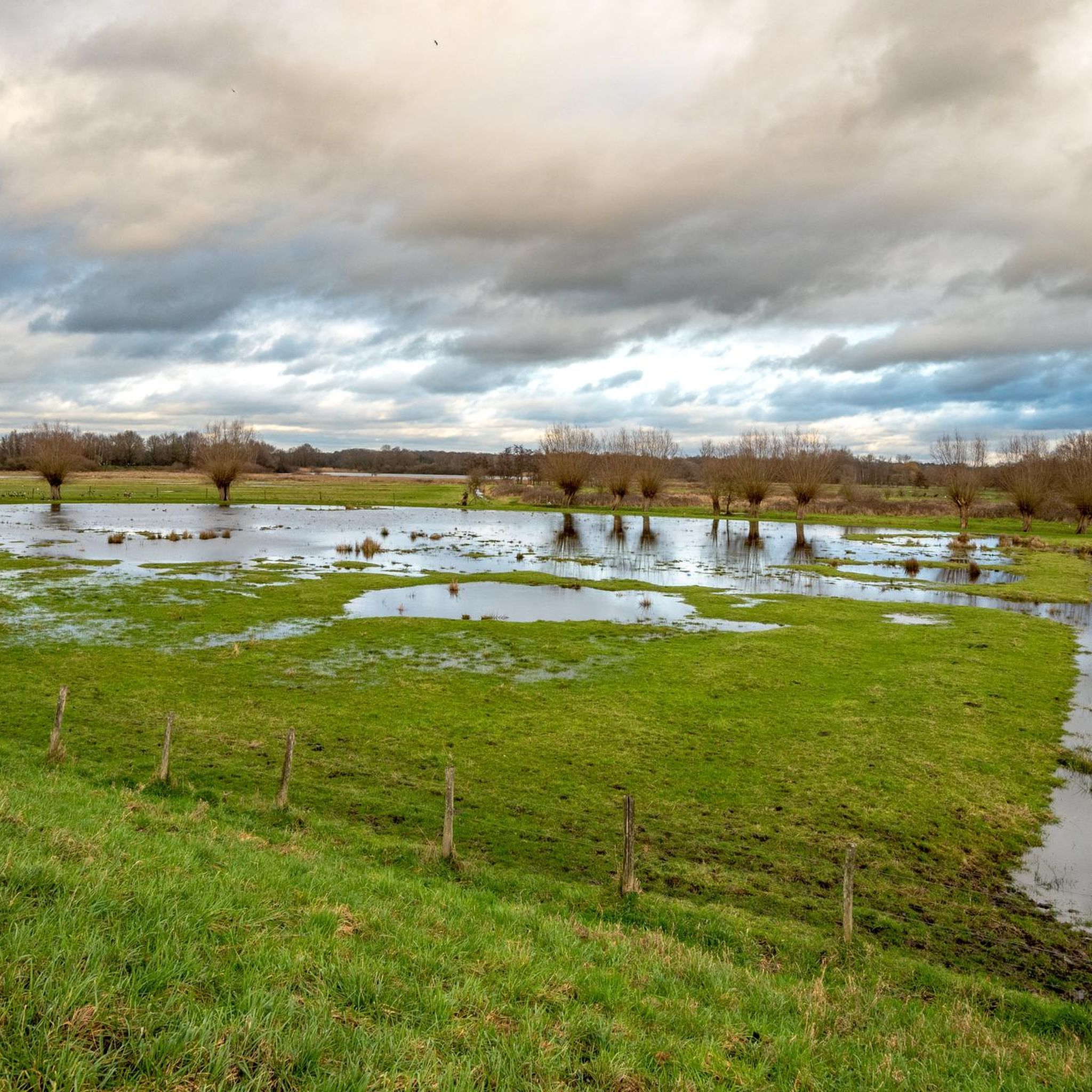
Old pollard willows form beautiful lines in the landscape. Little …
Translated by Google •
Tip by
Sign up now to discover places like this
Get recommendations on the best single tracks, peaks, & plenty of other exciting outdoor places.
Sign up for free
View of Mechels Broek
Highlight • Viewpoint
Translated by Google •
Tip by
The Bridge House
Highlight • Cafe
Whoever created this may be referring to the value of the route along the banks of the Dijle. It is a recommendation …
Translated by Google •
Tip by
Remains of the Sint-Lambertus Church Tower, 17th century
Highlight • Monument
Translated by Google •
Tip by
Sign up for free to discover even more attractions in Dijlevallei Tussen Mechelen En Rijmenam.
Sign up for free
Already have an account?
Start today with a free account
Your next adventure awaits.
Login or Signup
Popular around Dijlevallei Tussen Mechelen En Rijmenam
Road Cycling Routes in Dijlevallei Tussen Mechelen En Rijmenam
Hiking in Dijlevallei Tussen Mechelen En Rijmenam
Cycling in Dijlevallei Tussen Mechelen En Rijmenam
MTB Trails in Dijlevallei Tussen Mechelen En Rijmenam
Running Trails in Dijlevallei Tussen Mechelen En Rijmenam

Gravel biking in Dijlevallei Tussen Mechelen En Rijmenam
Tips from the Community

About St. Lambert's Church… The tower of the old St. Lambert's Church in Muizen, 2005. © Focus-In Lint - beeldbankmechelen.be. At the time the treasure was hidden, a small wooden church must have already stood on the site of the current St. Lambert's Church. Its history possibly dates back to the seventh century. In the eleventh or twelfth century, a stone church was built in its place, modeled on the Palatine Chapel in Aachen and St. John's Church in Liège. Later, the people of Muizen replaced this church with a Gothic building. In 1255, Muizen officially became an independent parish with St. Lambert as its patron saint. During the religious unrest of the 1570s, St. Lambert's Church burned down. A new church was built in its place at the beginning of the seventeenth century. During the following centuries, the church underwent several expansions and modifications. A German V1 bomb destroyed St. Lambertus Church in November 1944. Only the tower was spared. You can still admire it today, next to the new St. Lambertus Church from the 1960s.
1
0

The grazers love to be admired from the banks of the Dijle...
5
0
Recordings were also made here for the VTM series "Familie"...
8
0

Nice view and great street art by DZIA (part of the AniMalinas series)
3
0

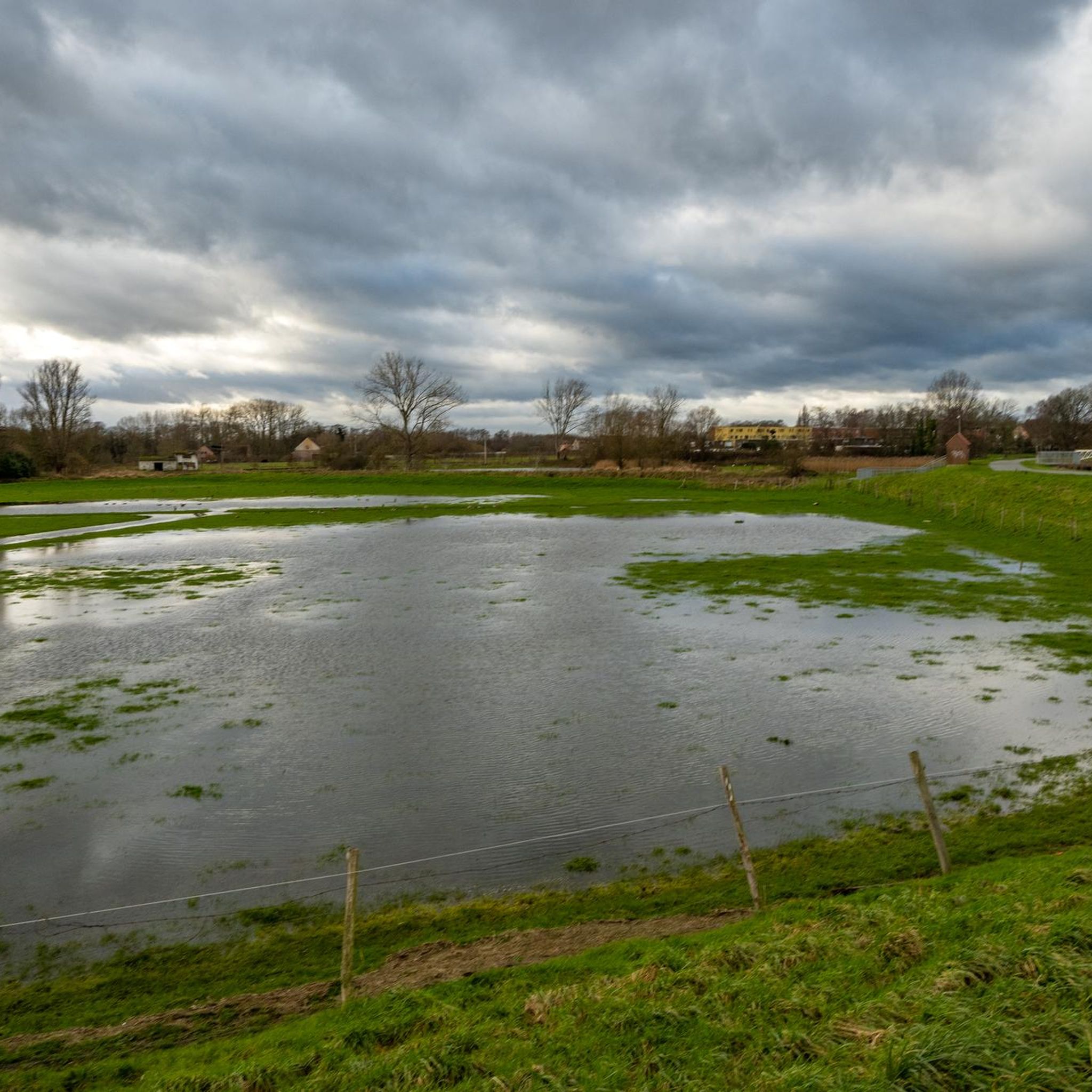
At this point the Barebeek flows into the Dijle. The Barebeek valley lets you enjoy a wide and varied landscape. Old pollard willows form beautiful lines in the landscape. Little owls like to nest in the hollows of the old pollard willows. In the valley of the Barebeek you can regularly spot storks where they find a lot of food. They hunt for snails, earthworms, frogs and mice in the valley.
8
0
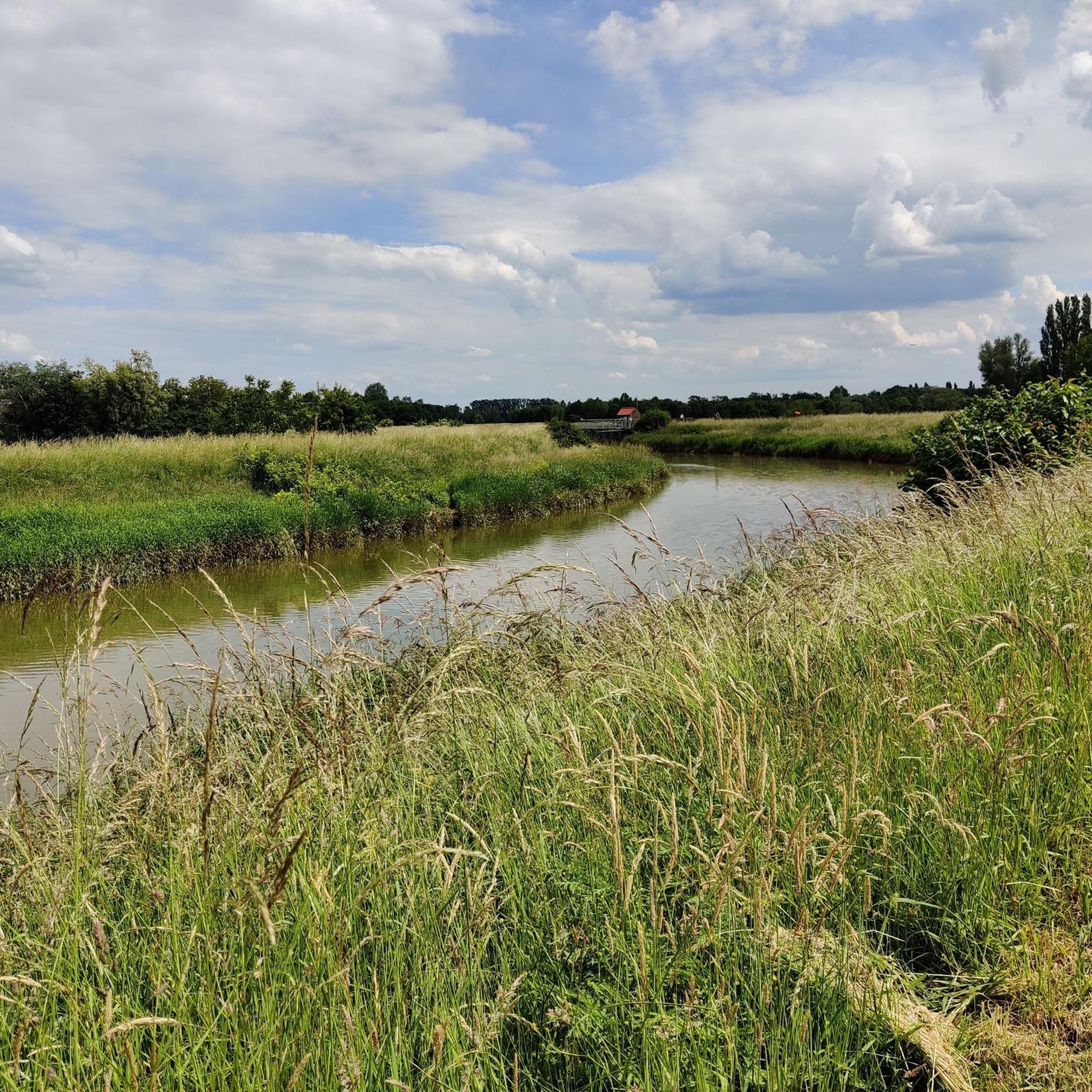
I don't understand the title of the highlight? Whoever created this may be referring to the value of the route along the banks of the Dijle. It is a recommendation to find peace in your head here. The wind can be your partner or opponent.
9
0
Mispeldonk Nature Reserve is a beautiful and valuable nature reserve in Bonheiden, located in the province of Antwerp. The area is known for its unique ecosystems, rich biodiversity and the natural beauty of the landscape. Here are some key points about Mispeldonk: Location and Size Mispeldonk is located between Bonheiden and the nearby municipality of Rijmenam, along the banks of the Dijle. The area is part of the larger Dijle landscape, which is known for its wet meadows, meandering waterways and rich flora and fauna. Mispeldonk covers approximately 50 hectares and consists of a mix of marshlands, meadows, forests and ponds. Ecological Importance Mispeldonk is a protected nature reserve because of its special ecological value. The area has a typical structure of a flood plain of the Dijle, which makes it an important habitat for many plant and animal species: • Flora: Various rare and protected plant species grow in the area, such as marsh marigolds, cuckoo flowers and water violets. The wet grasslands and marshes provide unique vegetation that is less common elsewhere in the region. • Fauna: Mispeldonk is an important habitat for birds such as the bluethroat, water rail and reed warbler. Amphibians such as the crested newt and the green frog can also be found there. Furthermore, the area is rich in insects, including butterflies and dragonflies, that thrive in the moist environment. Water management The nature reserve plays an important role in local water management. It is located in a flood-prone area along the Dijle and functions as a natural buffer against flooding. In the event of high water levels, the area can collect water and thus help prevent flooding in nearby villages. The nature reserve contributes to the preservation of water quality by filtering and purifying the water through natural processes. Recreation and Experience Mispeldonk is a popular place for nature lovers and hikers. The area is accessible via various hiking trails that lead through the meadows and forests. There are signposted routes that give walkers the chance to explore the diversity of the landscape and enjoy the peace and quiet of nature. Birdwatchers enjoy visiting the area because of the variety of bird species that can be seen, especially during the breeding season and the migratory bird periods. Management and Protection The nature reserve is managed by Natuurpunt, a Belgian organisation that is committed to nature conservation. Natuurpunt carries out management work to protect biodiversity and maintain the landscape. This includes mowing grasslands, removing invasive plant species and maintaining the walking paths. There is collaboration with local farmers for nature-friendly agriculture, whereby meadows are extensively grazed or mowed, so that they remain suitable for meadow birds and rare plants.
7
1
Frequently Asked Questions
What natural attractions can I explore in Dijlevallei Tussen Mechelen En Rijmenam?
The region is rich in natural beauty. You can visit the Mispeldonk Nature Reserve, known for its varied ecosystems, including heathland and grasslands, and as a habitat for kingfishers and butterflies. Another significant spot is the Mechels Broek, an extensive nature reserve ideal for birdwatching, with observation huts and grazing Galloway cattle. The Barebeek Valley offers a wide river landscape with old pollard willows, where you might spot little owls and storks. Other notable areas include Zennegat, Waverwoud, Robbroek, and Battenbroek, all contributing to the region's diverse natural corridor.
Are there any historical or cultural sites to visit in the area?
Yes, the Dijlevallei Tussen Mechelen En Rijmenam has several historical and cultural landmarks. You can see the Remains of the Sint-Lambertus Church Tower, a 17th-century remnant in Muizen. In Rijmenam, explore the historic St. Martin's Church and the 't Smiske Local History Museum. The region also features impressive castles like Kasteel Befferhof and Kasteel Hollaken, and the site of Muizenhof, traditionally a 9th-century redoubt. The nearby city of Mechelen also offers UNESCO World Heritage Sites like St. Rumbold's Tower and the Large Beguinage.
What kind of outdoor activities can I do near these attractions?
The Dijlevallei is perfect for outdoor enthusiasts. You can enjoy extensive walking and cycling routes that traverse forests, meadows, rivers, and marshlands. For specific activities, there are numerous hiking trails, including routes through the Mechels Broek Nature Reserve and around Mispeldonk. Cyclists can explore MTB trails and gravel biking routes, often along the Dijle river and through scenic landscapes.
Are there family-friendly attractions in Dijlevallei Tussen Mechelen En Rijmenam?
Absolutely! Many of the natural areas are suitable for families. The Mispeldonk Nature Reserve and the Mechels Broek offer easy trails and opportunities for wildlife spotting, which can be engaging for children. The Barebeek Valley is also family-friendly, with pleasant walking environments. Additionally, the region's cafes, like The Bridge House, often welcome families.
Where can I find a place to rest or eat while exploring?
For a convenient stop, consider The Bridge House, a cafe located on the banks of the Dijle in Muizen. It's a popular spot for walkers and cyclists to enjoy a drink or a meal. The surrounding towns and villages also offer various cafes, pubs, and restaurants.
What kind of wildlife can I expect to see in the nature reserves?
The Dijlevallei is a haven for wildlife. In Mispeldonk Nature Reserve, you might spot kingfishers along the Boeimeerbeek, and various butterflies and grasshoppers in the grasslands. Mechels Broek is a significant stopping point for waterbirds, including bluethroats, reed warblers, and ospreys, especially during migration. The Barebeek Valley is home to little owls and storks. Other areas like Robbroek are known for marsh and reed birds, and even birds of prey.
Are there any specific viewpoints for scenic photography?
Yes, the region offers several picturesque spots. The View of Mechels Broek provides expansive vistas of the nature reserve, ideal for capturing the landscape and its birdlife. The Barebeek Valley also offers wide and varied landscapes with old pollard willows, perfect for scenic shots. The Dyle Towpath in Mechelen, with its floating section, provides unique perspectives of the city's historic houses along the river.
What is the best time of year to visit Dijlevallei Tussen Mechelen En Rijmenam?
The Dijlevallei is beautiful year-round, but the best time depends on your interests. Spring and autumn are ideal for birdwatching, especially in areas like Mechels Broek, due to migratory birds. The warmer months are excellent for walking and cycling, enjoying the lush greenery. Even in winter, the landscape offers a serene beauty, and some nature reserves remain active with wintering birds.
Can I find easy walking routes suitable for all fitness levels?
Yes, the Dijlevallei offers a variety of walking routes, including many easy options. Areas like Mispeldonk Nature Reserve and Mechels Broek have well-maintained paths suitable for leisurely strolls. You can find several easy hiking routes, such as those around the Dijle River and through the Barebeek Valley, which are generally flat and accessible.
Are there any unique historical features in the landscape itself?
Indeed. The landscape of the Dijlevallei Tussen Mechelen En Rijmenam holds significant historical value. Many of the hedges and wood edges you see today can be traced back to 18th-century maps, reflecting centuries of agricultural use and land management. The region's river landscape, with its well-preserved alluvial plains, dikes, and cut-off meanders, also tells a story of natural processes and human interaction over time.
What makes the Dijlevallei's river landscape special?
The Dijlevallei is characterized by its expansive, small-scale river landscape along both banks of the Dijle. It features well-preserved remnants of its original alluvial plains, dikes, cut-off meanders, and wet grazing and hay meadows. This unique combination creates a rich habitat for diverse flora and fauna, making it a vital green corridor for biodiversity and a beautiful area for exploration.
Most popular routes in Dijlevallei Tussen Mechelen En Rijmenam
Most popular attractions in Dijlevallei Tussen Mechelen En Rijmenam

Get inspired with the komoot mobile app


Explore more
Still not found the Highlight you’re looking for? See guides of the top attractions in other regions:
