Attractions and Places To See in Domeinen Klaverblad En Cleydael En Kasteel Van Hemiksem - Top 14
Best attractions and places to see in Domeinen Klaverblad En Cleydael En Kasteel Van Hemiksem include historical landmarks, natural beauty, and recreational opportunities. This region, located south of Antwerp, encompasses picturesque landscapes with stream valleys, castle domains, forests, and agricultural land. It offers diverse outdoor activities, including numerous routes for hiking and cycling. The area features 13 distinct highlights for exploration.
Best attractions and places to see in Domeinen Klaverblad En Cleydael En Kasteel Van Hemiksem
- The most popular attractions…
Last updated: July 5, 2026
Cleydael Castle in Aartselaar
Highlight • Castle
Translated by Google •
Tip by

Decoy Airfield with Command Bunker WWII
Highlight • Historical Site
This was once a small German mock airfield during World War 2.
Historical interpretation: Target for diversion bombing …
Translated by Google •
Tip by
Sign up now to discover places like this
Get recommendations on the best single tracks, peaks, & plenty of other exciting outdoor places.
Sign up for free
Cleydael Nature Reserve
Highlight • Forest
Translated by Google •
Tip by

View of Schans 17 Hoboken
Highlight • Historical Site
Historical interpretation:
Concrete armored fort built as part of the Antwerp Defense Line …
Translated by Google •
Tip by
Redoubt XVII - Hoboken
Highlight • Monument
The best time to catch a glimpse of the Redoute is during the winter …
Translated by Google •
Tip by
Sign up for free to discover even more attractions in Domeinen Klaverblad En Cleydael En Kasteel Van Hemiksem.
Sign up for free
Already have an account?
Start today with a free account
Your next adventure awaits.
Login or Signup
Popular around Domeinen Klaverblad En Cleydael En Kasteel Van Hemiksem
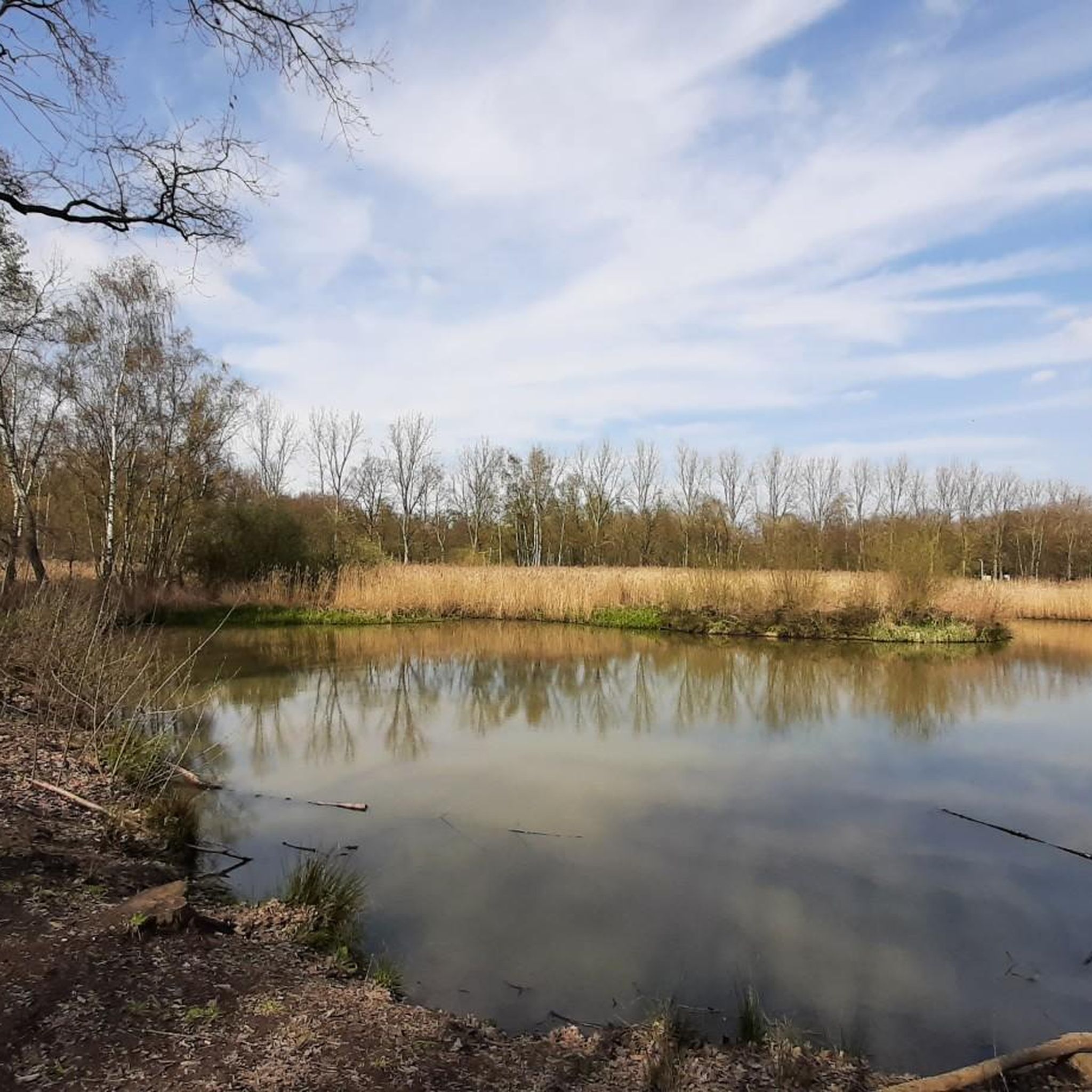
Road Cycling Routes in Domeinen Klaverblad En Cleydael En Kasteel Van Hemiksem
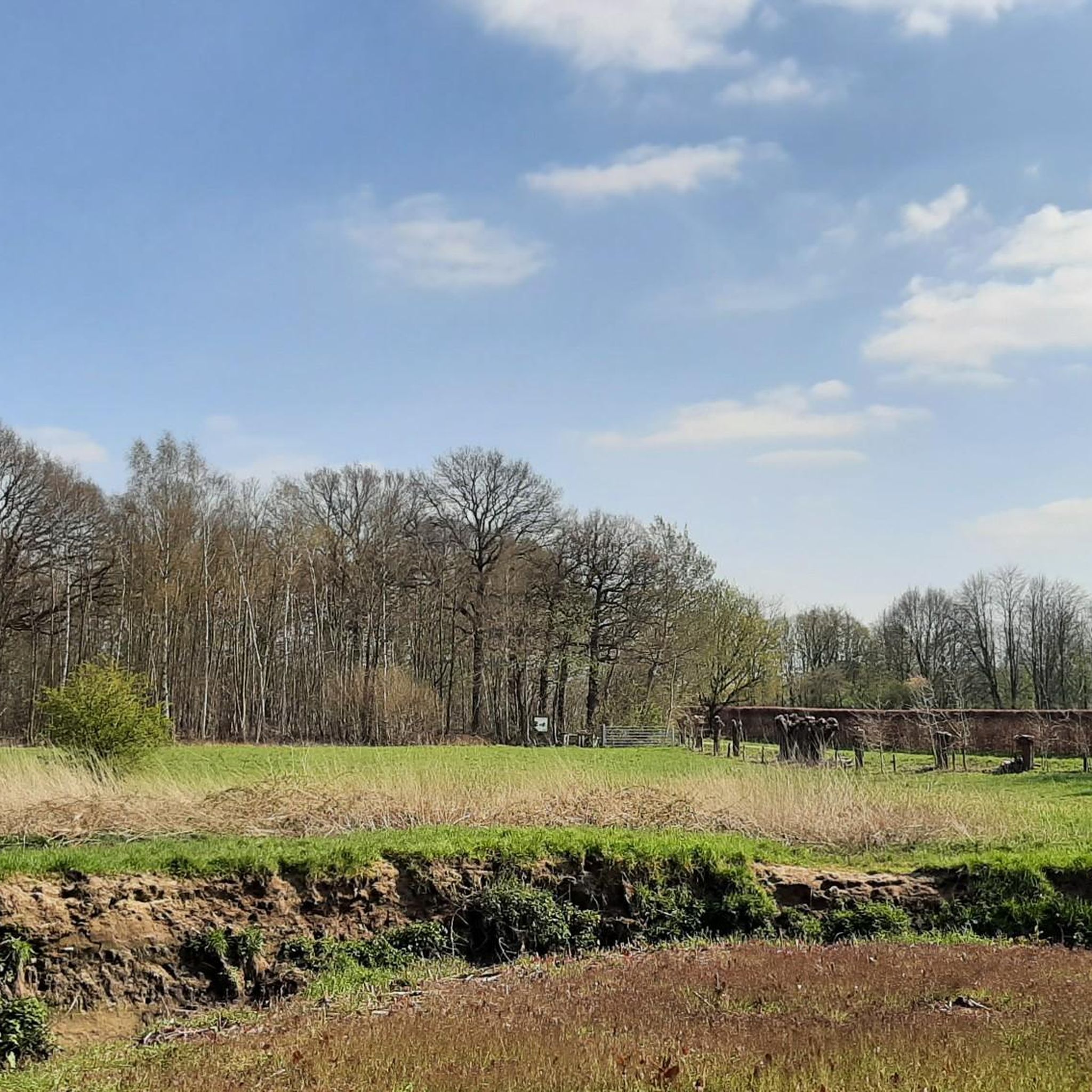
Running Trails in Domeinen Klaverblad En Cleydael En Kasteel Van Hemiksem
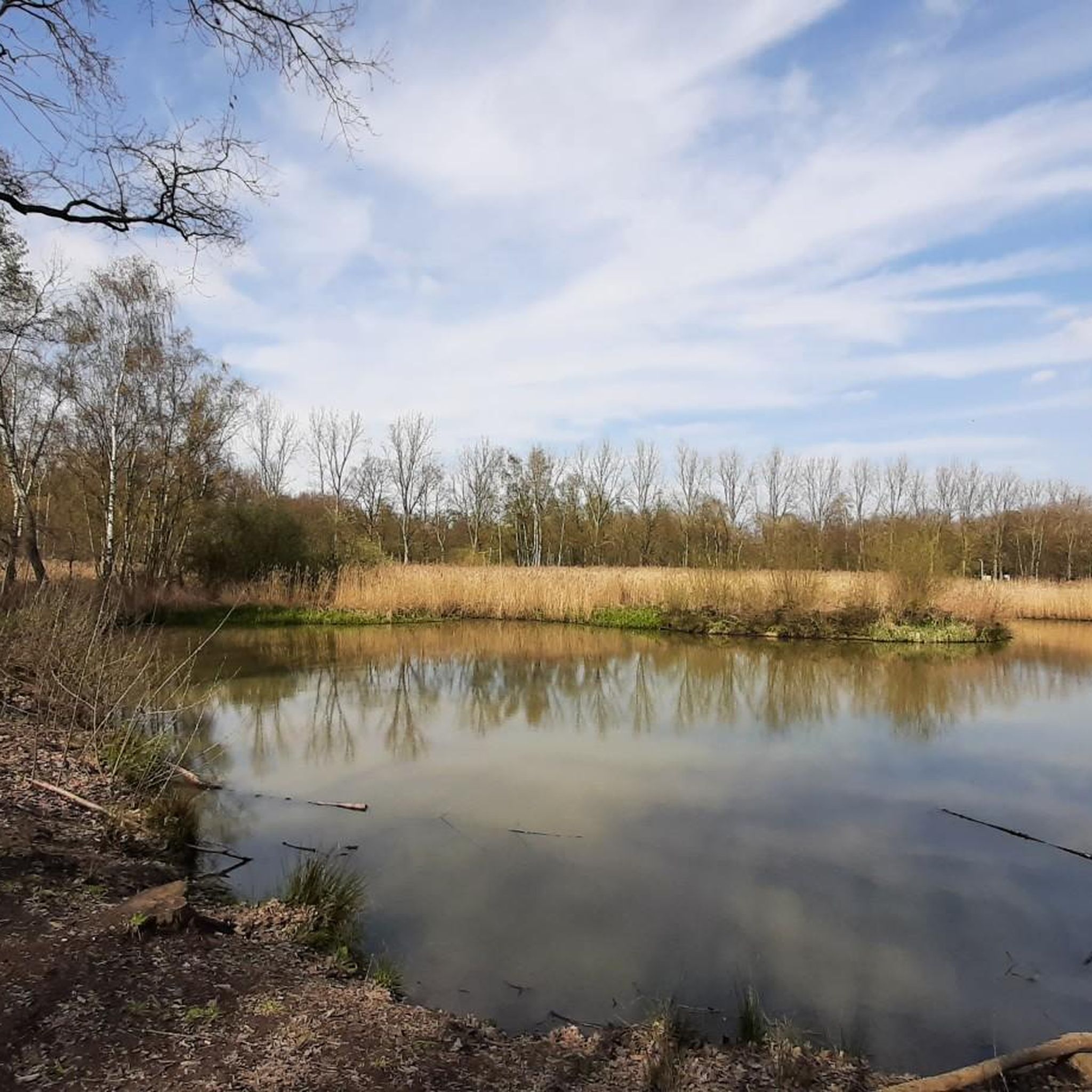
Cycling in Domeinen Klaverblad En Cleydael En Kasteel Van Hemiksem
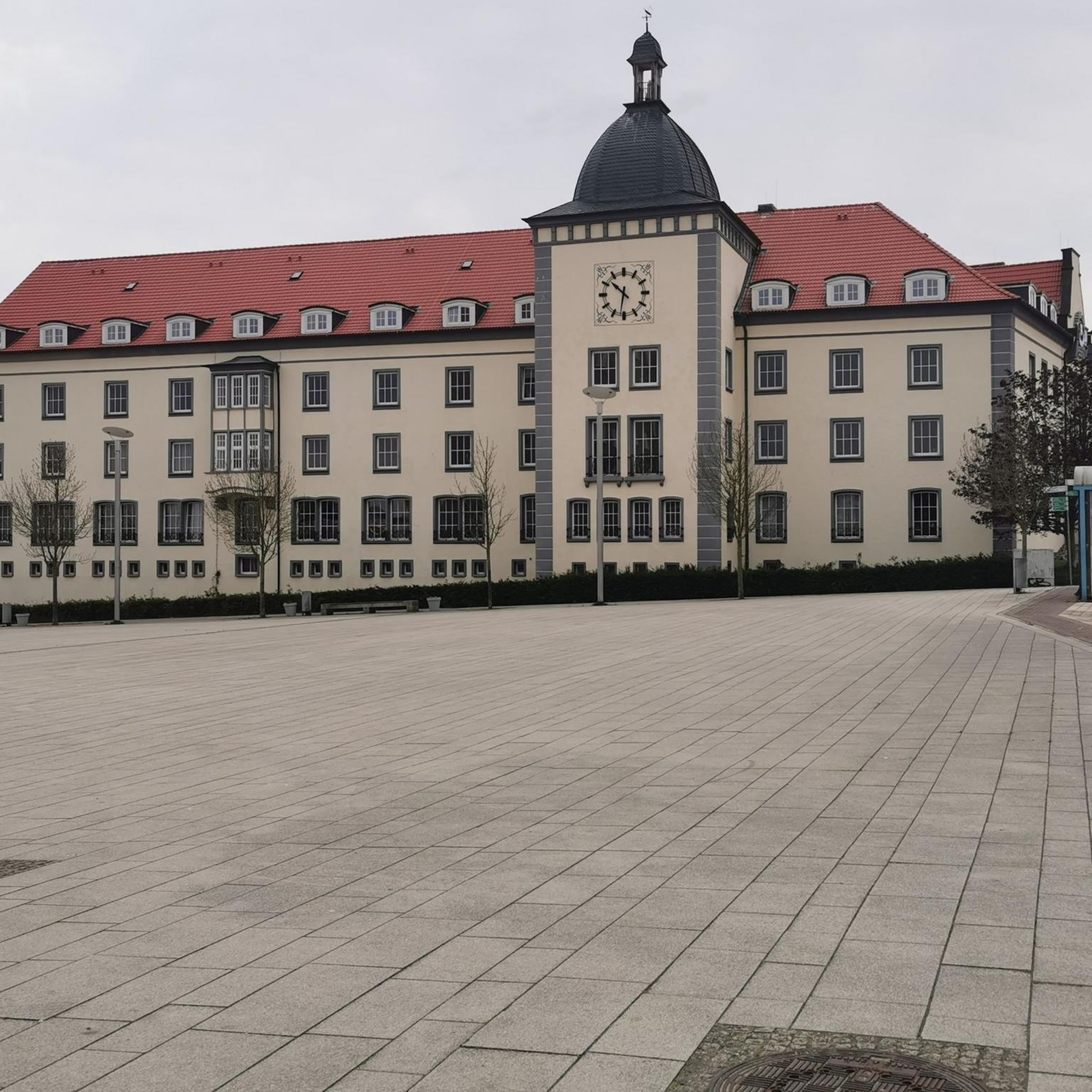
Gravel biking in Domeinen Klaverblad En Cleydael En Kasteel Van Hemiksem
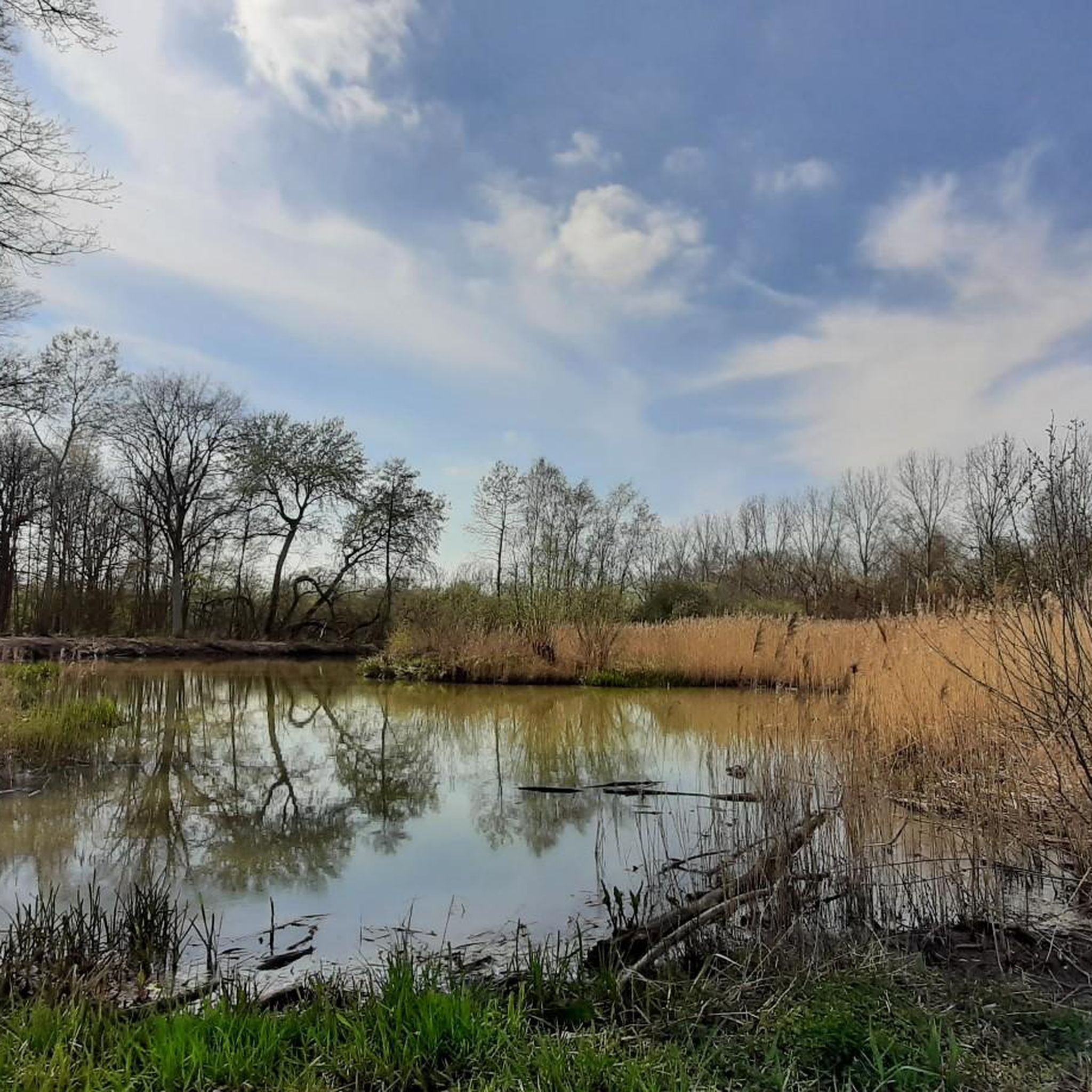
Hiking in Domeinen Klaverblad En Cleydael En Kasteel Van Hemiksem
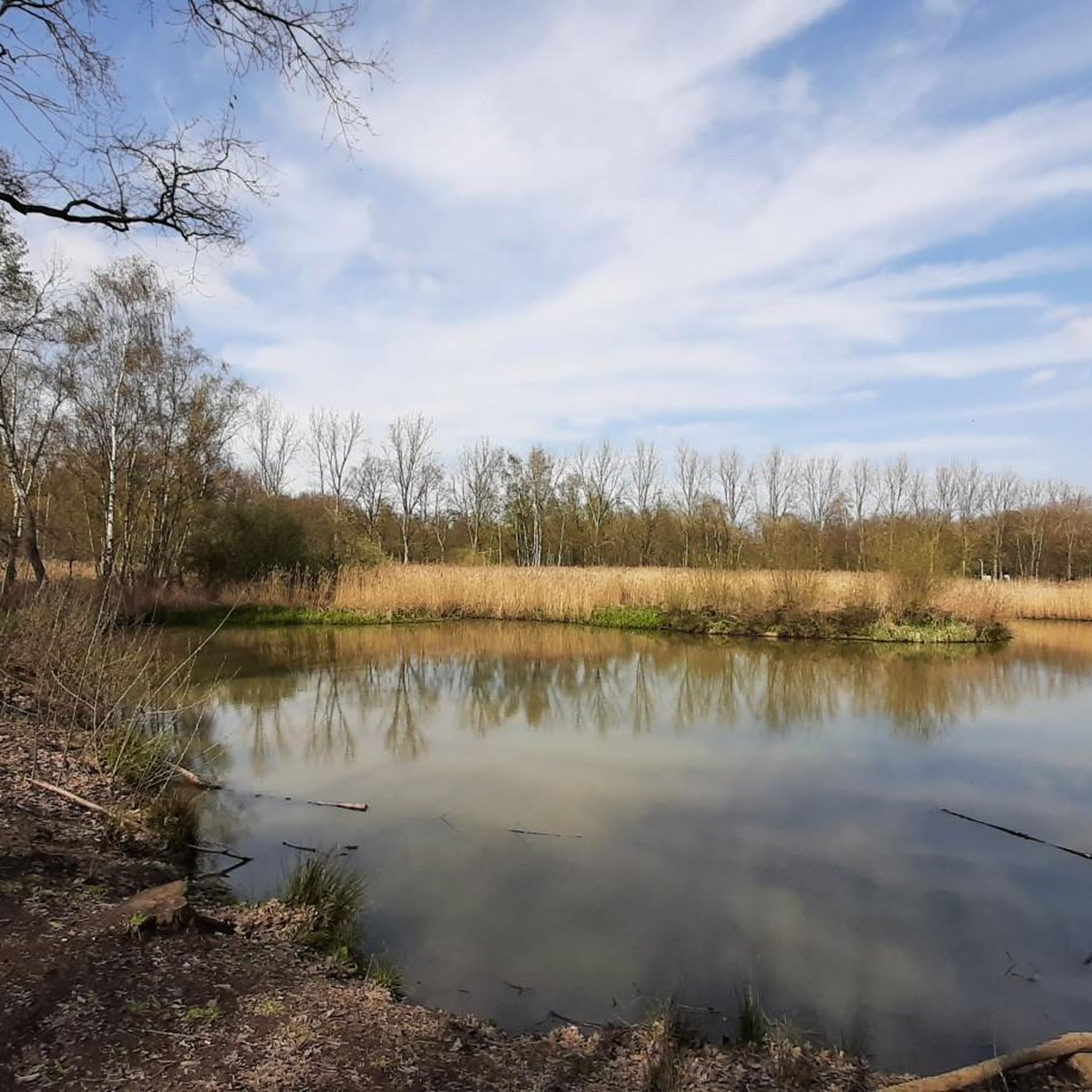
MTB Trails in Domeinen Klaverblad En Cleydael En Kasteel Van Hemiksem
Tips from the Community

Cleydael is historically part of the castle park of Cleydael Castle. On the old map of Count de Ferraris (1770-1775), the forest area is almost identical to the forest area today. The background as a castle park is especially reflected in the avenues with a view of the castle, the alternation between forest and open area and the various remarkable trees, such as the extensive old oaks and the hill on which a gazebo once stood. (Information board on site)
11
0
Square water castle with trapezoidal farmyard on the north side. Situated in the valley of the Struysbeek, more specifically on an island formed by the split of the Vliet, from this point called the Struysbeek. This Struysbeek or Vliet rises in Luythagen (Mortsel) and flows into the Scheldt at Schelle and is usually called Schellevliet. Castle situated in an extensive, exceptionally valuable domain northwest of the municipality, adjacent to the domain of the castle of Hemiksem. Wooded domain, with lawn around the castle, closed off by a hedge with several gates consisting of blocked pillars of bluestone with ornamental vase, between which wrought iron gate. (Inventory of Immovable Heritage)
12
0

Every season has its advantages. At this location, Schans 17 is completely exposed during the winter season. Historical interpretation: Concrete armored fort built as part of the Antwerp Defense Line to defend the National Reduit Antwerp. The best time to catch a glimpse of the Redoute is during the winter months because then the shrubs look bare. All year round you have the best view from the Sint-Bernardsesteenweg. In the open landscape there is no obstacle to observing the concrete construction. Historical interpretation: This concrete fortification dates from the beginning of the 20th century, when the inner fortress belt of the Antwerp fortress was converted into a security wall. Then a total of 18 fortifications were built in the intervals between forts II and VIII. Redoubt XVII was located in the sector between forts VII and VIII. Typical for fortifications from this period is that they are constructed entirely of (unreinforced) concrete and that the artillery is mounted behind an armored gun turret. Compared to the redoubts in the outer fort belt, the redoubts in the security wall are smaller. The main construction work took place from 1910 to 1912. It was not until April 1913 that the domes and artillery were installed. Source: Antwerp Forts
8
0

Water lock Cleydael is a water lock in the municipality of Aartselaar in the Belgian Province of Antwerp, located on the Bovenvliet, the upstream extension of the Benedenvliet (Grote Struisbeek).
13
0
A beautiful piece of nature where it is very quiet for a walk. Some paths are very dense,
10
0

Today you can still see hints of the glorious past, when Cleydael belonged to the castle park of the same name: wide avenues, old imposing oaks and the alternation between forest and open area. In addition to a rich history, Cleydael (26 ha) has a very large biodiversity. It is a paradise for animals and plants! The trumps * Alternating area * Formerly castle park * Ideal for walkers Show more information Fauna and Flora In Cleydael, reed marshes, sedge vegetation, hay meadows, brushwood, coppice and forest alternate. Scattered in the forest grow a number of typical forest plants, such as valley herb, wood anemone, celandine, musk herb and bluebell. Old dead trees are an ideal shelter for many birds. In Cleydael we maintain old forms of management. You will find an alternation between coppice and larger trees. In this way, the historic and landscape character are preserved and the natural values are enhanced. Source: www.natuurenbos.be
8
0
Cleydael Castle is originally a medieval moated castle. It is located on an island formed by two branches of the river Struisbeek. In Cleydael, derived from the words ‘clay’ and ‘valley’, references to the brickworks are never far away. Until the 16th century, you could sail up the Struisbeek from the Scheldt, which was very important for the transport of bricks from the local brickworks. Cleydael Castle has had several owners and a turbulent history. The Sanders van Hemessen family, who had lived in the castle since 1259, regularly came into conflict with their lord. The Duke of Brabant even disinherited the family for unknown reasons. Around 1972, the Duke donated the castle to Geeraert van der Els. Later, Cleydael Castle came back into the possession of the Sanders family. In 1459, however, Corneel Sanders van Hemessen was beheaded by Philip the Good because he mediated in the fourth secret marriage of Jacoba van Beieren. In 1537, the castle of Cleydael came into the possession of Antonio del Rio, who was appointed treasurer after the arrival of Alva. However, the way in which he exercised his office did not satisfy the people. The castle was plundered and looted. Antonio del Rio returned to Spain. Since 1977, the castle of Cleydael and its surroundings have been protected. Source: www.natuurenbos.be
9
0

Beautiful for walking.
1
0
Frequently Asked Questions
What historical landmarks can I explore in the region?
The area is rich in history, featuring several notable landmarks. You can see the impressive exterior of Cleydael Castle in Aartselaar, a historic moated structure dating back to the 14th century. While primarily a private venue, its architecture and surrounding domain are significant. Another cultural site is the Decoy Airfield with Command Bunker WWII, a unique historical remnant of a German mock airfield from World War II. Additionally, you can find remnants of the Antwerp Defense Line, such as Schans 17 Hoboken, a concrete armored fort.
Are there opportunities for outdoor activities like hiking or cycling?
Yes, the region is very popular for outdoor activities. You'll find numerous routes for both hiking and cycling that allow you to explore the diverse landscape and historical sites. For hiking, consider trails like the easy "Cleydael Nature Reserve – Cleydael Castle in Aartselaar loop from Aartselaar" (2.8 km). Cyclists can enjoy routes such as the "Benedenvliet - Schelle – Frateur Brickworks loop from Hemiksem" (25 km). You can find more detailed routes and guides for hiking and cycling in the area.
What natural areas are worth visiting?
The region boasts attractive open spaces, including stream valleys, castle domains, forests, and agricultural land. A key natural highlight is the Cleydael Nature Reserve, which was historically part of the castle park of Cleydael Castle. Here, you can experience wide avenues, old imposing oaks, and an alternation between forest and open areas, reflecting its past as a castle domain. The reserve is known for its rich biodiversity and is ideal for walkers.
Is Cleydael Castle accessible to the public for tours?
While Cleydael Castle in Aartselaar is a stunning landmark, it is primarily a private venue for events and not generally open to the public for interior tours. However, its impressive exterior and the surrounding domain, which includes a golf course, can be admired. The castle is situated on an island formed by the Struysbeek, making its external view quite picturesque.
Can I visit the Kasteel van Hemiksem?
The Kasteel van Hemiksem possesses significant cultural-historical value and is surrounded by a largely filled-in moat. While the castle itself may have limited public access, its domain includes a historically stable deciduous forest, bordering open agricultural areas. This area is popular for hiking and cycling, allowing visitors to explore the natural beauty and historical context of the castle's surroundings.
Are there any unique historical sites from World War II?
Yes, a particularly unique site is the Decoy Airfield with Command Bunker WWII. This historical location features a concrete command bunker in the middle of a field, which was once a German mock airfield during World War II. It was used to deceive Allied forces, making it a fascinating spot for those interested in wartime history.
What kind of wildlife can be spotted in the nature reserves?
In areas like the Cleydael Nature Reserve, you can find a very large biodiversity. The alternating landscape of reed marshes, sedge vegetation, hay meadows, brushwood, coppice, and forest provides habitats for various animals and plants. Scattered in the forest, you might spot typical forest plants such as valley herb, wood anemone, celandine, musk herb, and bluebell. Old dead trees offer ideal shelter for many birds.
Are there family-friendly activities or walks available?
The region offers several options suitable for families. The natural areas, such as the Cleydael Nature Reserve, provide easy walking paths through varied landscapes. The historical sites, like the Decoy Airfield with Command Bunker WWII, can also be an engaging educational experience for older children. Many of the hiking routes are rated as easy, making them accessible for families.
Can I bring my dog on trails in the area?
Many of the natural areas and trails in the region are dog-friendly, making it a great place to explore with your canine companion. Always ensure your dog is under control, and check for any specific local regulations regarding leashes or restricted areas, especially around nature reserves or private properties.
What is the best time of year to visit Domeinen Klaverblad En Cleydael En Kasteel Van Hemiksem?
The region offers beauty throughout the year, but the best time depends on your interests. Spring brings blooming flora, especially in wooded areas, while summer is ideal for longer walks and cycling. Autumn showcases vibrant fall foliage. For historical sites like Schans 17 Hoboken, winter months are often recommended as the bare shrubs offer unobstructed views of the fortifications.
Are there any running trails in the area?
Yes, the region provides several running trails. You can find routes like the "Klaverblad Castle loop from Hemiksem" (5.1 km) or the "Klaverblad loop from Neerland" (8.7 km), both rated as moderate difficulty. These trails offer a good mix of natural scenery and varied terrain for runners. More options are available in the running trails guide.
What are the terrain and difficulty levels of the walking trails?
The walking trails in the Domeinen Klaverblad, Cleydael, and Kasteel van Hemiksem areas generally feature varied terrain, including wooded paths, agricultural land, and stream valleys. Many routes, such as those in Cleydael Nature Reserve, are considered easy, making them suitable for most fitness levels. Some paths can be dense, but overall, the region is known for accessible and enjoyable walks.
Are there any viewpoints or scenic spots?
The region offers several scenic spots, particularly around the castle domains and nature reserves. The Cleydael Castle in Aartselaar itself, with its moated setting, provides a picturesque view. For historical viewpoints, the area around Schans 17 Hoboken offers clear views of the concrete fortification, especially during winter months when vegetation is sparse.
Most popular routes in Domeinen Klaverblad En Cleydael En Kasteel Van Hemiksem

Get inspired with the komoot mobile app


Explore more
Still not found the Highlight you’re looking for? See guides of the top attractions in other regions:
