The best walks and hikes in Groot Buitenschoor
4.6
(1857)
9,555
hikers
263
hikes
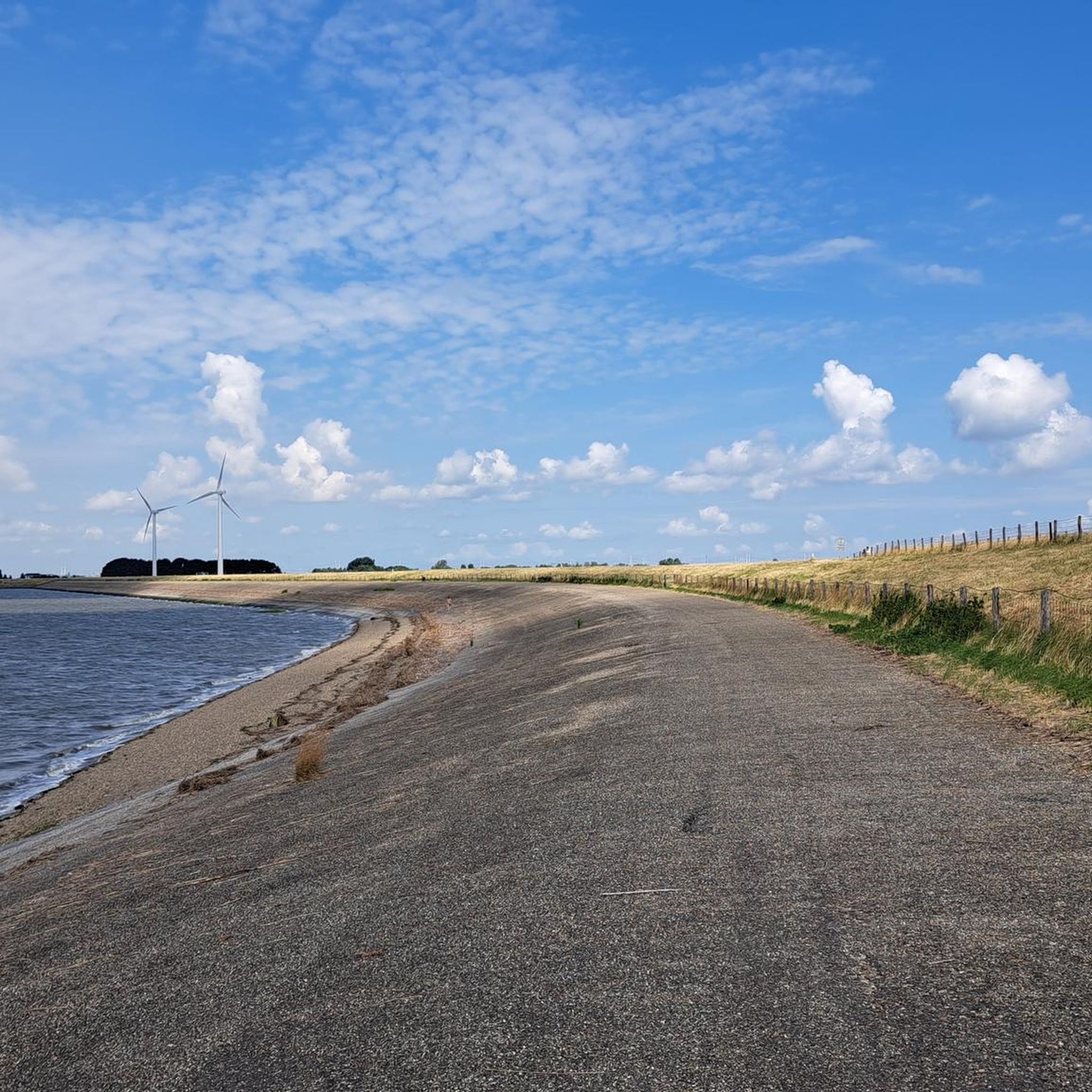
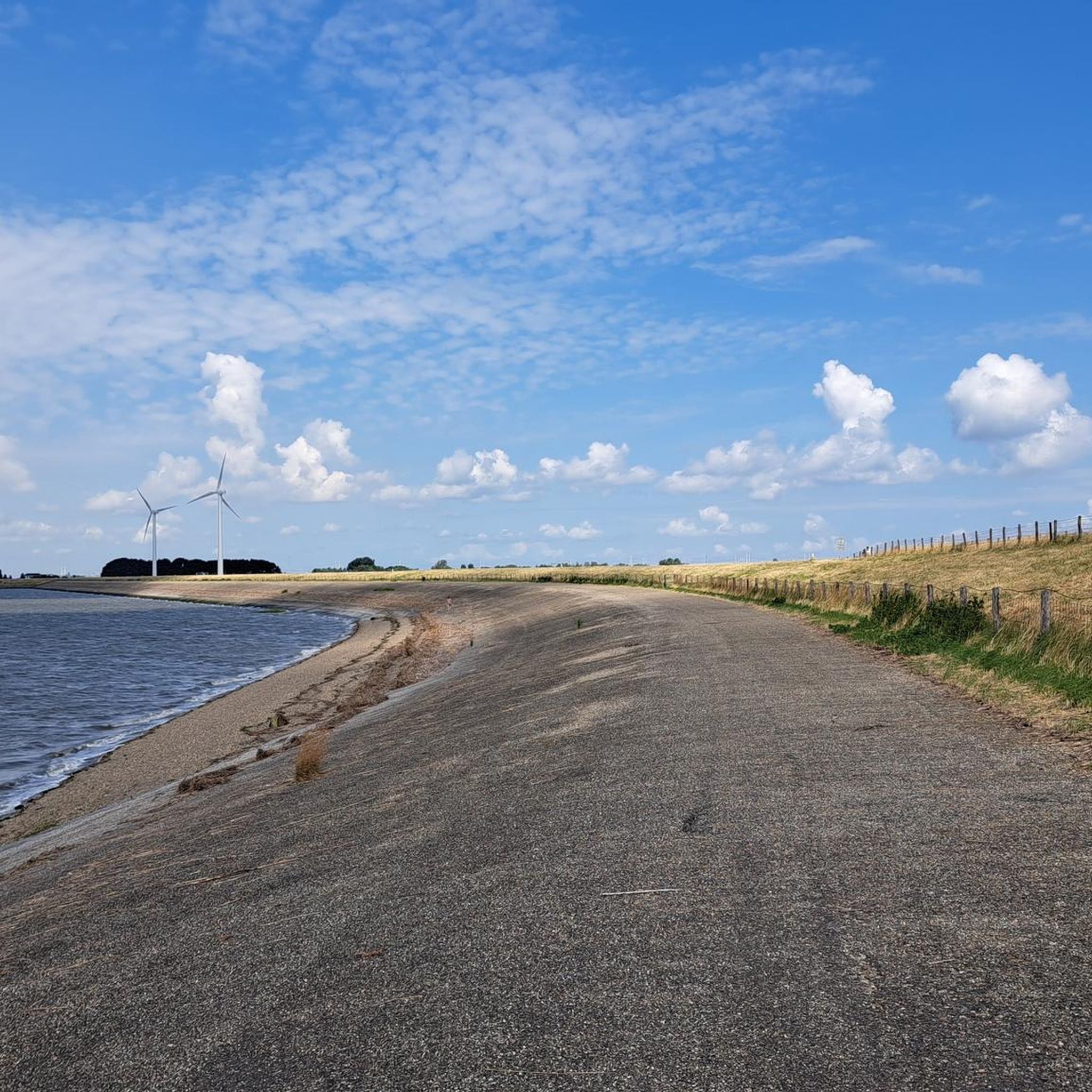
Hiking in Groot Buitenschoor offers trails through a unique brackish tidal marshland on the Schelde estuary. The landscape is characterized by "schorren" (vegetated salt marshes) and "slikken" (bare mudflats), which are influenced by daily tides. Accessible routes are primarily found along the Scheldedijk, providing views of this dynamic environment. This area is recognized for its geomorphological and botanical value, supporting salt-tolerant plants and diverse wildlife.
Best hiking trails in Groot Buitenschoor
- The most popular hiking route is Scheldt mudflats –…
Last updated: July 3, 2026
4.0
(4)
20
hikers
Moderate hike. Good fitness required. Easily-accessible paths. Suitable for all skill levels.
4.0
(1)
5
hikers
Easy hike. Great for any fitness level. Easily-accessible paths. Suitable for all skill levels.

Sign up for free
5.0
(3)
30
hikers
2.96km
00:45
0m
0m
Easy hike. Great for any fitness level. Easily-accessible paths. Suitable for all skill levels.
5.0
(1)
10
hikers
6.72km
01:41
10m
10m
Easy hike. Great for any fitness level. Easily-accessible paths. Suitable for all skill levels.
5.0
(1)
5
hikers
Easy hike. Great for any fitness level. Easily-accessible paths. Suitable for all skill levels.
Get access to more routes and recommendations from other explorers.
Sign up for free
Already have an account?
Our route recommendations are based on thousands of hikes, rides, and runs completed by other people on komoot.
Start today with a free account
Your next adventure awaits.
Login or Signup
Tips from the Community

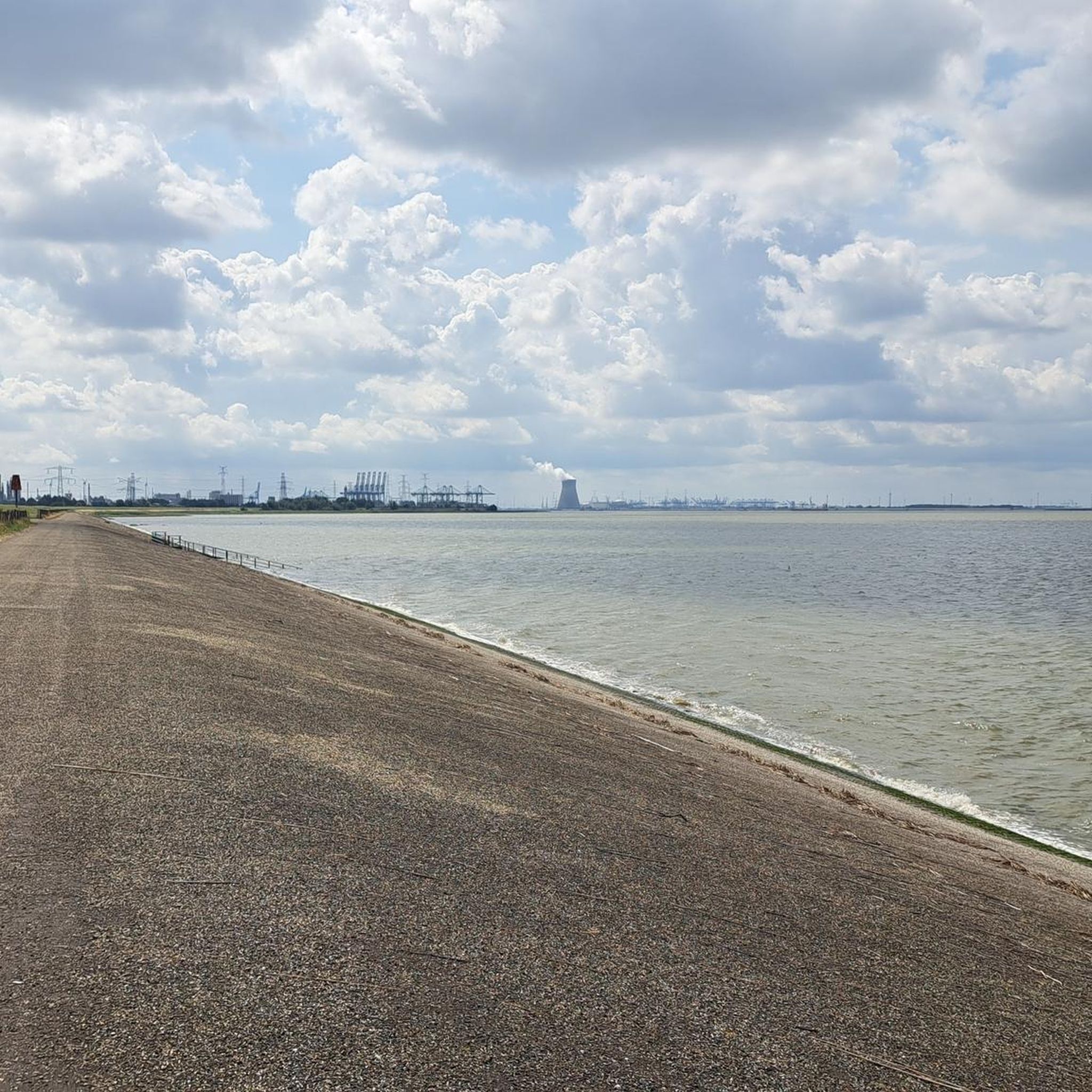
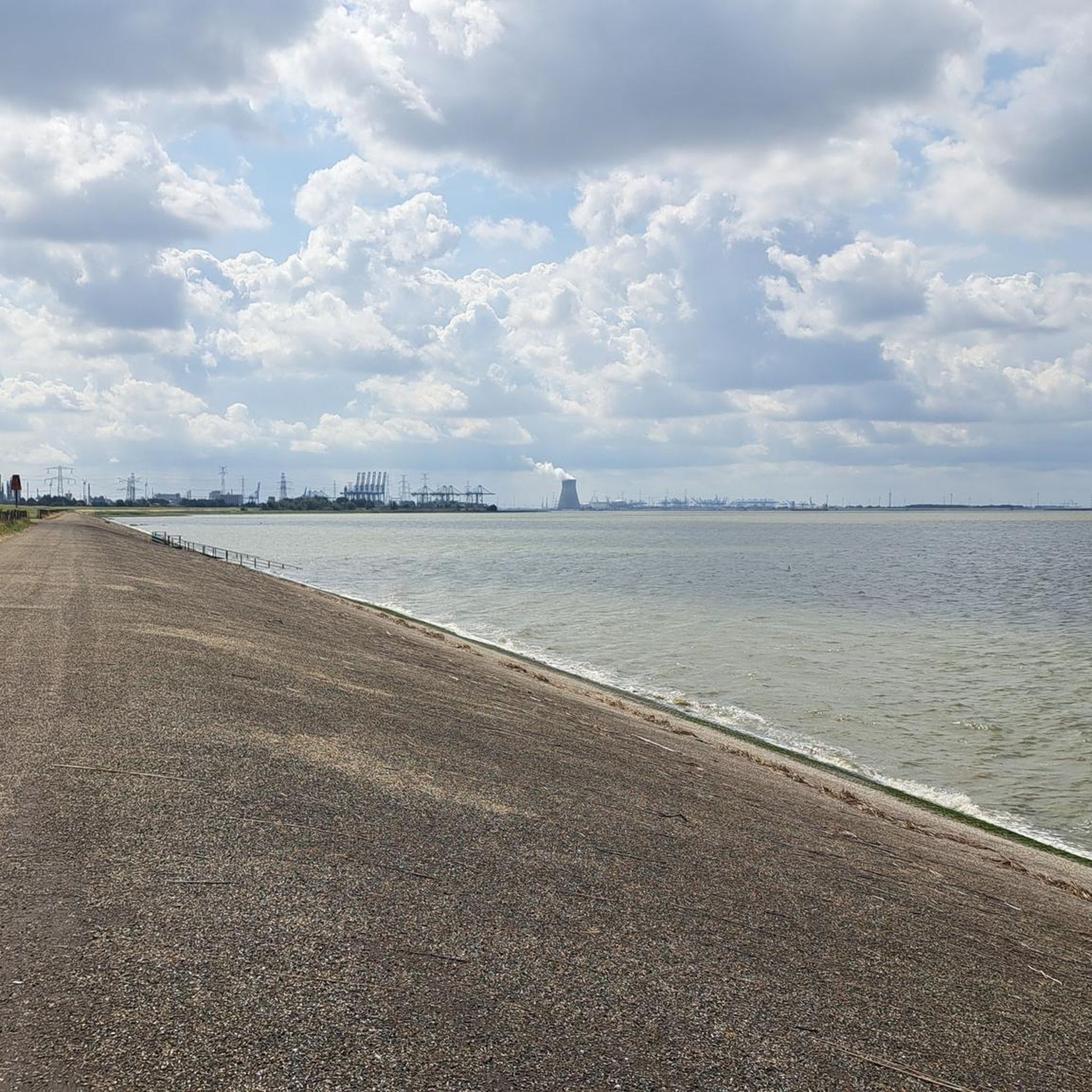
The Ouden Doel Radar Tower is an eight-meter-high observation deck. The tower is freely accessible. On a clear day, the top offers a beautiful view of shipping traffic and the submerged land of Saeftinghe. This is a unique area where the tides have been freed up again (after the land reclamation), creating a unique landscape of mudflats and salt marshes.
1
0

cycling smoothly and pleasantly
0
0

Not facilities here. Especially on weekdays
0
0

Fan of cobblestones? Check out our Collection of ready-made cobblestone cycling routes, collected in the book “De Hel van het Zuiden”, downloadable for €9. You get 7 routes, with multiple distances. 25 GPXs in total! Of course incl. pre-fun via Komoot! You can find this section in the routes! https://www.komoot.com/nl-nl/collection/2485043/-de-hel-van-het-zuiden-kasseien-routes-gids-e-book
0
0
Fan of cobblestones? Check out our Collection of ready-made cobblestone cycling routes, collected in the book “De Hel van het Zuiden”, downloadable for €9. You get 7 routes, with multiple distances. 25 GPXs in total! Of course incl. pre-fun via Komoot! You can find this section in the routes! https://www.komoot.com/nl-nl/collection/2485043/-de-hel-van-het-zuiden-kasseien-routes-gids-e-book
0
0

The Hertogin Hedwigepolder was a reclaimed part of the Verdronken Land van Saeftinghe, a nature reserve in Zeeuws-Vlaanderen, the Netherlands, between 1907 and 2022. A small part of the polder is located on Belgian territory. In 2005, it was decided to depolder the Hedwigepolder in order to restore the natural quality in the Western Scheldt. This decision was emotionally charged in Zeeland and Dutch politics, which caused it to be delayed. Depoldering began in October 2022.
2
0

Nowadays they are hardly in use in their original function, but are merely technical-historical monuments of a long tradition of craftsmanship: solely using the power of the wind as driving energy, the heavy millstones inside were moved and, for example, grains of grain were ground into flour (so-called grain mills ) or the oil is pressed from (e.g. olive) fruits (so-called oil mills). Occasionally - more on the Dutch coast, but also here at this "polder mill" in the former peat mining area - the function of the windmill was completely different: it pumped water to a higher level and thus served for drainage. These old windmills are the best proof that people centuries ago - long before the discovery of electricity and the resulting inventions - were clever enough to harness the power of the elements for their own purposes .
3
0

The Hedwigepolder is a piece of land in the far west of the province of Zeeland, Netherlands, bordering the Belgian border. This area has a fascinating history and has attracted attention due to an unlawful violation between the Netherlands and Belgium, known as the Hedwigepolder conflict. The origins of the Hedwigepolder go back to the Middle Ages, when dikes were constructed to protect the area against flooding. The land was reclaimed and developed for agriculture, mainly livestock and arable farming. The area became permanent after Saint Hedwig of Andechs, and the polder was given its name, the Hedwigepolder. However, the Hedwigepolder is best known for the Hedwigepolder conflict that started in 2005. It revolved around the agreements made in the Treaty of Maastricht in 1839. According to this treaty, the Netherlands had to reclaim and drain part of the Zwin, an estuary on the coast. . This is part of the creation of the Hedwigepolder. The problem arose when the Netherlands decided to flood the Hedwigepolder again in 2010 as part of an environmental project to restore the natural tidal function of the Western Scheldt. This decisive decision aroused fierce resistance from Belgium, because the water was contaminated with heavy metals and polluted. The Flemish government and other stakeholders in Belgium believed that the Netherlands should fulfill its obligations under the Maastricht Treaty and keep the polder dry. It moved to political and legal discussions between the Netherlands and Belgium, and it also attracted the attention of nature conservation organizations and environmental groups. An agreement was finally reached between the two countries in 2015, in which the Netherlands agreed to preserve the Hedwigepolder and eliminate the loss of natural values for the elderly. The Hedwigepolder remains a symbol of the complex relationship between economic interests, environmental protection and international agreements. The area itself has a long history and offers an interesting look at the challenges of managing coastal land and preserving delicate ecosystems in the Low Countries of Europe. It remains a reminder of the delicate balance between human activity and nature. #WandelTotaal
6
0
Frequently Asked Questions
How many hiking trails are available in Groot Buitenschoor?
Groot Buitenschoor offers a wide selection of hiking opportunities, with over 270 trails available. These range from easy strolls to more moderate loops, catering to various fitness levels.
What kind of landscape can I expect when hiking in Groot Buitenschoor?
You'll experience a unique brackish tidal marshland shaped by the Schelde estuary. The landscape features 'schorren' (vegetated salt marshes) and 'slikken' (bare mudflats) that are influenced by daily tides. Accessible routes primarily follow the Scheldedijk, offering expansive views of this dynamic environment and its specialized salt-tolerant flora.
Are there easy hiking trails suitable for beginners or families in Groot Buitenschoor?
Yes, Groot Buitenschoor is very beginner and family-friendly, with over 190 easy trails. An excellent option is the Doelpolder North – Scheldt mudflats loop from Hedwigepolder, an easy 4.1 km path that explores the polder area with views across the tidal mudflats.
Are there longer or more challenging hikes in Groot Buitenschoor?
While most trails are easy, there are 76 moderate routes and a few more challenging options. For a moderate hike, consider the Scheldt mudflats – Doel Nuclear Power Plant loop from Doel Nuclear Power Station, which is 8.2 km long and offers expansive views of the Scheldt mudflats and the surrounding polder landscape.
What are the best times of year to hike in Groot Buitenschoor?
Groot Buitenschoor is a great destination year-round, but it's particularly renowned for its ornithological value. Bird-watching is excellent throughout the year, especially during low tide. Spring and autumn offer pleasant temperatures and vibrant natural displays, while winter can provide unique views of the marshland and its birdlife, though appropriate warm and waterproof clothing is essential.
What should I wear or bring for a hike in Groot Buitenschoor?
Given the tidal and marshland environment, sturdy, waterproof footwear is highly recommended. Layers of clothing are advisable due to changing weather conditions. If you plan to join a guided walk into the tidal areas, appropriate footwear like sturdy boots is often required. Don't forget binoculars for bird-watching!
Are there any circular walks available in Groot Buitenschoor?
Yes, many of the trails in Groot Buitenschoor are circular, allowing you to start and end at the same point. Examples include the Schelde Mill - Doel – Street Art in Doel loop from Doel, a 3.0 km trail through the unique village of Doel, and the Doel Nuclear Power Plant – Prosperpolder loop from Doel, an easy 6.7 km route.
What kind of wildlife can I expect to see while hiking?
Groot Buitenschoor is a prime destination for bird-watching, recognized as a 'Vogelrichtlijngebied' (Bird Directive Area). You can observe tens of thousands of wading and swimming birds, especially during low tide. Rarer species like the marsh harrier and peregrine falcon are also regular visitors. A dedicated bird-watching hut offers an excellent vantage point.
Are there specific viewpoints or attractions along the trails?
The Scheldedijk itself provides accessible routes with expansive views of the 'schorren' and 'slikken'. For bird enthusiasts, a dedicated bird-watching hut offers an excellent vantage point for observing the rich avian life. The unique village of Doel, with its street art and views of the Schelde, is also a notable point of interest on some routes.
What do other hikers enjoy most about hiking in Groot Buitenschoor?
The area is highly rated by the komoot community, with an average score of 4.6 stars from over 1700 reviews. Hikers often praise the unique tidal marshland landscape, the abundant birdlife, and the peaceful atmosphere along the Scheldedijk paths.
Is it safe to explore the mudflats and salt marshes directly?
Access to the core tidal areas (mudflats and salt marshes) is often restricted due to safety concerns like quicksand and the incoming tide. For those wishing to explore these areas more closely, guided walks led by experienced marsh guides are regularly organized by Natuurpunt, ensuring a safe and informative experience.
Are there options for public transport to reach the hiking trails?
While the region is accessible, specific public transport options to the trailheads can vary. It's advisable to check local public transport schedules and connections to nearby towns like Doel or Zandvliet, which serve as starting points for many routes.
Where can I park my car when visiting Groot Buitenschoor for a hike?
Parking is typically available near the starting points of popular trails, particularly in and around the village of Doel or designated areas along the Scheldedijk. It is recommended to check specific route descriptions on komoot for detailed parking information for your chosen trail.
Most popular routes in Groot Buitenschoor

Get inspired with the komoot mobile app


Explore more
Browse the best Hikes in other regions.
