Attractions and Places To See in Kasteeldomein Van Westmalle En Omgeving - Top 12
Best attractions and places to see in Kasteeldomein Van Westmalle En Omgeving include a blend of historical landmarks, expansive natural areas, and significant cultural sites. The region is characterized by its historic castle, surrounding park, and the serene Kempense countryside. Visitors can explore ancient trees, well-preserved avenues, and various points of interest. It offers opportunities for both historical discovery and outdoor activities.
Best attractions and places to see in Kasteeldomein Van Westmalle En Omgeving
- The most popular attractions is Westmalle…
Last updated: July 15, 2026
Westmalle Castle
Highlight • Castle
Translated by Google •
Tip by

Saint Martin's Church
Highlight • Religious Site
Translated by Google •
Tip by
Sign up now to discover places like this
Get recommendations on the best single tracks, peaks, & plenty of other exciting outdoor places.
Sign up for free
Tree chapel
Highlight • Religious Site
Translated by Google •
Tip by

Castle Avenue
Highlight • Trail
The avenue dates from the 15th century and has a double row of summer oaks on both …
Translated by Google •
Tip by
Tree shrine with benches
Highlight • Religious Site
Translated by Google •
Tip by
Sign up for free to discover even more attractions in Kasteeldomein Van Westmalle En Omgeving.
Sign up for free
Already have an account?
Start today with a free account
Your next adventure awaits.
Login or Signup
Popular around Kasteeldomein Van Westmalle En Omgeving
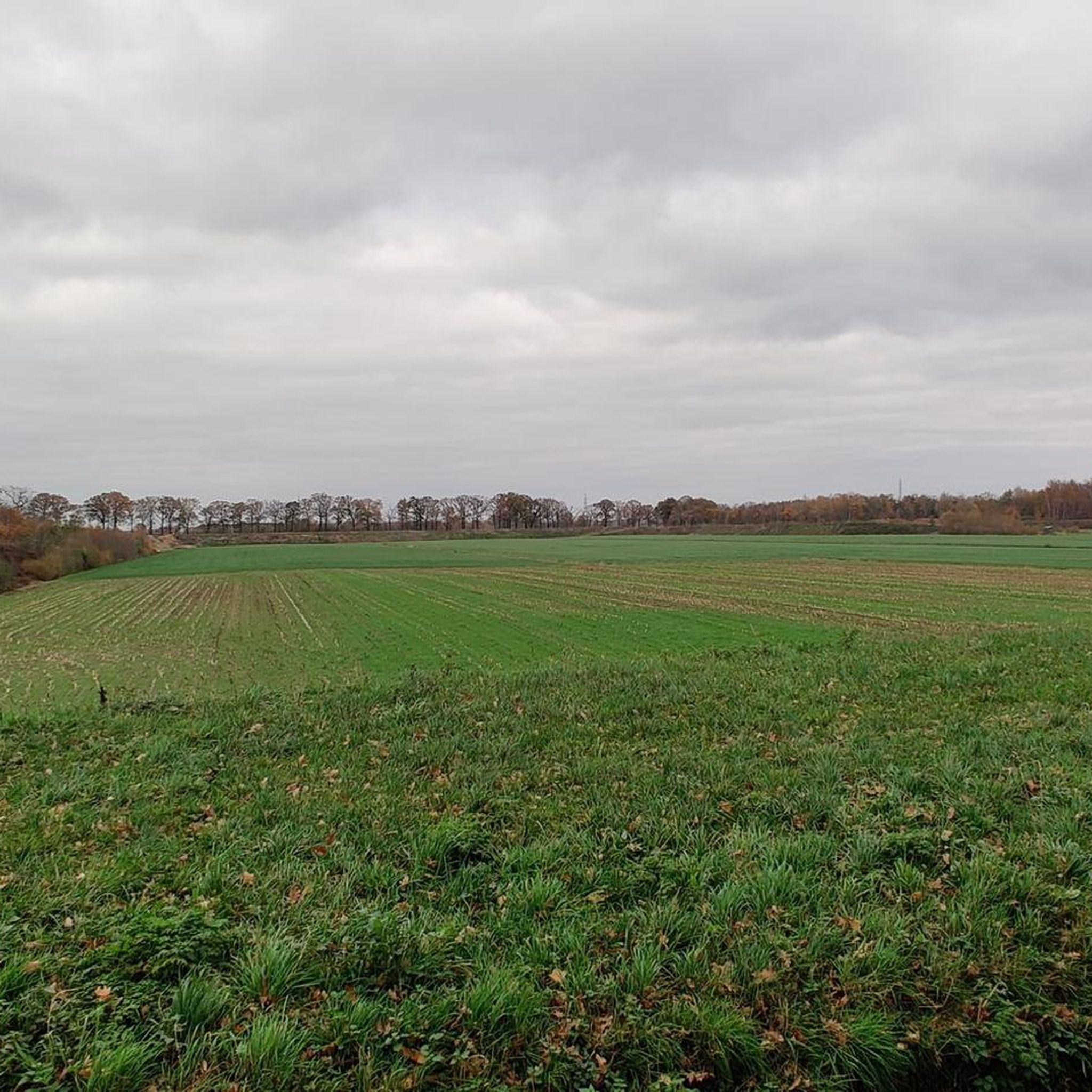
Road Cycling Routes in Kasteeldomein Van Westmalle En Omgeving
MTB Trails in Kasteeldomein Van Westmalle En Omgeving
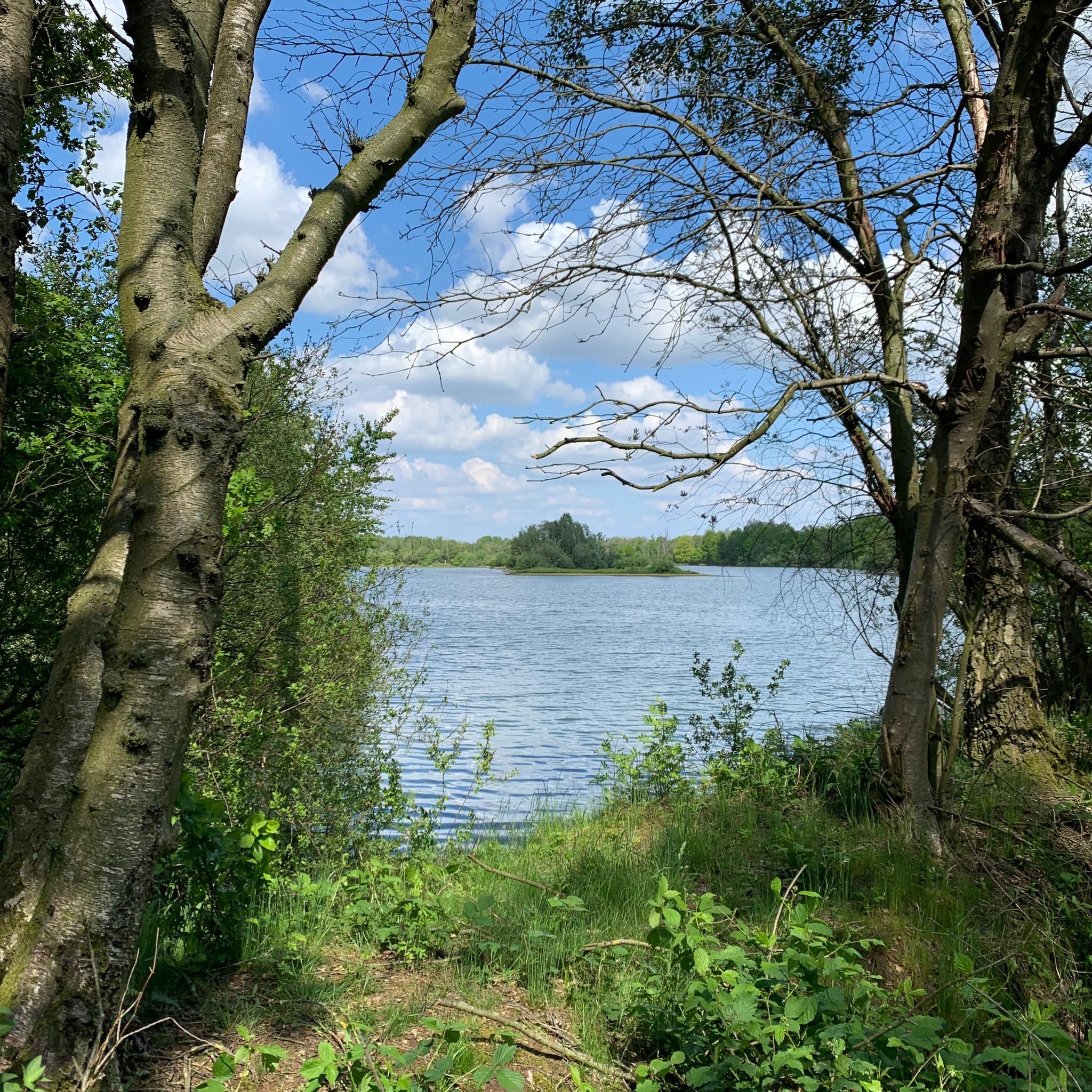
Cycling in Kasteeldomein Van Westmalle En Omgeving
Hiking in Kasteeldomein Van Westmalle En Omgeving
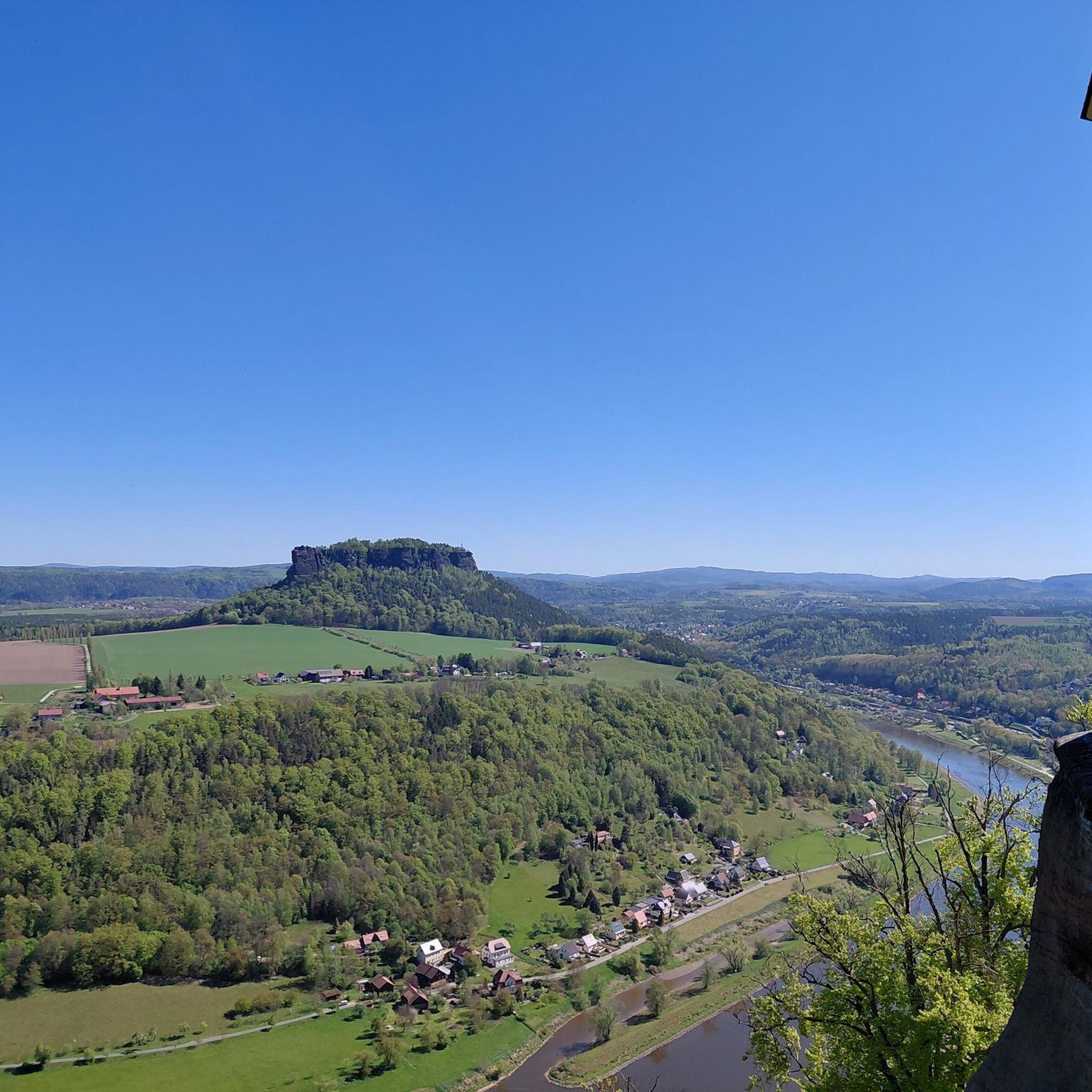
Gravel biking in Kasteeldomein Van Westmalle En Omgeving
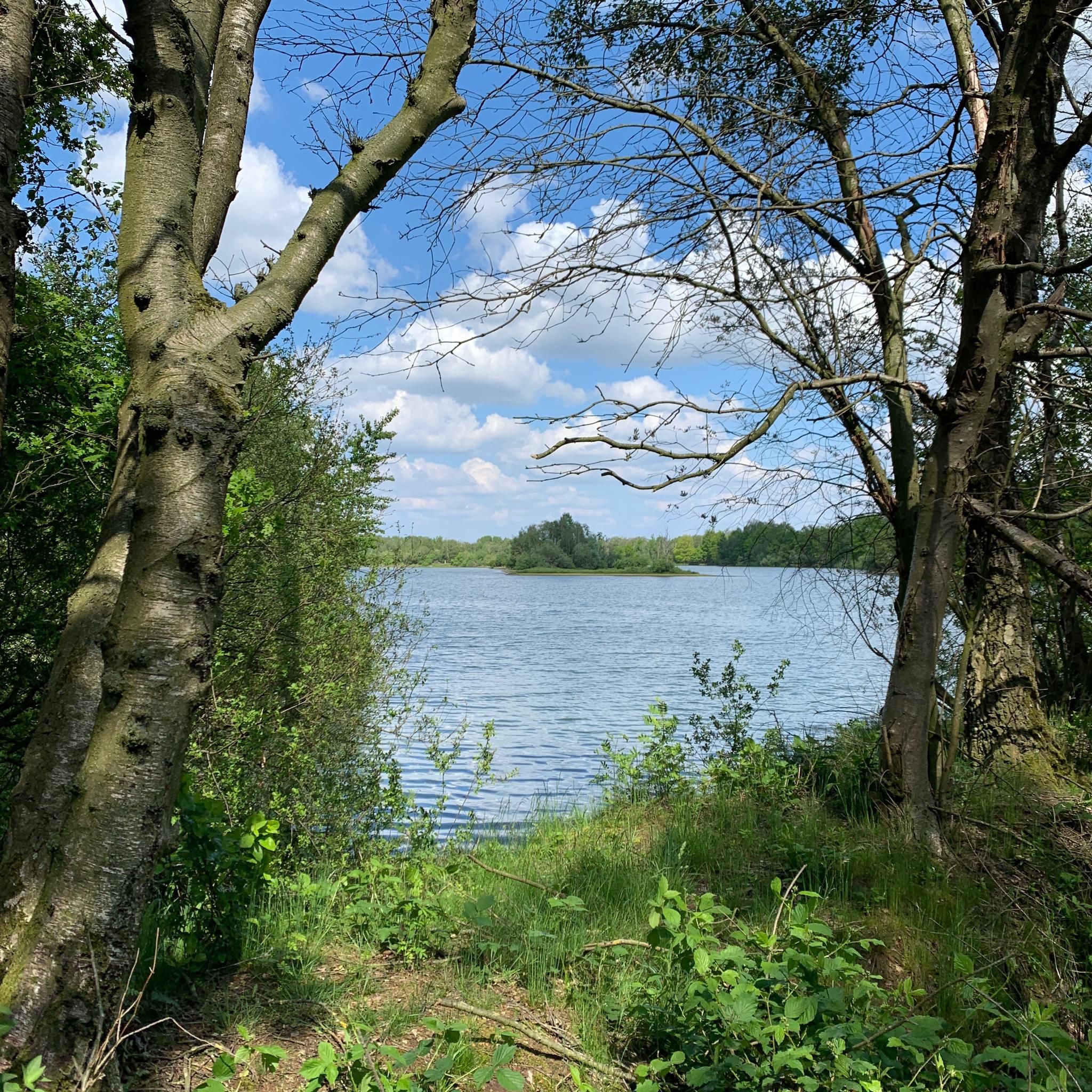
Running Trails in Kasteeldomein Van Westmalle En Omgeving
Tips from the Community

In 1914, Baron Alfons van der Straten Waillet inherited the castle. By dividing it among his children, it passed to his 4th son, Baron Jacques van der Straten Waillet, in 1973. In 1978, the castle, which has perfectly preserved its appearance from 1561, was protected as a monument. After the death of Baron Jacques van der Straten Waillet in 1984, the castle was inhabited by his widow, born Countess Christiane de Lannoy, and his sister, Lady Marie-Josephe van der Straten Waillet. After the death of the baroness in 2022, the castle was put up for sale. The asking price was 3.8 million euros. The municipality of Malle decided to purchase the castle after a survey among its residents. This purchase was largely financed by the Kempens Landschap Foundation. Source Wikipedia
7
0
In 1695, the last heir of the Cottereau family owed a lot of money to Pierre Farisau, and later to his heir Filips Robijns. In 1702, the castle was claimed by the creditors, but the court returned the castle to Lady Moytray, the widow of the Cottereau. In 1738, her brother inherited the castle and it was sold to the heirs of Filips Robijns. The castle then had the appearance of a fortified castle with a monumental gate, drawbridge, double rampart and forecourt. These heirs sold the castle to Jacques Benoit Pauwens in 1743. The Pauwens family lived in the castle until 1847. In 1829, Baron de Norman renovated the castle. His children sold the castle in 1848 to an Antwerp diamond merchant, Mr Bovie. He renovated the castle and a garden was created by the landscape architect Koelich. From 1874 to 1878 the castle belonged to Louis Geelhand. Baron de Turck de Kersbeeck bought the castle in 1878 and had the building restored and renovated by architect Schadde.
8
0
The Westmalle Castle is located in the village of Westmalle in the municipality of Malle. The origins of the castle go back to a large fortified farm, the Mansus de Trisco (Dutch: Hoeve Ten Driessche), which was founded around 1100. The farm was the residence of the representatives, the meiers, of the Dukes of Brabant. In 1449, the estate was sold by Philip the Good as Duke of Brabant to Henri van der Moelen, a municipal councilor of Antwerp. In 1505, his son, knight Hendrik van der Moelen, received all feudal rights from Philip I of Castile (also known in the Netherlands as Philip the Fair). Hendrik's grandson, Evrard de Cottereau, built the current castle in 1561. The avenue to the church of Westmalle was constructed in 1650.
8
0
A tree chapel is a small religious chapel or shrine that is placed in or on a tree. You mainly find them in Catholic regions such as Flanders, Wallonia, Bavaria and Tyrol, and they are part of popular devotion. Characteristics of a tree chapel: Often dedicated to Mary or a saint (such as Saint Anthony or Saint Roch). Usually consists of a small box, niche or sculpture attached to the trunk of a tree. Sometimes the tree itself is hollow and serves as a "natural chapel". You often see them along hiking trails, country roads or at crossroads as a place of reflection or protection for travelers. Why a tree chapel? Symbolism: The tree as a symbol of life in combination with religion gives a deeper spiritual meaning. Accessibility: For people on the road, it serves as a place for prayer or rest. Popular belief: Often hung out of gratitude or as a plea, for example for healing or protection.
8
0
The castle domain is connected to the centre by the beautiful castle avenue. The avenue dates from the 15th century and has a double row of summer oaks on both sides, which gives it a grand character. It is divided into three parts. The middle avenue was originally exclusively for the lords of the castle, the right path was for pedestrians (now also for cyclists), and the left path served as a cart track for farmers. Today, the avenue is only half of its original length. It used to stretch from the castle to beyond the church, into the village centre. In the 20th century, after the death of Baron Alphonse van der Straten Waillet, the land was sold and the part that ran through the village made way for new construction. At the beginning of the avenue are two boundary posts with the shields of Baron Emile de Turck de Kersbeek.
7
0
A predecessor of the current church is the chapel of the Westmalle Castle. This was destroyed in the 15th century. At the end of the 15th century, a new church was built of which only the baptismal chapel and the sacristy have been preserved. The burial chapel is probably 16th century. It contains the alliance coat of arms of the Van der Molen and de Cotereau families. There is also the epitaph of Hendrik de Cotereau. The hexagonal tower was destroyed by fire in 1757. In 1760, a new tower was built by order of the Sint-Bernardusabdij. In 1822, the church was struck by lightning and fire and in 1869 there was considerable storm damage. In 1902-1905, the church was considerably enlarged and a new tower was built 20 metres west of the old one. On 8 June 1915, the church burned down again. Reconstruction in 1926-1927 took place under the direction of V. Lenaerts. The church was enlarged with two side aisles.
8
0
It concerns an oriented brick three-aisled cruciform church with built-in west tower. The church is in neo-Gothic style. Some remains from the 15th and 16th century are still present, in particular the burial vault. Two extra side aisles have been added over half the length of the nave. The tower on a square plan has four sections and is covered by a constricted needle spire. The nave is covered by a pointed barrel vault.
8
0
A tree chapel is a small religious chapel or shrine that is placed in or on a tree. You mainly find them in Catholic regions such as Flanders, Wallonia, Bavaria and Tyrol, and they are part of popular devotion. Characteristics of a tree chapel: Often dedicated to Mary or a saint (such as Saint Anthony or Saint Roch). Usually consists of a small box, niche or sculpture attached to the trunk of a tree. Sometimes the tree itself is hollow and serves as a "natural chapel". You often see them along hiking trails, country roads or at crossroads as a place of reflection or protection for travelers. Why a tree chapel? Symbolism: The tree as a symbol of life in combination with religion gives a deeper spiritual meaning. Accessibility: For people on the road, it serves as a place for prayer or rest. Popular belief: Often hung out of gratitude or as a plea, for example for healing or protection.
8
0
Frequently Asked Questions
What historical landmarks can I explore in Kasteeldomein Van Westmalle En Omgeving?
The region is rich in history. You can visit the impressive Westmalle Castle, a monument with medieval roots. Don't miss the historic Castle Avenue, dating back to the 15th century. Other notable sites include the unique Round building, a 19th-century service building at the castle, and the Sint-Martinuskerk, which was originally the castle chapel.
Are there opportunities for walking or cycling in the area?
Yes, the Kasteeldomein Van Westmalle En Omgeving is exceptionally well-suited for outdoor activities. There are numerous marked routes for walking, cycling, and mountain biking. For hiking, you can explore trails like the "View of Zwart Water Lake – Westmalle Castle loop". Cyclists can find routes such as the "Castle de Renesse – Cycle path next to gravel path loop". You can find more detailed routes in our guides for Hiking and Cycling in the region.
What natural features can I discover around Westmalle Castle?
The area boasts beautiful natural features. The Westmalle Castle is surrounded by an accessible castle park with ancient trees and historic landscapes. You can also find the Zwart Water-meer (Black Water Lake), which is part of popular walking routes. The entire domain is nestled within the picturesque Kempense countryside, offering valuable forests and old avenues perfect for leisurely strolls.
Is Kasteeldomein Van Westmalle En Omgeving suitable for families?
Absolutely! Many attractions in the area are family-friendly. The castle park is a great place for children to explore, and the various walking and cycling routes cater to different skill levels. Highlights like the Tree chapel and Tree shrine with benches offer unique points of interest that can engage younger visitors.
Can I visit the Westmalle Trappist Abbey?
The Westmalle Trappist Abbey is home to Cistercian Trappist monks and is renowned for its beer. Due to strict monastic rules, direct visits to the abbey or brewery are not permitted. However, guided walks around the abbey are offered, providing insight into its history and monastic life.
Are there any unique architectural features to look out for?
Yes, the Round building near Westmalle Castle is a unique 19th-century service building. Its circular shape and historical function as a model farm make it a notable architectural feature, and it's considered rare in the region.
What is the best way to explore the castle domain?
The castle domain is best explored on foot or by bike. The castle park is fully accessible, and the historic Castle Avenue provides a beautiful path connecting the castle to the village center. There are also specific walking paths like the 6-kilometer "Steenovenpad" and the 10-kilometer "Bindjespad" that allow you to discover the surroundings.
What do visitors enjoy most about Kasteeldomein Van Westmalle En Omgeving?
Visitors particularly appreciate the blend of historical charm and natural beauty. The well-preserved castle domain, with its ancient trees and historic avenues, offers a peaceful escape. The variety of walking and cycling routes through the Kempense countryside and around the Zwart Water-meer are also highly valued for their scenic views and outdoor opportunities.
Is the castle itself open for interior visits?
While the Westmalle Castle and its surrounding buildings are not currently open for interior visits, the castle park domain is fully accessible to the public. Guided tours of the castle park are available through Toerisme Malle, offering insights into its unique history.
Are there mountain biking trails in the area?
Yes, Kasteeldomein Van Westmalle En Omgeving offers several mountain biking trails. You can find routes like the "Forest Path Between Tall Trees – Gravel Track Near the Airport loop" or the "Zaligheden Singletrack – Short Forest Trail loop". For a comprehensive list of trails, check our dedicated guide for MTB Trails in the region.
What is the significance of the Sint-Martinuskerk?
The Sint-Martinuskerk (Saint Martin's Church) holds significant historical and architectural importance. It was originally the chapel of Westmalle Castle and was enlarged in 1490 to become a parish church. It showcases a clear and well-preserved relationship with the castle, making it an integral part of the Kasteeldomein's historical character.
Most popular routes in Kasteeldomein Van Westmalle En Omgeving

Get inspired with the komoot mobile app


Explore more
Still not found the Highlight you’re looking for? See guides of the top attractions in other regions:
