The best walks and hikes in Daknamse Meersen
4.4
(6110)
30,280
hikers
11
hikes
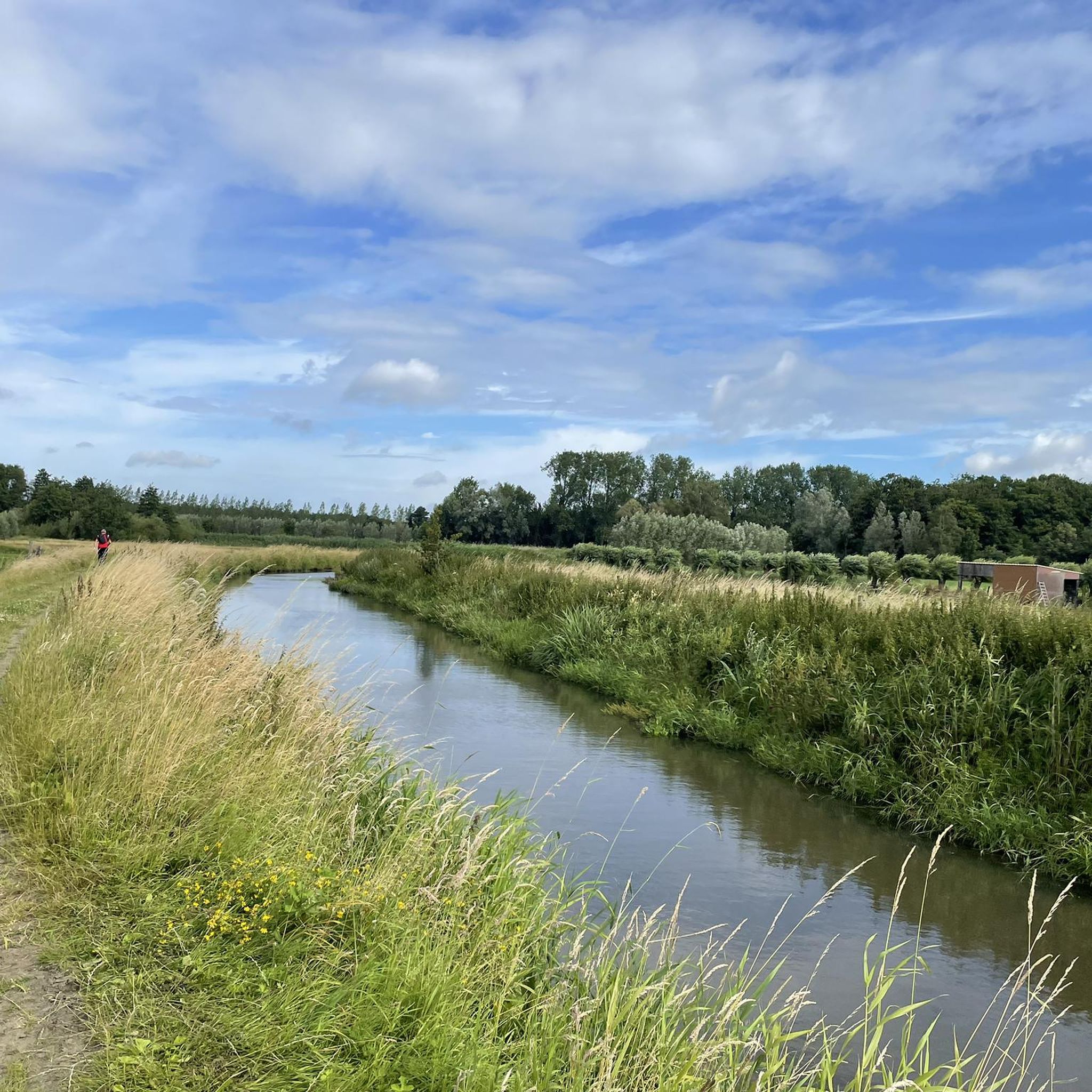
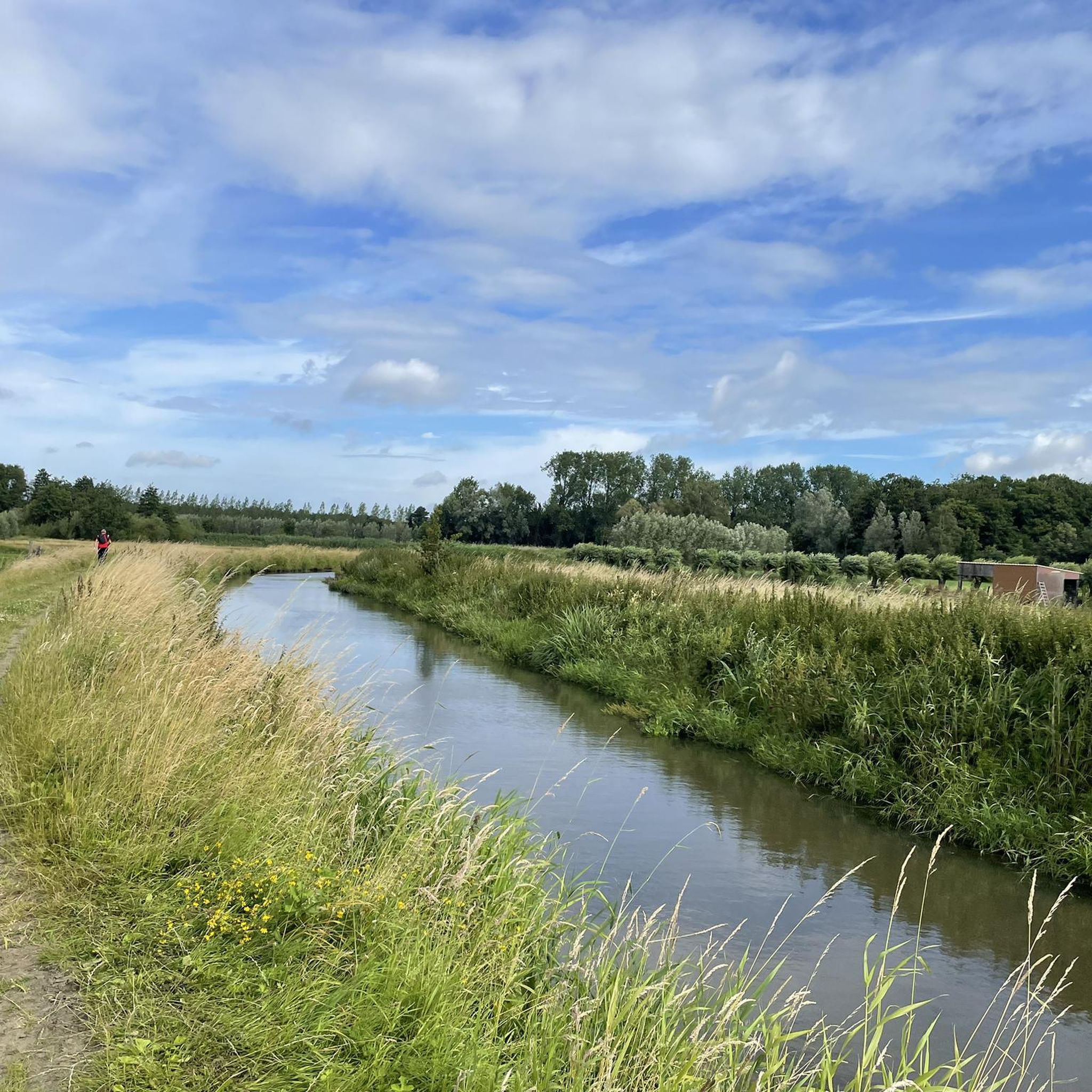
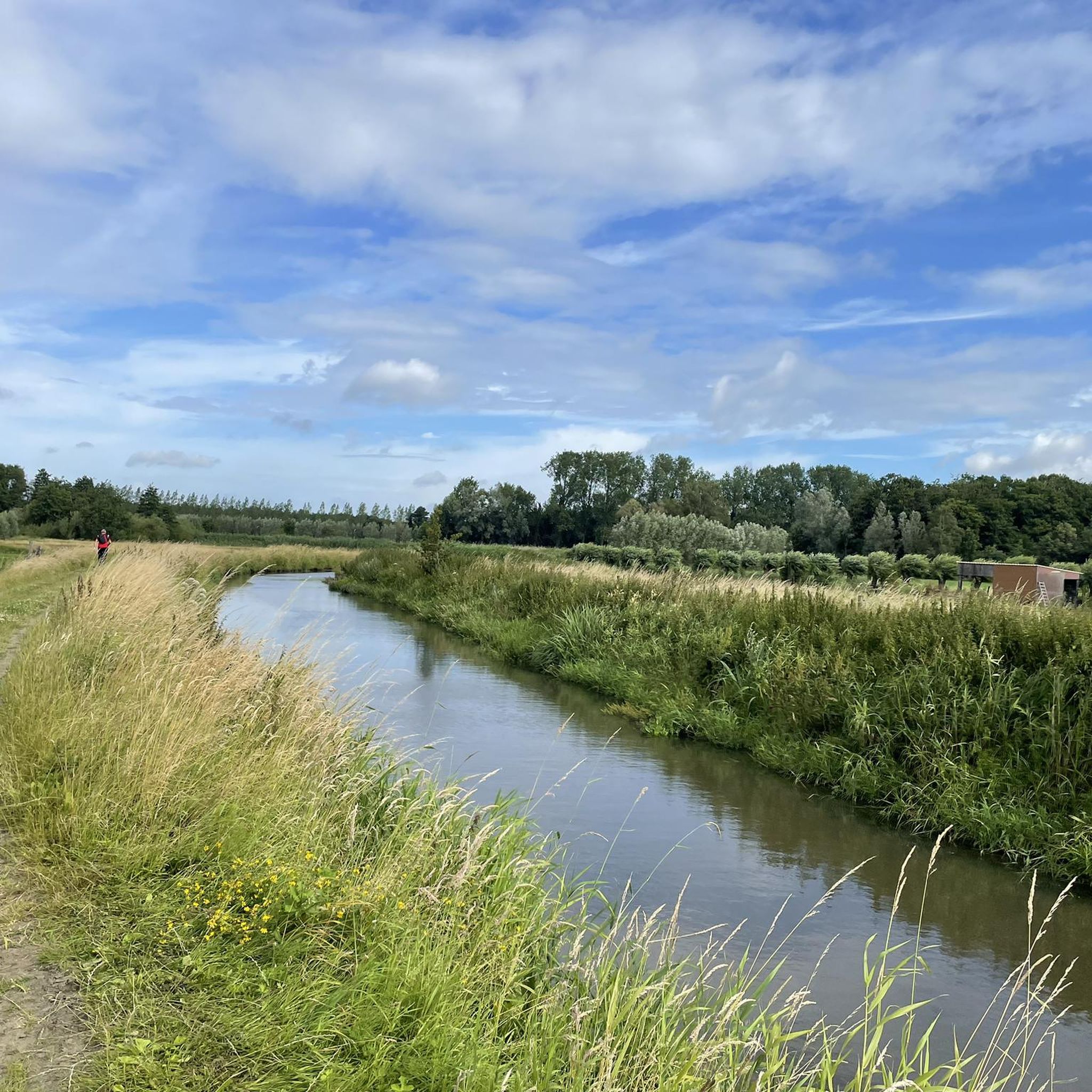
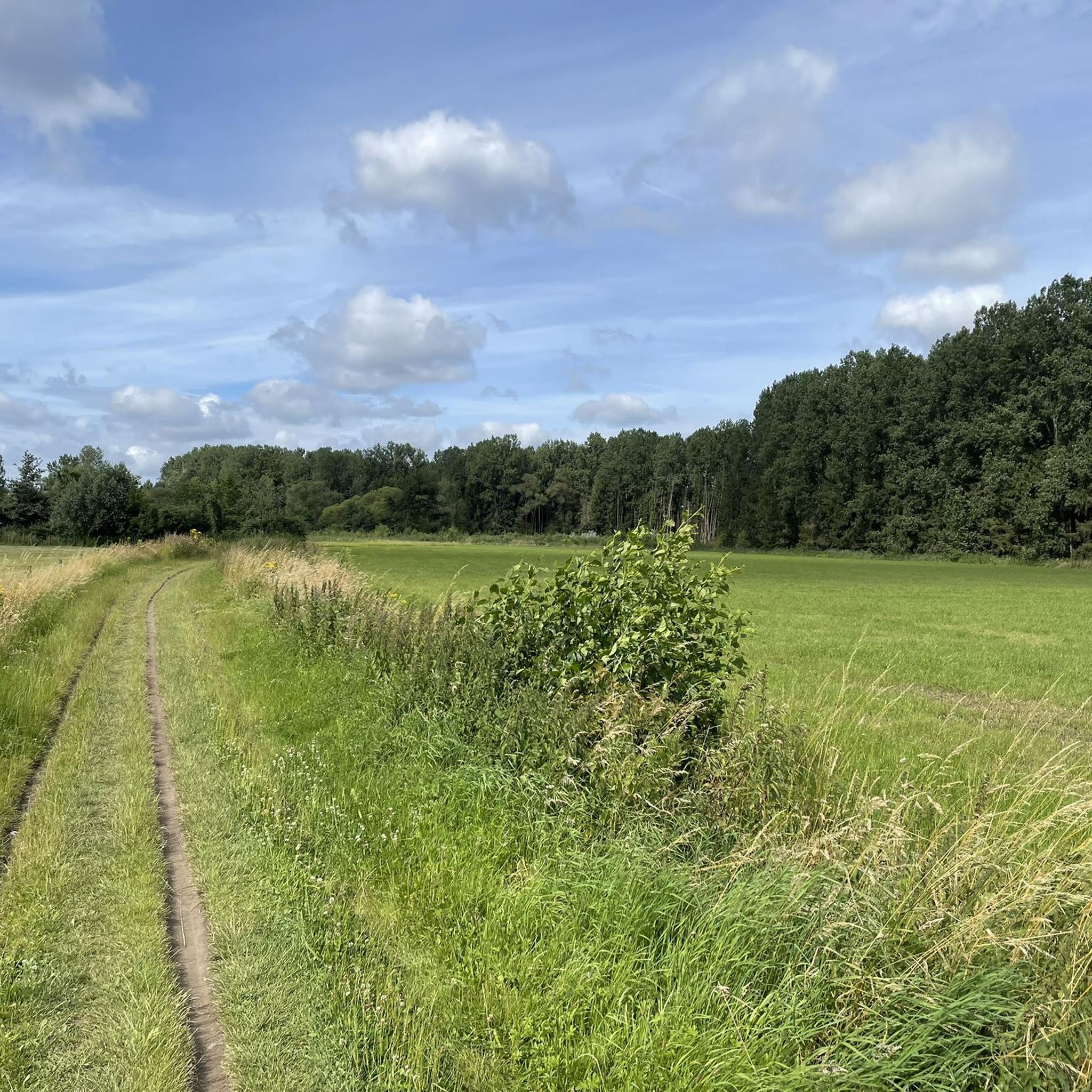
Hiking in Daknamse Meersen features a small-scale landscape characterized by flower-rich hayfields, wet grasslands, and scattered groves. Paths often follow numerous ditches lined with pollard willows and alder thickets, contributing to the area's distinct natural character. An old railway embankment, now a walking path, provides elevated views over the hayfields. The terrain is generally flat, with minimal elevation changes across its varied natural features.
Best hiking trails in Daknamse Meersen
- The most popular hiking route is Moervaartmeersen – Chapel of…
Last updated: July 3, 2026
4.5
(327)
876
hikers
13.6km
03:25
10m
10m
Moderate hike. Good fitness required. Easily-accessible paths. Suitable for all skill levels.
4.1
(7)
37
hikers
8.00km
02:01
10m
10m
Moderate hike. Good fitness required. Easily-accessible paths. Suitable for all skill levels.

Sign up for free
4.5
(2)
37
hikers
8.40km
02:07
10m
10m
Moderate hike. Good fitness required. Easily-accessible paths. Suitable for all skill levels.
3.5
(4)
26
hikers
Easy hike. Great for any fitness level. Easily-accessible paths. Suitable for all skill levels.
4.0
(1)
10
hikers
8.37km
02:06
10m
10m
Moderate hike. Good fitness required. Easily-accessible paths. Suitable for all skill levels.
Get access to more routes and recommendations from other explorers.
Sign up for free
Already have an account?
Our route recommendations are based on thousands of hikes, rides, and runs completed by other people on komoot.
Start today with a free account
Your next adventure awaits.
Login or Signup

Tips from the Community

Open every day except Monday from 11:00 AM; on Mondays only from 5:00 PM.
4
0
On Friday, April 5, 1867, the Spletterenbrug was officially opened. Between Moerbeke and Lokeren, trains stopped in Daknam and Eksaarde. In Moerbeke, travelers could transfer to railway line 77 towards Zelzate or towards Sint-Gillis-Waas. That the intention was to one day double the 9-kilometer railway line to two tracks is still visible on the Spletterenbrug. Both bridge abutments are indeed twice as wide as the bridge deck itself. It never came to that. On the contrary. The railway line suffered during both world wars, causing traffic to be suspended for months. For example, retreating German soldiers blew up the bridge at the end of World War I. Less than a year after the armistice, in September 1919, the line was already restored and trains could run on the route again. In 1940, the Belgian army, in turn, tried to slow down the German advance by destroying the bridge. The bridge was repaired again. In 1971, the last train chugged along the route. After more than a century of train traffic, the tracks were dismantled and the route was redeveloped as a cycling and walking path from Lokeren to Moerbeke. The Spletterenbrug itself was preserved and restored in 2017. The seven layers of paint were removed, and the bridge regained its original, dark gray color. Source: industriecultuur.be
4
0
Before the throne of King Nobel stands Reynaert the Fox to the left. He was summoned multiple times, after accusations by various animals, especially by Isegrim the Wolf and Bruun the Bear. Cunning as he is, Reynaert always manages to escape appearing before the court. When he is nevertheless brought before the King by Grimbeert the Badger, the Fox proceeds to 'confess' and is sentenced to death. But the Fox also manages to cleverly escape this sentence with a fanciful story about a hidden treasure. Reynaert is granted a pardon, after which he departs on a 'pilgrimage'. He escapes the justice system once again.
4
0
Along the Catherinastraatje, about every 20 meters, you'll find a two-dimensional image made of corten steel of a figure from the story "Van den Vos Reynaerde": from Isegrim the wolf and Bruun the bear, via Coppe the hen and Cantecleer the rooster to Belijn the ram and Grimbeert the badger... and of course Reynaert the fox himself and King Nobel, the lion. At the end of the street, there is also the throne of King Nobel, a depiction of the trial in which Reynaert is being judged.
4
0
Wonderful how the legend of Reynaert the Fox lives on so strongly here that a real place is indicated as the spot where the hen Coppe, ultimately a fictional character, would be buried. (see the explanation that #Els gave earlier).
4
0
The Church of Our Lady of Daknam is a two-nave church, with the main nave dating from before 1156. The only side aisle was added on the south side in the 15th century. The pear spire from the 16th century was struck by lightning in 1614-15. In 1891, the church underwent a thorough restoration and expansion. Both the sacristy and the small front porch date from that time. In the 1960s, a new restoration followed. The church is surrounded by the cemetery with a low, brick and whitewashed wall. In a side facade, a very old visible wood carving scene can be seen (see photo). It depicts "souls praying and begging for deliverance from purgatory". In the Christian faith, purgatory is a kind of 'pre-stage' where souls are purified before they can enter heaven. Source: Inventory of Immovable Heritage
4
0
Daknambrug in Daknam, a sub-municipality of Lokeren. This charming swing bridge over the Durme is located at the site of a former ferry crossing on the old Lille-Tilburg highway. Such a ferry served as a bridge to transport people, livestock, horses, and vehicles. The current swing bridge has replaced a small wooden bridge since the 1930s. At that time, the Durme was straightened here between the confluence of the Zuidlede and Moervaart at Spletterenbrug and the bend near Middendam. In the summer, you can see the bridge keeper opening the bridge to let pleasure boats pass, sailing to or from Lokeren.
5
0

Den Hert is a forest with a pond and is part of the De Linie nature reserve. The area is managed by the non-profit organization Durme. The peep wall is an observation wall where you can observe and photograph birds up close. The wall was built with support from the Agency for Nature and Forests (ANB) and sponsor Natuurkijkers.be. Together with the surrounding forests, Den Hert forms a large, contiguous nature reserve (approximately 300 hectares). Since 2006, the area has been made more nature-friendly: exotic species were removed, several plane trees with tree hollows were left standing (a roost for woodpeckers and bats), and in 2015, the banks of the pond were modified. Steep banks were replaced with a gentler slope, and more light was introduced around the pond. Species including bulrush, cattail, and water lily now grow around the pond. In summer, this is a breeding ground for various waterfowl. In late summer, the water level is often low: ideal for kingfishers, which can then fish up close. On muddy banks, you can sometimes also spot wading birds or wagtails. In autumn and winter, many songbirds come to the feeding table. On the way to the viewing wall, you walk over a "rabat": a raised earthen strip, an old system for planting forests on wet ground. The viewing wall is accessible from August 15th to March 15th to give the animals a rest during the breeding season. Approach the viewing wall as quietly as possible. Dogs are left at the entrance.
1
0
Frequently Asked Questions
How many hiking trails are available in Daknamse Meersen?
Daknamse Meersen offers a wide selection of hiking routes, with over 790 trails to explore. These range from easy strolls to more moderate hikes, ensuring options for various fitness levels.
What kind of terrain can I expect when hiking in Daknamse Meersen?
The terrain in Daknamse Meersen is generally flat, characterized by a small-scale landscape of flower-rich hayfields, wet grasslands, and scattered groves. You'll often find paths running alongside numerous ditches, many lined with pollard willows and alder thickets. An old railway embankment, now a walking path, provides elevated views over the hayfields, but overall, elevation changes are minimal.
Are there easy hiking options suitable for beginners or casual walkers?
Yes, Daknamse Meersen is very accommodating for beginners and casual walkers. Over 500 of the available routes are classified as easy. For example, the Spletterenbrug Picnic Area – Daknam Bridge loop from Daknamstadion is an easy 5.5 km trail, perfect for a relaxed outing.
Are the hiking trails in Daknamse Meersen suitable for families with children?
Many trails in Daknamse Meersen are suitable for families, especially given the generally flat terrain and the abundance of easy routes. The diverse flora and fauna, including birds and small amphibians, can make for an engaging experience for children. Consider routes that are shorter and have interesting points like the old railway embankment for added appeal.
Can I bring my dog on the hiking trails in Daknamse Meersen?
While specific regulations can vary, generally, dogs are welcome on trails in natural areas like Daknamse Meersen, often on a leash. The open landscapes and numerous paths provide a great environment for walks with your canine companion. Always check local signage for any specific restrictions in certain nature reserves or protected areas.
What natural features or wildlife might I encounter while hiking?
Daknamse Meersen is rich in natural features and wildlife. You can expect to see flower-rich hayfields, wet grasslands, and ditches teeming with green frogs, newts, and various dragonflies. The area is a haven for birds, with species like kingfishers, blue throats, and even storks. In autumn, it's a crucial stopover for migratory birds. Keep an eye out for rare water and marsh plants, and even diverse fungi species.
Are there any specific landmarks or points of interest to look out for?
Yes, several points of interest enhance the hiking experience. You might encounter the Daknam Bridge, or walk along the Cycle path on the Old Railway Line Lokeren–Moerbeke, which offers unique perspectives. The Den Hert forest, part of the larger De Linie nature reserve, features a pond and a peep wall for birdwatching. The Visitor Center also offers a 'five-star view' over the water features.
Are there circular hiking routes available in Daknamse Meersen?
Yes, many of the hiking routes in Daknamse Meersen are designed as circular paths, allowing you to start and end at the same point. An example is the Sinaai Bridge – Moervaartmeersen loop from Daknam, which covers about 10.2 km.
What is the best time of year to go hiking in Daknamse Meersen?
Daknamse Meersen offers unique experiences throughout the year. Spring and summer are ideal for enjoying the flower-rich hayfields and observing breeding birds. Autumn is excellent for spotting migratory birds and diverse fungi. Even in winter, the flat terrain can be pleasant for a crisp walk, though some paths might be wet.
What do other hikers enjoy the most about hiking in Daknamse Meersen?
The komoot community highly rates hiking in Daknamse Meersen, with an average score of 4.4 stars from over 5,700 reviews. Hikers often praise the peaceful, small-scale landscape, the abundance of wildlife, and the well-maintained paths alongside the picturesque ditches and pollard willows. The variety of routes catering to different abilities is also frequently highlighted.
How can I get to Daknamse Meersen using public transport?
Daknamse Meersen is accessible, but public transport options might require some planning. Lokeren is a nearby town with train connections. From there, local buses or a short taxi ride might be necessary to reach specific trailheads within the Meersen. It's advisable to check local bus schedules in advance for the most convenient access points.
Is parking available near the hiking trails in Daknamse Meersen?
Yes, parking is generally available at various access points around Daknamse Meersen. Many trailheads, especially those near villages or specific attractions like the Visitor Center or the Pumping Station, offer designated parking areas. It's always a good idea to check the starting point of your chosen route for specific parking information.
Most popular routes in Daknamse Meersen
Most popular attractions in Daknamse Meersen

Get inspired with the komoot mobile app


Explore more
Browse the best Hikes in other regions.
