Rye Harbour Nature Reserve
Rye Harbour Nature Reserve
Attractions and Places To See in Rye Harbour Nature Reserve - Top 6
Best attractions and places to see in Rye Harbour Nature Reserve include a diverse landscape of shingle beaches, saltmarshes, lagoons, and grazing marsh at the estuary of the River Rother. This significant wildlife site is home to over 4,355 species of plants and animals, including 300 rare or endangered species. The reserve also features historical landmarks such as Tudor forts, Martello Towers, and WWII defenses, offering a blend of natural beauty and cultural heritage. It provides accessible footpaths and a…
Last updated: April 23, 2026
Rye Harbour shingle habitat
Highlight • Natural
Tip by

Old Barn, Rye Harbour Nature Reserve
Highlight (Segment) • Structure
Translated by Google •
Tip by
Sign up now to discover places like this
Get recommendations on the best single tracks, peaks, & plenty of other exciting outdoor places.
Sign up for free
Rye Harbour Discovery Centre
Highlight • Cafe
Tip by
Red-Roofed Hut, Rye Harbour
Highlight • Historical Site
Tip by
Mary Stanford Lifeboat House
Highlight • Historical Site
Tip by
Sign up for free to discover even more attractions in Rye Harbour Nature Reserve.
Sign up for free
Already have an account?
Start today with a free account
Your next adventure awaits.
Login or Signup
Tips from the Community

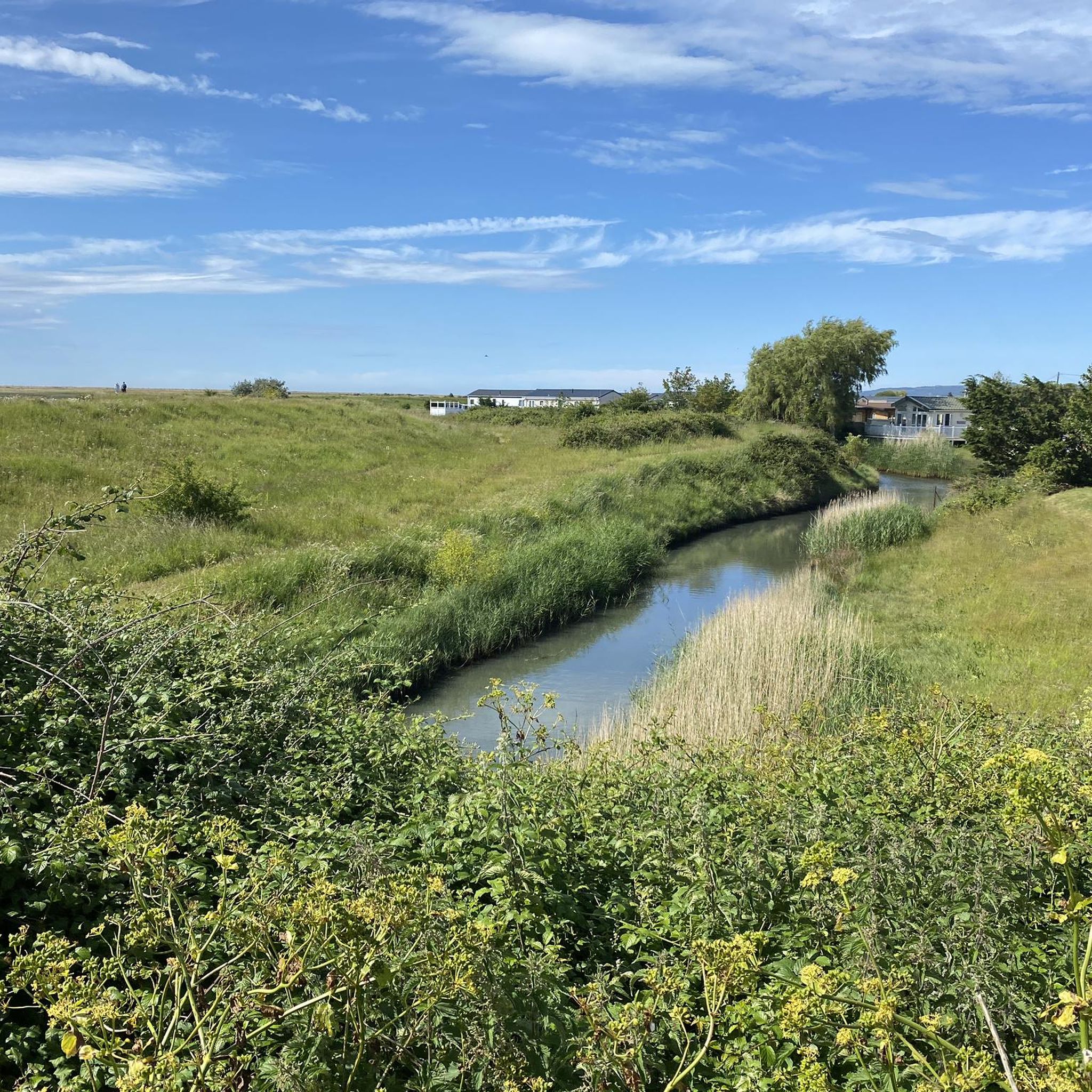
A great spot on the Rye-Winchelsea loop of the Cantii Way, along quiet concrete roadways.
0
0

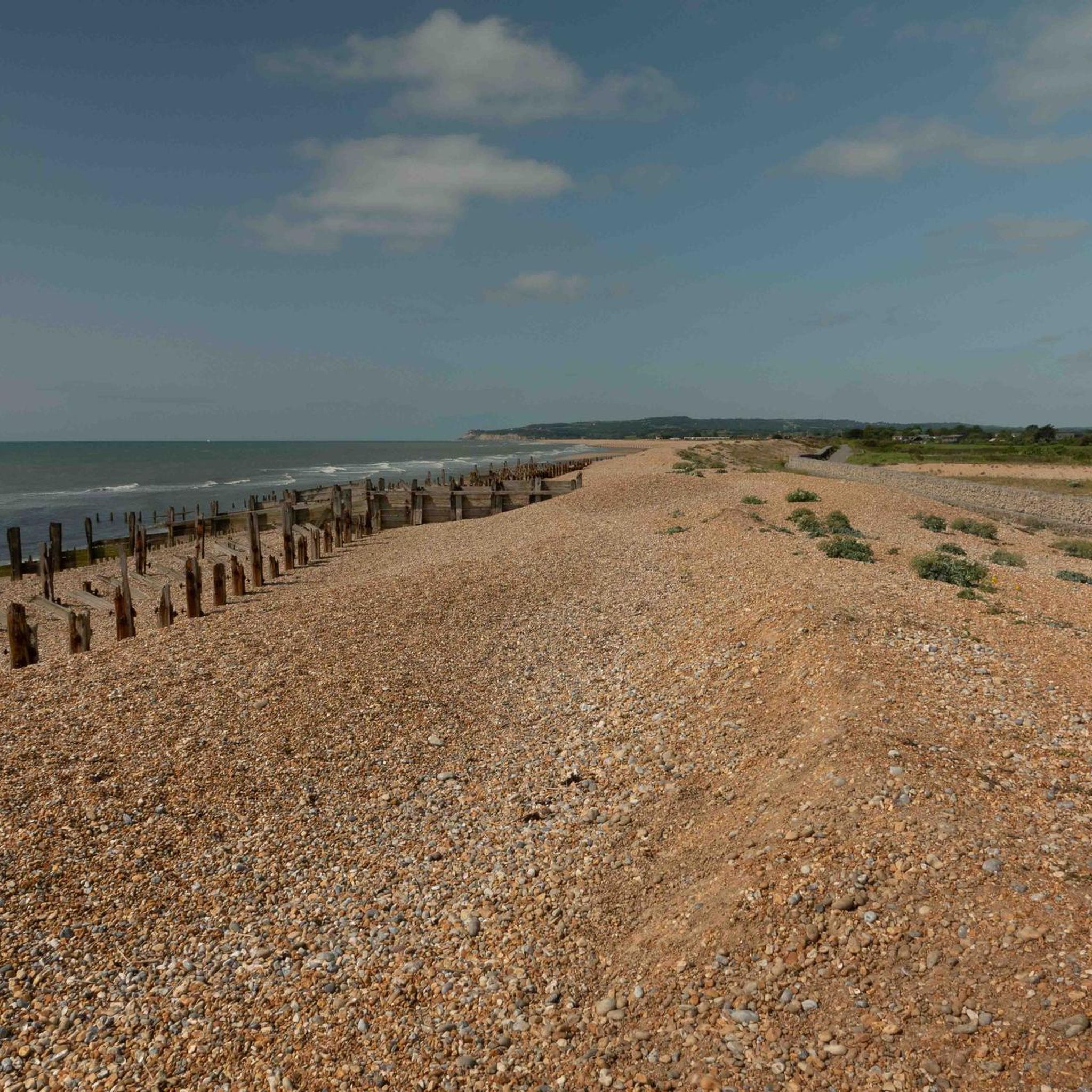
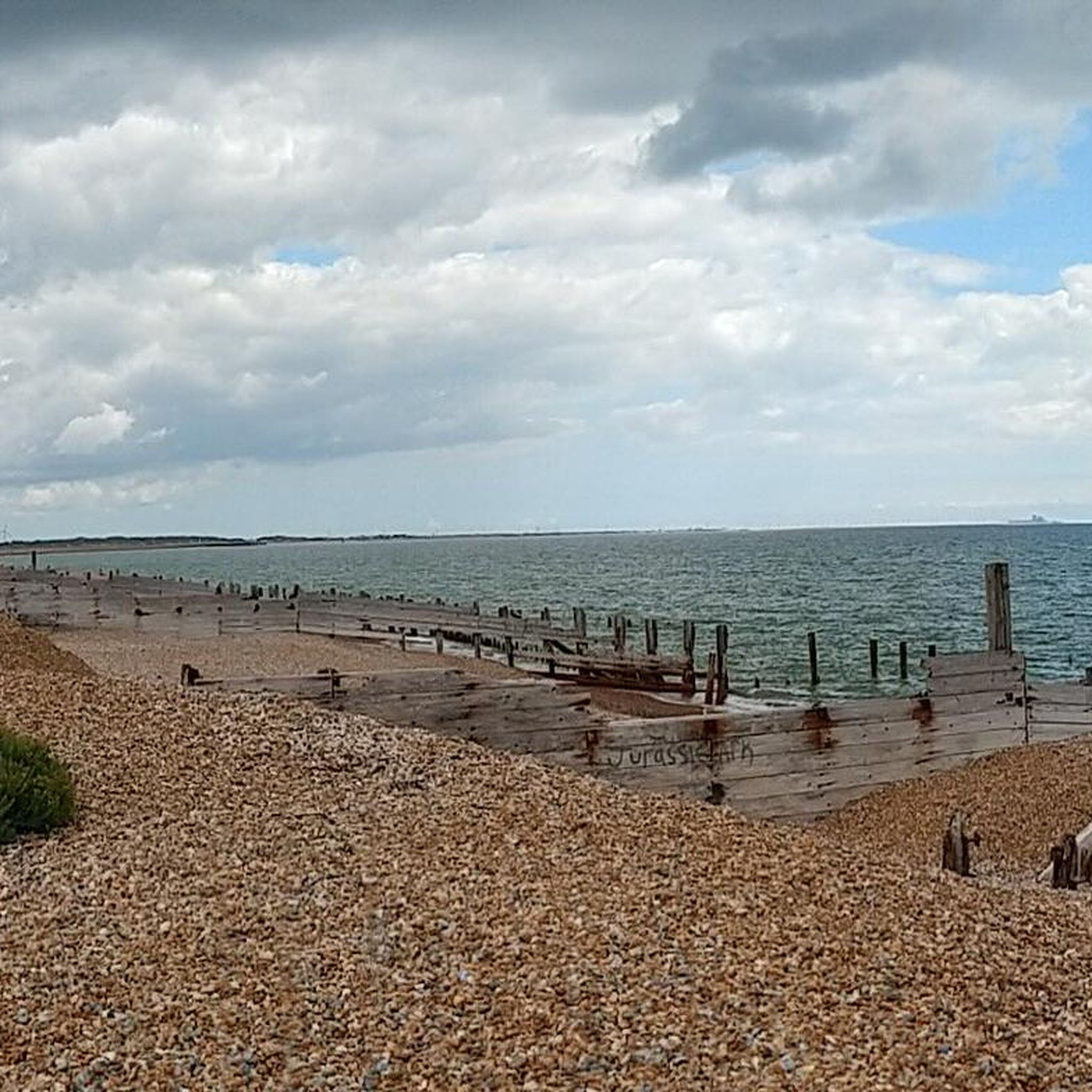
Simply impressive to realize the power and effect of the moving shingle and the sea (see the signs).
0
0

Rye Harbour is a village located on the East Sussex coast in southeast England, near the estuary of the River Rother: it is part of the civil parish of Icklesham and the Rother district. Rye Harbour is located some two miles downstream of the town of Rye
0
0

Not only a Discovery Centre, but also a café where you can drink a cup of coffee with a beautiful view. Daily opened. https://rye.sussexwildlifetrust.org.uk/discovery-centre
3
0

The Rye Harbor Nature Reserve Discovery Center is housed in a very attractive modern wood and glass building. It provides information about animals and plants in this part of the coastal landscape. A cozy cafe offers a wide range of dishes and drinks. Binoculars are available for observation at the huge window fronts. Books and gifts can also be purchased.
1
0

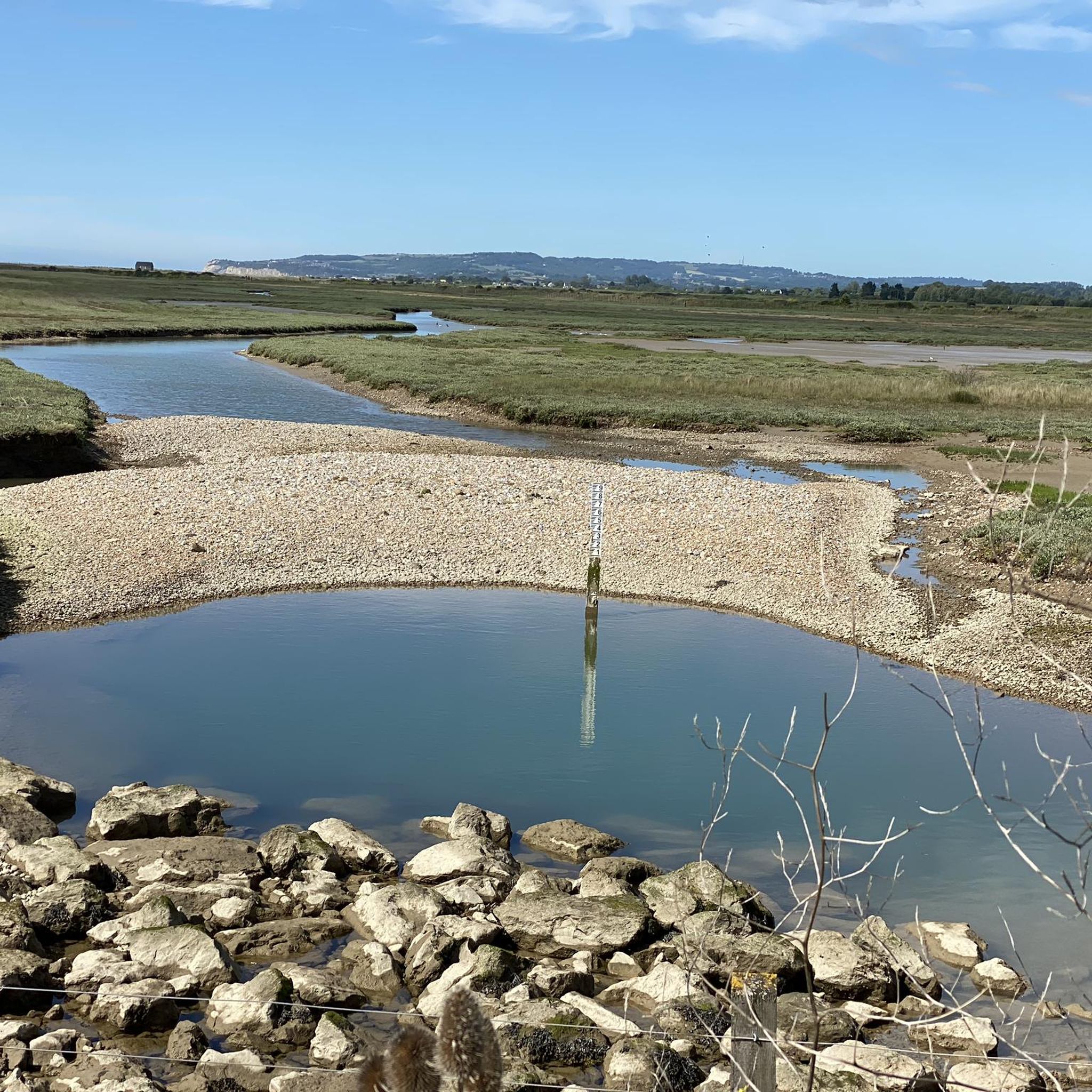
Shingle habitat is a rare and specialized type of coastal environment, made up of pebbles and stones that support a variety of plant and animal life. Rye Harbour is one of the largest and most diverse shingle habitats in southern England, with over 1000 hectares of shingle, saltmarsh, lagoons and grazing marsh. It is also a Site of Special Scientific Interest (SSSI) and a Local Nature Reserve (LNR) that attracts many birdwatchers and nature lovers. Some of the plants that grow on shingle are Sea-kale, Sea Pea, Sea Campion and Stonecrops. They have adapted to cope with the harsh conditions of salt spray, high winds, unstable substrate and nutrient-poor soil. They also help to stabilize the shingle and create soil for other plants to colonize.
3
0
Mary Stanford Lifeboat House is a former lifeboat house in Rye Harbour Nature Reserve. It was built in 1882 by a local builder and financed by donations from the RNLI. It was named after the Mary Stanford, a lifeboat that capsized in 1928, killing all 17 crew members. The lifeboat house is now derelict and has been listed as a Grade II building by Historic England. You can visit the old lifeboat station by walking along the coast from Rye Harbour Nature Reserve, which is a coastal nature reserve with 5 birdwatching hides and miles of footpaths to explore. It is open every day from 00:00 to 23:59 and has a phone number of 01797 360960.
3
0
Red Hut is a landmark near the mouth of the River Rother on the Rye Harbour and nature reserve side. It has featured in many paintings and photographs over the years. It was first built in the early 1900s and was used to store fishing and shrimping equipment. It was also known as Gran’s Hut by the grandchildren of the woman who owned it.
4
0
Frequently Asked Questions
What kind of wildlife can I expect to see at Rye Harbour Nature Reserve?
Rye Harbour Nature Reserve is a significant wildlife site, home to over 4,355 species of plants and animals, including 300 that are rare or endangered. It's particularly renowned for its diverse birdlife, such as avocets, terns (including rare little terns), ringed plovers, redshanks, Brent geese, oystercatchers, and lapwings. You might also spot the elusive bittern. The reserve's varied habitats, including shingle beaches, saltmarshes, lagoons, and reedbeds, support this rich biodiversity.
Are there good spots for birdwatching in the reserve?
Yes, Rye Harbour Nature Reserve is a birdwatcher's paradise. There are five dedicated birdwatching hides, with four of them being wheelchair accessible, offering excellent vantage points. The reserve is well-known for its breeding colonies of Little, Common, and Sandwich Terns, among many other species.
What historical sites can I explore in Rye Harbour Nature Reserve?
The reserve is rich in history. You can find remnants of Tudor forts like Camber Castle, built by Henry VIII, and iconic Martello Towers, such as Tower 28 (the Enchantress Tower), which were built to guard against Napoleon. There are also WWII Pillboxes scattered across the landscape, providing a connection to more recent history. Don't miss the Mary Stanford Lifeboat House, a former lifeboat station with a poignant history.
What unique plant life grows in the reserve?
The shingle habitats of Rye Harbour Nature Reserve support unique plant life adapted to harsh coastal conditions. Depending on the season, especially from late May to July, you can spot species like sea kale, viper's bugloss, yellow horned poppy, least lettuce, stinking hawksbeard, sea pea, and sea campion. The Rye Harbour shingle habitat is one of the largest and most diverse in southern England.
What outdoor activities are available in Rye Harbour Nature Reserve?
Rye Harbour Nature Reserve offers a variety of outdoor activities. You can enjoy walking on over 5 miles of flat, accessible footpaths, with popular routes like the Camber Castle Walk and Wildlife Watch Walk. Cycling is also popular, with access via the National Cycle Network. For more detailed routes, explore options like hiking in Rye Harbour Nature Reserve or cycling in Rye Harbour Nature Reserve.
Are there hiking trails suitable for different abilities?
Yes, the reserve boasts over 5 miles of flat, accessible footpaths, making it suitable for various abilities. You can find easy loops like the 3.8 km 'Rye Harbour Nature Reserve – Rye Harbour Nature Reserve loop from Rye Harbour' or moderate options such as the 9.7 km 'Rye Harbour Nature Reserve loop to Camber Castle'. You can find more hiking options on the hiking guide for Rye Harbour Nature Reserve.
Is Rye Harbour Nature Reserve accessible for visitors with mobility needs?
Yes, the reserve is designed to be accessible. The Rye Harbour Discovery Centre is fully accessible, and there are over 5 miles of flat, accessible footpaths. Four of the five birdwatching hides are also wheelchair accessible, ensuring a comfortable experience for visitors with mobility needs.
When is the best time of year to visit Rye Harbour Nature Reserve?
Rye Harbour Nature Reserve offers something year-round. For birdwatching, different species are present throughout the year, with breeding colonies active in spring and summer, and migratory birds arriving in autumn and winter. Wildflowers are at their peak from late May to July. The Rye Harbour Discovery Centre is open daily, providing a warm base regardless of the weather.
Are there facilities like cafes or visitor centers in the reserve?
Yes, the Rye Harbour Discovery Centre is an excellent starting point for any visit. Opened in May 2021, it features exhibitions, interactive displays, a shop, and the Lime Kiln Café, which offers stunning views and a wide range of dishes and drinks. Binoculars are available for observation from the huge window fronts.
What do visitors particularly enjoy about Rye Harbour Nature Reserve?
Visitors frequently praise the reserve's exceptional coastal and wetland scenery, its rich biodiversity, and the peaceful atmosphere. The blend of natural beauty with historical landmarks like the Old Barn and the iconic Red-Roofed Hut adds to its appeal. The accessible paths and the modern Discovery Centre also enhance the visitor experience.
Is Rye Harbour Nature Reserve family-friendly?
Yes, Rye Harbour Nature Reserve is very family-friendly. With over 5 miles of flat, accessible footpaths, it's easy for families with strollers or young children to explore. The Rye Harbour Discovery Centre offers engaging exhibitions and a cafe, making it a great base for families. There are also ten different activity trails available from the Discovery Centre, including a poetry trail and a flower trail, to keep children entertained.
Can I bring my dog to Rye Harbour Nature Reserve?
While the provided information doesn't explicitly state the dog policy, nature reserves often have specific rules regarding dogs to protect wildlife. It's generally recommended to keep dogs on a lead and stick to designated paths to avoid disturbing ground-nesting birds and other sensitive habitats. For the most current and detailed information on dog-friendly access, it's best to check the official Rye Harbour Nature Reserve website.
Most popular routes in Rye Harbour Nature Reserve

Get inspired with the komoot mobile app


Explore more
Still not found the Highlight you’re looking for? See guides of the top attractions in other regions:
