The best cycling routes in Hollands Diep
4.5
(965)
8,885
riders
472
rides
Touring cycling in Hollands Diep offers routes across a unique freshwater tidal area, characterized by generally flat terrain. The landscape features extensive reed lands, open water, and intricate channels, alongside polders and dikes. Cyclists can explore wild willow forests and historic towns, with minimal elevation changes making it suitable for various fitness levels.
Best touring cycling routes in Hollands Diep
- The most popular touring cycling route is De Wachter Art Installation – Willemstad Historic Center loop from Willemstad, a 14.7 miles (23.7 km) trail that takes 1 hour 22 minutes to complete. This easy route connects a notable art installation with the historic center of Willemstad.
- Another top favourite among local touring cyclists is Willemstad Town Hall – Willemstad Historic Center loop from Willemstad, an easy 8.4 miles (13.6 km) path. This route explores the historic town of Willemstad, offering insights into its cultural heritage on flat terrain.
- Local touring cyclists also love the De Wachter Art Installation – Along the Hollands Diep loop from Willemstad, a 10.6 miles (17.1 km) trail leading along the Hollands Diep estuary, often completed in about 59 minutes.
- Touring cycling in Hollands Diep is defined by freshwater tidal areas, polders, and dikes. The extensive network of routes offers options for different ability levels, from short, easy loops to longer, moderate journeys.
- The routes in Hollands Diep are highly rated by the komoot community with an average score of 4.5 stars from more than 900 reviews. More than 8000 touring cyclists have used komoot to explore Hollands Diep's varied terrain.
Last updated: July 10, 2026
4.0
(8)
40
riders
Easy bike ride. Great for any fitness level. Mostly paved surfaces. Suitable for all skill levels.
37
riders
Easy bike ride. Great for any fitness level. Mostly paved surfaces. Suitable for all skill levels.

Sign up for free
4.8
(4)
25
riders
Easy bike ride. Great for any fitness level. Mostly paved surfaces. Suitable for all skill levels.
4.0
(1)
66
riders
Easy bike ride. Great for any fitness level. Mostly paved surfaces. Suitable for all skill levels.
5.0
(1)
21
riders
48.2km
02:49
80m
80m
Moderate bike ride. Good fitness required. Mostly paved surfaces. Suitable for all skill levels.
Get access to more routes and recommendations from other explorers.
Sign up for free
Already have an account?
Our route recommendations are based on thousands of hikes, rides, and runs completed by other people on komoot.
Start today with a free account
Your next adventure awaits.
Login or Signup
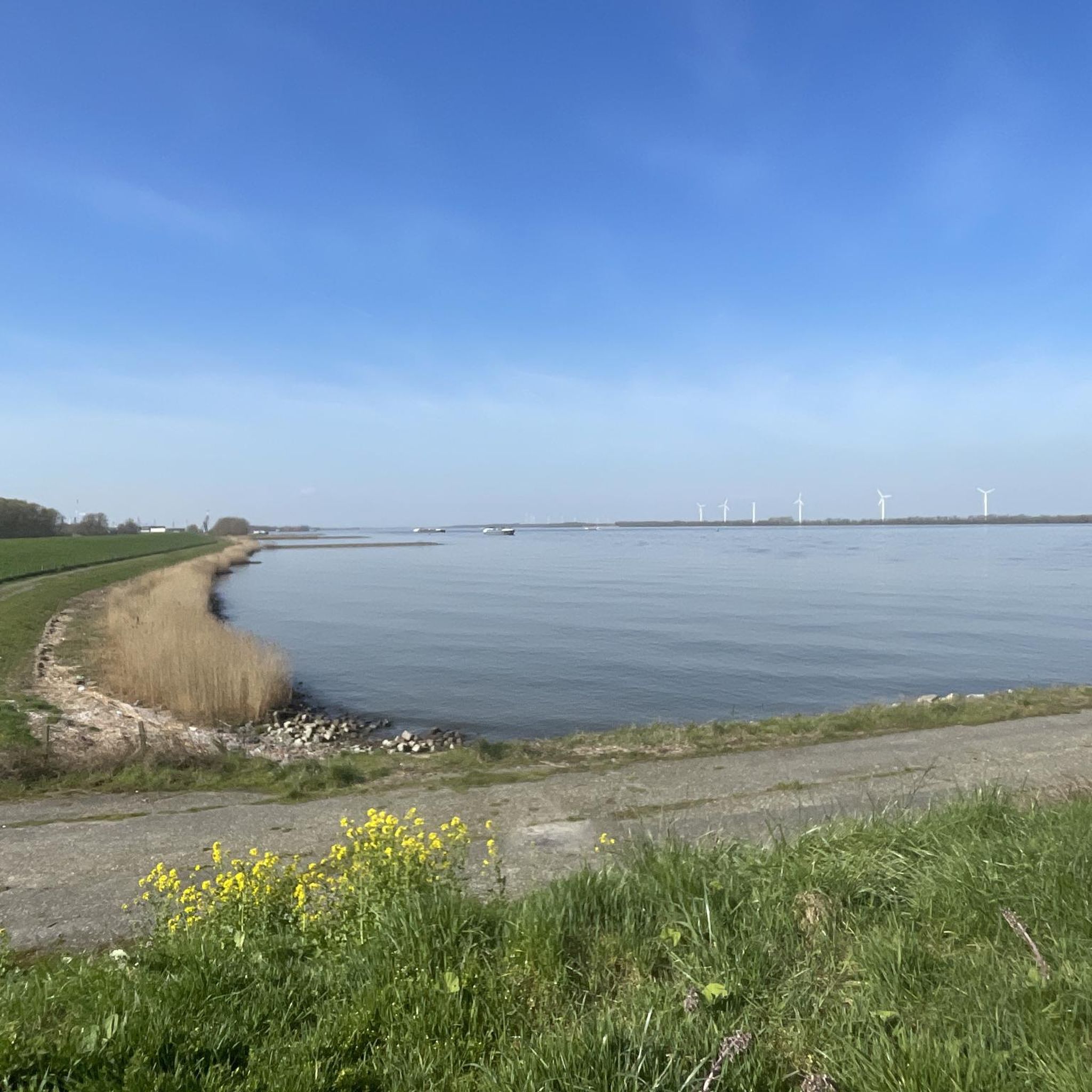
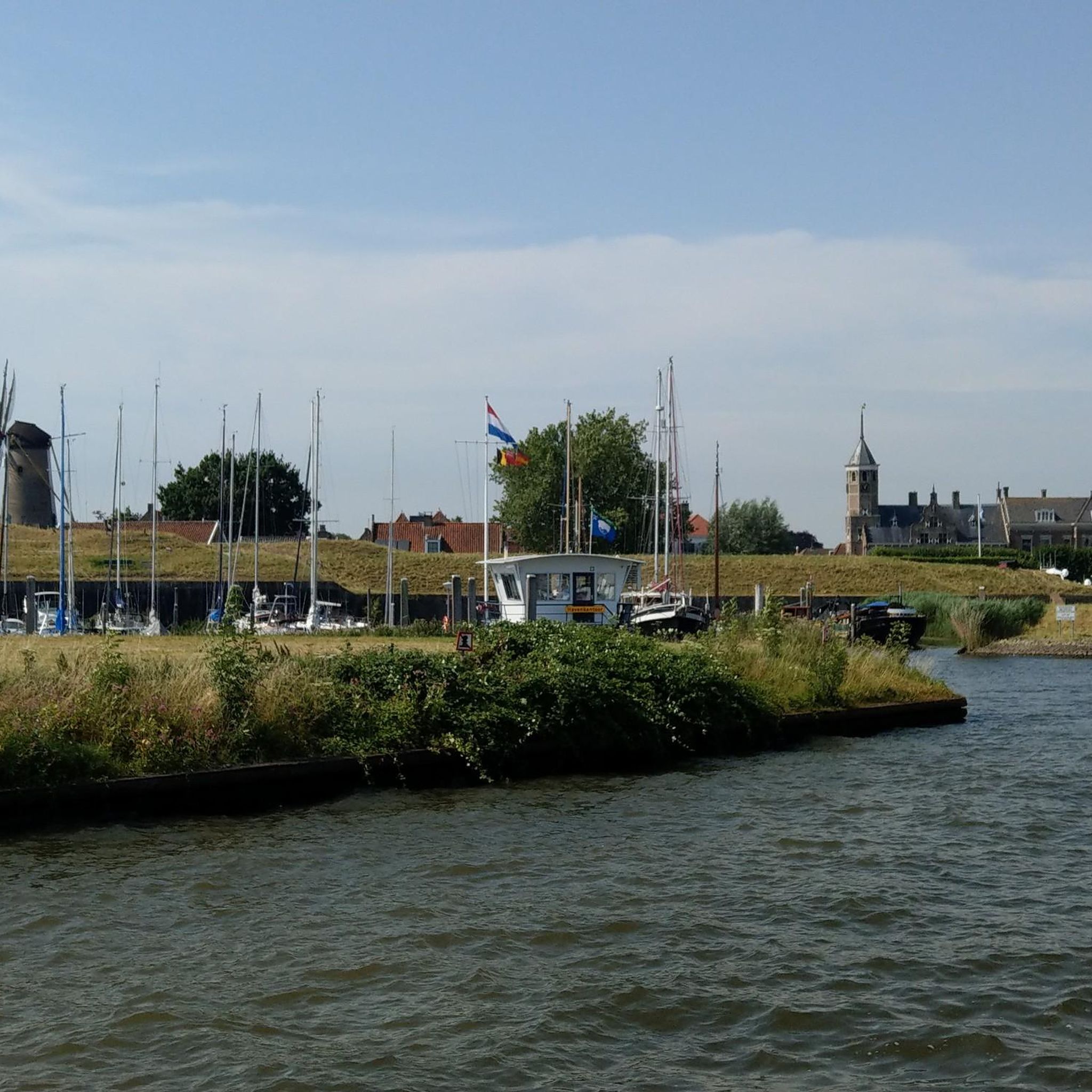
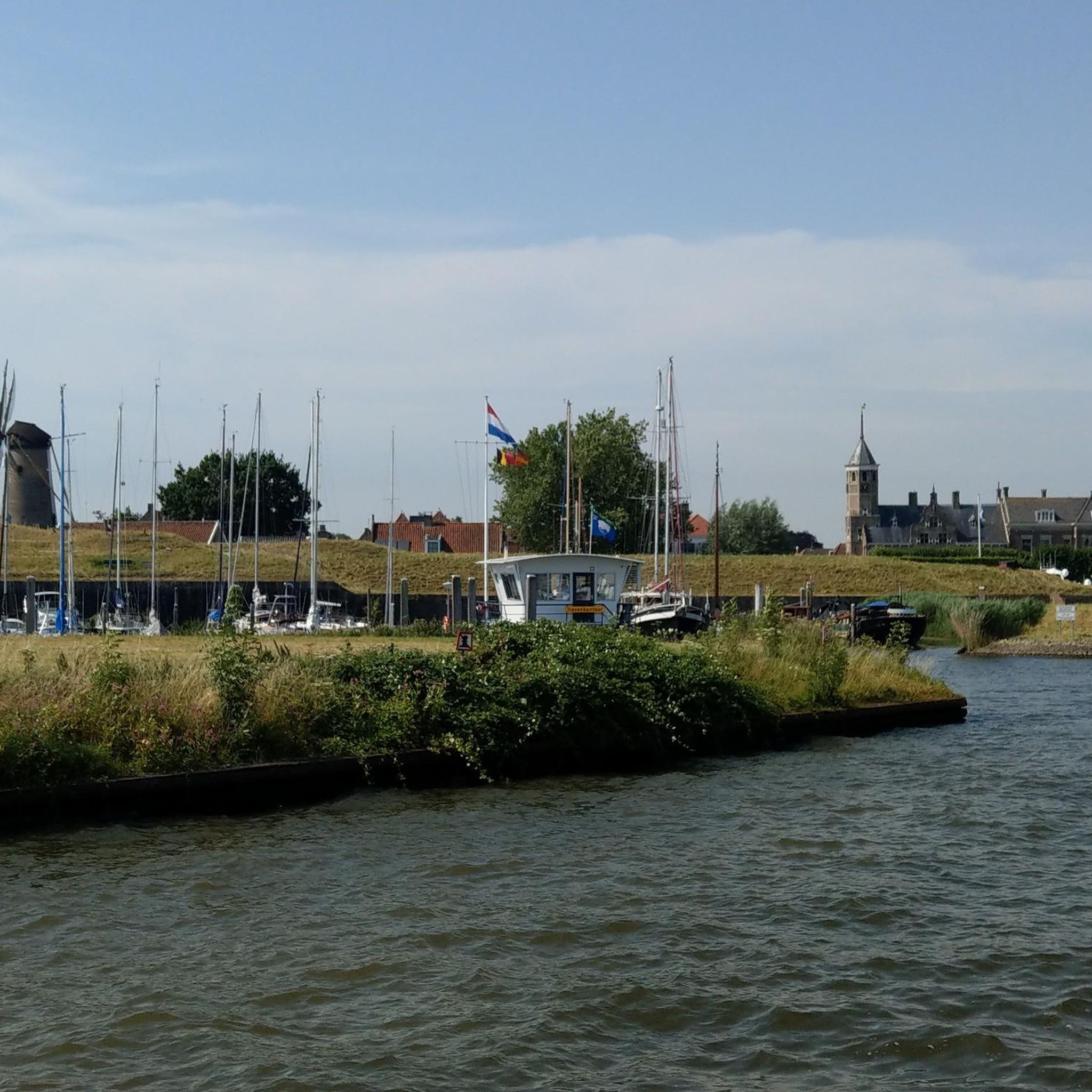
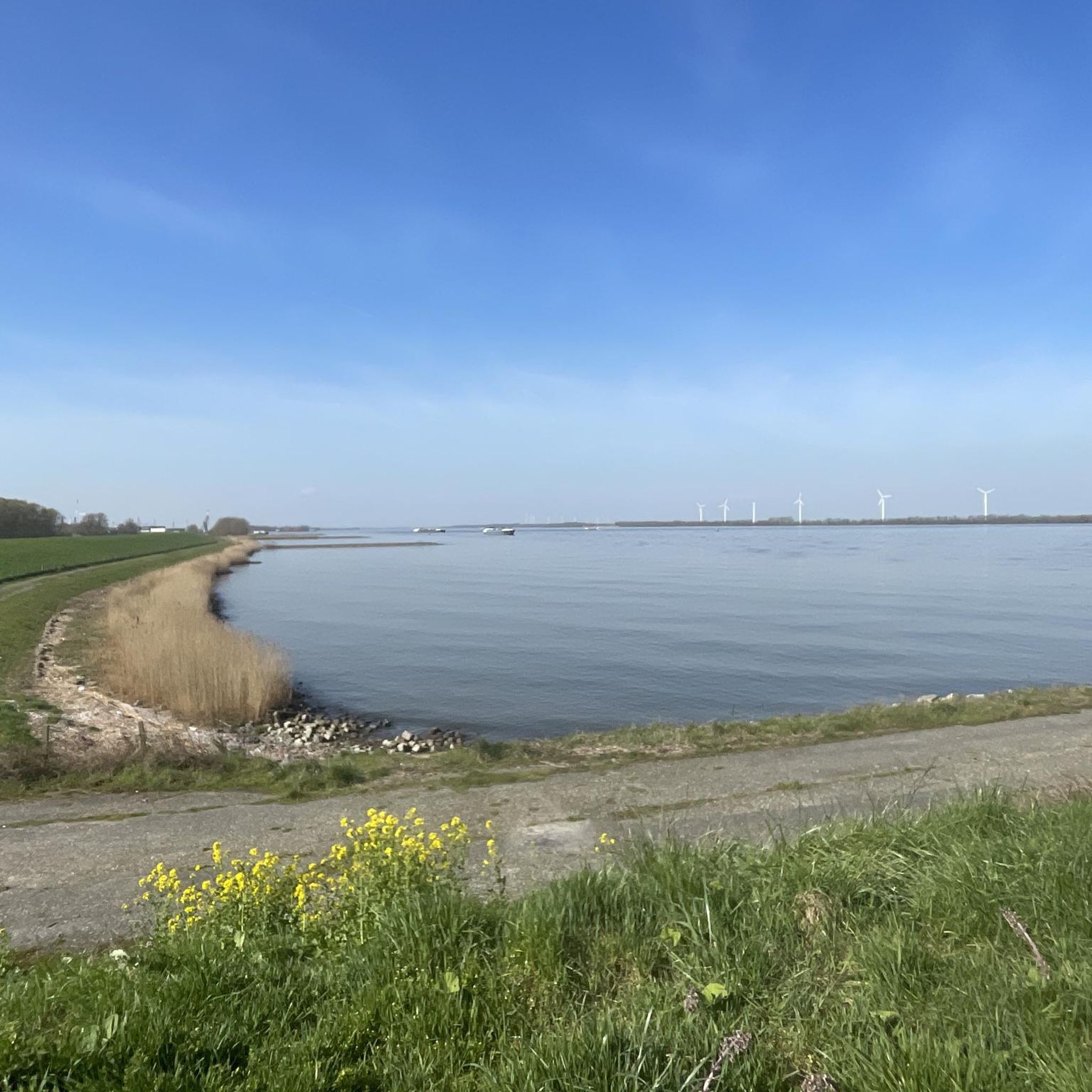
Tips from the Community

an old fort where you can enjoy a cup of coffee
0
0
Largest inland waterway locks in Europe
0
0

Restored city gate at the ramparts.
0
0


The Old Town Hall is a Renaissance-style building located at Raadhuisstraat 2 in Willemstad. The building was constructed in 1587. Prince Maurits originally wanted a church and a town hall to be built in the young village. Due to the war situation, there was no money for this. So a kind of multifunctional town hall was designed in which church services could also be held and which was equipped with a tower with a bell.
1
0
The Dome Church Willemstad is a church in the center of Willemstad in the province of North Brabant. It was the first church, designed by Coenraat Norenburch, in the Northern Netherlands that was built specifically for Protestant services. Construction began in 1597 and was completed in 1607. Prince Maurits provided financial support for the church, on the condition that it would be built in a round or octagonal shape. The church is currently used by the Reformed Church/PKN and is a national monument.
0
0
De Hel appeals to the imagination. With explosive tension in the French period, when the fort could hold 9500 kilos of gunpowder and 14 men. The French built Fort l'Enfer in 1811, to defend Willemstad against the English. The square fort provided cover for Fort Sabina Henrica. Two years later the French left and it was given the Dutch name De Hel. The Dutch modernized Fort De Hel in Willemstad in 1884 so that it could hold 118 soldiers. In 1896 the fort was armed with six cannons, four mortars, two machine guns and four Coehoorn mortars. In 1941 the Germans occupied Fort De Hel, until the South Wales Borderers drove them out on 5 November 1944. The fort, like Fort Frederik and Fort Sabina, was built in the so-called 'Tour modèle' style. There are only three of these in the Netherlands and all in the Stelling van Willemstad. Fort De Hel in Willemstad is the atmospheric setting for theatre performances and the Night of Poetry. It is part of the annual art and culture route of Moerdijk. The fort is also included in the Floris V-pad, a long-distance walking path of 244.5 kilometres from Amsterdam to Bergen op Zoom.
0
0

The current guardhouse at the Landpoort was built in 1953. The original guardhouse was so badly damaged during the Second World War that it was demolished in 1951. The original guardhouse at the Landpoort dates from 1760 and had a floor and a waiting corridor with two arches. The building housed the engineering office. The current guardhouse was rebuilt in the same style and has since been the base of the Willemstad fire brigade. Source: visitmoerdijk
4
0
Frequently Asked Questions
How many touring cycling routes are available in Hollands Diep?
Hollands Diep offers a wide selection of touring cycling routes, with over 440 routes available. The majority, around 320, are classified as easy, making the region accessible for various fitness levels.
What is the best time of year to go touring cycling in Hollands Diep?
The generally flat terrain of Hollands Diep makes it suitable for cycling throughout much of the year. However, the spring and summer months (roughly April to September) are often preferred for their milder weather and longer daylight hours, allowing for more comfortable exploration of the freshwater tidal areas and historic towns.
What kind of terrain can I expect on touring cycling routes in Hollands Diep?
The terrain in Hollands Diep is predominantly flat, characteristic of the Netherlands, making it ideal for touring cyclists. Routes often follow dikes, offering elevated paths with expansive views, and traverse polders. You'll encounter smooth cycle paths through reed lands, open water, and intricate channels, with minimal elevation changes.
What natural features can I expect to see while cycling in Hollands Diep?
Hollands Diep is a unique freshwater tidal area, offering diverse natural features. Cyclists can explore rough reed lands, open water, intricate channels, and extensive willow forests known as 'grienden'. The area is also a Natura 2000 site, providing habitats for various bird and fish species, including European beaver.
Are there any historical landmarks or points of interest along the cycling routes?
Yes, the region is rich in history. You can cycle through the historic center of Willemstad, a significant attraction. Other notable landmarks include the De Wachter Art Installation near Willemstad, which commemorates the 1953 flood disaster, and the restored Benedensas Lock Complex near Steenbergen, dating back to 1824. The impressive Moerdijk Bridge and Monument is also a prominent feature in the landscape.
Are there family-friendly cycling routes in Hollands Diep?
Absolutely. Given the generally flat terrain and extensive network of cycle paths, Hollands Diep is very suitable for family cycling. Many routes are easy, such as the Willemstad Town Hall – Willemstad Historic Center loop from Willemstad, which is 8.4 miles (13.6 km) and explores the historic town on flat ground, perfect for a leisurely family outing.
What do other touring cyclists enjoy most about Hollands Diep?
The touring cycling routes in Hollands Diep are highly rated by the komoot community, with an average score of 4.5 stars from over 900 reviews. Cyclists often praise the region's unique freshwater tidal landscapes, the well-maintained paths, and the opportunity to combine nature exploration with visits to historic towns like Willemstad.
Are there any routes that offer views of impressive bridges?
Yes, several routes provide views of significant bridges. The Moerdijk Bridge and Monument is a major landmark, and you might also encounter the Haringvliet Bridge and Sluispad Noord Bridge, which are notable structures in the area's water management landscape.
Can I find circular cycling routes in Hollands Diep?
Yes, many of the touring cycling routes in Hollands Diep are designed as loops, allowing you to start and end in the same location. An example is the Willemstad Historic Center – Volkerak Locks loop from Willemstad, a moderate 29.9 miles (48.2 km) route that offers a comprehensive tour of the area.
Are there any more challenging routes for experienced touring cyclists?
While the majority of routes are easy, Hollands Diep does offer some moderate and a few difficult options for those seeking a greater challenge. For instance, the Willemstad Historic Center – Volkerak Locks loop from Willemstad is a moderate route spanning nearly 30 miles (48 km), providing a longer journey with slightly more varied terrain.
Are there options for shorter, easy rides in the Hollands Diep area?
Absolutely. For those looking for shorter, more relaxed rides, there are numerous easy loops. The Fort Sabina – De Wachter Art Installation loop from Willemstad is an easy 14.1 miles (22.7 km) route, perfect for a pleasant outing without significant effort.
What is the significance of the 'grienden' in Hollands Diep?
The 'grienden' are a unique feature of the Oeverlanden Hollands Diep. These are moist fields where willows were traditionally cultivated for wood. Today, they have grown into wild, upright willow forests, providing rich habitats for various wildlife, including owls, goshawks, great spotted woodpeckers, and nuthatches, making them a fascinating sight for cyclists.
Most popular routes in Hollands Diep
Most popular attractions in Hollands Diep

Get inspired with the komoot mobile app


Explore more
Browse the best Cycling routes in other regions.
