Attractions and Places To See around Altmärkische Wische - Top 20
Attractions and places to see around Altmärkische Wische, located in Saxony-Anhalt, Germany, feature a blend of natural landscapes and historical sites. The region is characterized by expansive, flat, and largely untouched nature, including Elbe floodplains, oxbow lakes, and wetlands. Visitors can explore numerous historic village churches and cultural monuments that reflect the area's heritage. This area offers opportunities to experience serene natural environments and significant architectural examples.
Best attractions and places to see around Altmärkische Wische
- The most popular attractions…
Last updated: October 10, 2026
Havelberg Old Town and Cathedral
Highlight • Settlement
Translated by Google •
Tip by

Confluence of the Gnevsdorfer Vorfluter and the Elbe
Highlight • River
Translated by Google •
Tip by

Sign up now to discover places like this
Get recommendations on the best single tracks, peaks, & plenty of other exciting outdoor places.
View of Havelberg Old Town and Cathedral Hill
Highlight • Viewpoint
Translated by Google •
Tip by

View of the confluence of the Elbe and Havel
Highlight • Viewpoint
Translated by Google •
Tip by

Stork Village Rühstädt
Highlight • Settlement
The place is beautifully decorated and offers several options for a good stop.
Translated by Google •
Tip by

Sign up for free to discover even more attractions around Altmärkische Wische.
Already have an account?
Start today with a free account
Your next adventure awaits.
Tips from the Community

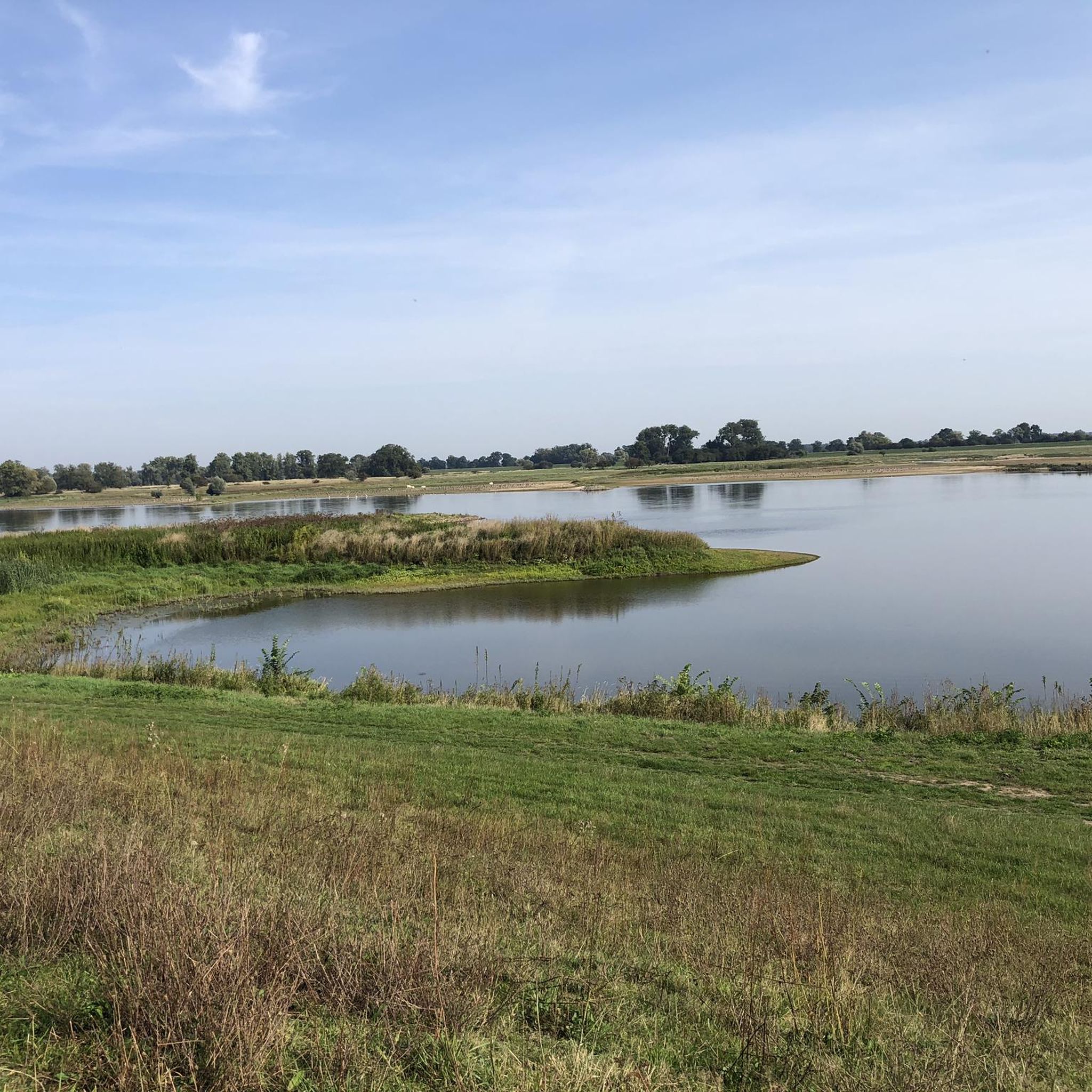
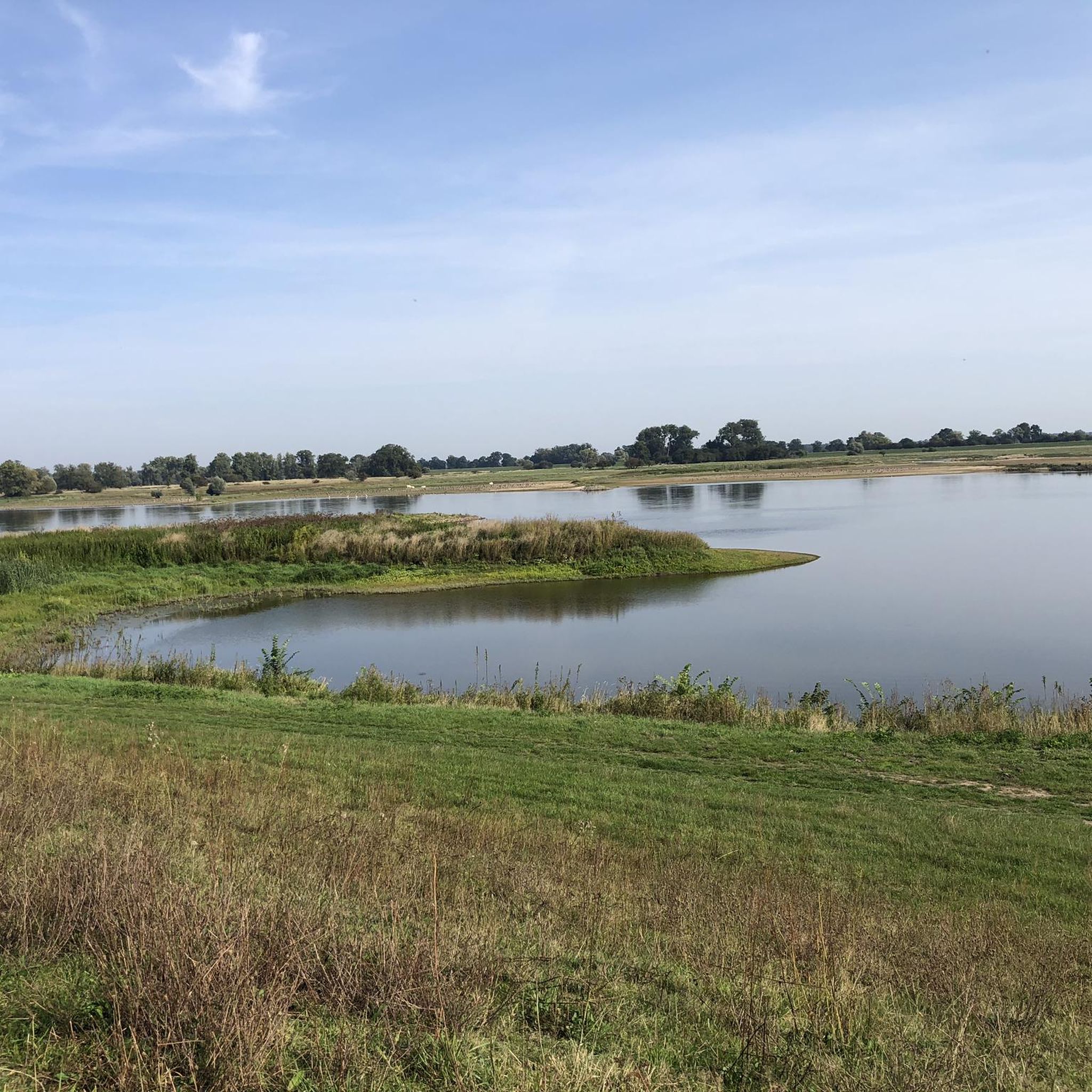
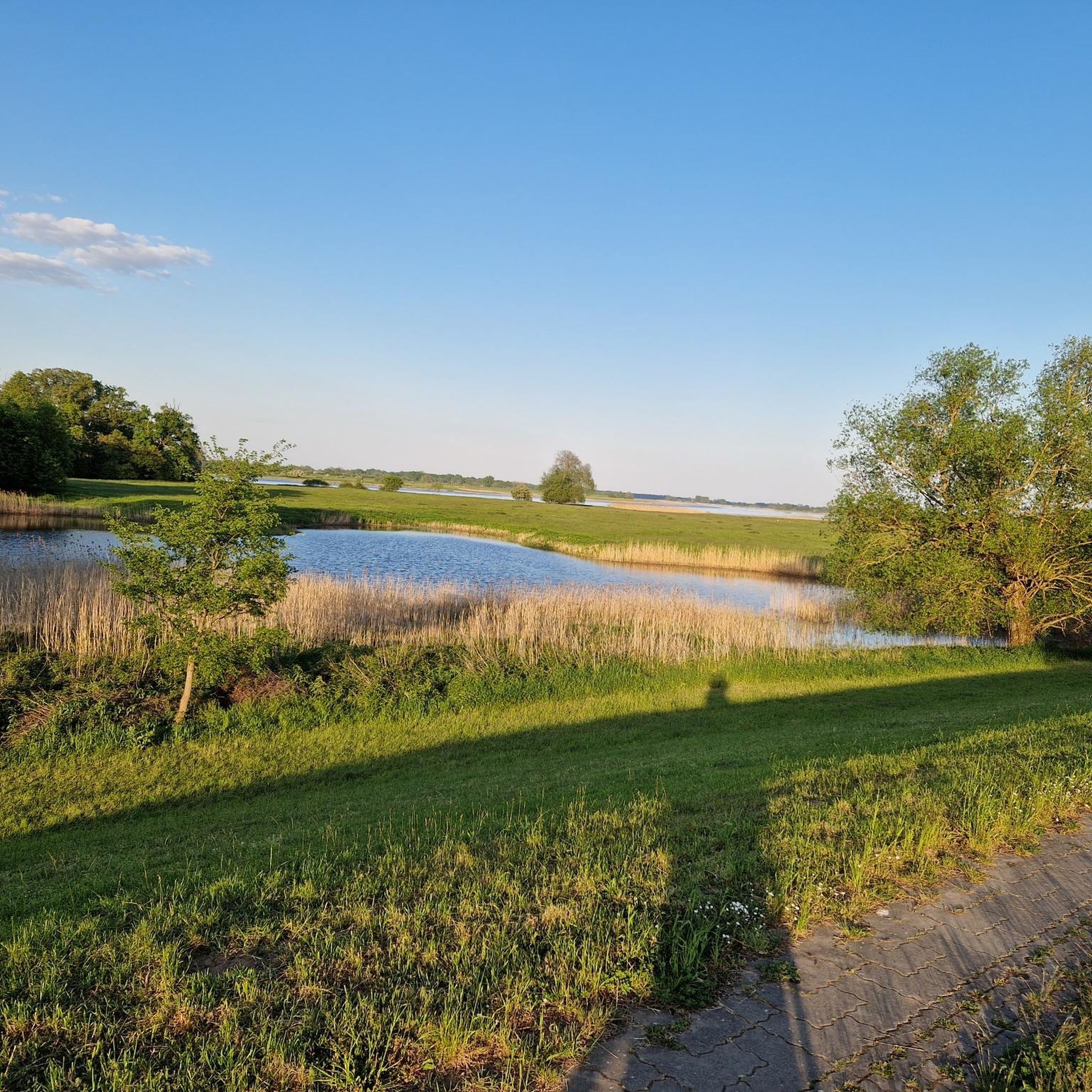
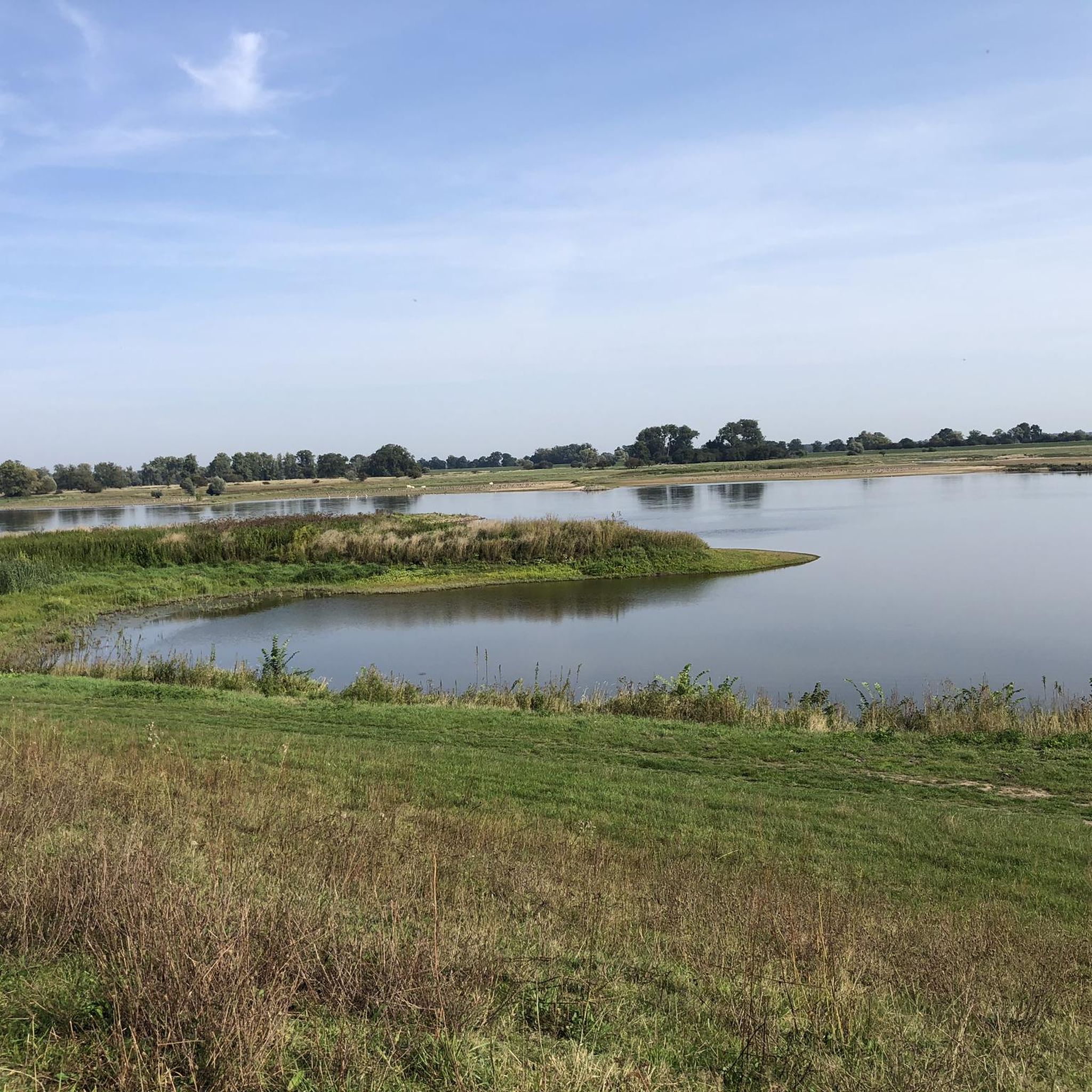
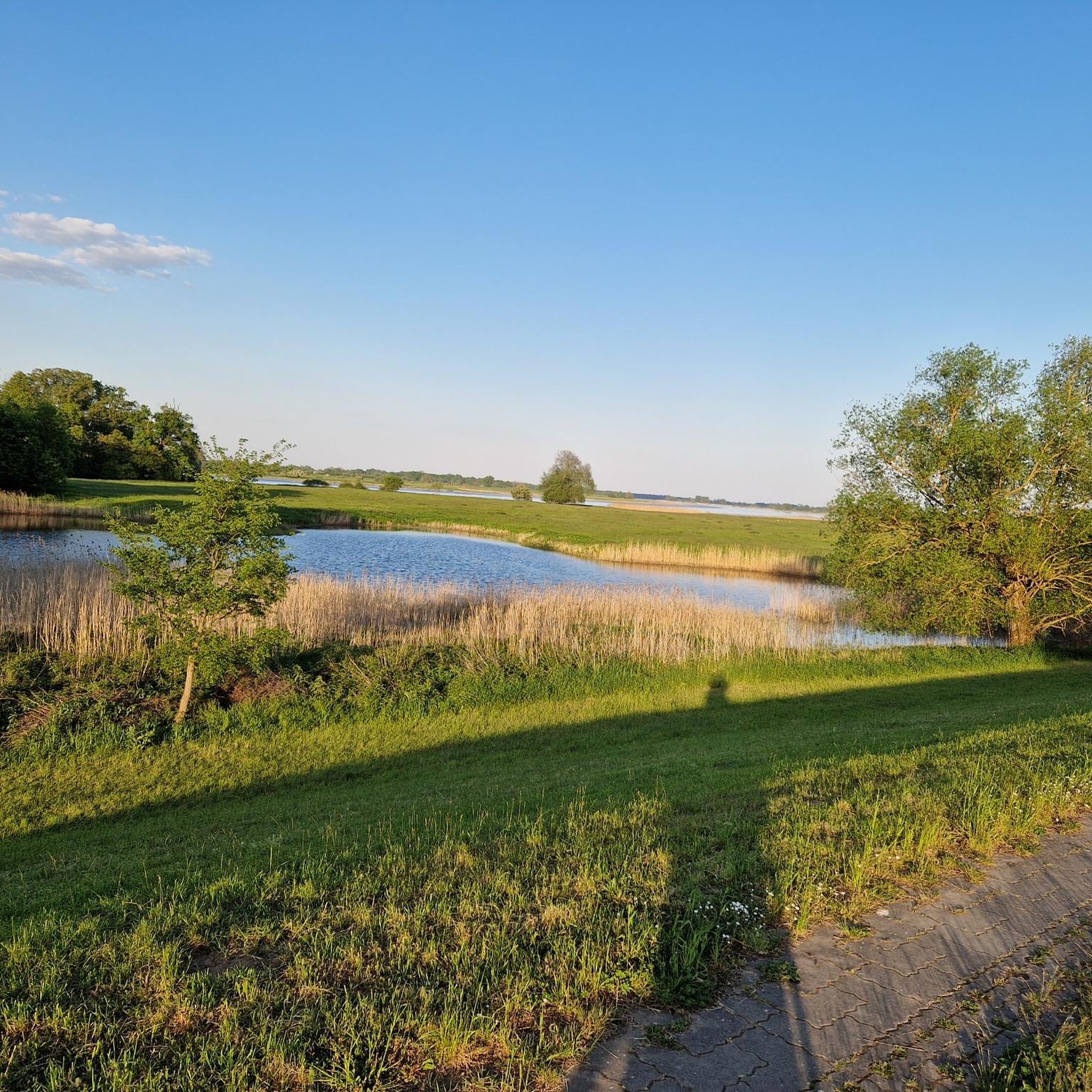
Great natural landscape here, where the rivers run parallel for 20km and then merge.
1
0

I particularly like the cycle path between the Elbe and the Havel tributaries, from Gnevsdorf to Quitzöbel. It's pure nature. There are two observation towers from which you can easily observe many animals, especially birds. Coming from Wittenberge, cycle over the Gnevsdorf weir and at the oxbow weir, return to the mainland to Quitzöbel, then cycle back to Wittenberge or to Netzow and then on to Werben and Havelberg.
1
0

Fantastic views and well-developed cycle paths
3
0

Great city view. Tranquil little town.
5
1

Nice view of the small town
4
1

The Gnevsdorf drainage canal is an approximately eleven-kilometer-long, artificially constructed canal between the Havel and Elbe rivers, serving as an additional outlet into the Elbe. Its design aimed to shift the Elbe's backwater level downstream to a lower level, thus effectively relieving pressure on the Lower Havel during floods. Simultaneously, the canal improves the flow of Havel water to the Elbe, which has a steeper gradient. The Gnevsdorf drainage canal is part of a comprehensive flood control system that also includes several weirs and the Havelberg lock. A fantastic route along the Elbe Cycle Path, a relaxed tour with no significant difficulties. The scenery is beautiful, always by the water, pure nature. The old farmhouses are charming, and the route is very varied.
8
1

Havelberg is a dreamy small town. It's worth exploring the narrow streets of the city island. A break in the picture book cafe is always worth it. The view from St. Mary's Cathedral onto the roofs of the old town is impressive.
4
1
Top section of the route! If you don't know the area, you move almost imperceptibly from the Elbe to the Havel. It's good that there is very good signage here in addition to the “Komoot navigation voice”. Fantastic views are guaranteed. It's worth it!
4
1
Frequently Asked Questions
What unique natural landscapes can I explore around Altmärkische Wische?
The region is known for its expansive, flat, and largely untouched nature, including the Elbe floodplains and the Garbelandschaft, which features natural floodplain forests, oxbow lakes, ponds, and wetlands. These areas are significant European bird migration sites, especially between the Elbe and Aland rivers. You can also visit the Confluence of the Gnevsdorfer Vorfluter and the Elbe, a notable point where an artificial canal meets the Elbe River.
Are there any historical or cultural sites to visit in the Altmärkische Wische area?
Yes, the region is rich in history and culture. You'll find numerous historic village churches, many of which are significant architectural examples along the "Straße der Romanik" (Romanesque Road). While not directly within Altmärkische Wische, the Havelberg Old Town and Cathedral is a prominent cultural attraction in the surrounding area. The nearby town of Werben (Elbe) also features the historic Elbtor, offering views of the Elbe floodplains.
What outdoor activities are popular near Altmärkische Wische's attractions?
Cycling is very popular, with the region being part of the extensive Elbe Cycle Path. You can find various cycling routes, including easy and moderate options, such as the "Elbe Gate, Werben – Büttnershof Manor loop from Werben (Elbe)" or the "Bike loop from Rühstädt." For more options, explore the Cycling around Altmärkische Wische guide. Running and mountain biking trails are also available.
Where can I observe wildlife, especially birds, in the region?
The Elbe valley and its untouched nature are home to a rich variety of birds, including birds of prey and wading birds like buzzards, falcons, and white and black storks. The Stork Village Rühstädt is particularly famous, known as the European stork village where many storks nest in a small area. The Garbelandschaft is also a significant European bird migration area.
Are there family-friendly attractions or activities available?
Many of the natural viewpoints and cycle paths are suitable for families. The View of the confluence of the Elbe and Havel and the Confluence of the Gnevsdorfer Vorfluter and the Elbe are both marked as family-friendly. Visiting the Stork Village Rühstädt offers a unique and engaging experience for all ages to observe storks in their natural habitat.
What are some notable viewpoints in the Altmärkische Wische area?
A highly recommended viewpoint is the View of the confluence of the Elbe and Havel, which offers perspectives of these two significant rivers meeting. Another excellent spot is the Elbtor in nearby Werben (Elbe), where climbing provides magnificent views of the Elbe and its floodplains.
Can I find information about the region's ecology and protected areas?
Yes, the Haus der Flüsse – Natura 2000-Informationszentrum serves as a gateway to understanding the natural environment, particularly the Natura 2000 protected areas. It provides insights into the region's ecology, which includes the species-rich Elbe floodplains.
Are there specific hiking trails or walking routes near the attractions?
While the area is known for cycling, there are also running and walking trails. For example, you can find running loops from Seehausen (Altmark) and Werben (Elbe), including an "Elbe floodplain loop." You can explore more options in the Running Trails around Altmärkische Wische guide.
What is the significance of the Gnevsdorf Weir?
The Gnevsdorf Weir is a significant hydraulic engineering project. It was built after catastrophic floods to manage the backwater of the Havel River, which has a lesser gradient than the Elbe, thereby reducing the risk of flooding in the area. The surrounding landscape between the Gnevsdorfer Vorfluter and the Elbe offers beautiful panoramas.
What is the best time to visit Altmärkische Wische for outdoor activities and nature observation?
The region's natural beauty, especially the birdlife and expansive landscapes, can be enjoyed throughout the warmer months. Spring and autumn are particularly good for birdwatching, as the area is a significant European bird migration route. The Elbe Cycle Path is best enjoyed from spring to early autumn when the weather is mild.
Are there any unique gardens or cultural monuments to visit?
Yes, the Tree of Life® Lebensgarten Falkenberg, situated next to the Romanesque church in Falkenberg, is a unique and expanding park with various design elements. Additionally, many of the historic village churches, such as those in Falkenberg, Ferchlipp, Lichterfelde, Neukirchen, and Wendemark, are recognized as cultural monuments.
Most popular routes around Altmärkische Wische
Most popular attractions around Altmärkische Wische

Get inspired with the komoot mobile app


Explore more
Still not found the Highlight you’re looking for? See guides of the top attractions in other regions:
