The best walks and hikes in Wesuweer Moor
4.5
(1562)
7,089
hikers
384
hikes
Hiking trails in Wesuweer Moor traverse a unique moorland landscape within the International Bourtanger Moor - Veenland Nature Park. The area features expansive moorlands undergoing rewetting, showcasing the restoration of former raised bogs. Traces of historical peat extraction are visible, alongside diverse habitats including wetlands, reed beds, and grasslands. The terrain is generally flat with minimal elevation changes, making it accessible for various hiking levels.
Best hiking trails in Wesuweer Moor
- The most popular hiking route is Hiking loop from…
Last updated: July 4, 2026
4.1
(10)
21
hikers
3.91km
00:59
0m
0m
Easy hike. Great for any fitness level. Easily-accessible paths. Suitable for all skill levels.
5.0
(2)
15
hikers
Easy hike. Great for any fitness level. Easily-accessible paths. Suitable for all skill levels.

Sign up for free
5.0
(1)
10
hikers
Easy hike. Great for any fitness level. Easily-accessible paths. Suitable for all skill levels.
5.0
(2)
4
hikers
Easy hike. Great for any fitness level. Easily-accessible paths. Suitable for all skill levels.
5.0
(2)
5
hikers
Easy hike. Great for any fitness level. Easily-accessible paths. Suitable for all skill levels.
Get access to more routes and recommendations from other explorers.
Sign up for free
Already have an account?
Our route recommendations are based on thousands of hikes, rides, and runs completed by other people on komoot.
Start today with a free account
Your next adventure awaits.
Login or Signup
Tips from the Community

When peatlands are rewetted, this is done primarily to protect the climate and nature. In drained peatlands, the peat decomposes, releasing large amounts of CO₂. Raising the water level stops this process, and the peatland once again stores carbon. This is also important for the water cycle: Rewetted areas absorb rainwater, store moisture, and thus have a stabilizing effect on the regional climate and biodiversity.
2
0
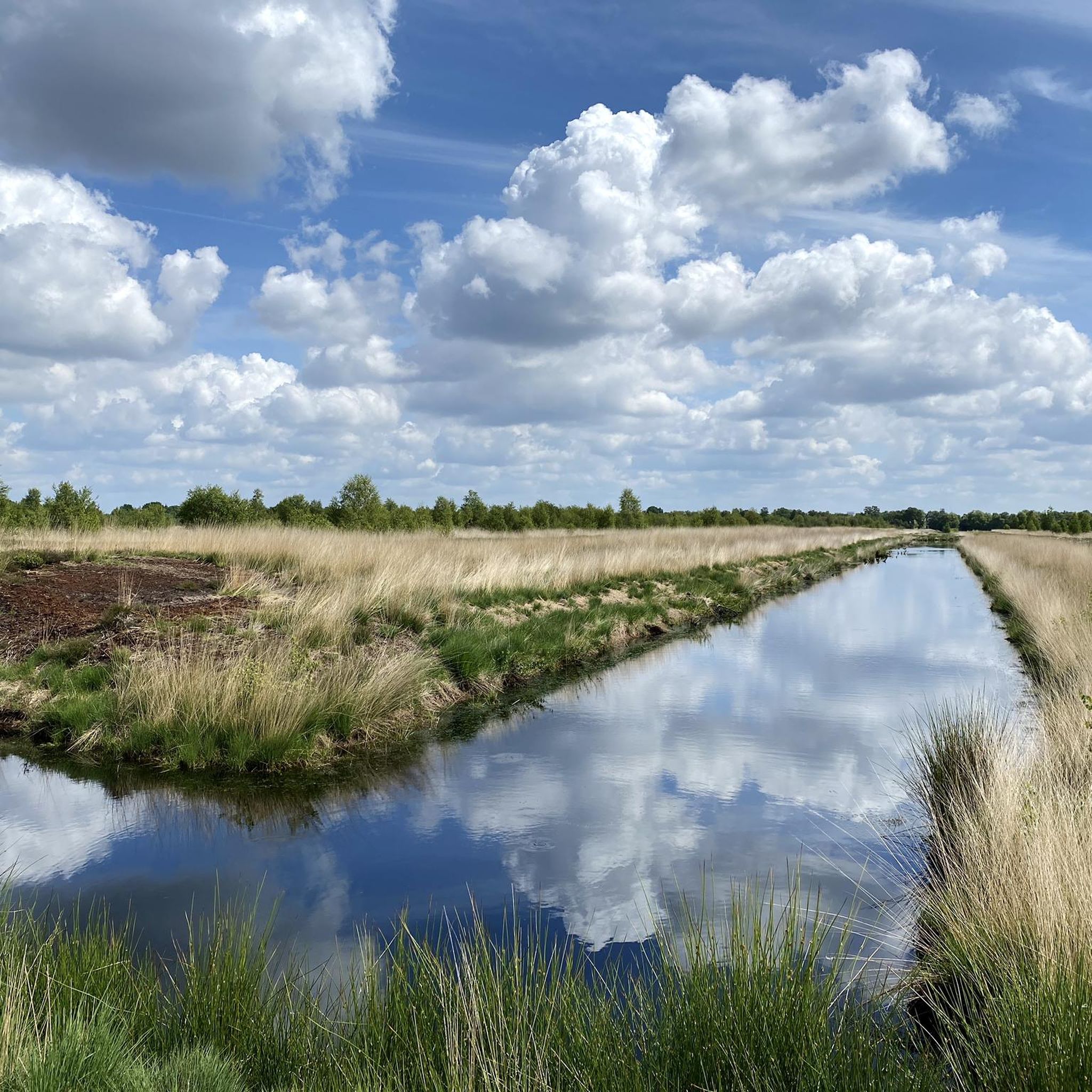
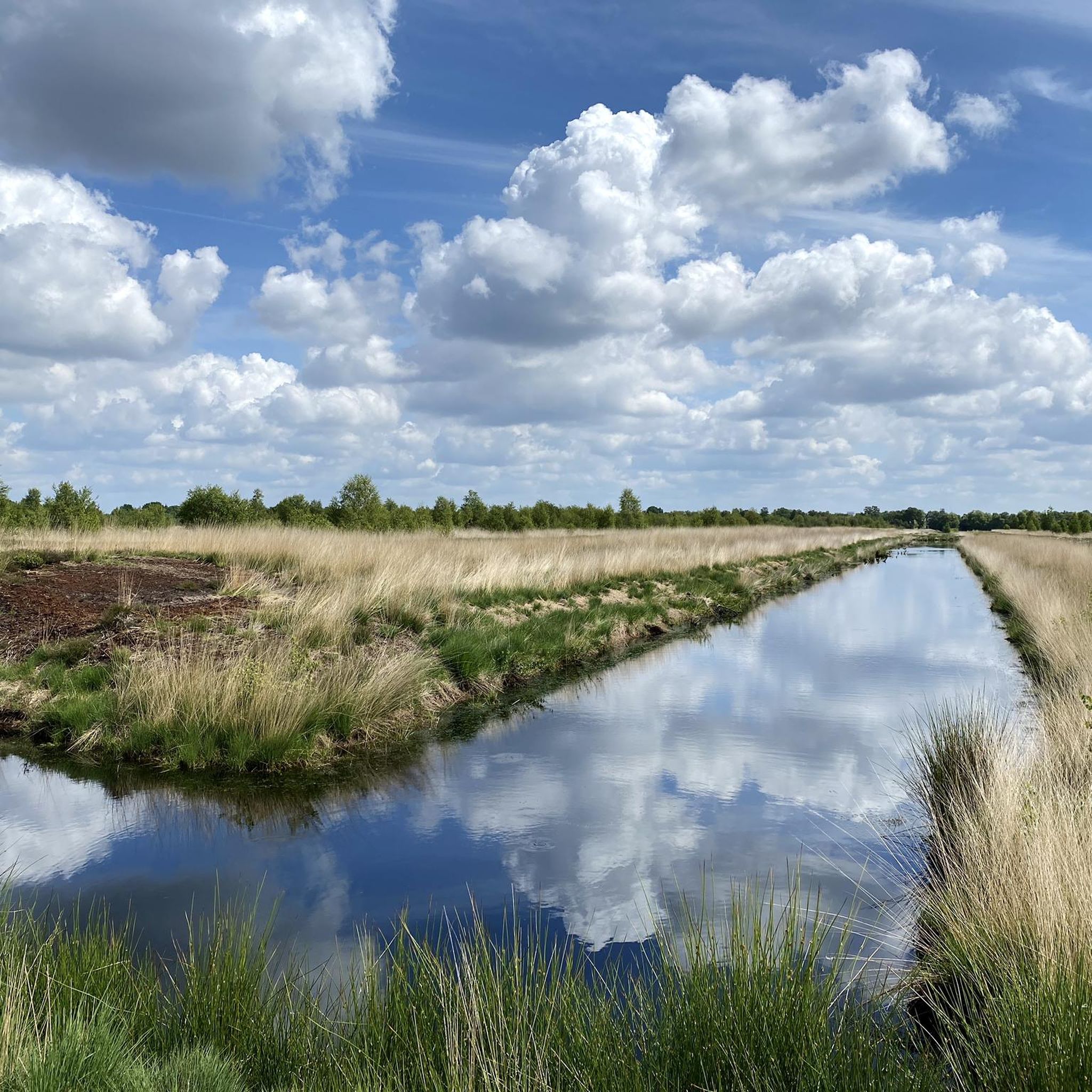
In the Wesuweer Moor, the numerous ditches and narrow canals immediately catch the eye. They date back to the time of peat extraction, when the moor was extensively crisscrossed for drainage. Today, many of these waterways serve rewetting purposes: they keep the water level stable and promote the natural regeneration of the moorland. Sphagnum mosses, sedges, and cotton grasses are re-establishing themselves along their banks. At the same time, the still waters provide valuable refuges for dragonflies, frogs, and waterfowl.
3
0
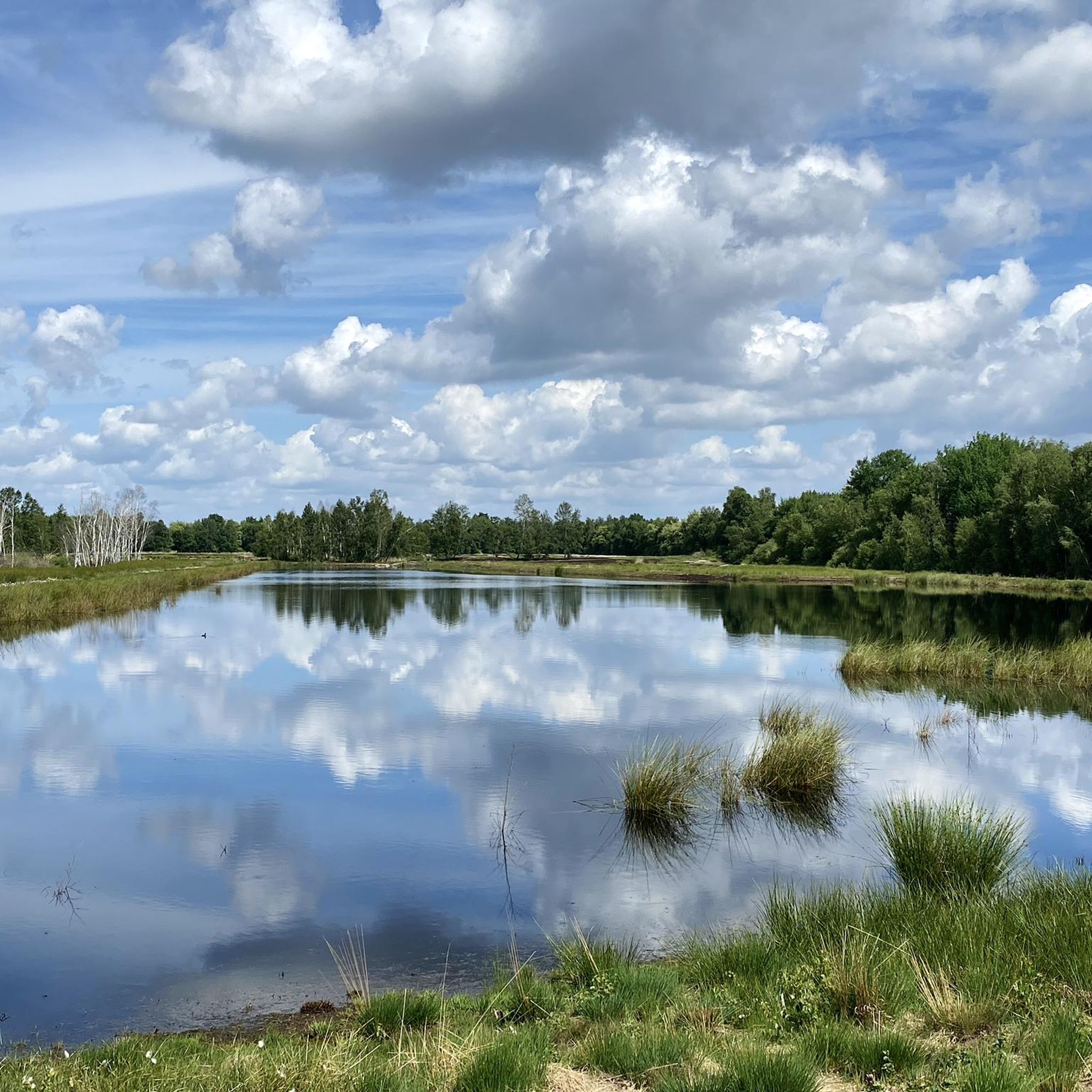
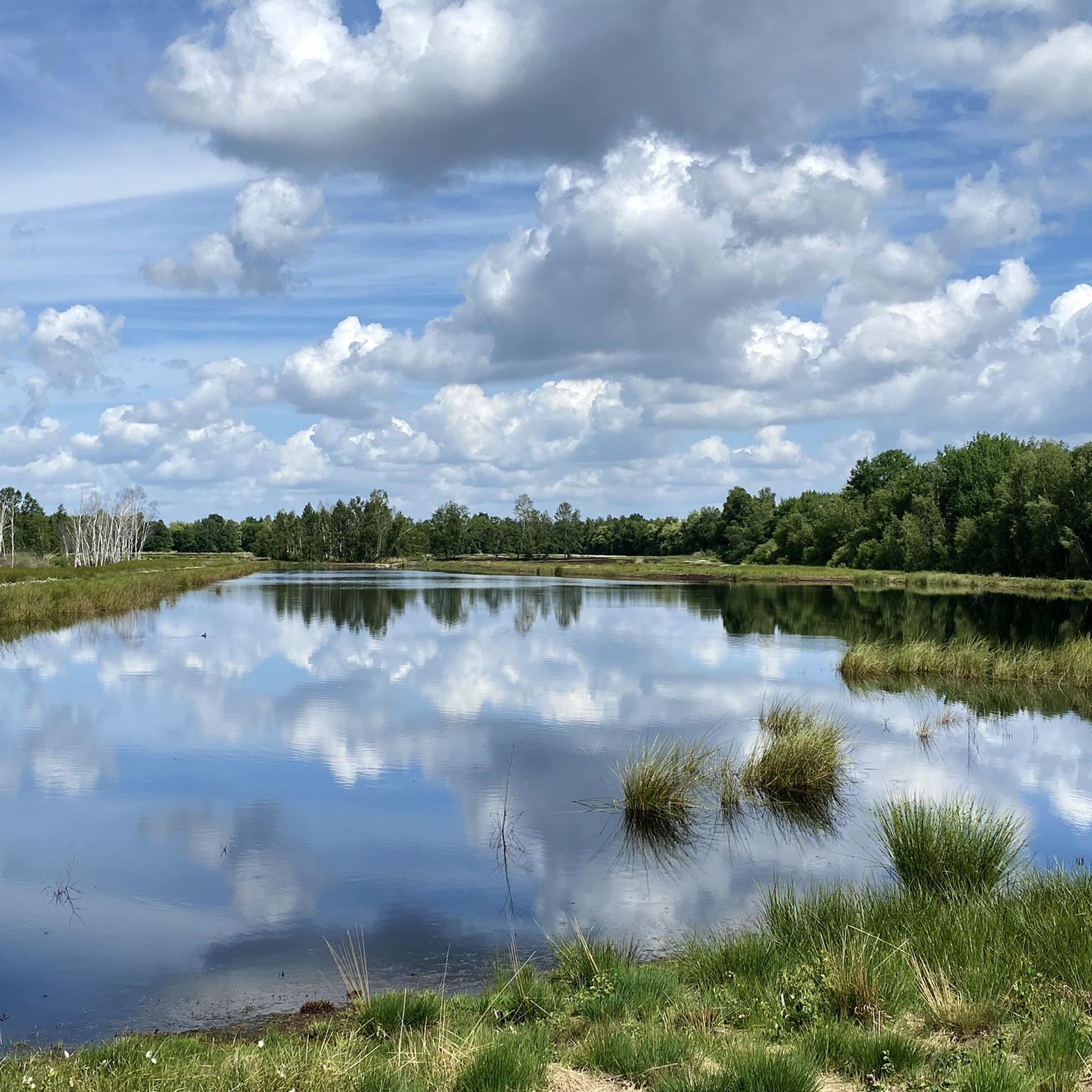
It's incredible how beautifully the sky above the moor is reflected on the smooth surfaces of the ponds.
1
0
The Wesuweer Moor lies west of Meppen in the Emsland district and is one of the typical raised bog landscapes of Northwest Germany. It formed after the last Ice Age from waterlogged depressions in which sphagnum mosses developed into thick layers over millennia. Today, large parts of it are nature reserves, as they provide habitat for rare plants and animals. Here you can hike across wide, open areas, past small pools of water. Targeted rewetting is being used to ecologically stabilize the moor.
4
0

A new observation tower in the moor with some beautiful "peepholes" overlooking the water.
0
0
This moor is simply beautiful at the right time of year and is still an insider tip.
0
0

Good view of the moor lake and wild pastures
0
0
Nice sand road, best to ride when it's not too wet or has been dry for a long time.
0
0
Frequently Asked Questions
How many hiking trails are available in Wesuweer Moor?
Wesuweer Moor offers a wide selection of over 360 hiking routes. These trails cater to various preferences, with a significant number of easy options available for a relaxed exploration of the unique moorland landscape.
What kind of landscape can I expect when hiking in Wesuweer Moor?
When hiking in Wesuweer Moor, you'll experience a distinctive moorland landscape within the International Bourtanger Moor - Veenland Nature Park. The area features expansive moorlands undergoing rewetting, showcasing the restoration of former raised bogs. You'll also see traces of historical peat extraction, alongside diverse habitats including wetlands, reed beds, and grasslands. The terrain is generally flat with minimal elevation changes.
Are there any specific attractions or points of interest along the trails?
Yes, several points of interest enhance the hiking experience. You can visit the German-Dutch Bee Center, which often serves as a starting point for hikes and provides insights into bees. The Moorland Cottage offers information about the moor's development and rewetting process. For birdwatching enthusiasts, the NABU Birdwatching Platform provides an excellent vantage point to observe the diverse birdlife.
What is the difficulty level of hikes in Wesuweer Moor?
The majority of hikes in Wesuweer Moor are classified as easy, making them accessible for most fitness levels. Out of over 360 routes, approximately 270 are easy. There are also around 90 moderate trails and a few more challenging options for those seeking a longer trek. The terrain is generally flat, contributing to the overall accessibility.
Are there options for shorter, easier walks in Wesuweer Moor?
Absolutely. Wesuweer Moor is well-suited for shorter, easier walks. For example, the Hiking loop from Wesuweer Moor is an easy 2.4-mile (3.9 km) route that can be completed in under an hour, offering a gentle introduction to the rewetting moorland. Many other 'Moorland Pfade' trails are designed for easy walks lasting up to two hours.
Can I bring my dog on the trails in Wesuweer Moor?
Yes, you can bring your dog to Wesuweer Moor. However, it is crucial to keep dogs on a leash at all times to protect the local wildlife and preserve the natural reserve. This area is a haven for diverse birdlife and other animals, and keeping dogs leashed helps maintain their habitat.
Are there family-friendly hiking options in Wesuweer Moor?
Wesuweer Moor offers several family-friendly hiking options. The generally flat terrain and numerous easy trails are suitable for all ages. Additionally, the 'Active-Pfad im Wesuweer Wald' (Activity Path in Wesuweer Forest) provides engaging learning stations and interactive elements, making it an exciting experience for children and families to connect with nature.
What are the typical lengths and durations of hikes in the area?
Hikes in Wesuweer Moor vary in length and duration. Many easy walks, like the Wesuweer Moor Trail loop from Versener Heidesee (2.6 miles / 4.1 km), can be completed in about an hour. Longer 'Moorland Pfade' trails can range up to five hours, with options like the Rewetted moorland landscape loop from Wesuweer Moor covering 4.8 miles (7.8 km) in about 1 hour 55 minutes.
Is Wesuweer Moor suitable for circular walks?
Yes, Wesuweer Moor is very suitable for circular walks. Many of the marked trails are designed as loops, allowing you to start and end at the same point. Examples include the Wesuweer Moor Trail loop from Schöninghsdorf, which is an easy 4.4-mile (7.0 km) path, and the Hiking loop from Rindfleisch, a 2.9-mile (4.7 km) trail.
Where can I park when visiting Wesuweer Moor?
Parking is generally available at key access points to Wesuweer Moor. The German-Dutch Bee Center often serves as a starting and finishing point for hikes and typically offers parking facilities. Look for designated parking areas near trailheads to ensure convenient access to the moor.
What is the best time of year to hike in Wesuweer Moor?
Wesuweer Moor is suitable for visits throughout the year, depending on weather conditions. Each season offers a different experience of the moorland. Spring brings new growth and bird activity, summer provides longer daylight hours, autumn showcases unique colors, and winter can offer a serene, frosty landscape. Always check local weather forecasts before your visit.
What kind of wildlife can I expect to see in Wesuweer Moor?
Wesuweer Moor is a haven for diverse wildlife, particularly birdlife. The varied habitats, including wetlands, reed beds, and grasslands, support a rich ecosystem. Birdwatchers will find it a rewarding destination, especially from the NABU Birdwatching Platform. You might also encounter other small animals adapted to the moorland environment.
What do other hikers say about hiking in Wesuweer Moor?
The hiking routes in Wesuweer Moor are highly rated by the komoot community, with an average score of 4.5 stars from over 1200 reviews. Hikers often praise the unique moorland landscape, the well-maintained paths, and the opportunities for birdwatching and experiencing nature's tranquility. Many appreciate the accessibility of the trails for various fitness levels.
Most popular routes in Wesuweer Moor

Get inspired with the komoot mobile app


Explore more
Browse the best Hikes in other regions.
