The best road cycling routes in Groote Slink-Bunthorst
4.5
(116)
2,257
riders
143
rides
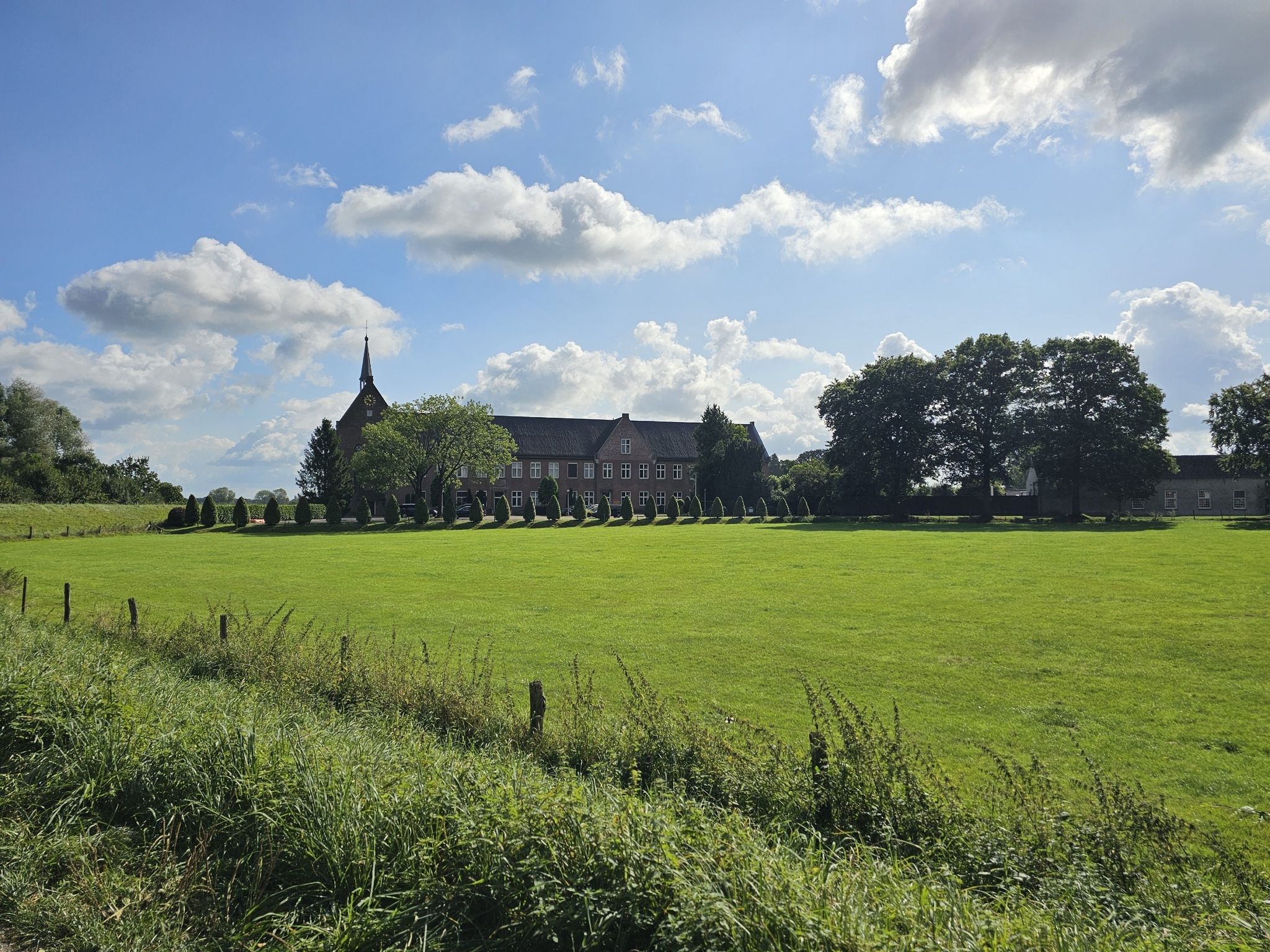
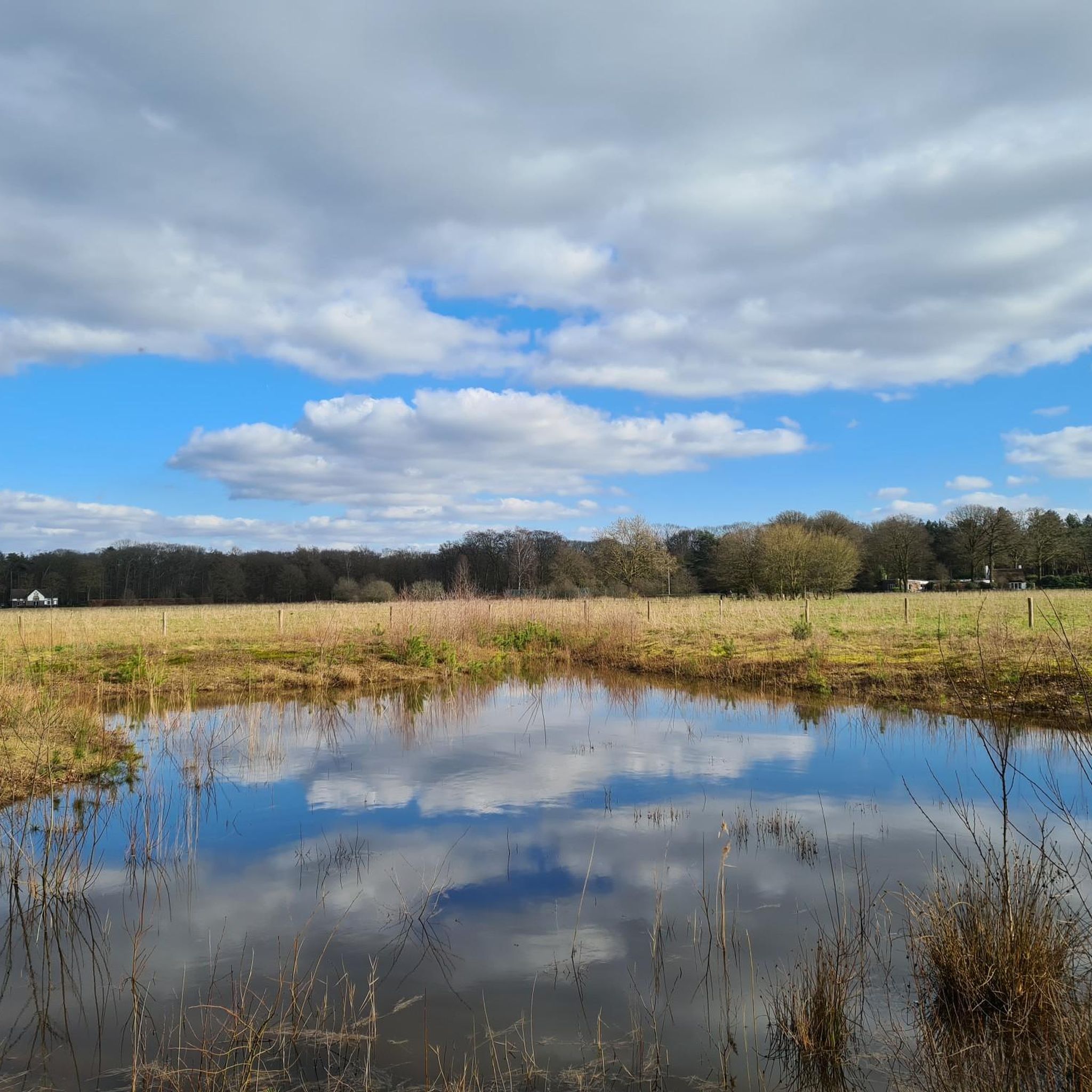
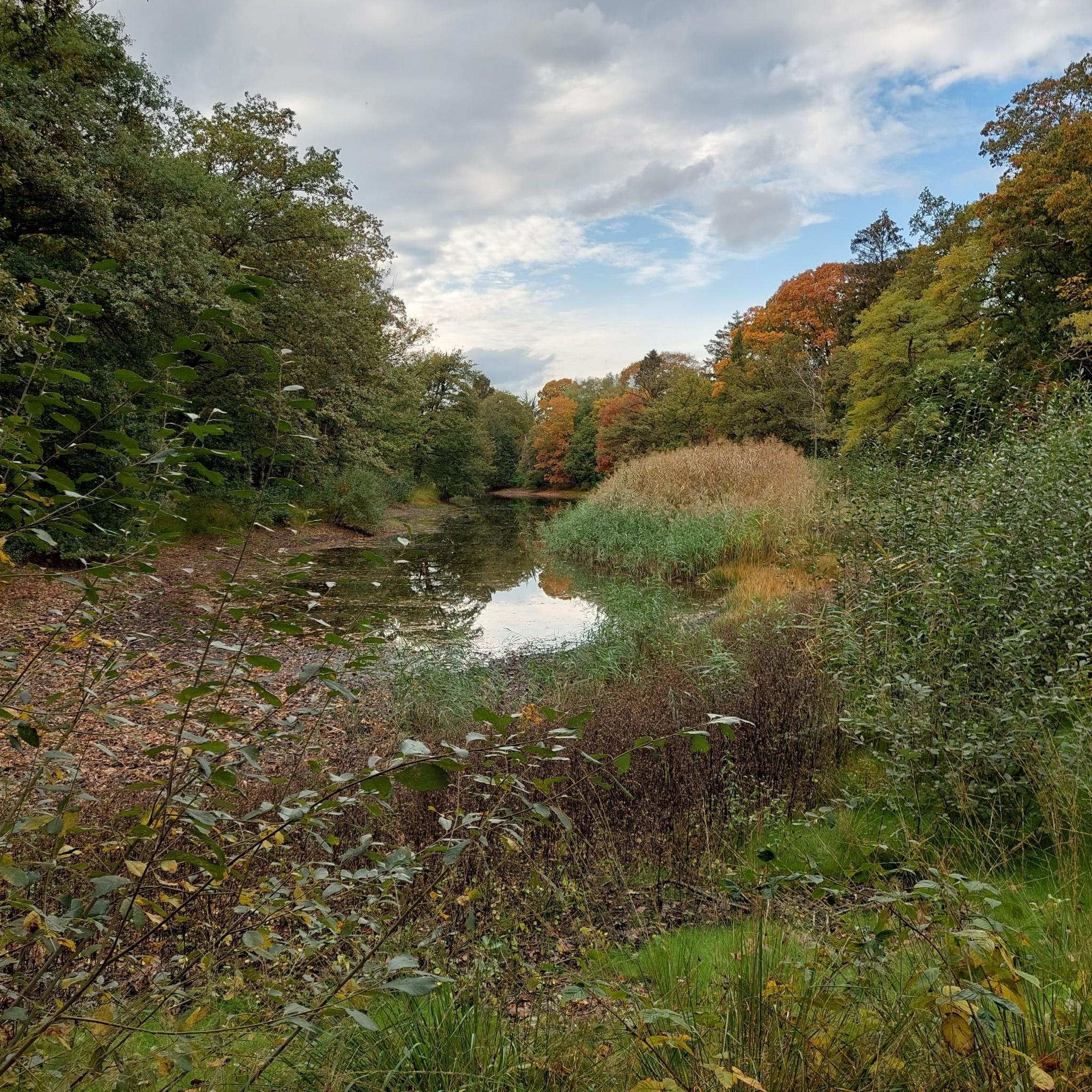
Road cycling routes in Groote Slink-Bunthorst traverse the flat, agricultural landscapes of North Brabant, characterized by open fields and dedicated cycle paths. The region offers a network of routes with minimal elevation gain, making it suitable for various fitness levels. Cyclists can expect to encounter smooth asphalt sections and well-maintained cycle paths, often passing through rural villages and natural areas. The terrain is generally level, providing consistent riding conditions across the area.
Best road cycling routes in Groote Slink-Bunthorst
- The…
Last updated: October 22, 2026
12
riders
Easy road ride. Great for any fitness level. Mostly well-paved surfaces and easy to ride.
3
riders
Moderate road ride. Great for any fitness level. Some segments of this route may be unpaved and difficult to ride.

5.0
(1)
5
riders
78.7km
03:43
110m
110m
Moderate road ride. Good fitness required. Some segments of this route may be unpaved and difficult to ride.
2
riders
78.4km
03:23
130m
130m
Moderate road ride. Good fitness required. Some segments of this route may be unpaved and difficult to ride.
5.0
(1)
12
riders
28.2km
01:11
30m
30m
Easy road ride. Great for any fitness level. Mostly well-paved surfaces and easy to ride.
Get access to more routes and recommendations from other explorers.
Already have an account?
Our route recommendations are based on thousands of hikes, rides, and runs completed by other people on komoot.
Start today with a free account
Your next adventure awaits.
Other adventures in Groote Slink-Bunthorst

Tips from the Community

The Sint-Matthiaskerk is the parish church of Oploo, a village belonging to the municipality of Land van Cuijk in North Brabant, located at Grotestraat 14. In 1501, a chapel dedicated to Saint Matthias was taken into use. It was closed in 1648 and confiscated by the Protestants. As there were no Protestants in Oploo, the chapel was locked. As early as 1672, Catholics were allowed to use the chapel again. In 1730, a parish was founded and in 1732, a barn church was taken into use. It stood next to the chapel. In 1831, the chapel was demolished and a new church was built, incorporating part of the barn church. This was a 'waterstaatskerk' (church built under the supervision of the Department of Waterways and Public Works) that mainly featured Neo-Gothic style elements. In 1890, a choir and a transept were added, and in 1929, the church was enlarged according to a design by Hendrik Christiaan van de Leur. Although the church was threatened with closure, it is still in use as a church (2024).
1
0
This is a very old post mill that, before being moved to Oploo, had two other locations, namely 's Hertogenbosch and Sint Michielsgestel. Before 1663, this mill stood in 's Hertogenbosch. It is not yet entirely clear which of the various post mills there it precisely was. Around 1663, the mill was moved to Halder near Sint-Michielsgestel, where it was succeeded in 1843 by a round stone tower mill: the still existing mill on the Genenberg. Peter Peters had both the new mill built and the outgoing post mill moved to Oploo in St. Michielsgestel. The white stone mill depicted on one of the mill chute's dust covers can certainly be identified as 'the mill on the Genenberg'. This part of the post mill's past is now known but still insufficiently appreciated. In Oploo, De Korenbloem remained in use by the Rutten millers until 1952. In 1966, restoration followed, and the mill came into possession of the then municipality of Oploo through a leasehold arrangement. Later, the municipality became the full owner. During the 1966 restoration, quite a bit changed in the mill's appearance: until then, the casing was painted white with a green border (cf. Uden). The cross-tree, braces, and lifting beams were green with white ends. The gallery railing was green with white tops and red vertical posts. Beneath the cap, "KORENBLOEM" was painted in black letters. The tail beam (a piece of an old sail rod) was tarred black. On the sides of the casing was a six-pointed star, partly painted red and partly green, surrounded by the advertising letters "P. Rutten's ochtendvoer". The storm end was clad with overlapping planks in a herringbone pattern; the breast and windshaft cover were white. The umbrella or substructure was covered with roofing felt. The sail rods had white collars at the hub. The two Potroeden originate from the stage mill of Polder Rozendaal in Haastrecht, dismantled in 1924 (more or less a 'sister' to the still existing mill of Polder Beneden-Haastrecht) and were likely installed here in 1925. In that year, an iron sail rod broke on the post mill (which therefore had to be replaced). In the autumn of 2016, this mill had to be stopped: mainly due to major defects in the suspension of the post and the seat. Turning became an increasingly significant problem. Furthermore, both sail rods needed to be checked. In early 2017, both sail rods were lowered; replacement proved unnecessary. On July 6, 2017, they were reinstalled after repair. In the meantime, sufficient measures have also been taken to straighten the post and casing: the mill can be turned normally again. In the summer of 2021, after agreement had been reached on this some time ago, work began on painting this mill in its old, historical colors with advertising! This is based on the principle of returning the mill to its state around 1946. The wooden tail beam has largely been replaced by an old steel rod, part of the rejected inner rod from De Heimolen in Sint Hubert.
1
0
The village of Oploo will be enriched with a cycling monument in 2016. The artwork not only marks Oploo as a cycling stronghold but also highlights the sporting achievements of the brothers Jan, Piet, and Fons van Katwijk. The professional career of the three Van Katwijks spans a total of thirty years. In 1968, Jan, the eldest of the three, became the first professional racer, Piet followed in 1974, Fons in 1977, and was the last to hang up his bike in 1987. A working group consisting of members of the Village Council, the Oploo Cycling Foundation, and the Oploo Art Working Group has been preparing for almost a year. Last weekend, the three brothers were informed of the plans. They expressed surprise and honor. In a period of over 20 years, Oploo regularly made national sports news. If not for the achievements of the trio, then for the pro race held in Oploo in 1969 and the four times Olympia's Tour, then the most prestigious stage race in the Netherlands, finished in Oploo. The three Van Katwijks achieved 63 professional victories together and a total of almost 270 podium places. Before becoming professional racers, they had also stood on the podium hundreds of times. Cycling shaped Oploo, gave the village a certain image. Even today, Oploo is associated with cycling, and the Van Katwijks with Oploo. The artwork/monument is intended to keep alive the memory of the cycling village of Oploo and that special period. It is also special that one family produced three professional racers. The Van Est (Sint Willebrord) and Harings (Scheulder in Limburg) families preceded the Van Katwijks. While the careers of the Oploo cycling brothers spanned a period of thirty years, Van Est and Harings each reached 19 years. The intended location is in the village center, specifically at the junction of Vloetweg and Deken Schmerlingstraat, where a flowerbed currently lies. The location is also on the course of the annual Oploo cycling race. Some notable achievements of the three brothers included their participation in various world championships, the Olympic Games (Piet and Fons), and the Tour de France (Jan four times, Piet three times). All three were among the fastest sprinters in the national cycling peloton, and they also played a significant role internationally. Gerrits, who, like the three brothers, was among the best amateurs in the Netherlands, achieved four victories in four professional years. He also made his mark emphatically on the cycling stronghold of Oploo.
1
0

Only place in Europe where a windmill and a watermill are located close to each other.
0
0

Until 1954, there was no permanent riverbank connection near Well. In 1954, after the Second World War, English and Dutch geniuses built a Bailey Bridge. At that time, it was one of the toughest Bailey bridges in Western Europe. The connection was primarily built for military purposes, but was also used for civilian traffic. The bridge was not suitable for heavy traffic as it only had one lane. In addition, from the end of the 1960s, the bridge was no longer used for heavy traffic as the bridge was not suitable for heavy loads. Heavy traffic (over 3.5 tons) had to use a designated ferry service again.[1] Finally, in the late 1970s, construction of the Koninginnebrug began, and it was opened to traffic on November 12, 1980. The construction of the bridge cost 20 million guilders at the time.
17
0

The only "real" ice cream parlor in the area.
2
0


A great stop for a classic cup of coffee and delicious apple pie. The terrace is lovely and inviting, with a charming garden. The prices are reasonable. A cup of coffee and apple pie cost €5.50. NOTE: The Peel Palace is closed from May 1st to the end of September. Open from 11:00 AM to 5:00 PM.
0
0
Frequently Asked Questions
How many road cycling routes are available in Groote Slink-Bunthorst?
Groote Slink-Bunthorst offers a wide selection of road cycling routes, with over 100 options available. These routes cater to various preferences, from easy rides to more moderate distances.
Are there easy road cycling routes suitable for beginners in Groote Slink-Bunthorst?
Yes, Groote Slink-Bunthorst is well-suited for beginners and those seeking easier rides. The region is characterized by flat, agricultural landscapes with minimal elevation gain. Approximately 38 of the available routes are classified as easy, such as the Super smooth asphalt! Time to race! – Peelweg Cycle Path loop from De Rips, known for its smooth asphalt surfaces.
Are the road cycling routes in Groote Slink-Bunthorst suitable for families?
Given the flat terrain and numerous dedicated cycle paths, many routes in Groote Slink-Bunthorst are ideal for families. The absence of significant climbs makes for a relaxed cycling experience, allowing families to enjoy the rural scenery together.
What kind of terrain can I expect on the road cycling routes?
The terrain in Groote Slink-Bunthorst is predominantly flat, traversing agricultural landscapes. You can expect smooth asphalt sections and well-maintained dedicated cycle paths, often passing through rural villages and natural areas. Some routes, like the Hooidonksedijk Gravel Path – Esdonk chapel loop from Elsendorp, may also include a mix of gravel paths.
Are there challenging road cycling routes in Groote Slink-Bunthorst?
Groote Slink-Bunthorst is known for its flat topography, meaning there are no routes classified as difficult in terms of elevation gain. While some routes are longer and classified as moderate, such as the Meerserweg Gravel Path – Wellerlooi Observation Tower loop from Westerbeek, they do not feature significant climbs, making the region more suitable for endurance than steep ascents.
What is the best time of year for road cycling in Groote Slink-Bunthorst?
The spring and summer months (April to September) generally offer the most pleasant conditions for road cycling in Groote Slink-Bunthorst, with milder temperatures and longer daylight hours. However, the flat terrain makes cycling enjoyable throughout much of the year, weather permitting.
Can I find places to stop for refreshments along the routes?
Yes, many road cycling routes in Groote Slink-Bunthorst pass through or near rural villages where you can find cafes, restaurants, or local shops for refreshments. Planning your route with komoot allows you to identify potential stops along the way.
What scenic views or points of interest can I expect on the routes?
Road cycling in Groote Slink-Bunthorst offers views of open agricultural fields, rural villages, and natural areas. You might encounter historical sites like the Justice Site Aan de Kromme Baan or natural spots such as the Nature area De Krim. The routes provide a glimpse into the tranquil Dutch countryside.
Are there circular road cycling routes available?
Yes, many of the road cycling routes in Groote Slink-Bunthorst are designed as circular loops, allowing you to start and end your ride at the same point. Examples include the Peelweg Cycle Path – Super smooth asphalt! Time to race! loop from De Rips.
What do other road cyclists enjoy most about Groote Slink-Bunthorst?
The area is highly rated by the komoot community, with an average score of 4.4 stars from over 70 reviews. Reviewers often praise the smooth asphalt, dedicated cycle paths, and the peaceful, flat agricultural landscapes that make for consistent and enjoyable riding conditions.
Where can I find starting points for road cycling routes in Groote Slink-Bunthorst?
Many routes originate from villages and towns within or bordering the region, such as Elsendorp, De Rips, and Westerbeek. These locations often provide convenient access and potential parking options for cyclists.
Most popular routes in Groote Slink-Bunthorst
Most popular attractions in Groote Slink-Bunthorst

Get inspired with the komoot mobile app


Explore more
Browse the best Road cycling routes in other regions.
