The best walks and hikes in Blumberger Wald
4.3
(26)
137
hikers
44
hikes
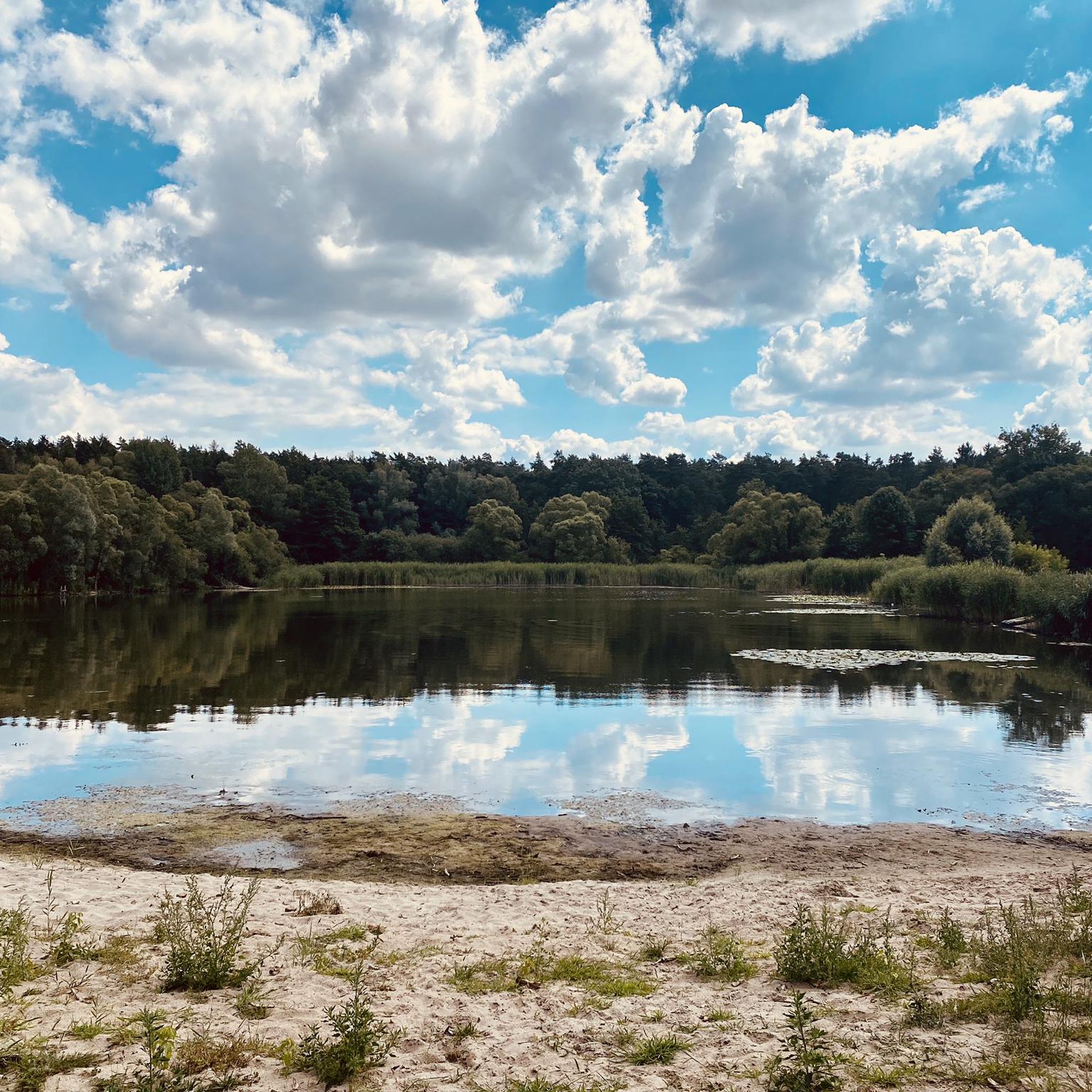
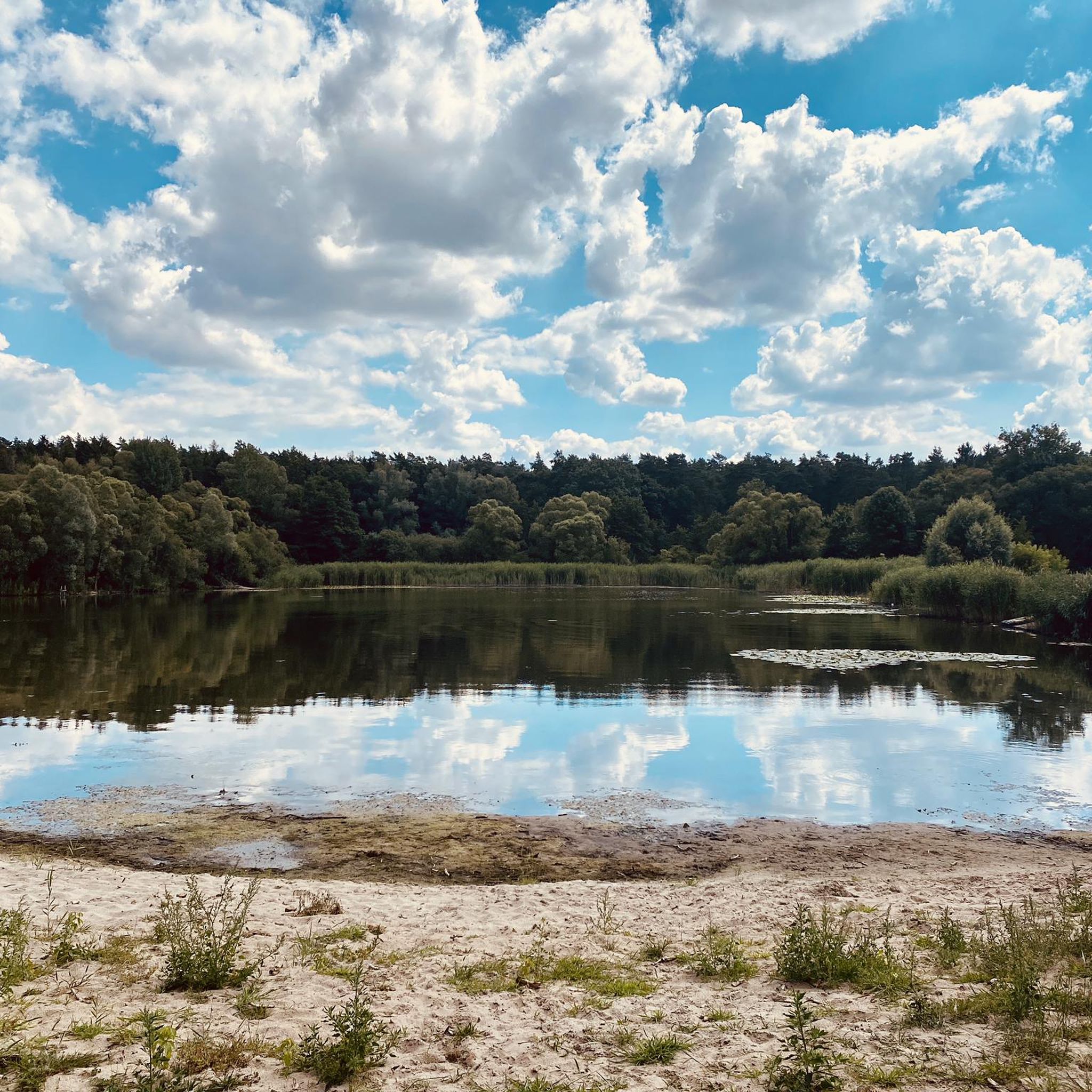
Hiking in Blumberger Wald offers routes through a nature reserve located in the Uckermark district of Brandenburg, Germany. This area, spanning over 310 hectares, is part of the larger Blumberger Forst landscape protection area. The terrain is characterized by its natural preservation status, providing a setting for outdoor activities.
Best hiking trails in Blumberger Wald
- The most popular hiking route is The Old Oak of Blumberg loop from Schwanzsee, a 4.2 miles (6.7 km) trail that takes 1 hour…
Last updated: June 27, 2026
2
hikers
6.71km
01:42
10m
10m
Easy hike. Great for any fitness level. Easily-accessible paths. Suitable for all skill levels.
5.0
(1)
7
hikers
11.3km
02:56
70m
70m
Moderate hike. Good fitness required. Easily-accessible paths. Suitable for all skill levels.

Sign up for free
5.0
(1)
7
hikers
15.9km
04:06
80m
80m
Moderate hike. Good fitness required. Easily-accessible paths. Suitable for all skill levels.
5.0
(1)
3
hikers
7.82km
02:02
50m
50m
Moderate hike. Good fitness required. Easily-accessible paths. Suitable for all skill levels.
5.0
(2)
5
hikers
Moderate hike. Good fitness required. Easily-accessible paths. Suitable for all skill levels.
Get access to more routes and recommendations from other explorers.
Sign up for free
Already have an account?
Our route recommendations are based on thousands of hikes, rides, and runs completed by other people on komoot.
Start today with a free account
Your next adventure awaits.
Login or Signup
Tips from the Community


The fieldstone hall with a flat roof was built in the second half of the 13th century. After partial destruction in the mid-19th century, the church was rebuilt in 1856. A three-sided choir and a brick tower were added to the eastern end. In 1936, a mortuary was added to the north side. The spire dates from the 1970s. The striking features include massive supporting pillars on the western side and a very narrow entrance. The simple interior design dates from the second half of the 19th century. The church houses a historic Grüneberg organ from 1888. The tower houses a historic bell from 1856, from the workshop of the Szczecin bell founder Carl-Friedrich Voss.
0
1
A towerless hall building with a neo-Gothic apse and a western gable made of brick. The neo-Gothic reconstruction left its mark on the church. On the south side, the original, embossed, pointed-arch granite portal remains. On the north side, there is a small iron bell tower with a bronze bell. It was founded in 1847 by the von Sydow family, donated and cast by Theodor Voss in Szczecin. The interior is covered with a flat roof. The apse windows have yellow-tinted glass. The furnishings are very simple. In the apse, there is a simple altar with a candlestick and a crucifix. The congregation sits on a neo-Gothic pew. The entire furnishings are complemented by a wooden baptismal plaque, a plaque depicting a crucified man, and a magnificent commemorative plaque to those who died in World War I on the north wall. A winter church was erected beneath the western gallery. In the gallery there is a neo-Gothic, three-part organ front and a single-handed organ, probably the work of Barnim Grüneberg from Szczecin.
0
0
Schönow Palace is a unique neo-Gothic "castle" built in the 1840s. The "castle" and its outbuildings were built in the 19th century and belonged to the von Sydow family until 1863. The "castle" was then sold to Gustav Karl Kieckebusch, a chamberlain from Schwedt an der Oder. Catherine the Great, the longest-reigning Russian leader, born in Szczecin, Poland, lived just 20 minutes from Schönow, providing a fascinating historical backdrop for the Uckermark region. Around 1892, the estate was acquired by World War I General von Lettow-Vorbeck, who held it until its expropriation in 1945. The GDR era in the Uckermark changed the living conditions of the local population and the local architecture, and many Uckermark palaces were plundered and destroyed. The few that remained were converted into schools or kindergartens. Schönow Palace was converted into a market square and apartments after the war. In 1991, a fire broke out and everything was destroyed. The castle stood empty for over 20 years, which is why locals nicknamed it "Sleeping Beauty." When Brendan Flynt bought it in 2015, he had the idea of rebuilding it back into an elegant palace. The palace still looks abandoned. The grounds are open and can be visited.
0
1

The castle park is surrounded by a high wall and is off-limits. It's a bit disappointing that you can only see the castle from one side.
1
0

Fieldstone church, core from the 13th century. Destroyed by lightning in 1888. East gable and semicircular apse made of brick. Square west tower made of brick from 1890
0
0
Former manor house as a neo-Gothic plastered building with asymmetrical facade and tower from 1830-1840
0
0
Frequently Asked Questions
How many hiking trails are available in Blumberger Wald?
The Blumberger Wald area offers over 45 hiking routes, catering to various preferences. These include 11 easy trails, 32 moderate routes, and 2 more challenging options.
What kind of terrain can I expect when hiking in Blumberger Wald?
Blumberger Wald is characterized by protected forest areas and gentle elevations. The terrain is generally mild, making it suitable for leisurely walks and moderate hikes. You'll find routes connecting local villages and historical points of interest within this nature reserve.
Are there any easy hiking trails suitable for beginners or casual walkers?
Yes, Blumberger Wald has 11 easy hiking trails. A popular choice is The Old Oak of Blumberg loop from Schwanzsee, which is 4.2 miles (6.7 km) long and features minimal elevation gain, taking about 1 hour 42 minutes to complete.
What are the best seasons for hiking in Blumberger Wald?
While the region is enjoyable year-round, spring and autumn are particularly recommended. In spring, nature awakens with lush greenery, and autumn transforms the forests into a spectacle of vibrant colors, offering a beautiful backdrop for your hikes.
Are there any historical sites or landmarks to see along the trails?
Yes, several routes in Blumberger Wald explore the local landscape around Wartin, passing historical sites. For example, the Wartin Castle – Wartin Church loop from Wartin is a moderate 7.0-mile (11.3 km) path that allows you to explore these historical points of interest.
Are the hiking trails in Blumberger Wald suitable for families with children?
The Blumberger Wald nature reserve offers a variety of routes with gentle elevations, making many of them suitable for families. The easy trails, such as The Old Oak of Blumberg loop from Schwanzsee, are particularly good for walks with children.
Can I bring my dog on the hiking trails in Blumberger Wald?
Yes, Blumberger Wald is generally dog-friendly. As a nature reserve, it's important to keep your dog on a leash and ensure you clean up after them to protect the local wildlife and maintain the natural environment for all visitors.
Are there circular hiking routes available in Blumberger Wald?
Yes, many of the trails in Blumberger Wald are designed as loops, offering convenient circular routes. Examples include The Old Oak of Blumberg loop from Schwanzsee and the Wartin Castle and Estate loop from Wartin.
What do other hikers say about Blumberger Wald?
The area is highly rated by the komoot community, with an average score of 4.3 stars from over 25 reviews. Hikers often praise the protected forest areas, the gentle elevations, and the well-maintained routes that connect local villages and historical sites.
Are there any longer, more challenging hikes in the area?
While Blumberger Wald is known for its gentle terrain, there are longer moderate options. For instance, the Wartin Church – Wartin Castle loop from Wartin is a 9.9-mile (15.9 km) trail that takes approximately 4 hours 6 minutes to complete, offering a more extended experience through the natural surroundings.
Is Blumberger Wald accessible by public transport?
The Blumberger Wald nature reserve is located in the Uckermark district of Brandenburg. While specific public transport connections to every trailhead may vary, regional buses often serve the surrounding villages like Casekow and Wartin, from which you can access the hiking areas. It's advisable to check local bus schedules for the most up-to-date information.
What is the typical duration for a hike in Blumberger Wald?
Hiking durations vary depending on the chosen route and your pace. Easy trails like The Old Oak of Blumberg loop from Schwanzsee can be completed in under two hours, while longer moderate routes such as the Wartin Church – Wartin Castle loop from Wartin might take over four hours.
Most popular routes in Blumberger Wald

Get inspired with the komoot mobile app


Explore more
Browse the best Hikes in other regions.
