The best walks and hikes in Wildes Moor
4.1
(24)
69
hikers
8
hikes
Hiking in Wildes Moor offers routes through a landscape characterized by flat terrain, often featuring lakes and wetlands. The region provides opportunities for exploring natural areas and cultural points of interest. Elevation changes are minimal across the trails.
Best hiking trails in Wildes Moor
- The most popular hiking route is Bathing Area at Haussee – Wooden Walkway on the Lake loop from Rothenklempenow, a 2.2 miles (3.5 km) trail that takes 54 minutes to complete. This easy route features…
Last updated: June 25, 2026
5.0
(1)
1
hikers
Moderate hike. Good fitness required. Easily-accessible paths. Suitable for all skill levels.
4.0
(3)
7
hikers
Easy hike. Great for any fitness level. Easily-accessible paths. Suitable for all skill levels.

Sign up for free
2
hikers
17.1km
04:20
40m
40m
Moderate hike. Good fitness required. Easily-accessible paths. Suitable for all skill levels.
2
hikers
5.68km
01:27
10m
10m
Easy hike. Great for any fitness level. Easily-accessible paths. Suitable for all skill levels.
1
hikers
7.68km
01:57
20m
20m
Easy hike. Great for any fitness level. Easily-accessible paths. Suitable for all skill levels.
Get access to more routes and recommendations from other explorers.
Sign up for free
Already have an account?
Our route recommendations are based on thousands of hikes, rides, and runs completed by other people on komoot.
Start today with a free account
Your next adventure awaits.
Login or Signup
Popular around Wildes Moor
Tips from the Community

It most likely originated during the major expansion phase around 1860–1870, when the estate was massively expanded and modernized. The ice cellar is located on the grounds of the estate, which also includes the castle (manor house), the distillery, a gatehouse, and various barns.
0
0
The round tower dates back to the 13th century and was built as a Bergfried (residential tower and defensive tower) of a castle. The castle itself was first mentioned in documents in 1295 as Castrum Clempenowe. It served to secure the Pomeranian state border (near the border with Mark Brandenburg/Uckermark). Ancestral seat of the noble family von Eickstedt, who owned and inhabited the castle for centuries (the family has been documented there since the 13th century). The name Fangelturm (Catch Tower) came about later because the tower was temporarily used as a prison - a typical repurposing of many Bergfrieds in the late Middle Ages and early modern period. Over the centuries, the rest of the castle complex largely fell into disrepair. Only this tower has survived from the original complex.
0
0
The manor house is relatively inconspicuous, but its deep red color makes it visible from afar. It is located in an elongated rectangular estate with farm buildings and a baroque landscape park (with old trees and a fieldstone wall).
0
0

In 1638, Georg and Dorothea von Eickstedt donated a single-nave Renaissance hall church with a barrel vault, a square west tower and a five-sided east end. The family built the first manor house in 1609 and the second Rothenklempenow manor house in 1761. The church was renovated in 1738 and received its current appearance with the closed wooden lantern on the baroque octagonal tower top. Above the south portal there is a large inscription cartouche framed by pilasters with the donor coat of arms of the von Eickstedt family. The baroque furnishings have been preserved inside. The large pulpit altar from 1738 has an elaborate acanthus carving on the pulpit basket and the cheeks. The canopy above the pulpit with a rich crowning is supported by columns. The prospectus of the "ruler's box" dates from the same period.
1
0

great facility with park. worth a visit
0
0
A very beautiful church building
0
0

The narrow-gauge railway on the Neu Warp - Stoven line operated from 1906 to 1945
0
0

Playground in the chateau park in Rothenklempenow
1
0
Frequently Asked Questions
What kind of terrain can I expect when hiking in Wildes Moor?
Wildes Moor is characterized by its flat terrain, often featuring picturesque lakes and wetlands. The trails generally have minimal elevation changes, making them accessible for various fitness levels. You'll find opportunities to explore natural areas and cultural points of interest, particularly in the border region.
Are there any easy hiking trails suitable for beginners in Wildes Moor?
Yes, Wildes Moor offers several easy routes. A popular choice is the Bathing Area at Haussee – Wooden Walkway on the Lake loop from Rothenklempenow, which is 2.2 miles (3.5 km) long and features a scenic wooden walkway over the lake. Another easy option is the Hiking loop from Hintersee, covering about 3.5 miles (5.7 km).
Can I find family-friendly hikes in Wildes Moor?
Absolutely. The flat and gentle nature of many trails in Wildes Moor makes them ideal for families. The Bathing Area at Haussee – Wooden Walkway on the Lake loop from Rothenklempenow is particularly suitable, offering an engaging wooden walkway over the lake that children often enjoy.
Are dogs allowed on the hiking trails in Wildes Moor?
Generally, dogs are welcome on trails in Wildes Moor, but it's always recommended to keep them on a leash, especially in nature protection areas or near wildlife. Always be mindful of local regulations and other hikers.
Are there any circular walks available in Wildes Moor?
Yes, many of the trails in Wildes Moor are designed as circular routes. For example, the St. John's Church Hintersee loop from Hintersee is a 4.8-mile (7.7 km) circular trail, and the Border Crossing to Poland – Germany–Poland Border Crossing loop from Hintersee offers a longer 10.6-mile (17.1 km) option.
What is the best time of year to go hiking in Wildes Moor?
Wildes Moor can be enjoyed throughout the year. Spring and autumn offer pleasant temperatures and beautiful natural colors, while summer is ideal for enjoying the lakes. Winter hiking is also possible, but be prepared for potentially muddy or icy conditions, especially in wetland areas.
What should I wear for hiking in Wildes Moor?
Given the flat and often wetland terrain, waterproof and comfortable hiking shoes are highly recommended. Layered clothing is advisable to adapt to changing weather conditions. In summer, consider insect repellent, and in winter, warm, waterproof outerwear is essential.
Are there any viewpoints or interesting sights along the trails?
The region offers scenic views of its lakes and wetlands. The Bathing Area at Haussee – Wooden Walkway on the Lake loop from Rothenklempenow features a unique wooden walkway over the lake. Additionally, routes like the Border Crossing to Poland – Germany–Poland Border Crossing loop from Hintersee provide insights into the historical border region.
What do other hikers enjoy most about Wildes Moor?
The area is highly rated by the komoot community, with an average score of 4.2 stars from over 20 reviews. Hikers often praise the peaceful atmosphere, the unique wetland landscapes, and the accessibility of the flat trails, making it a great destination for a relaxing outdoor experience.
How many hiking trails are there in Wildes Moor?
There are approximately 8 hiking routes available in Wildes Moor, offering a good mix of easy and moderate options to explore the region's unique natural beauty.
Are there places to eat or get refreshments near the hiking trails?
While the guide doesn't specify cafes directly on the trails, the routes often start or pass through villages like Rothenklempenow and Hintersee, where you can typically find local eateries or shops for refreshments. It's always a good idea to check opening hours in advance.
Is there public transport access to the hiking areas in Wildes Moor?
Access to Wildes Moor by public transport can be limited, as is common in many rural areas. It's advisable to check local bus schedules to nearby towns like Rothenklempenow or Hintersee. Many hikers prefer to arrive by car to have more flexibility.
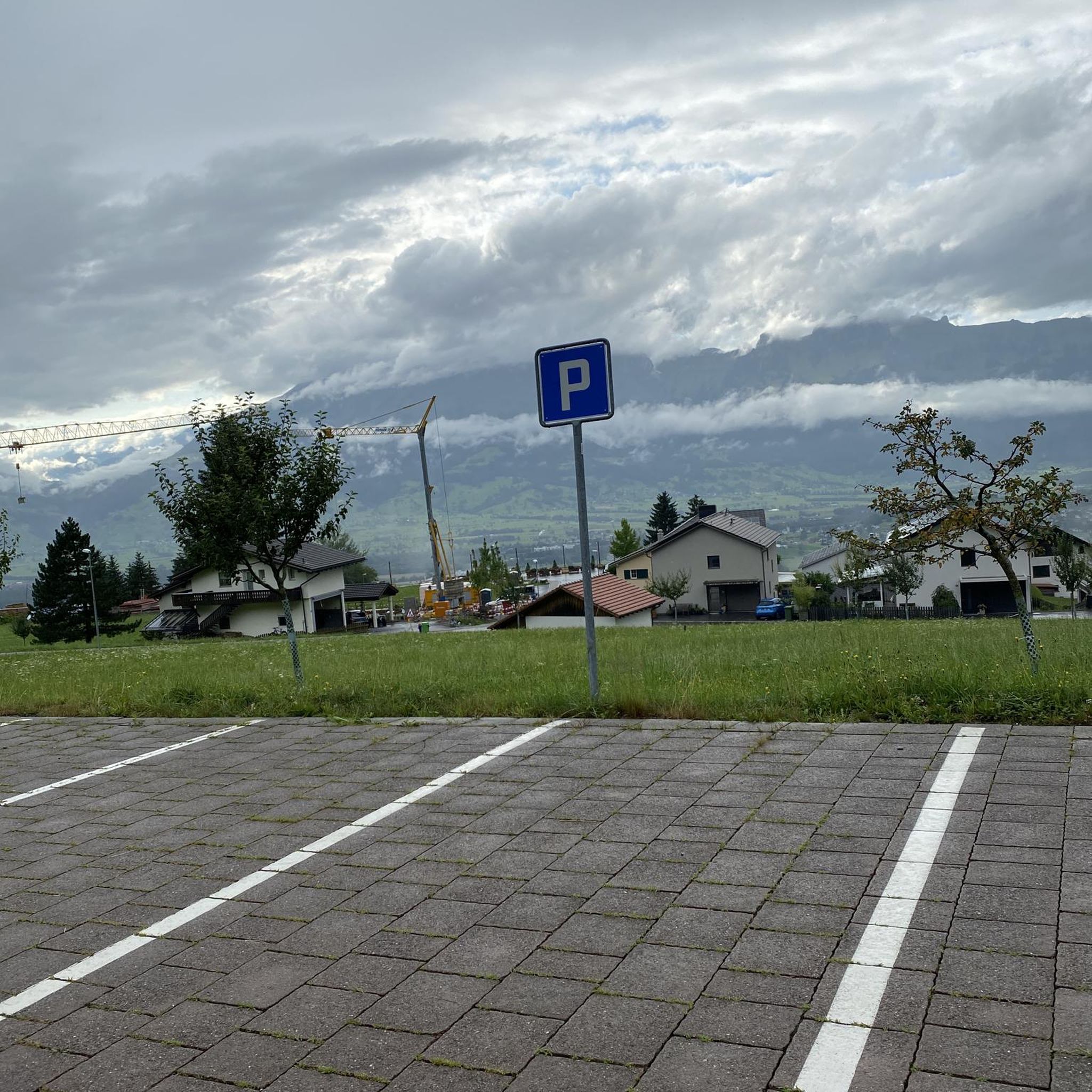
Where can I park my car when visiting Wildes Moor for a hike?
Parking is generally available in the villages where many of the trails begin, such as Rothenklempenow and Hintersee. Look for designated parking areas near trailheads or local amenities. Always ensure you park responsibly and respect local signage.

Get inspired with the komoot mobile app


Explore more
Browse the best Hikes in other regions.
