Naturpark Flusslandschaft Peenetal
Naturpark Flusslandschaft Peenetal
Attractions and Places To See in Naturpark Flusslandschaft Peenetal - Top 20
Best attractions and places to see in Naturpark Flusslandschaft Peenetal include a diverse range of natural features and cultural sites. This region in Mecklenburg-Western Pomerania is centered around the Peene River, one of Germany's largely unbuilt rivers, and features extensive fenlands. It is recognized for its biodiversity, hosting numerous bird species, beavers, and otters. Visitors can explore historic villages, moated castles, and various bridges that span the river landscape.
Best attractions and places to see in Naturpark Flusslandschaft Peenetal
- The…
Last updated: October 22, 2026
Zecherin Bridge
Highlight • Bridge
Translated by Google •
Tip by

Aalbude Ferry
Highlight • Rest Area
Translated by Google •
Tip by

Sign up now to discover places like this
Get recommendations on the best single tracks, peaks, & plenty of other exciting outdoor places.
Peene-Tor Bridge, Anklam
Highlight • Bridge
Translated by Google •
Tip by

Kahlden Bridge in Demmin
Highlight • Bridge
More information: de.wikipedia.org/wiki/Demmin#Sehensw%C3%BCrdheiten_und_Kultur
Translated by Google •
Tip by

Peenetal Moor Nature Reserve
Highlight • Natural
Translated by Google •
Tip by

Sign up for free to discover even more attractions in Naturpark Flusslandschaft Peenetal.
Already have an account?
Start today with a free account
Your next adventure awaits.
Popular around Naturpark Flusslandschaft Peenetal
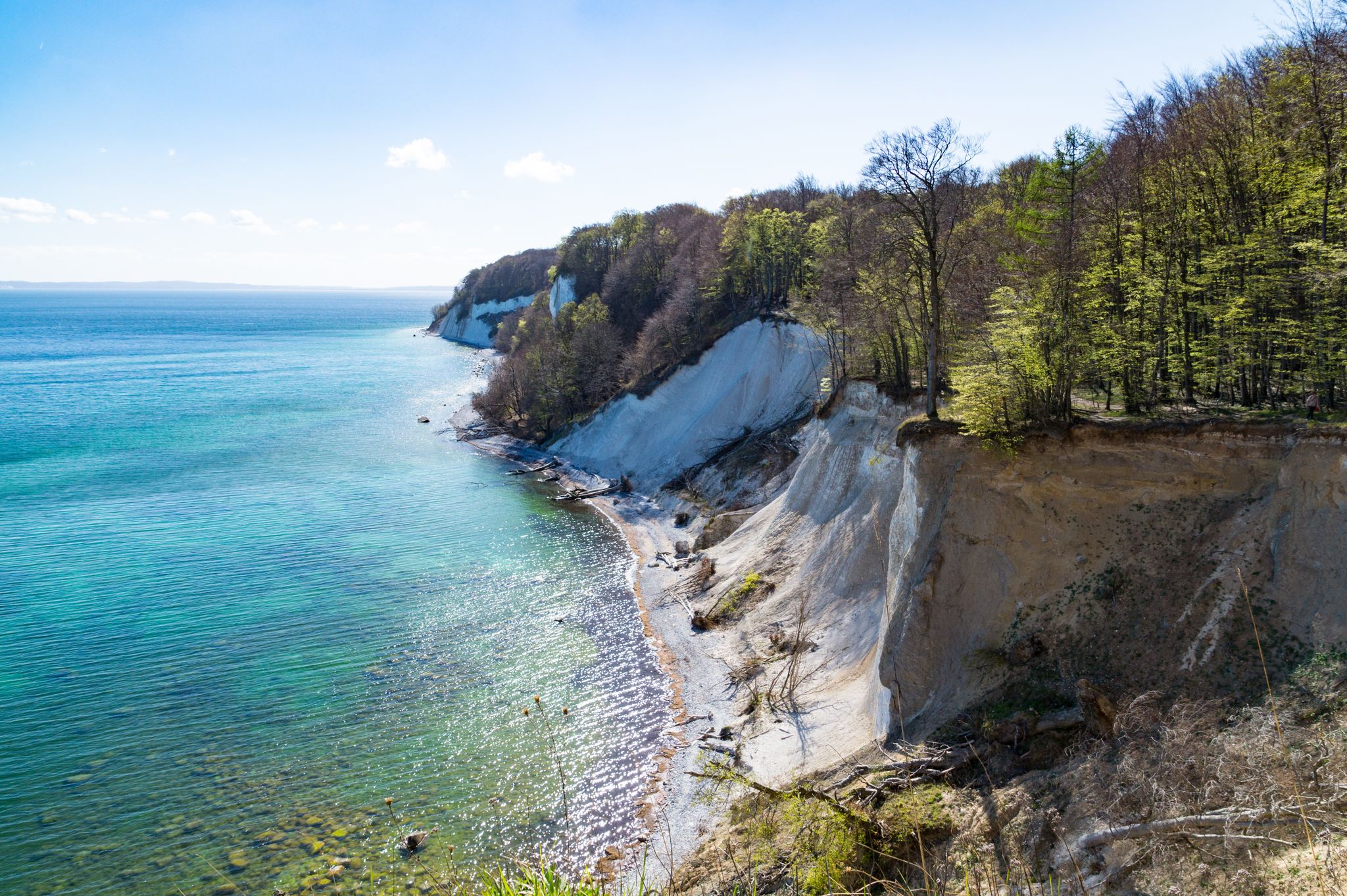
The National Natural Landscapes in Mecklenburg-Vorpommern
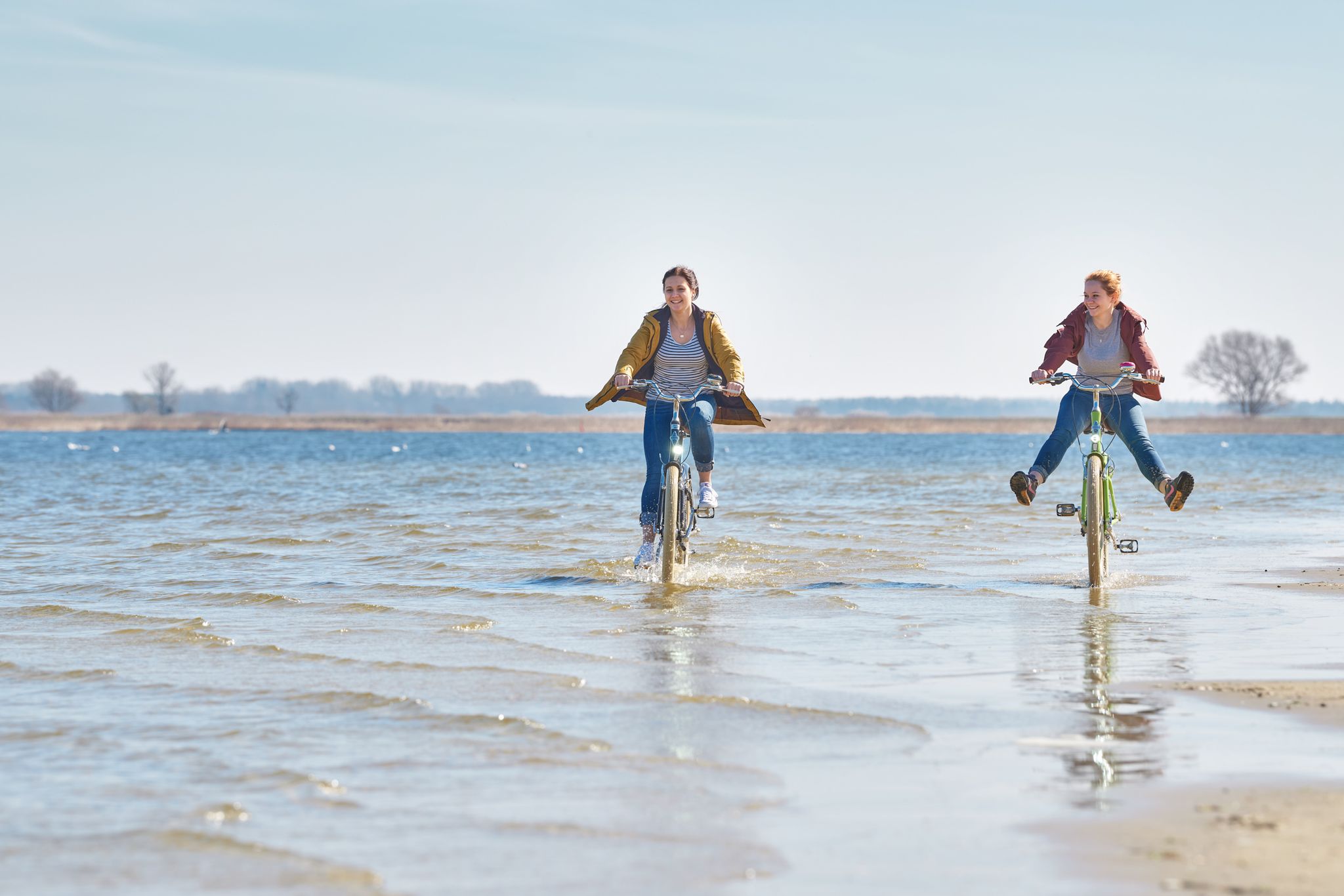
Rivers, moors, the sea and more - the most beautiful cycling routes in Western Pomerania
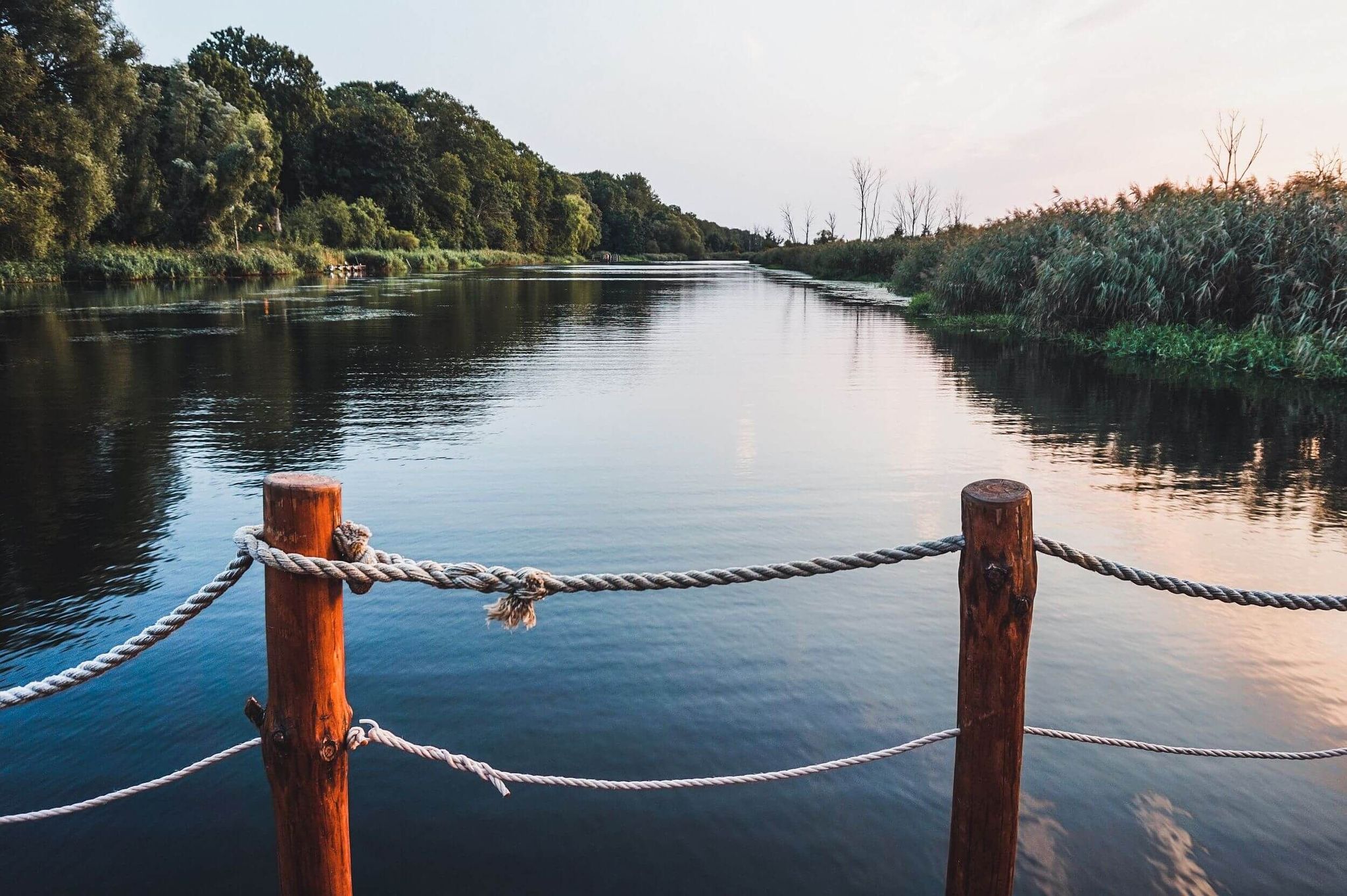
Peenetal-Rundweg
Stettiner Haff-Rundweg
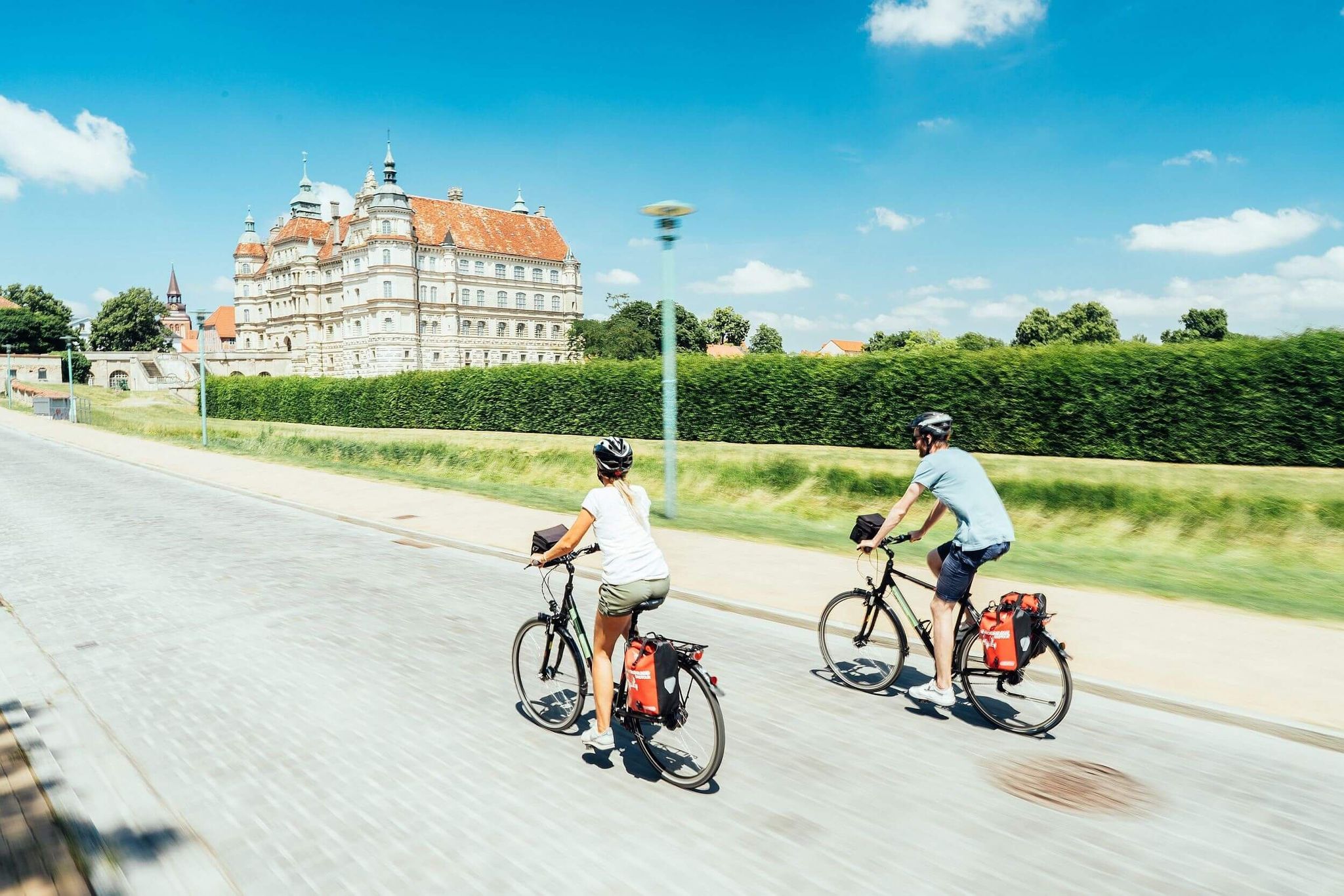
Radweg Hamburg-Rügen: Von der Elbe zur Ostsee
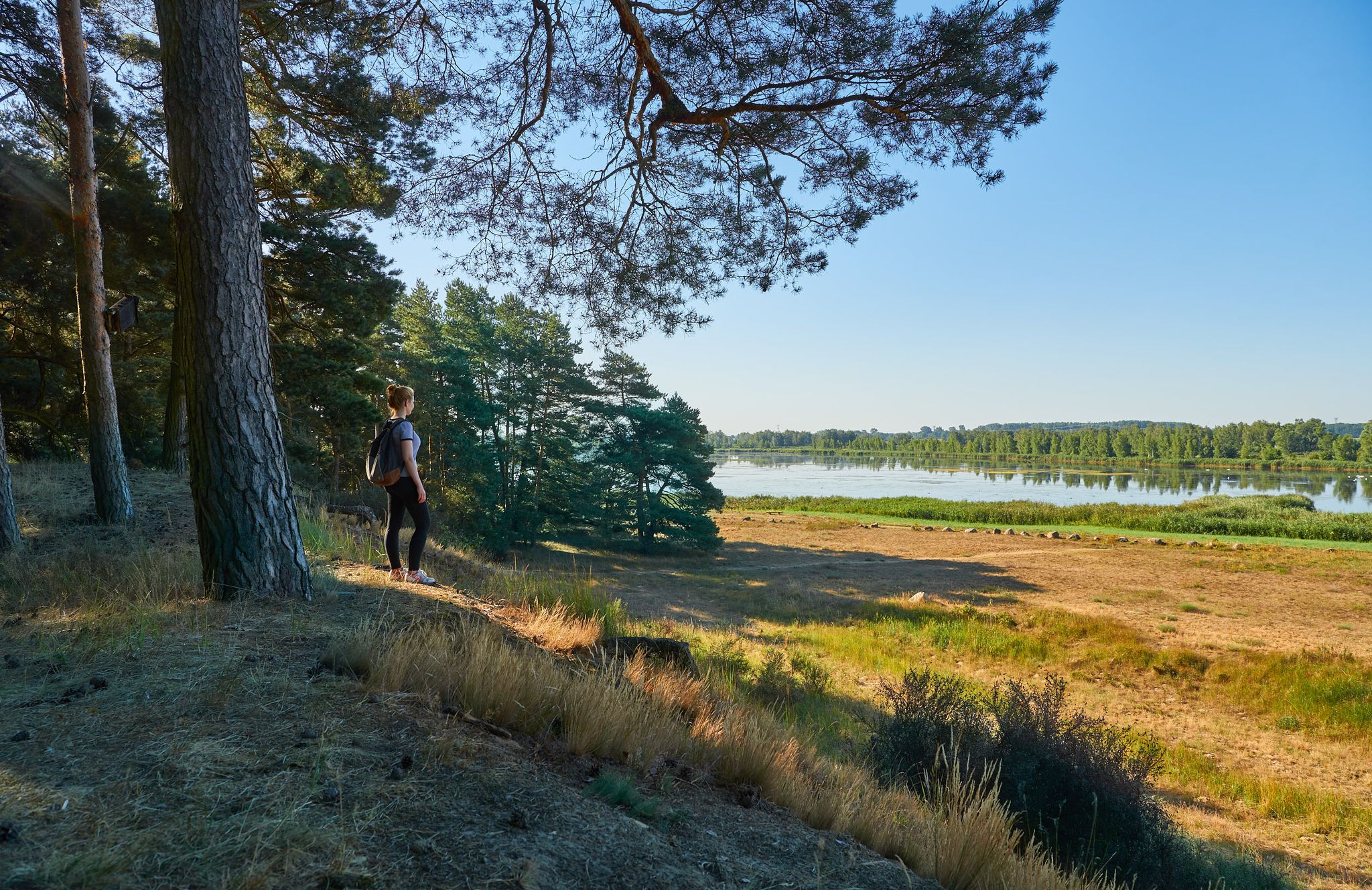
Naturparke, Küsten- & Kulturlandschaft – auf Wandertour in Vorpommern
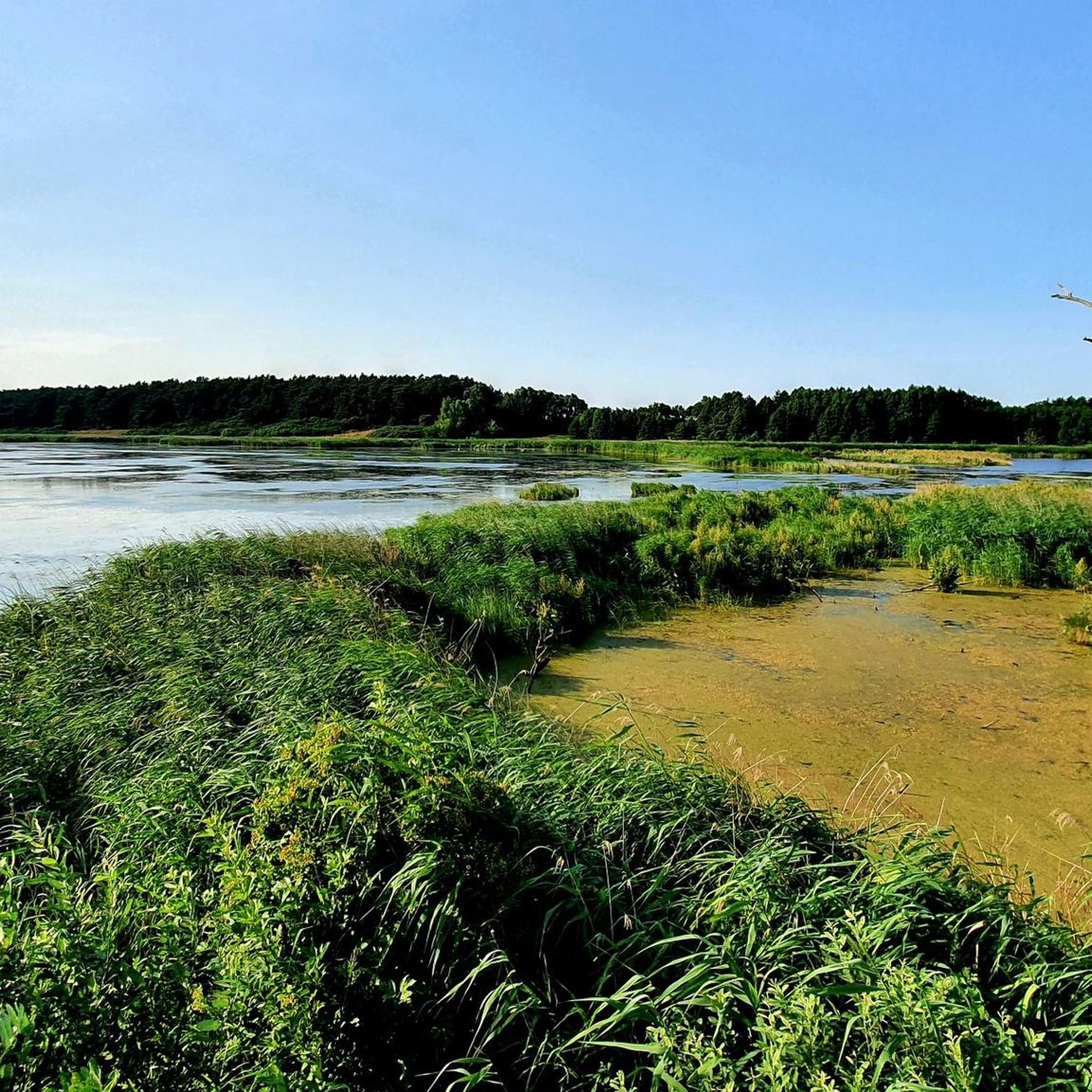
Cycling in Naturpark Flusslandschaft Peenetal
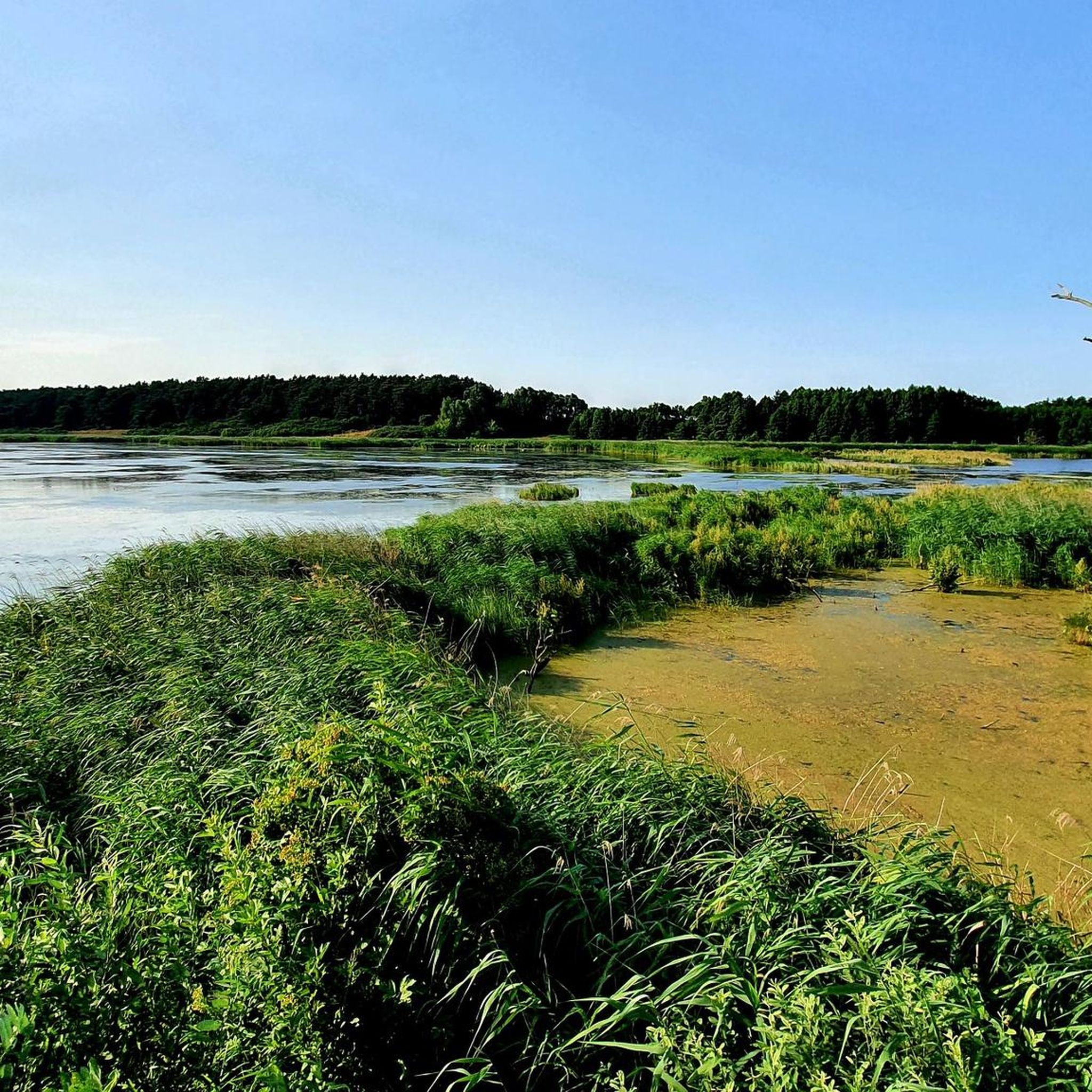
Hiking in Naturpark Flusslandschaft Peenetal
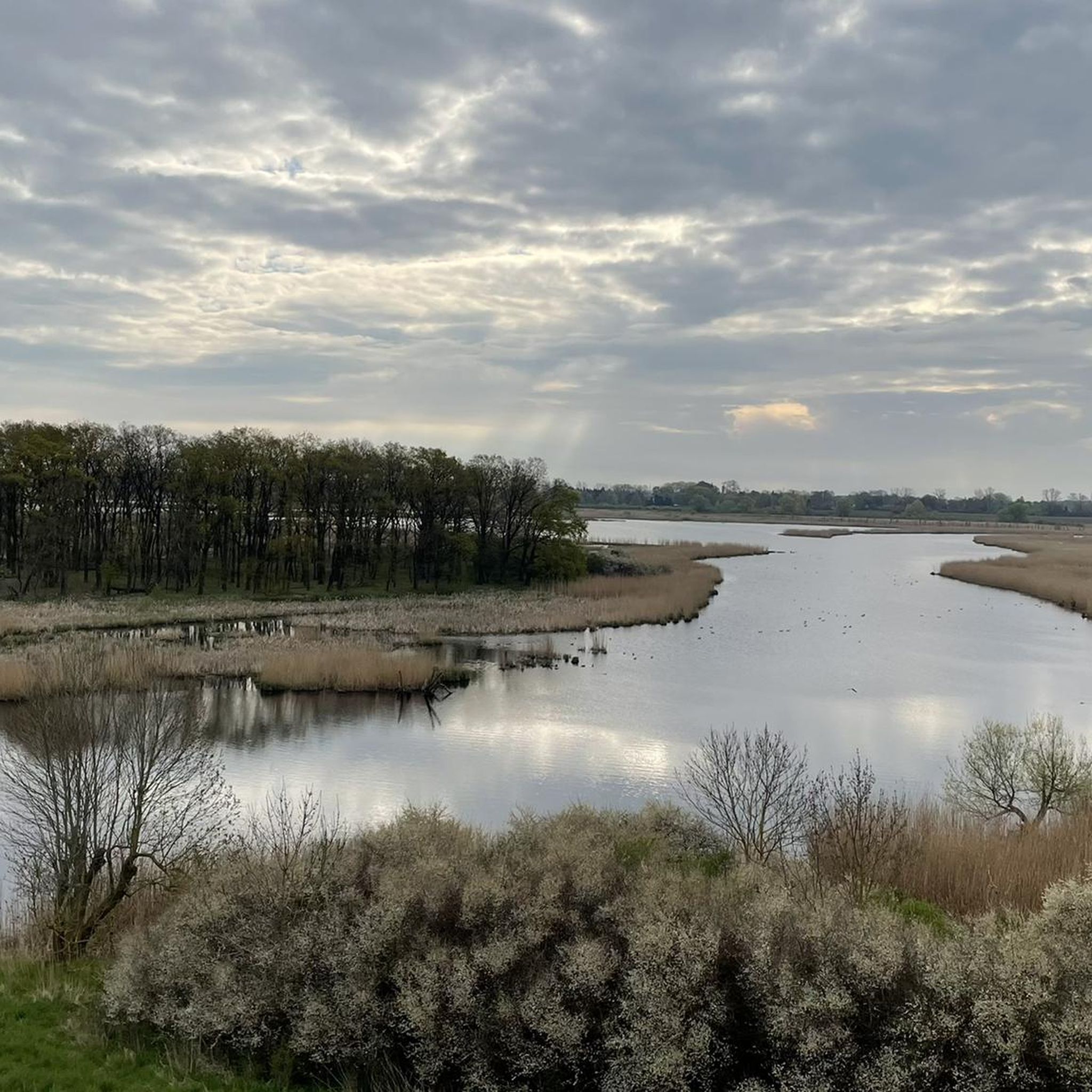
Road Cycling Routes in Naturpark Flusslandschaft Peenetal
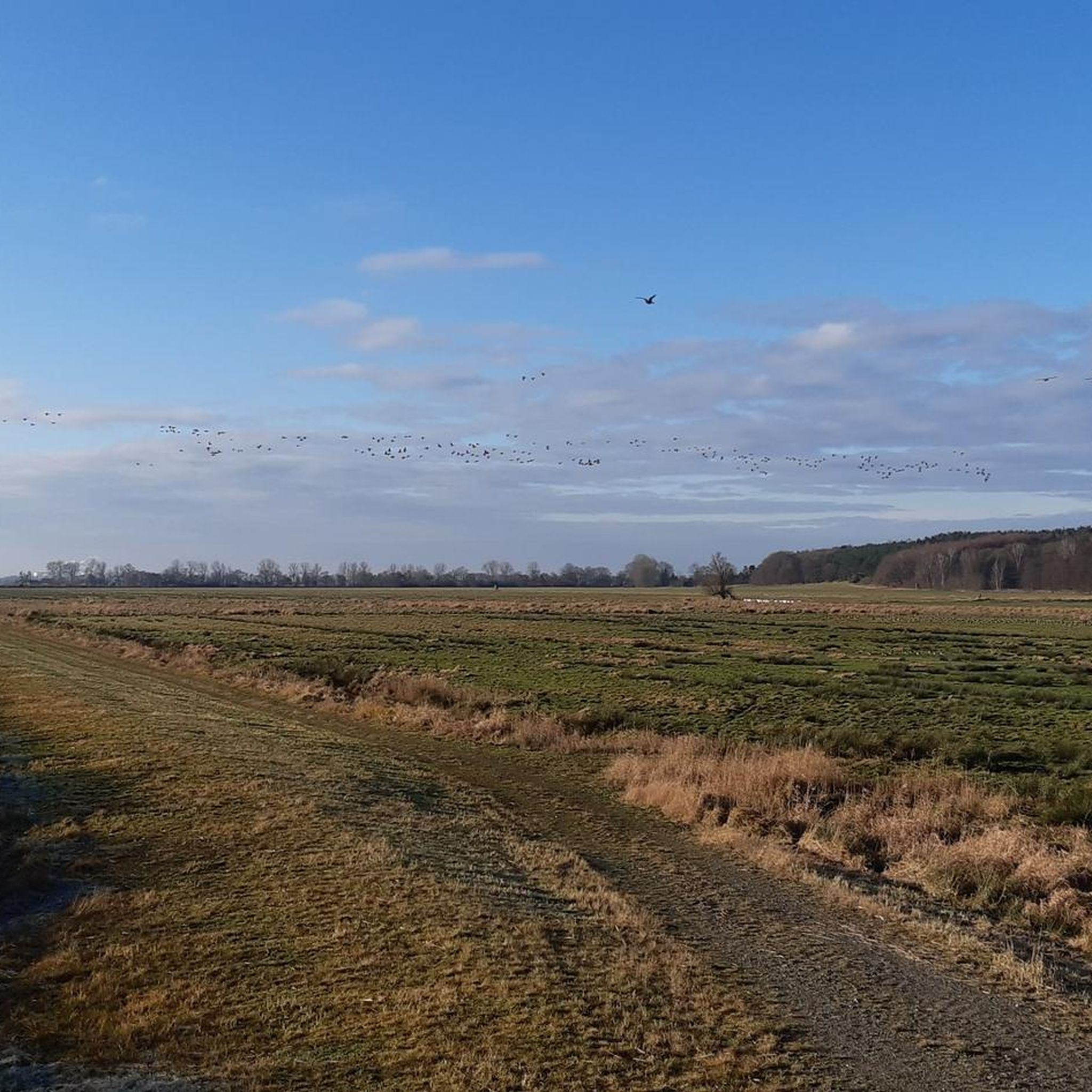
MTB Trails in Naturpark Flusslandschaft Peenetal
Other adventures in Naturpark Flusslandschaft Peenetal


Tips from the Community

The Unteres Peenetal (Peenetalmoor) nature reserve is a vast wetland area of around 1,500 hectares, located in the Peene River Valley near Anklam. It protects unique peat bogs and flood meadows that were formed after the last ice age. Today, it is one of the most valuable wetland areas in Germany, with a rich flora and fauna – rare species of butterflies, water birds and birds of prey can be found here. As part of the Peenetal project, work has been carried out for years to restore natural water conditions.
2
0

Great view from the Kahlden Bridge over the Peene and the newly recognized tourist resort of Demmin.
2
0

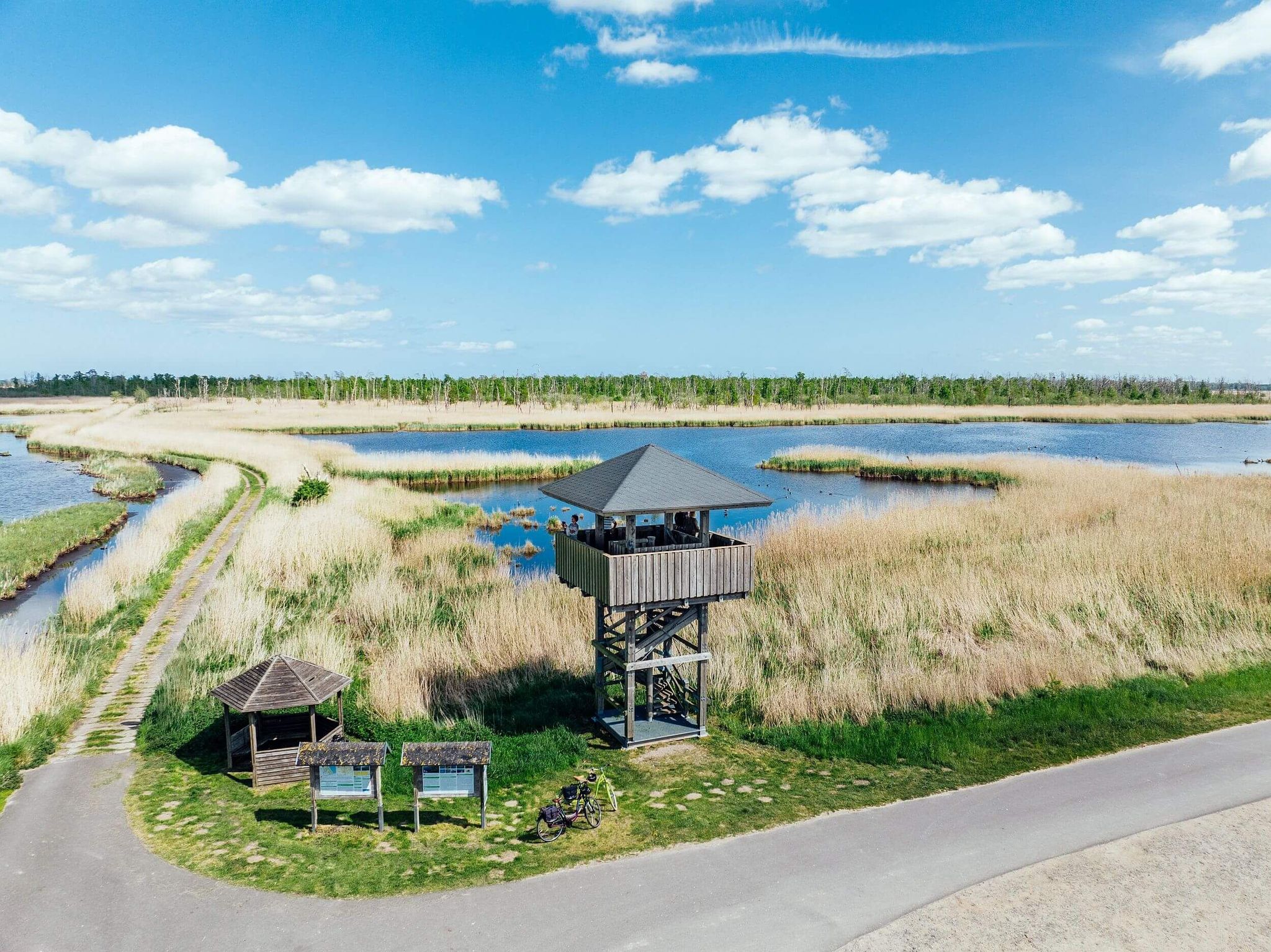
The nature reserve is very extensive, with numerous birds to see and a small observation tower. A bird was perched on almost every dead tree. The nature reserve is accessible via a well-maintained bike path.
1
0

Beautiful view of the Peene from the bridge
3
0
The Zecherin Bridge has a total length of 325 meters. The bascule bridge is 20 meters long. With the bascule bridge closed and the water level at medium, a clearance of six meters is possible. The roadway is also 6 meters wide. In addition, there is a 1.5-meter-wide sidewalk. In 2019, there will be three openings per day (until March 31) and five (from April 1), each lasting a maximum of 15 minutes.[1] Source: https://de.wikipedia.org/wiki/Zecheriner_Br%C3%BCcke
3
0
In 1867, the barge and pram ferries "Klotzower Fähre" and "Pinnower Fähre" could no longer handle the traffic to the island of Usedom. A road embankment (today's B 110) was built from Johannishof south of Pinnow to the Peene River, and a fiscal ferry service with a ferry farm was established at the so-called Schwemmort. When the spa business on the island of Usedom experienced a rapid upswing in the 1920s, the capacity of the ferry connections between Schwemmort on the mainland and the island soon reached its limits. Therefore, the Usedom-Wollin district commissioned the construction of a road bridge. Construction began in 1930. The following year, on May 22, 1931, the connection was opened as the Usedom Spa Bridge. Shortly before the end of World War II, the bridge was blown up by the Wehrmacht in 1945. It was not reopened to road traffic until 1955. The bridge was completely renovated in 1999 and 2000. Source: https://de.wikipedia.org/wiki/Zecheriner_Br%C3%BCcke
4
0

For those who usually only cycle over bridges, ferries are a very interesting thing. The crossing is a nice change during the tour and you can also enjoy a great view. Here you can shorten the waiting time with great photos.
4
0

A beautiful lifting bridge at the reservoirs.
3
0
Frequently Asked Questions
What are the most prominent natural features in Naturpark Flusslandschaft Peenetal?
The Naturpark is defined by the Peene River, often called the 'Amazon of the North,' which is one of Germany's last largely unbuilt rivers. It also features extensive fenlands, covering approximately 20,000 hectares, making it one of the largest continuous fenland areas in Central and Western Europe. These landscapes are crucial for the region's rich biodiversity.
What kind of wildlife can I observe in the Peenetal?
The park is renowned for its dense populations of beavers and otters, with good chances of spotting beavers during twilight boat trips in the summer. It's also an important European bird sanctuary, hosting over 150 bird species, including rare ones like the white-tailed eagle and sea eagle, and endangered species like the lesser spotted eagle. The Peenetal Moor Nature Reserve is a particularly good spot for birdwatching.
Are there any historical or cultural sites to visit?
Yes, the region offers several cultural insights. Stolpe an der Peene features a monastery ruin from 1152, a small monastery garden, and well-preserved thatched-roof houses. You can also find historic villages, traditional country estates (Gutshäuser), and ancient burial mounds. Notable bridges like the Peene-Tor Bridge in Anklam and the Zecherin Bridge are also significant landmarks.
What outdoor activities are popular in Naturpark Flusslandschaft Peenetal?
The Peene River is ideal for boating and canoeing, with guided experience tours on solar-powered boats available. The park also offers numerous hiking and cycling routes, such as the 'Peene Trail' and the 'Peene Valley Nature Trail'. Ranger-led hikes through the Peene meadows are also offered. For more specific routes, you can explore hiking trails, MTB trails, and road cycling routes in the area.
Are there family-friendly attractions or activities?
Many activities in the Naturpark are suitable for families. Peaceful boat tours on the Peene River, including solar-powered options, are a great way to see wildlife. The Aalbude Ferry offers a unique and fun river crossing experience. Additionally, easy hiking and cycling routes, along with animal observation towers, provide engaging experiences for all ages.
What is the best time of year to visit Naturpark Flusslandschaft Peenetal?
The Naturpark offers different experiences throughout the year. Spring and summer are ideal for wildlife observation, especially for birds and beavers, and for enjoying water activities like boating and canoeing. The ferry service at Aalbude Ferry operates from April to October, making these months popular for river excursions.
Where can I find more information about the park's habitats and wildlife?
The Visitor Information Centre in Stolpe provides extensive information about the park's habitats, flora, and fauna through modern exhibitions. It's a great starting point for understanding the ecological significance of the region.
Are there any unique ways to experience the Peene River?
Absolutely. Besides canoeing and solar-powered boat tours, you can experience the river via unique ferry crossings. The Aalbude Ferry transports people and bikes across the Peene River, offering a charming and practical way to explore both sides of the waterway.
What are some notable bridges in the region?
The region features several significant bridges. The Zecherin Bridge is a beautiful blue bascule bridge connecting Usedom Island with the mainland. The Peene-Tor Bridge in Anklam is another important structure, connecting the Peene with the Peenestrom. The Kahlden Bridge in Demmin also offers great views of the Peene.
What do visitors enjoy most about Naturpark Flusslandschaft Peenetal?
Visitors particularly appreciate the unspoiled nature and the tranquility of the Peene River landscape. The opportunity to observe diverse wildlife, especially birds and beavers, is a major draw. The unique experience of crossing the river by ferry, like the Aalbude Ferry, and the scenic views from bridges such as the Zecherin Bridge are also highly rated.
Are there specific areas for birdwatching?
Yes, the Naturpark is an important European bird sanctuary. The Peenetal Moor Nature Reserve north of Anklam is known for its renaturation efforts and offers chances to spot sea eagles. The Anklamer Stadtbruch Nature Reserve and the re-naturalized polders of Verchen and Menzlin are also significant feeding, resting, and breeding grounds for birds, with guided ranger tours often available.
Most popular routes in Naturpark Flusslandschaft Peenetal
Most popular attractions in Naturpark Flusslandschaft Peenetal

Get inspired with the komoot mobile app


Explore more
Still not found the Highlight you’re looking for? See guides of the top attractions in other regions:
