Chko Litovelské Pomoraví
Chko Litovelské Pomoraví
The best road cycling routes in Chko Litovelské Pomoraví
3.6
(5)
162
riders
20
rides
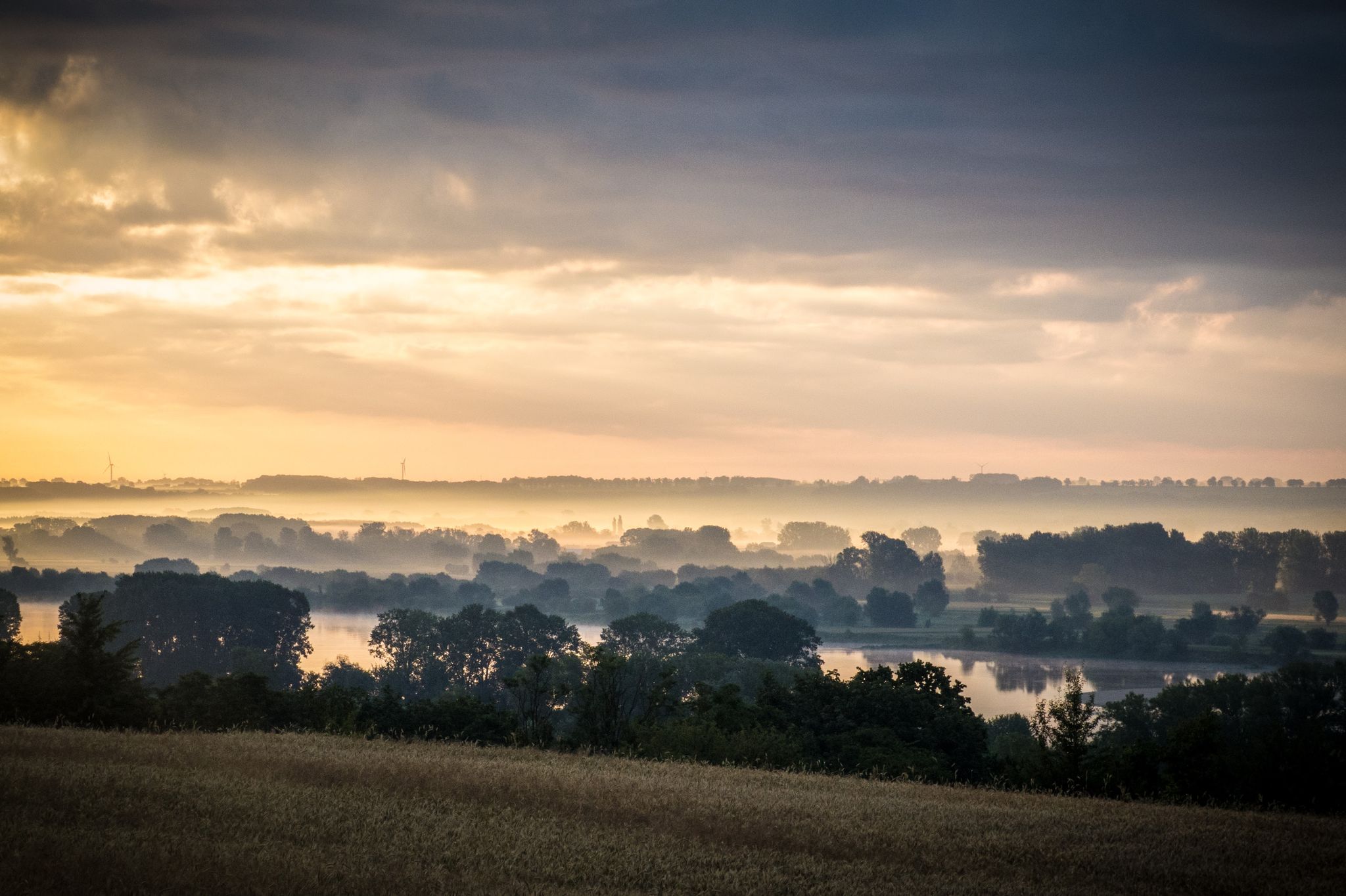
Road cycling in Chko Litovelské Pomoraví offers routes through a landscape shaped by the naturally meandering Morava River. The area is characterized by extensive floodplain forests, wetlands, and meadows. The terrain is predominantly flat or gently undulating, making it suitable for various road cycling abilities. This protected landscape area provides a network of cycle paths that traverse its natural features.
Best road cycling routes in Chko Litovelské Pomoraví
- The most popular road cycling route is Zelená budka – Zámek Dolany…
Last updated: October 18, 2026
4.5
(2)
52
riders
63.4km
02:52
610m
610m
Moderate road ride. Good fitness required. Some segments of this route may be unpaved and difficult to ride.
3.0
(1)
13
riders
41.6km
01:59
90m
90m
Moderate road ride. Great for any fitness level. Some segments of this route may be unpaved and difficult to ride.

4
riders
86.2km
03:42
330m
330m
Moderate road ride. Good fitness required. Some segments of this route may be unpaved and difficult to ride.
3
riders
63.9km
02:54
370m
370m
Moderate road ride. Good fitness required. Mostly well-paved surfaces and easy to ride.
8
riders
40.8km
01:40
160m
160m
Moderate road ride. Great for any fitness level. Some segments of this route may be unpaved and difficult to ride.
Get access to more routes and recommendations from other explorers.
Already have an account?
Our route recommendations are based on thousands of hikes, rides, and runs completed by other people on komoot.
Start today with a free account
Your next adventure awaits.


Other adventures in Chko Litovelské Pomoraví

Tips from the Community


Really crazy forest cycle highway
0
0

Around the castle
0
0

Records only mention the castle in 1423, but it probably existed earlier. The army of Emperor Sigismund defeated the Hussite garrison of Ctibor of Cimburk and conquered the castle. In 1482 it belonged to Alena of Náměště. At the end of the 16th century it was abandoned as no longer sufficient and the noble residence was moved to the fortress, later the lower castle. Since the 18th century it has been dismantled as building material and only the remains of the masonry and moats have been preserved
1
0
www.zamek.namestnahane.cz Ferdinand Bonaventura, Count of Harrach, had the castle built in 1766 for his summer stays. Until then, he used the so-called Lower Castle as his residence. The building is built in an early classical style inspired by French designs. At the same time, a circular park and uniquely arranged lime tree plantations were established at this time. After 1948, the chateau was nationalized and managed by the Homeland Museum in Olomouc. Nowadays, you can choose from 4 guided tours that will take you through the entire interior or the unique exhibition of the Archbishop's and other historical carriages.
0
0

The castle consists of a two-storey rectangular building with a mansard roof, and the premises are used for the needs of the social care institute.
2
0
Permanent gallery of the academic painter Lubomír Bartoš On the third floor of the castle, there is a gallery of academic painter Lubomír Bartoš presenting a cross-section of the artist's work. It was established in 2002. The master's typical handwriting can be found especially on oil paintings, still lifes, portraits and above all on landscape paintings with motifs from his favorite region, Northern Moravia.
2
0

History The castle was built on the border of the old settlement area and the royal forest, so originally it probably served as the seat of the ruler and his team during hunting. Its form, inspired by French castles, indicates that the founder was King Wenceslaus I or Przemysł II Ottokar. The first written record of him appeared in 1260 in the nickname of Idíka (Egidia) from the family of the lords of Švábenice. From 1276, Úsov was in the direct possession of the king, except for a short period around 1330–1350, when it was pledged to the Šternberk family. Later, the local goods were owned by the son of John of Luxembourg, the Moravian margrave Jan Henryk, who made sure that the castle was repaired and renovated. In the years 1375–1405 Úsov belonged to margrave Jodok, who made the castle an important base for his troops participating in Moravia in the so-called the wars of the margraves. This bloody conflict with brother Prokop had to affect the condition of the castle, because in 1405 the then owners of the pledge, Otto and Albrecht of Kurovice, had to spend 100 pennies on repairing the damage. In 1416, Úsov fell into the hands of a wealthy family of Vlašim lords who most likely rebuilt the residential part of the castle after the Hussite Wars. At the end of the 15th century, brothers Karel and Jiří of Vlašim made another late Gothic reconstruction, including the construction of the south-eastern building and the adaptation of the castle to defense with firearms. In 1513, the castle passed through inheritance to Ladislav of Boskovice. Both he, his son Krzysztof and his nephew Jan Jetřich carried out construction works at the castle, mainly to increase the quality of life and increase the living space. After the death of Jan Šember of Boskovice in 1597, the castle passed to the Lichtenstein family through family marriages. Its role then decreased to the seat of officials and a residence needed by the owners only for the time of hunting in the nearby forests. During the Thirty Years' War the castle was burnt down by the Swedish army. Its reconstruction after 1650 resulted in a significant change in the original appearance and the transformation of the former castle into an early modern residence. The Lichtenštejns owned it until nationalization in 1945. https://medievalheritage.eu/pl/strona-glowna/zabytki/ Bohemy/usov-zamek/ https://www.youtube.com/watch?v=9tS5HtQSFig https://www.youtube.com/watch?v=L51ySKlMBi4
5
0
Frequently Asked Questions
What is the typical terrain like for road cycling in Chko Litovelské Pomoraví?
The terrain in Chko Litovelské Pomoraví is predominantly flat or gently undulating, making it highly suitable for road cycling. The area is characterized by the naturally meandering Morava River and its extensive floodplain forests, so you won't encounter significant climbs, even on longer rides.
Are there road cycling routes suitable for families or beginners in Chko Litovelské Pomoraví?
Yes, the generally flat profile of Chko Litovelské Pomoraví makes it ideal for families and beginners. There are 4 easy road cycling routes available, with many moderate options also being accessible due to the minimal elevation changes. The extensive network of cycle paths ensures a pleasant experience for all skill levels.
What kind of natural attractions can I expect to see along the road cycling routes?
Road cycling routes in Chko Litovelské Pomoraví offer a unique natural experience. You'll cycle through extensive floodplain forests, alongside the meandering Morava River and its numerous river arms, and past wetlands and meadows. This area is known for its rare inland river delta system and rich biodiversity.
Are there any historical or cultural sights to explore while road cycling?
Absolutely. The region offers several points of interest. You can visit the historical town of Litovel, which is centrally located within the protected area. West of Litovel, the Romantic Area of Nové Zámky features 19th-century buildings like an Obelisk and artificial ruins. Further north, Úsov Castle is also accessible.
Where can I park my car when starting a road cycling trip in Chko Litovelské Pomoraví?
While specific parking areas for cyclists are not detailed, towns like Litovel and Olomouc, which serve as common starting points for routes, typically offer public parking facilities. It's advisable to check local parking options in these towns or smaller villages along your chosen route.
Can I access the road cycling routes using public transport?
Yes, the region is well-connected. Major towns like Olomouc and Litovel, which are excellent starting points for many road cycling routes, are accessible by public transport. The Moravian Path, an international cycling route, also passes directly through the area, connecting it to wider regions.
What is the best time of year for road cycling in Chko Litovelské Pomoraví?
The best time for road cycling in Chko Litovelské Pomoraví is generally from spring through autumn. During these seasons, the weather is most favorable, and the floodplain forests and meadows are at their most vibrant. The area's natural beauty, especially the lush greenery, is particularly enjoyable during these months.
Are there any challenging road cycling routes for experienced riders?
While the overall terrain is generally flat, there are 7 difficult road cycling routes available for those seeking more of a challenge. These routes may feature longer distances or slightly more undulating sections, such as the Zelená budka – Zámek Dolany loop from Horka nad Moravou, which covers nearly 65 km with over 600 meters of elevation gain.
Are there circular road cycling routes available in the region?
Yes, many of the road cycling routes in Chko Litovelské Pomoraví are designed as loops, allowing you to start and finish in the same location. For example, the Roadbike loop from Olomouc-Hejčín is a popular circular option that takes you through the Morava River floodplain.
What do other road cyclists enjoy most about cycling in Chko Litovelské Pomoraví?
The komoot community highly rates road cycling in Chko Litovelské Pomoraví, with an average score of 4.0 stars. Cyclists often praise the unique natural landscape, particularly the meandering Morava River and the extensive floodplain forests, as well as the well-maintained network of cycle paths that make for a pleasant and accessible ride.
Are there places to stop for refreshments or a meal along the road cycling routes?
Yes, the region has several towns and villages, such as Litovel, where you can find restaurants and cafes. While specific establishments along every route are not listed, planning your ride through these settlements will provide opportunities for refreshments and meals.
How many road cycling routes are available in Chko Litovelské Pomoraví?
There are over 50 road cycling routes available in Chko Litovelské Pomoraví, offering a wide range of options for different skill levels and preferences. This includes 4 easy, 42 moderate, and 7 difficult routes.
Most popular routes in Chko Litovelské Pomoraví

Get inspired with the komoot mobile app


Explore more
Browse the best Road cycling routes in other regions.
