The best walks and hikes in Gimmlitztal
4.7
(10556)
37,690
hikers
12
hikes
Hiking trails in Gimmlitztal provide access to a tranquil nature reserve in Saxony, Germany. The landscape is defined by the 15-kilometer Gimmlitz stream, which winds through species-rich mountain and wet meadows, including unique calcareous fens. Extensive spruce forests and secluded valleys contribute to the area's natural beauty and diverse habitats. This region offers a blend of natural features and historical elements for hikers to explore.
Best hiking trails in Gimmlitztal
- The most popular hiking route is Kummermühle Art Rest Area…
Last updated: June 26, 2026
4.8
(37)
116
hikers
8.39km
02:15
100m
100m
Moderate hike. Good fitness required. Easily-accessible paths. Suitable for all skill levels.
4.7
(6)
18
hikers
12.9km
03:32
200m
200m
Moderate hike. Good fitness required. Easily-accessible paths. Suitable for all skill levels.

Sign up for free
4.9
(14)
47
hikers
Easy hike. Great for any fitness level. Easily-accessible paths. Suitable for all skill levels.
4.7
(3)
9
hikers
9.04km
02:32
180m
180m
Moderate hike. Good fitness required. Easily-accessible paths. Suitable for all skill levels.
4.5
(2)
6
hikers
13.3km
03:43
260m
260m
Moderate hike. Good fitness required. Easily-accessible paths. Suitable for all skill levels.
Get access to more routes and recommendations from other explorers.
Sign up for free
Already have an account?
Our route recommendations are based on thousands of hikes, rides, and runs completed by other people on komoot.
Start today with a free account
Your next adventure awaits.
Login or Signup
Other adventures in Gimmlitztal

Tips from the Community

You learn a lot of interesting facts about silver mining.
0
1

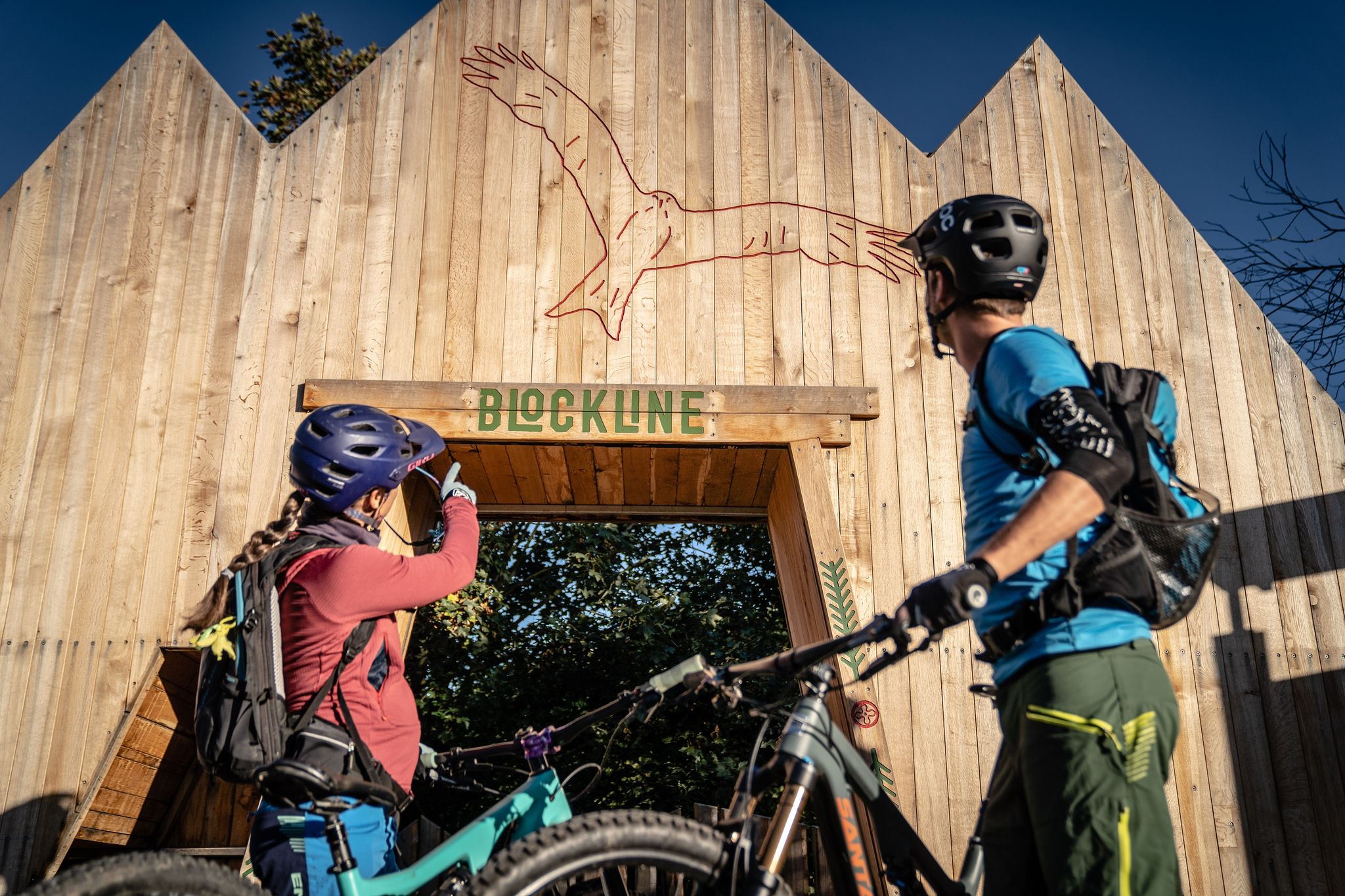
Blockline: signposted bike route in parts of the Ore Mountains, mostly with rest areas
3
0

The Gottfried Silbermann Museum in Frauenstein in the Ore Mountains is dedicated to the life and work of the important Saxon organ builder Gottfried Silbermann (1683-1753). Located near the historic Frauenstein Castle ruins, the museum features an exhibition featuring a faithful replica of a Silbermann organ, multimedia stations, and information on the town's history. See: https://www.silbermann-museum.de/
2
1
The Royal Saxon Triangulation was a national survey conducted between 1862 and 1890 that mapped the Kingdom of Saxony with a precise triangular network to create the basis for accurate maps. The network consisted of 158 points, including 36 main stations for the Central European Triangulation System, at which survey pillars were erected. These pillars are now technical monuments and bear witness to one of the most precise land surveys in Europe during the 19th century.
2
2
The ruins of Frauenstein Castle are located on a 680-meter-high granite porphyry rock on the ridge of the Eastern Ore Mountains near the town of Frauenstein in the district of Central Saxony. See: https://de.wikipedia.org/wiki/Burg_Frauenstein_(Erzgebirge)
3
1
Frauenstein Castle is a Renaissance castle in the Ore Mountains, located right next to a medieval castle ruin that is considered a landmark of the town and was built around 1200. The castle was built in 1585 to meet growing housing needs and today houses the Gottfried Silbermann Museum, dedicated to the famous organ builder. Unfortunately, it was hazy today, so we didn't have a view.
2
1
In the Ore Mountains, specifically in Frauenstein, there is a Saxon postal milepost located in the market square, indicating distances to other locations. It is a replica and refers to the historical postal system, in which the mileposts served as distance markers.
2
1

Beautiful view of the Frauenstein castle ruins
0
0
Frequently Asked Questions
How many hiking trails are there in Gimmlitztal?
Gimmlitztal features over 10 hiking trails, providing a variety of options for exploring the nature reserve. These routes cater to different preferences and fitness levels.
What are the difficulty levels of hikes in Gimmlitztal?
The hiking trails in Gimmlitztal are predominantly easy and moderate. You'll find 7 easy routes, such as the Gimmlitz Valley – Orchid Meadow in Gimmlitztal loop from Reichenau, and 5 moderate routes, like the Kummermühle Art Rest Area – Illing Mill — Historic Sawmill loop from Nassau. There are no difficult trails listed, making the area accessible for many hikers.
Are there family-friendly hiking options in Gimmlitztal?
Yes, Gimmlitztal is well-suited for family outings. Many of the easy and moderate trails are suitable for families. The area's tranquil environment and natural features, like the Gimmlitz stream and forests, provide an engaging experience for all ages. Consider routes that pass by the Forest Classroom Gimmlitztal for an educational stop.
Can I bring my dog on the hiking trails in Gimmlitztal?
Gimmlitztal is generally dog-friendly, offering a peaceful environment for walks with your canine companion. As it is a nature reserve, it's important to keep dogs on a leash to protect the local wildlife and diverse plant life, especially in areas with species-rich meadows. Always ensure you clean up after your pet.
What natural features or landmarks can I see while hiking?
While hiking in Gimmlitztal, you can explore a variety of natural features. The central feature is the unspoiled Gimmlitz stream, which winds through the valley. You'll also encounter species-rich mountain and wet meadows, including rare calcareous fens, and beautiful spruce forests. The Gimmlitz Spring, the source of the stream, is another natural point of interest.
Are there any historical sites to explore along the trails?
Yes, Gimmlitztal has a rich history, particularly related to its milling heritage. You can visit the Illing Mill — Historic Sawmill, a technical monument showcasing historical equipment and a remarkable water system. Remnants of other old mills and their races can also be found throughout the 'Valley of Mills'.
Are there circular hiking routes available in Gimmlitztal?
Many of the trails in Gimmlitztal are designed as circular routes, allowing you to start and end at the same point. Examples include the Kummermühle Art Rest Area – Green Classroom loop from Nassau and the Frauenstein Castle Ruins – Silbermann Fountain loop from Nassau, which offer convenient exploration of the area.
How can I get to the hiking trails in Gimmlitztal by public transport?
Access to Gimmlitztal by public transport is possible, though options may be limited depending on your starting point. It's advisable to check local bus schedules to nearby towns like Nassau or Reichenau, which serve as common starting points for trails. Planning your journey in advance is recommended.
Where can I park when visiting Gimmlitztal for a hike?
Designated parking areas are available at common trailheads and points of interest within and around Gimmlitztal. For instance, the Weichelt-Mühle parking lot is a known starting point for hikes leading to the Illing Mill. Other parking options can be found near Nassau and other villages bordering the nature reserve.
What is the best time of year to go hiking in Gimmlitztal?
The best time to hike in Gimmlitztal is generally from spring to autumn. Spring brings vibrant orchid meadows and fresh greenery, while autumn offers beautiful foliage. The tranquil and secluded atmosphere makes it enjoyable throughout these seasons. Winter hiking is also possible, but trails may be snowy or icy, requiring appropriate gear.
What do other hikers say about their experience in Gimmlitztal?
The area is highly rated by the komoot community, with an average score of 4.7 stars from over 9,000 reviews. Hikers often praise the tranquil and secluded environment, the natural beauty of the Gimmlitz stream and diverse meadows, and the well-developed network of trails that cater to various abilities.
Are there any unique or 'hidden gem' spots in Gimmlitztal?
Beyond the well-known trails, Gimmlitztal holds some unique spots. Keep an eye out for the Gundi Rocket at Freie Republik Gimmlitztal, an interesting construction featuring a Multicar rocket. The BLOCKLINE Black Woodpecker Sculpture at the Frauenstein shelter also offers a distinctive sight.
What kind of wildlife might I encounter in Gimmlitztal?
As a designated nature reserve, Gimmlitztal supports rich biodiversity. While hiking, you might encounter various bird species, including the black woodpecker, which is referenced by a local sculpture. The diverse meadows and fens also host a variety of insects and smaller wildlife, contributing to the area's ecological significance.
Most popular routes in Gimmlitztal
Most popular attractions in Gimmlitztal

Get inspired with the komoot mobile app


Explore more
Browse the best Hikes in other regions.
