Muschelkalkgebiet Am Oschenberg
Muschelkalkgebiet Am Oschenberg
The best MTB trails in Muschelkalkgebiet Am Oschenberg
4.5
(1908)
6,337
riders
549
rides
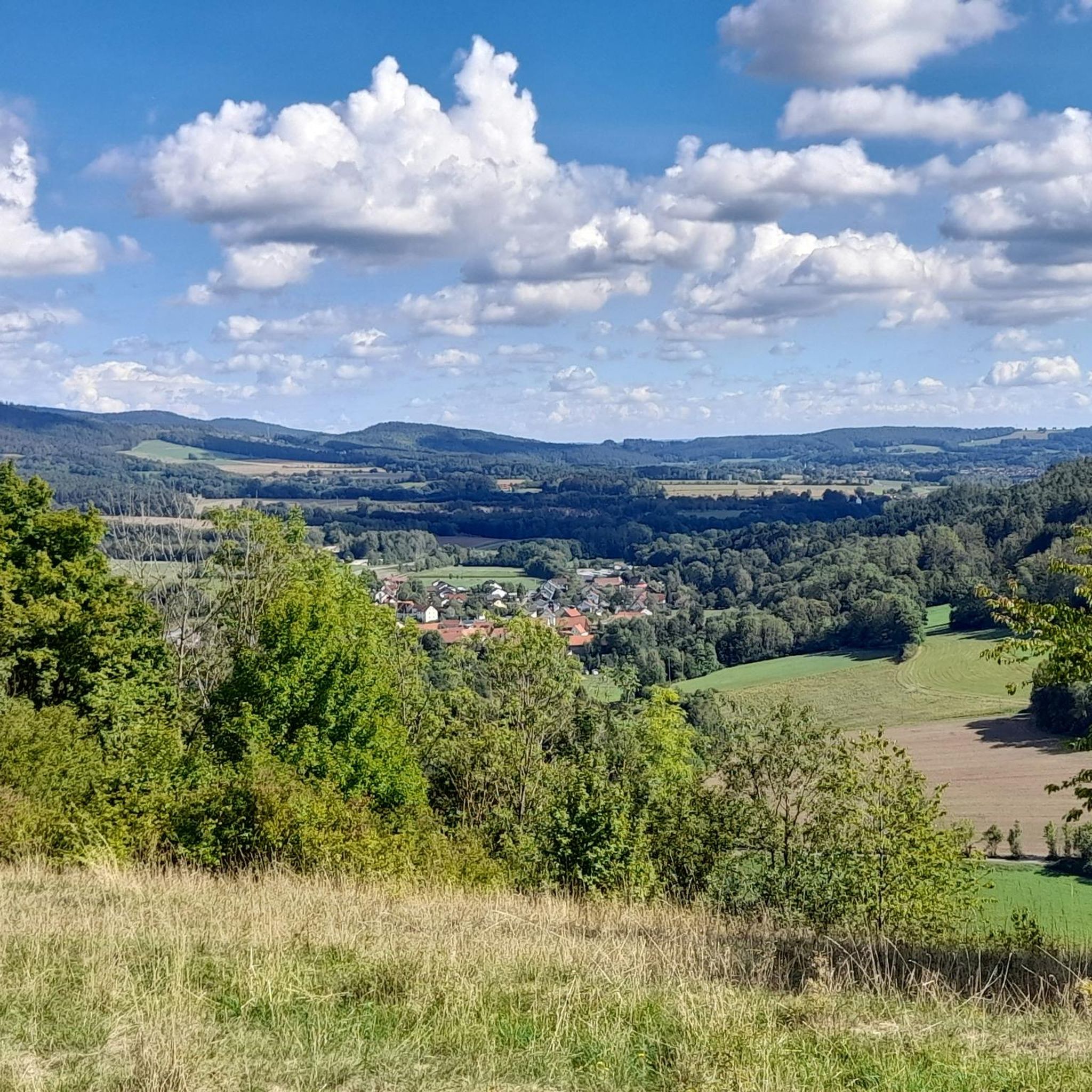
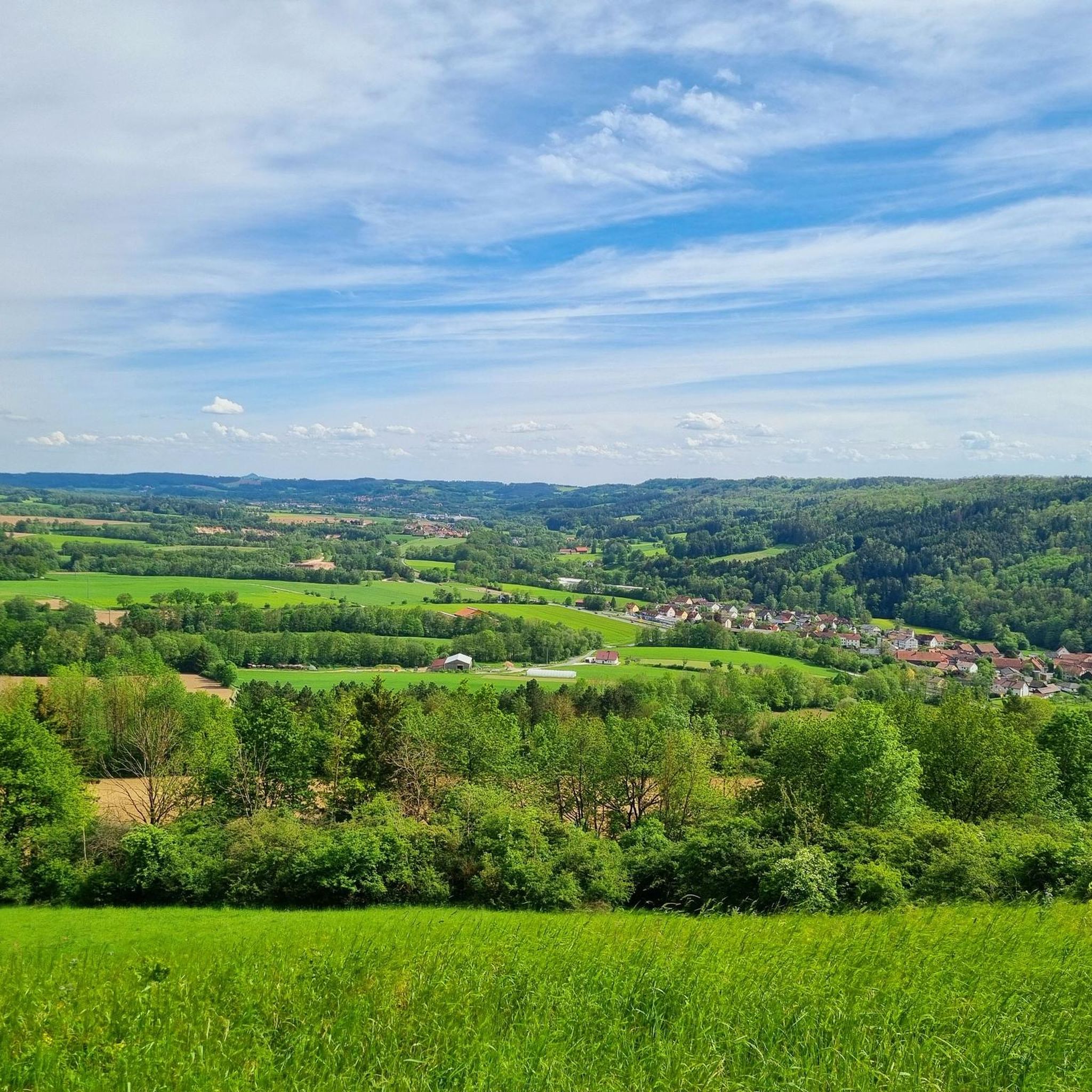
Mountain biking in Muschelkalkgebiet Am Oschenberg offers diverse terrain shaped by its shell limestone geology and the 528-meter-high Oschenberg mountain. The landscape features a mosaic of lowland hay meadows, semi-dry grasslands, and mixed deciduous forests, providing varied riding conditions. A network of tracks and paths, some remnants of past military use, contributes to an engaging biking experience across hills, plateaus, and valleys. This region is a designated nature reserve, highlighting its ecological significance.
Best mountain bike trails in Muschelkalkgebiet Am…
Last updated: October 15, 2026
5.0
(3)
10
riders
31.1km
02:13
390m
390m
Moderate mountain bike ride. Good fitness required. Advanced riding skills necessary.
4.8
(5)
25
riders
31.5km
02:58
740m
740m
Hard mountain bike ride. Good fitness required. Advanced riding skills necessary. Some portions of the route may require you to push your bike.

5.0
(2)
8
riders
49.1km
04:27
960m
960m
Hard mountain bike ride. Very good fitness required. Advanced riding skills necessary. Some portions of the route may require you to push your bike.
3
riders
Hard mountain bike ride. Very good fitness required. Advanced riding skills necessary. Some portions of the route may require you to push your bike.
4.0
(2)
4
riders
27.7km
02:27
580m
580m
Moderate mountain bike ride. Good fitness required. Advanced riding skills necessary.
Get access to more routes and recommendations from other explorers.
Already have an account?
Our route recommendations are based on thousands of hikes, rides, and runs completed by other people on komoot.
Start today with a free account
Your next adventure awaits.

Tips from the Community

Die Hohe Wacht is a traditional viewpoint with a wide view into the Steinachtal valley.
0
0

The view from this narrow ridge path is fantastic. Several benches invite you to take a break.
17
0
Narrow, rooty high-altitude trail with beautiful views.
14
0
A total of 14 Bavarian and nine German ski championships, as well as four international major events, took place at the Gebrüder-Wehrmann-Schanzen between 1949 and 1993. Due to a lack of safety facilities, the large ski jump has not been used for years. It fell into disrepair and has largely been dismantled in the meantime. The tower is still standing. The youth ski jump is currently being expanded. It is important for the training of the region's ski jumping talent. It is a million-euro investment in the Fichtelgebirge.
15
1

The Karchesweiher also includes the Karches country house. The name comes from the Weissmain blast furnace (= Karches). Built in 1706 by master smelter Johann Christoph Weller with an associated dwelling for the smelters. He processed the iron mica found in the immediate vicinity. Today it is a great excursion restaurant with a wonderful ambiance and beer garden by the lake.
10
0

The neo-Gothic sandstone church was rebuilt after the great city fire of 1836 on the site of the previous churches and consecrated in 1852.
1
0

As of 23.05.2026, unfortunately only the concrete tower remains of the ski jump. Everything else has been dismantled and is overgrown.
3
1

https://www.fichtelgebirge.bayern/detail/id=5f802f5a3e91d003a390b6b3 Scherzenmühle Museum in Weidenberg
0
0
Frequently Asked Questions
How many mountain bike trails are available in Muschelkalkgebiet Am Oschenberg?
There are over 570 mountain bike routes in Muschelkalkgebiet Am Oschenberg. These trails cater to various skill levels, with options ranging from easy to difficult.
What are the typical difficulty levels of mountain bike trails in this region?
The trails in Muschelkalkgebiet Am Oschenberg offer a good mix of challenges. You'll find approximately 59 easy routes, over 420 moderate routes, and around 90 difficult trails, ensuring options for all experience levels.
Are there any family-friendly mountain bike trails in Muschelkalkgebiet Am Oschenberg?
Yes, the region offers a selection of easier routes suitable for families. These trails often feature less challenging terrain and elevation changes, allowing for an enjoyable experience with children. Look for routes marked as 'easy' to find the most suitable options.
Can I bring my dog on the mountain bike trails?
Muschelkalkgebiet Am Oschenberg is a nature reserve, so it's important to keep dogs on a leash to protect local wildlife and ensure a pleasant experience for all trail users. Many trails are suitable for biking with a dog, provided they are well-behaved and accustomed to the activity.
What kind of landscapes and natural features can I expect to see while mountain biking here?
The region is characterized by its unique 'Muschelkalk' (shell limestone) geology, offering a mosaic of lowland hay meadows, semi-dry grasslands, and mixed deciduous forests. You'll encounter varied terrain, including hills, plateaus, and valleys, with open areas often providing panoramic views towards the Franconian Alb. The area is also a designated Natura 2000 Fauna-Flora-Habitat, home to diverse plant and animal species.
What are some notable landmarks or viewpoints along the mountain bike trails?
A prominent landmark is the Oschenberg Communication Tower, which serves as a destination for many routes. You can also explore the Muschelkalk Area at Oschenberg itself, or visit the Kreuzstein near Nemmersdorf for scenic views.
Are there any loop mountain bike trails in Muschelkalkgebiet Am Oschenberg?
Yes, many of the mountain bike routes in Muschelkalkgebiet Am Oschenberg are designed as loops, allowing you to start and finish at the same point. For example, consider the challenging North Shore of Fichtelsee – View of Fichtelsee loop from Döhlau or the moderate Döhlauer Graben Water Channel – Weirs on the Warme Steinach loop from Döhlau.
What do other mountain bikers say about the trails in Muschelkalkgebiet Am Oschenberg?
The mountain bike trails in Muschelkalkgebiet Am Oschenberg are highly rated by the komoot community, with an average score of 4.6 stars from over 1300 reviews. Riders often praise the varied terrain, scenic beauty, and the extensive network of paths that cater to different skill levels.
Where can I find parking for mountain biking in Muschelkalkgebiet Am Oschenberg?
Designated parking areas are available at common starting points for trails around the Oschenberg. Specific parking information can often be found in the details of individual komoot tours, or by checking local signage near popular access points.
Are there any cafes or places to eat near the mountain bike trails?
While the immediate nature reserve is primarily natural, you can find cafes and restaurants in nearby towns and villages such as Goldkronach, Döhlau, or Bayreuth. These locations are often convenient starting or ending points for your rides and offer opportunities for refreshments.
What is the best time of year for mountain biking in Muschelkalkgebiet Am Oschenberg?
Spring, summer, and early autumn generally offer the best conditions for mountain biking. During these seasons, the weather is typically mild, and the trails are less likely to be muddy or covered in snow. Always check local weather forecasts before heading out.
Are there any regulations or permits required for mountain biking in the nature reserve?
As Muschelkalkgebiet Am Oschenberg is a designated nature reserve and Natura 2000 area, it's important to stay on marked trails to protect the sensitive ecosystems and wildlife. Generally, no specific permits are required for mountain biking on public trails, but always respect local signage and conservation rules.
Most popular routes in Muschelkalkgebiet Am Oschenberg
Most popular attractions in Muschelkalkgebiet Am Oschenberg

Get inspired with the komoot mobile app


Explore more
Browse the best MTB trails in other regions.
