The 7 Most Amazing Peaks in Naturschutzgebiet - Ostteil Des Toten Gebirges
Best mountain peaks in Naturschutzgebiet - Ostteil Des Toten Gebirges are part of the larger Totes Gebirge range in Austria. This region is characterized by its dramatic limestone karst landscapes, diverse flora, and unique geological features, including hundreds of caves and gorges. Designated as a nature reserve, it offers extensive hiking and mountaineering opportunities within a protected area. The area provides varied terrain, from subalpine forests to alpine meadows, making it a notable destination for outdoor exploration.
Best mountain peaks…
Last updated: August 29, 2026
Schrocken Summit
Highlight • Summit
Translated by Google •
Tip by

Nazogl Summit
Highlight • Summit
Translated by Google •
Tip by

Sign up now to discover places like this
Get recommendations on the best single tracks, peaks, & plenty of other exciting outdoor places.
Sign up for free
Traweng
Highlight • Summit
Translated by Google •
Tip by

Hirscheck Summit
Highlight • Summit
Translated by Google •
Tip by

Großes Tragl Summit
Highlight • Summit
Translated by Google •
Tip by

Sign up for free to discover even more peaks in Naturschutzgebiet - Ostteil Des Toten Gebirges.
Sign up for free
Already have an account?
Start today with a free account
Your next adventure awaits.
Login or Signup
Popular around Naturschutzgebiet - Ostteil Des Toten Gebirges
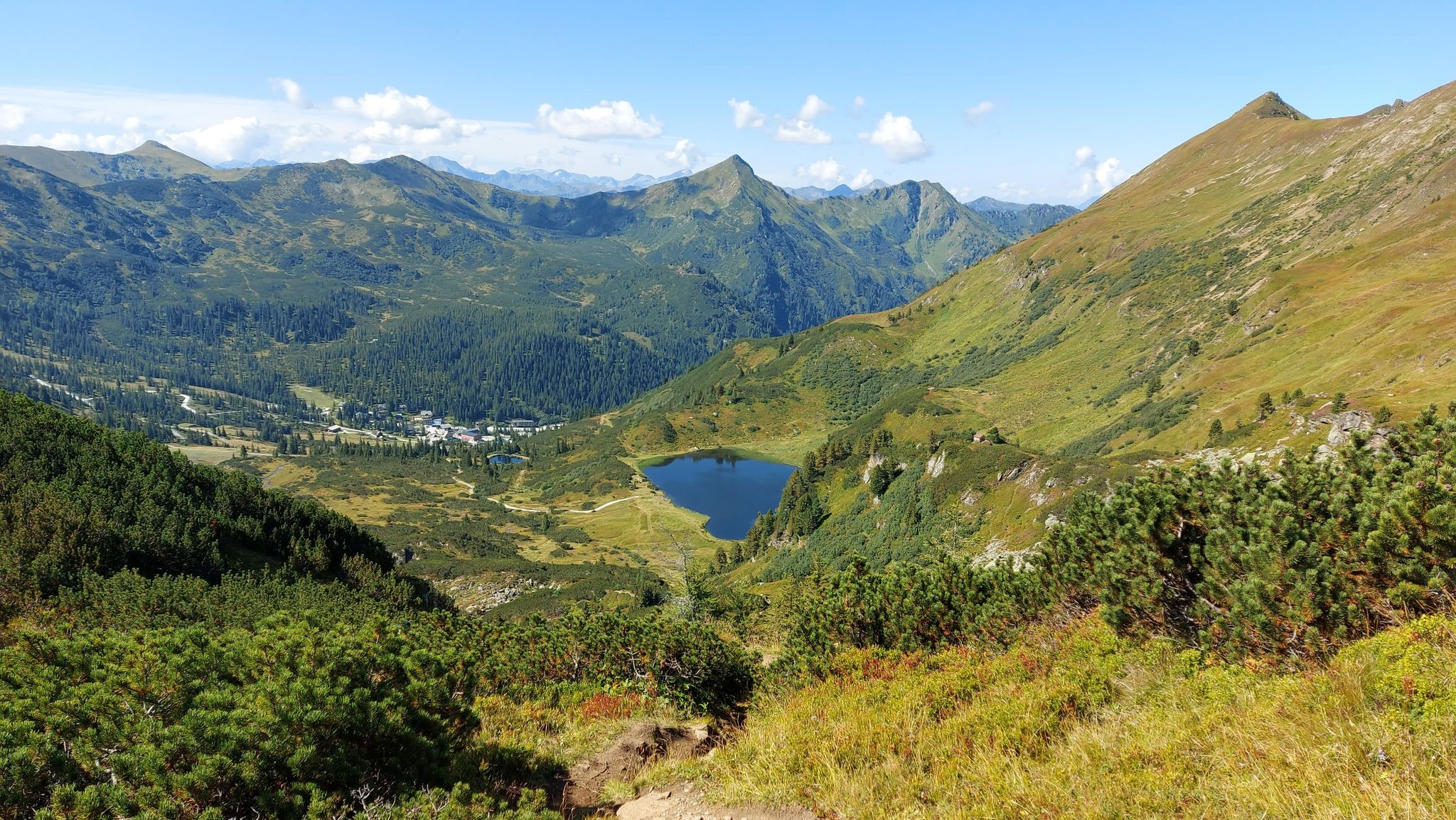
Austria's Salt Trail – On old paths through Styria
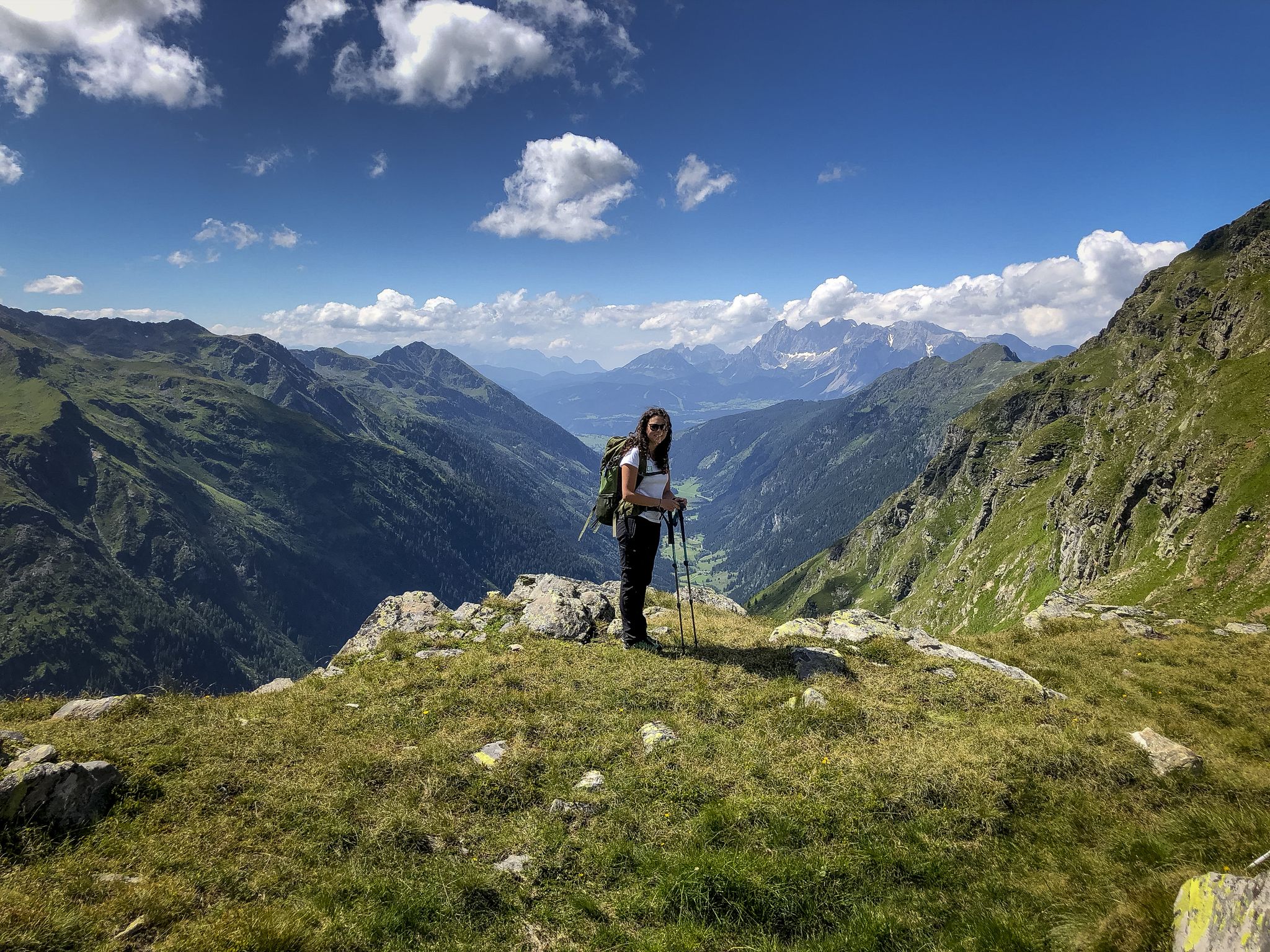
Discover Styria in Austria on foot – ‘From Glacier to Wine’ North Route
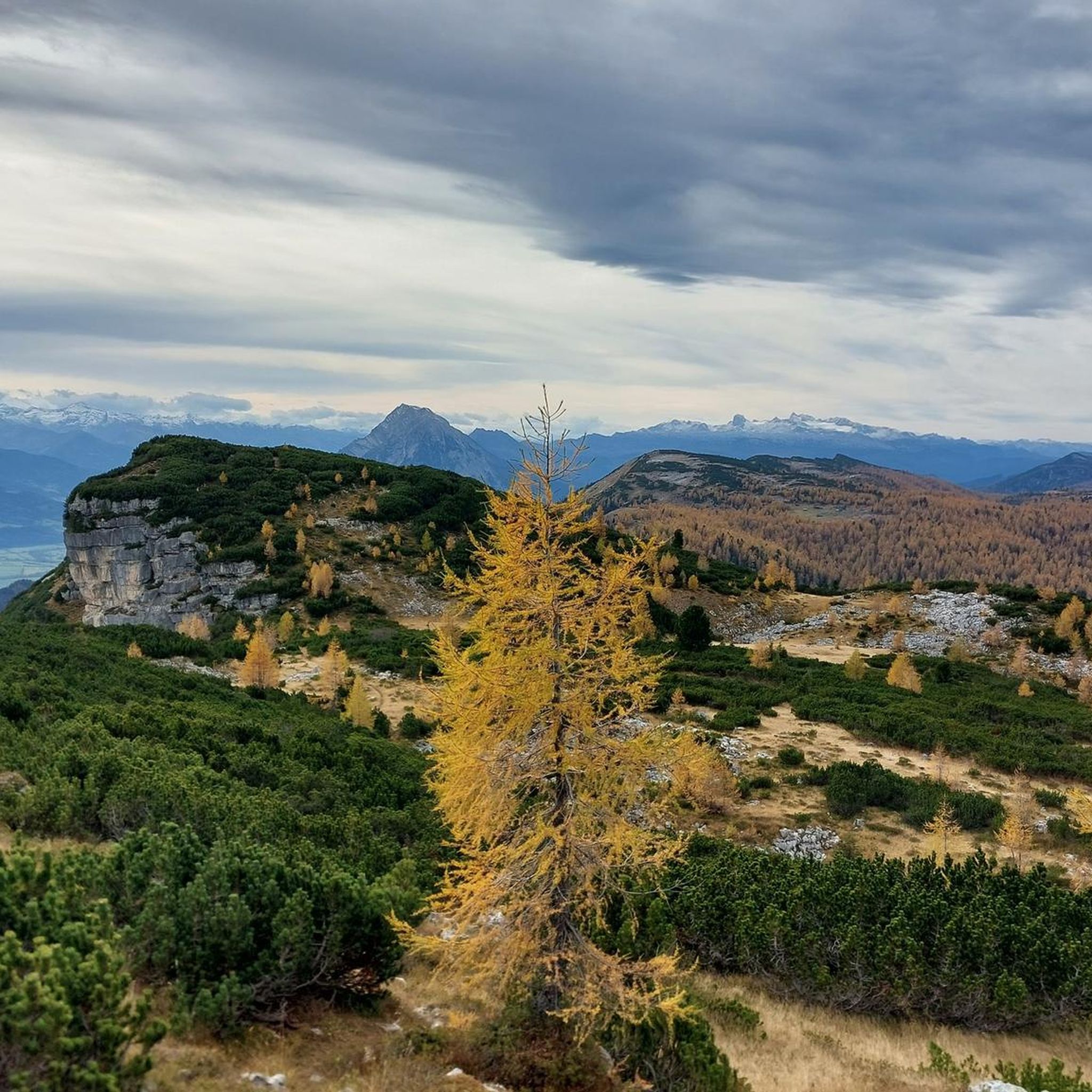
Hiking in Naturschutzgebiet - Ostteil Des Toten Gebirges
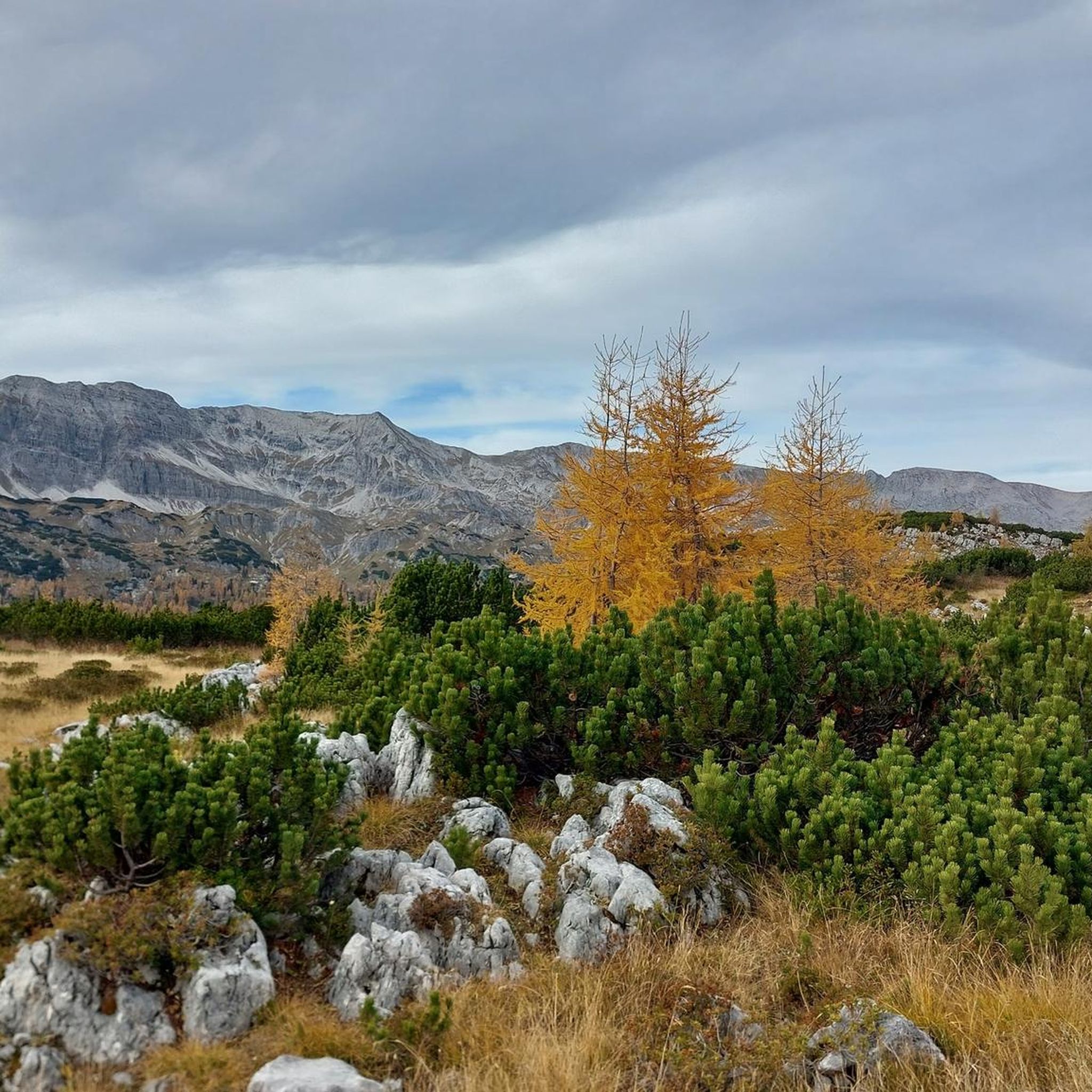
MTB Trails in Naturschutzgebiet - Ostteil Des Toten Gebirges
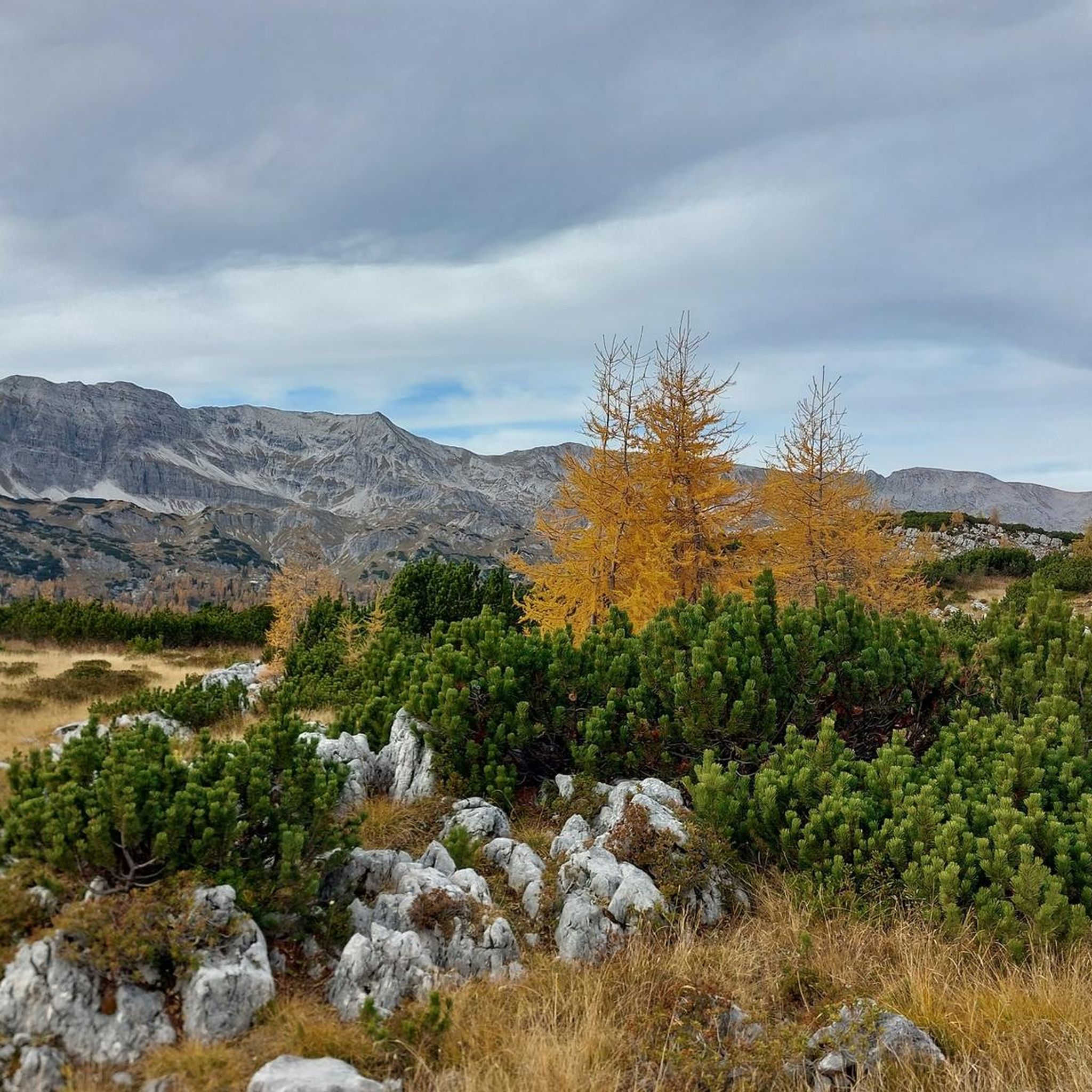
Road Cycling Routes in Naturschutzgebiet - Ostteil Des Toten Gebirges
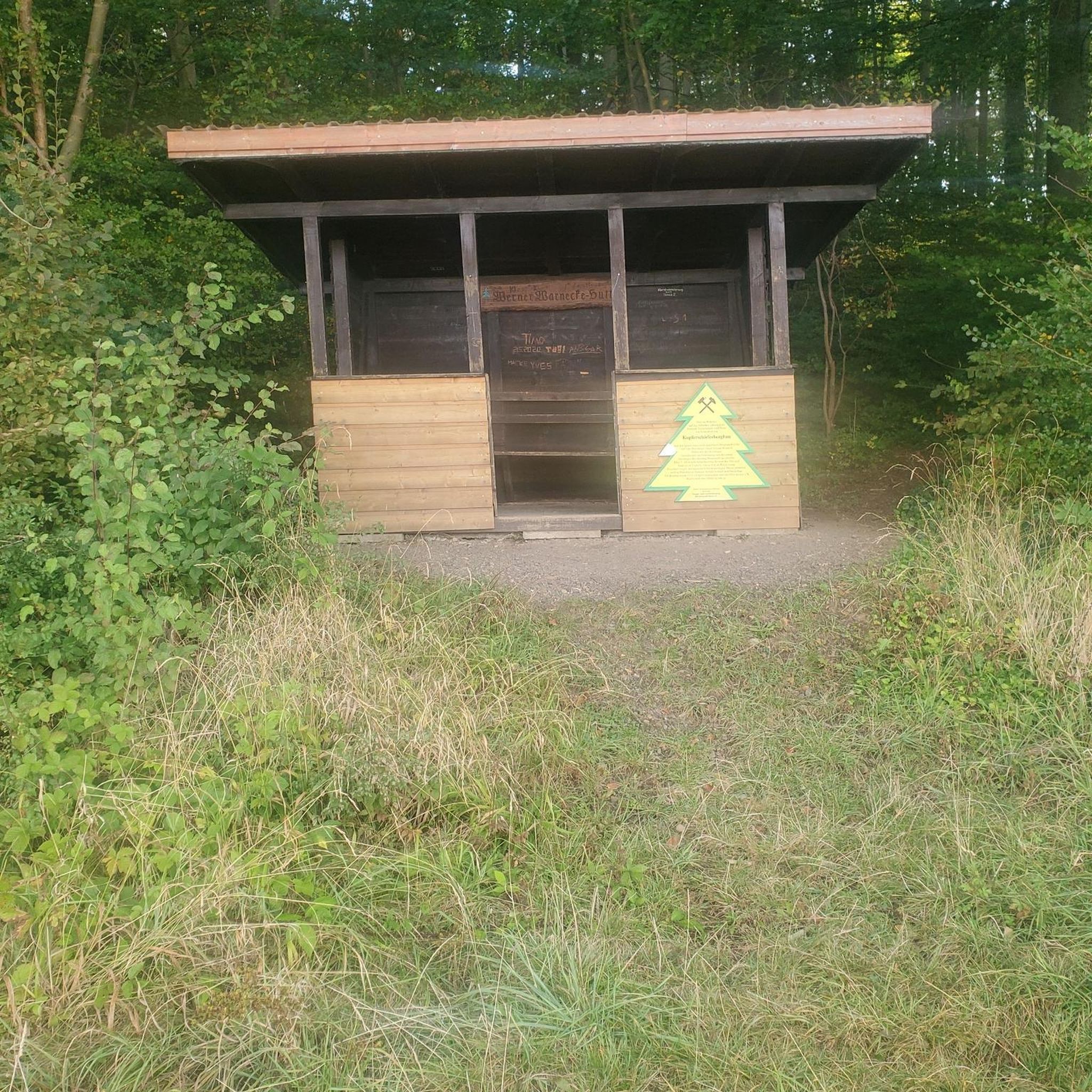
Mountain Hikes in Naturschutzgebiet - Ostteil Des Toten Gebirges
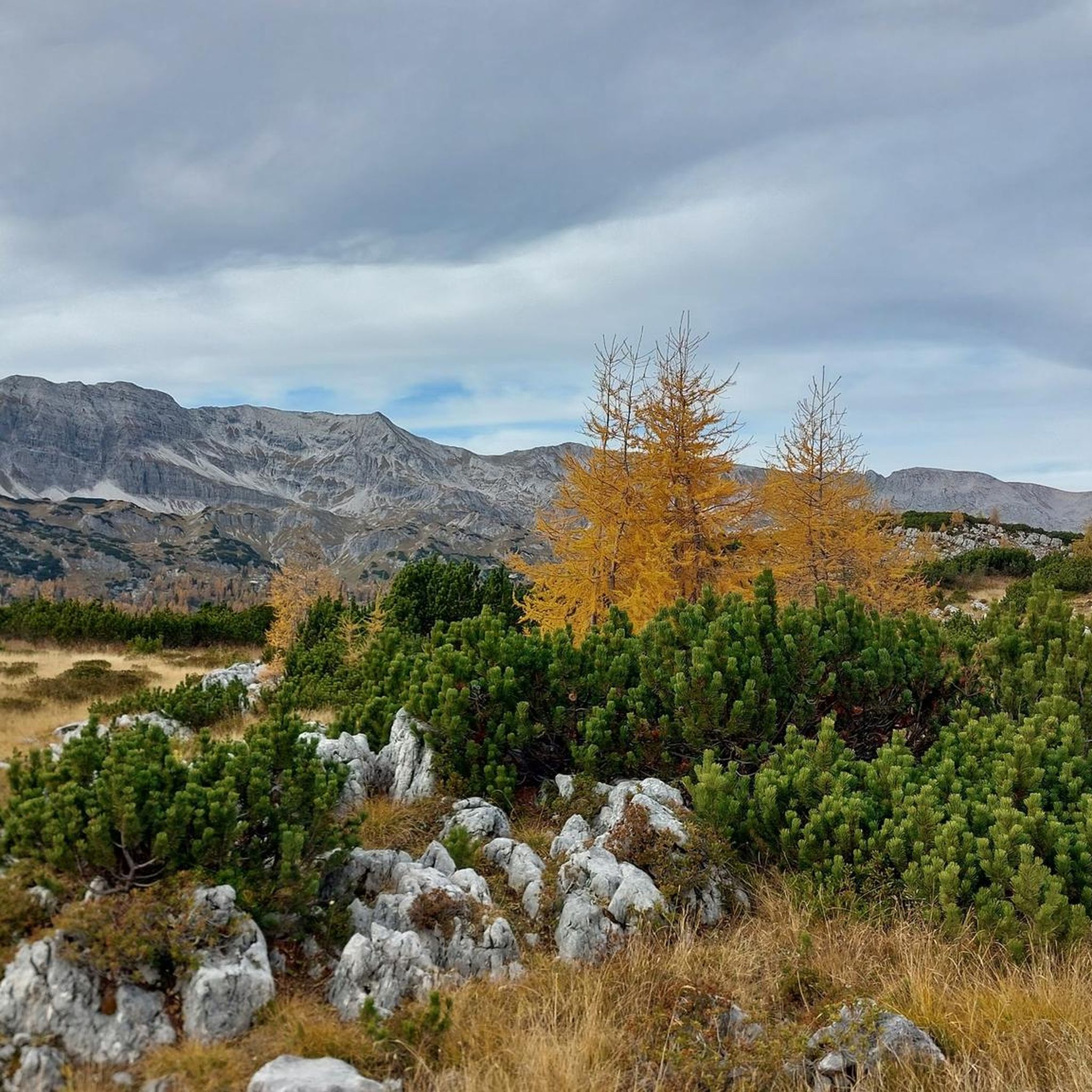
Cycling in Naturschutzgebiet - Ostteil Des Toten Gebirges

Gravel biking in Naturschutzgebiet - Ostteil Des Toten Gebirges
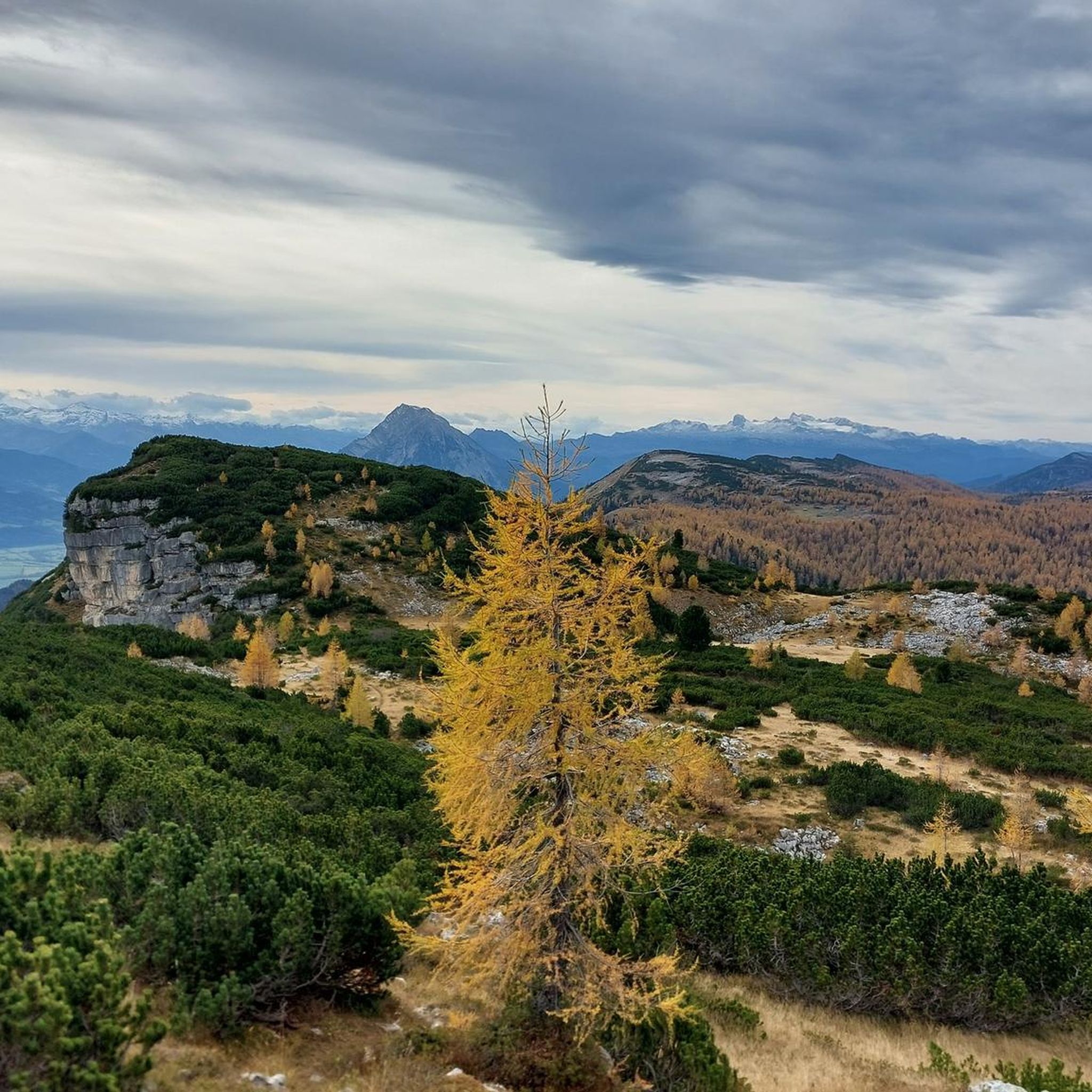
Running Trails in Naturschutzgebiet - Ostteil Des Toten Gebirges
Other adventures in Naturschutzgebiet - Ostteil Des Toten Gebirges


Tips from the Community

Attention sinkholes! Only hike in good visibility!
0
0

Great view of the Totes Gebirge, Tauplitz, Dachstein
0
0

Great climb, you should be sure-footed and not afraid of heights.
0
0


Beautiful view of the Warscheneck; access/descent to Höss with some rope-secured sections.
0
0

Großes Tragl 2184m 🤩 very nice but strenuous tour ❤️
0
0


Partly involving rock climbing, you reach the summit of the Nazogl and are rewarded with a magnificent view. From here, you reach the next summit, Angerkogel, in a few meters of altitude. The detour to the Kossenspitz with its great view is also really worthwhile. I highly recommend the hike at the end of October when the larches are changing color intensively - a dream.
0
0
Frequently Asked Questions
What are some popular mountain peaks for hiking in the Naturschutzgebiet - Ostteil Des Toten Gebirges?
The region offers several popular and rewarding peaks. For extensive panoramic views, consider Hochmölbing Summit (2,336 m) or Warscheneck (2,388 m), the highest in its group. Nazogl Summit is also highly recommended, especially in autumn when the larches change color, offering a magnificent view of the Ennstal.
What is the typical terrain and difficulty of mountain peaks in this nature reserve?
The terrain in the Naturschutzgebiet - Ostteil Des Toten Gebirges is predominantly characterized by dramatic limestone karst landscapes. Many peaks involve challenging ascents with rocky sections, scree, and sometimes even snow fields, requiring sure-footedness and good footwear. For example, Großes Tragl Summit involves climbing over rocks and scree, while Schrocken Summit has rope-secured sections. Some routes also feature via ferrata-like elements.
What kind of natural features and viewpoints can I expect to see from the peaks?
From the mountain peaks, you can expect breathtaking 360° panoramas. Warscheneck offers views over large parts of Upper Austria, Lower Austria, Styria, and Salzburg. From Hochmölbing Summit, you can see the surrounding Totes Gebirge, the Weissenbacher Mauern, and the distant Dachstein Massif. The region is also known for its unique karst formations, diverse flora, and subalpine forests transitioning to alpine meadows.
When is the best time to visit the mountain peaks in the Naturschutzgebiet - Ostteil Des Toten Gebirges?
The best time for hiking and mountaineering is generally from late spring to early autumn (May to October). During this period, the trails are typically free of snow, and the weather is more stable. Late October is particularly beautiful for peaks like Nazogl Summit when the larches change color. Winter offers opportunities for ski touring, but requires specific equipment and avalanche awareness.
Are there any specific seasonal considerations for hiking these peaks?
Yes, seasonal conditions are important. In spring, some higher-altitude trails may still have snowfields, especially on north-facing slopes, as noted for Großes Tragl Summit. Autumn brings stunning colors but also shorter days and potentially colder weather. Winter hiking and ski touring are popular but demand proper gear, experience, and awareness of avalanche risks. Always check local weather and trail conditions before heading out.
Are there any family-friendly mountain peaks or less challenging options in the region?
While many peaks in the Naturschutzgebiet - Ostteil Des Toten Gebirges are challenging, Rote Wand (1,872 m) offers a more accessible hiking experience with well-marked trails and a rewarding 360° panorama, making it a good option for those seeking a less strenuous climb. For easier walks, consider trails around the base of the mountains or in the lower alpine meadows.
What outdoor activities can I do near these mountain peaks?
Beyond peak bagging, the region offers a variety of outdoor activities. You can explore numerous mountain hikes, including challenging routes like the Traweng Summit Cross loop. There are also running trails, such as the Großsee Lakeside Trail, and road cycling routes like the Tauplitzalm parking lot loop.
What do visitors enjoy most about the mountain peaks in Naturschutzgebiet - Ostteil Des Toten Gebirges?
Visitors consistently praise the magnificent and wonderful panoramic views from the summits, such as those from Nazogl Summit and Hirscheck Summit. The challenging yet rewarding nature of the climbs, the diverse terrain, and the opportunity to observe rare plants and fossils in the karst formations are also highly appreciated. The changing colors of the larches in autumn are a particular highlight for many.
Are there any specific regulations or permits required for hiking in the nature reserve?
As a designated nature reserve and Natura 2000 area, specific regulations are in place to protect the environment. While general hiking on marked trails typically doesn't require special permits, it's crucial to stay on designated paths, respect wildlife, and avoid disturbing the natural habitat. Always check local guidelines for any specific restrictions, especially concerning protected areas or during certain seasons.
Where can I find accommodation or places to eat near the mountain peaks?
The region is well-developed for tourism. You can find mountain huts like the Hochmölbinghütte, which serves as a charming starting point or resting spot for tours. Areas like Wurzeralm and Tauplitz provide access to the base of some peaks and offer various amenities, including accommodation, cafes, and restaurants. These facilities are generally available to support hikers and mountaineers in the area.
What are the highest peaks in the Naturschutzgebiet - Ostteil Des Toten Gebirges?
Within or immediately bordering the eastern part of the Totes Gebirge nature reserve, Warscheneck stands as the highest peak in its group at 2,388 m. Other significant peaks include Hochmölbing Summit (2,336 m), Almkogel (2,116 m), and Angerkogel (2,114 m), all offering impressive alpine experiences.
Is it possible to see wildlife while hiking the mountain peaks?
Yes, the Naturschutzgebiet - Ostteil Des Toten Gebirges is a protected area and a Natura 2000 site, supporting diverse wildlife. While hiking, you might spot various species, including deer, rodents, bats, and numerous bird species. The subalpine forests and alpine meadows provide habitats for this rich biodiversity, making wildlife spotting a possibility, especially during quieter times.
Most popular routes in Naturschutzgebiet - Ostteil Des Toten Gebirges
Most popular attractions in Naturschutzgebiet - Ostteil Des Toten Gebirges

Get inspired with the komoot mobile app


Explore more
See even more amazing summits in Naturschutzgebiet - Ostteil Des Toten Gebirges with these guides:
