The best cycling routes in Ócsai Tájvédelmi Körzet
3.7
(26)
258
riders
1
ride
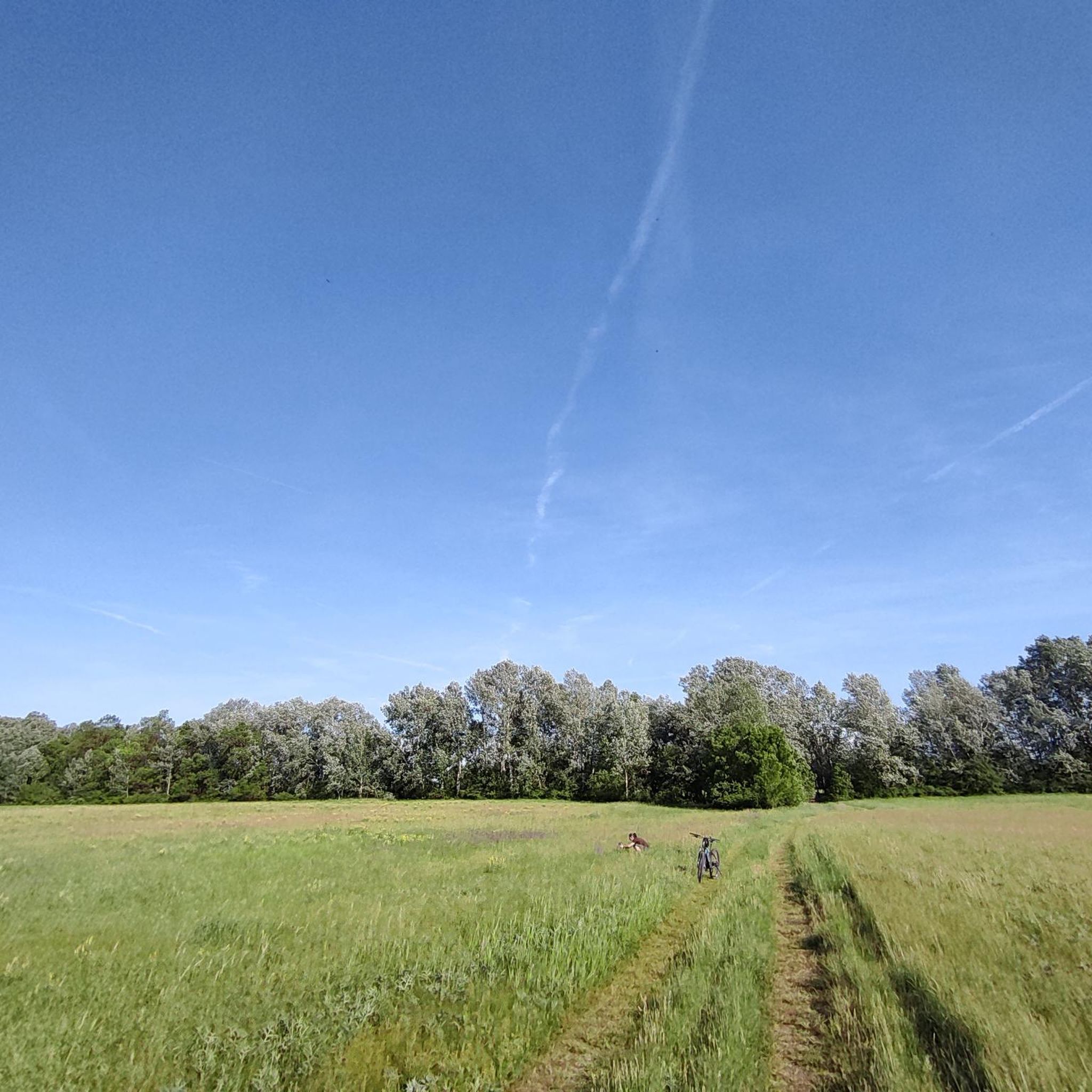
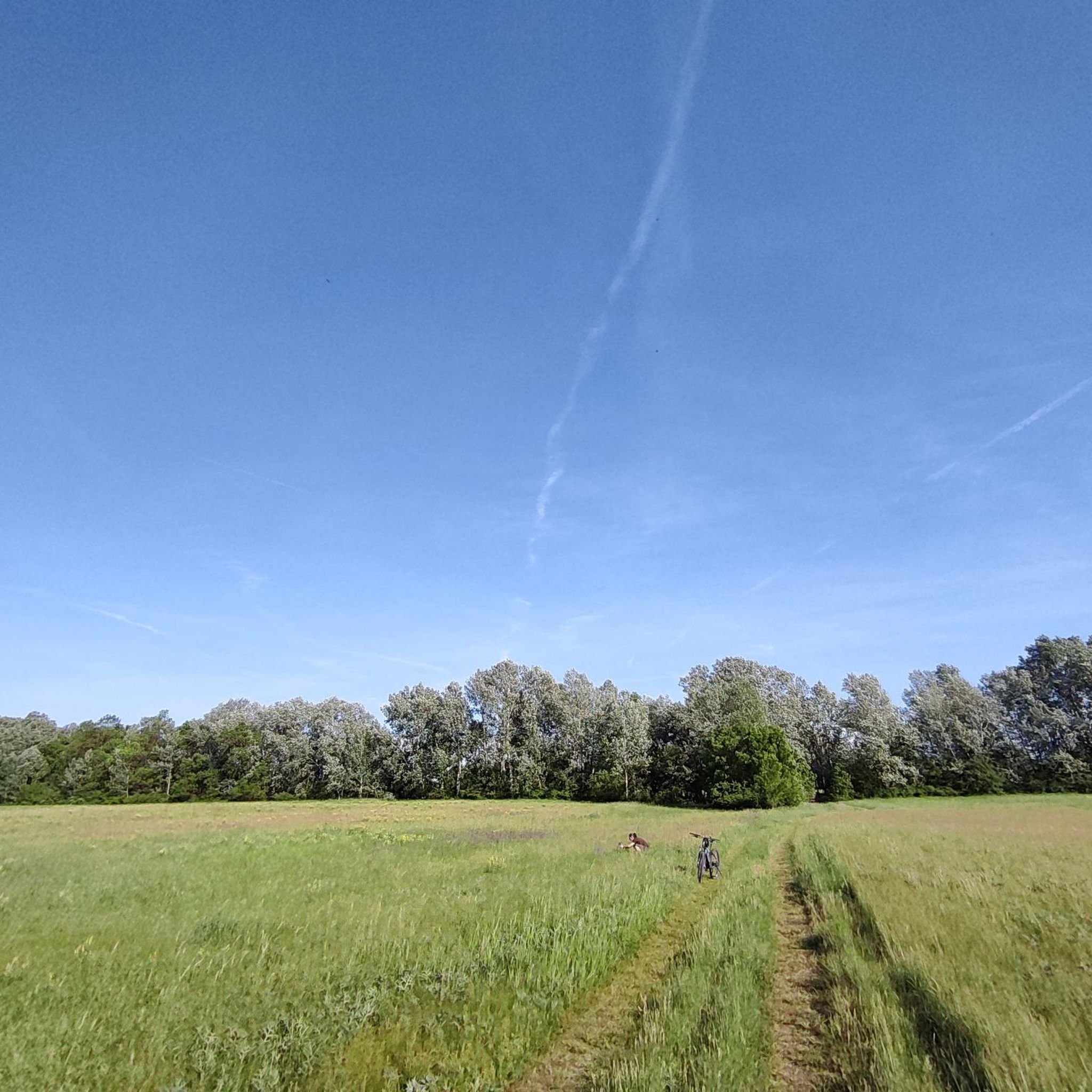
Touring cycling routes in Ócsai Tájvédelmi Körzet traverse a diverse "mosaic" landscape, approximately 30-35 km southeast of Budapest. The region features a mix of open waters, reed beds, meadows, forests, and steppe grasslands, characteristic of the Danube-Tisza Interfluve. Paths often include mostly paved surfaces, with some manageable unpaved segments, offering varied terrain for cyclists. This area is known for its unique wetland ecosystems and cultural attractions.
Best touring cycling routes in Ócsai Tájvédelmi Körzet
- The most popular touring cycling route is Pálóczi-Horváth Castle 🏰 – Örkény Memorial 🌳🏘️ loop from Gyón, a 27.1 miles (43.5 km) trail that takes 2 hours 30 minutes to complete. This moderate route explores historical sites and memorial areas.
- Another top favourite among local touring cyclists is View of the Danube River – Well-Surfaced Bike Path loop from Dunaharaszti, a moderate 21.7 miles (34.9 km) path. This route offers views of the Danube River along well-maintained surfaces.
- Local touring cyclists also love the Ráckevei Danube Branch Bridge – Floating Bog Nature Trail loop from Dunaharaszti, a 12.1 miles (19.5 km) trail leading through unique wetland areas, often completed in about 1 hour 11 minutes.
- Touring cycling in Ócsai Tájvédelmi Körzet is defined by its wetlands, diverse forests, and steppe grasslands. The network offers options for different ability levels, from easy paths to more moderate routes.
- The routes in Ócsai Tájvédelmi Körzet are highly rated by the komoot community with an average score of 3.8 stars from over 16 reviews. More than 200 touring cyclists have used komoot to explore Ócsai Tájvédelmi Körzet's varied terrain.
Last updated: July 15, 2026
3.0
(1)
5
riders
43.5km
02:31
80m
80m
Moderate bike ride. Good fitness required. Mostly paved surfaces. Suitable for all skill levels.
4.1
(11)
127
riders
Moderate bike ride. Good fitness required. Mostly paved surfaces. Suitable for all skill levels.

Sign up for free
3.0
(3)
12
riders
Easy bike ride. Great for any fitness level. Mostly paved surfaces. Suitable for all skill levels.
5.0
(1)
6
riders
Easy bike ride. Great for any fitness level. Mostly paved surfaces. Suitable for all skill levels.
2
riders
9.95km
00:36
30m
30m
Easy bike ride. Great for any fitness level. Mostly paved surfaces. Suitable for all skill levels.
Our route recommendations are based on thousands of hikes, rides, and runs completed by other people on komoot.
Start today with a free account
Your next adventure awaits.
Login or Signup
Popular around Ócsai Tájvédelmi Körzet
Tips from the Community

Nice family-run hotel in Budapest. It is located directly on the Danube cycle path.
1
0
Delicious fresh fish to eat. Very nicely located on the banks of the Ráckevei-Danube.
1
0


The riverside trail is named after the olympian who probably practiced on this perfect Danube side arm. György "Kolo" Kolonics (4 June 1972 – 15 July 2008) was a Hungarian sprint canoeist who won two gold and two bronze medals at four Summer Olympics. He also won a record fifteen gold medals at the ICF Canoe Sprint World Championships. He died from cardiac arrest while preparing for his fifth Olympics
4
0

It was originally supposed to be completed for Expo 95. It was built between 1992 and 1995 to relieve the pressure on the Petőfi Bridge. It is located right next to the Southern Railway Bridge and weighs 6,800 tons. It has five 35 meter high mast pylons in the bridge axis, at the tips of which protruding light reflectors are attached for illumination.
4
0

The beautiful Danube Bridge, which also has a lane for cyclists and pedestrians completely separated from cars. The pedestrian exit from the S-Bahn crossing below on the central side is designed as a viewing platform.
4
0

at night a beautiful view of the Danube and the theater
1
0
Frequently Asked Questions
How many touring cycling routes are available in Ócsai Tájvédelmi Körzet?
Komoot offers a selection of touring cycling routes in Ócsai Tájvédelmi Körzet, with over 200 touring cyclists having explored the area using komoot. The routes are highly rated by the community, averaging 3.8 stars.
What are the typical difficulty levels of touring cycling routes in the area?
The routes in Ócsai Tájvédelmi Körzet cater to various abilities. You'll find a mix of easy and moderate paths. For example, the Ráckevei Danube Branch Bridge – Floating Bog Nature Trail loop from Dunaharaszti is an easy route, while the Pálóczi-Horváth Castle 🏰 – Örkény Memorial 🌳🏘️ loop from Gyón is considered moderate.
Are there any family-friendly cycling options in Ócsai Tájvédelmi Körzet?
Yes, the region offers options suitable for families. Many paths have mostly paved surfaces, making them manageable. Additionally, the Selyem-réti Tanösvény (Silk Meadow Nature Trail) is an easily accessible walking trail through a marsh forest, suitable for strollers and balance bikes, which can be a great complement to a family cycling trip.
What kind of landscapes can I expect to see while cycling?
Ócsai Tájvédelmi Körzet is known for its diverse 'mosaic' landscape. You'll cycle through open waters, reed beds, meadows, forests, and steppe grasslands. The area is a remnant of historical wetlands, featuring unique alder bogs with 'legged alders' and gallery forests, offering continuously changing scenery.
What cultural and historical attractions can I visit along the cycling routes?
The area is rich in cultural heritage. You can explore the remarkable 12th-13th century Romanesque Premonstratensian Abbey Church, the traditional 18th-century folk architecture of Ócsa Old Village, and the Ócsa Tájház (Local History Museum). Don't miss the Öreg-hegyi Pincesor, a unique cellar row with characteristic Great Plain-style cellars.
When is the best time of year for touring cycling in Ócsai Tájvédelmi Körzet?
Spring is particularly beautiful, showcasing vibrant flora like various orchid species, Siberian iris, and gentian. The varied terrain and natural beauty make it enjoyable throughout the warmer months, but spring offers unique botanical sights.
Are there any circular cycling routes available?
Yes, many routes in the region are designed as loops. For instance, the View of the Danube River – Well-Surfaced Bike Path loop from Dunaharaszti and the Well-Surfaced Bike Path – View of the Danube River loop from Dunaharaszti are popular circular options.
What kind of wildlife might I encounter while cycling?
The diverse habitats support rich animal life. You might spot rare and protected species such as the common spadefoot toad, European pond turtle, fire-bellied toad, white-tailed eagle, and black stork. Encounters with turtles, frogs, and snakes are possible, especially in the Ócsa marshland.
Are there any newly developed cycling paths in the region?
A new cycling path, inaugurated in 2025, connects the historic Old Village of Ócsa with its Árpád-era church and the Öreghegy cellar row, traversing the Turján region. This path features gravel surfaces, rest stops, and bike service points, specifically catering to cyclists exploring the protected area.
Where can I find parking for my car when starting a cycling tour?
While specific parking locations for each route are not detailed here, the Ócsa Tájház (Local History Museum) in the Old Village serves as a good starting point for exploring the protected area and its trails, and typically offers visitor parking.
What are some unique natural features of the Ócsai Tájvédelmi Körzet?
The area is one of the last remnants of the extensive marshlands of the Danube-Tisza Interfluve, known as 'turjánvidék'. Its most valuable parts, especially the Turjános, are recognized under the Ramsar Convention due to their unique botanical and zoological richness, characterized by fens, marshes, reed beds, and fresh meadows.
Are there any routes that offer views of the Danube River?
Yes, some routes provide scenic views of the Danube. The View of the Danube River – Well-Surfaced Bike Path loop from Dunaharaszti is a popular choice that offers such vistas along well-maintained surfaces.
Most popular routes in Ócsai Tájvédelmi Körzet

Get inspired with the komoot mobile app


Explore more
Browse the best Cycling routes in other regions.
