Top 11 Caves around Heidweiler
Best caves around Heidweiler are found within a region of Germany characterized by diverse geological formations and historical underground sites. This area, situated in Rhineland-Palatinate and the Bernkastel-Wittlich district, features both natural caves and ancient man-made excavations. Visitors can explore sites ranging from Roman-era mines to secluded natural grottoes. The landscape offers a blend of geological interest and historical significance.
Best caves around Heidweiler
- The most popular caves is Klausen Cave (Hermit's Cave), a cave known for its secluded…
Last updated: May 9, 2026
Klausen Cave (Hermit's Cave)
Highlight • Cave
Translated by Google •
Tip by

Roman copper mine and quarry Pützlöcher
Highlight • Historical Site
Translated by Google •
Tip by

Sign up now to discover places like this
Get recommendations on the best single tracks, peaks, & plenty of other exciting outdoor places.
Sign up for free
Silvester Cave
Highlight • Cave
Translated by Google •
Tip by

Marian Grotto in the Eifel Cliffs
Highlight • Religious Site
Translated by Google •
Tip by

Hexenley Rock Formation
Highlight • Natural Monument
Additional information:
kulturdb.de/einobjekt.php?id=23672
Translated by Google •
Tip by

Sign up for free to discover even more caves around Heidweiler.
Sign up for free
Already have an account?
Start today with a free account
Your next adventure awaits.
Login or Signup
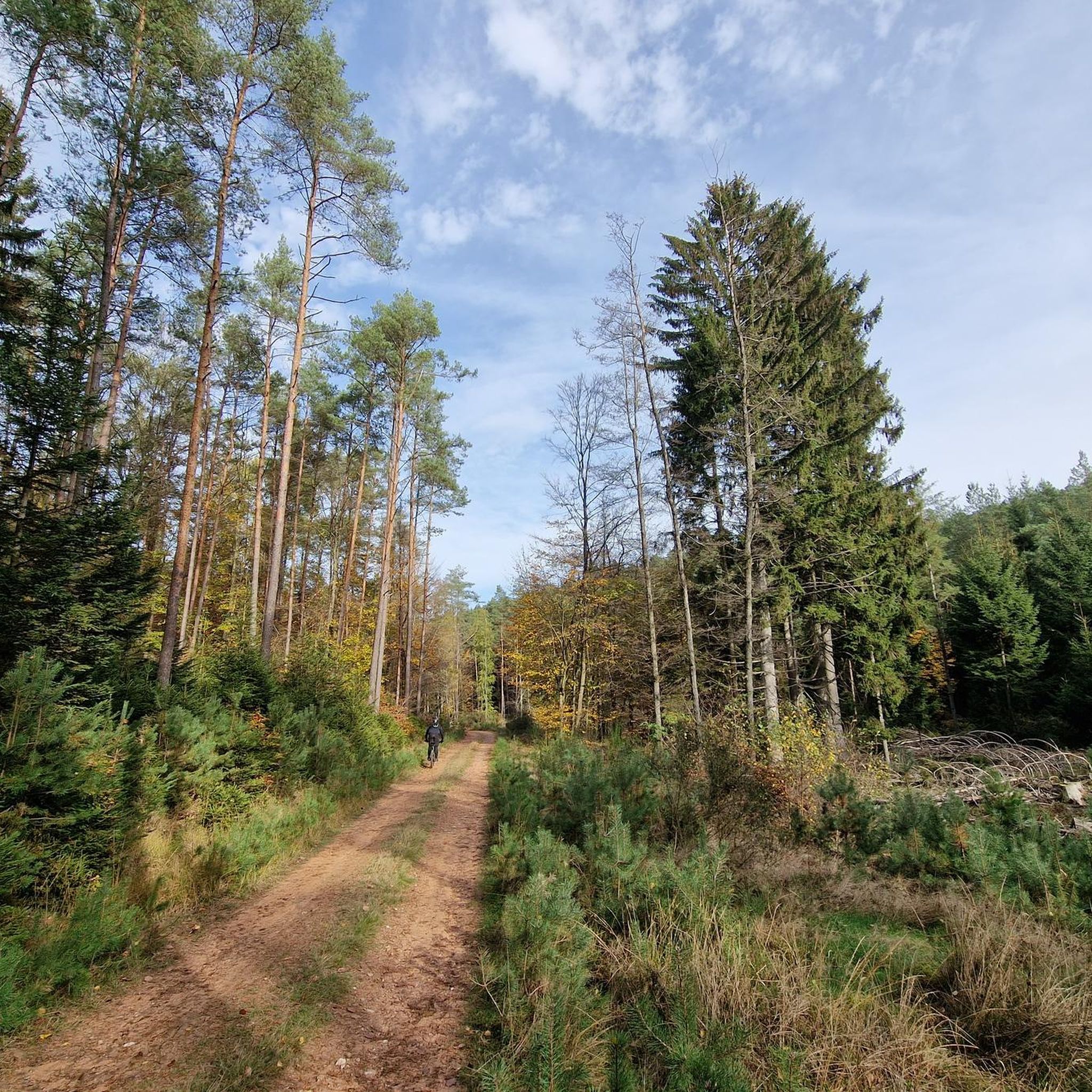
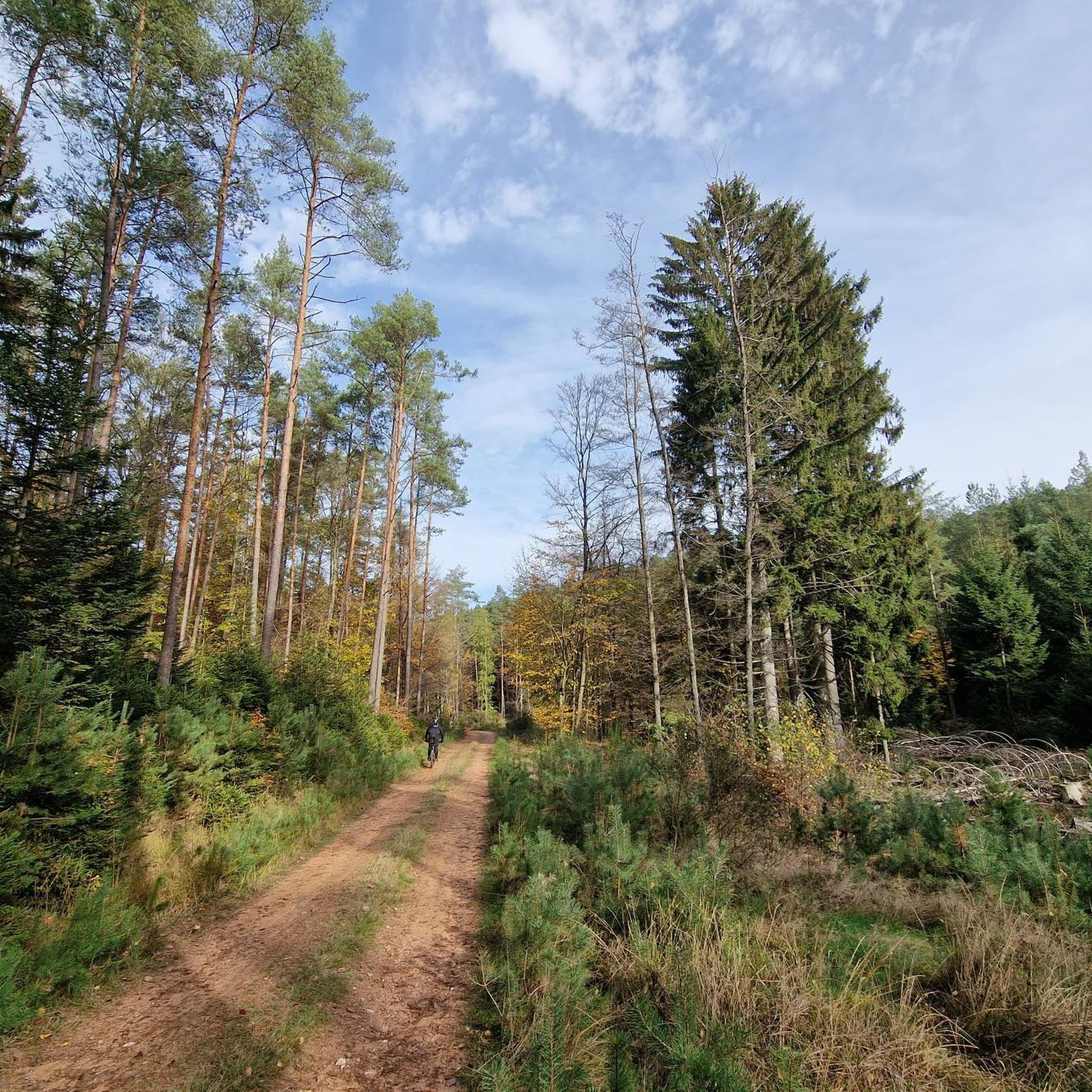
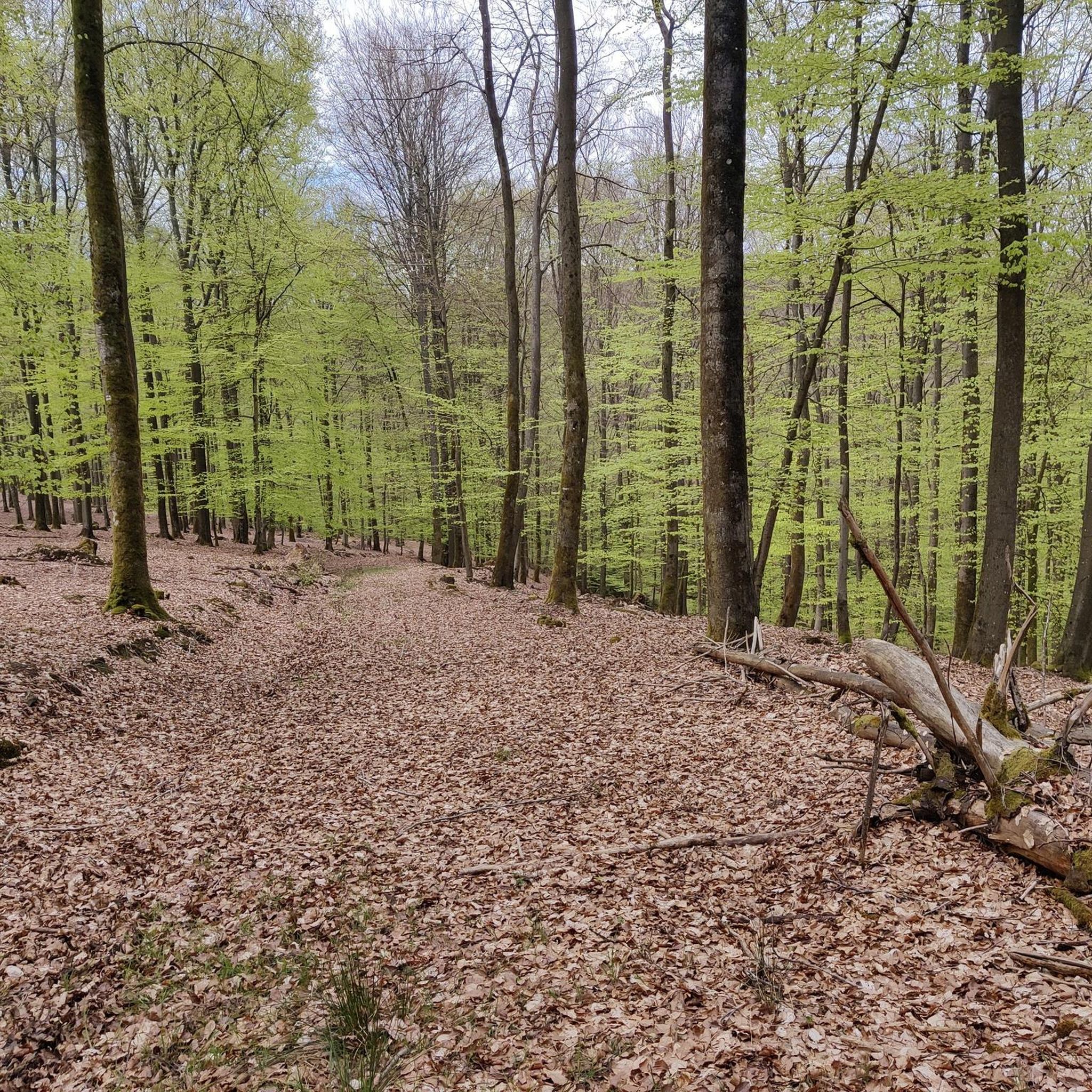
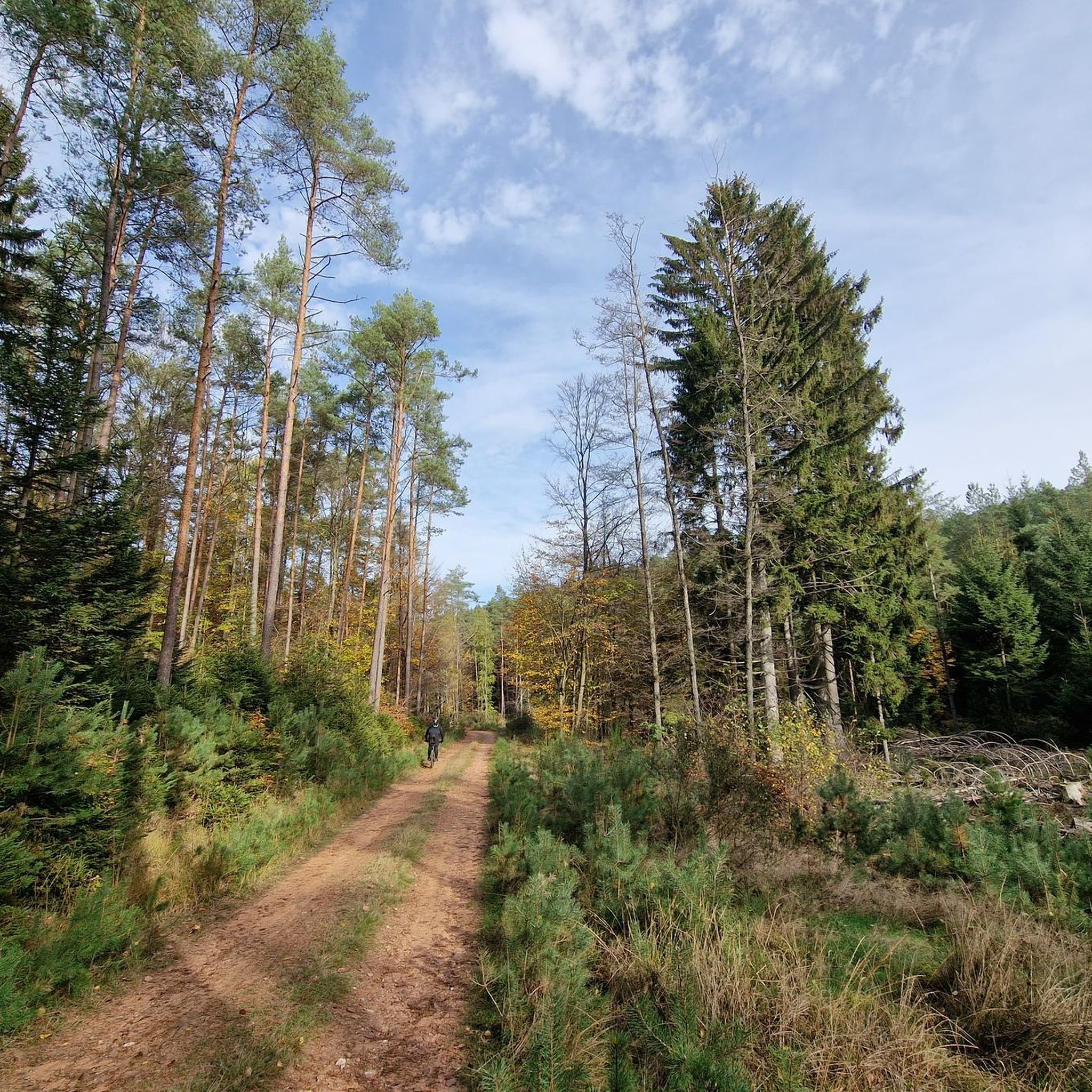
Tips from the Community

Even today, blocks of stone with Roman numerals and inscriptions can be found in the mine. It is believed that quarrying continued into the 3rd century, as a coin of Emperor Maximinus Thrax was found in the tunnel. Much later, in the 18th century, the search for ore and copper resumed using state-of-the-art blasting techniques, creating new tunnels approximately 114 meters deep. However, the main tunnel collapsed during this process. Source: https://eifelfuehrer.de/touristische-ziele/geschichtliche-zeugnisse/puetzloecher
9
0
The Roman copper mine "Pützlöcher," located between Kordel and Butzweiler, is one of the oldest in Germany and means "waterhole." Here, in the 2nd century, ores such as malachite and azurite were mined at a depth of 20 meters. However, these ores were not found in large deposits, so the Romans later focused on the nearby quarry. The stones from this quarry were used, among other things, for the construction of the Porta Nigra. Source: https://eifelfuehrer.de/touristische-ziele/geschichtliche-zeugnisse/puetzloecher
9
0

Many Matthias brotherhoods from the Lower Rhine pass by here to rest at Ramstein Castle.
2
0

Beautiful red sandstone formation above Kordel. The small incisions and caves increase the anticipation of the Klausen and Genoveva caves, which await us on the 15th stage of the Eifelsteig.
2
0

A nice resting place under a rocky outcrop that offers shelter even in a storm. The father's association, which celebrates its festivals here, has existed for 40 years.
6
0

The Porta Nigra in Trier, the Cologne Cathedral and the Reichstag in Berlin have something in common! The building blocks come from the same area near Butzweiler near Trier. "Pützlöcher" is the popular name for a Roman quarry in which the large blocks for the construction of the Porta Nigra were cut out of the rock. Previously, copper ore was mined here.⚒️
6
1
Beautiful photo opportunity: Statue on the rocky slope 🎨📸 Perhaps one pauses for a moment...each in their own way... Inscription: "I do not want to be rich nor gain fame. "Nor do I shy away from work, toil, and trouble. "Only one thing I ask of you; O Holy Mary - let me wander, until my last day." 🥾🥾🥾🥾🥾🥾🥾🥾🥾🥾🥾
2
0

Well, when he comes down... :-D you're flat. It is impressive to take a rest underneath.
3
0
Frequently Asked Questions
What types of underground sites can I explore around Heidweiler?
The region around Heidweiler offers a diverse range of underground experiences. You can explore natural caves like the Klausen Cave (Hermit's Cave), historical mining sites such as the Roman copper mine and quarry Pützlöcher, and even rock overhangs like Silvester Cave that provide shelter and picnic spots. The area also features impressive rock formations with small caves, like the Hexenley Rock Formation.
Are there any historical underground sites to visit near Heidweiler?
Yes, the region is rich in historical underground sites. The Roman copper mine and quarry Pützlöcher is a significant site showcasing ancient Roman mining techniques and quarries used for building materials, including for the Porta Nigra. Additionally, the Vaulted Cellars of Mont Royal Fortress, though not a natural cave, offer a glimpse into 17th-century military architecture with extensive underground structures.
What is the best time to visit the caves around Heidweiler?
The caves and underground sites around Heidweiler can generally be visited year-round. For sites like the Klausen Cave (Hermit's Cave) or the Roman copper mine and quarry Pützlöcher, which are often part of outdoor trails, spring and autumn offer pleasant weather for hiking. Summer is also suitable, but check for specific opening hours or guided tour availability for certain historical sites.
Are there family-friendly caves or rock shelters in the area?
Yes, Silvester Cave is a rock overhang that is particularly family-friendly. It features a natural resting place with a large table, making it ideal for picnics and a comfortable stop during a family outing. Many of the natural rock formations and accessible caves are suitable for families to explore.
How can I reach the caves and underground sites around Heidweiler?
Most sites are accessible by car, with parking often available nearby. For example, the Roman copper mine and quarry Pützlöcher is easily accessible from the Butzenbachtal valley. Public transport options may vary, so it's advisable to check local bus schedules if you plan to rely on them for specific locations like the Klausen Cave (Hermit's Cave) or the Marian Grotto in the Eifel Cliffs.
What should I wear when visiting the caves?
For most natural caves and rock formations around Heidweiler, comfortable hiking shoes with good grip are recommended, as paths can be uneven or muddy. Layers of clothing are also advisable, as temperatures inside caves can be cooler than outside. For historical sites, regular comfortable attire is usually sufficient.
What other outdoor activities can I do near the caves around Heidweiler?
The region offers various outdoor activities. You can find numerous MTB Trails around Heidweiler, including routes like the 'Pond and biotope in the Eifel – Kyller Tunnel loop from Zemmer'. There are also options for Gravel biking around Heidweiler and Road Cycling Routes around Heidweiler, such as the 'Moselle Cycle Path loop from Zemmer'.
Are there any unique geological formations or folklore associated with the caves?
Yes, the Hexenley Rock Formation features interesting rocks and small caves, with a history of a hermitage. The Schinderhannes Cave, part of the 'Langer Wacken' section, is a five-meter-deep cavity within impressive Permian Age rock formations and is linked to the folklore of the notorious robber captain Schinderhannes.
What do visitors enjoy most about the caves and rock formations in this area?
Visitors frequently appreciate the blend of natural beauty and historical significance. The tranquil atmosphere and fascinating rock formations of places like Klausen Cave (Hermit's Cave) are often highlighted. The historical insights offered by sites like the Roman copper mine and quarry Pützlöcher, sparking curiosity about ancient civilizations, are also a major draw.
Are there amenities like cafes or accommodation near the cave sites?
While Heidweiler itself is a smaller municipality, the broader Bernkastel-Wittlich district and nearby towns offer amenities. You can find cafes, pubs, and accommodation options in towns like Kordel, Butzweiler, and Zemmer, which are often starting points or located near many of the cave and historical sites.
Is the Marian Grotto in the Eifel Cliffs a natural cave?
The Marian Grotto in the Eifel Cliffs is described as a semi-cave or grotto. It's a natural rock formation that has been adapted with a statue and inscription, giving it a religious and contemplative significance. It offers a unique blend of natural landscape and cultural heritage.
Most popular attractions around Heidweiler

Get inspired with the komoot mobile app


Explore more
Extend your search for the best caves by checking out these guides of the top ones around Heidweiler:
