Top 20 Caves around Rumbach
Best caves around Rumbach are found within the Palatinate region, an area characterized by its distinctive sandstone rock formations and extensive forests. While Rumbach itself is a small municipality, the surrounding landscape offers various natural rock shelters and historical rock chambers. These geological features provide insights into both natural processes and local history, making them points of interest for visitors. The region's terrain is well-suited for exploring these unique formations.
Best caves around Rumbach
- The most popular caves is Fleckstein…
Last updated: June 29, 2026
Rosskegel Rock
Highlight • Natural Monument
Translated by Google •
Tip by

Viewing chamber on the Büttelfels (viewpoint)
Highlight • Viewpoint
To reach via a climbing ladder.
Translated by Google •
Tip by

Sign up now to discover places like this
Get recommendations on the best single tracks, peaks, & plenty of other exciting outdoor places.
Sign up for free
Buchkammerfels Rock Chambers
Highlight • Cave
Translated by Google •
Tip by

Hollow Rocks
Highlight • Natural Monument
Translated by Google •
Tip by

Löchelfelsen
Highlight • Viewpoint
Translated by Google •
Tip by

Sign up for free to discover even more caves around Rumbach.
Sign up for free
Already have an account?
Start today with a free account
Your next adventure awaits.
Login or Signup
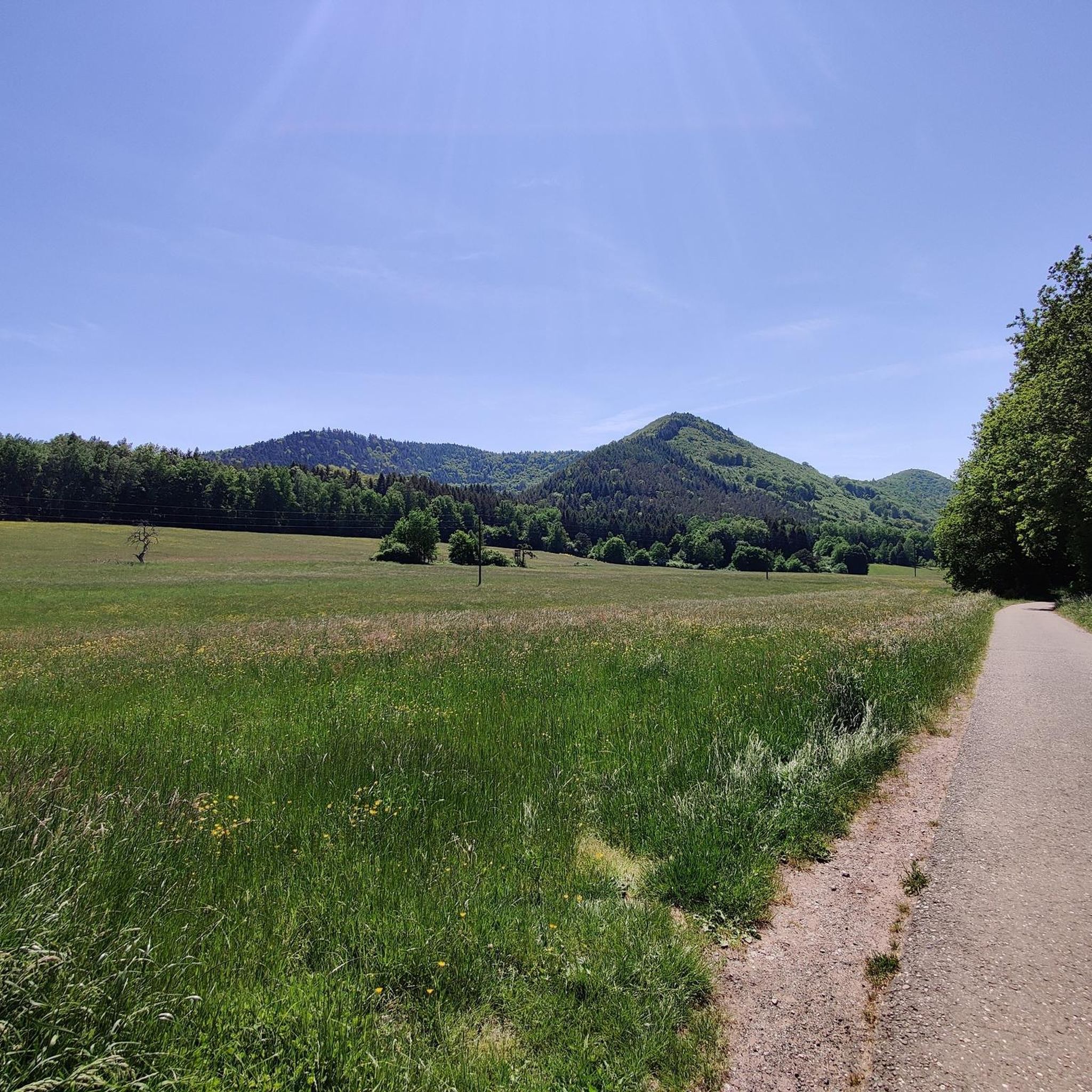
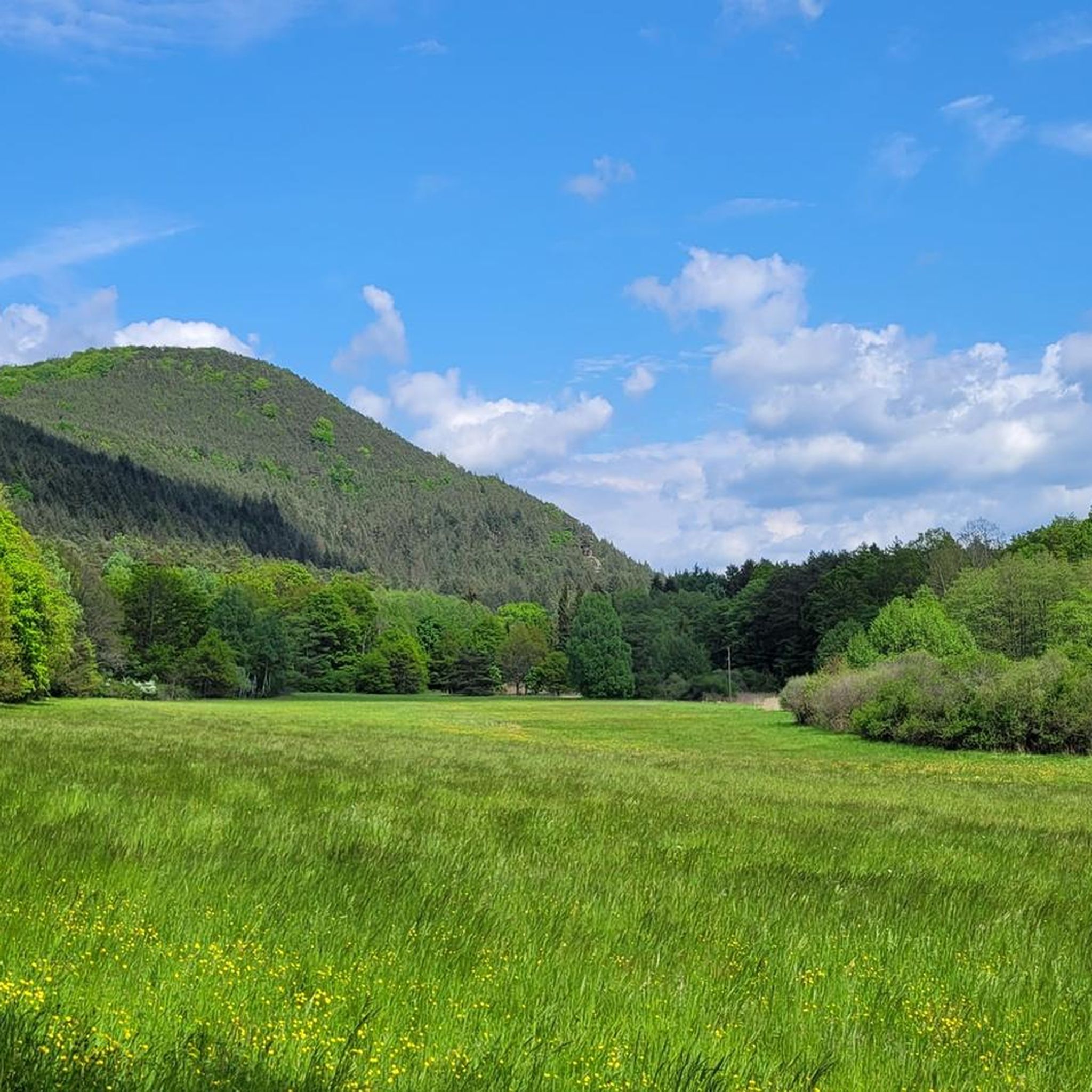
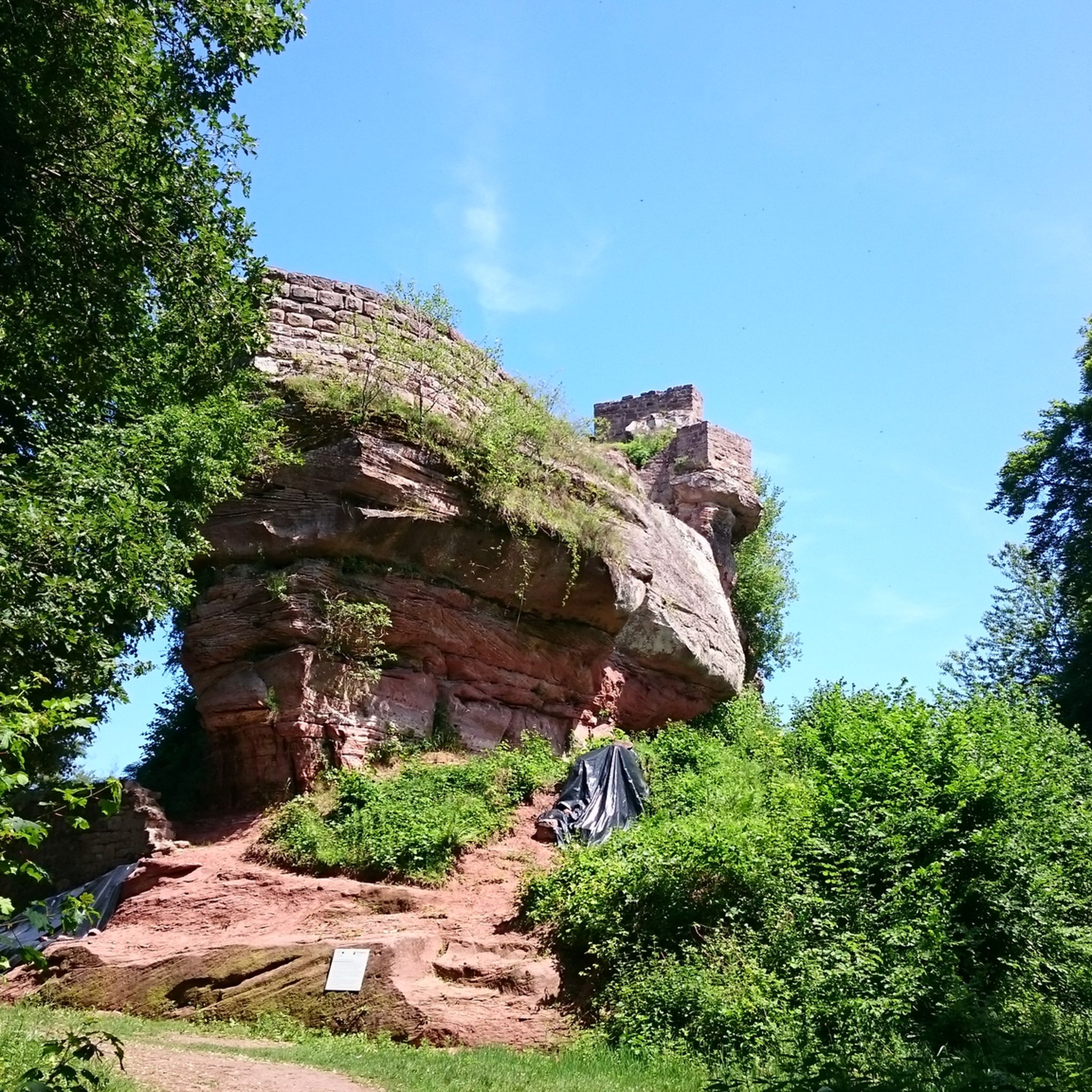

Tips from the Community

The Buchkammerfels is located in the foothills of the Heidenberg, south of the Drachenfels castle ruins and southeast of the municipality of Busenberg. It is a special cultural monument, also known as the Heidenkammern (Heathen Chambers). The origin and function of the three artificially created, inaccessible rock chambers are still not fully understood. However, it is assumed that they were either outposts or guard posts for Drachenfels Castle, or that the chambers served as a prison for the castle.
5
0

Wonderful natural cave... quite big in my opinion
10
2

Very impressive heavily overhanging rocks with some small caves and shelters with fire pits
3
0

Zimmerplatzfels (Löchelfelsen) Located east of the Altdahn ruins, this interesting rock leads a shadowy existence. Access: From the castle, head east onto the rock and descend to the side. Or in Erfweiler, climb south from the sports field to the rock. 300 m, 40 m elevation, 10 min Coordinates: 49°9´7.0" 7°48´19.3" UTM (WGS84) 32U 412888 5445034 https://www.felsenheimat-pfalz.de/3-der-wasgau-um-dahn/erfweiler/zimmerplatzfels-l%C3%B6chelfelsen/
11
2


It looks dangerous, but it isn't. Great tour!
13
1
One of the typical sandstone rocks in the Palatinate
10
1

Great view of the surrounding Palatinate Forest.
6
1
Frequently Asked Questions
What types of caves and rock formations can I explore around Rumbach?
The Rumbach area features a mix of historical and natural rock formations. You can explore the **World War II Refuge Tunnels** in Rumbach itself, which offer a glimpse into local history. Beyond that, the Palatinate region is known for its distinctive sandstone rock formations, including natural rock shelters, historical rock chambers, and viewing chambers within the rocks.
Are there any historical rock chambers to visit near Rumbach?
Yes, the Buchkammerfels Rock Chambers are a notable historical site. These four chambers, carved into the rock, are steeped in mystery regarding their age and original function. They are accessible from the mountain and offer a beautiful view.
Where can I find impressive natural rock formations in the area?
You can visit the Fleckstein Rock Formation, a natural monument with several lined-up caves, which is also a popular hiking highlight. Another impressive spot is Hollow Rocks, a large sandstone rock massif situated deep within the forest, offering a unique natural experience.
Are there any viewpoints within the rock formations?
Absolutely. The Viewing chamber on the Büttelfels offers a natural window with a great view, accessible via a climbing ladder. Additionally, the Löchelfelsen provides a beautiful view over Erfweiler from its northern end.
What outdoor activities can I do near the caves and rock formations?
The region around Rumbach is excellent for various outdoor activities. You can find numerous hiking trails, such as the 'Wegelnburg Castle Ruins – Hohenbourg Castle loop' or the 'Christ Church Rumbach – Benches With a View of Rumbach loop'. For more options, explore the hiking guide for Rumbach. There are also running trails and gravel biking routes available.
Are the World War II Refuge Tunnels in Rumbach worth visiting?
Yes, for those interested in history, the **World War II Refuge Tunnels** in Rumbach are definitely worth visiting. They served as protection during the war, and an information board at the site provides detailed accounts of life within the tunnels, offering a unique perspective on the war's impact on civilian life.
What is the best time of year to visit the caves and rock formations around Rumbach?
The rock formations and historical sites around Rumbach are primarily outdoor attractions. Spring and autumn offer pleasant temperatures for hiking and exploring, with beautiful foliage. Summer is also suitable, though it can be warmer. Some areas, especially those requiring climbing or with slippery gullies, are best visited in dry weather.
What should I wear when exploring the rock formations?
Given the natural terrain and potential for climbing or uneven paths, it's recommended to wear sturdy hiking shoes with good grip. Layered clothing is advisable, as temperatures can vary, especially when exploring shaded rock formations or climbing to viewpoints. If you plan to explore inside any rock shelters, a headlamp might be useful.
Are there any less-known or 'hidden gem' rock formations to discover?
While the main highlights are well-regarded, many of the region's sandstone rocks, like Löchelfelsen, are typical of the Palatinate and can be reached on narrow, less-traveled paths, offering a sense of discovery away from the busiest spots. The entire region is dotted with unique rock formations waiting to be found.
What do visitors enjoy most about the caves and rock formations in Rumbach?
Visitors frequently appreciate the unique natural beauty and historical significance. The Fleckstein Rock Formation is praised for its bivouac equipment and as a hiking highlight. The Hollow Rocks are described as a magical spot deep in the forest, and the Buchkammerfels Rock Chambers are valued for their mysterious history and the rewarding climb to their viewpoint.
Are there opportunities for running or gravel biking near these sites?
Yes, the diverse landscape around Rumbach provides excellent opportunities for both running and gravel biking. You can find challenging running trails like the 'Heidenberg Ridge Trail – Drachenfels Castle Ruins loop' or extensive gravel biking routes such as the 'Lauter Cycle Path – View of the Lauter loop'. For detailed routes, refer to the running guide and gravel biking guide for Rumbach.
Most popular routes around Rumbach
Most popular attractions around Rumbach

Get inspired with the komoot mobile app


Explore more
Extend your search for the best caves by checking out these guides of the top ones around Rumbach:
