Top 5 Castles around Minfeld
Best castles around Minfeld, a village with over 1000 years of settlement, offers a rich historical context in the Palatinate region. While the original Burg Minfeld no longer has visible remains, the area provides access to various historical sites and fortifications. Visitors can explore walking routes Minfeld surroundings that lead to other significant castles and historical landmarks. The village itself features historical elements such as a Protestant Church with frescoes and a sculpture trail.
Best castles around Minfeld
- The most…
Last updated: October 11, 2026
Bad Bergzabern Castle
Highlight • Castle
Translated by Google •
Tip by

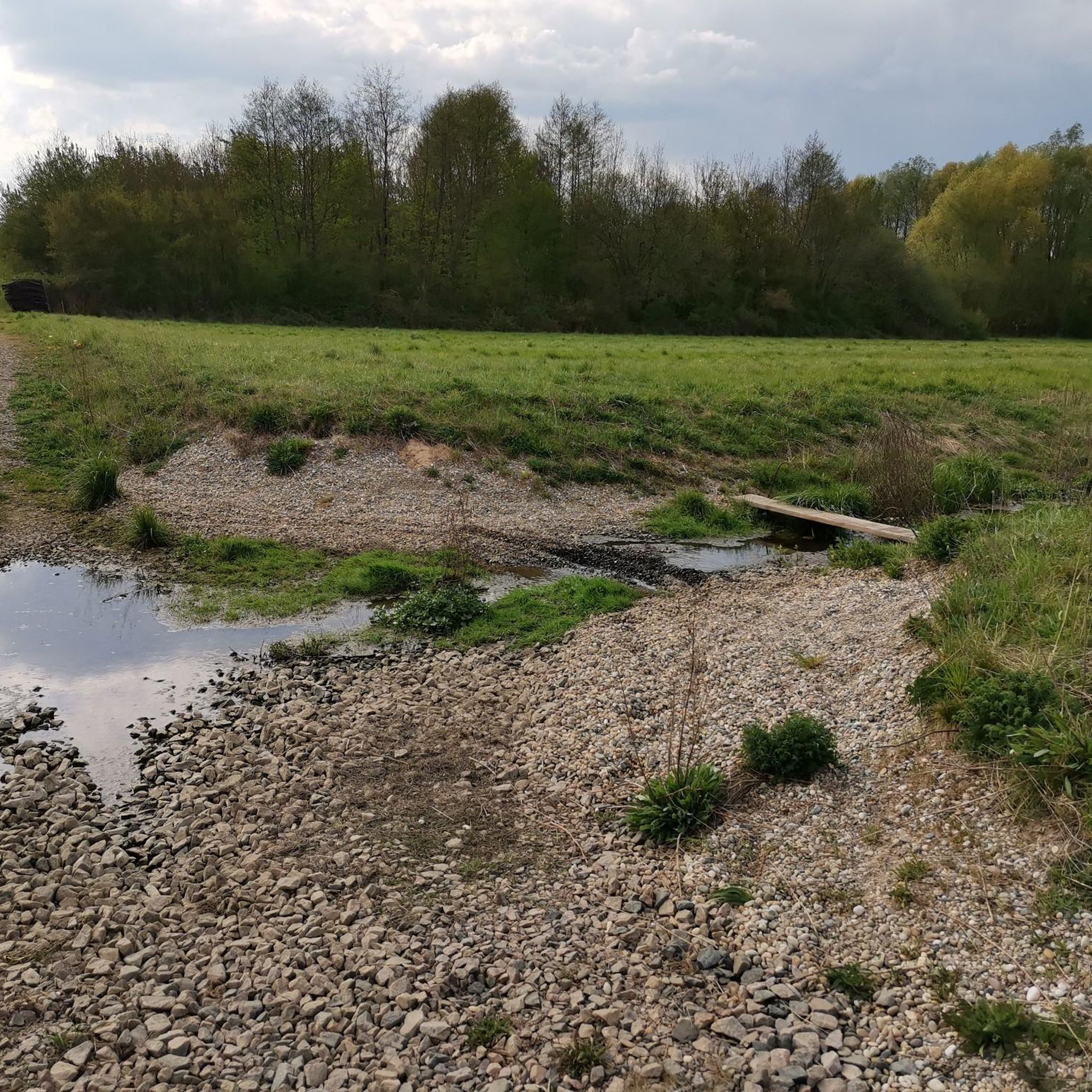
Affelderle Motte
Highlight • Historical Site
Translated by Google •
Tip by

Sign up now to discover places like this
Get recommendations on the best single tracks, peaks, & plenty of other exciting outdoor places.
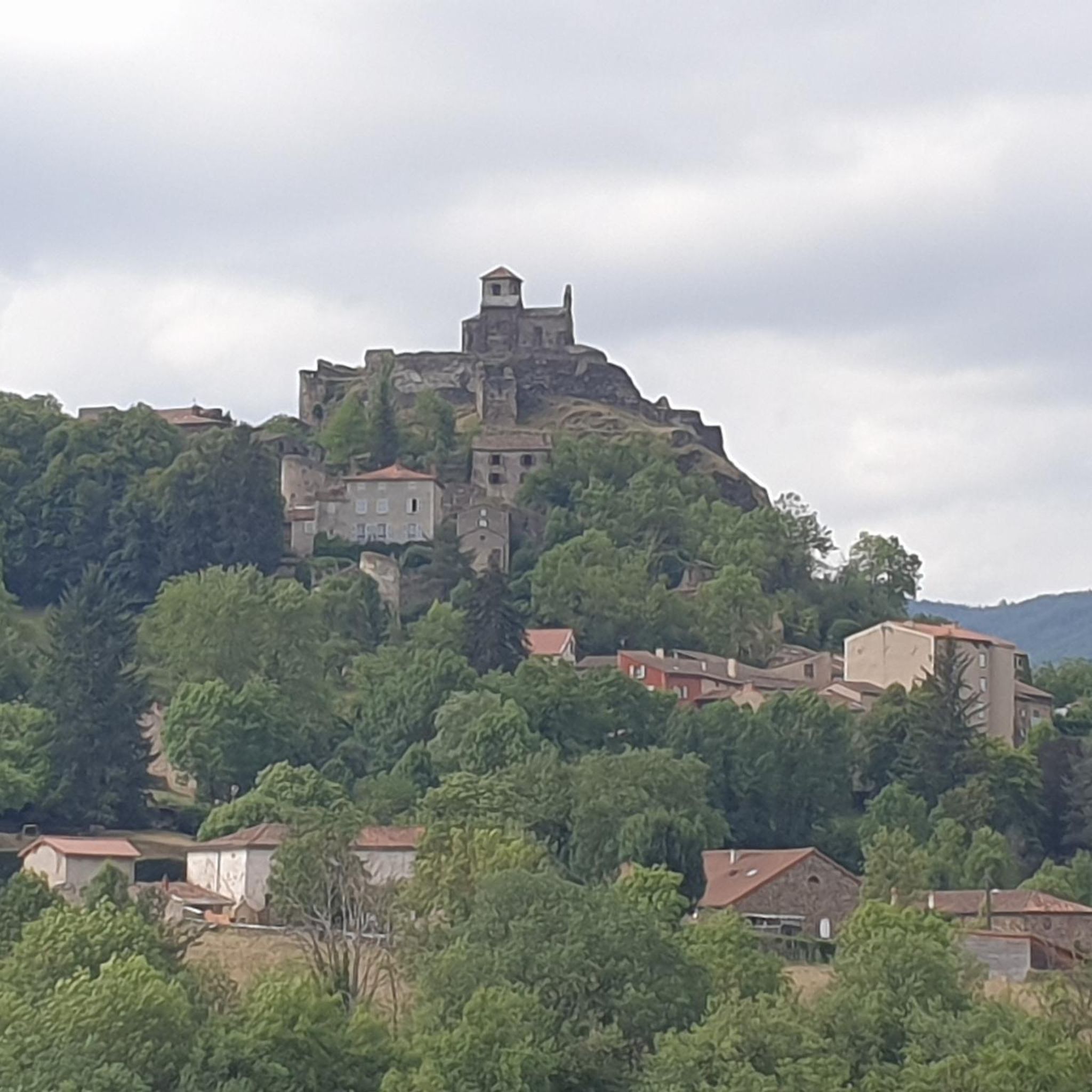
View of Landeck Castle
Highlight • Viewpoint
Translated by Google •
Tip by

Ochsensteiner Schloss
Highlight • Castle
The castle, surrounded by trees, is …
Translated by Google •
Tip by

Tour des Bouchers (Metzgerturm) Lauterbourg
Highlight • Historical Site
Together with the Landauer Tor, this is the last remnant of the medieval fortification with once 15 towers. Is being renovated together with a piece of city wall. (As of 2019)
Translated by Google •
Tip by
Sign up for free to discover even more castles around Minfeld.
Already have an account?
Start today with a free account
Your next adventure awaits.
Tips from the Community

The Metzgerturm was built under Jaiser Otto III as the first fortification of the city of Lauterburg. The Metzgerturm was also called Gabrielsturm because a condemned man named Gabriel once managed to escape from it. The tower served as a citizens' prison until the year 1761.
7
0

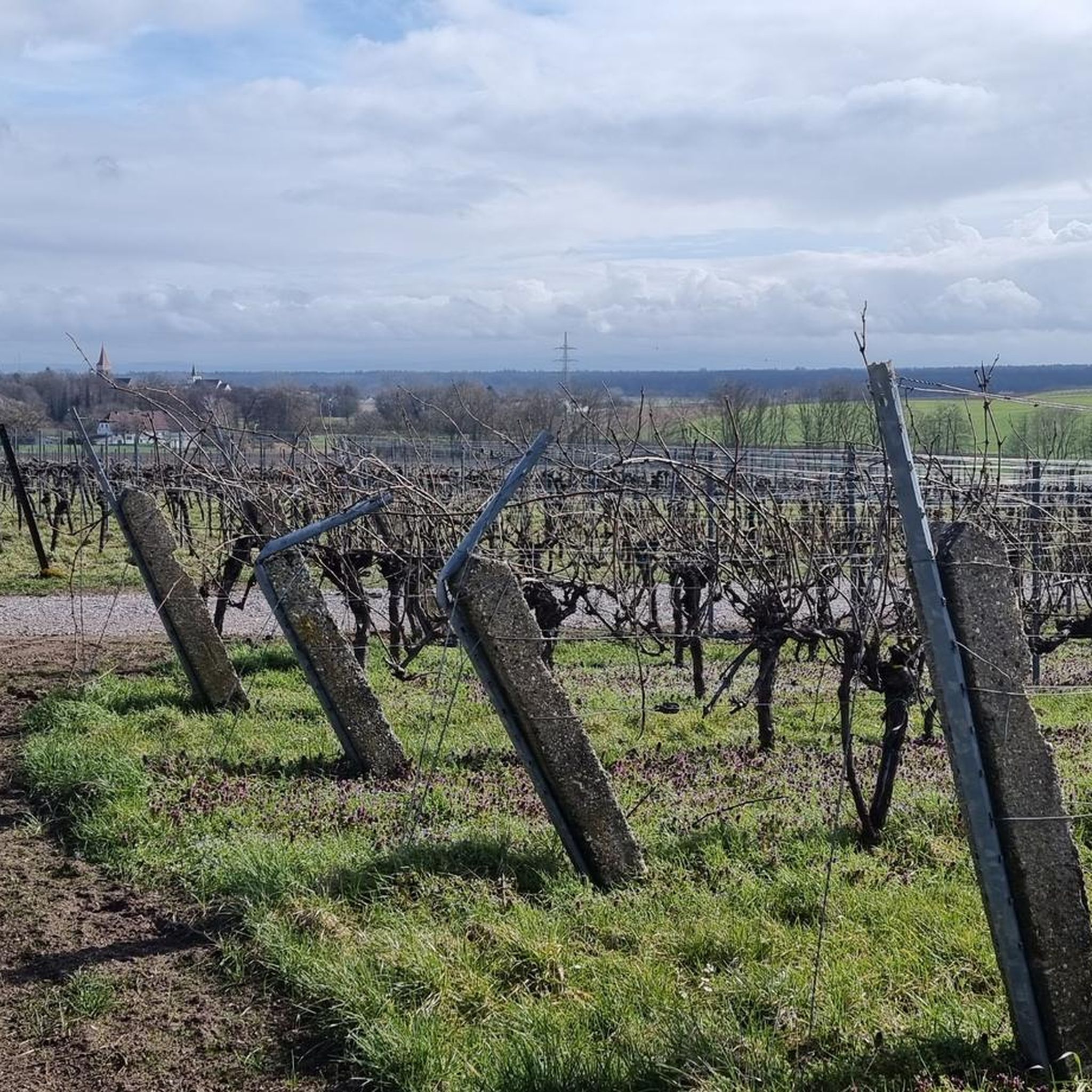
Great open viewpoint looking up at Landeck Castle ruins on the hillside - worth slowing down for a photo as you pass by.
0
0

Today, not much is known about the building named „Affelderle“ – derived from the Middle High German word „Affalter“ for apple tree. It is a „lost castle“, a „Lost Place“, where there is not much left to see, and about which not much can be said with certainty anymore. It is said that the castle was once also called „Streitstein“ or „Schloss Streithberg“ (mentioned in 1574), it was probably built as early as the 10th century by the Weißenburg Abbey to defend the Rhine crossing Pfortz (Maximiliansau) – Knielingen and to protect against raids by Normans and Hungarians. The castle was originally built only of wood and earth; it was not until the 11th or 12th century that the stone construction is said to have been created: a motte-and-bailey castle with a strong ring wall and a drawbridge over the defensive moat. Such castles are known from French, where they are called „Motte“ („lump of earth“, „mound“). An early medieval castle type, built primarily of wood, whose main feature is an artificially created earth mound with a mostly tower-shaped building.
1
0

In the Peasants' War of 1525, the castle in Bergzabern, which was first mentioned in 1333, was plundered and burned down. In the years up to 1532, the destroyed castle was rebuilt as a fortified palace on the same site. The south building was built first, founded on oak piles because of the swampy ground: called the Ludwigsbau after its builder, Ludwig the Black of Palatinate-Zweibrücken. The two round towers in the west and east served to house cannons, and the living and utility rooms were on the two upper floors. The complex was protected by a moat; a connection to the city wall is likely, but cannot be reconstructed today. The Wolfgangsbau was built between 1561 and 1579, a three-wing extension that adjoined the Ludwigsbau to the north. Begun under Duke Wolfgang, the Wolfgangsbau was completed under his son Johann I. The outstanding architectural feature is the giant gate in the Renaissance style. The castle was plundered during the Thirty Years' War. On February 20, 1676, French raiding parties from the Philippsburg fortress burned down the castle and destroyed parts of the town. In 1704, the building had no roof, and the cellars under the Ludwigsbau and the east wing of the Wolfgangsbau were used primarily. From 1720 to 1725, the castle was rebuilt under the direction of the Swedish-Zweibrücken chief building director Jonas Ericson Sundahl and inventory for the living quarters was purchased. In 1728, the castle was habitable again. A high point in the history of the town and castle of Bergzabern was the years 1744 to 1774, when the widow of Christian III, Duchess Caroline of Palatinate-Zweibrücken, had her widow's residence in the castle. The castle suffered damage during the French Revolution as a symbol of the defeat of feudal rule. It was confiscated as national property and subsequently sold on to private individuals in sections. In 1909, the castle burned down completely. The roof structure and interior furnishings in particular were destroyed. Damage occurred again in the Second World War, especially to the giant gate. The building was completely renovated in 1982-1984, and the Bad Bergzabern municipality moved its administrative offices into the castle. Source: https://www.vg-bad-bergzabern.de/slider/schloss/
8
1

It's hard to believe that this was once a castle with a moat and defensive walls. Definitely a gem in this city.
6
1

The 'Tour des Bouchers' - Butcher's Tower is one of the 15 towers that were built at the end of the 13th century as part of a fortress wall. The tower is called the "Butcher's Tower" because the butcher's guild was responsible for it. When the fortress was demolished in 1706, the Butcher's Tower remained with a few other towers. The tower was used as a prison until the middle of the 18th century. In 2017-2020, the exterior of the Butcher's Tower was restored. https://de.wikipedia.org/wiki/Metzgerturm_(Lauterbourg)
1
0

Definitely worth a visit
1
2

Church of Sainte-Trinity Lauterbourg The church's choir, built in the Gothic style, was built in 1467 during the term of Speyer's Bishop Matthias von Rammung. The roof structure and organ of the church burned in the great city fire of 1678, after which the church was restored and re-consecrated in 1683. In 1711 the church was too small for the growing population, so it was demolished except for the choir and replaced by a new building in its current form, which was completed in 1716 and consecrated in 1719. In 1779 an organ was purchased from Ferdinand Stieffell in Rastatt. During the French Revolution the church was temporarily secularized. A complete renovation took place in 1878. The church was damaged in the Second World War. Jean Gaudin from Paris created today's church windows in 1950. In the 1970s and 1980s the church was renovated inside and out. Source and more: https://de.wikipedia.org/wiki/Dreifaltigkeitskirche_(Lauterbourg)
0
1
Frequently Asked Questions
Are there any standing castles directly in Minfeld?
No, the historical Burg Minfeld (Minfeld Castle) was completely demolished in 1835, and no recognizable above-ground remains exist today. The site is marked by the street name "Im Schloßgarten".
What kind of historical sites can I find around Minfeld?
Beyond the former site of Burg Minfeld, the region offers a variety of historical structures. You can explore sites like Bad Bergzabern Castle, which serves as a town hall, or the Tour des Bouchers (Metzgerturm) Lauterbourg, a remnant of a medieval city fortification. There's also Affelderle Castle, a former fortified hill, and Ochsensteiner Schloss, a moated castle from the 15th century.
What is the best time to visit the castles around Minfeld?
The castles and historical sites around Minfeld can be visited year-round. Spring and autumn offer pleasant temperatures for exploring the outdoor areas and walking routes. Summer is also great, though it can be warmer. Winter visits can be charming, especially if you enjoy crisp air and fewer crowds.
Are there family-friendly castles or historical sites near Minfeld?
Yes, several sites are considered family-friendly. Bad Bergzabern Castle and the Tour des Bouchers (Metzgerturm) Lauterbourg are noted as suitable for families, offering historical insights in accessible settings.
What outdoor activities can I do near the castles around Minfeld?
The area around Minfeld is excellent for various outdoor activities. You can find numerous routes for cycling, running, and mountain biking. For example, there are cycling routes like the "Historic Center of Kandel – Historic Town Hall Kandel loop" and running trails such as the "Naturfreundehaus Bienwald loop." You can explore more options on the dedicated guides for cycling, running, and MTB trails around Minfeld.
Are there hiking trails that lead to or near these castles?
While there aren't specific hiking trails directly to all castle ruins, the region offers many walking routes in the surroundings of Minfeld that can lead you to historical landmarks. You can find various trails suitable for different difficulty levels, including easy and moderate options, perfect for exploring the natural and historical landscape.
What natural features can I expect to see when visiting castles near Minfeld?
The castles are situated within the broader Palatinate region, known for its diverse landscapes. While exploring, you might encounter forested areas, rolling hills, and views over the Rhine lowlands, especially around sites like Affelderle Castle, which is located on a hill overlooking the area.
How can I get to the castles near Minfeld by public transport?
Public transport options vary by specific castle. Minfeld itself is a village, and while local buses connect to nearby towns, direct public transport to all castle sites might be limited. It's advisable to check local bus schedules or regional train connections to the nearest towns (like Bad Bergzabern or Lauterbourg) and plan your journey from there, potentially combining with walking or cycling.
What is the history of Minfeld village itself?
Minfeld boasts a rich history with over 1000 years of settlement. Beyond its former castle, the village features notable historical elements such as a Protestant Church with valuable frescoes and a unique sculpture trail displaying artworks made from stainless steel, sandstone, and metal in public spaces. For more information on Minfeld, you can visit Suedpfalz Tourismus.
Are there any less crowded castles or historical sites to visit?
While popular sites like Bad Bergzabern Castle attract visitors, exploring the remnants of Affelderle Castle or the more secluded Ochsensteiner Schloss might offer a quieter experience, especially during off-peak hours or seasons. These sites provide a deeper dive into the region's history without the larger crowds.
What do visitors enjoy most about the castles and historical sites around Minfeld?
Visitors appreciate the rich historical context and the opportunity to explore various types of fortifications, from moated castles to medieval city wall remnants. The komoot community has shown strong engagement, with over 1000 upvotes and more than 300 photos shared, highlighting the scenic beauty and historical significance of these sites.
Most popular routes around Minfeld
Most popular attractions around Minfeld

Get inspired with the komoot mobile app


Explore more
Looking for the best castles somewhere else? Discover other guides around Minfeld:
