The best walks and hikes in Djiru National Park
4.5
(24)
234
hikers
11
hikes
Hiking in Djiru National Park offers access to a unique lowland rainforest environment within the Wet Tropics World Heritage Area. The park is characterized by extensive fan palm forests and mature tropical rainforests, featuring tall trees with buttressed trunks and diverse plant life. Trails often follow creeks and provide opportunities to observe the region's biodiversity. The terrain is generally gentle, with some routes offering moderate elevation changes.
Best hiking trails in Djiru National Park
- The most popular hiking route is Creek in Djiru National Park – Dreaming Trail, Lacey Creek loop from Djiru, a 3.2 miles (5.2 km) trail that takes 1 hour 22 minutes to complete. This easy route explores the Lacey Creek area and rainforest.
- Another top favourite among local hikers is Hiking loop from Brooks Beach Nature Refuge, an easy 2.4 miles (4.0 km) path. This trail offers views of the natural refuge and surrounding landscapes.
- Local hikers also love the Mission Beach Coastal Walk loop from Brooks Beach Nature Refuge, a 6.2 miles (9.9 km) trail leading through coastal and rainforest environments, often completed in about 2 hours 36 minutes.
- Hiking in Djiru National Park is defined by lowland rainforests, unique fan palm forests, and coastal views. The network offers options for various ability levels, including easy and moderate trails.
- The routes in Djiru National Park are highly rated by the komoot community with an average score of 4.7 stars from over 20 reviews. More than 200 hikers have used komoot to explore Djiru National Park's varied terrain.
Last updated: August 25, 2026
12
hikers
Easy hike. Great for any fitness level. Easily-accessible paths. Suitable for all skill levels.
4.4
(10)
76
hikers
3.94km
01:14
140m
140m
Easy hike. Great for any fitness level. Easily-accessible paths. Suitable for all skill levels.

Sign up for free
4.0
(1)
7
hikers
9.91km
02:36
70m
70m
Moderate hike. Good fitness required. Mostly accessible paths. Sure-footedness required.
4.9
(8)
89
hikers
6.86km
01:49
60m
60m
Easy hike. Great for any fitness level. Easily-accessible paths. Suitable for all skill levels.
4.7
(3)
12
hikers
14.3km
03:53
190m
190m
Moderate hike. Good fitness required. Easily-accessible paths. Suitable for all skill levels.
Get access to more routes and recommendations from other explorers.
Sign up for free
Already have an account?
Our route recommendations are based on thousands of hikes, rides, and runs completed by other people on komoot.
Start today with a free account
Your next adventure awaits.
Login or Signup
Popular around Djiru National Park
Tips from the Community

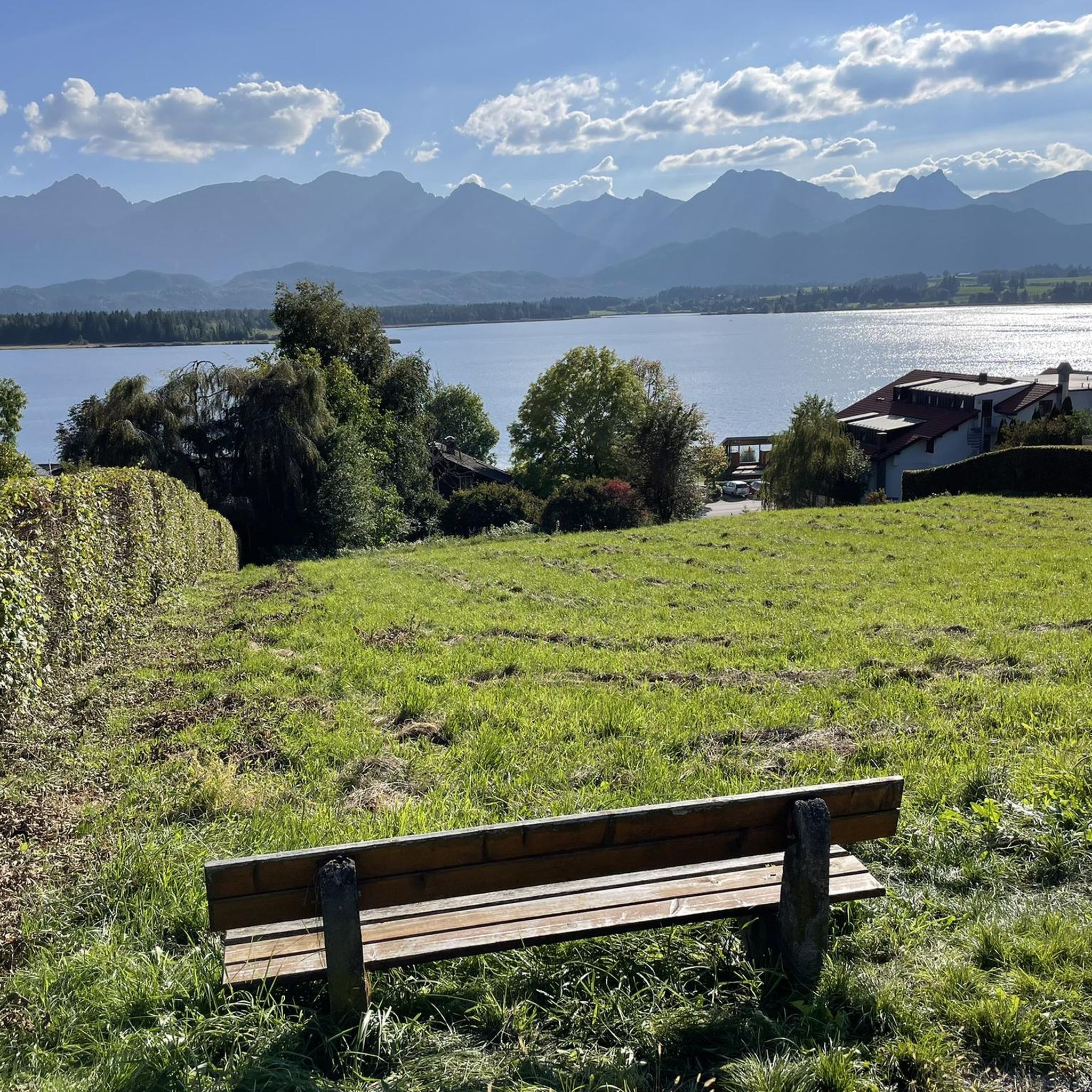
About 500 metres into the walk, the track opens up to this lookout with a great bench and sweeping views over Bingil Bay and north toward Garners Beach. It’s an easy early payoff reached well before the harder climbing begins, and a good spot to catch your breath before the trail splits into two route options just beyond it. On a clear day, you can see all the way past the bay to the coastline and islands in the distance.
0
0
This lookout at the summit is reached via a short side track near the top of the climb, opening up to breathtaking mainland and island views. It’s the same summit the Djiru Aboriginal people traditionally used as a lookout, and later where the Cutten brothers, the area’s first permanent European residents, kept watch for ships, naming their property ‘Bicton’ after a town in Devon, England. From here, the circuit continues around and back down, meeting the original track to descend the way you came up.
0
0
Bicton Hill circuit track traverses along a relatively steep hill through tropical lowland rainforest, one of the few remaining undisturbed patches of this forest type left in North Queensland. The track begins on the exposed eastern side of the hill among sturdy brush box and swamp mahogany, then climbs and circles to the sheltered western side where the remnant rainforest grows. If you’re quiet, you might get a chance to spot the elusive cassowary along the way. **Due to a major landslip, the track is temporarily closed and isn’t expected to reopen before the end of September 2026. You can check current QPWS park alerts here: https://parks.qld.gov.au/park-alerts/26052
0
0

Very worth seeing, you have to see it
0
0
Very worth seeing, you have to see it
0
0
Very worth seeing, you have to see it
0
0
Very worth seeing, you have to see it
0
0
Very worth seeing, you have to see it
0
0
Frequently Asked Questions
How many hiking trails are available in Djiru National Park?
Djiru National Park offers a selection of 12 hiking trails, ranging from easy strolls to more moderate walks. These routes allow you to explore the unique lowland rainforest and fan palm forests.
Are there any easy hikes suitable for families or beginners?
Yes, Djiru National Park has several easy trails perfect for families and beginners. The Creek in Djiru National Park – Dreaming Trail, Lacey Creek loop from Djiru is an excellent choice, exploring the Lacey Creek area. The Lacey Creek Walk itself is a short, family-friendly circuit, and the Fan Palm Walk includes a Children's Walk with 'cassowary footprints' for added fun.
Can I find circular hiking routes in Djiru National Park?
Yes, many of the trails in Djiru National Park are designed as circular routes. For example, the popular Creek in Djiru National Park – Dreaming Trail, Lacey Creek loop from Djiru is a loop, as is the Hiking loop from Brooks Beach Nature Refuge. These loops provide varied scenery without retracing your steps.
What unique natural features can I expect to see while hiking?
Hikers in Djiru National Park will experience a unique lowland rainforest environment, including extensive and rare Licuala fan palm forests. You'll also encounter tall trees with buttressed trunks, epiphytic ferns, and twining vines. The Lacey Creek area offers views of the creek itself, where you might spot saw-shelled turtles and freshwater fish.
Is Djiru National Park a good place to spot wildlife, especially cassowaries?
Djiru National Park is one of the best places to potentially see the endangered southern cassowary in the wild. These iconic birds rely on the rainforest for food and shelter. An information shelter at Lacey Creek provides details about them and identifies their food plants. You might also spot saw-shelled turtles and various freshwater fish in Lacey Creek.
Are dogs allowed on the trails in Djiru National Park?
No, dogs and other domestic animals are not permitted within Djiru National Park to protect the native wildlife and natural environment. This is a common regulation for national parks in Queensland.
What are the parking options for accessing the hiking trails?
The main access point for many trails, including the Lacey Creek Walk and Fan Palm Walk, is the Lacey Creek day-use area. This area provides amenities and parking facilities for visitors. Other trails may have specific parking areas detailed on their individual route pages.
Is public transport available to reach Djiru National Park?
Public transport options directly to Djiru National Park are limited. Visitors typically access the park by private vehicle. The park is located near Mission Beach, which may have some local transport services, but direct routes into the park are not common.
What is the best time of year to go hiking in Djiru National Park?
The best time to visit Djiru National Park is generally during the dry season, from May to October, when temperatures are milder and humidity is lower. This makes for more comfortable hiking conditions. The wet season (November to April) brings higher humidity and rainfall, which can make trails slippery, though the rainforest is lush and vibrant during this time.
Are there any more challenging hikes for experienced walkers?
While many trails are easy, the park does offer options for a more moderate challenge. The Dreaming Trail involves some steeper terrain, and the Musgravea Track, a shared-use path, can be connected to the Lacey Creek walk for a longer experience. These trails offer the most elevation gain within the park.
What amenities are available at Lacey Creek?
The Lacey Creek day-use area is a central hub within the park, offering amenities such as gas barbecues, picnic tables, and wheelchair-accessible toilets. It's a great spot for a break and provides access to several popular walks.
Where can I find accommodation near Djiru National Park?
Camping is not permitted within Djiru National Park itself. However, various accommodation options are available in the nearby town of Mission Beach, ranging from resorts and hotels to holiday rentals, providing convenient access to the park.
What do other hikers say about their experience in Djiru National Park?
The hiking routes in Djiru National Park are highly rated by the komoot community, with an average score of 4.7 stars from over 20 reviews. Hikers often praise the unique fan palm forests, the lush rainforest environment, and the opportunities to spot wildlife like cassowaries.
Are there any trails that offer coastal views?
Yes, some trails in the broader area around Djiru National Park offer coastal views in addition to the rainforest experience. The Mission Beach Coastal Walk loop from Brooks Beach Nature Refuge and the Clump Point Lookout – Mission Beach loop from Mission Beach are examples of routes that combine coastal scenery with the natural beauty of the region.
Most popular routes in Djiru National Park

Get inspired with the komoot mobile app


Explore more
Browse the best Hikes in other regions.
