The best walks and hikes in Barron Gorge National Park
4.4
(87)
1,376
hikers
41
hikes
Hiking trails in Barron Gorge National Park traverse a diverse landscape, characterized by the dramatic Barron Gorge carved by the Barron River. The park features dense rainforests, open woodlands, and significant waterfalls like Barron Falls, where the river cascades 265 meters. Elevation changes vary from gentle riverside paths to challenging uphill climbs leading to viewpoints.
Best hiking trails in Barron Gorge National Park
- The most popular hiking route is Stoney Creek Track, an easy 1.8 miles (2.9 km) trail that takes about 50 minutes to complete, leading through lush rainforest near Stoney Creek Falls.
- Another top favourite among local hikers is Kuranda Railway Station – Skyrail Rainforest Cableway loop from Kuranda, an easy 2.8 miles (4.6 km) path. This route offers a unique perspective of the rainforest environment around Kuranda.
- Local hikers also love the View from Glacier Rock loop from Barron Gorge, a 4.2 miles (6.8 km) trail leading through rainforest and woodlands, often completed in about 2 hours 29 minutes.
- Hiking in Barron Gorge National Park is defined by its dramatic gorge, cascading waterfalls, and varied rainforest and woodland ecosystems. The network offers options for different ability levels, from easy strolls to moderate climbs.
- The routes in Barron Gorge National Park are highly rated by the komoot community with an average score of 4.5 stars from over 90 reviews. More than 1,400 hikers have used komoot to explore Barron Gorge National Park's varied terrain.
Last updated: July 5, 2026
4.5
(8)
102
hikers
6.84km
02:29
420m
420m
Moderate hike. Good fitness required. Easily-accessible paths. Suitable for all skill levels.
2.91km
00:50
70m
70m
Easy hike. Great for any fitness level. Easily-accessible paths. Suitable for all skill levels.

Sign up for free
4.8
(13)
140
hikers
Easy hike. Great for any fitness level. Easily-accessible paths. Suitable for all skill levels.
4.3
(3)
20
hikers
12.1km
04:41
660m
660m
Moderate hike. Good fitness required. Mostly accessible paths. Sure-footedness required.
5.0
(1)
11
hikers
9.71km
02:42
170m
170m
Moderate hike. Good fitness required. Easily-accessible paths. Suitable for all skill levels.
Get access to more routes and recommendations from other explorers.
Sign up for free
Already have an account?
Our route recommendations are based on thousands of hikes, rides, and runs completed by other people on komoot.
Start today with a free account
Your next adventure awaits.
Login or Signup
Tips from the Community

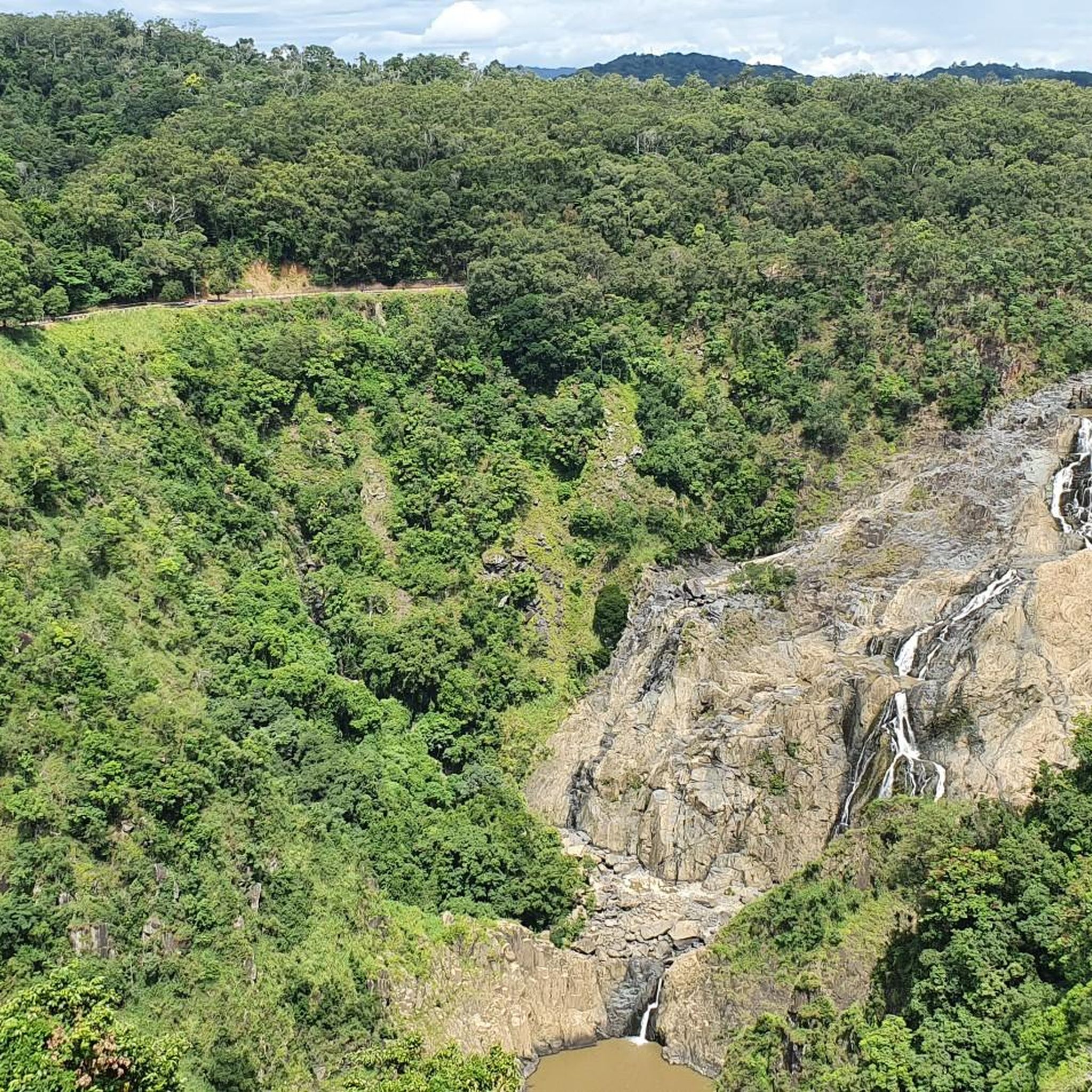
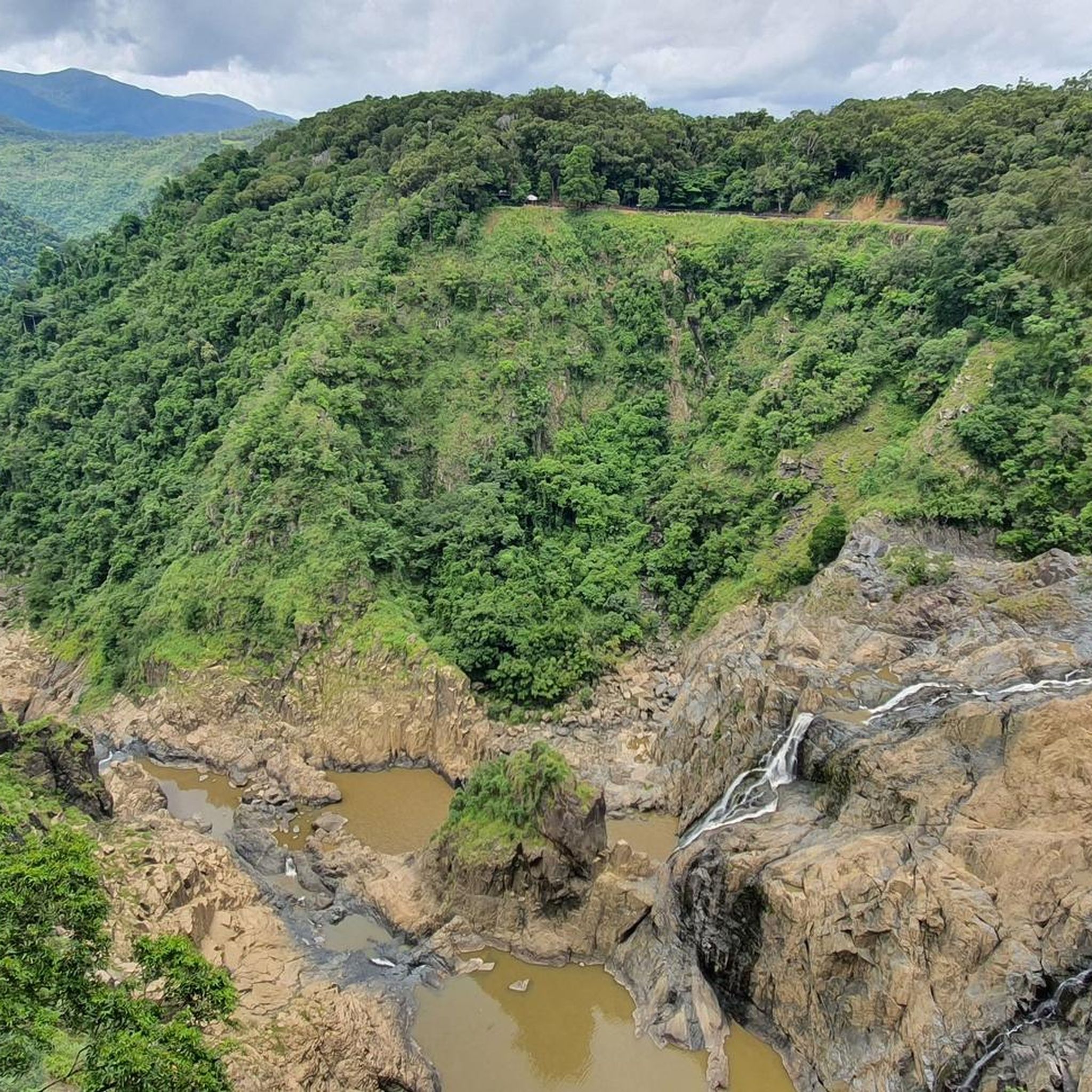
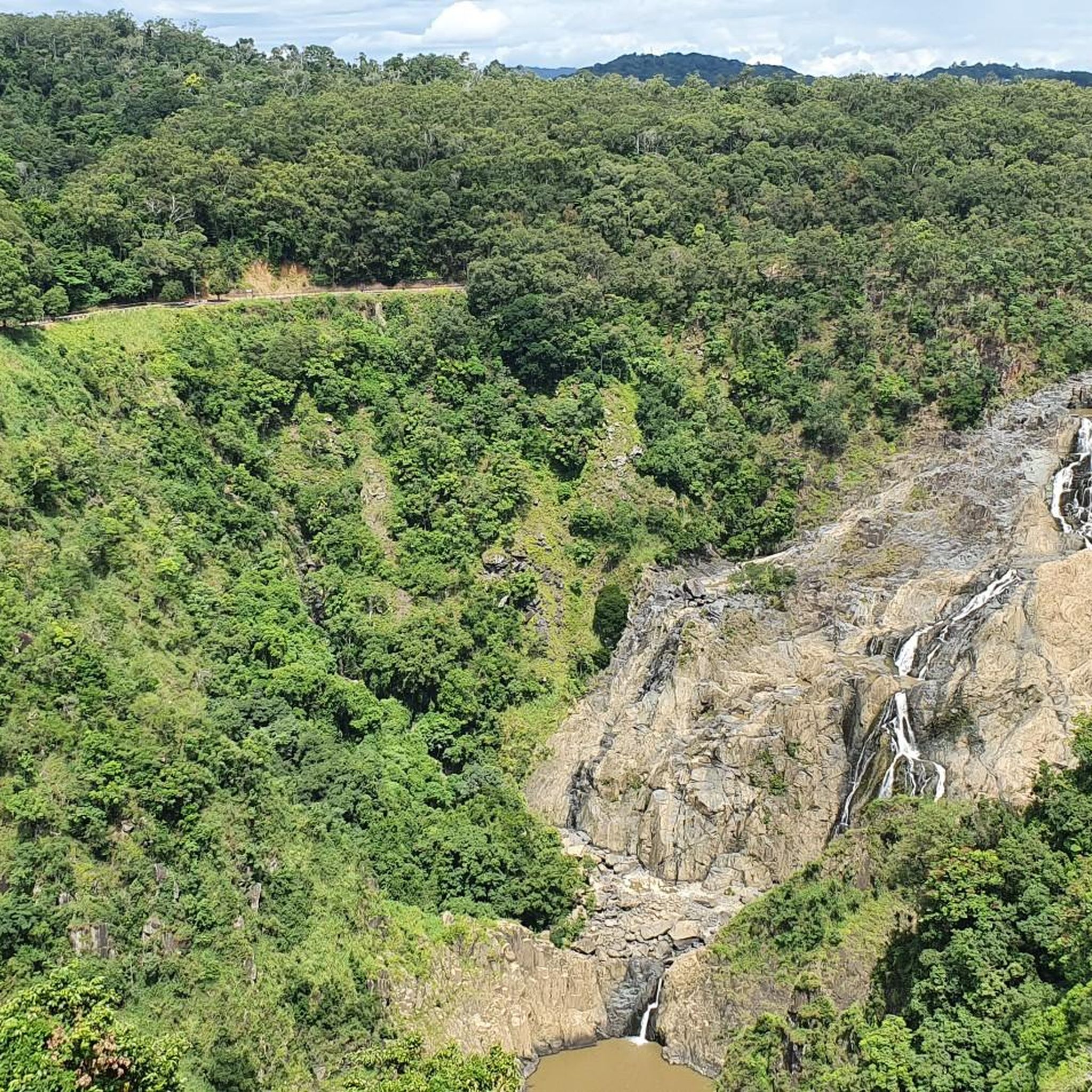
Glacier Rock lookout sits high above Barron Gorge, where the dense rainforest of the Douglas track gives way to open views across the gorge and out towards the Barron River and coast. The lookout is reached after a steady climb, with the final stretch opening suddenly from enclosed forest to wide, elevated scenery. From the top, you can take in the scale of the gorge and surrounding ranges, with Red Bluff visible nearby. The platform is fenced, but edges can still feel exposed, and conditions may be humid or slippery after rain.
0
0
Douglas Track begins at Stoney Creek and climbs steadily through dense, shaded rainforest, following parts of an old railway construction route. Early on, you’ll pass moist, rocky sections with ferns, strangler figs, and traces of historic camps, including stonework and old mango trees. Higher up, the forest begins to thin, shifting to more open woodland before the track steepens with switchbacks and stairs. Along the climb, views open out across the Barron Gorge and towards Cairns and the coast. Some sections beyond the railway crossing can be unstable, so watch your footing, especially after rain.
0
0
In this part of Barron Gorge National Park, the landscape shifts into dense tropical rainforest cut through by Stoney Creek. The gorge here is narrower and more enclosed, with large granite boulders, flowing water, and thick vegetation closing in around the creek. There’s no entry fee, and access is straightforward from the Stoney Creek Trailhead.
0
0
This track follows Stoney Creek upstream through a narrow gorge, staying close to the water most of the way. It’s rough and unformed in sections, with uneven rock, exposed roots, and parts where you’re moving along the creek itself rather than a defined path.
0
0
Along the Stoney Creek Trail, you’ll come across a series of smaller cascades and rock pools set within dense rainforest. The water flows gently over smooth rock ledges into a clear pool, with a rope swing set up for jumping in. Water levels here can vary a lot depending on recent rain. It’s worth getting in first to check the depth before using the rope, as rocks sit just below the surface in places. The surrounding rock can also be slippery, so take care moving around the edges.
0
0

This is where the cable car over the rainforest begins and ends. In 3 stages and short walks with information boards, you get a great view of the rainforest.
0
0

A really nice train station in the middle of the rainforest
0
0

Nice walk on paved paths. The length is just right to bridge a small split time until the train departure.
2
0
Frequently Asked Questions
How many hiking trails are available in Barron Gorge National Park?
Barron Gorge National Park offers over 40 hiking trails, catering to various skill levels. You'll find everything from easy strolls through the rainforest to more challenging climbs with significant elevation changes.
What kind of terrain and natural features can I expect to see while hiking?
Hikers in Barron Gorge National Park will experience a diverse landscape. The trails traverse dense rainforests, vine forests, grasslands, and open woodlands. Key natural features include the dramatic Barron Gorge carved by the Barron River, and spectacular waterfalls like Barron Falls, especially impressive during the wet season. You might also encounter other significant waterfalls such as Stoney Creek Falls.
Are there any family-friendly hiking options in the park?
Yes, Barron Gorge National Park has several easy trails suitable for families. For instance, the Stoney Creek Track is an easy 1.8-mile (2.9 km) path through lush rainforest. Another accessible option is the "Djina-wu" track, known for its easy grades through dense rainforest, and the Din Din Barron Falls Lookout Track offers a shorter, accessible walk to the falls.
What is the best time of year to go hiking in Barron Gorge National Park?
The park is located within the Wet Tropics World Heritage Area, experiencing both wet and dry seasons. The wet season (typically November to April) brings dramatic, powerful waterfalls like Barron Falls to their peak, but trails can be muddy and slippery. The dry season (May to October) generally offers more comfortable hiking conditions with less humidity and clearer skies, though waterfalls may have reduced flow.
Are there any circular hiking routes in Barron Gorge National Park?
Yes, there are several loop trails available. A popular choice is the View from Glacier Rock loop from Barron Gorge, a 4.2-mile (6.8 km) trail that takes you through rainforest and woodlands. Another option is the Kuranda Railway Station – Skyrail Rainforest Cableway loop from Kuranda, an easy 2.8-mile (4.6 km) path offering unique rainforest perspectives.
What kind of wildlife might I encounter on the trails?
Barron Gorge National Park is rich in biodiversity. Hikers might spot a variety of wildlife, including possums, tree-kangaroos, and flying-foxes. The park is also home to a vibrant bird population, the brightly colored Ulysses butterfly, and occasionally the endangered Southern Cassowary in its lush rainforest environments.
What do other hikers enjoy most about the trails in Barron Gorge National Park?
The trails in Barron Gorge National Park are highly rated by the komoot community, with an average score of 4.5 stars from over 90 reviews. Hikers frequently praise the dramatic gorge, the spectacular Barron Falls, and the immersive experience of walking through the diverse rainforest and woodland ecosystems.
Are there any historical or cultural points of interest along the hiking routes?
Many trails in Barron Gorge National Park follow paths originally used by the Traditional Owners, the Djabugandji Bama people, who have a deep spiritual connection to the land. These paths were later utilized by miners and agriculturalists. The Barron Gorge Hydro-Power Station, Australia's first underground power station built in 1935, is another point of interest showcasing the area's history.
Is public transport available to reach the hiking areas?
Yes, public transport options exist. The Kuranda Scenic Railway passes through the gorge and has a station at Barron Falls, allowing visitors to alight and view the cascades. The Skyrail Rainforest Cableway also offers access points and breathtaking aerial views of the gorge and surrounding wilderness.
Are dogs allowed on the hiking trails in Barron Gorge National Park?
As a national park, Barron Gorge typically has restrictions on pets to protect its native wildlife and natural environment. It is generally advised that dogs are not permitted on the hiking trails. For specific regulations, it's best to consult the official Queensland Parks and Wildlife Service website.
What other activities can I do in Barron Gorge National Park besides hiking?
Beyond hiking, the park offers several other ways to experience its grandeur. You can glide above the rainforest canopy on the Skyrail Rainforest Cableway, take a scenic journey through the gorge on the Kuranda Scenic Railway, or experience white-water rafting on the Barron River with commercial operators.
Where can I find panoramic views of the park and surrounding areas?
For stunning panoramic views, consider hiking to Glacier Rock. The View from Glacier Rock loop from Barron Gorge offers vistas over Cairns and Mount Whitfield after a challenging uphill hike. Additionally, the Din Din Barron Falls lookout near Kuranda provides excellent perspectives of Barron Falls.
Most popular routes in Barron Gorge National Park
Most popular attractions in Barron Gorge National Park

Get inspired with the komoot mobile app


Explore more
Browse the best Hikes in other regions.
