Attractions and Places To See around Soderstorf - Top 20
Best attractions and places to see around Soderstorf include a blend of historical sites, cultural landmarks, and natural beauty. The region is known for its rich prehistoric heritage and its location within the expansive Lüneburg Heath Nature Park. Visitors can explore ancient burial grounds, traditional villages, and diverse natural landscapes.
Best attractions and places to see around Soderstorf
- The most popular attractions is View of the Totengrund, a viewpoint offering expansive views over the heath. This area is known…
Last updated: October 9, 2026
Totengrund in the Lüneburger Heide
Highlight • Viewpoint
Translated by Google •
Tip by

Dat Ole Huus Heath Museum Wilsede
Highlight • Historical Site
Translated by Google •
Tip by

Sign up now to discover places like this
Get recommendations on the best single tracks, peaks, & plenty of other exciting outdoor places.
View of Totengrund
Highlight • Viewpoint
Translated by Google •
Tip by

Wilsede Village
Highlight • Settlement
Translated by Google •
Tip by

Wilsede
Highlight • Settlement
Translated by Google •
Tip by

Sign up for free to discover even more attractions around Soderstorf.
Already have an account?
Start today with a free account
Your next adventure awaits.
Tips from the Community

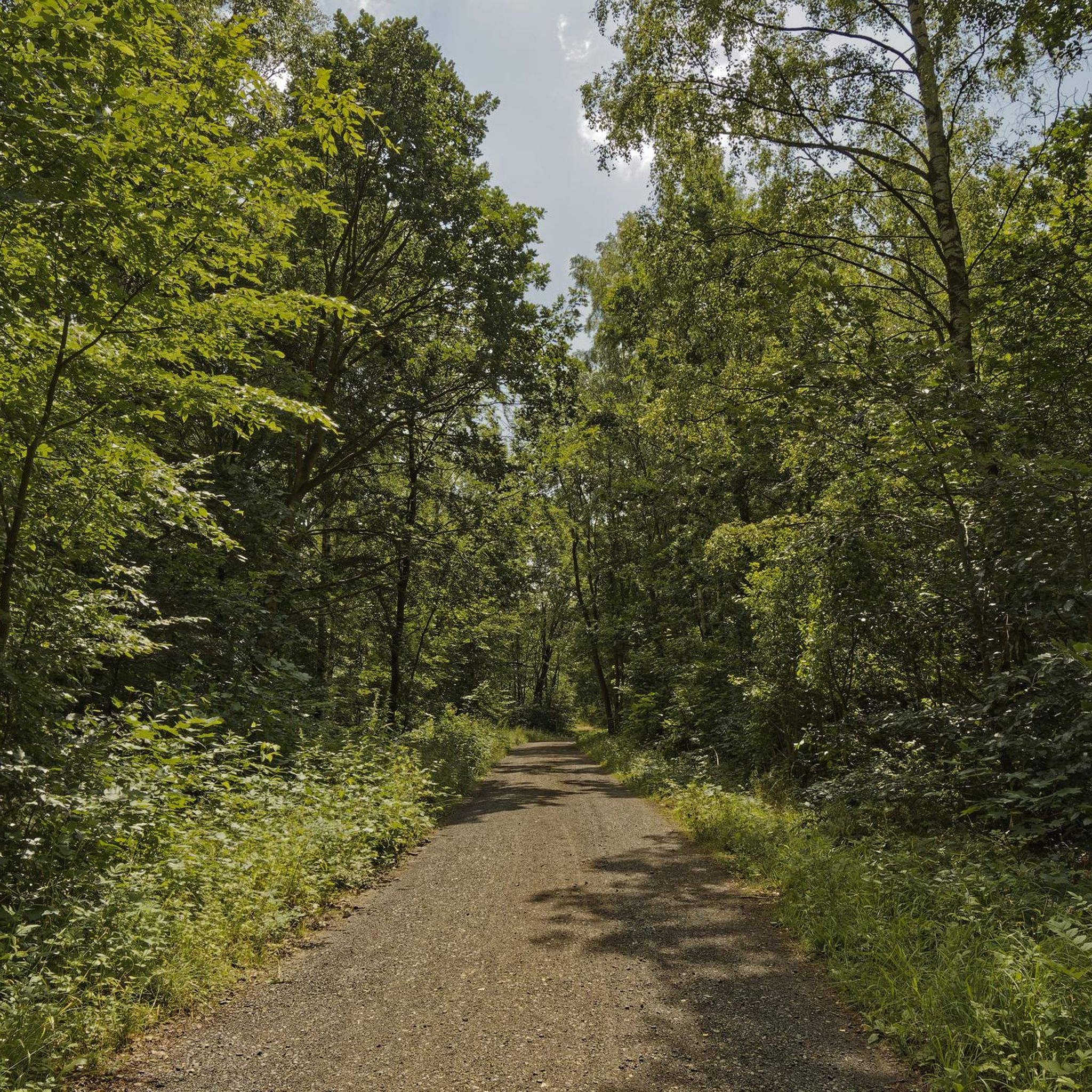
Discover Wilsede, a charming tourist magnet that attracts many visitors, especially during the season. Be enchanted by the picturesque cobblestone streets that are closed to motor vehicles. The Heide Express takes you comfortably to the surrounding area, while you can also explore the region's beauty on foot, by bike, or by horse-drawn carriage. Numerous cozy restaurants and charming knick-knack shops await you in Wilsede. The old, thatched houses and sheepfolds, along with the Heath Museum "Dat ole Huus," give this historic town the flair of a lively museum village. Another highlight is Wilseder Berg, at 169.2 m, the highest elevation in the Northwest German Plain. Trekking bikes with thicker tires or mountain bikes are recommended. Lots of cobblestones and lots of loose sand
8
1

The idyllic and car-free heath village of Wilsede lies in the middle of the Lüneburg Heath nature reserve. What is special about Wilsede is that the village can only be reached on foot, by bike or by carriage. With its old buildings steeped in history, the historic village resembles a living museum village. But it is actually still normally inhabited today. In the summer season, the 40-person village of Wilsede becomes a real tourist magnet. In addition to visiting the museum or the exhibition in the sheep barn, you can admire the many thatched-roof houses while strolling through the village. Source: https://www.lueneburger-heide.de/service/sehenswuerdigkeit/7506/wilsede.html
5
0
The area includes large areas of the Lower Saxony Geest between Buchholz and Soltau with a landscape of unique character, characterized by extensive heathland, moors, clear heather streams and near-natural deciduous forests as well as coniferous forests. Particularly in the area of a terminal moraine, the most famous elevation of which is the Wilseder Berg, extensive dwarf shrub and juniper heaths, and also scattered species-rich bristle grass meadows, have developed through traditional heathland management and have been preserved through maintenance measures that today bear witness to the image of the heath landscape that used to occupy the majority of the Geest. The appearance of this landscape, which is not only culturally significant but also important for a large number of species, is characterized by the areas of heather divided into large areas of juniper stands, which have a small-scale and dynamic site mosaic. On inland dunes there are transitions to dry grassland with bent and silver grass. In groundwater-influenced, partly boggy depressions, moist heaths with bell heather can be found, in which the inflorescences of the endangered bog lily add yellow color accents. In some places there are transitions to the typical raised moor vegetation, which also occurs on a larger scale in the Pietzmoor southeast of Schneverdingen. Numerous heath streams and rivers such as the Wümme, Böhme and Seeve originate in the area, some of which are accompanied by marsh and spring forests with alders and ash trees. The Lüneburg Heath is the habitat of many endangered species such as the sand lizard and smooth snake, various amphibian species, the brook lamprey and bullhead, as well as dragonflies such as the green damselfly. Other species include the woodlark, black grouse, great grey shrike and otter. Source: https://www.nlwkn.niedersachsen.de/naturschutzgebiets/naturschutzgebiet-luneburger-heide-42732.html
3
1

Old farmhouses and gastronomic offerings.
6
1
In the middle of the Lüneburg Heath nature reserve lies the idyllic and car-free heath town of Wilsede, which visitors can only reach on foot, by bike or in a horse-drawn carriage. With its old thatched houses and sheepfolds as well as the heath museum "Dat ole Huus", the historic place resembles a living museum village. At 169.2 m, the Wilseder Berg directly near Wilsede is the highest elevation in the northwest German plain. The Totengrund, located approx. 1 km south of Wilsede, offers a wonderful view. Source: https://www.bispingen.de/poi/wilsede
9
1

In the middle of paradise ... best with a gravel bike (or MTB) - rule of thumb: the more sand, the wider the tires should be.
7
1

It's not just fun to explore the heath by horse-drawn carriage or on foot. The bike is also suitable for a long ride...
6
1

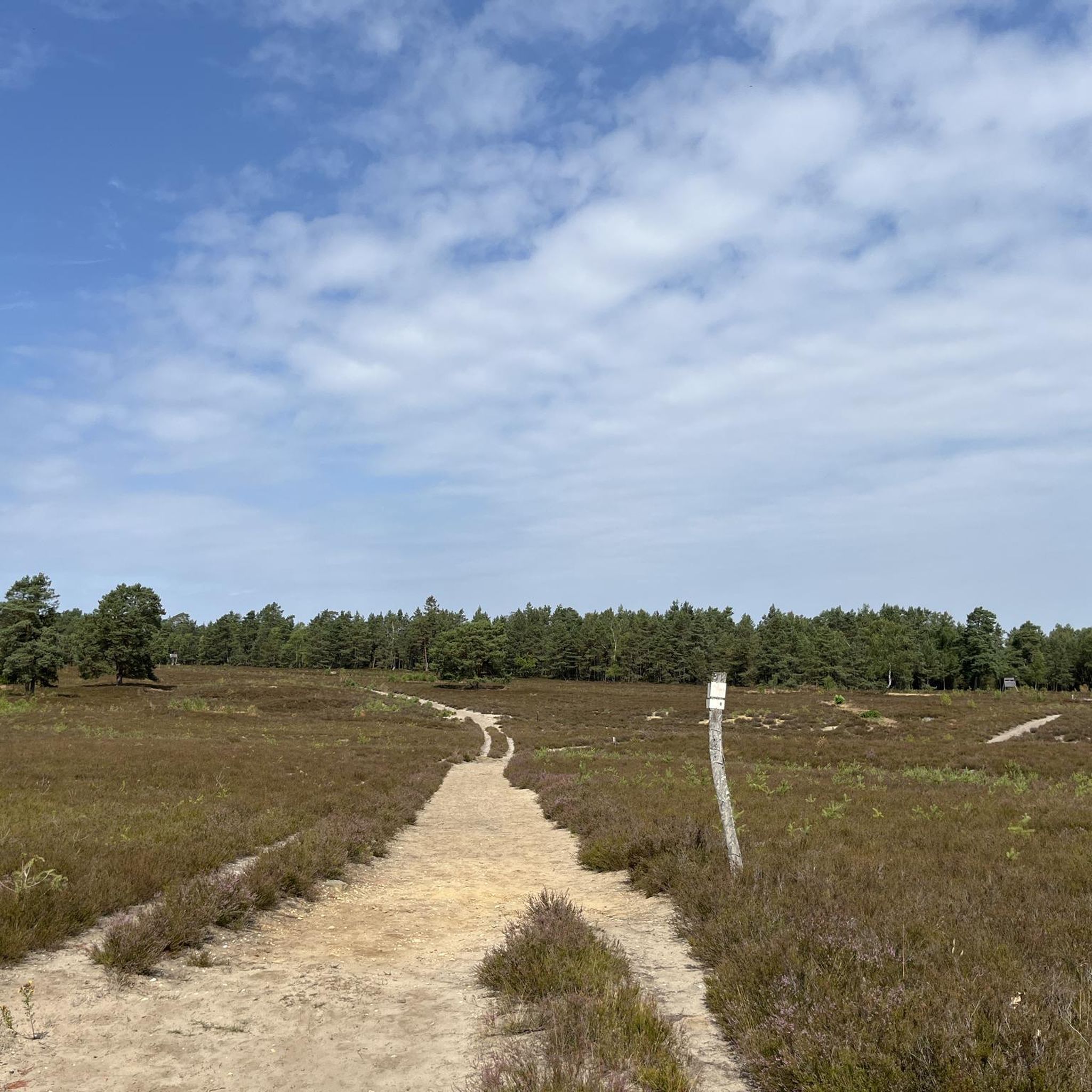
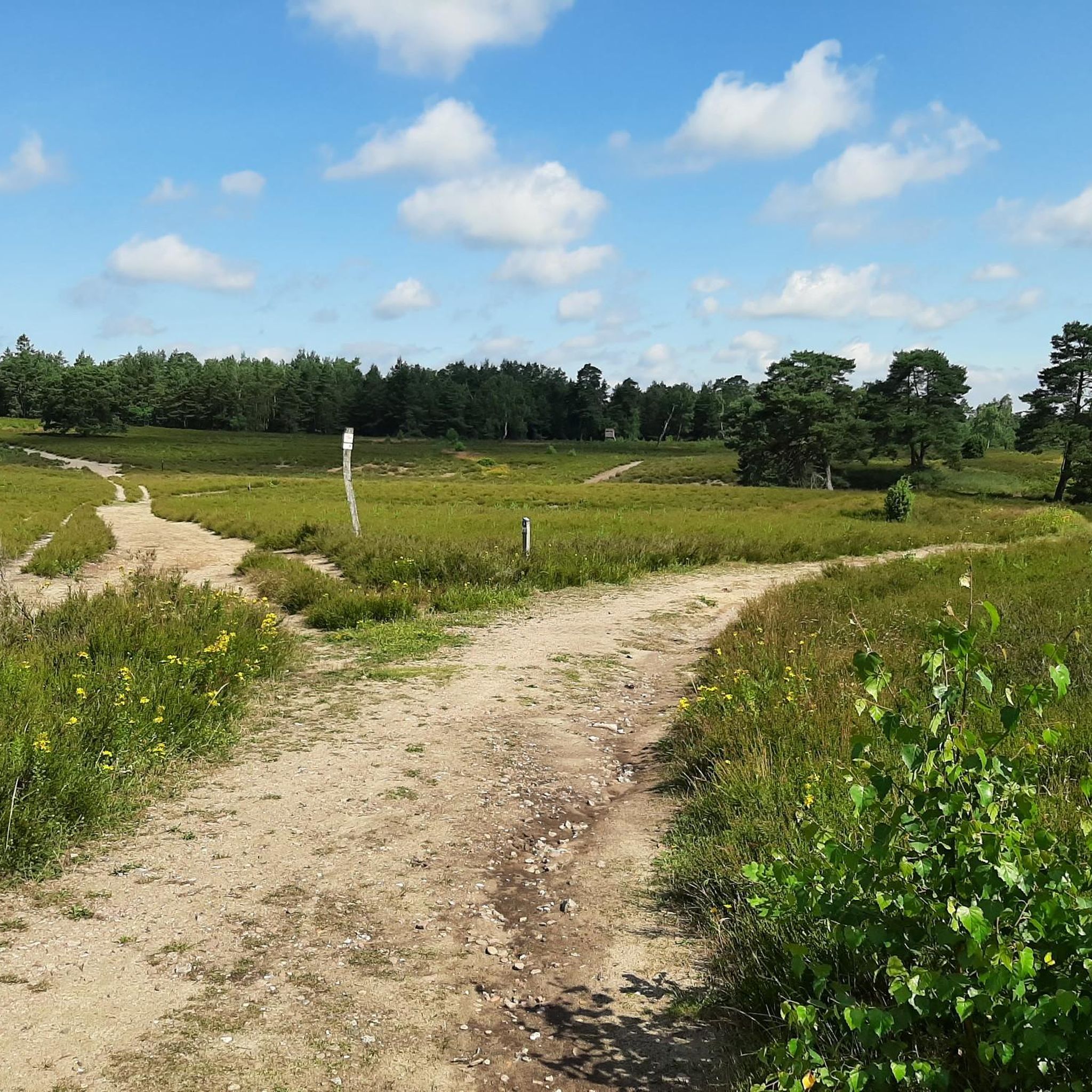
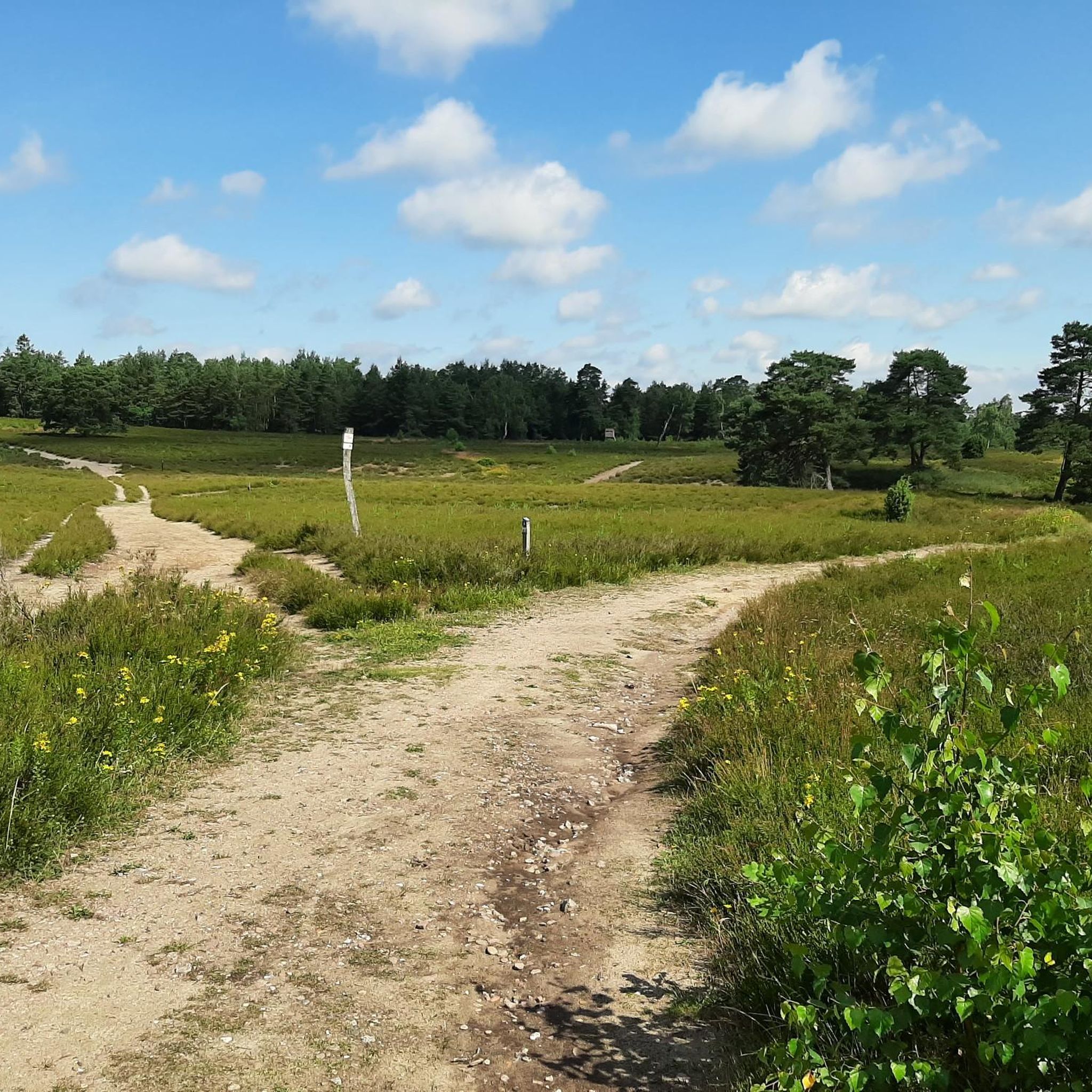
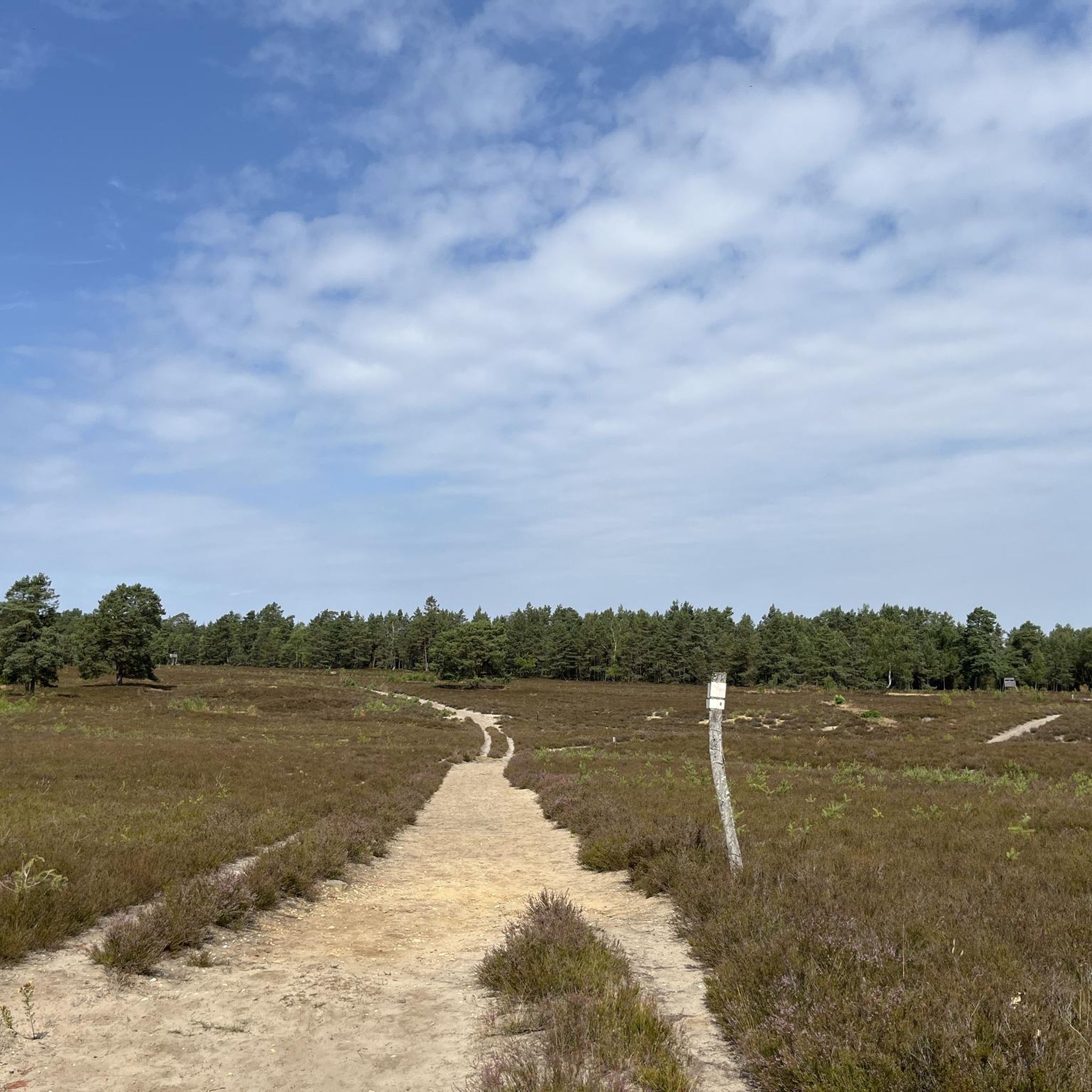
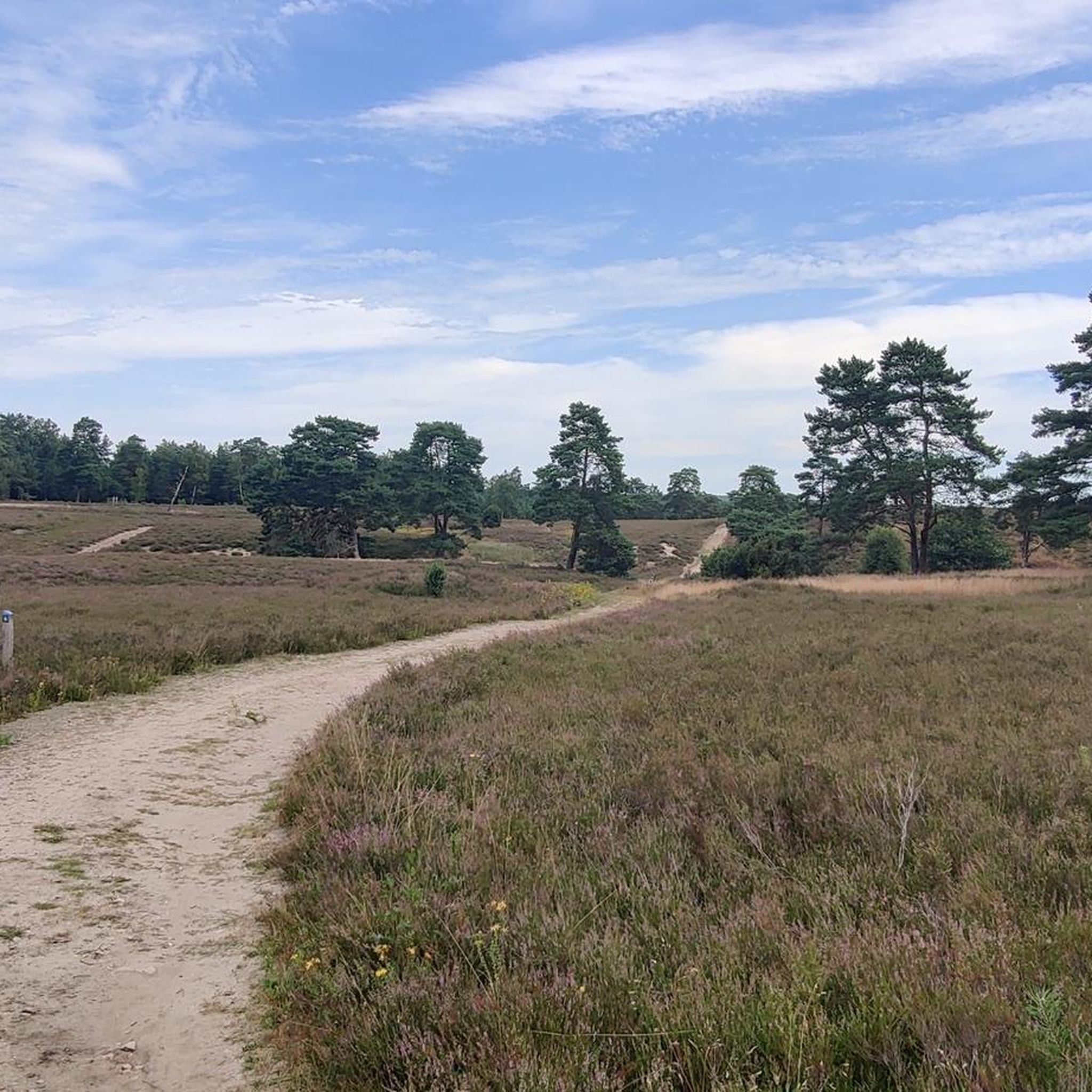
The Totengrund - A valley of unearthly beauty The mystical valley in the middle of the Lüneburg Heath nature reserve, one kilometer south-east of Wilsede. Is this place haunted? No, what sounds so mystical is actually one of the most beautiful heath areas of all. When the heather blooms here in August, you have a wonderful view of the sea of flowers from the valley edges. The purple heather splendor makes the kettle overflow pictorially. The Totengrund - a natural spectacle in all seasons But the Totengrund is not only a dream when the heather is in bloom. Even in spring, when nature awakens, the Totengrund is a worthwhile destination. Lovers particularly appreciate the Totengrund in winter or when it is foggy, as that is when the mystical image emerges. Just a landscape like a watercolor painting, almost unrealistic. That is why the Totengrund is one of the most photographed areas of the Lüneburg Heath. https://www.lueneburger-heide.de/natur/sehenswuerdigkeit/1074/totengrund-lueneburger-heide.html
12
0
Frequently Asked Questions
What natural features can I explore around Soderstorf?
Soderstorf is nestled within the expansive Lüneburg Heath Nature Park, offering extensive opportunities for hiking and cycling amidst hills, pastures, and forests. You can visit the impressive View of the Totengrund, known for its unique landscape, especially during the heather bloom. Another highlight is the Radenbachtal Heath Landscape (Undeloh), characterized by gentle hills and juniper bushes. Don't miss the Schwindequelle near Schwindebeck, the second-largest naturally emerging spring in Lower Saxony, or the glacial erratic known as the "Century Stone" near Soderstorf.
Are there historical sites or ancient monuments to visit in Soderstorf?
Yes, Soderstorf is rich in prehistoric heritage. The most significant site is the Necropolis of Soderstorf, a prehistoric cemetery with 938 graves, including a Neolithic megalithic passage grave, Bronze Age barrows, and an Iron Age urn cemetery. Another notable prehistoric grave is the Rolfsener Steinkiste (Stone Chest of Rolfsen). For more recent history, you can see the St. Martin Village Church, a historic granary, and an Old Watermill dating back to 1427.
What outdoor activities, like hiking or cycling, are available near Soderstorf?
The Lüneburg Heath Nature Park provides excellent opportunities for outdoor activities. For hiking, you can explore trails leading to viewpoints like the View of the Totengrund or through the Radenbachtal Heath Landscape. Cyclists can enjoy routes like the Luhe cycle path which passes through Soderstorf. You can find various running trails and cycling routes, including easy options like the "Soderstorf Watermill – Schwindebecker Heath loop" or more challenging ones like the "Stintmarkt Lüneburg – Handwerker Bridge Lüneburg loop" for touring bikes.
Are there family-friendly attractions around Soderstorf?
Many of the natural and historical sites around Soderstorf are suitable for families. The Wilsede Village, a car-free historic settlement, offers a unique glimpse into traditional heath life and is considered family-friendly. Exploring the gentle hills and heathlands of the Radenbachtal Heath Landscape or visiting the View of the Totengrund can also be enjoyable for families, especially during the heather bloom.
When is the best time to visit Soderstorf for outdoor activities and sightseeing?
The Lüneburg Heath region, including Soderstorf, is particularly appealing in late summer, specifically August and September, when the heather blooms, transforming the landscape into a sea of purple flowers. This period is ideal for sightseeing and enjoying the natural beauty. However, the area offers charm in every season; autumn and winter can provide a quiet, atmospheric experience with fog or frost, while spring brings fresh greenery.
What makes the Lüneburg Heath Nature Park special in this region?
The Lüneburg Heath Nature Park is special for its unique landscape of extensive heathland, moors, clear heather streams, and near-natural forests. It's a culturally significant area where traditional heathland management has preserved a dynamic mosaic of dwarf shrub and juniper heaths. The park is also a habitat for many endangered species, including sand lizards, smooth snakes, and various amphibians, making it a vital ecological area.
What traditional villages or cultural landmarks can I see besides ancient sites?
Beyond the prehistoric sites, you can visit Wilsede Village, a historic settlement within the Lüneburg Heath Nature Park. It's car-free and features traditional buildings, offering a glimpse into a pre-industrial heath community. The Dat Ole Huus Heath Museum Wilsede provides further insight into the region's cultural history. Additionally, the St. Martin Village Church, a historic granary, and the Old Watermill (viewable from outside) are points of interest in Soderstorf itself.
What do visitors particularly enjoy about the attractions near Soderstorf?
Visitors frequently praise the unique natural beauty, especially the expansive views over the heath from spots like the View of the Totengrund. The tranquility and the stunning purple bloom of the heather in late summer are often highlighted. The traditional charm of Wilsede Village, with its thatched-roof houses and car-free environment, is also a favorite. The komoot community has shared over 3400 photos and given more than 5700 upvotes to the attractions, indicating a high level of enjoyment.
Are there any unique natural springs or geological features to see?
Yes, near Soderstorf, you can find the Schwindequelle, located near Schwindebeck. This is the second-largest naturally emerging spring in Lower Saxony and is considered an impressive natural sight. Additionally, a "century stone," which is a glacial erratic, can be found near Soderstorf, serving as a natural monument and a testament to the region's geological past.
How can I get around to the attractions, especially without a car?
Many areas within the Lüneburg Heath Nature Park, such as Wilsede Village, are car-free, encouraging exploration by bike, on foot, or by horse-drawn carriage. While specific public transport details to all individual attractions might vary, the region is well-suited for cycling, with paths like the Luhe cycle path passing through Soderstorf. For longer distances, local bus services connect villages, but checking schedules in advance is recommended.
Are there any places to eat or relax near the main attractions?
Yes, particularly in and around Wilsede Village, you'll find various restaurants and inns. This historic settlement is a popular spot for visitors to take a break, enjoy a meal, or have a coffee after exploring the heath. While Soderstorf itself is a smaller municipality, these nearby villages offer options for refreshments and relaxation.
Is Soderstorf suitable for beginner hikers?
Yes, Soderstorf and the surrounding Lüneburg Heath Nature Park offer a range of trails suitable for various fitness levels, including beginners. Many paths through the heathland are relatively flat or feature gentle hills, making them accessible. For example, some of the cycling routes are rated as 'easy', suggesting that walking paths in similar terrain would also be manageable for those new to hiking. Always check specific route details for elevation and terrain before heading out.
Most popular routes around Soderstorf
Most popular attractions around Soderstorf

Get inspired with the komoot mobile app


Explore more
Still not found the Highlight you’re looking for? See guides of the top attractions in other regions:
