Top 12 Castles around Hüffler
Best castles around Hüffler are situated in the Palatinate region of Germany, an area characterized by its rolling hills, forests, and historical significance. While Hüffler itself does not host major castles, the surrounding Kusel district offers several notable historical sites. This region is known for its medieval heritage, with castles often perched on strategic elevations. The landscape provides a backdrop for exploring centuries of history and architectural evolution.
Best castles around Hüffler
- The most popular castles is Lichtenberg Castle,…
Last updated: July 1, 2026
Lichtenberg Castle
Highlight • Castle
Translated by Google •
Tip by

Michelsburg Ruins at Remigiusberg
Highlight • Castle
Translated by Google •
Tip by

Sign up now to discover places like this
Get recommendations on the best single tracks, peaks, & plenty of other exciting outdoor places.
Sign up for free
Altenburg Castle Ruins (Deinsberg)
Highlight • Castle
It was probably built in the second half of the 12th century. At that time, Emperor Barbarossa had several castles built to secure his country's …
Translated by Google •
Tip by

Steep trail descent from Lichtenberg Castle
Highlight (Segment) • Trail
Translated by Google •
Tip by

Forest Path to Lichtenberg Castle
Highlight • Trail
Translated by Google •
Tip by

Sign up for free to discover even more castles around Hüffler.
Sign up for free
Already have an account?
Start today with a free account
Your next adventure awaits.
Login or Signup

Tips from the Community

Altenburg (Deinsberg Castle Ruins) However, all that remains of it is a large stone labyrinth on a conglomerate rock at the edge of the forest, near the municipal border between Theisbergstegen and Rutsweiler. When the Altenburg was built is still unknown today. However, it can be assumed that its origin dates back to the second half of the 12th century. Because at that time Emperor Frederick I Barbarossa (reign: 1152-1190) had a whole ring of castles built to secure the borders of the old imperial land. At that time, Theisbergstegen still consisted of two separate villages, which also belonged to different lordships. The Altenburg probably previously bore the name 'Burg Deinsberg', as it was customary for castle lords and knights to name themselves after their castle seat. See: https://potzberg.de/index.php/altenburg
1
0

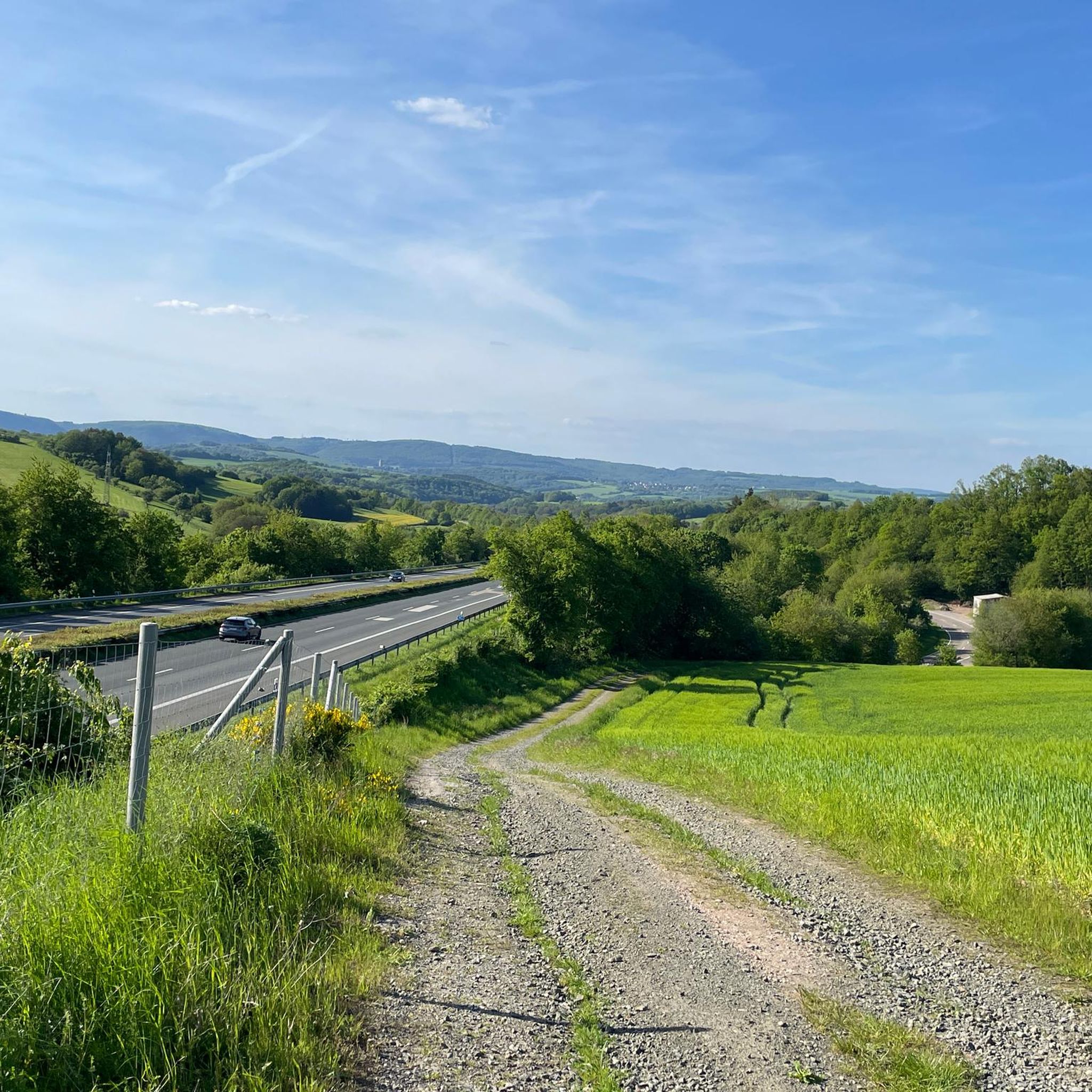
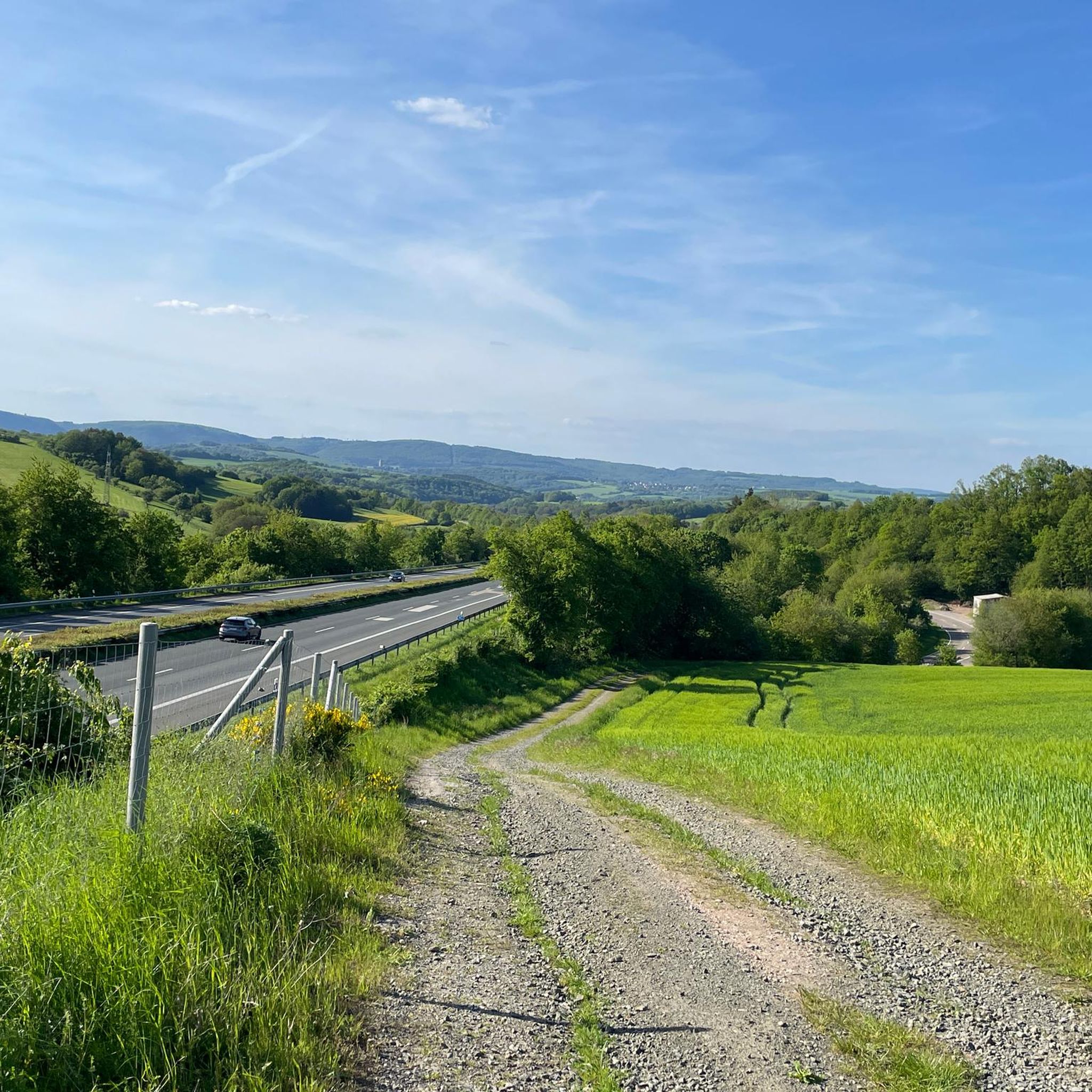
A very steep path on Burg Lichtenberg.
0
0

The Altenburg (Deinsberg Castle Ruins): It was probably built in the second half of the 12th century. At that time, Emperor Barbarossa had several castles built to secure his country's borders. At that time, Theisbergstegen consisted of two towns belonging to different territories. It is likely that the Altenburg was called Deinsberg Castle, as it was customary for lords and knights to name themselves after their castle residence. There is ample evidence of this, for example, Knight Anselm and Servant Heinrich, both of Deinsberg. The castle was approximately 60 meters long and 33 meters wide. The residential tower and gate tower were elevated and separated by a moat, which probably contained a cistern for rainwater. It was probably destroyed as early as 1400. Further information: http://www.potzberg.de/index.php/die-altenburg
3
0

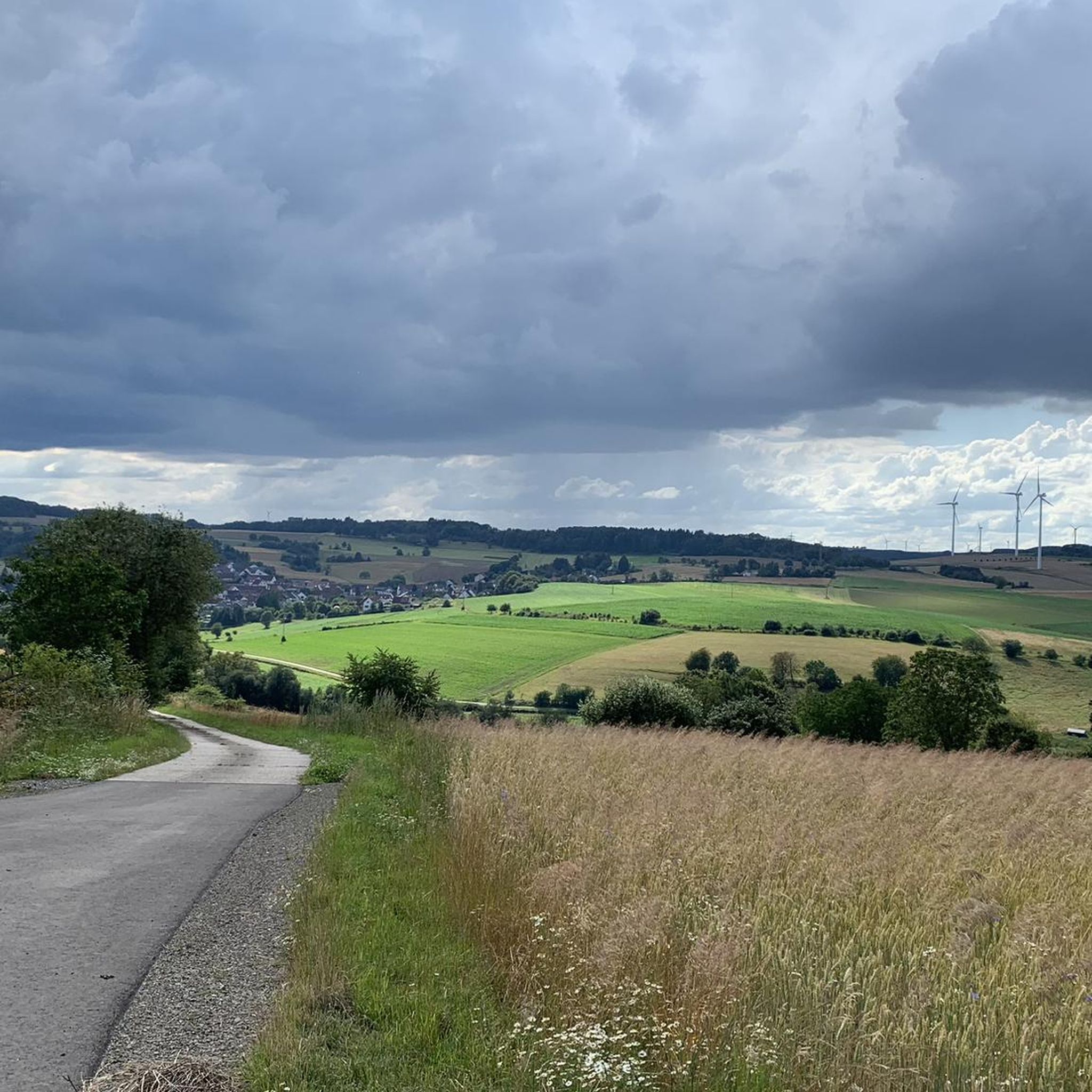
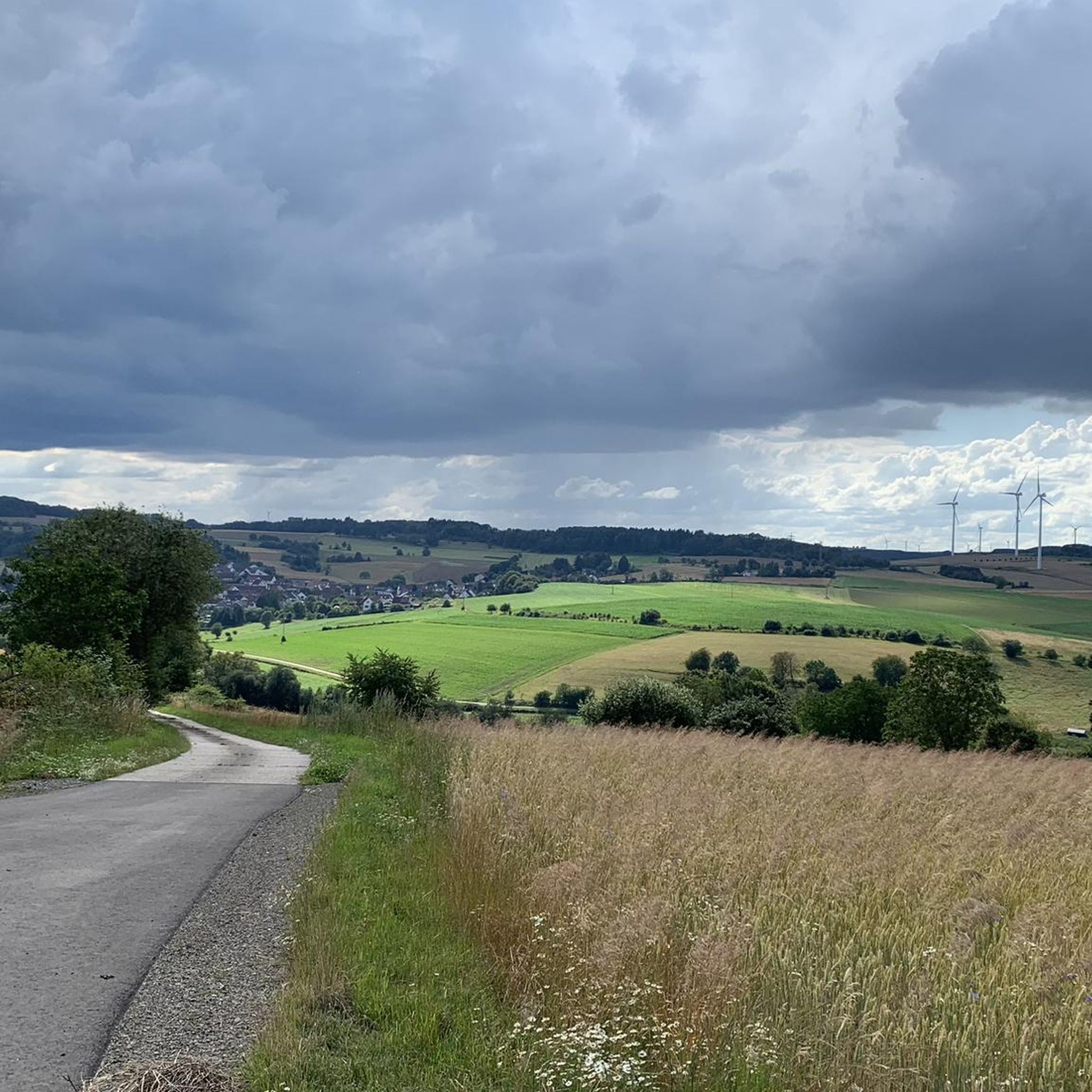
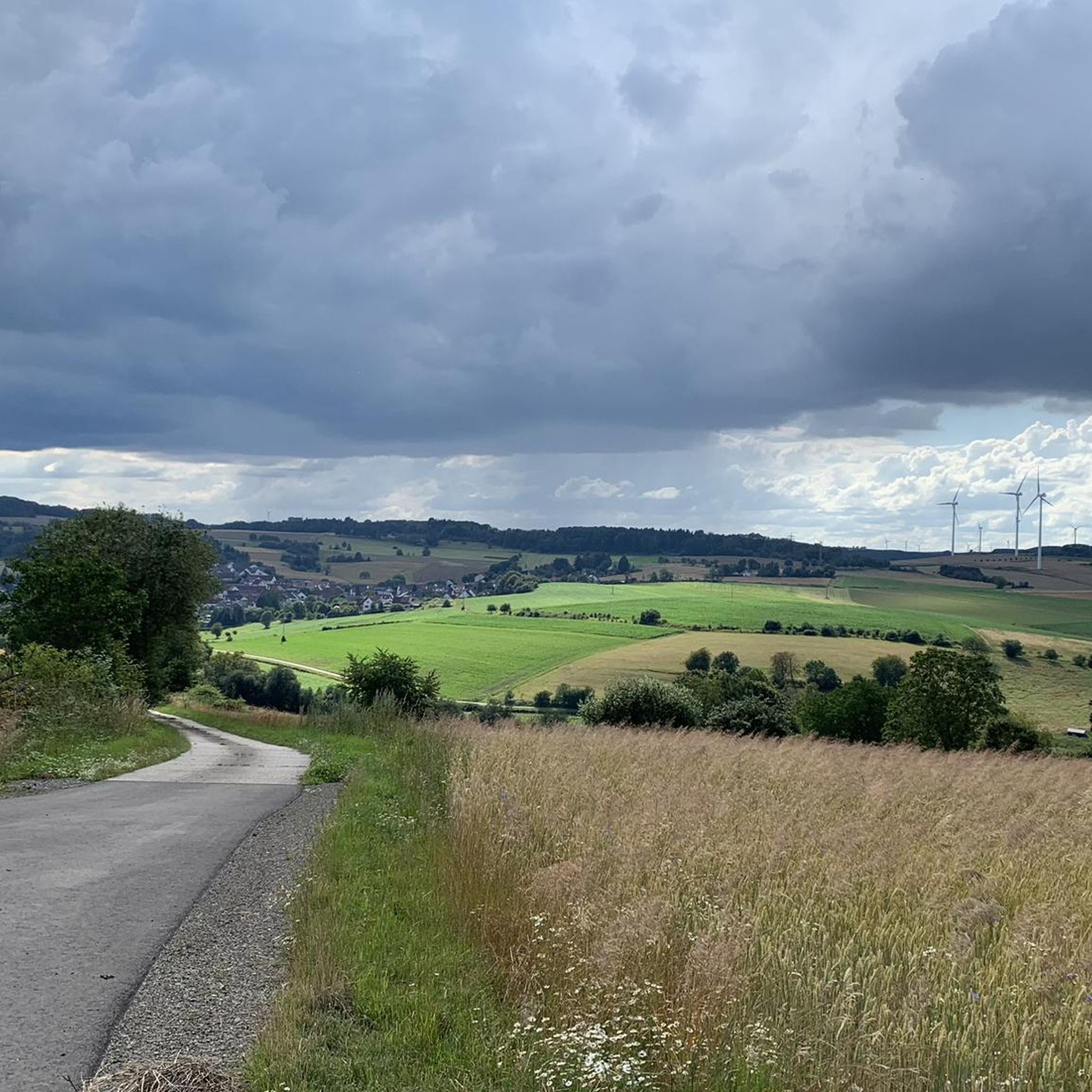
A quiet, gently ascending forest path leads from Ruthweiler up to the imposing Lichtenberg Castle – one of the largest castle ruins in Germany. The path is easy to walk, shady, and offers frequent views of the valley. Tip: Go early in the morning – then the path is almost deserted, the air is fresh, and the castle looks particularly impressive in the first light. Ideal as an introduction to castle exploration or for nature lovers with a sense of history.
0
0
The Counts of Veldenz once reigned supreme over the land here – today, the mighty remains of the walls bear witness to a turbulent past. The Michelsburg Castle was built in the 13th century and later destroyed by French troops. 📌 Tip: Through the narrow window in the main wall, you can gaze directly into the expanse of the West Palatinate – a quiet moment with great symbolic significance. If you like, take a seat on the bench in front and simply let the history take effect.
0
1
This lovingly designed overview panel impressively demonstrates how the Remigiusberg developed from an important monastery and castle site into the cultural landscape it is today. Only a ruin of the Michelsburg remains – but the historical spirit of the place remains. 📌 Tip: If you take a moment to read the panel carefully, you'll gain a historical perspective on the entire area in just a few glances. Ideal for a thoughtful break before visiting the church or stopping at a restaurant.
0
1
From the castle you have a beautiful view of the Glan valley.
1
0
The Michelsburg Castle and the neighboring former provost church of St. Remigius on the Remigiusberg near Haschbach, in the center of the Glan Valley, are the historical heart of the Remigiusland region. The first documented mention of an illegally built hilltop castle dates back to 1127, when Benedictine monks purchased it from a knight named Adelbert. The monks used the stones of the former castle to build the Benedictine provost church of St. Remigi, the remnant of which is the Remigius Church. Count Henry II of Zweibrücken built a second castle out of wood in 1260 – during the inheritance disputes of the counts of Veldenz – after the first male line of counts of Veldenz had died out in 1259. This castle was later expanded and furnished with stone, and a chapel (dedicated to St. Michael) was built inside. In 1543, Count Palatine Rupert of Veldenz made the castle his secondary residence and had a princely crypt built in the provost church. Little is known about what happened to the castle in later centuries, but it was reportedly still intact in 1708 and changed hands several times. In 1868, it came into the possession of the St. Remigiusberg Catholic Church Foundation. Today, the 20-meter-high shield wall, remnants of the palace, the ring wall, and the moat are preserved.
4
0
Frequently Asked Questions
What are the most significant castles to visit near Hüffler?
The region around Hüffler in the Palatinate offers several historically significant castles. Key sites include Lichtenberg Castle, known as one of Germany's longest castle ruins and the largest complex in the Palatinate, and Nanstein Castle near Landstuhl, famous for its association with Franz von Sickingen. Other notable ruins are Michelsburg Ruins at Remigiusberg and Altenburg Castle Ruins (Deinsberg).
What makes Lichtenberg Castle a popular destination?
Lichtenberg Castle is highly popular due to its immense size (425 meters long), rich history (never conquered), and modern amenities. It houses two museums, including the Geoskop prehistoric museum with dinosaur finds, a restaurant, and a youth hostel. Visitors can explore the grounds, climb the tower for panoramic views, and enjoy cultural events. It's considered a 'full-service castle' offering a comprehensive experience.
What is the historical significance of Nanstein Castle?
Nanstein Castle, first mentioned in 1253, was built as part of the Hohenstaufen defenses. It gained significant historical importance in the 16th century as the stronghold of Imperial Knight Franz von Sickingen, who modernized it into an artillery-resistant fortress. The castle's history is marked by power struggles, destruction, and rebuilding, with its architecture reflecting building materials from five centuries. Franz von Sickingen was mortally wounded here during a siege in 1523.
Can you tell me more about Michelsburg Ruins at Remigiusberg?
The Michelsburg Ruins at Remigiusberg, along with the nearby St. Remigius church, form the historical heart of the Remigiusland region. Originally built in 1127, it was later expanded in stone. Today, visitors can explore the impressive 20-meter-high shield wall, remnants of the palace, the ring wall, and the moat, all while enjoying great views of the surrounding rolling hills and forests.
What can I expect when visiting Altenburg Castle Ruins (Deinsberg)?
The Altenburg Castle Ruins (Deinsberg) likely dates back to the second half of the 12th century, possibly built under Emperor Barbarossa to secure borders. Though largely ruined by 1400, its remnants, including parts of the residential and gate towers, offer a glimpse into medieval architecture. It's a site for those interested in historical exploration amidst a natural setting, often featuring forest and viewpoints.
Are there hiking opportunities around the castles near Hüffler?
Yes, the region offers various hiking opportunities around its castles. For instance, there's a Forest Path to Lichtenberg Castle, which is a quiet, gently ascending trail. You can also find more challenging routes like the Steep trail descent from Lichtenberg Castle. For more general hiking, running, or mountain biking routes in the area, you can explore the running trails, MTB trails, or gravel biking routes around Hüffler.
Are there any family-friendly castles or activities near Hüffler?
Absolutely. Lichtenberg Castle is particularly family-friendly. It features the Geoskop prehistoric museum, which showcases Germany's oldest dinosaur finds and offers interactive exhibits, making history and science engaging for children. The castle also has a youth hostel and a restaurant, providing convenience for families.
What kind of views can I expect from the castles in the region?
Many castles in the Hüffler region are strategically located on elevated positions, offering impressive panoramic views. From Lichtenberg Castle's keep, you get a fantastic view over the Palatinate mountains and the Kuseler Land. Nanstein Castle provides sweeping views over Landstuhl and the North Palatinate mountains. Similarly, Michelsburg Ruins offers great views of the rolling hills and forests of the area.
Are there facilities like restaurants or museums at the castles?
Yes, some castles offer excellent facilities. Lichtenberg Castle is well-equipped with a restaurant, a modern youth hostel, and two museums: the Palatinate Musicians' Museum and the Geoskop prehistoric museum. Nanstein Castle also has a castle tavern (Burgschänke) located directly below the ruins, complete with a viewing terrace, and an information exhibition on its history.
What is the best time of year to visit the castles around Hüffler?
The best time to visit the castles around Hüffler is generally during the spring, summer, and early autumn months. The weather is more favorable for exploring the outdoor ruins and enjoying the panoramic views. Many castles also host cultural events and festivals during these seasons, such as the Landstuhl Castle Games at Nanstein Castle, which enhance the visitor experience.
Are any of the castles near Hüffler accessible for visitors with mobility concerns?
Lichtenberg Castle is noted for being a barrier-free complex, making it more accessible for visitors with mobility concerns. It also offers a digital 360° tour via an infotainment system or smartphone app, providing rich background information for those who may have difficulty navigating certain parts of the ruins.
What is the general historical context of castles in the Hüffler region?
The Hüffler region, part of the Palatinate, is rich in medieval heritage. Castles here, like Lichtenberg Castle and Nanstein Castle, often served strategic purposes, built on elevations to secure borders or as administrative seats. Their histories reflect centuries of power struggles, architectural evolution, and the changing landscape of German territories, from Hohenstaufen defenses to the Knights' War.
Most popular routes around Hüffler
Most popular attractions around Hüffler

Get inspired with the komoot mobile app


Explore more
Looking for the best castles somewhere else? Discover other guides around Hüffler:
