Top 20 Castles around Spabrücken
Castles around Spabrücken are situated in the Rhineland-Palatinate region of Germany, an area characterized by its diverse natural landscape and historical significance. The region features rolling hills, river valleys, and forests, providing varied terrain for exploration. Spabrücken itself is a municipality within this historical landscape, offering access to numerous medieval structures. These sites contribute to the cultural heritage of the Nahe Valley and surrounding areas.
Best castles around Spabrücken
- The most popular castles is Dalburg castle ruins, a castle…
Last updated: July 1, 2026
Dalburg castle ruins
Highlight • Castle
Translated by Google •
Tip by

Stromberg Old Town and Snake Tower
Highlight • Historical Site
Translated by Google •
Tip by

Sign up now to discover places like this
Get recommendations on the best single tracks, peaks, & plenty of other exciting outdoor places.
Sign up for free
Suitbertstein Castle Ruins
Highlight • Castle
Translated by Google •
Tip by

Winterburg Castle
Highlight • Castle
Translated by Google •
Tip by
Karlsburg Ruins
Highlight • Castle
Translated by Google •
Tip by
Sign up for free to discover even more castles around Spabrücken.
Sign up for free
Already have an account?
Start today with a free account
Your next adventure awaits.
Login or Signup
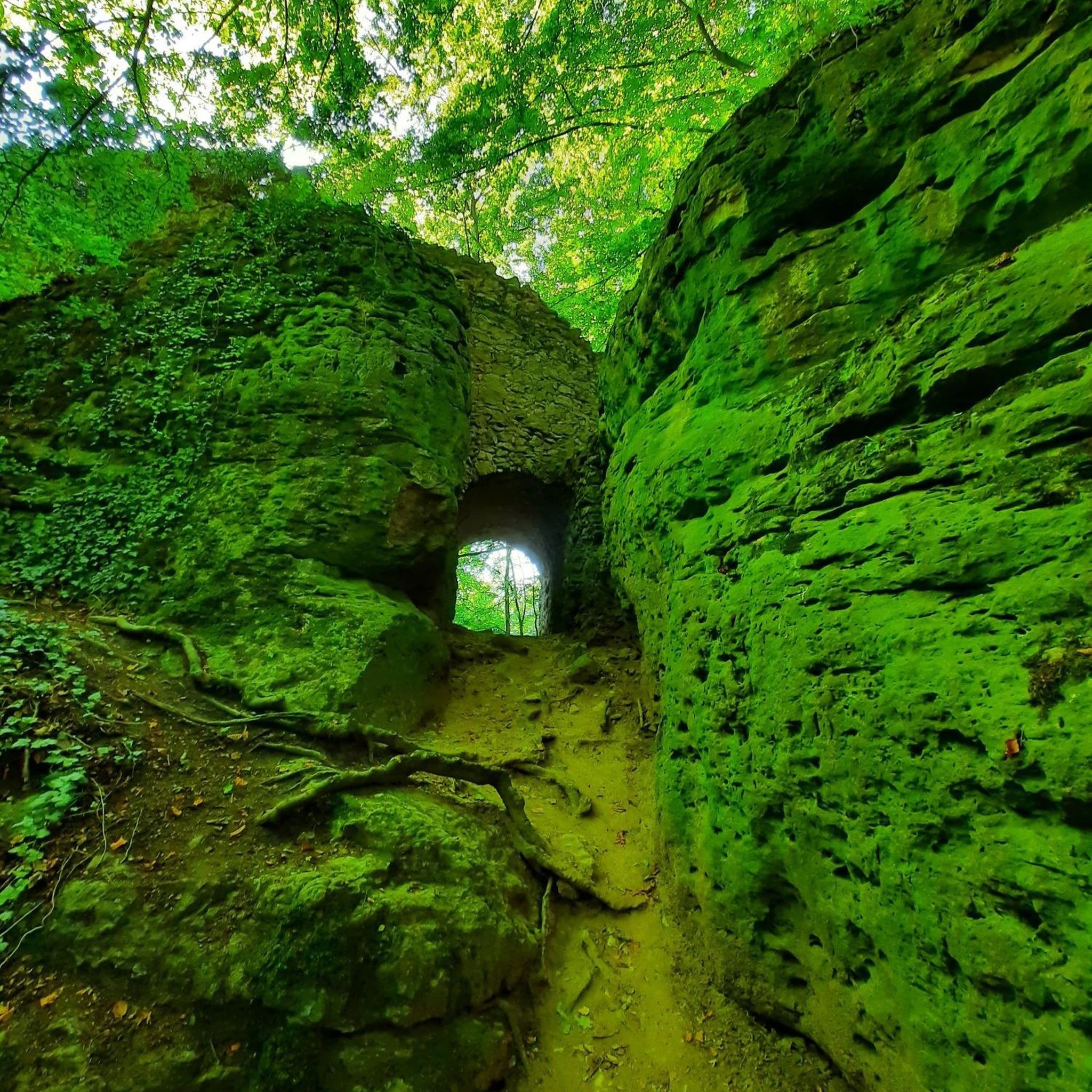
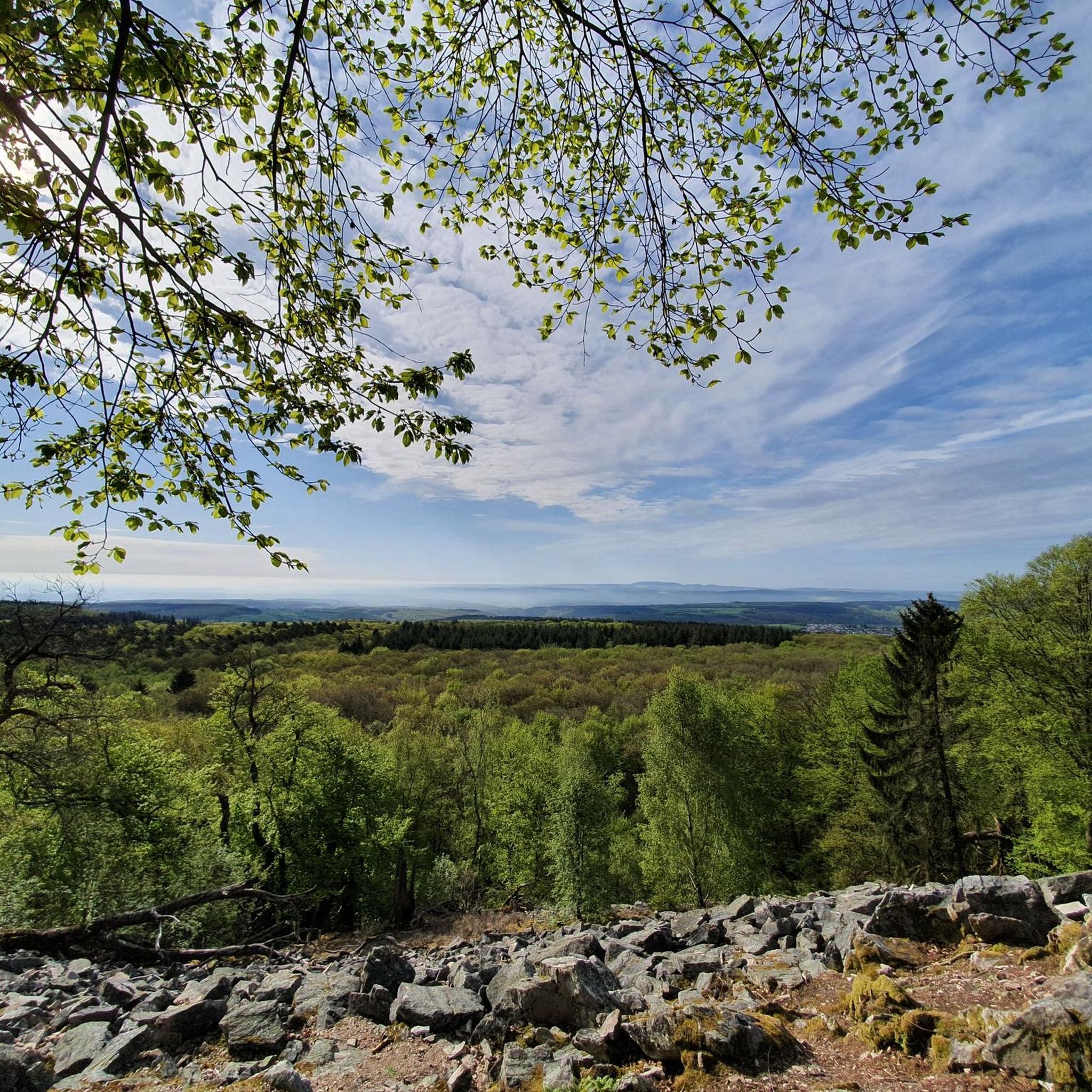
Tips from the Community

Beautiful place, beautiful village
0
0

Even if there is not much left, it is still impressive when the ruin suddenly appears
1
0

The small town of Stromberg is also known as the gateway to the Nahe, Rhine, and Hunsrück rivers, as well as the town of the German Michel. Stromberg offers plenty of variety: a golf course, the Stromberg Flowtrail, hiking and biking trails, and castles await visitors and locals alike.
1
0

ATTENTION: Entry prohibited due to danger of collapse
0
0

It's worth a visit here, an association is trying to maintain it and you can see that. Wonderful castle that I like very much
3
1

Unfortunately, not much remains of the ruins
0
0

Hello, we were there on Saturday and started from the old train tracks at the Puricelli chapel Rheinböllerhütte. Unfortunately we didn't find a way to the Karlsburg. Do you have a tip? We are only partially sure-footed
0
0

On April 4, 1792, French revolutionary troops planted a liberty linden tree on Stromburg, which was destroyed on March 3, 1689. There was heavy fighting near Stromberg against the Prussians approaching in the north, in which the French General Custine deployed around 12,000 men. The new laws of the French revolutionary period were also introduced in the Middle East in 1796. Accordingly, all sovereigns were deprived of their rule and all Electoral Palatinates were dissolved, thus ending the small states of the Holy Roman Empire of the German Nation. Stromberg became the seat of a canton in Rhin-et-Moselle with 27 towns and 7,943 inhabitants. A final contract was concluded regarding the fate of the left bank of the Rhine. According to the Treaty of Lunéville of 1801, the Holy Roman Empire of the German Nation had to cede this area completely to France. From 1805 onwards, the Nahe region was again only used for troops to pass through. Sometimes residents from here were also sent to the front as French citizens. The Mayor of Stromberg sent 97 men between 1800 and 1814. The Prussian General Yorck set off from Wartenburg to Stromberg on New Year's Eve at 11 a.m., where he set up his quarters until January 4, 1814. General Blücher also stopped in Stromberg in 1814 during the wars of liberation. Under the Prussians until the end of the First World War According to the Congress of Vienna, the Near region had now been handed over to the Prussians, who, however, were more interested in ruling over Poland or Saxony. The population was also neither consulted nor taken into account, so that they behaved negatively towards the Prussians and considered everything to be a kind of interim government. The first half of the 19th century was not exactly rosy and brought with it numerous years of hardship.
1
1
Frequently Asked Questions
What are some notable castles and ruins to visit near Spabrücken?
The region around Spabrücken offers a mix of well-preserved ruins and unique castle sites. You can explore the foundations of Dalburg castle ruins, which was never destroyed by war but fell into ruin after being used as a quarry. The Suitbertstein Castle Ruins feature a heavily dilapidated residential tower with walls still preserved to a height of 12 meters. Winterburg Castle, though largely destroyed in 1689, still has considerable remains. Further afield, Burg Layen uniquely integrates medieval ruins with a working winery, Kauzenburg Castle offers panoramic views over the Nahe Valley, and Burg Eltz is a famous, untouched medieval castle nestled in a nature reserve.
Are there family-friendly castles or activities in the Spabrücken region?
While many castles are ruins, some offer features suitable for families. For instance, the Stromberg Old Town and Snake Tower is listed as family-friendly and offers historical context. Exploring the grounds of castles like Dalburg castle ruins can be an adventure for children, as they invite exploration of their well-preserved foundations. Kauzenburg Castle in Bad Kreuznach also hosts medieval banquets and cultural events in its vaulted cellars, which can be an engaging experience for families.
What kind of historical insights can I gain from visiting these castles?
The castles around Spabrücken offer a deep dive into medieval history. Sites like Dalburg castle ruins and Winterburg Castle showcase the resilience and eventual decline of fortresses through centuries of conflict and changing uses. Kauzenburg Castle illustrates architectural evolution with its blend of medieval ruins and modern renovations. Burg Eltz provides a rare glimpse into an untouched medieval castle, continuously owned by the same family since the 12th century, complete with a treasury of artifacts spanning nine centuries.
What natural features can I expect to see when visiting castles in this area?
The castles are often situated amidst the diverse natural landscape of Rhineland-Palatinate, characterized by rolling hills, river valleys, and forests. Burg Layen is located in the scenic Trollbach valley, surrounded by vineyards. Kauzenburg Castle offers spectacular panoramic views over the Nahe Valley. Burg Eltz is nestled within the Eltz Forest, a designated nature reserve, providing a magical atmosphere and opportunities to explore the romantic river landscape of the Elz.
Are there hiking opportunities around the castles near Spabrücken?
Yes, many castles are integrated into or are near hiking trails. For example, the area around Dalburg castle ruins is great for exploration. The Eltz Forest surrounding Burg Eltz offers exciting hiking trails with various perspectives of the castle. You can find numerous routes in the region, including the Hiking around Spabrücken guide, which features trails like the Spabrücken Panorama Trail and the Wildcat Trail.
What is the best time of year to visit the castles around Spabrücken?
The region's castles can be enjoyed throughout much of the year. Spring and autumn offer pleasant temperatures for exploring ruins and hiking, with vibrant foliage or blooming landscapes. Summer provides longer daylight hours, ideal for extended visits. Winter can offer a unique, quieter experience, though some facilities or trails might have limited access. Always check specific castle opening hours, especially for those with indoor exhibits like Burg Eltz.
Can I bring my dog to the castles or on nearby trails?
While specific castle policies vary, many outdoor castle ruins and surrounding hiking trails in the region are generally dog-friendly. For example, the hiking trails around Burg Eltz are popular with dog owners. When visiting specific castle grounds or indoor areas, it's always best to check their individual regulations beforehand. Always keep dogs on a leash and clean up after them.
Are there options for cycling or gravel biking near the castles?
Absolutely! The diverse terrain around Spabrücken is well-suited for cycling and gravel biking, often passing by or near historical sites. You can find routes in the Gravel biking around Spabrücken guide and the Cycling around Spabrücken guide. These guides include routes that might take you past viewpoints of castles or through scenic valleys where castles are located.
What should I bring for a visit to the castle ruins?
For exploring castle ruins and nearby trails, sturdy footwear is highly recommended, especially as terrain can be uneven, such as around Burg Layen. Depending on the weather, layers of clothing, rain gear, and sun protection are advisable. Water and snacks are always a good idea, particularly if you plan to hike. A camera is a must to capture the historical architecture and scenic views.
Are any of the castles around Spabrücken accessible for visitors with mobility challenges?
Many of the castles in the region are ruins, often situated on hilltops or with uneven terrain, which can present challenges for accessibility. For example, the path to Karlsburg Ruins is steep and overgrown. Burg Layen also has uneven terrain. Burg Eltz, while well-preserved, is a medieval castle with many stairs. It is advisable to check the specific accessibility information for each castle directly before your visit, as modern renovations or visitor centers might offer some accessible features.
Where can I find refreshments or places to eat near the castles?
Some castles offer on-site options. Burg Layen, for instance, operates as a working winery where you can purchase wine. Kauzenburg Castle in Bad Kreuznach features restored vaulted cellars that host medieval banquets and cultural events. For other castles, you'll typically find cafes, pubs, and restaurants in the nearby towns and villages, such as Bad Kreuznach or Stromberg, which is known for its old town and various amenities.
Are there any less crowded castle options for a quieter experience?
While Burg Eltz is very popular, many of the smaller ruins closer to Spabrücken, such as Dalburg castle ruins, Suitbertstein Castle Ruins, or Winterburg Castle, might offer a quieter and more contemplative experience, especially during off-peak hours or seasons. These sites are often integrated into hiking trails, allowing for a peaceful exploration away from larger crowds.
What makes Burg Layen unique among the castles in the region?
Burg Layen stands out due to its unique integration of medieval castle ruins with modern winery facilities. Visitors can observe how the ancient walls frame contemporary wine production areas, offering a distinctive blend of history and viticulture. The castle also features an estimated 800-year-old cellar and is surrounded by vineyards, providing scenic walking paths.
Most popular routes around Spabrücken
Most popular attractions around Spabrücken

Get inspired with the komoot mobile app


Explore more
Looking for the best castles somewhere else? Discover other guides around Spabrücken:
