Top 20 Castles around Altenbamberg
Best castles around Altenbamberg are primarily found in the Rhineland-Palatinate region of Germany, offering a glimpse into medieval history. The area is characterized by its strategic ridges and valleys, such as the Alsenz Valley, where these historical sites are often perched. These castles, many of which are ruins, played significant roles in the Middle Ages, including defense and ancestral seats for noble families. Visitors can explore various castle complexes, often providing panoramic views of the surrounding natural landscape.
Best castles…
Last updated: October 9, 2026
Rheingrafenstein Castle Ruins
Highlight • Castle
Enjoy the nature!
Translated by Google •
Tip by

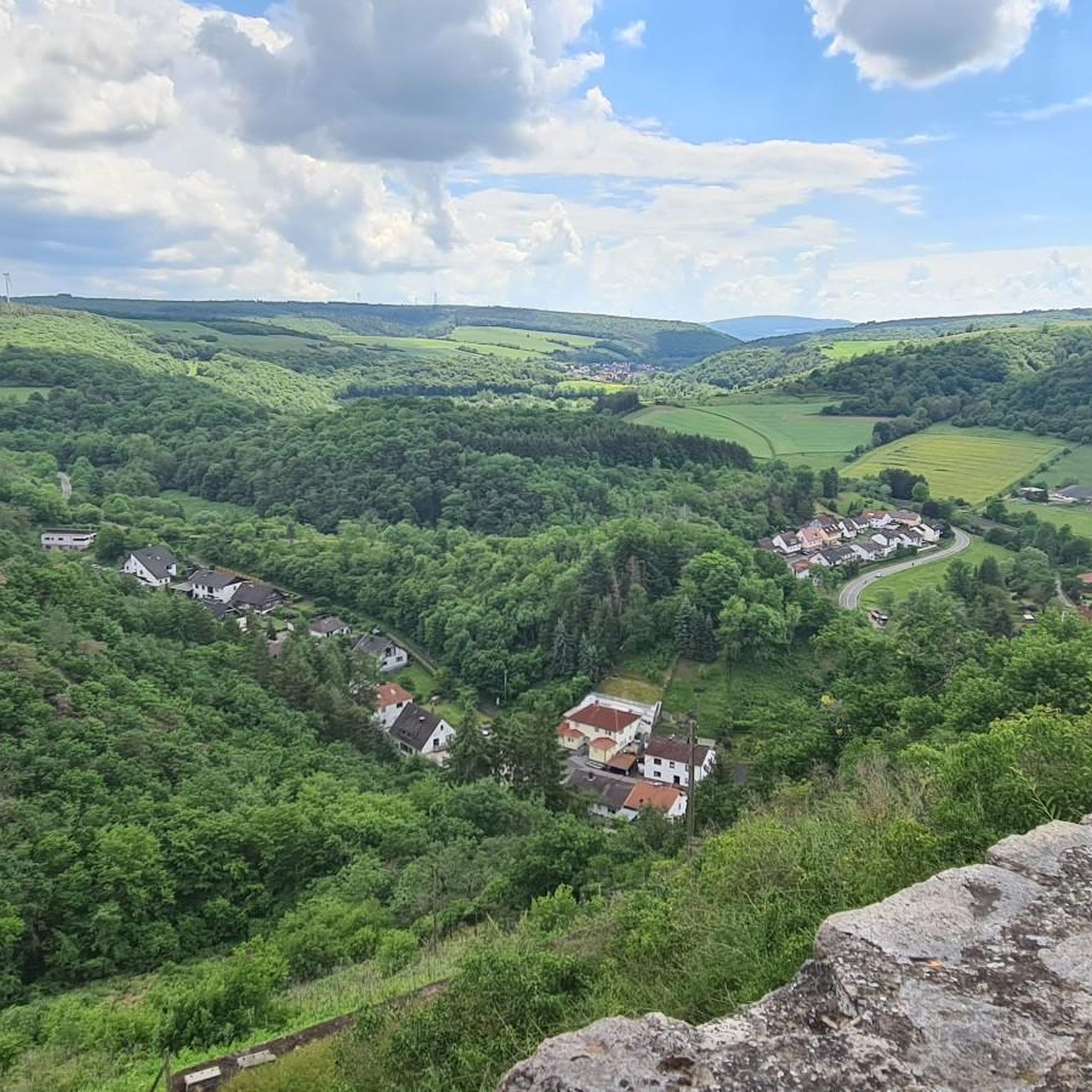
View of Rheingrafenstein Castle
Highlight • Viewpoint
View from the town of Bad Münster am Stein.
Its origins are legendary: the devil is said to have built the castle on the steep, 245 m …
Translated by Google •
Tip by

Sign up now to discover places like this
Get recommendations on the best single tracks, peaks, & plenty of other exciting outdoor places.
Altenbaumburg Castle Ruins
Highlight • Castle
Translated by Google •
Tip by
Montfort Castle Ruins
Highlight • Castle
Translated by Google •
Tip by

Moschellandsburg Ruins
Highlight • Castle
Translated by Google •
Tip by

Sign up for free to discover even more castles around Altenbamberg.
Already have an account?
Start today with a free account
Your next adventure awaits.
Tips from the Community

👑 Rheingrafenstein Castle Ruins – The Rock Boss on the Cycle Path Tip: Stop here! The Rheingrafenstein ruins sit dramatically perched on a 136-meter-high porphyry cliff above the Nahe River – one of the most impressive sights of the entire tour. The castle was the ancestral seat of the famous Wildgraves and Rhinegraves (until it was blown up in 1689). The view from the cycle path is phenomenal! If you really want to go up (and have enough energy), you can take the small hand-pulled ferry across and take the steep hiking trail to the ruins. It's worth it for the view over the Nahe Valley, but honestly: My legs were already tired enough from cycling. The panoramic view from below is worth its weight in gold! A must-have for your photo collection!
1
0

Rheingrafenstein Castle sits enthroned on a steep porphyry cliff (245 meters high) directly above the Nahe River near Bad Münster am Stein-Ebernburg. Legend has it that the devil himself built the castle—a reference to its dramatic location and mystical aura. In fact, it likely dates back to the 11th century and was the ancestral seat of the Lords of Stein, later the Wildgraves and Rhinegraves. In 1689, it was blown up by French troops under Louis XIV, and since then it has been a ruin—but an extremely impressive one.
3
0

Great castle ruins. You can easily imagine how large and impressive this building once was. There is nice seating and views.
1
0

Beautiful rock with the Rheingrafenstein castle ruins. It is said that the devil is said to have built the castle. In any case, the castle was blown up by the French troops under Louis XIV.
4
3

Unfortunately everything was in the fog today, but the castle is worth a visit and we'll be back again
3
0

Very nice ruin. Worth visiting the castle. We have linked the system with our tour on Lemberg.
4
0

The ascent pulls a bit in the calves, but it's definitely worth it. Beautiful castle ruins to discover, especially in the evening in the light of the setting sun. There is a viewing platform and even a long table with benches for a rest.
4
0

You can take the ferry here, walk up to the ruins and enjoy the view. If you like, you can continue on the way to the spa gardens of Bad Kreuznach. It's worth it.
5
2
Frequently Asked Questions
What are the most popular castles to visit around Altenbamberg?
The region around Altenbamberg is rich in historical castle ruins. Among the most popular are Rheingrafenstein Castle Ruins, known for its magnificent panoramic views into the Nahe valley, and Altenbaumburg Castle Ruins, which offers expansive views of the Alsenz Valley and even houses a restaurant in its reconstructed palas. Another highly-rated site is Montfort Castle Ruins, a free-to-visit ruin nestled in a forest.
Are there family-friendly castles or activities near Altenbamberg?
Yes, Montfort Castle Ruins is specifically noted as family-friendly. Many of the castle ruins, including Altenbaumburg, are free to explore and offer opportunities for walking and discovery, which can be enjoyable for families. The historical context and panoramic views also provide an engaging experience for all ages.
What kind of views can I expect from the castles in the Altenbamberg area?
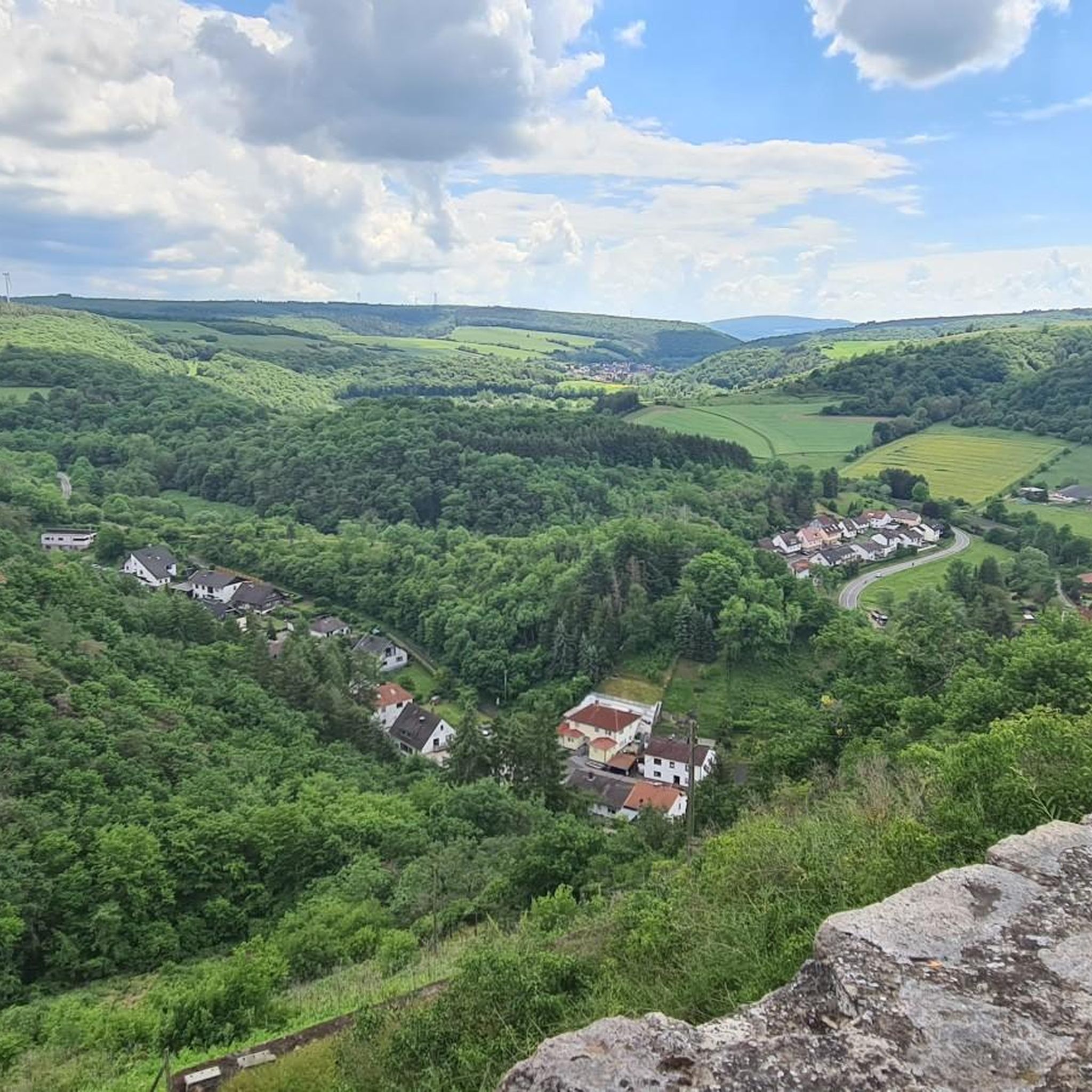
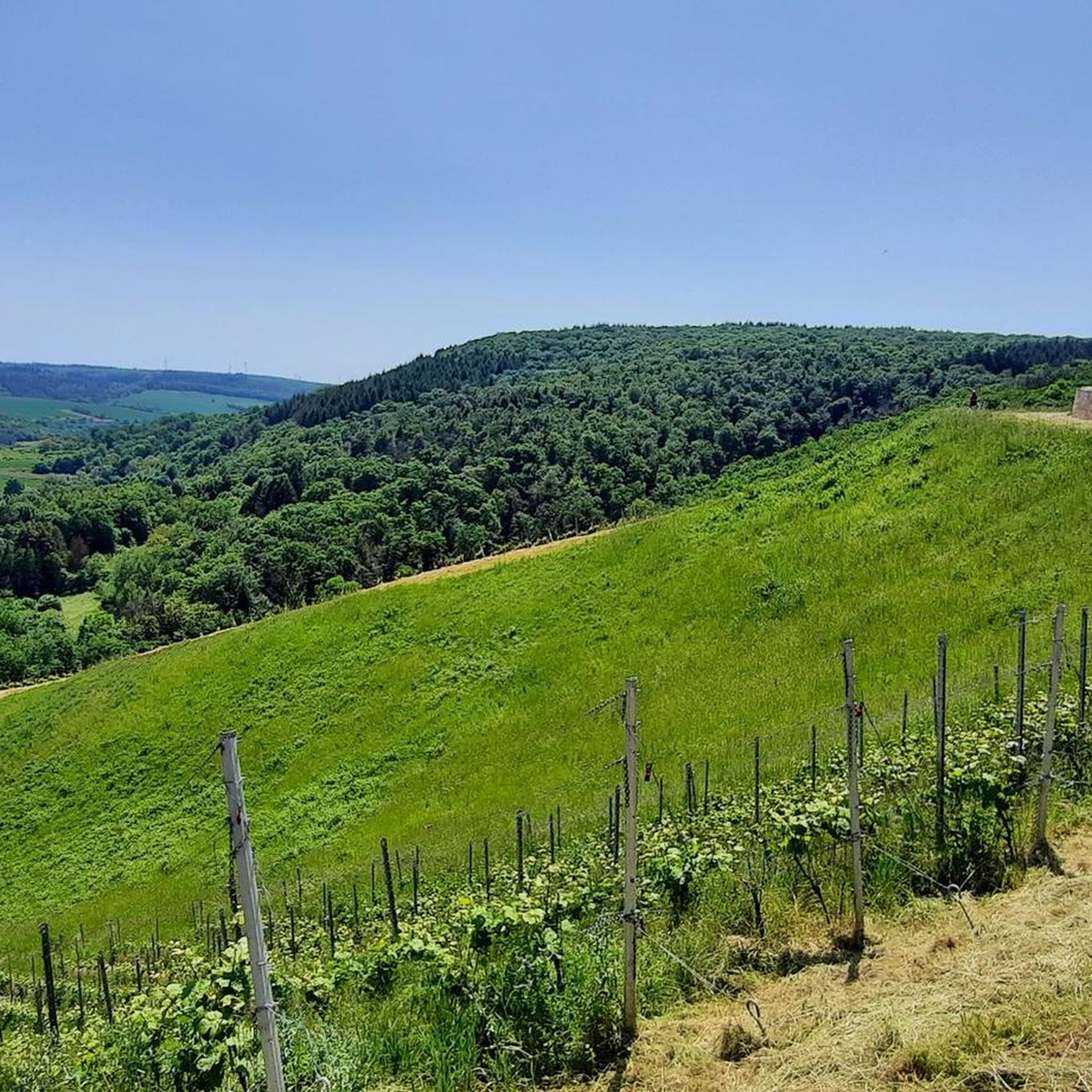
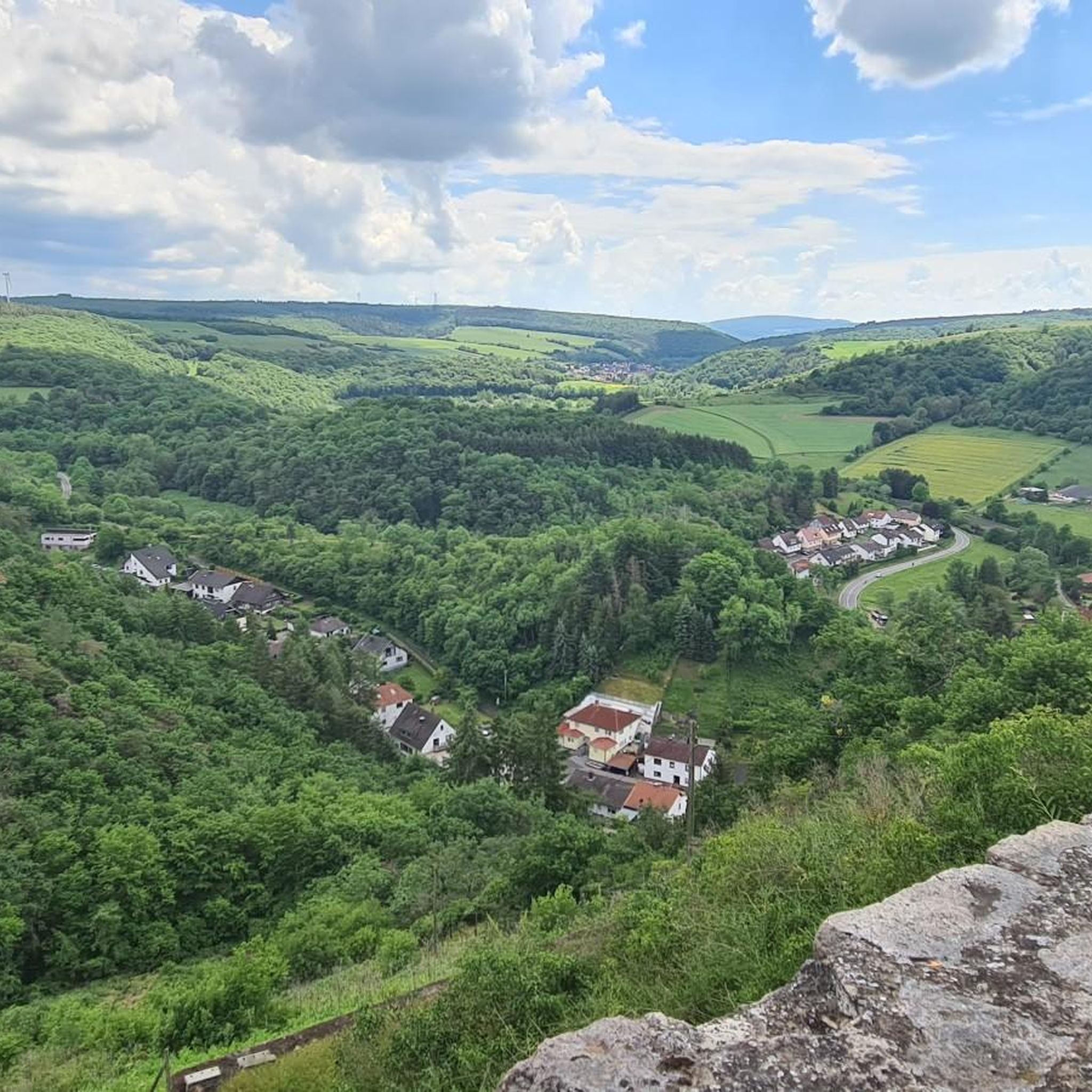
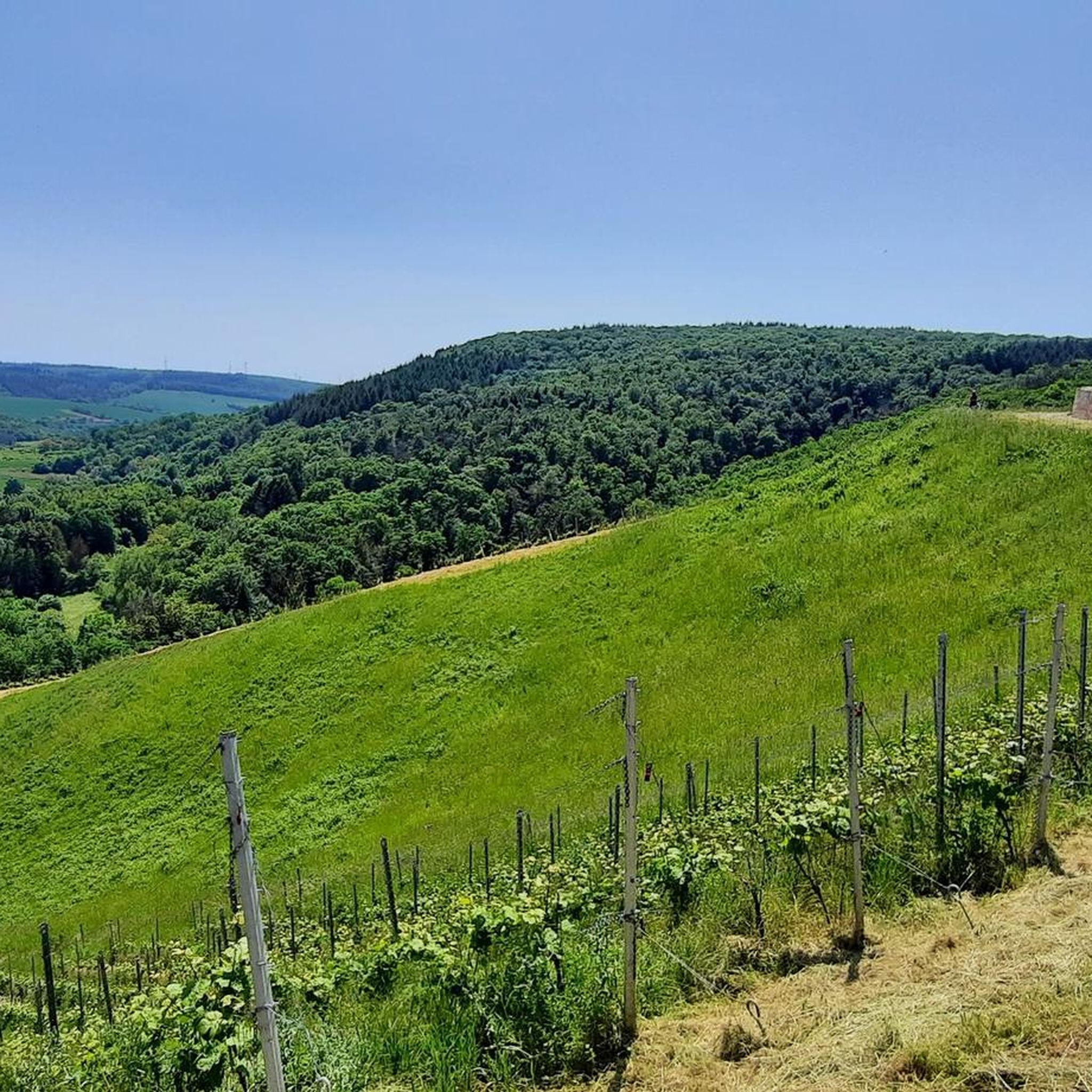
The castles around Altenbamberg, particularly Rheingrafenstein Castle Ruins and Altenbaumburg Castle Ruins, are perched on strategic ridges, offering expansive and captivating panoramic views. You can expect to see picturesque valleys like the Nahe and Alsenz, surrounding forests, and the unique rock formations of the region.
Are there hiking trails that lead to the castles?
Absolutely. The castle ruins are popular destinations for hikers. For instance, various trails lead to Altenbaumburg Castle Ruins, and the 'Eagle Owl Trail' branches off nearby. You can find several running and hiking routes that incorporate these historical sites. For more detailed routes, explore the Running Trails around Altenbamberg guide.
What outdoor activities can I do near these castles?
Beyond exploring the castles themselves, the area offers excellent opportunities for outdoor activities. Hiking and running trails are abundant, often leading directly to or past the ruins. There are also options for gravel biking and road cycling. You can find detailed routes in the Gravel biking around Altenbamberg and Road Cycling Routes around Altenbamberg guides.
Is there a restaurant or cafe at any of the castle ruins?
Yes, Altenbaumburg Castle Ruins features a reconstructed palas that now houses a restaurant. This offers a convenient and enjoyable stop for visitors to relax and have a meal while exploring the site.
What is the historical significance of Altenbaumburg Castle?
Altenbaumburg Castle Ruins was the ancestral seat of the Raugrafen family and played a strategic role in the Middle Ages, forming a 'defense triangle' with other castles in the region. First mentioned around 1112, it has a rich history of ownership changes, destruction during conflicts like the Thirty Years' War, and eventual devastation by French troops in 1689. Its remains offer a fascinating glimpse into medieval architecture and regional history.
Are the castle ruins accessible by public transport?
While Altenbamberg has a train station, direct public transport to the castle ruins themselves might be limited. Many visitors opt to drive and park nearby, or combine public transport with a hike. It's advisable to check local bus schedules if you plan to rely solely on public transport for the final leg to the ruins.
Are there any parking facilities near the castle ruins?
Yes, parking is generally available near the popular castle ruins. For Altenbaumburg Castle Ruins, there are parking options available, often within a reasonable walking distance to the site. Specific parking locations can vary, so checking local signage upon arrival is recommended.
What do visitors enjoy most about the castles around Altenbamberg?
Visitors frequently praise the magnificent panoramic views from sites like Rheingrafenstein Castle Ruins and Altenbaumburg Castle Ruins. The opportunity to explore medieval history, the well-maintained hiking trails, and the unique natural settings are also highly appreciated. The presence of a restaurant at Altenbaumburg is often highlighted as a welcome amenity.
Can I visit the castle ruins in winter?
Many of the castle ruins, including Altenbaumburg Castle Ruins, are free to explore all year round. While the ruins themselves are accessible, hiking trails leading to them might be more challenging in winter conditions due to snow or ice. It's recommended to wear appropriate footwear and clothing for winter walks.
Are there any hidden or lesser-known castles worth exploring near Altenbamberg?
While the main castles like Altenbaumburg, Rheingrafenstein, and Montfort are well-known, the region is dotted with numerous historical sites. Exploring the various hiking trails can often lead to smaller, less prominent ruins or historical markers that offer a quieter, more intimate glimpse into the area's past. The entire region of Rhineland-Palatinate is rich in such discoveries.
Most popular routes around Altenbamberg
Most popular attractions around Altenbamberg

Get inspired with the komoot mobile app


Explore more
Looking for the best castles somewhere else? Discover other guides around Altenbamberg:
