Top 13 Castles around Mastershausen
Castles around Mastershausen are primarily found within the Hunsrück region, an area characterized by its valleys and historical significance. The landscape features medieval structures, including castle ruins that provide insight into the region's past. Mastershausen was historically part of the Amt Balduinseck, an administrative district established in the 14th century. This area offers a blend of natural settings and historical landmarks for exploration.
Best castles around Mastershausen
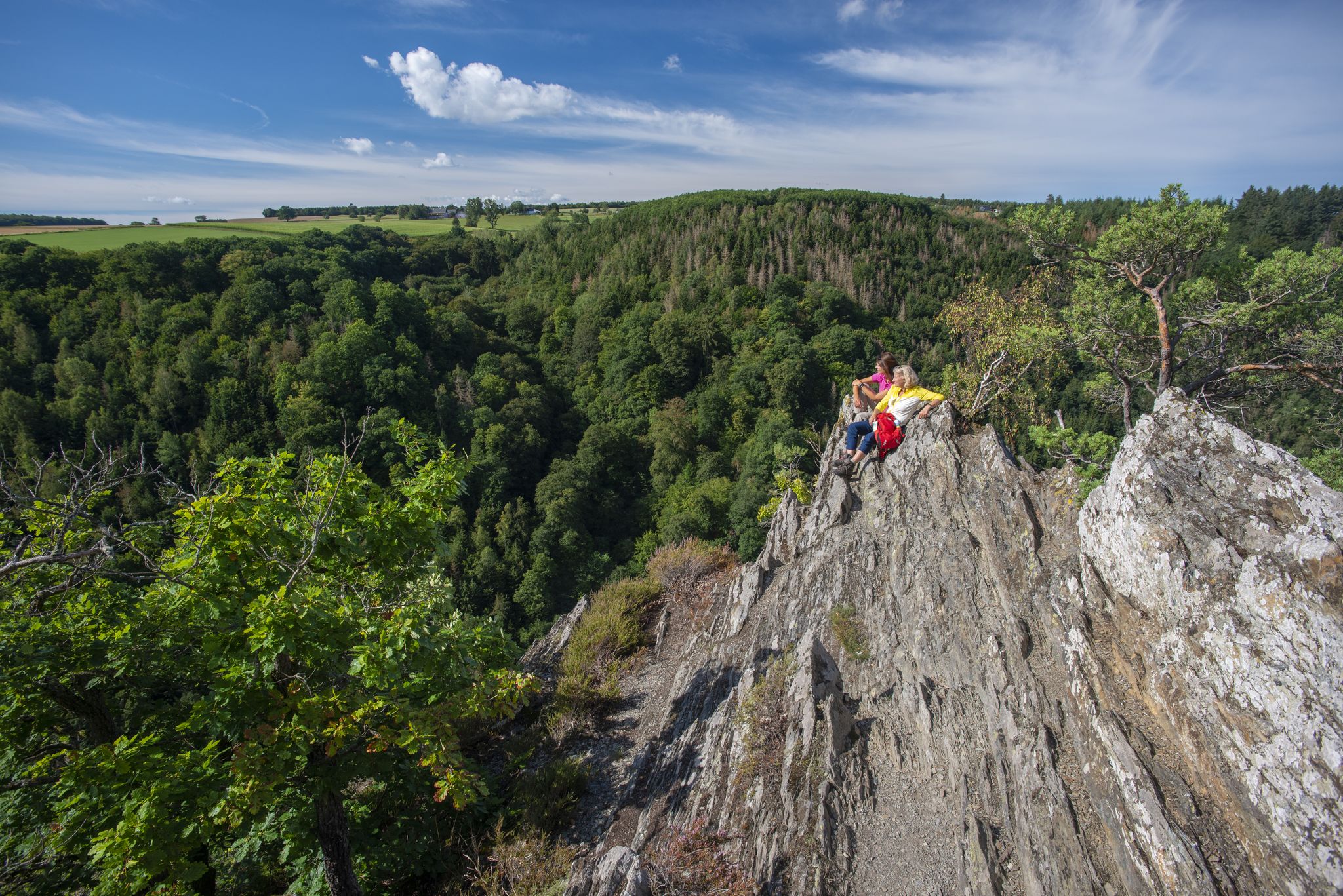
- The most popular castles is Beilstein, a settlement that features one of…
Last updated: October 10, 2026
View of Beilstein and Metternich Castle
Highlight • Viewpoint
Franconian grave finds show Beilstein's settlement around 800 AD. The place had been a feudal possession of the Lords of Braunshorn since 1268. …
Translated by Google •
Tip by

Beilstein
Highlight • Settlement
Translated by Google •
Tip by

Sign up now to discover places like this
Get recommendations on the best single tracks, peaks, & plenty of other exciting outdoor places.
Metternich Castle Ruins
Highlight • Castle
Translated by Google •
Tip by

Balduinseck Castle Ruin
Highlight • Castle
Translated by Google •
Tip by

View of Metternich Castle and the River Moselle
Highlight • Viewpoint
Translated by Google •
Tip by

Sign up for free to discover even more castles around Mastershausen.
Already have an account?
Start today with a free account
Your next adventure awaits.
Other adventures around Mastershausen

Tips from the Community

Beilstein "The Sleeping Beauty of the Moselle" One of the most beautiful towns on the Moselle, also known as the Sleeping Beauty of the Moselle. We Beilsteiners always strive to treat our guests warmly and kindly and to welcome them as friends when they return to visit us again and again, often for decades. Text / Source: Beilstein Mosel, Bachstr. 47, 56814 Beilstein https://beilstein-mosel.de/
18
1

The view is beautiful
2
0

Impressive view of the Moselle and the castle
2
0

A beautiful viewpoint, unfortunately it was overgrown and so I couldn't photograph the loop.
2
0

Views reward the visitor. It's very worth it.
3
0

Great view and refreshment stop
3
0

History (for those who are interested :-) Franconian grave finds show Beilstein's settlement around 800 AD. The place had been a feudal possession of the Lords of Braunshorn since 1268. Under Johann von Braunshorn (1299–1346), Beilstein received city privileges from King Henry VII in 1309 and was fortified. A Jewish community has been documented since 1309, and its Jewish cemetery above the castle still exists today. The former parish church was founded in 1310. After the von Braunshorn family died out, the fief passed to the von Winneburg family in 1360. After Kurtrier took possession of Beilstein in 1488, the Imperial Counts of Metternich enfeoffed the rule of Winneburg and Beilstein in 1652. In 1689, Metternich Castle (“The Proud Walls”) was destroyed by French troops. A Carmelite monastery was founded in 1636 (abolished in 1803), and the foundation stone of the Carmelite monastery church was laid in 1691, which was completed in 1783. The townscape was created in the 17th and 18th centuries and has largely been preserved to this day. The rule of the Imperial Counts of Metternich ended in 1794 with the occupation by French revolutionary troops. From 1798 to 1814 the place belonged to the canton of Zell in the Rhine-Moselle department and was the main town of a Mairie. In 1815 the place was assigned to the Kingdom of Prussia at the Congress of Vienna and belonged to the Senheim mayor's office in the Zell district. It has been part of the state of Rhineland-Palatinate since 1946. Source: wikipedia
16
1

If you want to save the entrance fee for the castle complex, you have a beautiful view of the Moselle with your ships from here.
2
0
Frequently Asked Questions
What are the most visited castles and historical sites around Mastershausen?
Visitors frequently explore sites like Beilstein, a historic settlement known for its well-preserved character and castle ruin overlooking the Moselle. Another popular spot is the Balduinseck Castle Ruin, a significant historical site and a highlight for hikers. The Metternich Castle Ruins also draw many visitors for their impressive size and views of the Moselle valley.
What is the historical significance of the castles in the Mastershausen area?
The castles in this region, particularly the Balduinseck Castle Ruin, are stone witnesses to a rich past. Balduinseck, built in 1325, served as the administrative seat of the Amt Balduinseck, to which Mastershausen and 15 other towns belonged. These structures offer a glimpse into the medieval history and administrative divisions of the Hunsrück region.
Are there hiking trails that pass by castles near Mastershausen?
Yes, the region is excellent for hiking. The Balduinseck Castle Ruin is a key highlight on the premium hiking trail "Masdascher Burgherrenweg" and the 20th stage of the Saar-Hunsrück-Steig. You can find various hiking routes that incorporate these historical sites, offering a blend of nature and history. For more hiking options, explore the MTB Trails around Mastershausen, which include routes passing by Balduinseck.
What kind of natural scenery can I expect when visiting castles around Mastershausen?
The castles are nestled within the Hunsrück region, characterized by its valleys and lush landscapes. Many, like the castle ruin at Beilstein and the Metternich Castle Ruins, offer stunning views over the Moselle valley and its vineyards. The Balduinseck Castle Ruin is situated in a picturesque valley, providing a fairytale-like setting.
Are there family-friendly castles or historical sites to visit near Mastershausen?
Yes, several sites are suitable for families. Beilstein is considered family-friendly, offering a charming village atmosphere and a castle ruin to explore. The Balduinseck Castle Ruin is also noted as family-friendly, with a large table and bench inside for resting, making it a good stop during a family hike.
What is the best time to visit the castles and surrounding areas?
The region is beautiful throughout the warmer months, from spring to autumn, when the hiking trails are most accessible and the Moselle valley views are at their best. Misty days can add an eerie, legendary atmosphere to the castle ruins, particularly Balduinseck, making for a unique experience.
Can I find viewpoints near the castles to enjoy the scenery?
Absolutely. Many castles and nearby locations offer excellent viewpoints. For instance, the Metternich Castle Ruins provide a wonderful panorama of the Moselle valley. There are also dedicated viewpoints like View of Beilstein and Metternich Castle and View of Metternich Castle and the River Moselle, which are popular for their scenic vistas.
Are there cycling routes that include castles or historical landmarks?
Yes, the area around Mastershausen offers various cycling opportunities. You can find routes that pass by significant landmarks. For example, the Cycling around Mastershausen guide includes routes like "View of Metternich Castle – Beilstein on the Moselle loop from Mastershausen," allowing you to combine cycling with historical exploration.
What do visitors say about the castles and villages in this area?
Visitors often describe places like Beilstein as romantic and picturesque, with its half-timbered houses and medieval charm. The castle ruins, such as Balduinseck, are appreciated for being well-preserved and offering a peaceful resting spot amidst nature. Many highlight the blend of history and natural beauty, especially the stunning views over the Moselle.
Are there any unique architectural features among the castles near Mastershausen?
The Balduinseck Castle Ruin is particularly notable for its unique architectural style within the Hunsrück region. This distinctiveness contributes to its historical value and makes it an interesting site for those interested in medieval building techniques.
Can I find places to eat or drink near the castles?
Yes, some castle sites and nearby villages offer dining options. For instance, Beilstein is known for its numerous cafes, wine bars, restaurants, and guesthouses. The Metternich Castle Ruins even house a restaurant within the castle itself, offering a unique dining experience with a view.
Are the castles around Mastershausen accessible by public transport or do I need a car?
While some villages like Beilstein can be reached by bus or boat (on the Moselle), accessing many of the castle ruins, especially those nestled in valleys or along hiking trails like Balduinseck, is often easier with a car, followed by a walk or hike. Parking is generally available near trailheads or village centers.
Most popular routes around Mastershausen
Most popular attractions around Mastershausen

Get inspired with the komoot mobile app


Explore more
Looking for the best castles somewhere else? Discover other guides around Mastershausen:
