Attractions and Places To See in Nulti - Top 13
Attractions and places to see in Nulti, a parish northeast of Cuenca in Ecuador's Azuay province, offer a blend of natural beauty and cultural heritage. The region features unique geological formations, historic sites, and traditional crafts. Visitors can explore a variety of attractions, from paleontological sites to architectural relics and local gastronomy. Nulti provides diverse experiences for those interested in exploring its landscape and cultural traditions.
Best attractions and places to see in Nulti
- The most popular attractions is Plaza of the Hanging Geraniums, a facilities area that features bars and restaurants. This spot offers a view of the cathedral with its blue domes.
- Another must-see spot is Plaza San Francisco, a historical site. Visitors can expect a quiet square with its own church and historic houses.
- Visitors also love Museo del Sombrero de Paja Toquilla (Hat Museum, Cuenca), a man-made monument showcasing the production of Panama hats. The museum details the process from palm trees to finished hats, with some fine hats costing up to €6000.
- Nulti is known for natural features like El Plateado with its paleontological significance, cultural sites such as the Traditional Church, and local crafts including wool ponchos. The region offers a variety of attractions to see and explore.
- The attractions in Nulti are appreciated by the komoot community, with 10 upvotes and 87 photos shared by visitors.
Last updated: July 4, 2026
Museo del Sombrero de Paja Toquilla (Hat Museum, Cuenca)
Highlight • Monument
The visit is also worthwhile because of the associated café. The stop supports the work of the museum just like the purchase of a hat and you have a great view high above the river and the new town.
Translated by Google •
Tip by

Plaza of the Hanging Geraniums
Highlight • Rest Area
Translated by Google •
Tip by
Sign up now to discover places like this
Get recommendations on the best single tracks, peaks, & plenty of other exciting outdoor places.
Sign up for free
Plaza San Francisco
Highlight • Historical Site
Translated by Google •
Tip by
Cuenca
Highlight • Settlement
Translated by Google •
Tip by

Museo de la Ciudad (Escuela Central La Inmaculada)
Highlight • Historical Site
Admission free.
Translated by Google •
Tip by
Sign up for free to discover even more attractions in Nulti.
Sign up for free
Already have an account?
Start today with a free account
Your next adventure awaits.
Login or Signup
Tips from the Community


Cuenca, with its almost 700,000 inhabitants, is the third largest city in Ecuador. It is located at an altitude of 2,500 meters above sea level, within a basin surrounded by gentle hills (hills that reach altitudes even above 3,000 metres). The city is an extraordinary combination of Andean and European culture. It offers everything you need for a regenerating break from the pedals. Don't miss the Pumapungo anthropological museum: it helps you learn more about Ecuadorian traditions and culture.
1
0

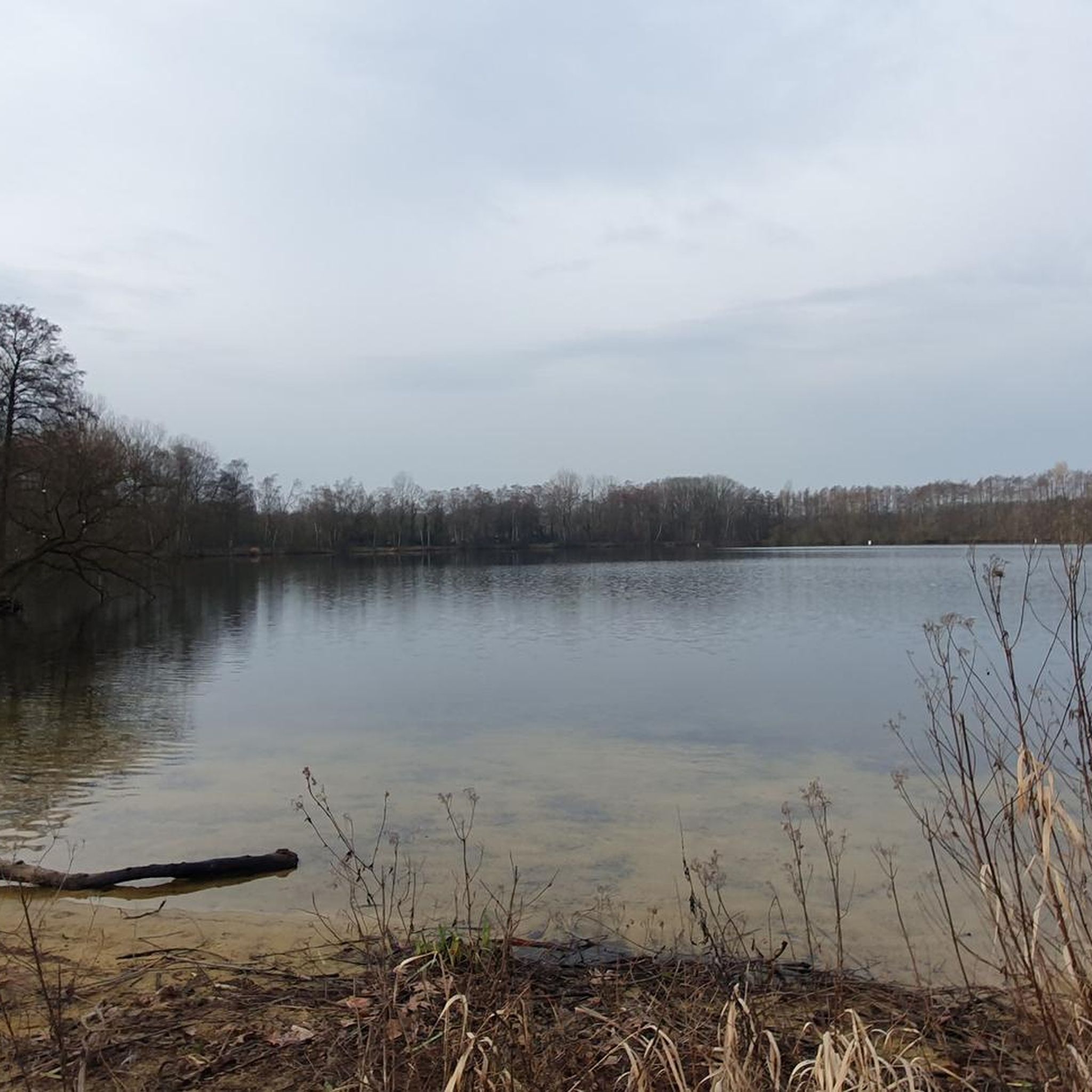
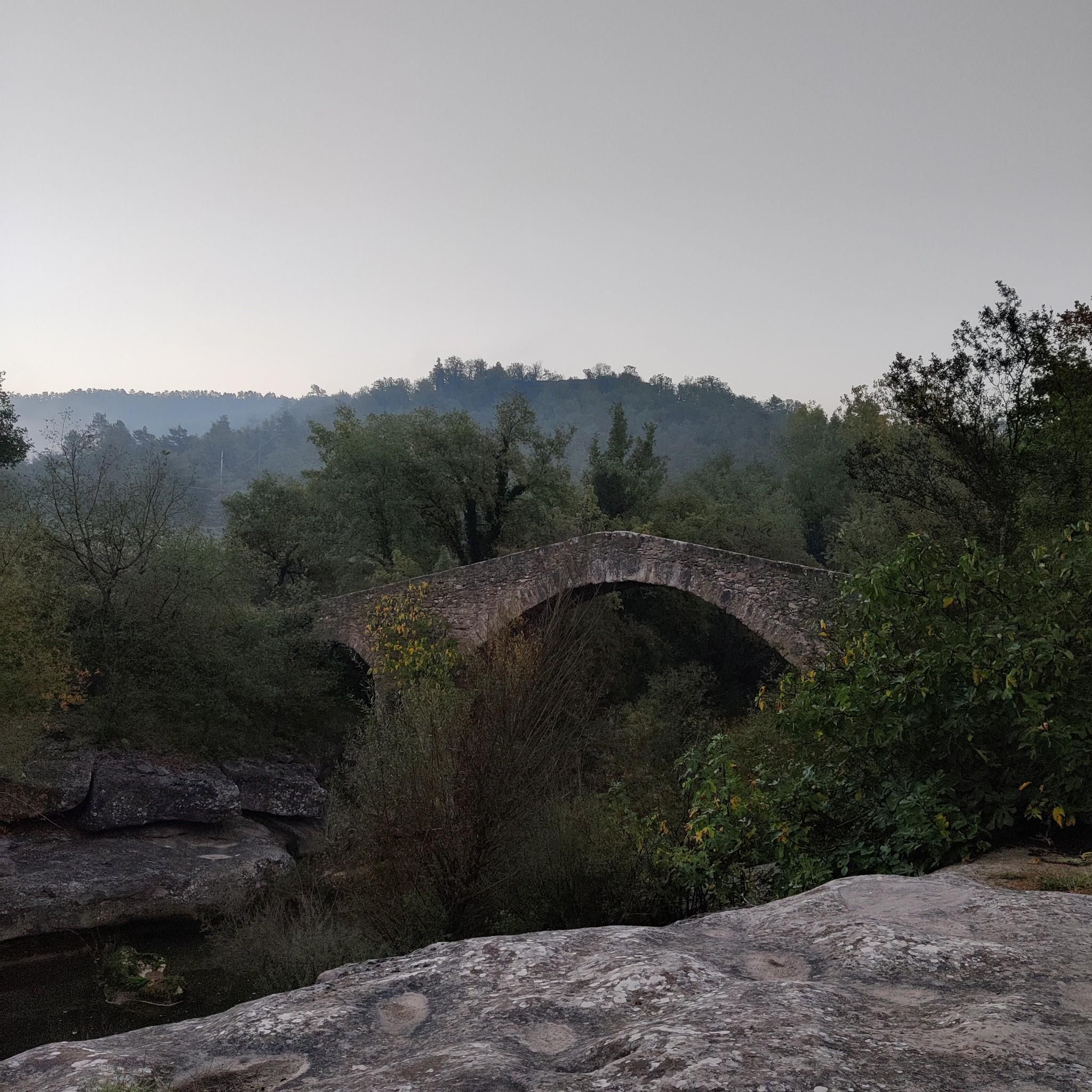
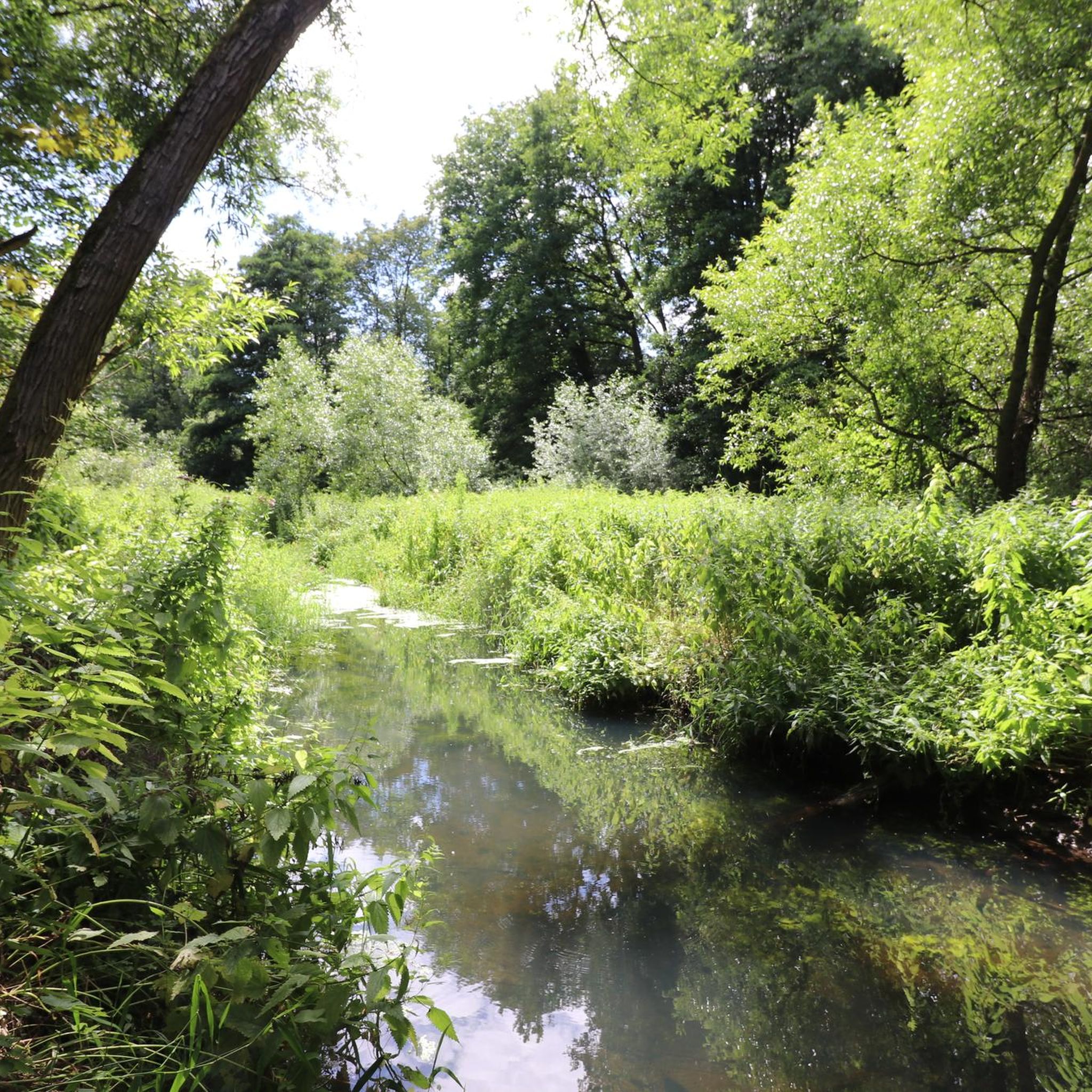
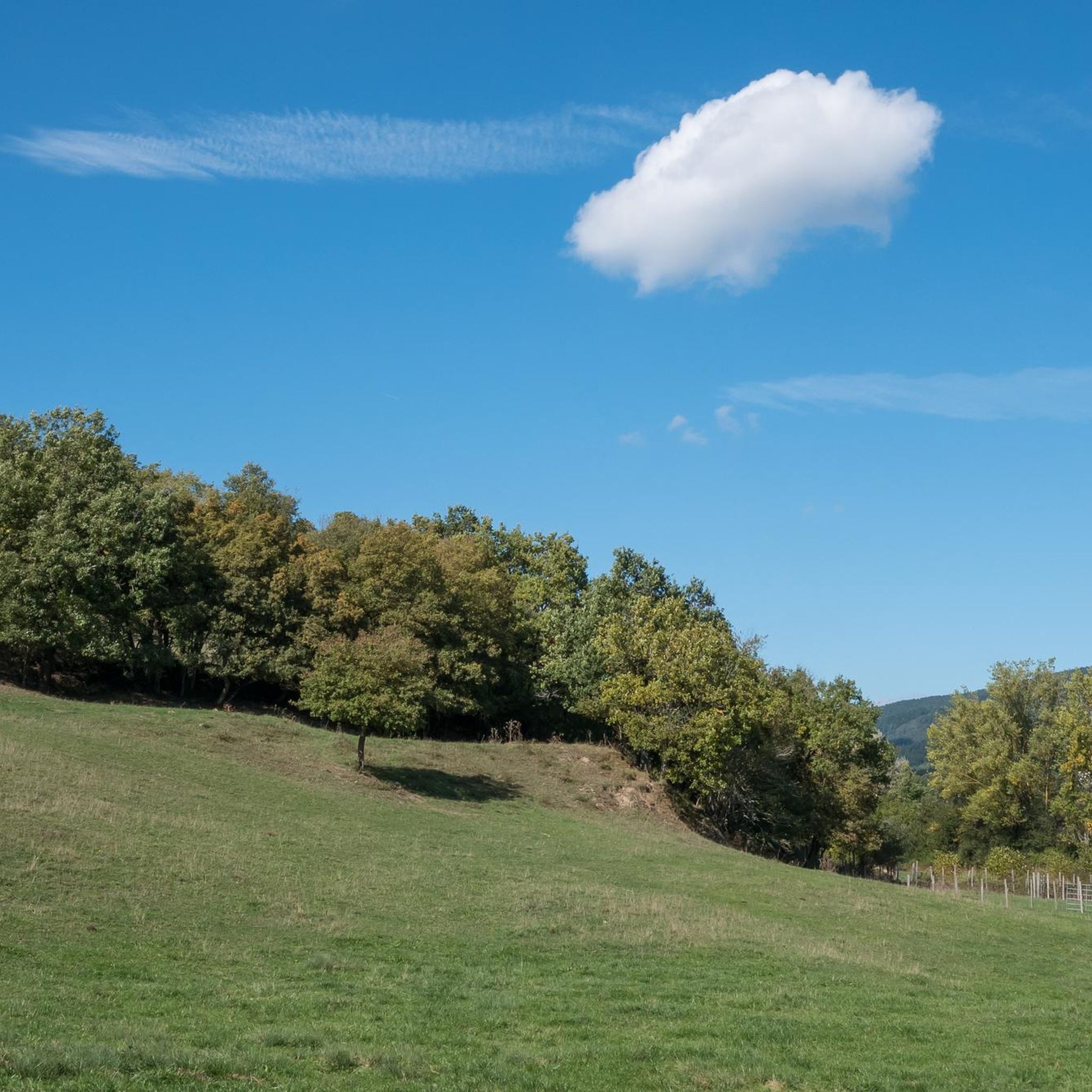
A bit away from the main square of the city, this somewhat quiet square with its own church, its own historic houses...
1
0
Nice courtyard next to the cathedral with nice bars and restaurants on 2 levels right next to the cathedral. Here you can take a break between sightseeing in the city and you have a great view of the cathedral with its blue domes.
1
0
A visit to the Museo des Sombreo should not be missed, after all the panam hat is an original handicraft product from Ecuador. It got its name because it made its way all over the world via the Panama trading platforms. In the museum, the production of the wickerwork material from palm trees as well as the production of the hats themselves is shown very clearly. It takes several weeks to several months until a single hat is finished. A fine hat easily costs €500, a top product even €6000. But these are waterproof, can be rolled up and even pushed through a wedding ring. The visit is also worthwhile because of the associated café. The stop supports the work of the museum just like the purchase of a hat and you have a great view high above the river and the new town.
1
0
In the former Escuela Central is the museum with various exhibition themes including a grave with skeletons or on the other hand textiles. The old building alone is worth a visit. Admission free.
1
0
Frequently Asked Questions
What natural attractions can I explore in Nulti?
Nulti offers several natural highlights. You can visit El Plateado, a site of paleontological importance with impressive fissures and endemic plant species. The area is also home to the picturesque Apangoras Waterfall. For panoramic views, head to Mirador Jalshi, which offers vistas of Cuenca and surrounding mountains, and is also known for "La Roca del Amor".
Where can I experience Nulti's cultural heritage and history?
Nulti is rich in cultural heritage. The Nulti's Traditional Church is a significant architectural relic built with original adobe walls. You can also explore vestiges of vernacular architecture throughout the parish. Nearby, in Cuenca, you can visit historical sites like Plaza San Francisco or the Museo de la Ciudad (Escuela Central La Inmaculada).
Are there any family-friendly activities or attractions in Nulti?
Yes, Nulti and its surroundings offer family-friendly options. The natural areas like El Plateado are suitable for walks and exploring. In nearby Cuenca, attractions such as the Museo del Sombrero de Paja Toquilla (Hat Museum, Cuenca), Plaza of the Hanging Geraniums, and Plaza San Francisco are all considered family-friendly.
What unique local products or gastronomy can I find in Nulti?
Nulti is famous for its distinct "pan de Nulti", traditional bread baked in wood-fired ovens. The region also offers a rich gastronomic experience with local dishes like cuy, ornado, caldo de gallina, tamales, and fritada. For artisan products, the community of Chocarcí Alto is known for traditional crafts such as wool ponchos and "trenzas de la abundancia".
Can I find good viewpoints in Nulti?
Absolutely. The Mirador Jalshi offers expansive panoramic views of downtown Cuenca, including urban areas, rural parishes, and distant mountains. From the Loma de Shishio, where Jalshi is located, you can also observe the area affected by the Josefina landslide. In Cuenca, the Plaza of the Hanging Geraniums provides a great view of the cathedral's blue domes.
What outdoor activities are available near Nulti's attractions?
Nulti and its surroundings are great for outdoor activities. You can find various routes for walking, cycling, and motorcycling. For specific outdoor sports, explore the Cycling in Nulti guide, which includes routes like the Guala–Laguan–Zhordan Route. There are also dedicated guides for Road Cycling Routes in Nulti.
Are there opportunities for hiking or running in Nulti?
Yes, Nulti offers opportunities for hiking and running. The El Plateado area features fissures that are part of a tourist route, suitable for hiking. For dedicated running trails, you can check out the Running Trails in Nulti guide, which includes routes like the Consulate loop from Río Machángara.
Where can I learn about the traditional crafts of the Nulti region?
To learn about traditional crafts, visit the community of Chocarcí Alto, near Nulti. This community is known for its wool ponchos and "trenzas de la abundancia." Additionally, the Museo del Sombrero de Paja Toquilla (Hat Museum, Cuenca) showcases the intricate process of making Panama hats, a significant handicraft of the region.
What is the significance of El Plateado in Nulti?
El Plateado is a significant natural attraction in Nulti, believed to have once been a lakebed. It holds paleontological importance, with discoveries of fossils, including American hippopotamus teeth and petrified tree trunks. The area also features impressive geological fissures and is home to endemic plant species like the amancay orchid.
What is Nulti known for in terms of traditional celebrations?
Nulti is recognized for its traditional pyrotechnics, featuring elaborate fireworks displays. These include "castillos" (castles) and "vacas locas" (crazy cows), which are often part of local celebrations and festivals.
What is the best way to experience Nulti's local community and traditions?
Nulti is well-suited for community tourism. Engaging with local vendors for traditional bread and artisan products, visiting the traditional church, and trying local gastronomy are excellent ways to experience the community. The area's routes for walking and cycling also allow for a more immersive experience of the local landscape and culture.
Are there any historical buildings to see in Nulti?
Yes, the Nulti's Traditional Church is a prominent historical building, notable for its preserved original adobe walls and patrimonial architecture. Beyond the church, Nulti still preserves several examples of vernacular architecture throughout the parish, offering glimpses into the region's past building styles.

Get inspired with the komoot mobile app


Explore more
Still not found the Highlight you’re looking for? See guides of the top attractions in other regions:
