Attractions and Places To See around Rastede - Top 20
Best attractions and places to see around Rastede, a municipality in Lower Saxony, Germany, offer a blend of historical sites, natural landscapes, and cultural experiences. The region is characterized by its green parklands, historical landmarks, and connection to the House of Oldenburg. Visitors can explore ancient structures, serene natural areas, and engage with the town's heritage. The Ammerland region, where Rastede is situated, provides an idyllic setting for outdoor activities.
Best attractions and places to see around Rastede
- The most…
Last updated: October 10, 2026
Varel Harbour
Highlight • Settlement
Translated by Google •
Tip by

Old City Harbor
Highlight • Structure
The port of Oldenburg is a municipal sea and inland port and is divided into the port areas “Dalbenstraße”, “Nordkaje” and “Osthafen”. Pier facilities and …
Translated by Google •
Tip by

Sign up now to discover places like this
Get recommendations on the best single tracks, peaks, & plenty of other exciting outdoor places.
Rastede Castle
Highlight • Castle
Translated by Google •
Tip by

Cycle path along the Oldenburg–Bad Zwischenahn railway line
Highlight (Segment) • Cycleway
Translated by Google •
Tip by

Varel Harbor
Highlight • Structure
Translated by Google •
Tip by
Sign up for free to discover even more attractions around Rastede.
Already have an account?
Start today with a free account
Your next adventure awaits.
Popular around Rastede
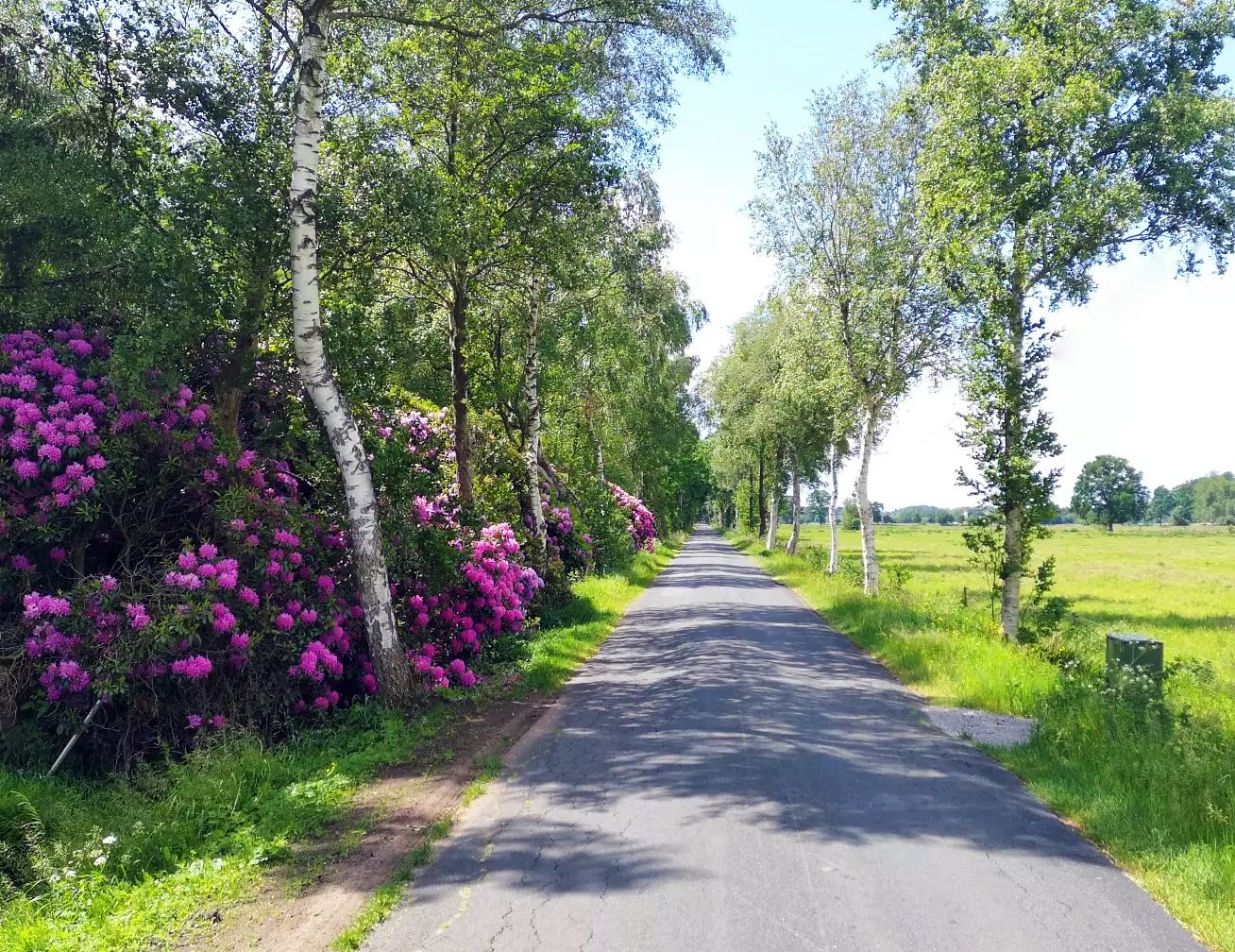
Ammerland Route – Cycling through unique park landscapes
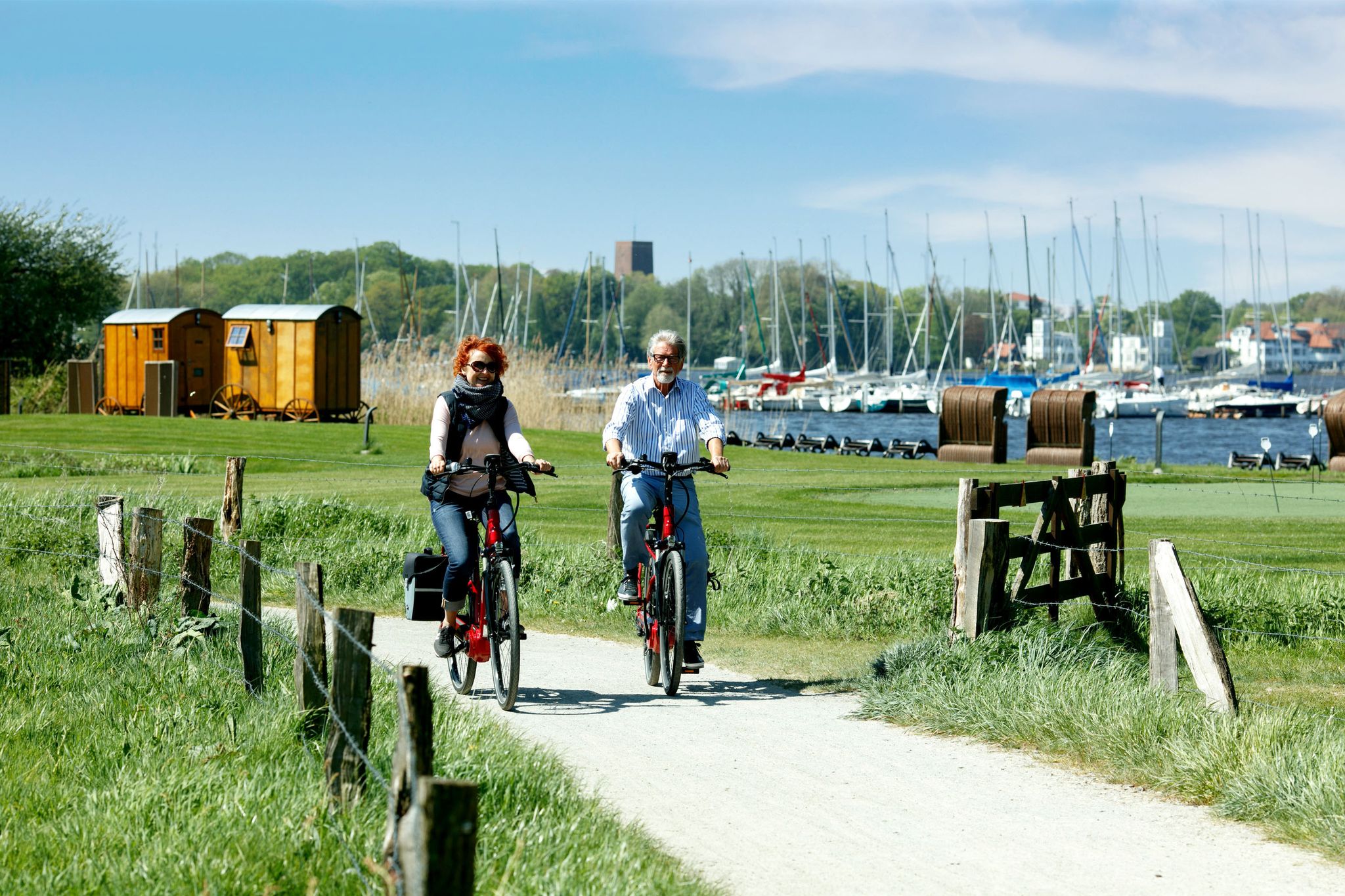
The Ammerland route – a cycling trip through the idyllic park landscape
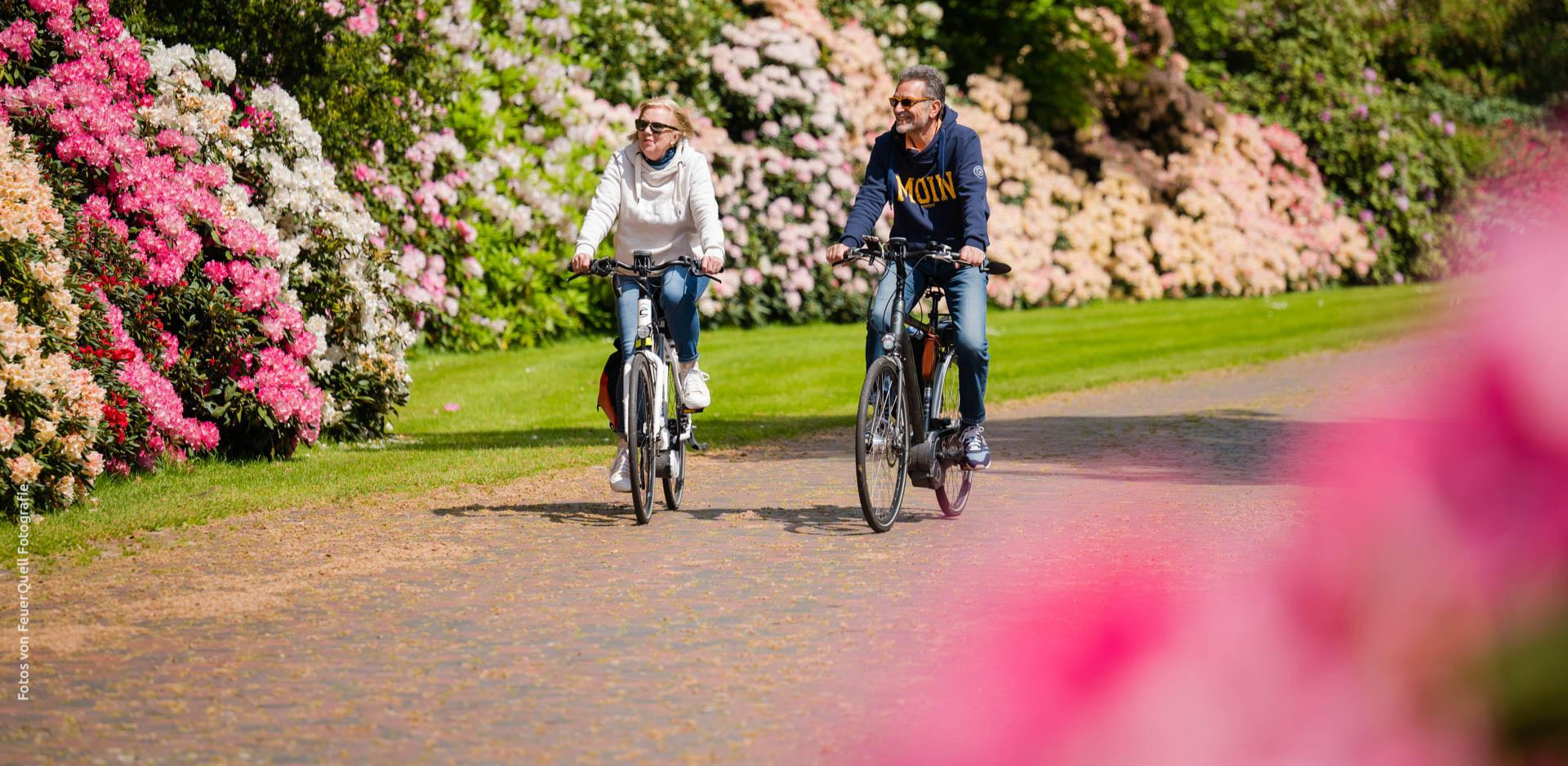
The 15 most beautiful themed Tours in Germany’s Ammerland
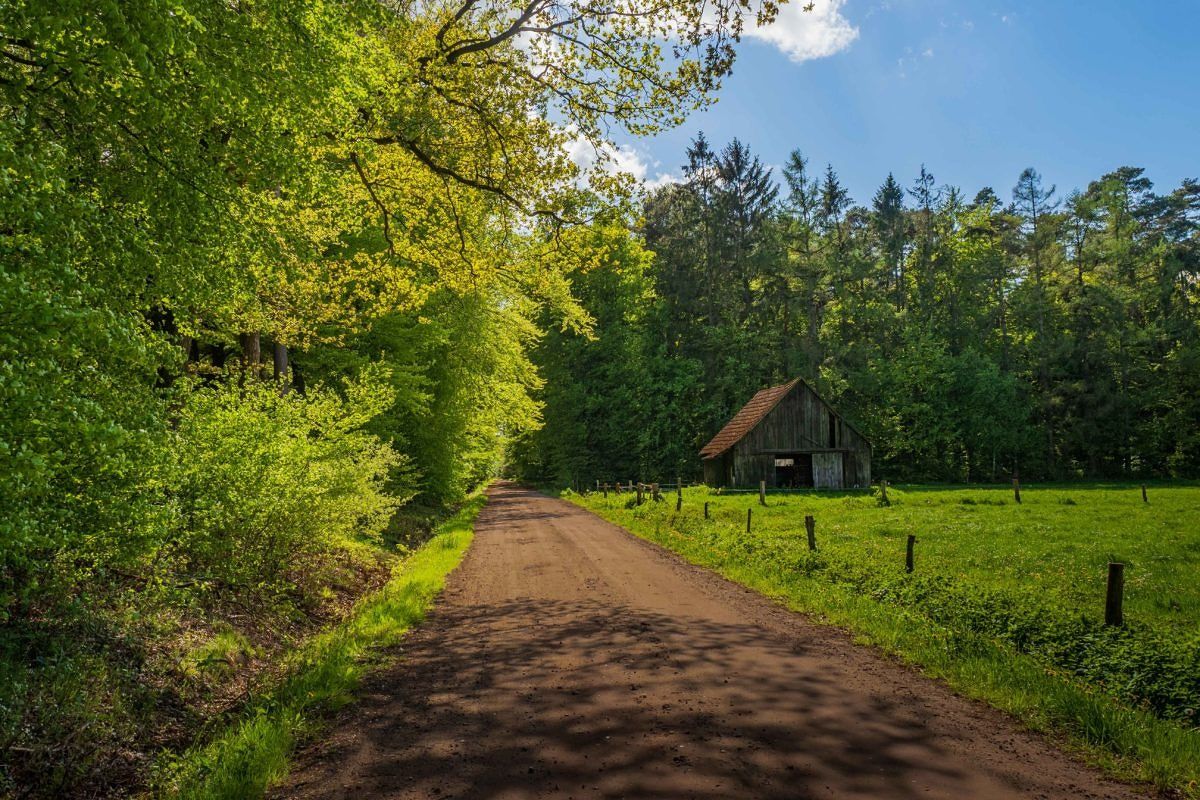
Spazierwanderwege in der Parklandschaft Ammerland
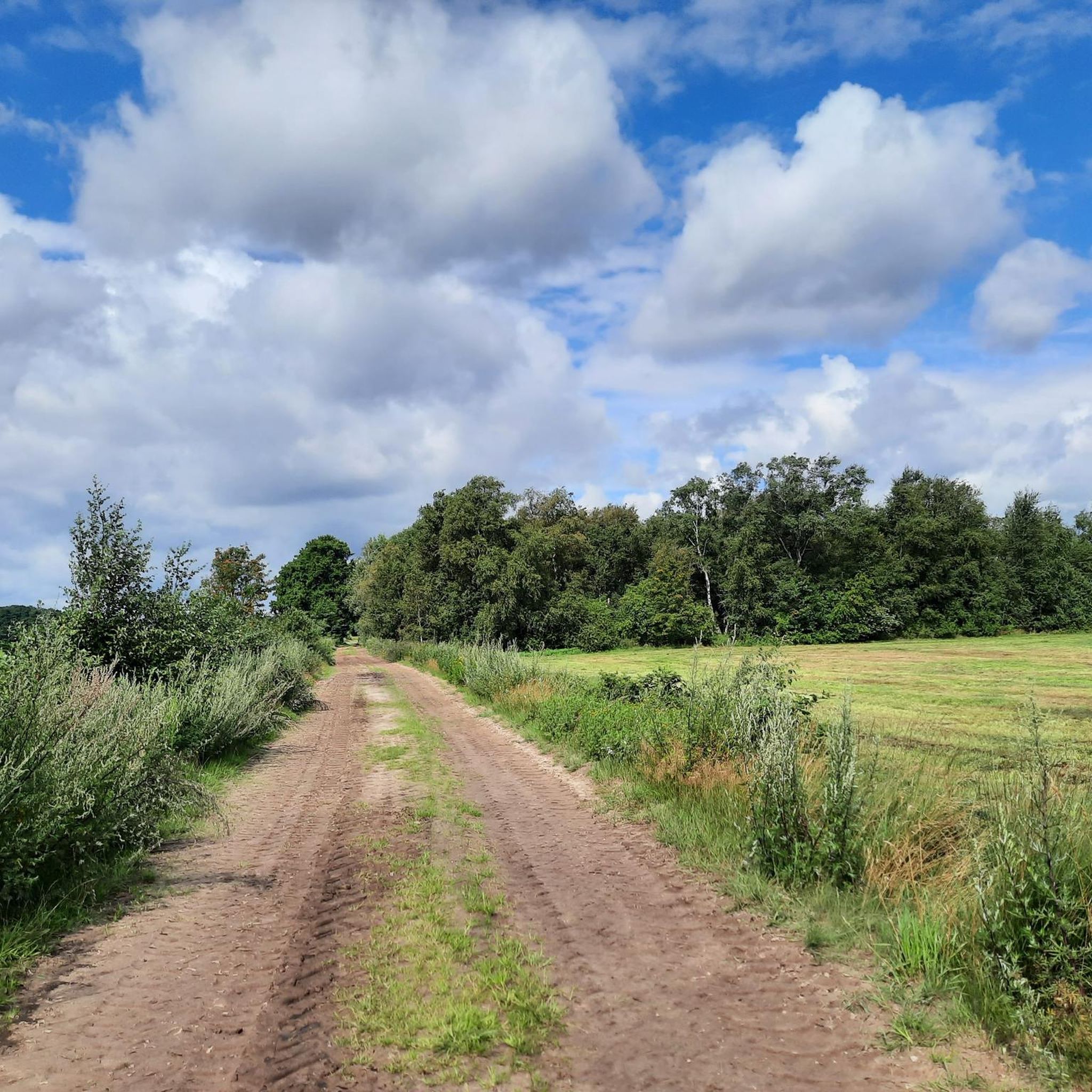
Cycling around Rastede
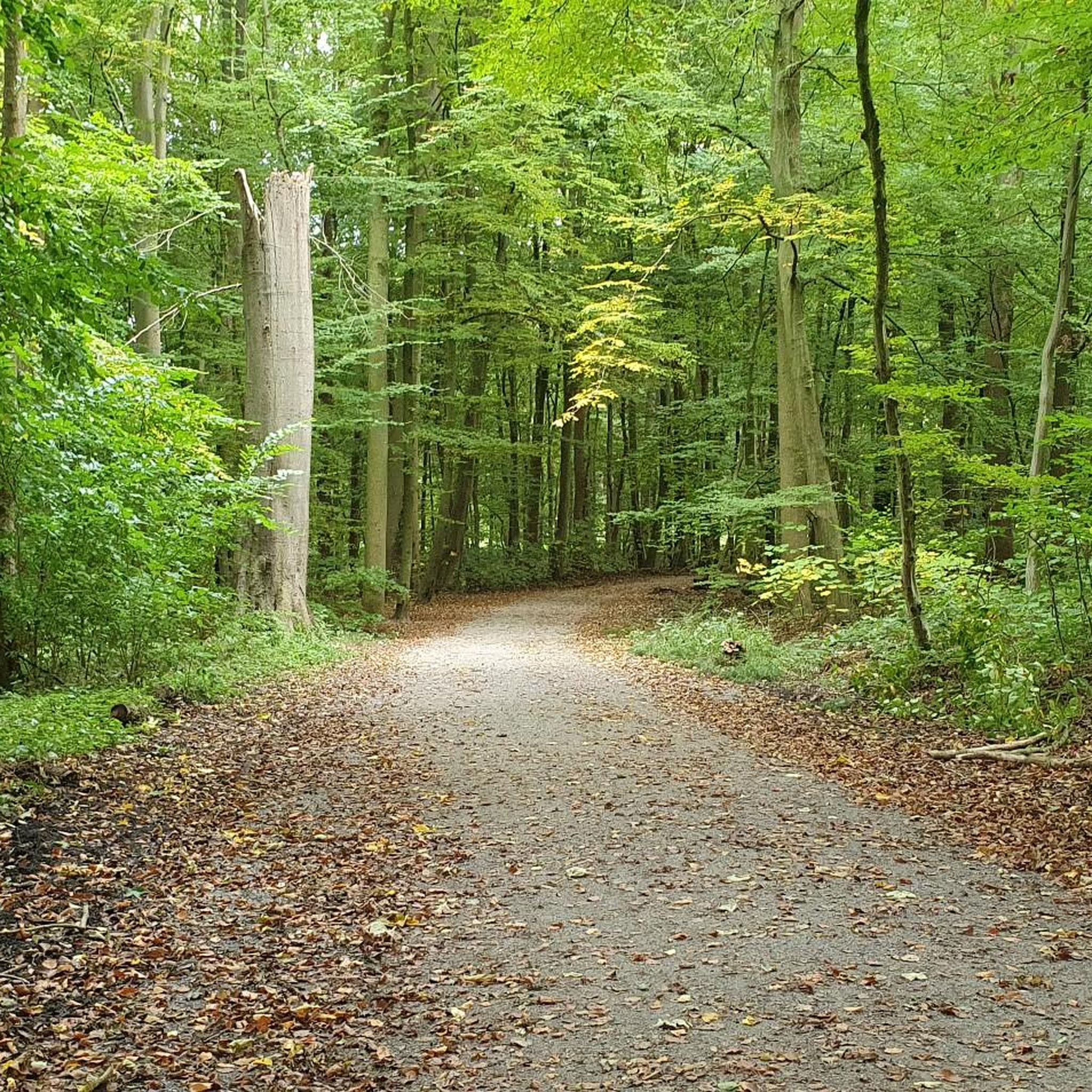
Hiking around Rastede
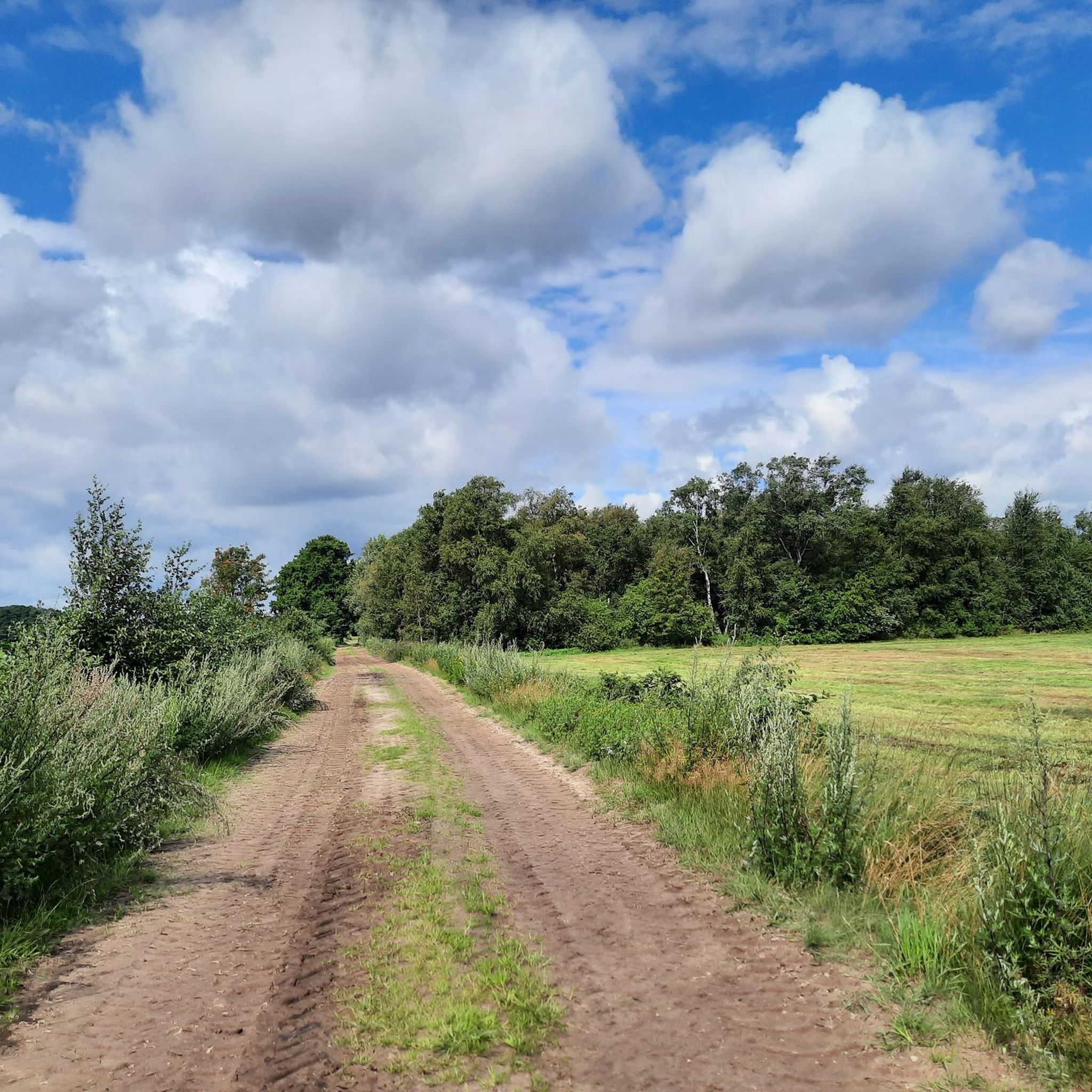
Running Trails around Rastede
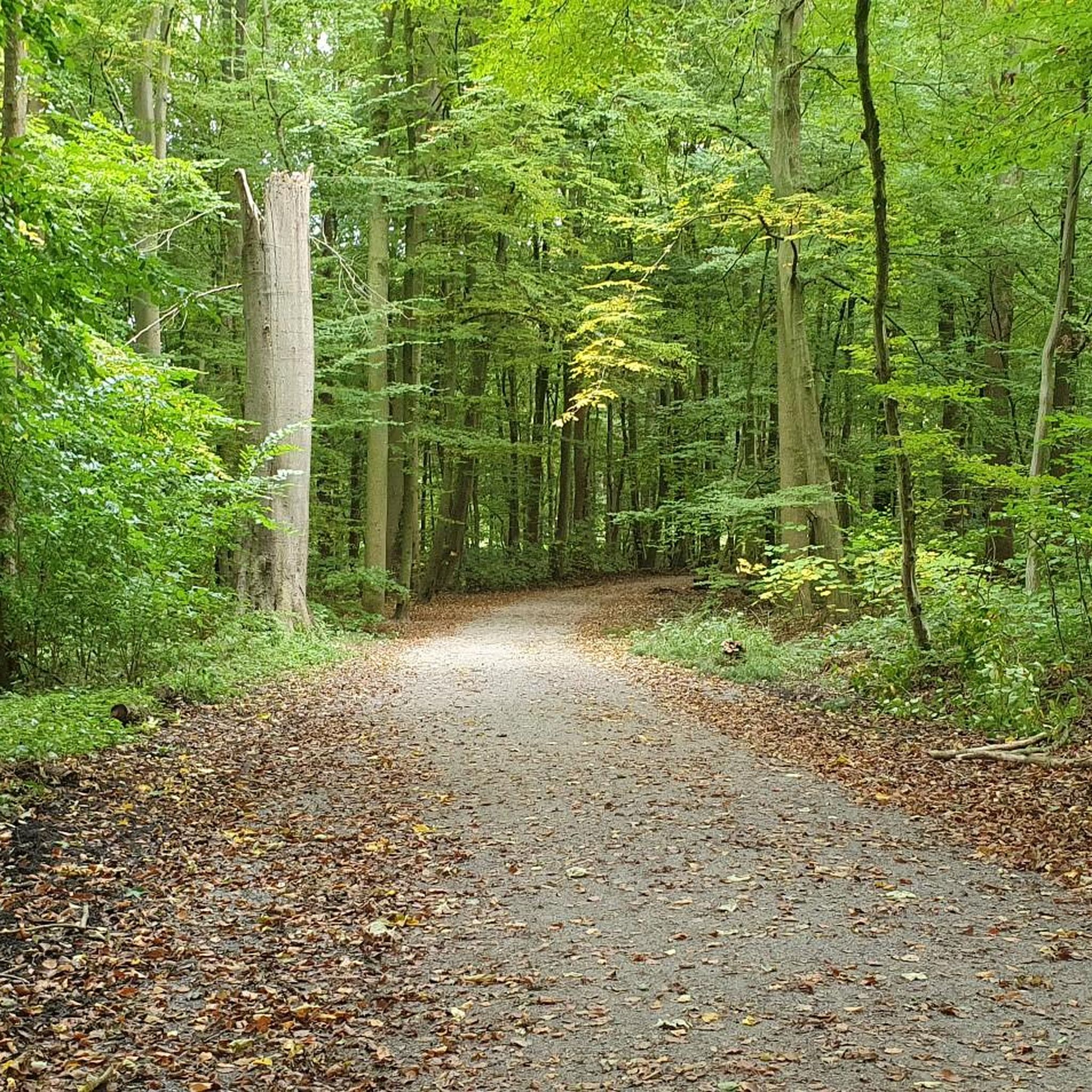
Road Cycling Routes around Rastede

Gravel biking around Rastede
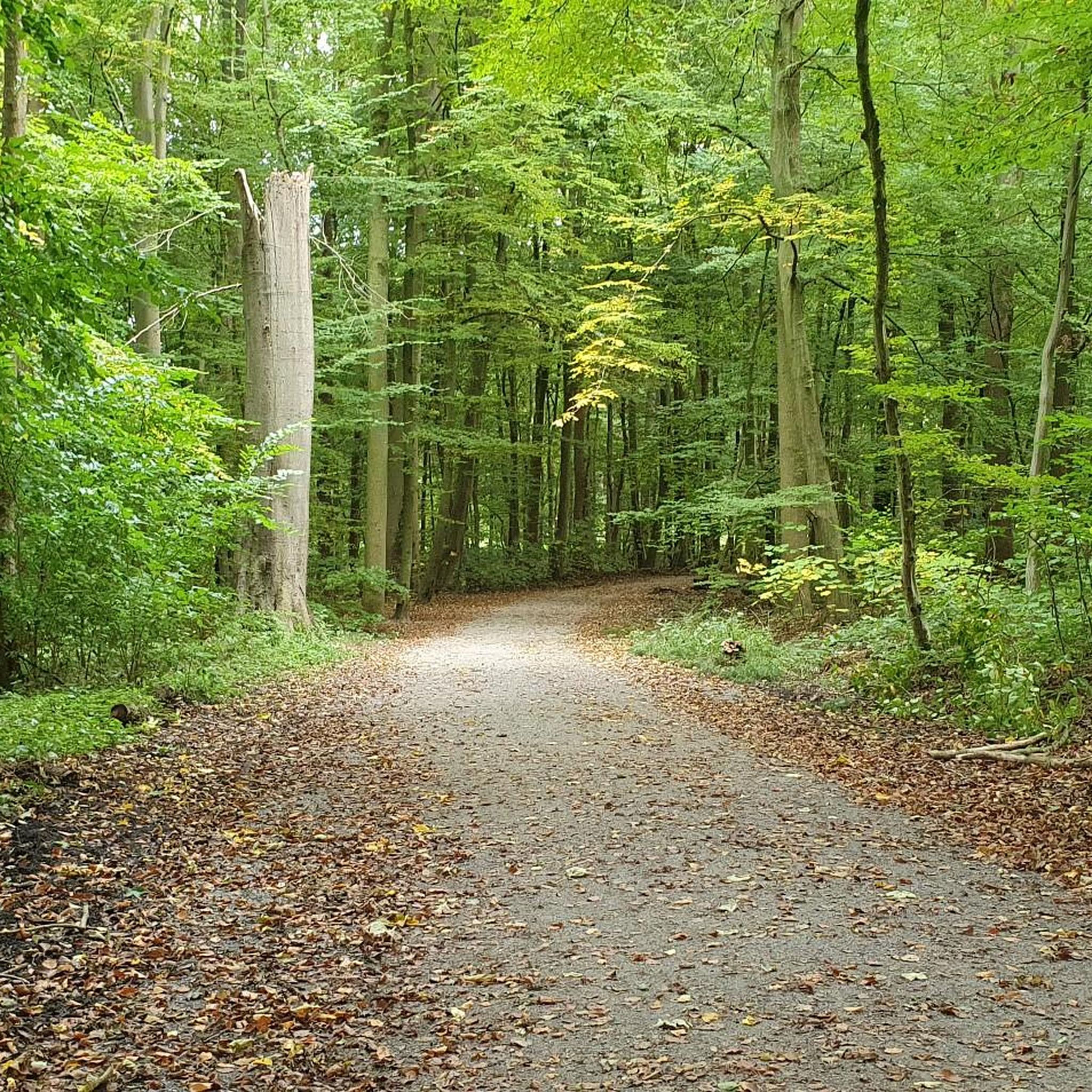
MTB Trails around Rastede
Other adventures around Rastede


Tips from the Community

Invites you to linger for a while, otherwise Oldenburg is not that exciting.
6
0

Small harbor in Oldenburg city center, where many people can dock with their own boats.
6
0

Nice and quiet route, unless the train is thundering past you.
6
0

Oldenburg Port The Oldenburg Port is the junction between the Hunte and the Küstenkanal. Goods from sea and inland traffic have been loaded here since the 14th century. After the Second World War, operations increased steadily over the decades. Today, the Oldenburg Port is one of the busiest inland ports in Lower Saxony, with an average annual turnover of 1.1 million tons. An average of 1,000 inland vessels and 60 seagoing vessels dock here each year. Leisure and excursion boats have also been docking here since the 1980s.
8
1
Ten percent of Varel's urban area is made up of forest. Until the end of Bentinck's rule in 1854, the forest was owned by the counts, with the Windallee leading from the castle square directly to the "Große Allee" in the forest, and both represented the bridle path for the counts' rule. The "Stone Pillars", a motif for photographers and painters for many years, separated the city from the forest. Before the end of the Second World War, large parts of the 140-year-old magnificent beech trees on the "Große Allee" were felled due to old age, but were later reforested by Varel residents. The Varel city forest is a popular local recreation area for the city's residents and offers its advantages in every season, from shady, cool spots in summer to the opportunity to sled in the "Sandkuhle" in winter. The "Stone Pillars" are not only the entrance to the Varel forest, but also the start and finish point of the "Jungeholz forest adventure trail".
14
0

An impressive experience when you cycle through the gate into the courtyard.
7
0
Over time, Varel harbor has undergone many changes, but its romance has remained. Today, the harbor is a colorful mixture of moorings for private pleasure boats, the home port of individual fishing boats, a location for commercial enterprises and a tourist attraction. Many guests come to Varel harbor to enjoy fish in the fresh sea breeze in the various restaurants. Watch the fishermen smoking eels, have a small fish snack or enjoy a Frisian beer in the smallest pub in Germany. In the harbor area, traces of the old Christiansburg can still be found, which was built in the 17th century by the Danish King Christian V. A map shows the old fortification walls and moats. In 1733, a sluice was built, the section in front of the dike was designed as a mooring point for ships. The development of shipping was initially hesitant. It was only with the start of industrial
17
2

A beautiful place with a lot to discover. Everyone will find something interesting around the harbor basin.
9
0
Frequently Asked Questions
What historical sites can I explore in Rastede?
Rastede offers several significant historical sites. While Rastede Castle itself is privately owned and not open to the public, its extensive English-style parkland is freely accessible for walks. Opposite the castle, the Palais Rastede hosts regular art exhibitions and a permanent exhibition detailing Rastede's 1000-year history. Additionally, the nearly 1,000-year-old St.-Ulrichs-Kirche is one of North Germany's most important cultural-historical monuments.
Are there opportunities for outdoor activities like hiking or cycling around Rastede?
Yes, Rastede is ideal for outdoor enthusiasts. The Schloss Rastede parkland offers well-marked walking routes. For cycling, the Ammerland-route passes by the palace and St.-Ulrichs-Kirche, allowing you to experience the idyllic park landscape. You can find various hiking routes, such as the 'Rastede Castle – Sculptures at Rastede Racecourse loop', and cycling routes like 'Wadden Sea Nature Park – themed bike Tours in Ammerland' on the hiking guide and cycling guide for Rastede.
What natural attractions are there to see around Rastede?
The primary natural attraction is the vast Schloss Rastede park, covering over 300 hectares with ponds, winding paths, and spacious meadows. This park is historically significant as the place where the rhododendron was introduced to the Ammerland region, and you can still admire a nearly 300-meter long, tree-high rhododendron hedge. The wider Ammerland region itself is characterized by green park landscapes, rolling hills, picturesque forests, and tranquil meadows.
Is Rastede a good destination for families?
Absolutely. Many attractions around Rastede are family-friendly. The extensive Schloss Rastede parkland is perfect for leisurely strolls and active recreation for all ages. The Cycle path along the Oldenburg–Bad Zwischenahn railway line is easy to ride and suitable for family bike trips. Additionally, the Varel Harbour offers a unique atmosphere with fish restaurants that families can enjoy.
When is the best time of year to visit Rastede?
Rastede is beautiful throughout the year, but spring and autumn offer particularly pleasant experiences. In spring, the rhododendrons in the Schloss Rastede park are in full bloom, creating a vibrant display. Autumn brings colorful foliage to the parklands and forests, making it ideal for walking and cycling. The weather during these seasons is generally mild, perfect for outdoor activities.
Are there any unique architectural sights in the region?
Beyond the classical architecture of Rastede Castle and Palais Rastede, you can find the St.-Ulrichs-Kirche, a medieval church dating back to 1059. Another notable structure is the Oldenburg Railway Bascule Bridge, a rare and listed railway drawbridge that spans the Hunte river. It's known for its unique mechanism, opening up to 20 times a day for shipping.
What are the options for cycling routes in the area?
Rastede is well-suited for cycling. The Ammerland-route is a popular choice, allowing you to explore the idyllic park landscape, passing by the palace and St.-Ulrichs-Kirche. Another excellent option is the Cycle path along the Oldenburg–Bad Zwischenahn railway line, which is easy to ride and offers scenic views. For more routes, check the Cycling around Rastede guide.
Can I go for a run near Rastede's attractions?
Yes, the extensive parklands around Rastede provide excellent opportunities for running. The Schloss Rastede park has numerous paths suitable for jogging. You can find various running trails, such as the 'Rastede Castle – Rastede Palace Park loop' or the 'Brombeerteich loop', in the Running Trails around Rastede guide.
What is there to see at the coast or nearby harbors?
While Rastede is inland, the nearby Varel Harbour is a popular destination. It's appreciated for its unique atmosphere and recreational value, featuring numerous fish restaurants. Further afield, the Old City Harbor in Oldenburg is a municipal sea and inland port, offering insights into the region's maritime economy and providing a pleasant setting for a break.
Are there any easy walking trails suitable for everyone?
Yes, the Schloss Rastede parkland features numerous well-marked walking routes that are generally easy and suitable for all ages and fitness levels. These paths wind through spacious meadows, past ponds, and under ancient trees, offering a serene environment for a leisurely stroll. You can find specific easy routes like the 'Rastede Castle – Sculptures at Rastede Racecourse loop' in the hiking guide.
How can I learn about Rastede's history?
To delve into Rastede's history, visit the Palais Rastede, which houses a permanent exhibition detailing the town's 1000-year history. The St.-Ulrichs-Kirche, dating back to 1059, also offers a glimpse into the region's early past. The history of the House of Oldenburg is deeply intertwined with the area, evident in landmarks like Schloss Rastede.
What makes the Schloss Rastede park special?
The Schloss Rastede park is special for several reasons. It's an extensive English-style parkland covering over 300 hectares, developed over 130 years. Historically, it's where the rhododendron was first introduced to the Ammerland region, and you can still see a magnificent, nearly 300-meter long rhododendron hedge. It offers a blend of natural beauty, historical significance, and well-maintained paths for recreation.
Are there any unique landmarks or records associated with Rastede?
Yes, the Wahnbeker Fernmeldeturm (telecommunications tower) near Rastede holds a Guinness World Record. It is notable for displaying the largest and highest Advent wreath globally, reaching an impressive 134 meters (455 feet).
Most popular routes around Rastede
Most popular attractions around Rastede

Get inspired with the komoot mobile app


Explore more
Still not found the Highlight you’re looking for? See guides of the top attractions in other regions:
