The best road cycling routes in Santo Domingo
4.8
(40)
1,285
riders
12
rides
Road cycling in Santo Domingo features varied terrain, from rural landscapes to significant climbs. The region is characterized by rolling hills and areas with notable elevation changes, providing diverse challenges for road cyclists. Routes often traverse agricultural zones and offer views of the surrounding countryside. The network includes paths suitable for different fitness levels, with several routes featuring substantial ascents.
Best road cycling routes in Santo Domingo
- The most popular road cycling route is Poás Town Center – Hacienda Alsacia…
Last updated: July 17, 2026
5.0
(6)
274
riders
52.6km
02:21
570m
570m
Moderate road ride. Good fitness required. Mostly well-paved surfaces and easy to ride.
5.0
(1)
114
riders
32.9km
01:43
490m
490m
Moderate road ride. Good fitness required. Mostly well-paved surfaces and easy to ride.

Sign up for free
5.0
(14)
74
riders
30.7km
01:55
820m
820m
Moderate road ride. Good fitness required. Mostly well-paved surfaces and easy to ride.
5.0
(1)
68
riders
38.3km
02:00
490m
490m
Moderate road ride. Good fitness required. Mostly well-paved surfaces and easy to ride.
4.7
(6)
57
riders
28.9km
01:30
520m
520m
Moderate road ride. Good fitness required. Mostly well-paved surfaces and easy to ride.
Get access to more routes and recommendations from other explorers.
Sign up for free
Already have an account?
Our route recommendations are based on thousands of hikes, rides, and runs completed by other people on komoot.
Start today with a free account
Your next adventure awaits.
Login or Signup
Popular around Santo Domingo
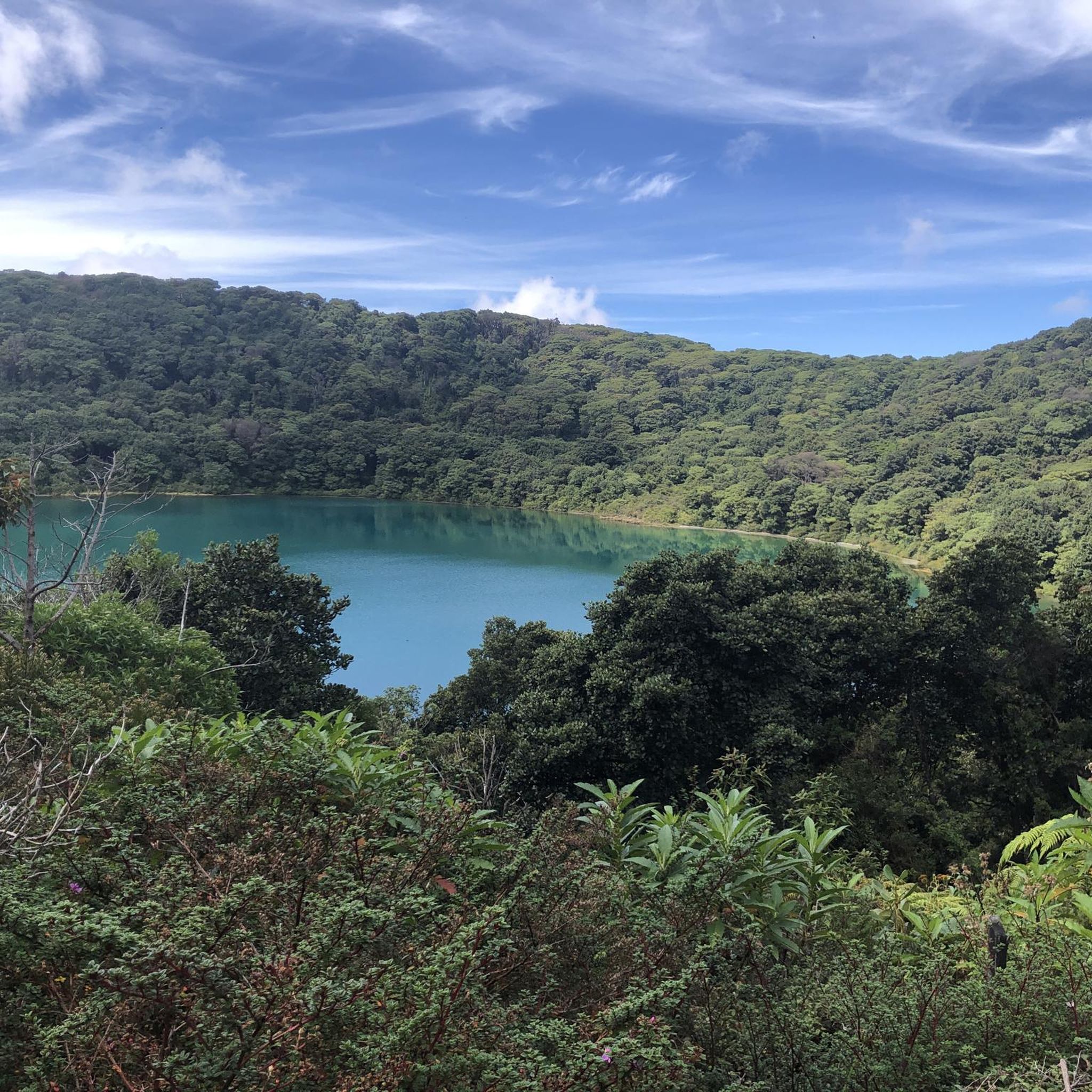
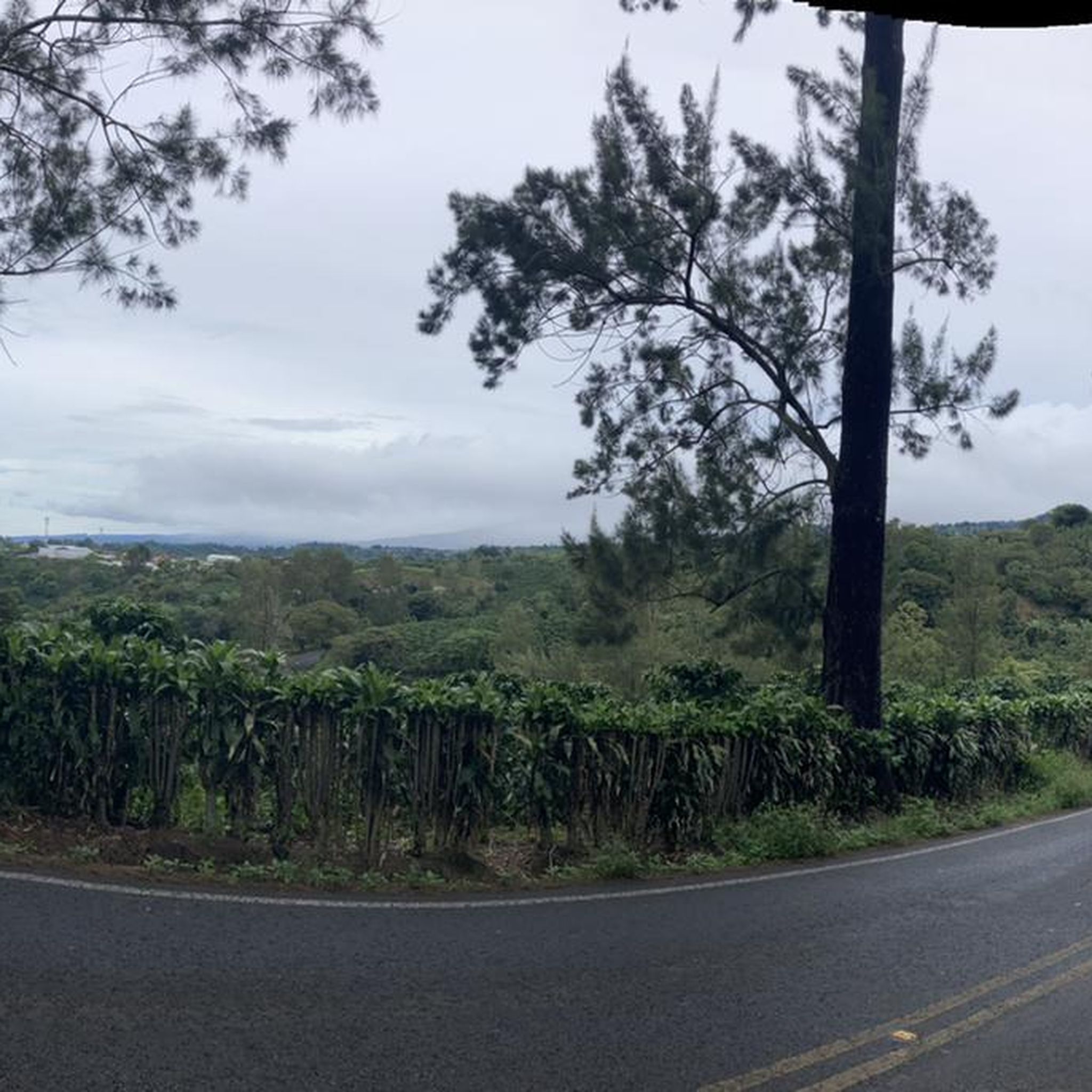
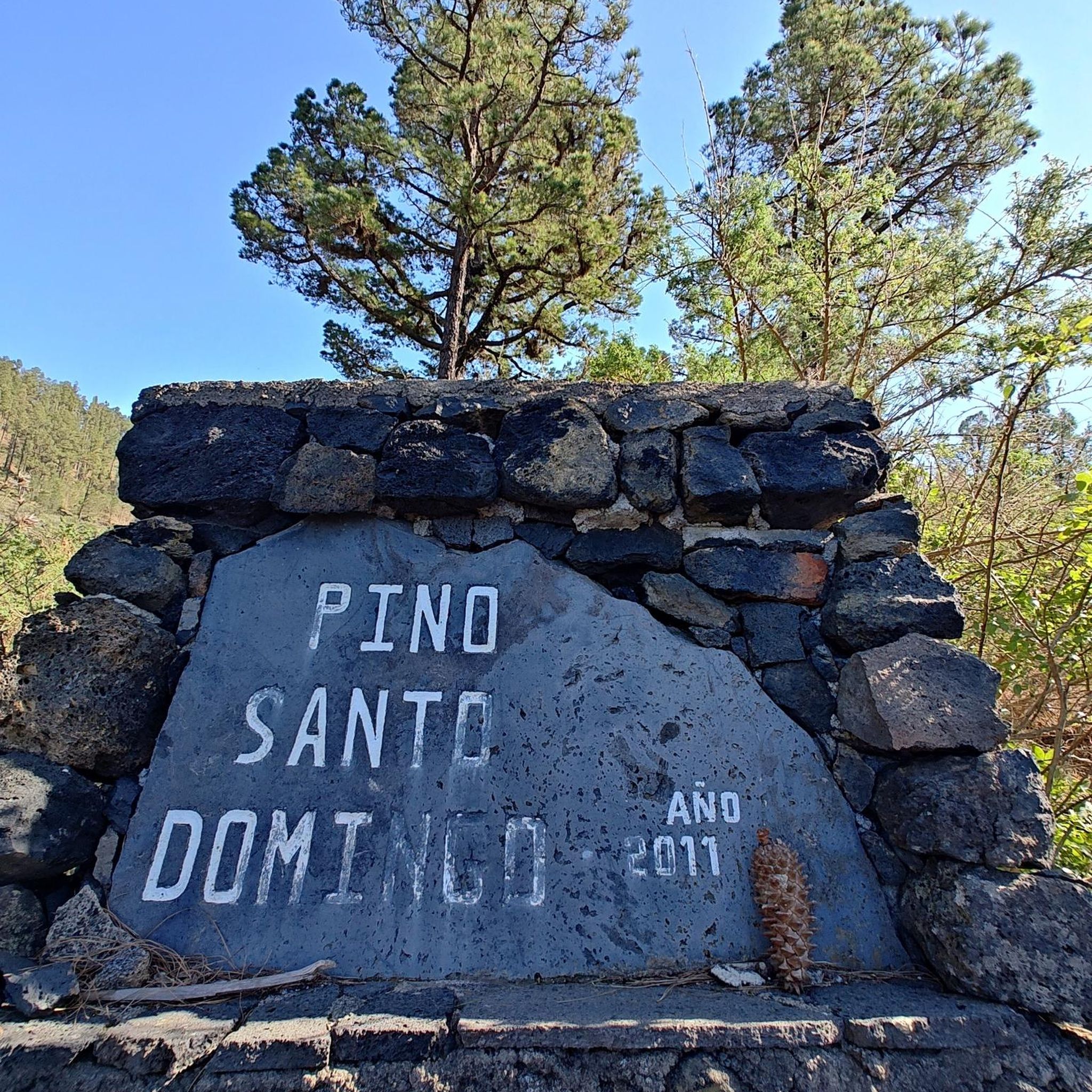

Tips from the Community


The San Bartolomé Apóstol Parish,[1] is a Catholic church in the district of Barva in the canton of Barva, Heredia, Costa Rica. The first church was established between 1568 and 1575, an adobe construction with a thatched roof, and was dedicated to San Bartolomé Apóstol; It is rumored to have been built over an Indian burial ground, as numerous Native American-made objects have been removed.
0
0
The Parroquia San Bartolomé Apóstol (Parish of Saint Bartholomew the Apostle), is a church in Barva, Heredia, Costa Rica. The first church was established between 1568 and 1575, and dedicated to Saint Bartholomew; it is rumored to have been built on an indigenous burial ground.
0
0
The first church in Heredia was a small wooden construct built as early as 1704 in an attempt to convert the natives; nothing remains of the original building, which was replaced by a larger, more permanent adobe structure in July 1736 when Heredia was granted its own independent parish. Construction on the current building began towards the end of the colonial period. The cornerstone was laid on October 31, 1797, but the church was not completed until several years later; though the exact date is unknown, it is believed to have been completed in 1806. The façade was again reconstructed in 1851 when an earthquake brought it tumbling to the ground. Over the years, a baptistry and catechism school were added, while the church gardens were enlarged. The temple exhibits a simple, whitewashed, Spanish neoclassical exterior, while the relatively unadorned interior shows the humility and faith of the people who constructed it. On the front of the church, three niches once contained statues of saints created by the famous Heredian soldier, architect, and sculptor Fadrique Gutiérrez; today, only the central statue of St. Peter remains. The 20 stained glass windows which adorn the church were made in France.
0
0
In the year 1876, by order of the Plaza Commander and Governor of the Province, Fadrique Gutiérrez (1844-1897). Without being an architect, he himself designed the work. The Heredian historian Luis Dobles Segreda points out that it was part of a project of four towers in total, one in each corner of the place where the Cabildo was located. Apparently construction was suspended due to lack of financial resources.
0
0
The first church in Heredia was a small wooden construct built as early as 1704 in an attempt to convert the natives; nothing remains of the original building, which was replaced by a larger, more permanent adobe structure in July 1736 when Heredia was granted its own independent parish. Construction on the current building began towards the end of the colonial period. The cornerstone was laid on October 31, 1797, but the church was not completed until several years later; though the exact date is unknown, it is believed to have been completed in 1806. The façade was again reconstructed in 1851 when an earthquake brought it tumbling to the ground.
2
0


It is a relatively easy route, the path is very flat and there is hardly any difference in level, very useful for a day of relaxation and a good walk
1
0
Frequently Asked Questions
How many road cycling routes are available in Santo Domingo?
Santo Domingo offers over 10 distinct road cycling routes, catering to various skill levels. These routes are highly rated by the komoot community, with an average score of 4.6 stars.
What kind of terrain can I expect when road cycling in Santo Domingo?
Road cycling in Santo Domingo features diverse terrain, including rural landscapes, rolling hills, and areas with significant elevation changes. Routes often traverse agricultural zones and provide scenic views of the countryside, offering varied challenges for cyclists.
Are there any challenging road cycling routes in Santo Domingo?
Yes, Santo Domingo is known for its challenging climbs. For instance, the Poás Town Center – Hacienda Alsacia loop from Alajuela is a difficult 67.4 km route with over 1,400 meters of ascent, featuring extensive rural scenery. Another route, the San Pablo Apóstol Church – Monte de la Cruz Climb loop from Flores, includes a substantial ascent to Monte de la Cruz Climb, offering panoramic views.
Are there any beginner-friendly road cycling routes in Santo Domingo?
While many routes in Santo Domingo feature moderate to difficult climbs, there are options that can be managed by less experienced riders. The region's routes are generally characterized by rolling hills and varied elevation, so even moderate routes will offer some challenge. There are no routes specifically classified as 'easy' in the current selection, but routes like the San Pablo Apóstol Church – El Fortín loop from Flores are shorter and could be a good starting point.
What are some scenic viewpoints along road cycling routes in Santo Domingo?
Many routes offer scenic views, particularly those with significant climbs. The San Pablo Apóstol Church – Monte de la Cruz Climb loop from Flores provides panoramic vistas from Monte de la Cruz Climb. Additionally, routes traversing agricultural zones often provide picturesque rural landscapes, such as the Turrúcares Park – Rural Landscape View loop from Flores.
Are there any circular road cycling routes in Santo Domingo?
Yes, many of the road cycling routes in Santo Domingo are designed as loops, allowing you to start and end at the same point. Examples include the Poás Town Center – Hacienda Alsacia loop from Alajuela, the San Pablo Apóstol Church – Monte de la Cruz Climb loop from Flores, and the Turrúcares Park – Rural Landscape View loop from Flores.
What attractions can I explore near the road cycling routes in Santo Domingo?
Near the road cycling routes, you can explore several natural and cultural attractions. Notable natural monuments include Poás Volcano, the Cloud Forest Trail within Poás Volcano National Park, and the stunning La Paz Waterfall. Other points of interest include the Fallen Bridge of Carrizal and the Volcanic Gas Monitoring Station.
What is the best season for road cycling in Santo Domingo?
The best season for road cycling in Santo Domingo generally aligns with the dry season, typically from December to April. During this period, you can expect more stable weather conditions, less rain, and comfortable temperatures, making for more enjoyable rides. However, always check local weather forecasts before heading out.
Are there any long-distance road cycling routes in Santo Domingo?
Yes, Santo Domingo offers several longer road cycling routes. The Poás Town Center – Hacienda Alsacia loop from Alajuela is a significant 67.4 km route, providing an extensive ride through rural landscapes. Other routes, while shorter, can be combined or extended for longer distances.
What do other road cyclists enjoy most about road cycling in Santo Domingo?
The komoot community highly rates road cycling in Santo Domingo, with an average score of 4.6 stars. Reviewers often praise the varied terrain, the challenging climbs, and the beautiful rural scenery that defines the region's routes. The diverse challenges and panoramic views are frequently highlighted as key attractions.
Are there road cycling routes in Santo Domingo with cafes or places to stop nearby?
Many routes in Santo Domingo pass through or near small towns and agricultural areas, increasing the likelihood of finding local cafes or shops for refreshments. While specific cafes are not listed for each route, areas like Poás Town Center or Flores, which serve as starting points for several routes, typically offer amenities. It's always a good idea to plan your stops in advance.
What should I bring for road biking in Santo Domingo?
Given the varied terrain and potential for significant climbs, it's advisable to bring appropriate gear for road cycling in Santo Domingo. This includes a well-maintained road bike, a helmet, sufficient water, snacks, sun protection, and layers of clothing to adapt to changing temperatures, especially if you're tackling routes with higher elevations. A repair kit and a fully charged phone are also recommended.
Most popular attractions in Santo Domingo

Get inspired with the komoot mobile app


Explore more
Browse the best Road cycling routes in other regions.
