Top 13 Castles around Pollhagen
Castles around Pollhagen offer a journey through centuries of history in the Schaumburg region of Germany. While Pollhagen itself does not host castles, the surrounding area features several historically significant structures. Visitors can explore a variety of architectural styles, from Renaissance palaces to early medieval lowland castles and historic manor houses. The landscape around these sites often includes extensive gardens, parks, and scenic surroundings, providing a blend of cultural and natural exploration.
Best castles around Pollhagen
- The most popular castles…
Last updated: July 6, 2026
Wooden bridge at Hagenburg
Highlight • Bridge
Translated by Google •
Tip by

Schloss Baum
Highlight • Castle
Translated by Google •
Tip by

Sign up now to discover places like this
Get recommendations on the best single tracks, peaks, & plenty of other exciting outdoor places.
Sign up for free
Luccaburg Memorial
Highlight • Historical Site
Translated by Google •
Tip by

Stadthagen Castle
Highlight • Castle
Translated by Google •
Tip by
Hagenburg Castle and Park
Highlight • Castle
Translated by Google •
Tip by

Sign up for free to discover even more castles around Pollhagen.
Sign up for free
Already have an account?
Start today with a free account
Your next adventure awaits.
Login or Signup
Tips from the Community

Luccaburg Castle was an early medieval lowland castle near Loccum. The tower hill castle of the Counts of Lucca, dating from the 11th/12th century, is recognizable as a massive, round earthen mound. Parts of the 2 m wide circular wall are preserved. A Count Burchard of Lucca is mentioned in documents around 1113 and 1130. His daughter, Beatrice of Lucca, married Count Wilbrand of Hallermund, who thus became his successor and heir. In 1163, he donated the surrounding land to Cistercian monks for the establishment of Loccum Abbey. Luccaburg Castle can only be reached on foot or by bike. Source: https://www.mittelweser-tourismus.de/poi/luccaburg/
2
0

A perfect place for a relaxing walk or a restful break in nature.
8
0

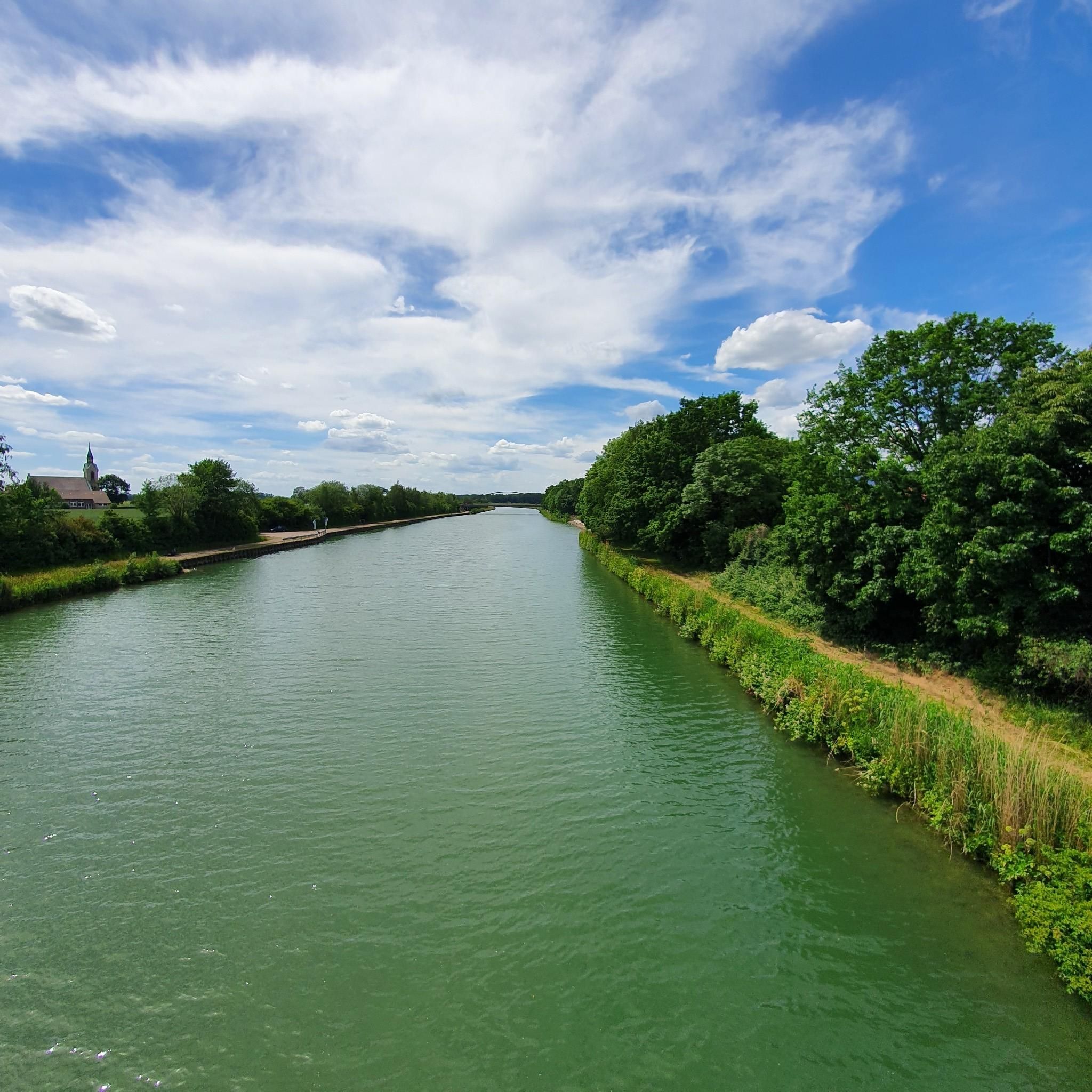
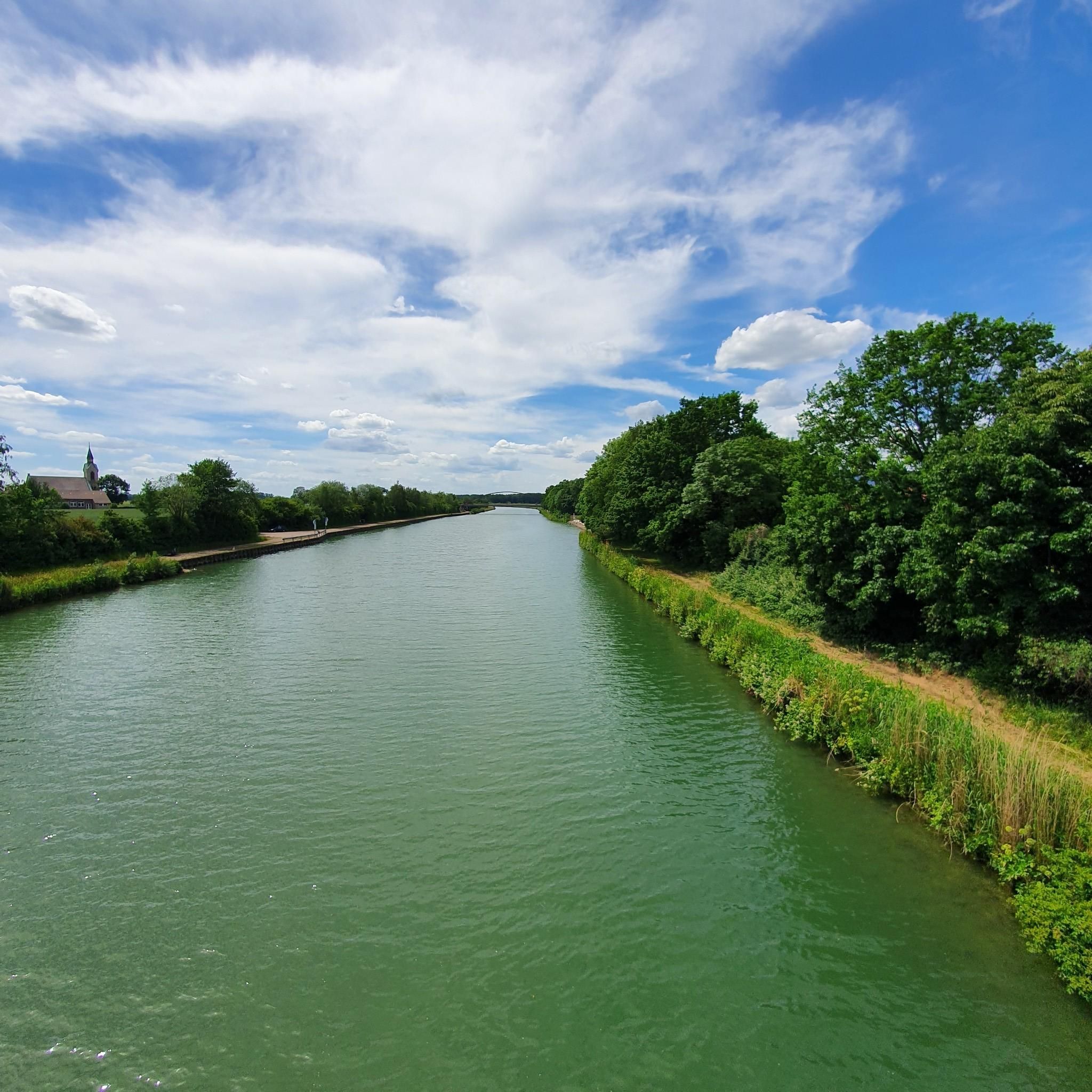
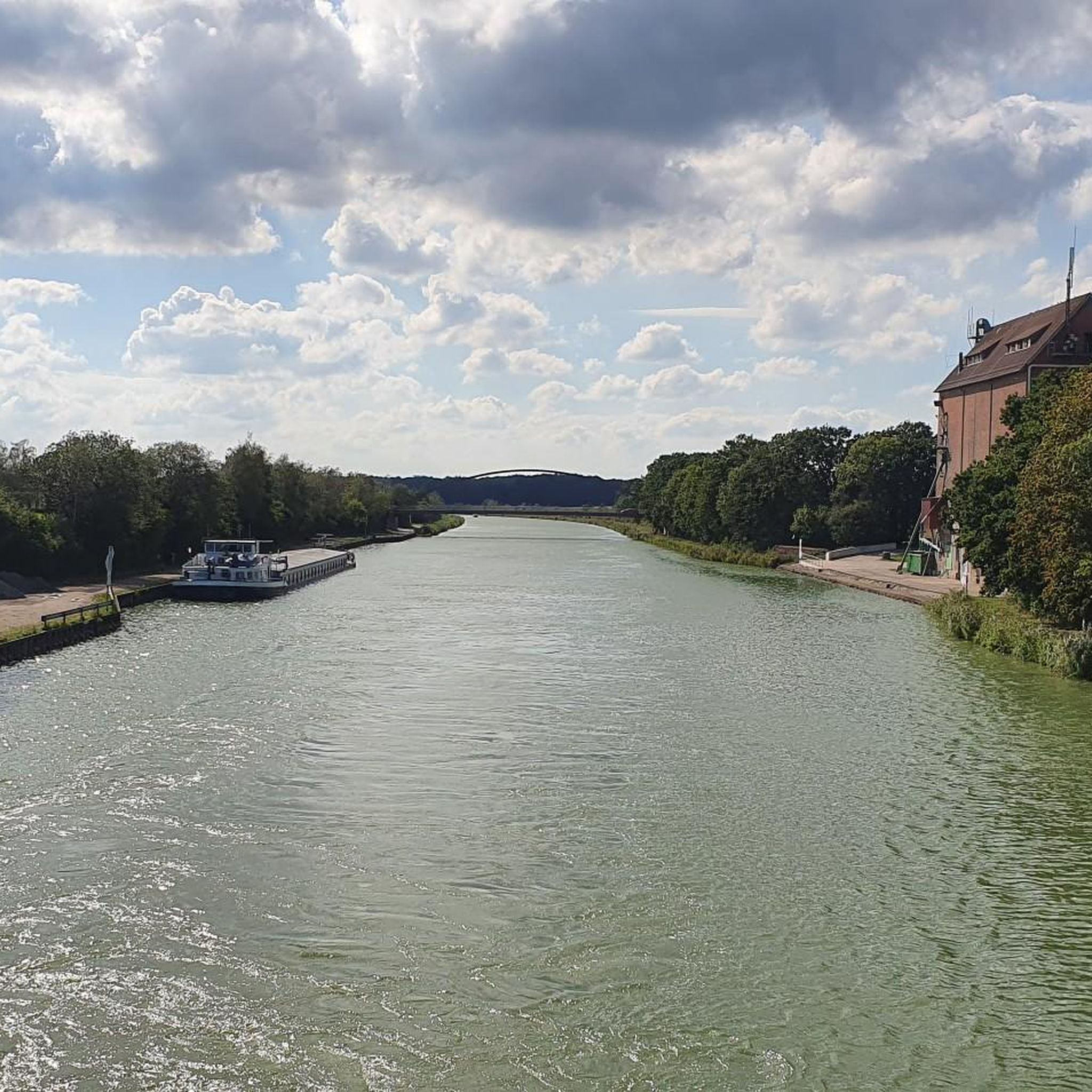
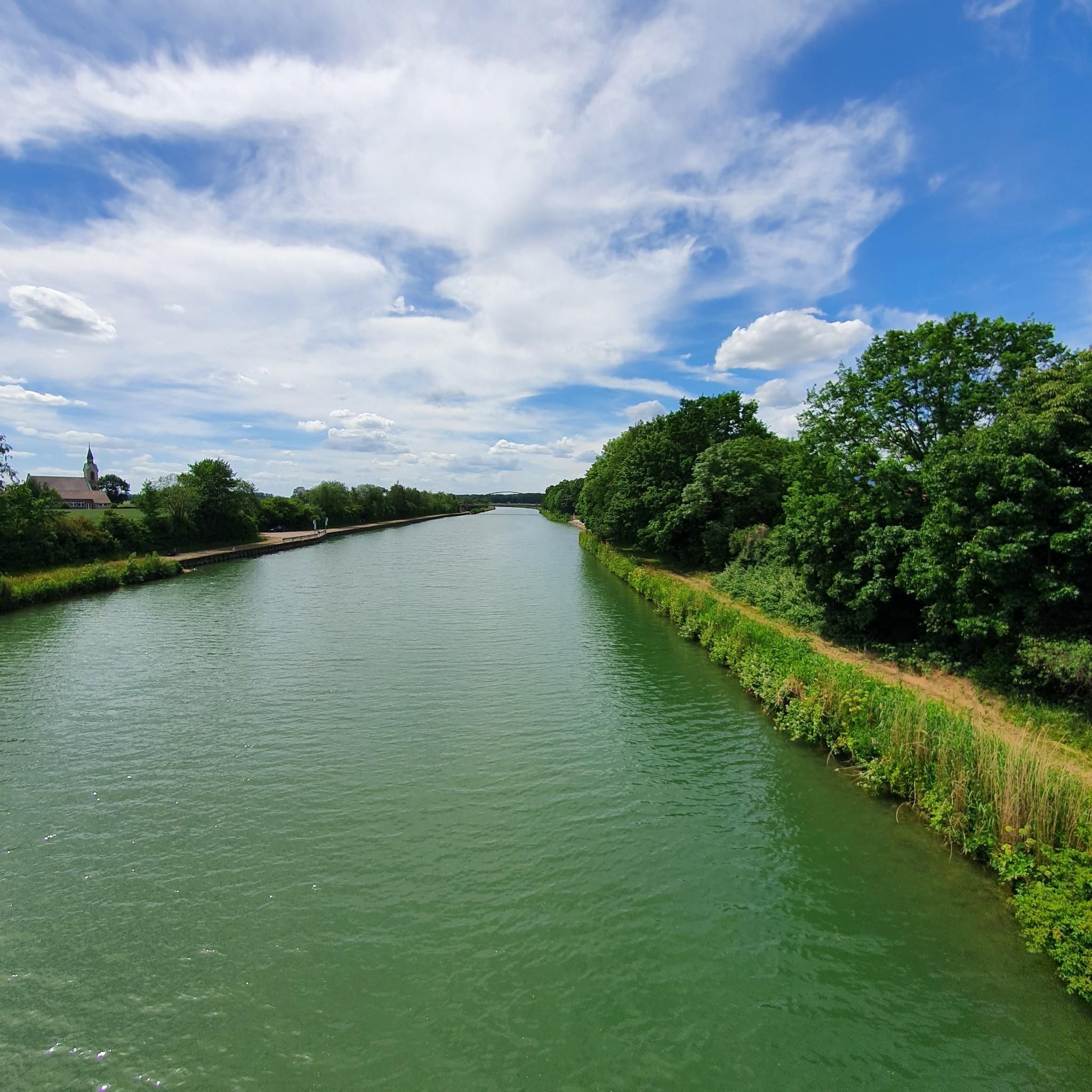
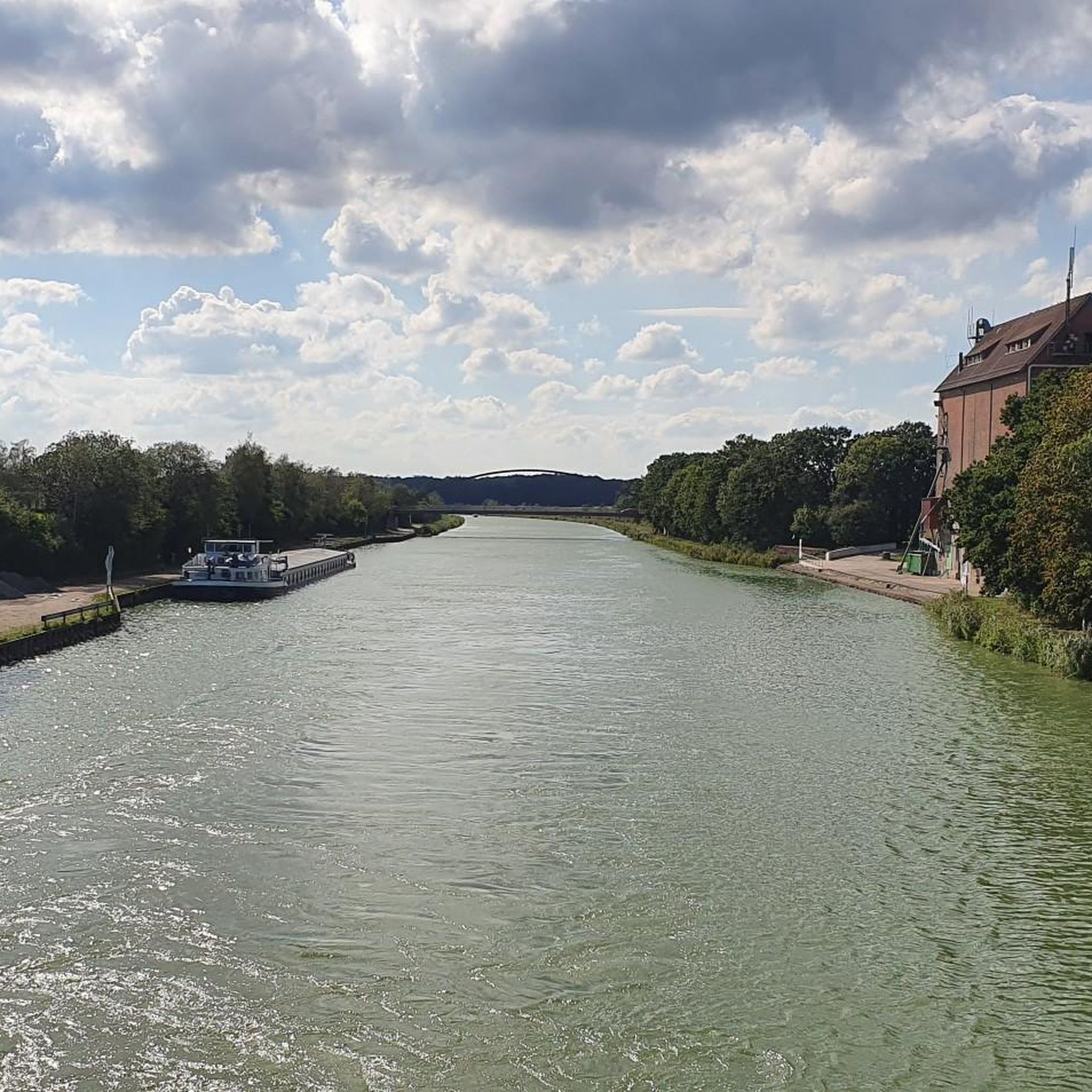
On the round trip around Lake Steinhude you also follow the Hagenburg Canal for a while or even cross it
8
0

The size of this castle surprised me. Viewing only with a completed tax return and correct tax number 😉
2
0
Stadthagen Castle, belonging to the then-ruling counts and later princely house of Schaumburg-Lippe, was built between 1535 and 1539 by Count Adolf XI in Stadthagen on the site of a predecessor structure. This was a moated castle built in 1224 by Count Adolf III of Schaumburg in a clearing in the Dülwald forest. First documented in 1244, the castle must have been part of the town's founding from the very beginning, as its two streets were aligned with it. Extensive construction work is documented for the period around 1300. In 1304, a "house" is mentioned in the castle. In 1406, three castle guards are mentioned. The 15th-century gatehouse was later incorporated into the west wing of the castle. The new castle building, beginning in 1535, was planned and built by master builder Jörg Unkair, who came from Lustnau near Tübingen and had previously worked at the Cistercian monastery of Bebenhausen. He himself selected Obernkirchen sandstone from the Bückeberg near Obernkirchen. The residential palace was designed as a spacious, square, four-winged complex, with its northwest corner open to the town. The dormer windows and wing gables – Italian gables – resemble those of the Schelenburg near Osnabrück, which Unkair had previously built. However, since in Stadthagen, unlike at Schelenburg, he did not have to consider the medieval castle remains, the palace appears welcoming both internally and externally. It was built purely as a residential palace, without any military functions. After its completion in 1539, the Schaumburg state government moved in the following year; the tax and finance authorities also had their headquarters here. In 1608, the government and residence of the Schaumburg counts were relocated to Bückeburg. Later, the palace served as a widow's residence and the residence of the Crown Prince. A comprehensive restoration took place in 1875. After the First World War, the castle became the property of the newly founded Free State of Schaumburg-Lippe in 1919, and of the state of Lower Saxony since 1946. The castle is considered the oldest and most influential Weser Renaissance monument in Lower Saxony. Source: https://de.wikipedia.org/wiki/Schloss_Stadthagen
4
0
The Luccaburg was an early medieval lowland castle near Loccum. The tower hill castle of the Counts of Lucca from the 11th/12th century can be recognized as a mighty, round mound of earth. Parts of the 2 m wide ring wall have been preserved. A Count Burchard of Lucca is mentioned in documents around 1113 and 1130. His daughter Beatrice of Lucca married Count Wilbrand of Hallermund, who thus became his successor and heir. In 1163 he donated the surrounding land to Cistercian monks to found the Loccum monastery. The Luccaburg can only be reached on foot or by bike. Source: https://www.mittelweser-tourismus.de/poi/luccaburg/
3
0

The Luccaburg gave the present-day town of Loccum its name. The castle complex was once located on a circular hill. The actual ruins of the castle now lie half a meter below ground level. The walls that can be seen today are a memorial to Prior Franzen. The castle itself had probably already been abandoned when the monks from Volkenroda settled in this area and founded their monastery here. The site was given to them in 1163 by the then lord of the castle, Wulbrand von Hallersmund.
2
0

Very nice to go for a walk. Cafe Lusthaus in the immediate vicinity
2
0
Frequently Asked Questions
What are some of the most historically significant castles to visit near Pollhagen?
While Pollhagen itself doesn't have castles, the surrounding Schaumburg region is home to several. Schloss Bückeburg is a stunning Renaissance palace with over 700 years of history, featuring lavish interiors, extensive gardens, and a princely riding school. Another notable site is Wasserschloss Hülsede, a charming water castle built in the Weser Renaissance style, known for its well-preserved 16th-century architecture. For more details on Schloss Bückeburg, you can visit its official page.
Are there any castles near Pollhagen that offer public events or can be visited by request?
Yes, Remeringhausen Manor is a beautiful property that hosts regular public events, such as British weekends and park strolls. It can also be visited by request. Schloss Bückeburg also hosts various events, including 'Christmas Magic' and 'Country Outing' events, concerts, and exhibitions.
Which castles near Pollhagen are suitable for families?
Several castles and manors offer family-friendly experiences. Remeringhausen Manor has beautiful parks and meadows perfect for strolling. Schloss Baum, though private, allows walks or bike rides in its park, which features a pond and meadow. The extensive gardens and parks of Schloss Bückeburg are also great for family outings.
Can I explore the grounds or parks of these castles?
Absolutely. Many castles in the region are set within beautiful grounds. Schloss Baum allows walks and bike rides in its park. Hagenburg Castle and Park features a beautiful park with rhododendron avenues and pyramidal oaks. Schloss Bückeburg boasts over 80 hectares of extensive gardens and parks, perfect for leisurely strolls.
Are there any ancient castle ruins or historical sites to see?
Yes, you can visit the Luccaburg Memorial, which is an early medieval lowland castle. You can recognize the site as a mighty, round earth mound, with parts of its 2-meter-wide ring wall still preserved. It's only accessible on foot or by bike, offering a unique historical exploration.
What kind of architecture can I expect to see among the castles near Pollhagen?
The castles around Pollhagen showcase a diverse range of architectural styles. You can see the stunning Renaissance architecture of Schloss Bückeburg, which has evolved over four centuries. Wasserschloss Hülsede is a prime example of the Weser Renaissance style from the 16th century. You'll also find historic manor houses like Remeringhausen Manor and early medieval lowland castles such as the Luccaburg Memorial.
What outdoor activities can I do near these castles?
The areas around these castles offer various outdoor activities. You can enjoy gravel biking on routes like 'View of the Weser Uplands' or 'Mittellandkanal Path' as detailed in the Gravel biking around Pollhagen guide. For running, there are trails such as the 'Natenhöhe Forestry House' loop, found in the Running Trails around Pollhagen guide. Additionally, mountain biking trails are available, including routes like 'Förler View' or 'View of the Auetal Valley', which you can explore in the MTB Trails around Pollhagen guide.
Are there any castles connected to natural water features?
Yes, Hagenburg Castle is connected to the Steinhuder Meer by the 1.2-kilometer-long Hagenburger canal. The castle also features a Moorgarten on the canal. Wasserschloss Hülsede, as its name suggests, is a water castle situated amidst green meadows and offers a picturesque backdrop with its idyllic location.
What do visitors particularly enjoy about the castles and manors in this region?
Visitors appreciate the deep dive into centuries of aristocratic history and culture offered by places like Schloss Bückeburg, with its magnificent architecture, art, and equestrian traditions. The beautiful properties, parks, and meadows of sites like Remeringhausen Manor are also highly enjoyed for strolling and their perfect ambiance for events. The historical preservation and unique charm of places like Wasserschloss Hülsede also captivate visitors.
What is the best time of year to visit the castles near Pollhagen?
The spring and summer months are ideal for visiting, as the extensive gardens and parks of castles like Schloss Bückeburg and Hagenburg Castle are in full bloom, offering beautiful scenery. Many public events at places like Remeringhausen Manor also take place during these warmer seasons. However, Schloss Bückeburg also hosts special events like 'Christmas Magic' in winter, providing a festive atmosphere.
Are there any viewpoints offering scenic views of the castles or their surroundings?
Yes, the Wooden bridge at Hagenburg offers a wonderful view of Hagenburg Castle and the surrounding idyllic area. The picturesque settings of castles like Wasserschloss Hülsede, nestled between the Deister and Süntel ridges, also provide many scenic vistas.
Most popular routes around Pollhagen
Most popular attractions around Pollhagen

Get inspired with the komoot mobile app


Explore more
Looking for the best castles somewhere else? Discover other guides around Pollhagen:
