Top 8 Castles around Fuchshofen
Castles around Fuchshofen are situated within the broader Eifel region, an area recognized for its natural landscapes. This region provides opportunities for outdoor activities like hiking and cycling along the Ahr River and near Lake Freilinger. While Fuchshofen itself is valued for its serene environment, the surrounding area features historical sites, including medieval castles. These historical structures can be explored by visiting nearby towns and areas.
Best castles around Fuchshofen
- The most popular castles is Nürburg Castle, a castle…
Last updated: October 17, 2026
View of Nürburg Castle
Highlight • Viewpoint
Translated by Google •
Tip by

Aremberg Castle Tower
Highlight • Castle
Translated by Google •
Tip by

Sign up now to discover places like this
Get recommendations on the best single tracks, peaks, & plenty of other exciting outdoor places.
Wensburg Castle Ruins
Highlight • Castle
Translated by Google •
Tip by

Ruins of Neublankenheim Castle
Highlight • Castle
Freely accessible.
Had our snack here 🥪🥐🥖
🏰The castle stands on an elevation approx. 355 meters above NHN and thus …
Translated by Google •
Tip by

Lower Castle Gate
Highlight • Castle
Translated by Google •
Tip by

Sign up for free to discover even more castles around Fuchshofen.
Already have an account?
Start today with a free account
Your next adventure awaits.
Tips from the Community

The historical origins of the castle are obscure, which is due on the one hand to the fact that no excavations have been carried out so far, and on the other hand, a confusion with Blankenheim Castle in documentary mentions cannot be ruled out. A first mention in a deed of donation from 1272 is therefore considered controversial for this castle. Rather, a document from 1341 is regarded as the oldest source for the castle, in which Margrave Wilhelm I of Jülich transferred "sine nuwe burch Blankenheym" to Gerhard V of Blankenheim as an hereditary fief. From then on, the castle (predominantly as a fief) remained in the possession of the Lords of Blankenheim and was administered, among others, by Friedrich von Blankenheim. In 1470, after several changes of ownership and inheritance disputes, the County of Blankenheim passed to Count Dietrich III of Manderscheid, while the castle was transferred to the Lords of Mirbach in the meantime. In 1521, Dietrich von Mirbach described Neublankenheim Castle as "destroyed" and asked his liege lord, Count Johann von Manderscheid, for help with the reconstruction. In the following years, the castle (apparently, no secure source findings) was not rebuilt due to its secluded location and the resulting lack of strategic importance. Around 1770, Duke Karl Maria Raimund von Arenberg acquired surrounding lands and also the castle ruins, so that the estate passed to the Duchy of Arenberg. After the occupation of the left-bank territories of the Rhine in 1794 by French revolutionary troops, the possessions of the Duchy of Arenberg also passed to the French state due to the provisions of the Peace of Lunéville. Neublankenheim Castle was auctioned and was subsequently in private ownership. The current owner is the Vulkaneifel district (formerly Daun district). Source: Wikipedia
4
0

After climbing the narrow and steep path from below and seeing the gate appear in front of you, it is a very beautiful sight.
3
0

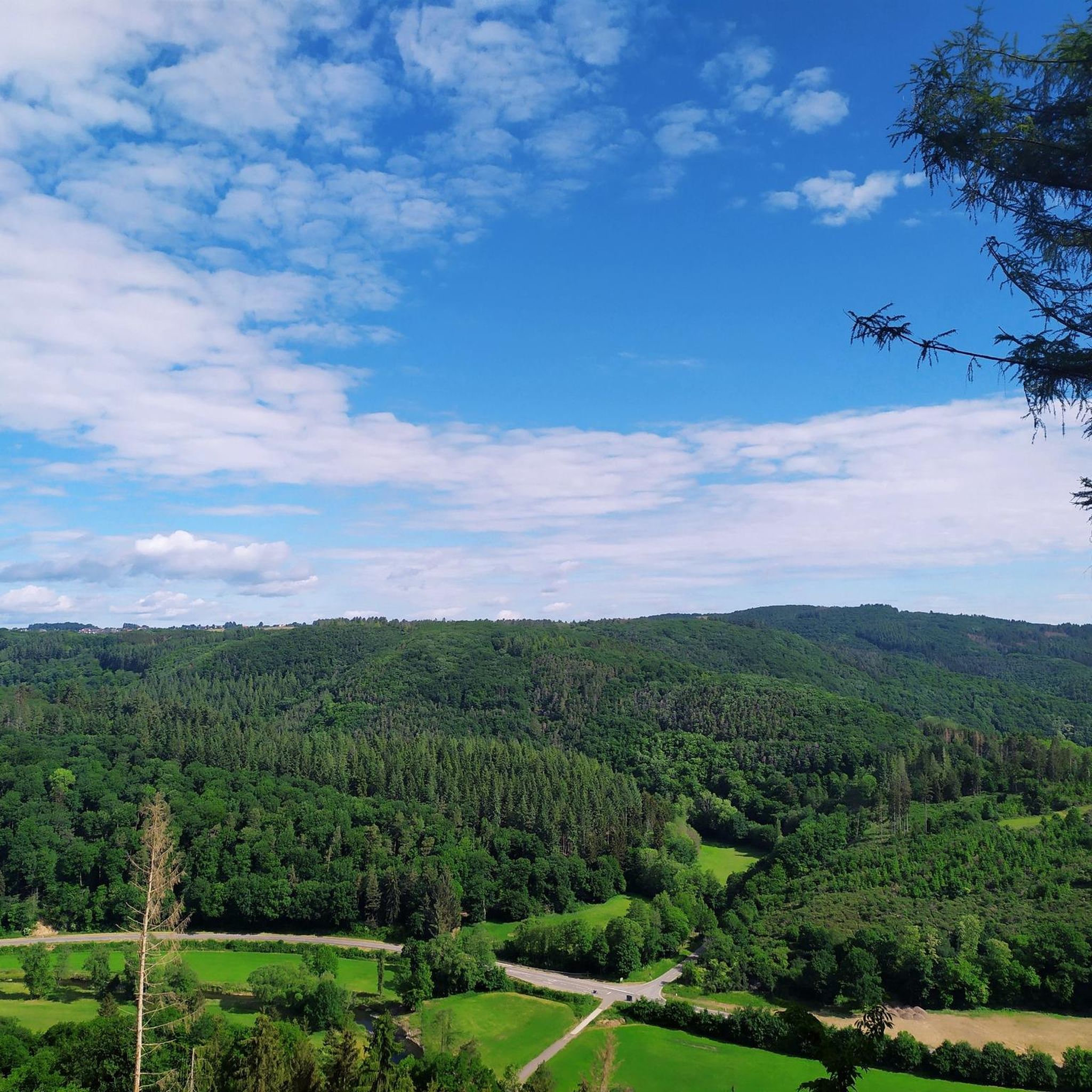
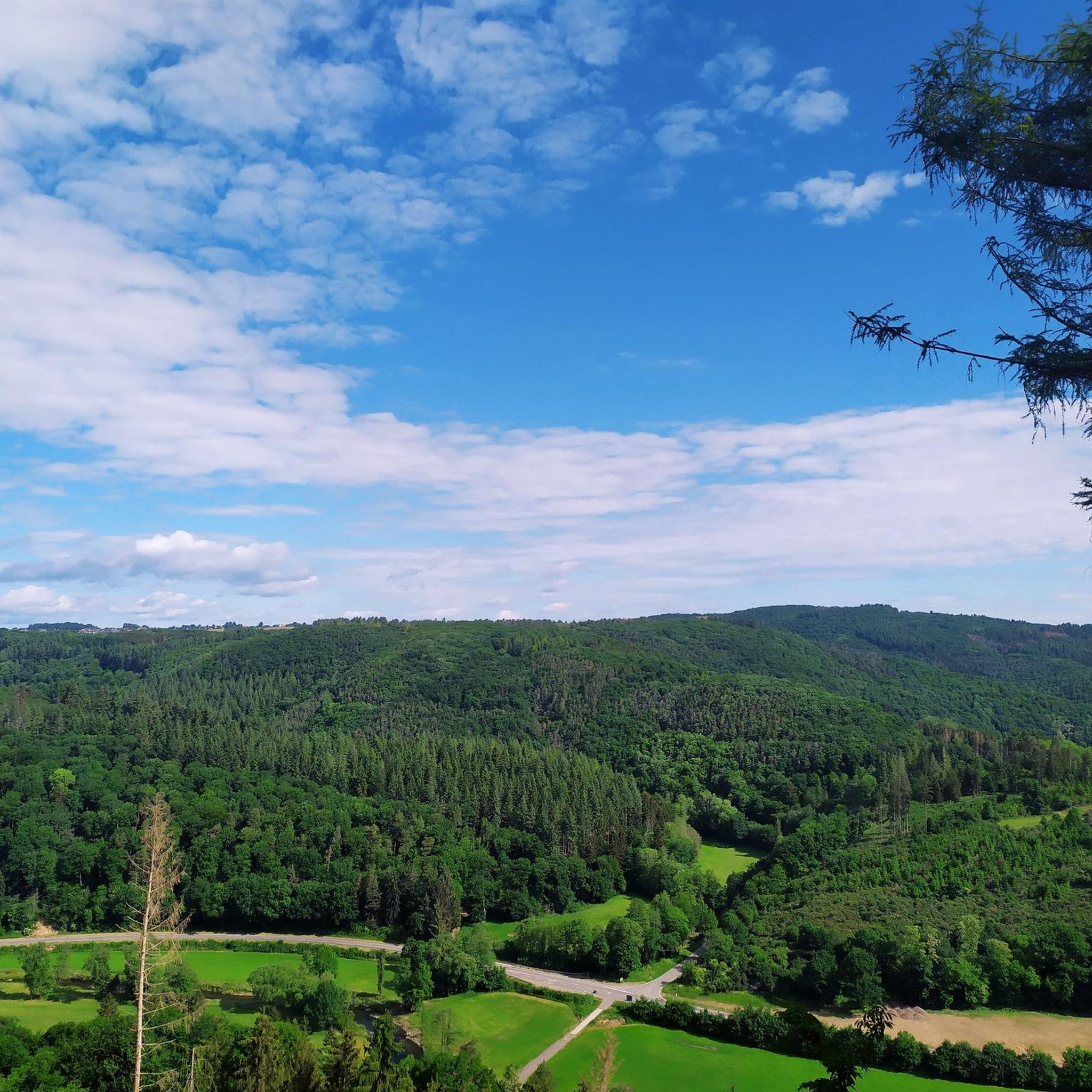
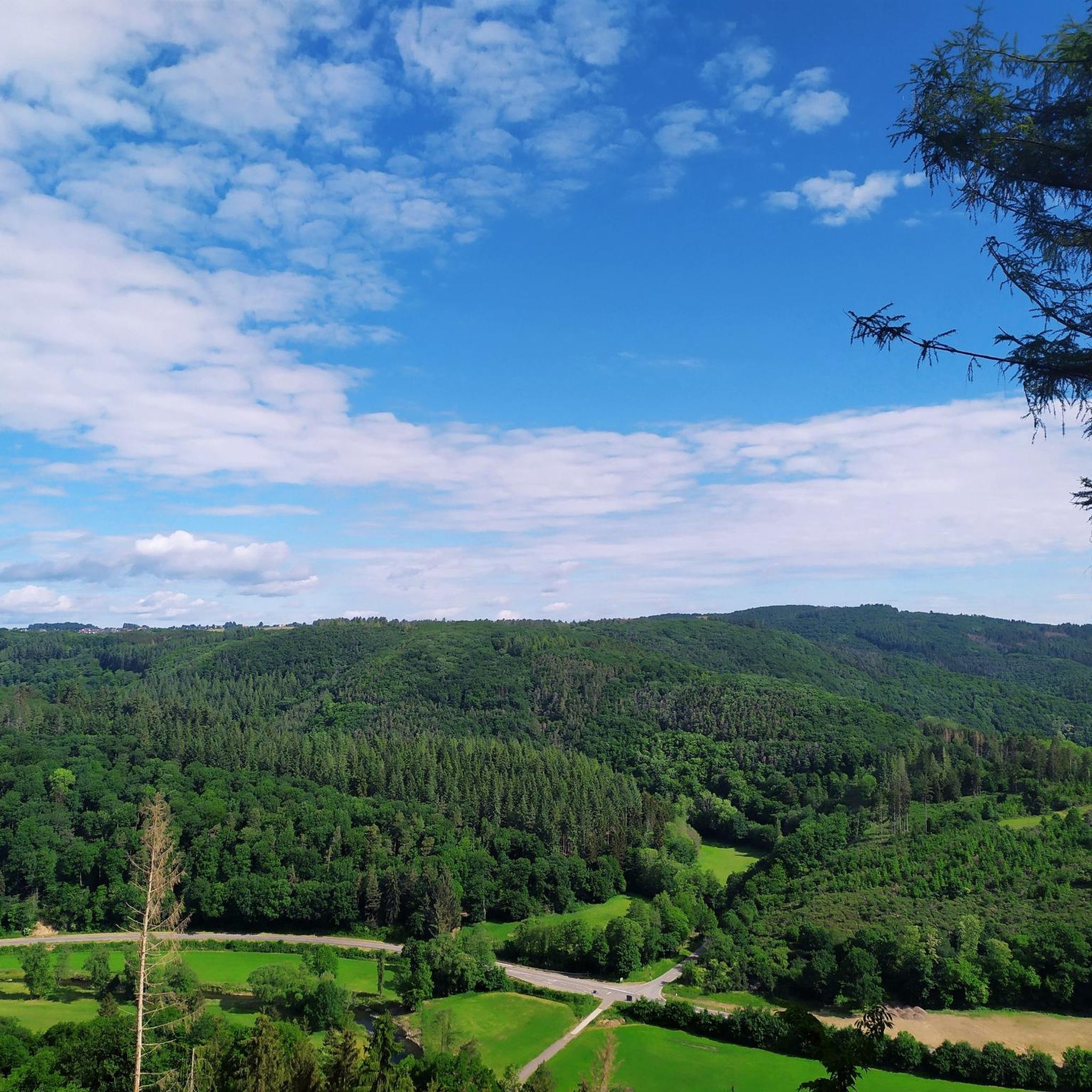
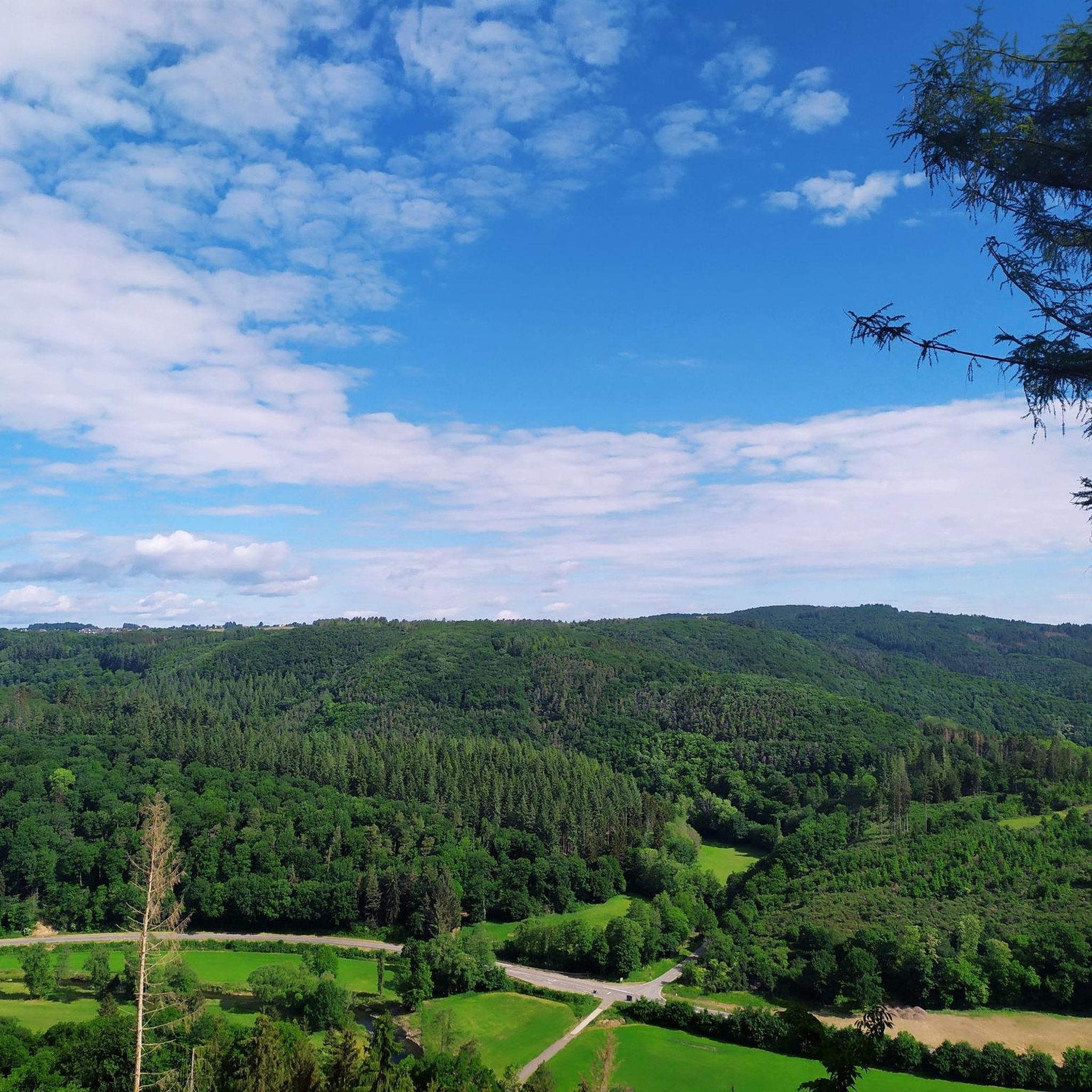
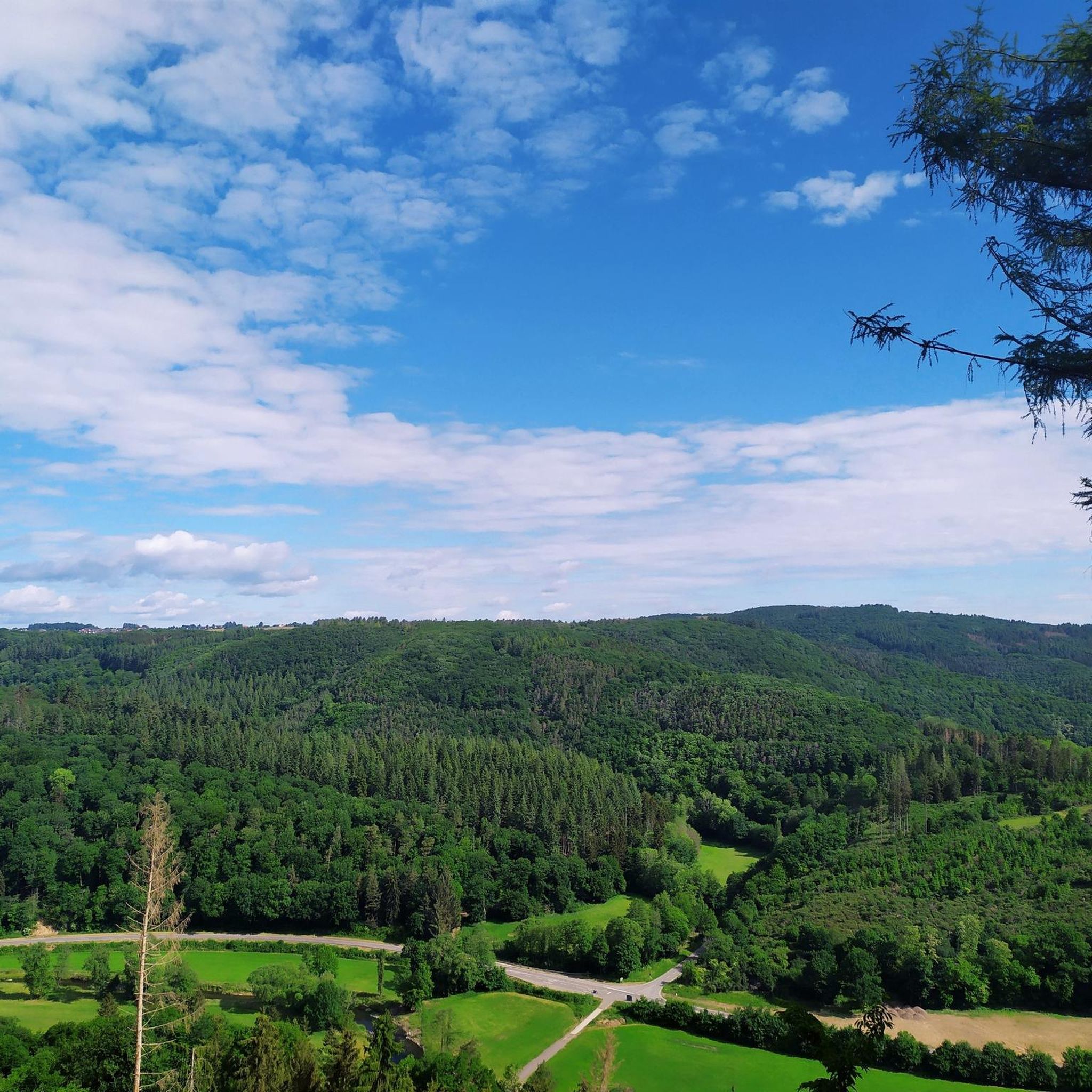
Nice view of the Nürburg, great track
1
0
The Wensburg was probably built in the 13th century. The Wensburg was first mentioned in documents in 1401 as Haus zu Wentzbergh. The castle complex measures around 20 x 40m and is divided into two areas. The rectangular core castle area with the residential tower is clearly visible. The residential tower is around 20m high, has a base area of 9.5 x 10.7m and walls are 2.5m thick. The residential tower and most of the remaining parts of the ruins date back to the conservation efforts of Louise Scheib at the beginning of the 20th century. The owner at the time tried to preserve what had been destroyed in 1633 during the Thirty Years' War and what was demolished in 1832. In 1833, the castle chapel dedicated to Saint George was also demolished. Until 1930, the main castle was surrounded by a 7m high wall made of basalt blocks and rubble stones, which is still 3m high today. At that time, there was a battlement on the rampart. The Wensburg castle ruins are open to the public. Source: https://www.ich-geh-wandern.de/wensburg
4
0


🌲Nice photo motif in the middle of beautiful nature 🌳🎨📸 Freely accessible. Had our snack here 🥪🥐🥖 🏰The castle stands on an elevation approx. 355 meters above NHN and thus a good 20 meters above the valley floor of the Ahbach, which runs a few meters further east 🌊 near the state road 70. Extensive renovation work took place in 2004-2006.
9
0

A historic castle ruin whose origins are unknown. Only a document from the year 1341 confirms its proven age. I found this ruin very impressive.
7
0
Frequently Asked Questions
Where are the castles located in relation to Fuchshofen?
While Fuchshofen itself is known for its natural beauty and outdoor activities, the castles are located in the surrounding Eifel region. You'll need to venture to nearby towns and areas to explore these historical sites.
What kind of castles can I expect to find near Fuchshofen?
The region offers a variety of historical structures, from well-preserved castles to ancient ruins. You can find impressive fortresses like Nürburg Castle, observation towers built on former castle sites such as Aremberg Castle Tower, and atmospheric ruins like Wensburg Castle Ruins.
What is the most popular castle to visit near Fuchshofen?
The most popular castle is Nürburg Castle. It's the highest castle in Rhineland-Palatinate, built on a basalt rock, and offers panoramic views from its 20-meter high donjon.
Are there any castle ruins worth exploring?
Yes, the area is rich in castle ruins. Besides Wensburg Castle Ruins, which is hidden in the forest and features remains of two gates and a tower, you can also visit the Ruins of Neublankenheim Castle, which offers a nice photo motif in beautiful nature.
What are the opening hours and entrance fees for Nürburg Castle?
Nürburg Castle is generally open daily from 10 a.m. to 6 p.m. from April 1st to October 31st, but closed on Tuesdays. During November, March, and parts of December/January/February, it's open on Saturdays and Sundays from 11 a.m. to 5 p.m. The entrance fee is 3 euros. It's always a good idea to check the latest opening times before your visit.
Can I find viewpoints at the castles?
Many castles and their sites offer viewpoints. Nürburg Castle provides a great panoramic view from its donjon. While Aremberg Castle Tower is on the highest peak in the Ahr Mountains, the view from the tower itself is limited by surrounding trees.
Are there hiking opportunities near the castles around Fuchshofen?
Absolutely! The Eifel region is excellent for hiking. You can find numerous trails, such as the 'Kottenborner Chapel – View of Nürburg and Hohe Acht loop' which is a moderate 14.1 km hike from Fuchshofen. For more hiking options, explore the Hiking around Fuchshofen guide.
What other outdoor activities can I do near the castles?
Beyond hiking, the region offers great opportunities for cycling. You can find road cycling routes like the 'Blankenheim Castle – Schwanenweiher Blankenheim loop' or gravel biking trails such as the 'Freilinger Lake – Ahr Cycle Route loop'. Check out the Road Cycling Routes around Fuchshofen and Gravel biking around Fuchshofen guides for more details.
Is Nürburg Castle accessible for visitors with wheelchairs?
Nürburg Castle is listed as wheelchair accessible. However, please note that parking is at the foot of the castle hill, requiring approximately a 10-minute walk to reach the castle itself.
What do visitors particularly enjoy about the castles in this region?
Visitors appreciate the historical significance and the natural settings of these castles. Many enjoy the panoramic views from places like Nürburg Castle, the peaceful atmosphere of ruins hidden in forests, and the opportunity to combine castle visits with outdoor activities like hiking.
Are there any hidden gem castles or lesser-known ruins to discover?
While not widely publicized, the Lower Castle Gate offers a very beautiful sight after climbing a narrow and steep path. The Wensburg Castle Ruins, hidden in the forest, also provide an enchanting glimpse into the past with its old gates.
What is the best time of year to visit the castles around Fuchshofen?
The best time to visit is generally from spring to autumn (April to October) when the weather is mild and castle opening hours are extended. During these months, you can also fully enjoy the surrounding natural landscapes and outdoor activities. Winter visits are possible for some sites, but hours may be reduced, and some areas might be less accessible.
Most popular routes around Fuchshofen
Most popular attractions around Fuchshofen

Get inspired with the komoot mobile app


Explore more
Looking for the best castles somewhere else? Discover other guides around Fuchshofen:
