Top 20 Castles around Ebensfeld
Castles around Ebensfeld offer a rich historical landscape in Upper Franconia, situated within the "Garden of God on the Upper Main." The region features diverse terrain, including rocky Jurakuppen and areas with red sandstone formations. Visitors can explore a variety of historical sites, from medieval castle ruins to structures with significant architectural and cultural heritage. This area provides opportunities to connect with centuries of history and appreciate unique geological features.
Best castles around Ebensfeld
- The most popular castles is 🏛️…
Last updated: October 9, 2026
🏛️ Giechburg
Highlight • Castle
Translated by Google •
Tip by

Pilgrimage Church of St. Pankratius (Gügel Church)
Highlight • Religious Site
Translated by Google •
Tip by

Sign up now to discover places like this
Get recommendations on the best single tracks, peaks, & plenty of other exciting outdoor places.
Lichtenfels Market Square
Highlight • Settlement
Translated by Google •
Tip by

Rotenhan Castle Ruins
Highlight • Castle
Translated by Google •
Tip by

Seßlach Old Town
Highlight • Historical Site
Translated by Google •
Tip by

Sign up for free to discover even more castles around Ebensfeld.
Already have an account?
Start today with a free account
Your next adventure awaits.
Popular around Ebensfeld
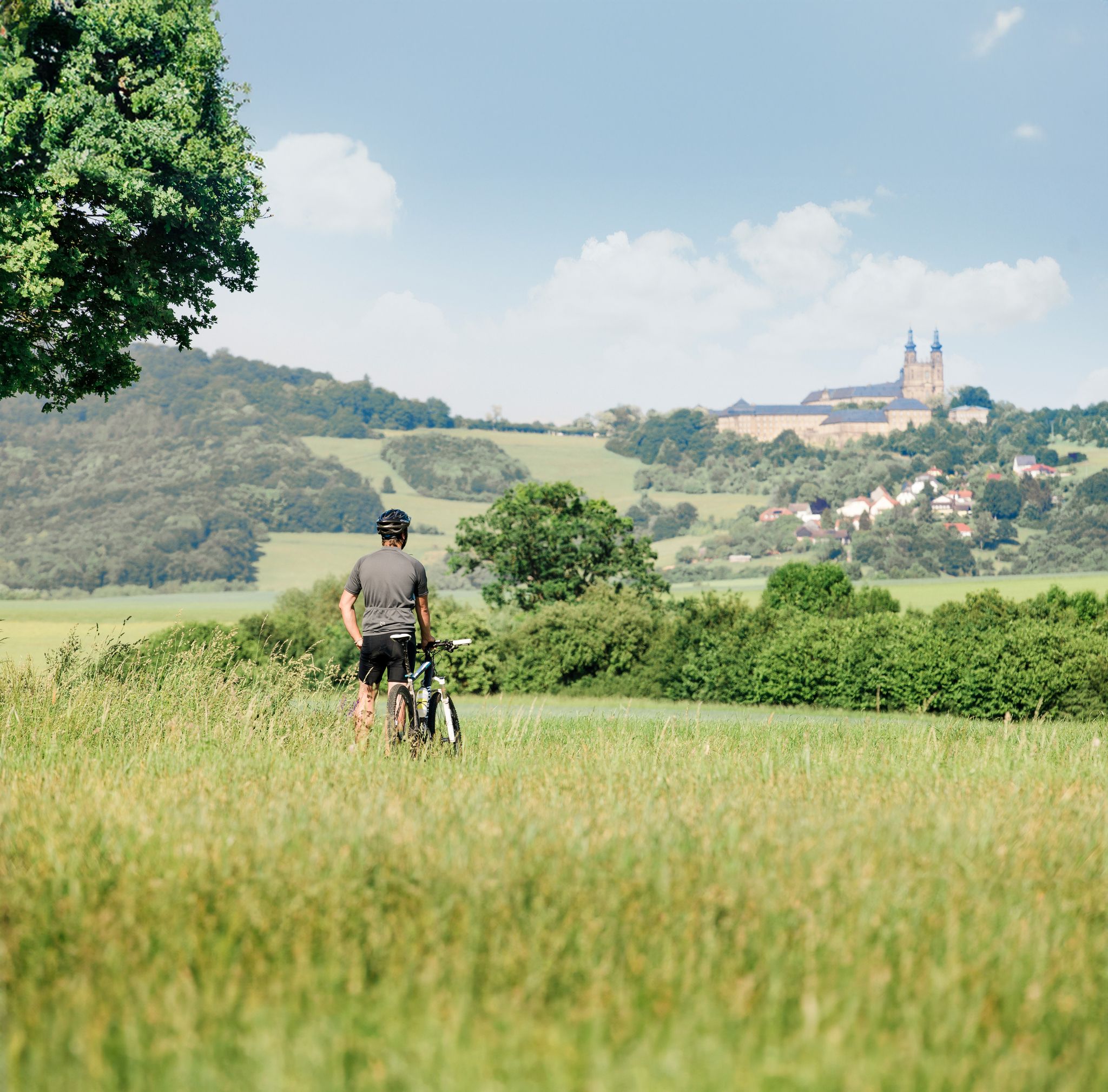
Panoramic cycling in the Obermain.Jura – discovering Franconia by bike
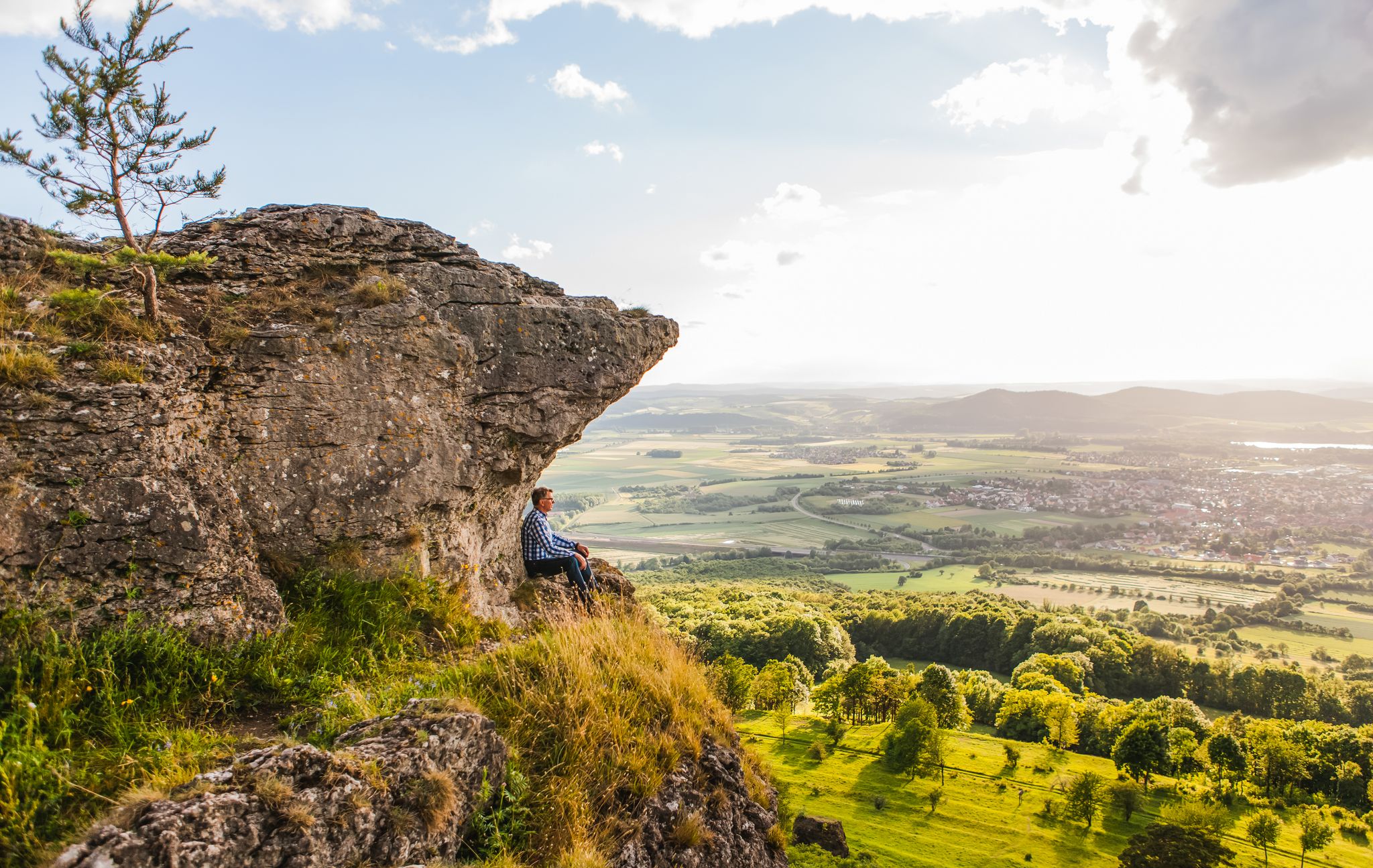
Our 10 favourite Tours through Upper Main’s Garden of Eden
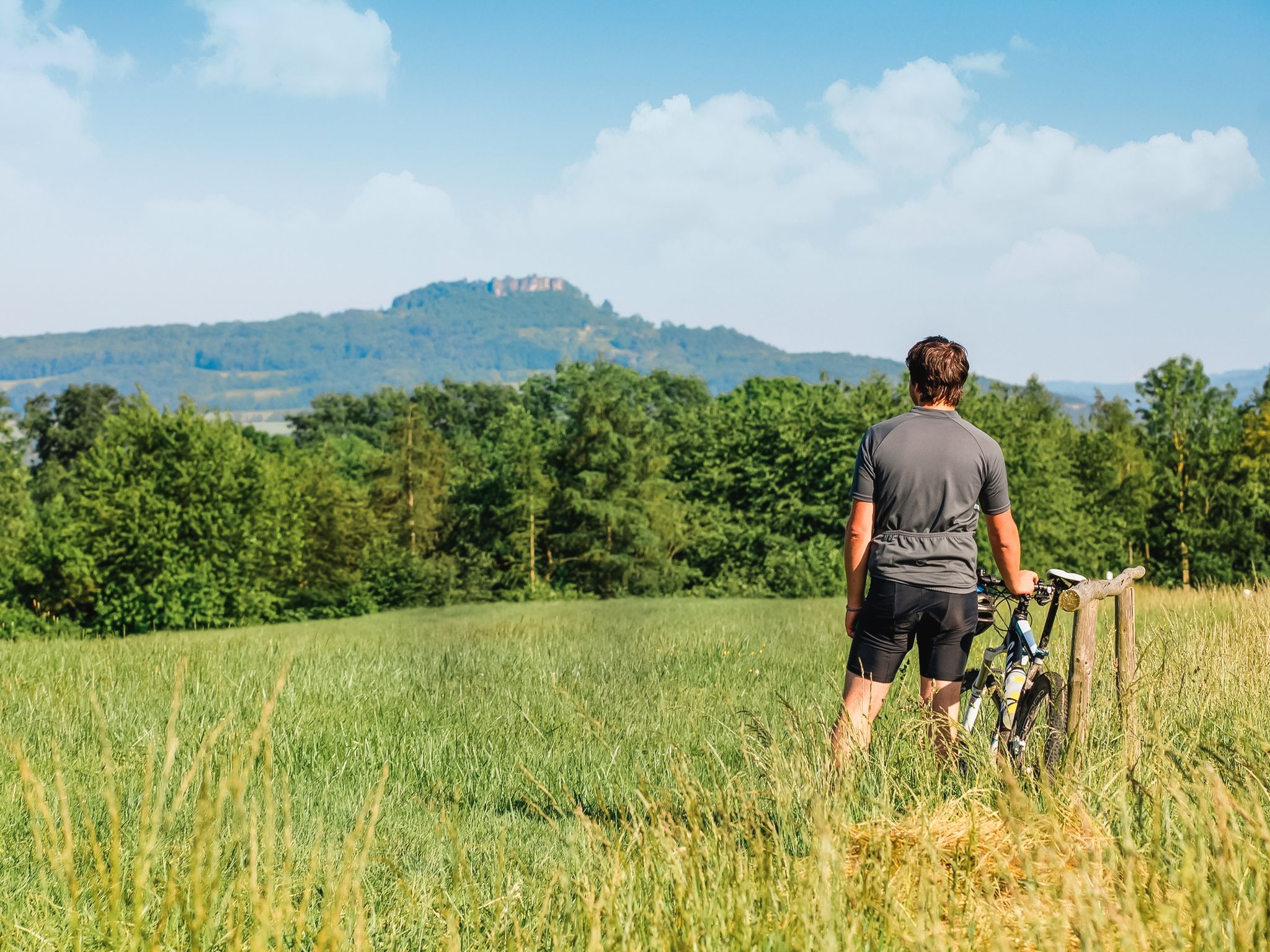
Panoramic cycling in the Upper Main•Jura
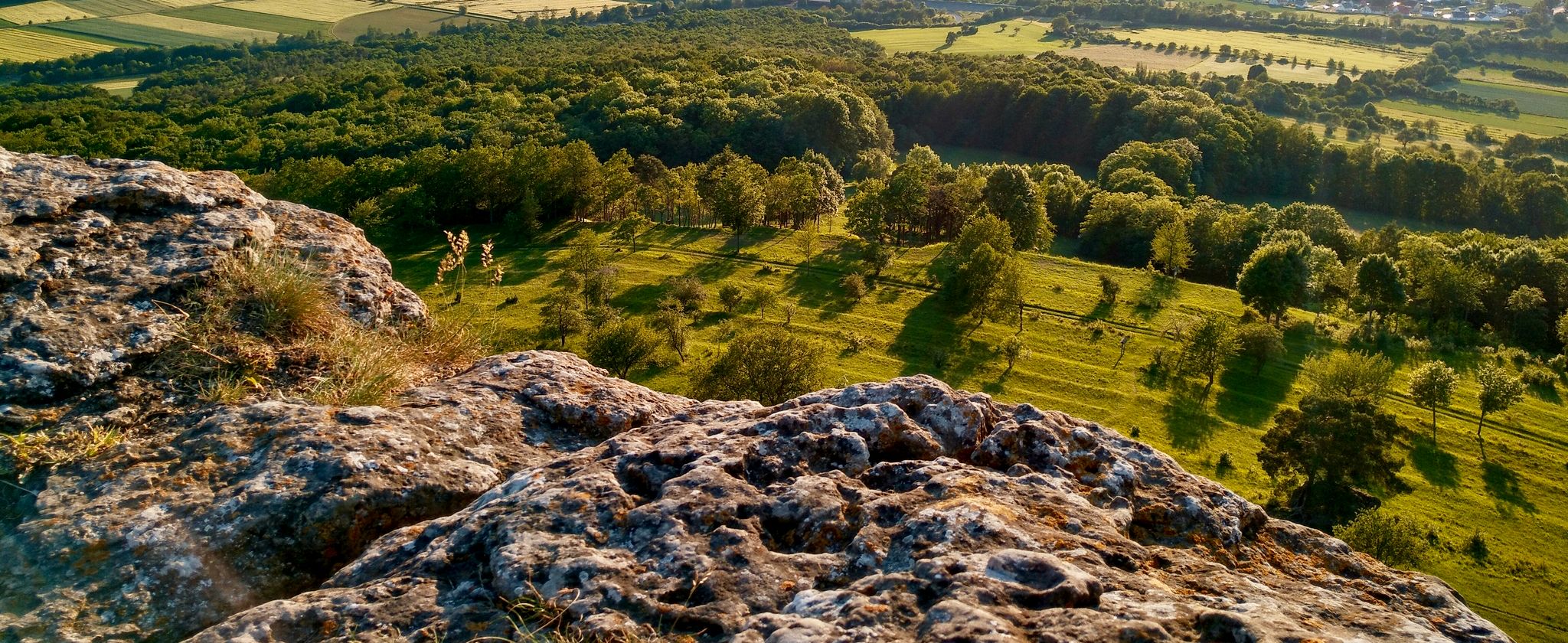
On Celtic trails in Franconia
Cycling around Ebensfeld
Hiking around Ebensfeld
Gravel biking around Ebensfeld
Road Cycling Routes around Ebensfeld
MTB Trails around Ebensfeld
Running Trails around Ebensfeld
Other adventures around Ebensfeld


Tips from the Community

The ruins have a very special character due to their construction – you can still really feel the connection between nature and medieval architecture.
4
0

In any case, it's a huge building. More defiant than beautiful.
8
2

The town is located in the oldest prehistoric settlement area in the Main Valley. In a very small area, there is continuous evidence of settlement, which stretches from the Paleolithic period through the Hallstatt period to the Carolingian period. The name of the town was already borne by the fortress built around the year 1000 on a hill, a "light rock", and destroyed in the Peasants' War in 1525. Duke Otto I of Andechs-Merania had his market town of Lichtenfels fortified in 1231, which can probably be interpreted as an indication that town rights had already been granted. A place on the Main and centrally located on old streets was deliberately chosen for the founding of Lichtenfels. The spacious market square, the center of the town, where all the alleys and paths converged, was and is well suited for weekly and annual markets. Source: https://www.lichtenfels.de/leben-und-wohnen/unser-lichtenfels/stadtportrait/die-geschichte-der-stadt-lichtenfels
13
2

Directly in front of the Rotenhan ruins there are two nice rest areas.
15
0

The ruins of the high medieval rock castle Rotenhan are located at 380 m above sea level about two kilometers north of Ebern above the district of Eyrichshof in the Haßberge district in Lower Franconia. The castle complex is the ancestral seat of the Barons of Rotenhan, who still own it today. Wikipedia
9
0

It's worth strolling through the old streets. Beautifully preserved city wall with gates and towers.
2
0

A very beautiful, old and small town with a city wall and a great atmosphere.
3
1

A really beautiful building.
9
2
Frequently Asked Questions
What makes the Rotenhan Castle Ruins unique among the castles near Ebensfeld?
The Rotenhan Castle Ruins are unique because they are a rock castle built directly into red sandstone. Its construction integrates natural rock formations with medieval architecture, offering a distinctive geological and historical experience. You can explore remnants of structures carved into the rock, including potential gate areas and a well.
Are there any castles near Ebensfeld that offer panoramic views?
Yes, Giechburg, located on a rocky Jurakuppe, offers impressive views from above the valley. Additionally, Altenburg Castle in Bamberg, though a bit further, is perched on the highest of Bamberg's seven hills and provides spectacular panoramic views of the city and surrounding region.
Can I find family-friendly castles to visit near Ebensfeld?
Absolutely. Both Giechburg and Rotenhan Castle Ruins are considered family-friendly. The Gügel Church, with its castle history and narrow passages, can also be an interesting experience for children.
What kind of historical sites can I explore besides castles?
Beyond the castles, you can visit the Pilgrimage Church of St. Pankratius (Gügel Church), which stands on the site of a former castle and has a rich history of destruction and reconstruction. The nearby Seßlach Old Town is also a well-preserved medieval town with city walls and gate towers, offering a glimpse into historical urban life.
Are there hiking opportunities around the castles near Ebensfeld?
Yes, the region offers various hiking opportunities. You can find routes that incorporate these historical sites. For example, there are several moderate hiking routes around Ebensfeld, such as the 'Steinerne Rinne near Roschlaub' or 'St. Veit Chapel on Veitsberg' loops. You can explore more options in the Hiking around Ebensfeld guide.
What is the best time of year to visit the castles and go hiking?
Spring and autumn generally offer the most pleasant weather for exploring the castles and hiking in the region, with mild temperatures and beautiful scenery. Summer can also be enjoyable, though it can be warmer. Winter visits are possible, but some trails might be challenging, and certain facilities might have reduced hours.
Are there any unique geological features to see near the castles?
Yes, the Rotenhan Castle Ruins are a prime example, being built directly into red sandstone formations. The region itself features diverse terrain, including rocky Jurakuppen and areas with red sandstone, providing interesting natural backdrops to the historical sites.
Where can I find food and refreshments near the castles?
The Giechburg houses a castle restaurant, making it a convenient spot for a meal. The Lichtenfels Market Square, a short distance away, also offers numerous cafes and restaurants. For the Rotenhan Castle Ruins, there are rest areas directly in front of the ruins, and nearby towns like Maroldsweisach would have dining options.
Is it possible to reach any of the castles by public transport?
While direct public transport to all castle entrances might be limited, larger towns like Bamberg (for Altenburg Castle) are well-connected. For specific castles like Giechburg or Gügel Church, you would typically take public transport to a nearby town like Scheßlitz and then proceed by foot or a short taxi ride.
What are the historical layers of the Pilgrimage Church of St. Pankratius (Gügel Church)?
The Pilgrimage Church of St. Pankratius (Gügel Church) was originally a castle with a chapel, first mentioned in 1274. It was destroyed and rebuilt multiple times, notably after the Hussite Wars in 1430 and the Peasants' War in 1525. The current church building largely dates from a reconstruction between 1610 and 1618, showcasing a blend of castle history and its function as a pilgrimage site.
Are there cycling routes that pass near the castles?
Yes, the region is popular for cycling. The Main Cycle Route passes through nearby Lichtenfels, and there are several cycling routes around Ebensfeld, such as the 'Main-Itz-Runde' or routes offering views of Kloster Banz. You can find more details in the Cycling around Ebensfeld guide.
What do visitors particularly enjoy about the castles around Ebensfeld?
Visitors appreciate the rich historical landscape and the unique integration of natural rock formations with medieval architecture, especially at Rotenhan Castle Ruins. The impressive views from sites like Giechburg and the peaceful atmosphere of historical pilgrimage sites like the Gügel Church are also highly valued.
Most popular routes around Ebensfeld
Most popular attractions around Ebensfeld

Get inspired with the komoot mobile app


Explore more
Looking for the best castles somewhere else? Discover other guides around Ebensfeld:
