The best road cycling routes around Halvesbostel
4.5
(311)
2,448
riders
177
rides
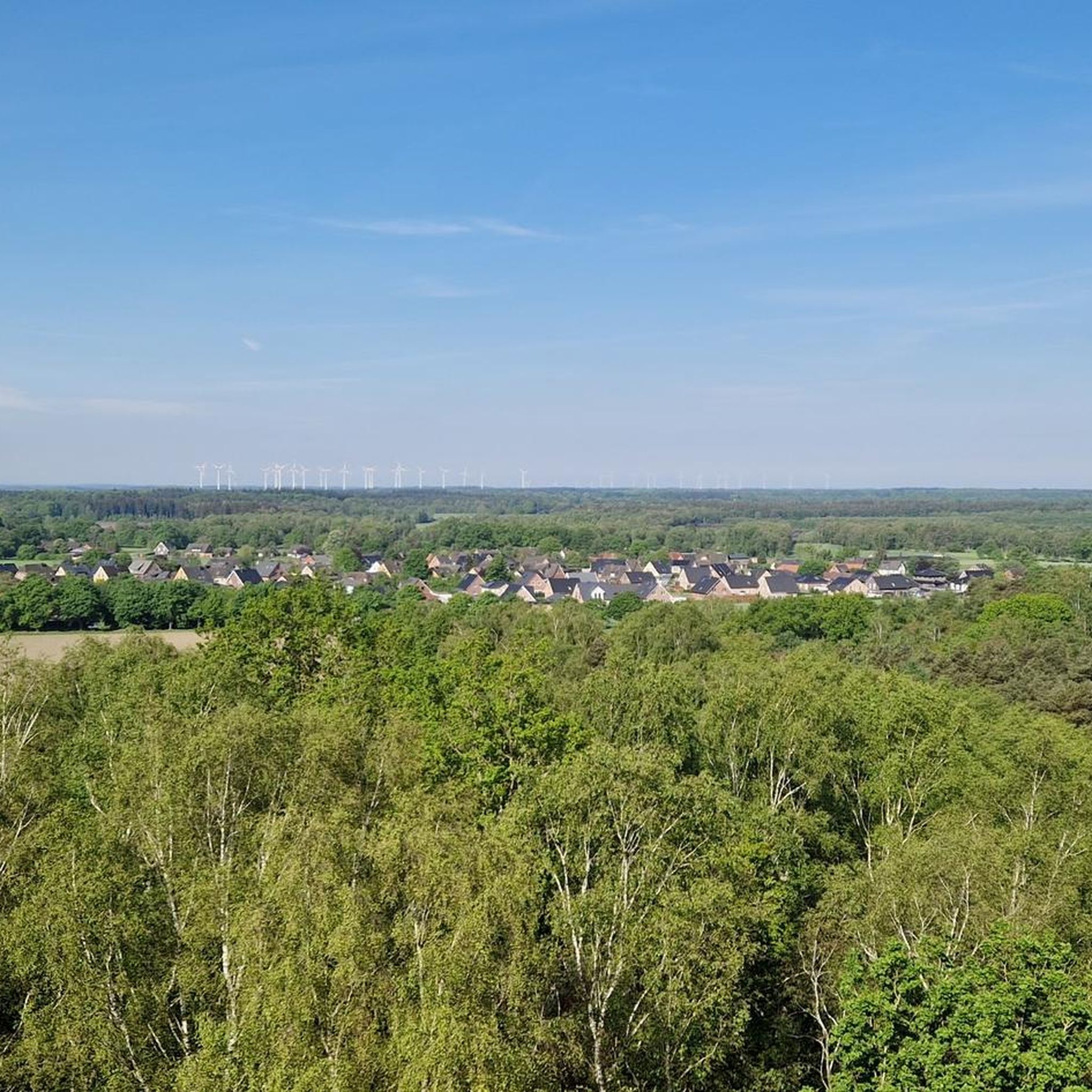
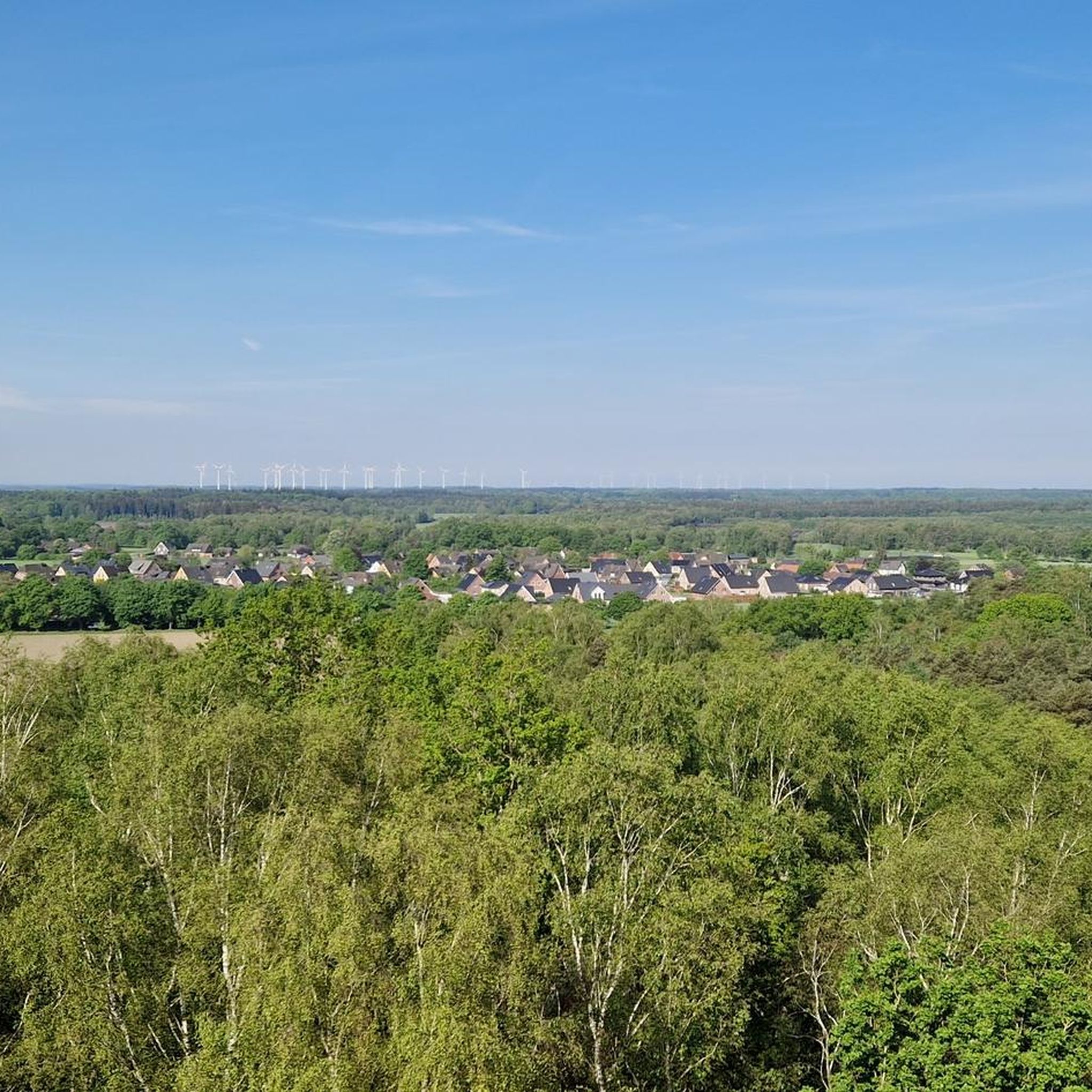
Road cycling around Halvesbostel, located in Lower Saxony, Germany, offers a peaceful rural setting characterized by idyllic greenery, farms, and vegetable fields. The region features a network of dedicated cycling paths, providing a serene backdrop for road cyclists. Terrain is generally flat with gentle ascents, making it suitable for various skill levels. Natural features like the Este River and the Sittensen Watermill contribute to the area's scenic appeal.
Best road cycling routes around Halvesbostel
- The most popular road cycling route…
Last updated: July 1, 2026
4.5
(2)
25
riders
51.5km
02:17
220m
220m
Moderate road ride. Good fitness required. Some segments of this route may be unpaved and difficult to ride.
4.9
(35)
28
riders
18.7km
00:55
40m
40m
Easy road ride. Great for any fitness level. Mostly well-paved surfaces and easy to ride.

Sign up for free
15
riders
35.6km
01:43
80m
80m
Moderate road ride. Great for any fitness level. Some segments of this route may be unpaved and difficult to ride.
5.0
(1)
13
riders
28.1km
01:14
100m
100m
Easy road ride. Great for any fitness level. Mostly well-paved surfaces and easy to ride.
14
riders
49.0km
02:07
180m
180m
Moderate road ride. Good fitness required. Mostly well-paved surfaces and easy to ride.
Get access to more routes and recommendations from other explorers.
Sign up for free
Already have an account?
Our route recommendations are based on thousands of hikes, rides, and runs completed by other people on komoot.
Start today with a free account
Your next adventure awaits.
Login or Signup

Tips from the Community

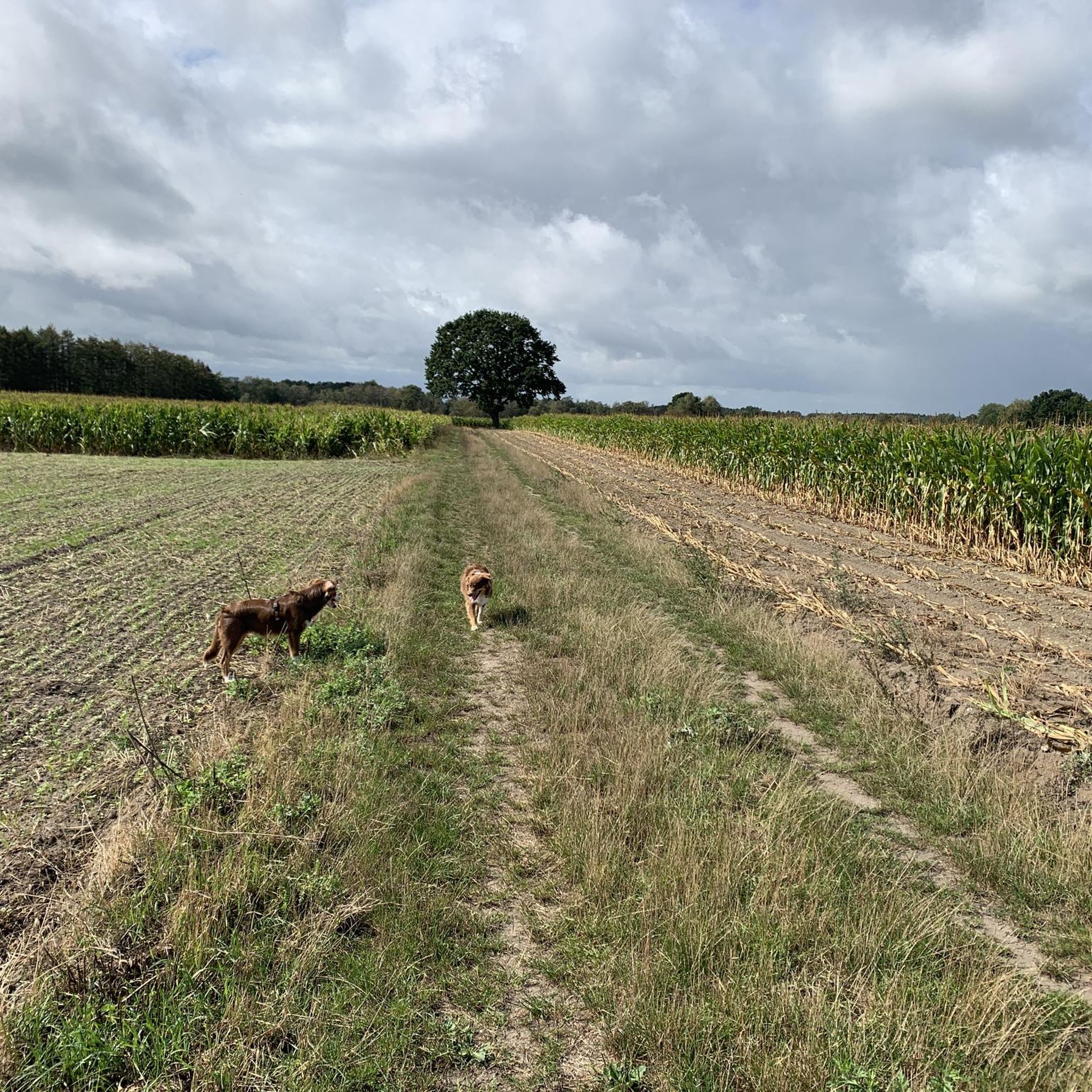
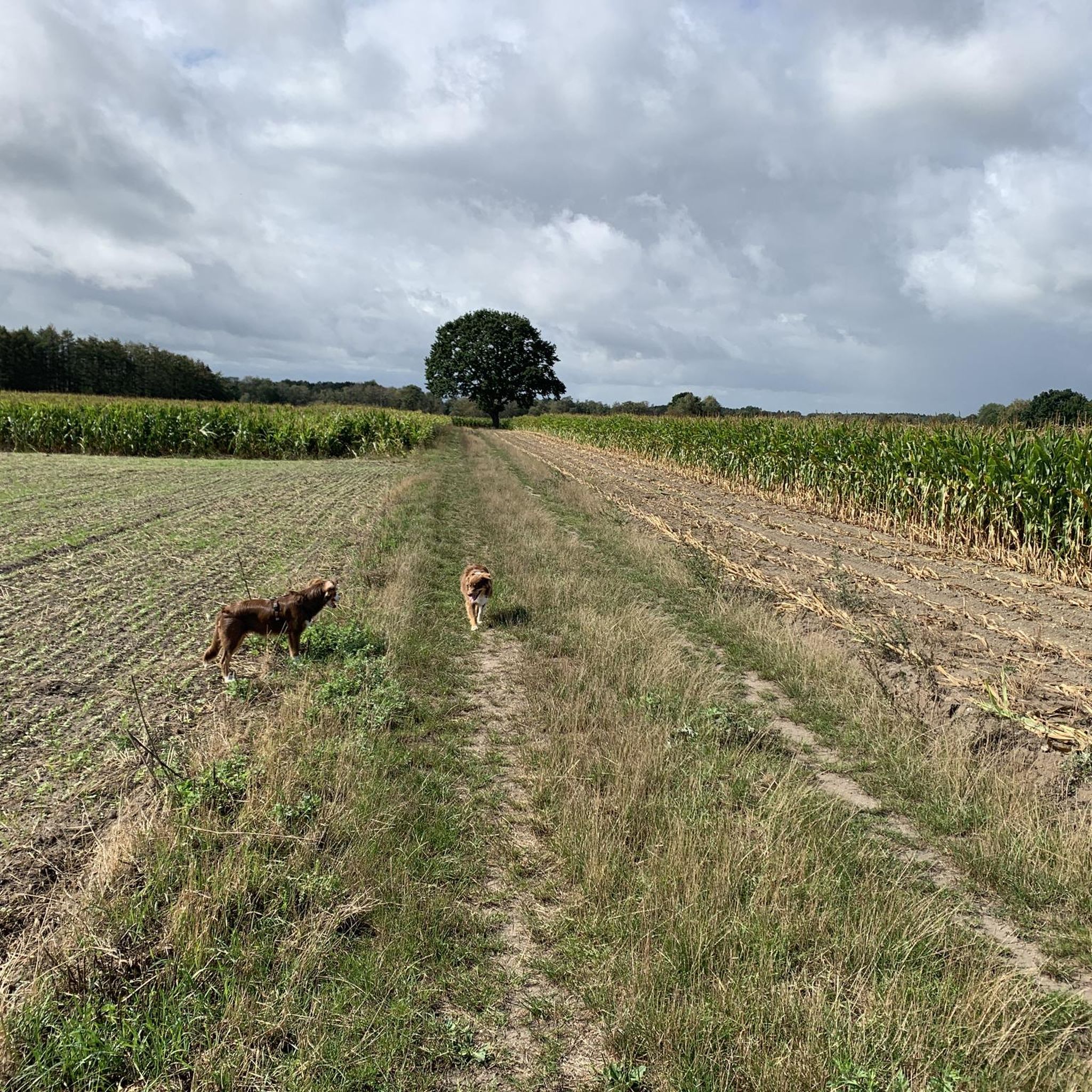
Easily rideable farm track from Ruschwedel to Kammerbusch.
2
0
A large war memorial stands in the Neukloster Forest. Each fallen soldier has their own small memorial stone inscribed with their name, year of birth, and date of death. A bench is available for quiet reflection and mourning.
0
0
Several of these memorial plaques are located at the Neukloster War Memorial, bearing the dates and names of the fallen soldiers. 1914–1918 1939–1945
0
0
The Neukloster Forest is a beech forest with trees up to approximately 200 years old. Originally used by the monastery for which it is named, it is home to several, sometimes rare, animal and plant species. A short hike of about 4.5 km through the Neukloster Forest is wonderful. From the Pfingstmarktplatz parking lot, the W4 hiking trail leads into the forest, passing historical and archaeological treasures such as burial mounds and wayside crosses. Follow the signs to the Friedwald parking lot and turn left there to return to the Pfingstmarktplatz parking lot. Enjoy a beautiful hike here! 🚶🏼♀️🚶💚
0
0
This is what defines Jork: Fruit growing and shipping. The proximity to the Elbe River and the metropolis of Hamburg has shaped the Altes Land region for centuries. Whether in spring during cherry blossom season or in summer and autumn during harvest time, visitors can discover a wealth of attractions here. Above all, the enchanting landscape, as well as cultural events and its sights, from the lighthouse to the Arp Schnitger organ. The Altes Land is a wonderful and unique region. It stretches from the gates of Hamburg for over 30 km south of the Elbe to the Hanseatic city of Stade. The area encompasses the entire municipality of Jork, the collective municipality of Lühe, and the Neu Wulmstorf district of Rübke in Lower Saxony, as well as the Hamburg districts of Neuenfelde, C.ranz, and Francop. The tributaries of the Elbe confluence—the Schwinge, the Lühe, and the Este—divide the Altes Land into three sections: the first, second, and third mile from west to east. A vacation or a visit to Jork is fantastic.
3
0

Children's King - Is there a connection with the Königsplatz, where the mausoleum is located?
0
0

The baroque hall church was built around 1700 from fieldstone and brick. The nave is pentagonal in the east. In the west there is a wooden bell tower, which was built in 1662 and is covered with an eight-sided, slate-covered, pointed helmet. The walls of the nave, which has a gable roof, are supported by buttresses.
3
0

The watermill in Holm is located directly on the Seeve Bridge. The first Holm watermill was probably built by the Winsen bailiff Christoph von Hodenberg, who created a manor from the farming village of Holm in 1567 and likely built a mill right away. The Holm Mill is first mentioned in 1615 in a dispute between the miller Tamke from Bendesdorf. During the Seven Years' War (1756-1763), the French probably burned down the Holm Mill in November 1757, but Baron Ludwig Schenk von Winterstedt, owner of the Holm manor, had it rebuilt in 1758. In the second half of the 19th century, the milling mechanism was completely renovated, so that nothing of the technology from 1758 remains. After the Second World War, the Holmer Mill served as a refugee camp, and grain was only milled occasionally until the mill lay empty and unused in the 1970s. Starting in 1977, after a usage agreement was signed between the mill owner and the History and Museum Association, the mill experienced new life and became the nucleus of our association. By Easter 1981, a new water wheel was installed, and a "demonstration" was held on milling days. By 1993, the water wheel was replaced for the second time in the association's history, this time with a more durable metal structure. Today, the Holmer Mill is used for lectures, art exhibitions, concerts, and monthly milling. https://www.gmv-buchholz.de/seite14.html
3
0
Frequently Asked Questions
What kind of terrain can I expect on road cycling routes around Halvesbostel?
The region around Halvesbostel is characterized by generally flat terrain with gentle ascents, making it suitable for various skill levels. You'll cycle through idyllic greenery, past farms, and vegetable fields, offering a serene backdrop for your rides.
Are there many easy road cycling routes for beginners or casual riders?
Yes, Halvesbostel offers a good selection of routes suitable for beginners and casual riders. Approximately 47 of the available routes are rated as easy, providing comfortable distances and minimal elevation gain. An example is the Litberg Scenic Road – Moisburg Watermill loop from Halvesbostel, which is 17.4 miles (28.0 km) long.
What natural features or landmarks can I see while road cycling in Halvesbostel?
Road cycling routes in Halvesbostel often pass by charming natural features and historical landmarks. You can explore the Sittensen Watermill and Mill Pond, cycle along the Este Riverside Trail, or cross the picturesque Wooden Bridge Over the Este River. The area also features the Gauss Tower on the Litberg, offering potential viewpoints.
Are there any circular road cycling routes in the Halvesbostel area?
Many of the road cycling routes around Halvesbostel are designed as loops, allowing you to start and end at the same point. For instance, the popular Holmer Watermill – Seeve Stream loop from Heidenau is a 31.7-mile (51.0 km) circular route, and the Ruschwedel–Kammerbusch Road – Litberg Scenic Road loop from Sauensiek also offers a circular experience.
What do other road cyclists enjoy most about cycling in Halvesbostel?
The road cycling experience in Halvesbostel is highly rated by the komoot community, with an average score of 4.5 stars from over 280 reviews. Cyclists often praise the peaceful rural settings, the charming watermills, and the well-maintained network of dedicated cycling paths that provide a refreshing escape.
Can I find routes that pass by historical mills or cultural sites?
Absolutely. The region is known for its historical mills. You can cycle past the Sittensen Watermill and Mill Pond, or explore the area around the Moisburg Mill Museum, which is featured on routes like the Litberg Scenic Road – Moisburg Watermill loop from Halvesbostel.
What is the best time of year for road cycling in Halvesbostel?
The region's idyllic greenery and rural charm are best enjoyed during the warmer months, typically from spring through early autumn. During these seasons, the weather is generally pleasant for cycling, and the landscapes are at their most vibrant.
Are there any challenging road cycling routes with significant elevation gain?
While Halvesbostel is generally flat, some moderate routes offer gentle climbs. The Holmer Watermill – Seeve Stream loop from Heidenau, for example, includes a total elevation gain of 712 feet (217 meters) over its 31.7 miles (51.0 km), providing a bit more challenge than the easier loops.
Are there options for longer road cycling tours in the area?
Yes, for those looking for longer rides, Halvesbostel offers routes that extend up to 30-31 miles (48-51 km). These routes, such as the Holmer Watermill – Seeve Stream loop from Heidenau, allow for extended exploration of the rural landscapes and charming villages.
What kind of scenery will I encounter on the road cycling routes?
You will encounter a peaceful rural setting defined by idyllic greenery, expansive farms, and vegetable fields. The routes often follow the course of rivers like the Este, providing picturesque views and a refreshing escape from urban environments.
Are there any specific viewpoints along the cycling routes?
While the region is generally flat, some routes offer scenic vistas. The Gauss Tower on the Litberg is a notable landmark that can provide elevated views of the surrounding countryside, and routes like the Litberg Scenic Road – Moisburg Watermill loop from Halvesbostel offer views of the Litberg Scenic Road itself.
How many road cycling routes are available around Halvesbostel?
There are over 180 road cycling routes in the Halvesbostel area, offering a wide range of options for different preferences and skill levels.
Most popular routes around Halvesbostel
Most popular attractions around Halvesbostel

Get inspired with the komoot mobile app


Explore more
Browse the best Road cycling routes in other regions.
