The best MTB trails around Hall in Tirol
4.5
(164)
1,086
riders
22
rides
Mountain biking around Hall in Tirol offers diverse terrain within the Tyrolean mountains, nestled between the Tux Alps and bordering the Karwendel Nature Park. The region features a landscape of mountain valleys, forests, and the Inn Valley, providing varied elevations and scenic routes. This area is characterized by its natural features, including the Glungezer Area and numerous peaks, creating a dynamic environment for mountain bikers. The extensive network of trails caters to different skill levels, from leisurely rides along the…
Last updated: October 9, 2026
4.6
(82)
281
riders
45.7km
03:02
640m
640m
Moderate mountain bike ride. Good fitness required. Suitable for all skill levels.
4.7
(11)
161
riders
Moderate mountain bike ride. Good fitness required. Advanced riding skills necessary.

4.2
(34)
255
riders
Moderate mountain bike ride. Good fitness required. Suitable for all skill levels.
4.4
(19)
81
riders
88.1km
05:30
820m
820m
Hard mountain bike ride. Very good fitness required. Suitable for all skill levels.
5.0
(4)
92
riders
54.6km
03:47
950m
950m
Hard mountain bike ride. Very good fitness required. Suitable for all skill levels.
Get access to more routes and recommendations from other explorers.
Already have an account?
Our route recommendations are based on thousands of hikes, rides, and runs completed by other people on komoot.
Start today with a free account
Your next adventure awaits.
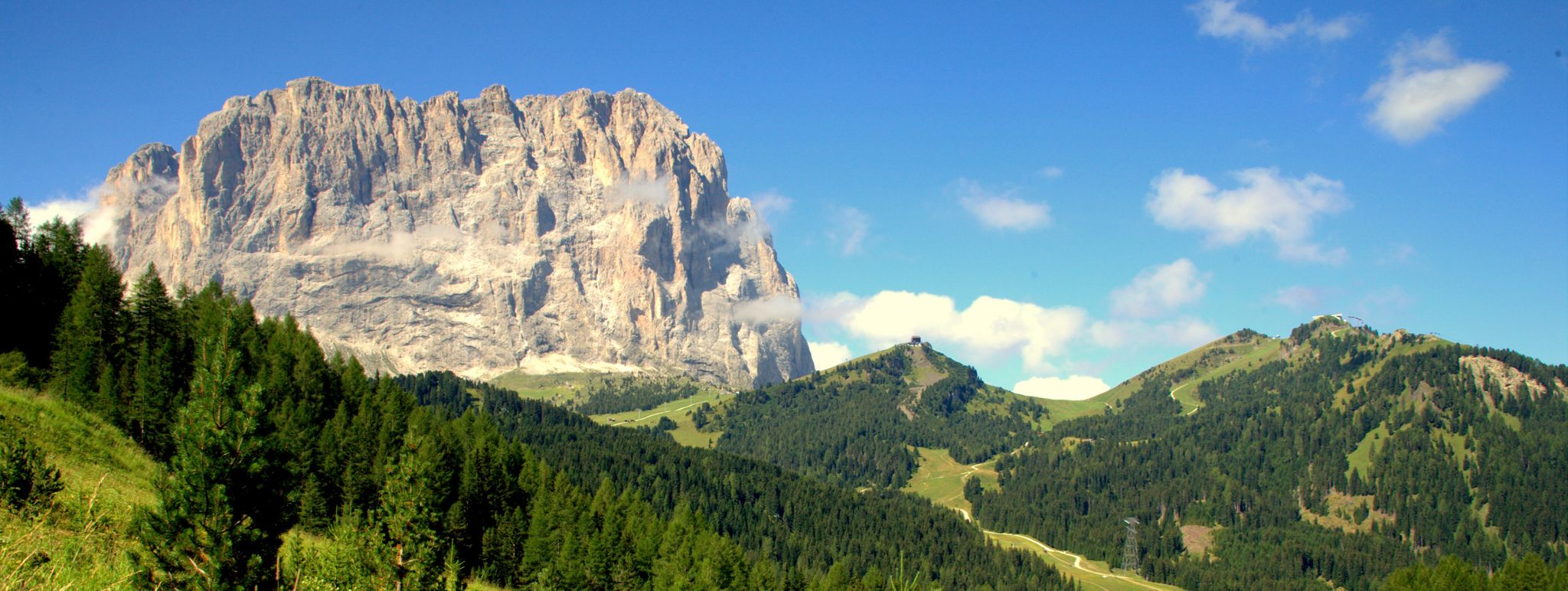
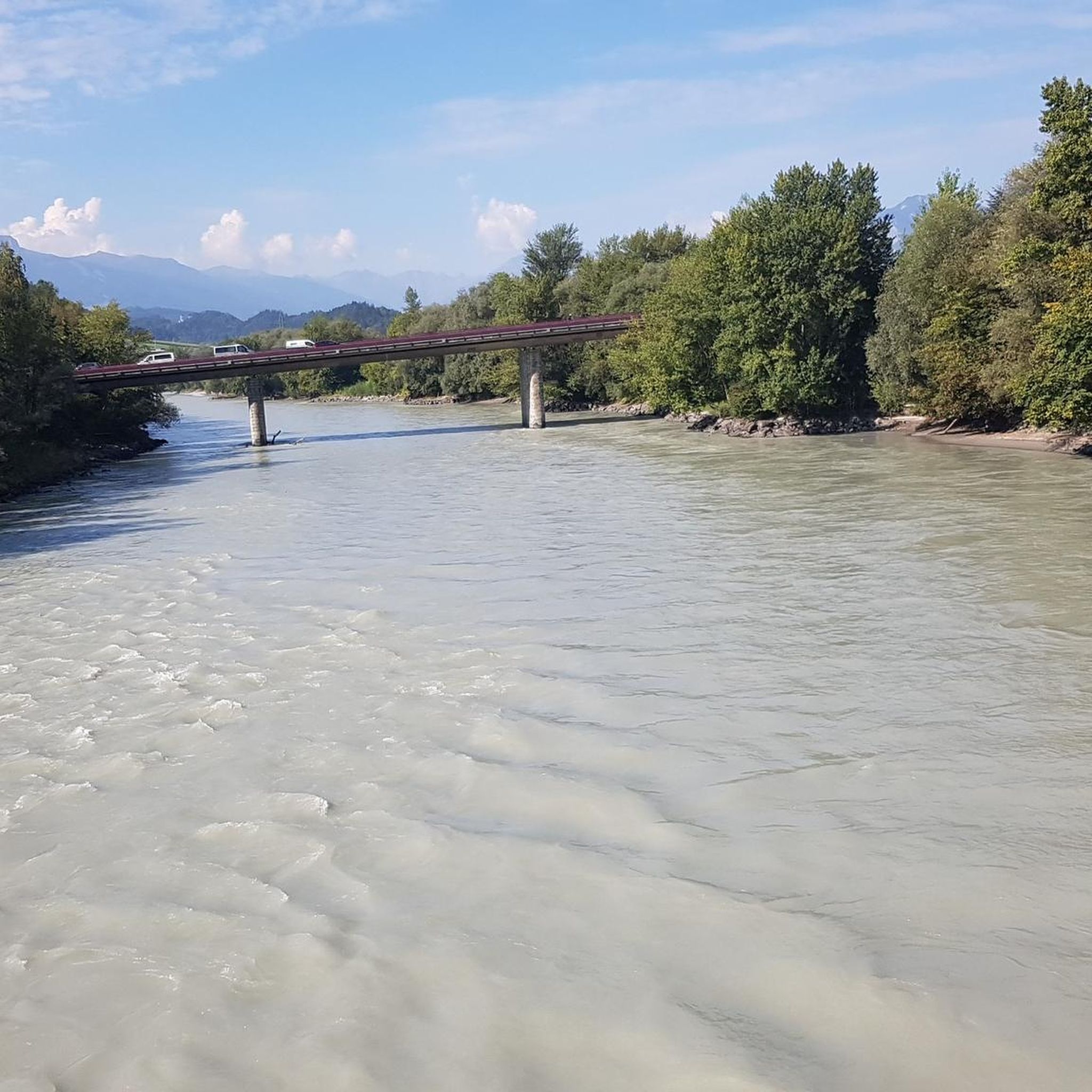
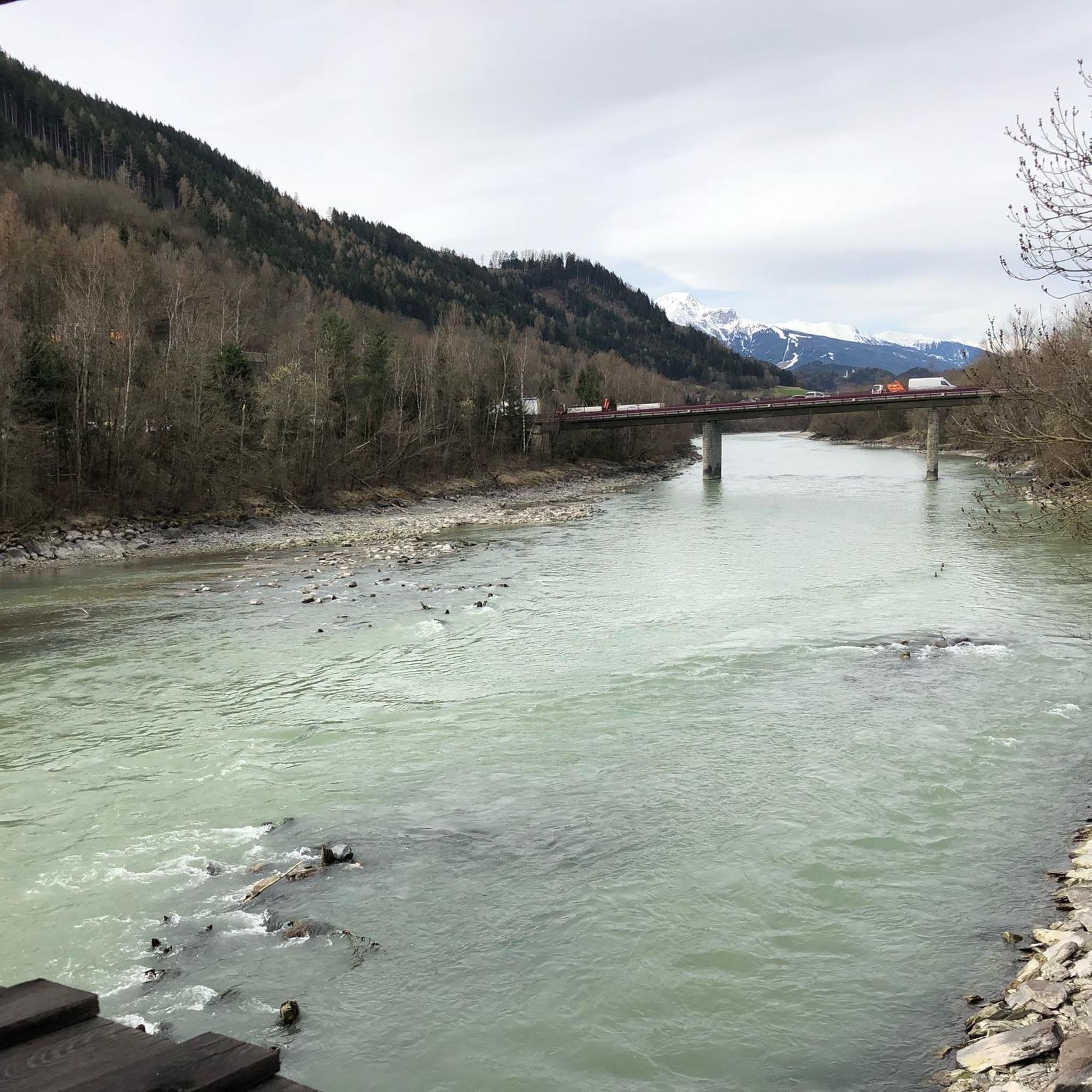
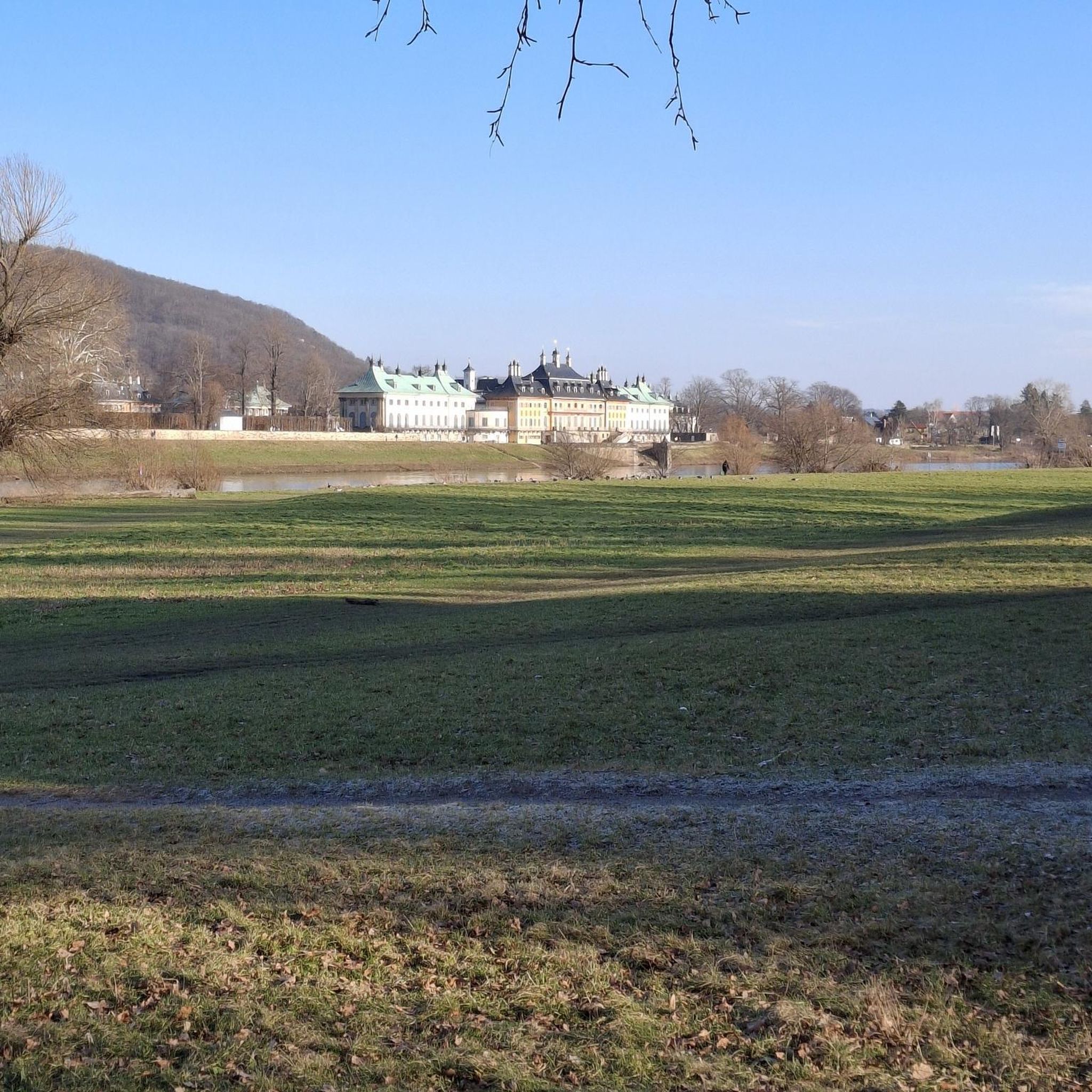
Other adventures around Hall in Tirol

Tips from the Community

Lake Achensee is situated at an altitude of around 930 m, nestled between the Karwendel mountains and the Rofan mountains. With its turquoise, clear water, it is a popular destination. Whether for hiking, cycling, swimming, or sailing and stand up paddle boarding, the lake has something to offer everyone. Always worth a trip 👍🏼
0
0

Kloster St. Martin in Gnadenwald That St. Martin in Gnadenwald was chosen as one of our places of power is actually self-evident. When you arrive there, you can already feel the special aura of this place. First and foremost, St. Martin is a place of recreation - both physical and spiritual. In our fast-paced times, "coming to rest" is extremely important. The Cretan or classical stone labyrinth located to the left below the monastery is a symbol of the human life path. Labyrinths have existed in many cultures for more than 5000 years and are shaped by the need for inner peace and a sense of home. Text / Source: Hall-Wattens Tourismus, Unterer Stadtplatz 19, Hall in Tirol https://www.hall-wattens.at/de/st-martin-in-gnadenwald.html
14
0
History of St. Martin in Gnadenwald As early as the 11th century, a hunting lodge with a chapel in honor of St. Martin is said to have stood on the site of the present-day monastery. The first documented mention dates from 1337 in a will of the Tyrolean master of the hunt, Heinrich von Rottenburg. A second mention occurred in 1382. Around the same time or not long after, a hermitage was also founded here, inhabited by two lay brothers. The daughter Magdalena Getzner of the wealthy Hall citizen Jörg Perl entered the monastery of St. Magdalena in Halltal together with her daughter in 1486. This was possible because her father donated a considerable sum annually to the monastery of St. Magdalena. The daughter of Magdalena Getzner, also named Magdalena, had health problems, probably a mental disability, which is why the bishop allowed her to leave the monastery of St. Magdalena and settle in a healthy location in monastic habit. Magdalena Getzner and her daughter now chose St. Martin in Gnadenwald as their new place of residence. This is evidenced by a document from 1497 from the parish archive of Baumkirchen. In addition, some sisters followed them to St. Martin, so that a monastery was established there, of which Magdalena Getzner the Elder became the abbess. On October 7, 1520, the Augustinian monastery in St. Martin in Gnadenwald burned down. The 30 nuns found refuge in the St. Salvator chaplaincy in Hall and remained there until 1566. The era of the Peasants' Wars and the Reformation was not an age for rebuilding burnt-down monasteries. Thus In 1826, the entire church was renovated, and in 1836 it received a new high altar with an altarpiece, presumably by Arnold Schöpf. The frescoes by Milldorfer remained. During the Nazarene period, the small monastery received its Christmas nativity scene with figures over 80 cm tall. In 1935, the Tertiary Sisters from Hall moved into the long-vacant cells and have run a guesthouse for visitors there since 1939. This was a valuable place of refreshment for pilgrims during their journey. Unfortunately, the rental business was discontinued in 2019, and the Tertiary Sisters no longer live in the monastery. Text / Source: Hall-Wattens Tourismus, Unterer Stadtplatz 19, Hall in Tirol https://www.hall-wattens.at/de/st-martin-in-gnadenwald.html
14
0
Maria Larch The pilgrimage church of Maria Larch is located at the entrance to the Larch valley and is a beautiful destination for walks in the surroundings of Terfens / Gnadenwald. The origin of the pilgrimage to Maria Larch dates back to 1665. The beneficiary of St. Martin in Gnadenwald gave a peasant woman an image of the Mother of God made of clay, which was hung on a tree to awaken good thoughts in passers-by. About 10 years later, a chapel was built, which, however, underwent several renovations. Two miraculous healings were the trigger for Maria Larch becoming a popular pilgrimage site: a mute girl regained her speech after a heartfelt prayer before the image of grace, and a seriously ill child was healed. Text / Source: wallfahrt-online.at https://wallfahrt-online.at/maria-larch/
13
0
The spring: (Pilgrimage Chapel Maria Larch, Terfens) The Pilgrimage Chapel Maria Larch dates back to the 17th century. In the baroque well house, St. Florian watches over the water, which is still considered a revitalizing drink today. In the 18th century, it healed a mute girl from her suffering and later many, many more - probably also before and after. It is a right-turning water in a place of power that could not be more impressive. When the custodians of this gem have to openly ask for a donation for the water, it is actually a sign of poverty for those who bottle water here. Three things should be a matter of course at every holy spring: reverence, gratitude, and an "offering", whatever that may look like. Text / Source: Austria-Forum https://austria-forum.org/af/Kunst_und_Kultur/B%C3%BCcher/Heilige_Quellen/Tirol/Terfens_Maria_Larch
13
0
Maria Larch Legend: A devout woman named Magdalena Bogner, who was married to the respected farmer Veit Spieltenner in Schlegelsbach, gave the first occasion for it (the chapel). This woman felt an inexplicable urge within her to perform her devotion at the spot where the chapel now stands, and where she herself often passed by, either on Sundays and holidays on her way to church in Terfens or for business reasons. Johann Weiß, the chaplain in the hermitage of St. Martin in the woods, to whom she had confided the peculiar feeling in her heart, gave her a statue of the Mother of God, which she was to place somewhere at the designated spot, and then she could devote herself to prayer there without hesitation. The chaplain had made the statue himself out of clay. It is a shoe high; the divine mother holds the dear Christ child in her left hand and carries the gilded apple in her right. The woman brought the precious gift home with a joyful heart, and immediately had her husband place the statue at the designated spot in a small niche carved out of a strong larch tree. A narrow roof from above was to serve as protection for the statue against the falling rain; at the bottom, a narrow block was placed so that people could kneel more comfortably while praying. This happened in the year 1665. Text / Source: Legende: sagen.at https://www.sagen.at/doku/quellen/quellen_tirol/maria_larch.html
13
0

Hall in Tirol - Old Town One of Tyrol's most beautiful towns awaits those embarking on a journey of discovery to the medieval town of Hall in Tirol. One of the best-preserved old towns, and also the largest in western Austria, it forms a successful symbiosis with modern architectural concepts such as the salt warehouse, the UMIT university, and the Parkhotel. The tasteful buildings of Hall's old town bear witness to its past as a prosperous city: In the Middle Ages, salt production made Hall the most important economic center in North Tyrol. At that time, the town was a crucial transshipment point for trade on the Inn River, and the princely mint, established in Hall in the mid-15th century, contributed significantly to its further economic growth. Text / Source: Hall-Wattens Tourism, Unterer Stadtplatz 19, Hall in Tirol https://www.hall-wattens.at/de/hall-tirol.html
14
1
Frequently Asked Questions
How many mountain bike trails are available around Hall in Tirol?
The Hall-Wattens region, including Hall in Tirol, boasts an extensive network of over 360 mountain biking routes. Our guide features 24 curated tours, ranging from easy to difficult, ensuring options for all skill levels.
What is the best time of year for mountain biking in Hall in Tirol?
The best seasons for mountain biking in Hall in Tirol are spring, summer, and autumn. July and August are considered peak season, offering ideal weather conditions for exploring the trails.
Are there any easy mountain bike trails suitable for beginners or families?
Yes, Hall in Tirol offers several easy mountain bike trails. For a relaxed experience with minimal elevation, consider The cycle bridge near Rotholz – View from the Cycle Path loop from Hall in Tirol. This moderate 73.5 km route has only 120 meters of elevation gain, making it suitable for a leisurely ride along the Inn Valley.
Where can I find challenging mountain bike routes with significant elevation gain?
For those seeking a challenge, the region offers difficult routes with substantial elevation. The Mint Tower, Hall in Tyrol – Patscheralm loop from Hall in Tirol is a demanding 37.5 km trail with over 1,180 meters of ascent, taking you into alpine surroundings. Another option is the Lake Achensee – View of Lake Achensee loop from Hall in Tirol, a difficult 87 km route with over 810 meters of elevation.
Are there mountain bike trails that are dog-friendly in Hall in Tirol?
While specific dog-friendly trail designations are not always explicit, many trails in the Hall in Tirol region, particularly those through forests and along the Inn Valley, are generally suitable for well-behaved dogs on a leash. Always ensure your dog is under control and respect local wildlife and regulations, especially within the Karwendel Nature Park.
What kind of natural attractions or viewpoints can I expect along the mountain bike trails?
The trails around Hall in Tirol offer stunning natural beauty. You can expect views of the Inn Valley, the Bettelwurf Massif, and the Karwendel mountain range. The Glungezer area features the Zirbenweg, a panoramic path through Swiss stone pine forests, and the high-altitude Zirbensee. Many routes also pass through the diverse landscapes of the Karwendel Nature Park.
Are there any historical landmarks or cultural sights accessible by mountain bike?
Yes, several routes connect you to historical landmarks. The Mint Tower, Hall in Tyrol – Hall Mint (Münze Hall) loop from Hall in Tirol explores the historical surroundings of Hall in Tirol. You can also ride the Golden Roof (Goldenes Dachl) – Triumphal Arch, Innsbruck loop from Hall in Tirol, which connects Hall in Tirol with Innsbruck's famous Golden Roof and other historical sites.
What do other mountain bikers say about the trails in Hall in Tirol?
The mountain bike trails in Hall in Tirol are highly rated by the komoot community, with an average score of 4.6 stars from over 120 reviews. Riders often praise the varied terrain, the stunning views of the Tyrolean mountains, and the well-maintained paths that cater to different skill levels.
Are there any waterfalls or gorges I can visit while mountain biking?
While not directly on every mountain bike trail, the region around Hall in Tirol features beautiful waterfalls and gorges that can be explored. Notable attractions include the Mühlauer Gorge and the Fallbach Waterfall (Absam), which are accessible and offer refreshing stops.
Can I access mountain bike trails using public transport in Hall in Tirol?
Hall in Tirol has good public transport connections, and many services in the region are bike-friendly, allowing you to combine your ride with bus or train travel. This can be particularly useful for reaching trailheads or returning from longer point-to-point routes. It's advisable to check specific transport provider rules regarding bike carriage.
Are there facilities like bike rentals or maintenance services available in Hall in Tirol?
Yes, Hall in Tirol and the surrounding Hall-Wattens region provide essential services for mountain bikers. You can find bike and e-bike rentals, maintenance services, and bike-friendly accommodations to support your cycling adventures.
Are there any circular mountain bike routes starting and ending in Hall in Tirol?
Absolutely, many of the mountain bike routes around Hall in Tirol are designed as loops, allowing you to start and finish in the same location. Examples include the Mint Tower, Hall in Tyrol – Hall Mint (Münze Hall) loop from Hall in Tirol and the Golden Roof (Goldenes Dachl) – Triumphal Arch, Innsbruck loop from Hall in Tirol, both offering convenient circular options.
Most popular routes around Hall in Tirol
Most popular attractions around Hall in Tirol

Get inspired with the komoot mobile app


Explore more
Browse the best MTB trails in other regions.
