The best walks and hikes in Tonalá
4.9
(81)
479
hikers
7
hikes
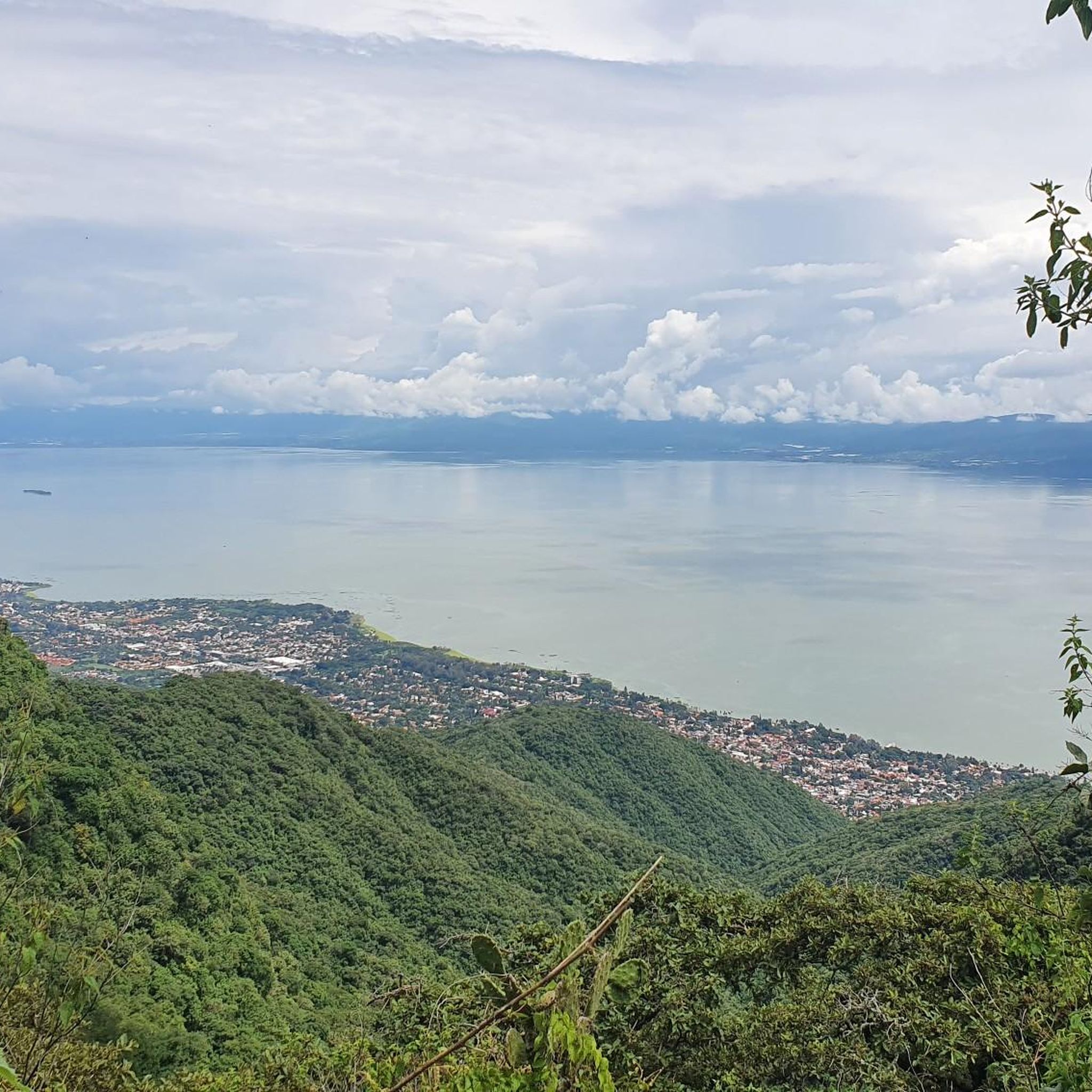
Hiking in Tonalá offers diverse terrain, from accessible hills to challenging canyon trails. The region is characterized by the prominent Cerro de la Reina, which provides panoramic views, and the extensive Barranca de Huentitán, a protected natural area featuring deep canyons and the Santiago River. These landscapes provide a variety of natural features for outdoor activities, including routes through varied flora and fauna.
Best hiking trails in Tonalá
- The most popular hiking route is Hydroelectric Plant Gates loop from Zoológico…
Last updated: July 2, 2026
4.9
(45)
258
hikers
10.6km
03:53
630m
630m
Moderate hike. Good fitness required. Easily-accessible paths. Suitable for all skill levels.
4.8
(19)
124
hikers
8.05km
03:10
570m
570m
Moderate hike. Good fitness required. Easily-accessible paths. Suitable for all skill levels.

Sign up for free
5.0
(9)
43
hikers
7.21km
02:54
550m
550m
Moderate hike. Good fitness required. Easily-accessible paths. Suitable for all skill levels.
5.0
(6)
25
hikers
8.28km
03:16
600m
600m
Moderate hike. Good fitness required. Easily-accessible paths. Suitable for all skill levels.
4
hikers
19.4km
05:01
100m
100m
Hard hike. Very good fitness required. Easily-accessible paths. Suitable for all skill levels.
Get access to more routes and recommendations from other explorers.
Sign up for free
Already have an account?
Our route recommendations are based on thousands of hikes, rides, and runs completed by other people on komoot.
Start today with a free account
Your next adventure awaits.
Login or Signup



Tips from the Community

The Cathedral of Guadalajara, officially the Catedral Basílica de la Asunción de María Santísima, is an architectural landmark in the heart of the city and a major religious center in Mexico. After several earthquakes, the current towers were reconstructed in 1854 using yellow Talavera tiles from Puebla.
2
0
The Templo Expiatorio del Santísimo Sacramento in Guadalajara is a stunning example of Neo-Gothic architecture and is considered one of Mexico's most important religious buildings. Construction began in 1897 and wasn't completed until 1972—a full 75 years of construction.
2
0
The Templo Expiatorio is one of the most important churches in Guadalajara and a masterpiece of Neo-Gothic architecture in Mexico. Construction began in 1897. Due to political unrest, particularly the Mexican Revolution, construction was interrupted several times. The church was not completed until 1972, after 75 years.
2
0
The Cathedral of Guadalajara, officially the Catedral de la Asunción de María Santísima, is one of Mexico's most important religious and architectural landmarks. It is located in the center of Guadalajara.
2
0

Guadalajara’s cathedral is the city’s most conspicuous landmark with distinctive neo-Gothic towers built after an earthquake toppled the originals in 1818. Begun in 1561 and consecrated in 1618, the building is almost as old as the city itself. Time your visit right and you’ll see light filter through stained-glass of the Last Supper above the altar and hear a working pipe organ rumble sweetly from the rafters.
5
0
The Hospicio Cabañas was built at the beginning of the 19th century to provide care and shelter for the disadvantaged – orphans, old people, the handicapped and chronic invalids. This remarkable complex, which incorporates several unusual features designed specifically to meet the needs of its occupants, was unique for its time. It is also notable for the harmonious relationship between the open and built spaces, the simplicity of its design, and its size. In the early 20th century, the chapel was decorated with a superb series of murals, now considered some of the masterpieces of Mexican art. They are the work of José Clemente Orozco, one of the greatest Mexican muralists of the period.
5
0
Frequently Asked Questions
What kind of terrain can I expect when hiking in Tonalá?
Tonalá offers diverse hiking terrain, ranging from accessible hills to more challenging canyon trails. You'll find prominent features like the Cerro de la Reina, providing panoramic views, and the extensive Barranca de Huentitán, a protected natural area with deep canyons and the Santiago River. The landscape includes varied flora and fauna, offering a rich outdoor experience.
Are there any easy hiking trails suitable for beginners in Tonalá?
Yes, Tonalá has options for various ability levels. For an easier experience, consider the Punto de Reunión loop from Guadalajara, which is rated as easy and covers about 4.7 kilometers.
What are some notable natural features or landmarks to see on hikes in Tonalá?
Hikers can explore several significant natural features. The Cerro de la Reina offers stunning panoramic views of Guadalajara and the Santiago River canyon. The Barranca de Huentitán (Oblatos Canyon) is a massive protected area with diverse trails and the historic Arcediano Suspension Bridge. You might also encounter the natural oasis of "Las 7 Cascadas" within the municipality.
Are there any circular hiking routes in Tonalá?
Yes, several popular routes in Tonalá are circular. For example, the Hydroelectric Plant Gates loop from Zoológico Guadalajara and the Hiking loop from Zoológico Guadalajara are both moderate circular trails exploring the Barranca de Huentitán.
What do other hikers say about the trails in Tonalá?
The hiking routes in Tonalá are highly regarded by the komoot community, with an impressive average score of 4.9 stars from over 80 reviews. Hikers often praise the varied terrain and the scenic beauty of areas like the Barranca de Huentitán.
What is the best time of year to go hiking in Tonalá?
While specific seasonal recommendations depend on personal preference, the region's climate generally allows for hiking year-round. During the rainy season, you might encounter seasonal waterfalls, particularly around Lake Chapala, which is accessible from Tonalá. Always check local weather conditions before heading out.
Are there any trails that offer great viewpoints in Tonalá?
Absolutely. The Cerro de la Reina is a prime location for panoramic views, offering expansive vistas of Guadalajara, the Santiago River canyon, and the Los Altos de Jalisco plateau from its summit. Many trails within the Barranca de Huentitán also provide impressive canyon views.
How long do hiking trails in Tonalá typically take to complete?
The duration of hikes in Tonalá varies depending on the route and your pace. For instance, moderate trails like the Arcediano Bridge loop from Zoológico Guadalajara, which is about 8.3 km, typically take around 3 hours and 16 minutes.
Are there any challenging hikes in the Tonalá area?
While the guide highlights moderate trails, the Barranca de Huentitán offers more challenging options, including a significant 500-meter descent to the Santiago River. For those seeking more strenuous climbs, the wider Lake Chapala region, accessible from Tonalá, features peaks like Cerro Viejo, the third-highest mountain in Jalisco.
Can I reach hiking trailheads in Tonalá using public transport?
The guide does not specify public transport access for individual trailheads. However, Tonalá is part of the Guadalajara metropolitan area, suggesting that some trailheads, especially those closer to urban centers or popular attractions, might be accessible via local public transportation. It's advisable to check local transport options for specific starting points.
Are there opportunities for wildlife spotting on Tonalá's hiking trails?
The Barranca de Huentitán, recognized as a biogeographical corridor, is rich in biodiversity. It boasts a variety of flora, including tropical deciduous forest and gallery forest, and is home to diverse fauna, including endemic species. Hikers in this area have a good chance of encountering local wildlife.
What is the elevation gain like on Tonalá's hiking routes?
Elevation gain varies significantly across Tonalá's trails. For example, moderate routes in the Barranca de Huentitán, such as the Hydroelectric Plant Gates loop, can involve an ascent of over 570 meters. Easier trails will have much less elevation change.

Get inspired with the komoot mobile app


Explore more
Browse the best Hikes in other regions.
