Top 20 Castles around Köfering
Castles around Köfering offer a glimpse into the region's rich history and architectural heritage. Schloss Köfering, a notable baroque moated castle, features an irregular, three-story complex with three wings and arcades, accessible via a three-arched stone bridge over a walled moat. The castle, owned by the Counts of Lerchenfeld since 1569, was rebuilt in the late 17th century after being damaged in the Thirty Years' War. Its exterior can be visited year-round, and the grounds host garden festivals within a…
Last updated: June 23, 2026
Ruins of Donaustauf Castle
Highlight • Castle
Translated by Google •
Tip by

St. Emmeram Palace (Thurn and Taxis Palace)
Highlight • Castle
Translated by Google •
Tip by

Sign up now to discover places like this
Get recommendations on the best single tracks, peaks, & plenty of other exciting outdoor places.
Sign up for free
Heinrichsturm (keep of Abbach Castle)
Highlight • Castle
Translated by Google •
Tip by

Köfering Castle
Highlight • Castle
The first moated castle on the Pfatter was probably built in the 12th century. The Köfering family was first mentioned in the middle of the 12th century. Around …
Translated by Google •
Tip by

Höfling Castle
Highlight • Castle
Translated by Google •
Tip by

Sign up for free to discover even more castles around Köfering.
Sign up for free
Already have an account?
Start today with a free account
Your next adventure awaits.
Login or Signup

Tips from the Community

Unfortunately the tower was closed
0
0

Abbach Castle Ruins Ahabach Castle was first mentioned in a document on May 6, 973. Abbach Castle is believed to have been the birthplace of Emperor Henry II, but this cannot be proven. On November 1, 1007, Emperor Henry II donated the site to the Bishopric of Bamberg, which he founded. Abbach Castle was taken over by the Wittelsbachs around 1200; at that time, the Wittelsbachs had also succeeded in gaining control of the Danube toll at Abbach. The castle was allegedly destroyed by the Bishop of Bamberg when he handed Abbach over to the Prüfening Monastery. However, Duke Ludwig I had it rebuilt in 1224 and compensated the monastery with Königswiesen near Regensburg and Matting. Subsequently, the Duke significantly expanded his holdings in the Abbach district. In 1297, Abbach was burned down during a feud between the Bavarian Dukes Otto and Stephan and the citizens of Regensburg. Afterwards, the castle, which served only as the steward's residence, was rebuilt on a smaller scale. In 1564, neglect of the surrounding wall and the castle itself was noted. A land register from 1586 contains the following note: The castle has a wide courtyard, in the center of which stands a round tower that has been roofless for many years, as well as a deep well that does not always provide water. The strong surrounding walls have partially collapsed. During the Thirty Years' War, in 1632 and 1634, the citizens of Abbach and the surrounding area fled to the castle and defended it. In 1705, during the War of the Spanish Succession, Abbach surrendered to the Austrians without a fight. Between 1740 and 1745, Abbach was repeatedly sacked as a result of the War of the Austrian Succession. Demolition work on the castle buildings began in 1803; by 1832, almost all buildings except the keep had been removed. In April 1945, the Heinrichsturm (St. Henry's Tower) was hit by bombs because it had housed a German Wehrmacht observation post. The tower, which is now accessed via a steel staircase above the old high entrance, was renovated in the early 1980s. The 27-meter-high late Romanesque tower has a four-and-a-half-meter-thick rubble masonry. Inside the tower are two stacked octagonal chambers with helmet vaults. Remains of the castle's ring wall have also been preserved. Source: Excerpts from www.wikipedia.de
3
3

A hilltop castle stood here, built in 973. Between 1803 and 1832, everything except the keep was demolished.
2
1
Köfering Castle The first moated castle on the Pfatter was probably built in the 12th century. The Köfering family was first mentioned in the middle of the 12th century. Around 1300, the castle was owned by Eckprecht von Haidau, who gave it to the Bishopric of Regensburg in 1307 in order to receive it as a fief from the bishop. Other owners of the castle were Otto Zenger, Albrecht von Abensberg, Heinrich Nothaft von Mangolding and Scheuer. In 1427, Dietrich von Stauf took over the castle in Köfering by exchange. On December 26, 1491, the Köfering fortress was besieged and destroyed by the Bavarian Duke Albrecht IV with 1,000 soldiers during the Löwler League uprising, in which the castle owner Hieronymus von Stauf took part. The Counts of Lerchenfeld have owned the moated castle since 1569. The castle was damaged in the Thirty Years' War and rebuilt in its current form from 1680 to 1720. Renovation began in 1980/81. The moated castle is an irregular, baroque, three-storey three-wing complex with mansard hipped roofs, an entrance projection with portal, ground floor arcades and a staircase with a mansard hipped roof. The White Hall with inlaid parquet and the chapel are worth seeing. The castle complex consists of a central projection, to which only a north wing is connected. To the west there is another wing with protruding corner projections, and to the south the one-storey former stable building is attached. A three-arched stone bridge leads over the walled moat, which is still preserved, and is the only access to the castle. Source: Excerpts from www.wikipedia.de
3
0

The castle is gigantic. It is not open to the public. In winter there is a Christmas market with admission.
3
1

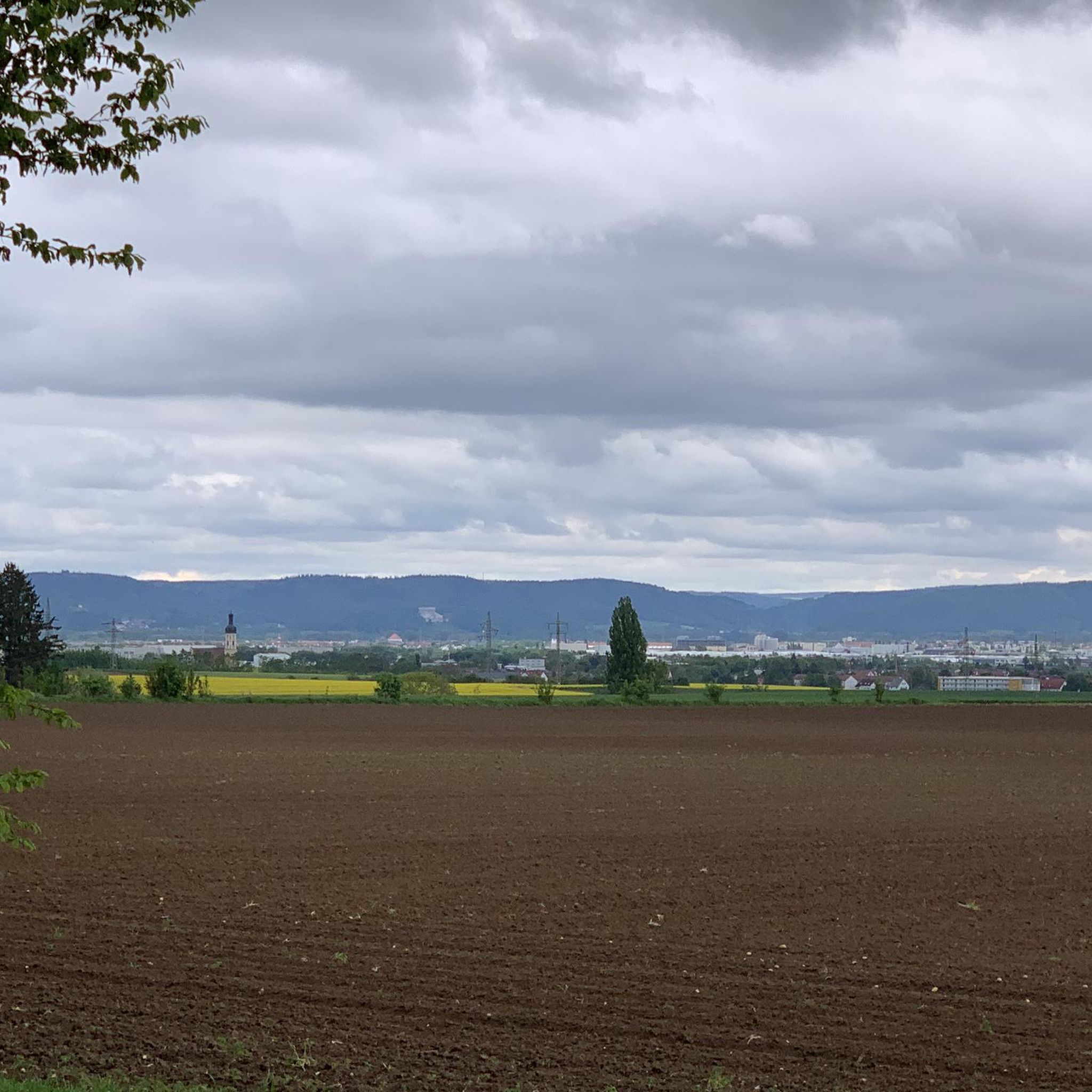
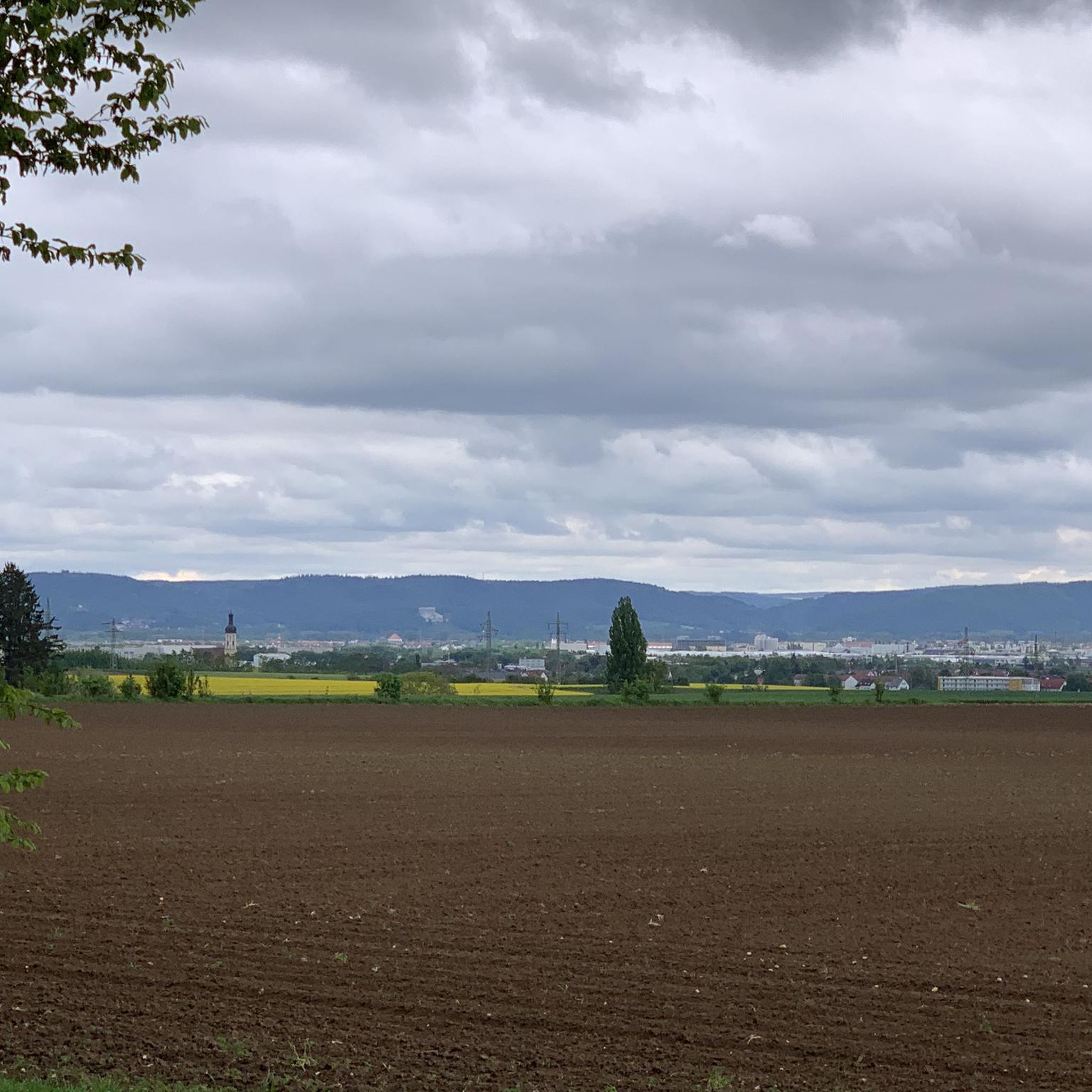
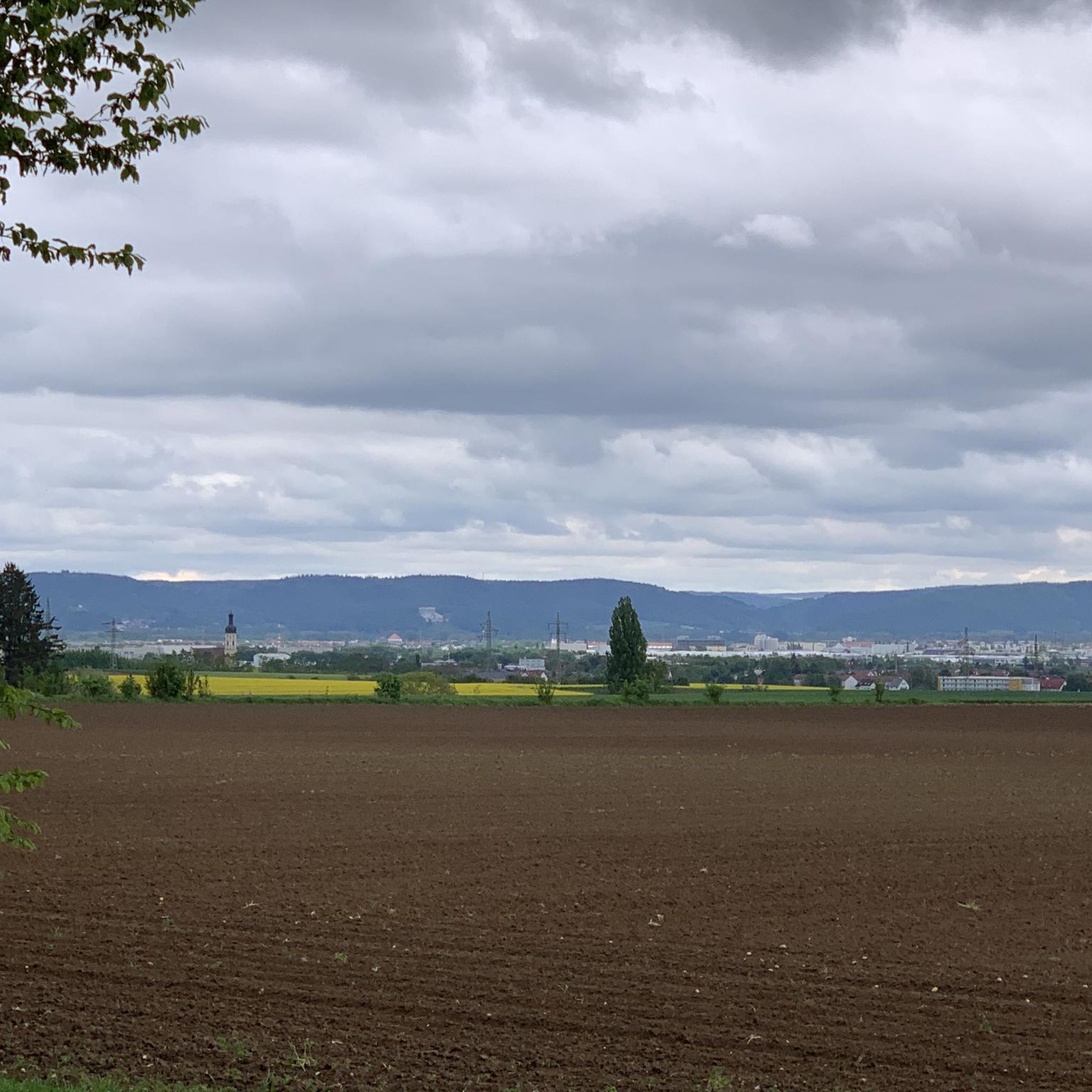
Beautiful large plain, picnic with a great view of the Heinrichsturm or towards the Danube.
1
1

Well-preserved moated castle in the countryside
2
0

Today's Höfling Castle was built by the Princely Court Marshal Xaver Ignaz Freiherr von Reichlin-Meldegg in the 18th century. His alliance coat of arms can still be found in the stairwell and in the large salon on the first floor.
0
0
Frequently Asked Questions
What is Schloss Köfering and what makes it unique?
Schloss Köfering is a notable baroque moated castle, characterized by its irregular, three-story, three-winged complex with arcades and an entrance avant-corps. It's accessed via a three-arched stone bridge over a walled moat. The castle, owned by the Counts of Lerchenfeld since 1569, was rebuilt in the late 17th century and is set within a beautiful park. Its exterior can be visited year-round, and the grounds occasionally host garden festivals. You can find more details about Köfering Castle on komoot.
Which castles around Köfering offer the best views?
For incredible panoramic views, visit the Ruins of Donaustauf Castle. This large castle ruin sits above the Danube and offers extensive vistas in good weather. Another historical site with a viewpoint is the Heinrichsturm (keep of Abbach Castle), which, despite being a remnant, provides an impressive historical perspective.
Are there any historical castle ruins to explore near Köfering?
Yes, the Ruins of Donaustauf Castle is a significant historical site. It's a large and well-preserved ruin above the Danube, offering a glimpse into its powerful past with its strong castle gates and protective walls. You can explore many nooks and crannies, making it an engaging visit for history enthusiasts.
Can I visit castles around Köfering with my family?
Absolutely. Several castles in the area are suitable for families. The St. Emmeram Palace (Thurn and Taxis Palace) is a family-friendly historical site. Additionally, the Köfering Castle grounds are pleasant for a family outing, especially during garden festivals.
What are the options for hiking near castles in the Köfering area?
The Köfering area offers various hiking opportunities that can include castle visits. For example, there's an easy 6 km loop around Köfering Castle itself. You can find more hiking trails and detailed routes in the Hiking around Köfering guide.
Are there cycling routes that pass by castles near Köfering?
Yes, you can combine cycling with castle exploration. An easy 13.8 km loop starts and ends at Köfering Castle. For a more challenging ride, consider the moderate 37.6 km loop from Köfering that includes Köfering Castle and Neueglofsheim Castle. Discover more cycling routes in the Cycling around Köfering guide.
What is the best time of year to visit castles around Köfering?
The exterior of Schloss Köfering can be visited year-round. However, spring and summer are particularly pleasant for exploring the castle grounds and surrounding nature, especially when garden festivals are hosted. For castle ruins like Donaustauf, good weather provides the best visibility for the panoramic views.
Is there parking available at Schloss Köfering?
While specific visitor parking details for Schloss Köfering are not explicitly provided, it is generally accessible. For other castles like the Ruins of Donaustauf Castle, you can reach them by car, bike, or on foot, suggesting parking options are available nearby.
Can I bring my dog to the castles or nearby trails?
Visitor tips for the Ruins of Donaustauf Castle mention it's a dream for kids and dogs, indicating it's dog-friendly. For other castles, it's best to check individual policies, especially for interiors. Many surrounding hiking trails are generally suitable for dogs, but always keep them on a leash.
Are there any privately owned castles near Köfering that occasionally open to the public?
Yes, Höfling Castle is a privately owned historical castle that is not normally open to the public. However, it occasionally opens its gates for special events, offering a rare opportunity to peek at its grounds. It's advisable to check their specific event schedule if you wish to visit.
What kind of historical significance does the Heinrichsturm (keep of Abbach Castle) hold?
The Heinrichsturm is the proud 27-meter-high keep and the last remaining part of a ducal castle complex from the 13th century. Built between 1220-1229, it stands as an impressive testament to the region's medieval past and the former imperial palace that once stood there.
What do visitors enjoy most about the castles around Köfering?
Visitors appreciate the rich history and architectural heritage of the castles. The Ruins of Donaustauf Castle are loved for their incredible views and the ability to explore many nooks. Köfering Castle is admired for its well-preserved moated structure and beautiful grounds, especially during summer.
Most popular routes around Köfering
Most popular attractions around Köfering

Get inspired with the komoot mobile app


Explore more
Looking for the best castles somewhere else? Discover other guides around Köfering:
