Top 20 Castles around Rötz
Best castles around Rötz are found in the district of Cham, Bavaria, Germany, offering a glimpse into the region's history. The area combines historical sites with the natural beauty of the Upper Bavarian Forest landscape. Rötz and its surroundings feature various historical remnants, including well-preserved castle ruins and former administrative castles. These sites provide insights into medieval and early modern architecture and regional development.
Best castles around Rötz
- The most popular castles is Kürnburg Castle Ruins, a castle that…
Last updated: October 9, 2026
Schwarzenburg Castle Ruins
Highlight • Castle
Translated by Google •
Tip by

Kürnburg Castle Ruins
Highlight • Castle
Translated by Google •
Tip by

Sign up now to discover places like this
Get recommendations on the best single tracks, peaks, & plenty of other exciting outdoor places.
Count Palatine Castle Complex Neunburg vorm Wald
Highlight • Castle
Translated by Google •
Tip by

Grafenried / Lučina – Abandoned Village Ruins
Highlight • Historical Site
Showing Translation
Tip by

Wetterfeld Castle Ruins
Highlight • Castle
Translated by Google •
Tip by

Sign up for free to discover even more castles around Rötz.
Already have an account?
Start today with a free account
Your next adventure awaits.
Popular around Rötz
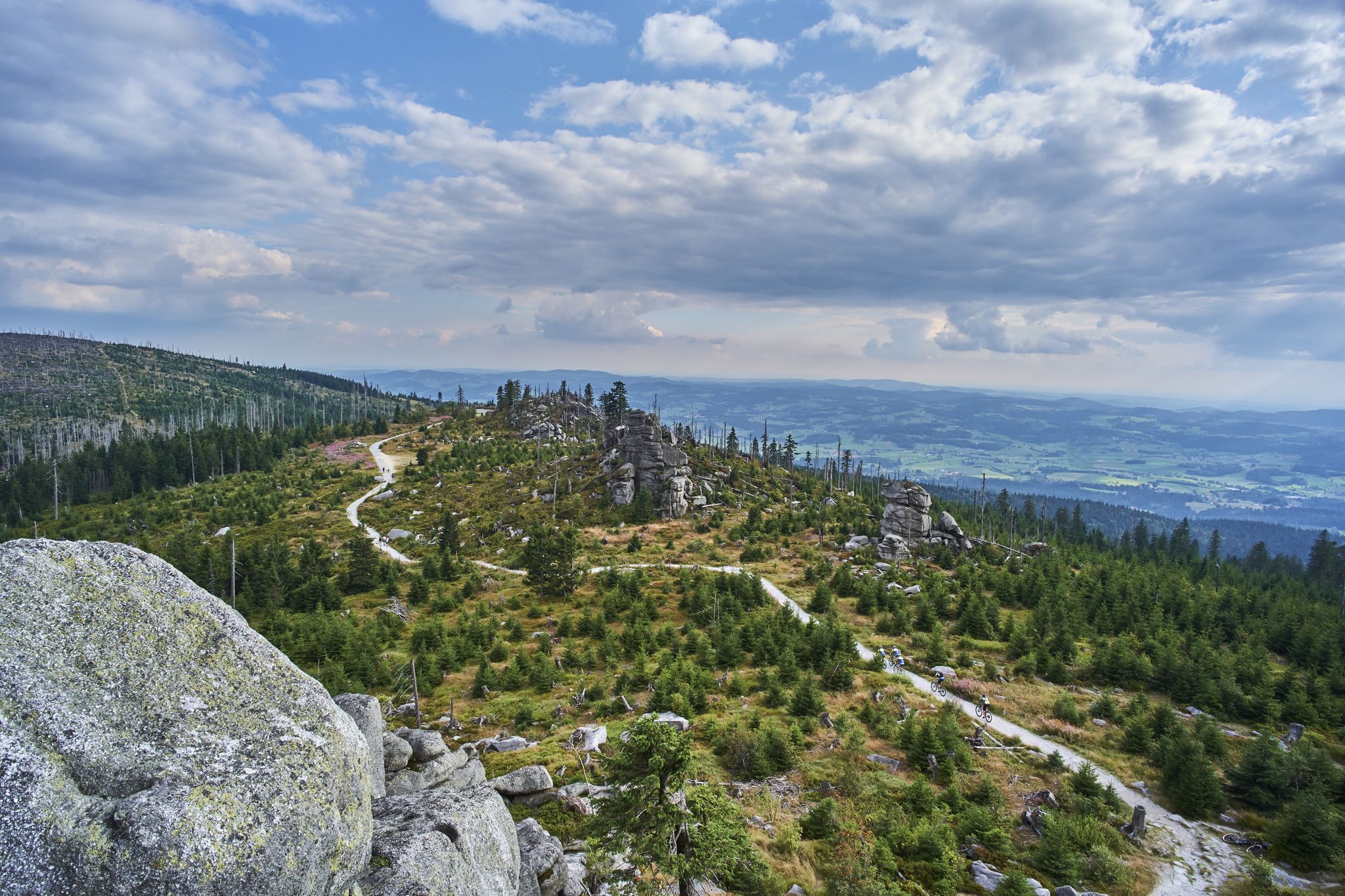
Trans Bayerwald – A mountain bike adventure through Bavaria's finest nature
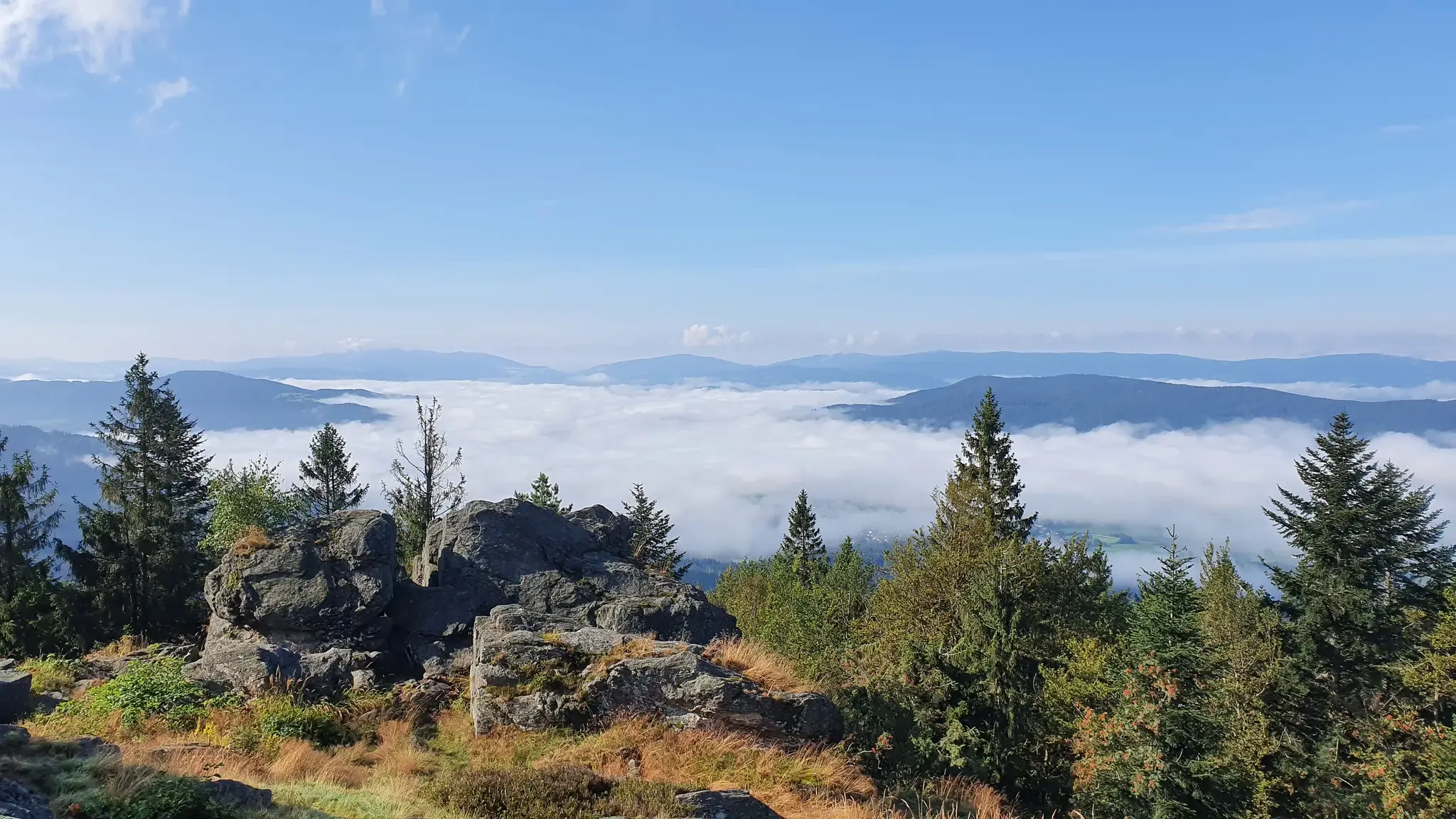
The Goldsteig – 38 stages between Upper Palatinate and Passau
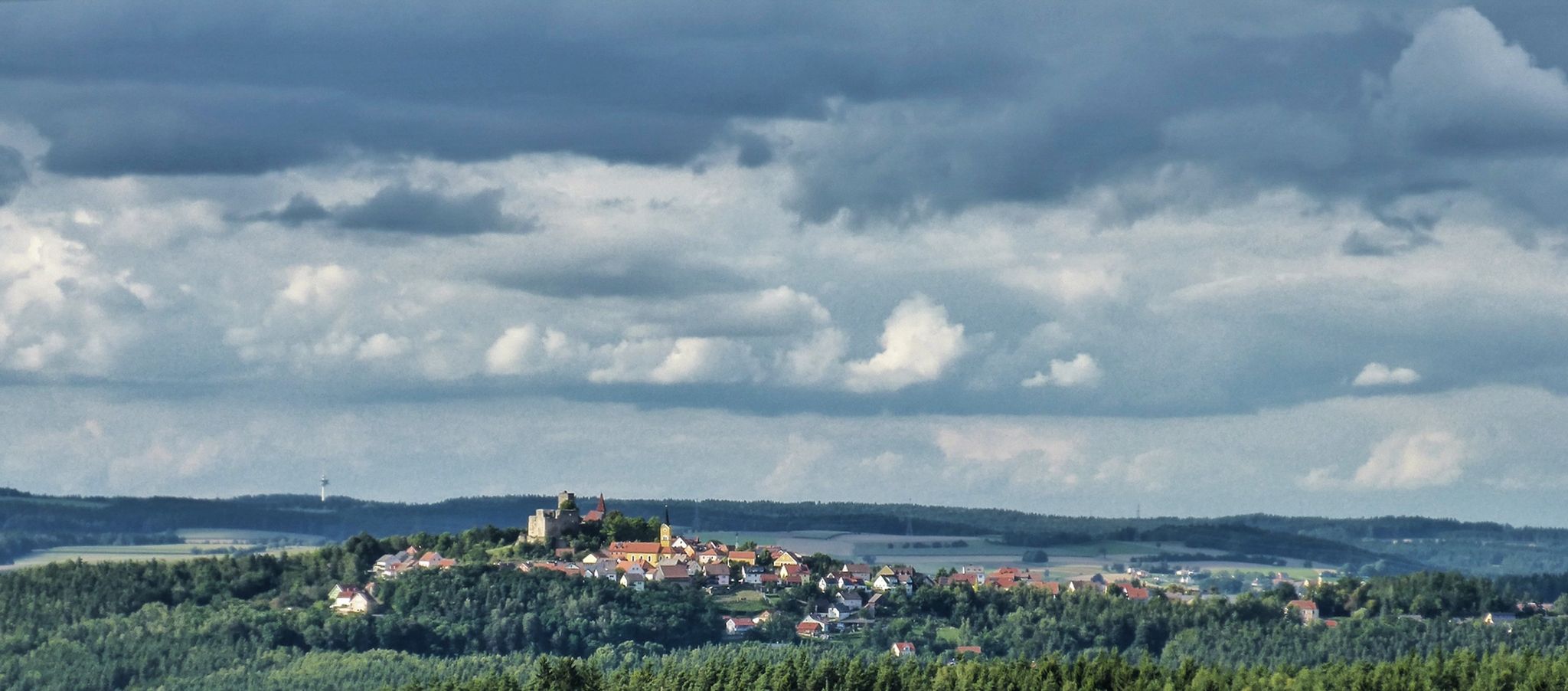
The Upper Palatinate Castle Trail — 9 days in picturesque northern Bavaria
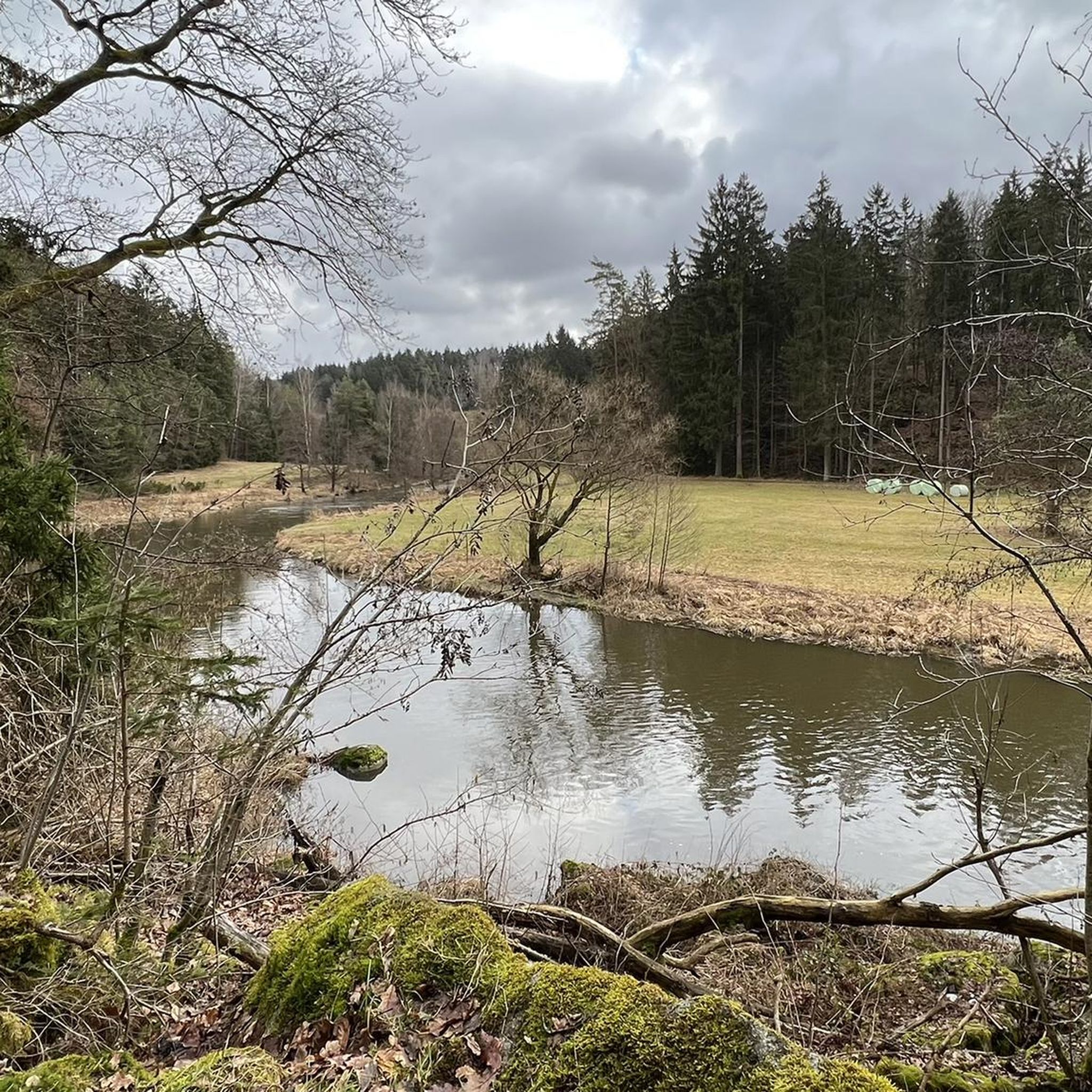
Hiking around Rötz
Cycling around Rötz
MTB Trails around Rötz
Running Trails around Rötz
Road Cycling Routes around Rötz
Gravel biking around Rötz
Other adventures around Rötz


Tips from the Community

The former Grafenried (Czech: Lučina) stood on a small hill near the German border (today the Untergrafenried border crossing) west of Nemanice. Grafenried also included the villages of Anger (Upor), Seeg (Pila), and Haselbach (Liskova). Around 800 people lived there. After the end of the Second World War, the German population was expelled from the border area, and the village, with all its buildings, was gradually razed. The Grafenried church of St. George still stood until the 1970s. Although it had the status of a monument, it was blown up and demolished. On the initiative of a former German resident of the community and some historians on the Czech side, the remains of the church were partially excavated and renovated in 2011. The search for traces was extended to the entire lost village and its districts.
12
0

Wetterfeld Castle Ruins As early as 1118, Gottfried von Wetterfeld appears as an influential ministerialis (unfree knight) of the Diepoldings, the powerful Margraves of Cham and Vohburg. He seems to have maintained good relations with many monasteries, especially Reichenbach Abbey—no wonder, since Abbot Reginboto was his brother. Numerous donations to various monasteries by Gottfried are documented, a widespread practice among knights to secure their salvation. In a donation from 1155, Heinrich is even mentioned as an imperial ministerialis, which demonstrates the family's rapid political rise. In 1179, Karl and Heinrich "de Weterinfeld" appear, after which the family disappears from the historical record. It is not until 1268 that we hear of a Deinhardus, who is now subject to the Bavarian dukes; perhaps they lost their independence with the inheritance of the Hohenstaufen dynasty. From 1283 onward, the Wittelsbachs sent judges to Wetterfeld. Ducal ministeriales from the surrounding area succeeded in office: Hauzendorfer, Katzdorfer, Zenger, and others. In 1322, it was pledged to the Chamerau family. In 1329, Wetterfeld came under the control of the Palatine line of the Wittelsbachs, who also appointed judges. In 1410, it passed to the sub-principality of Neumarkt-Neunburg, with the Degenberger, Nothaft, and Zenger families, among others, serving as administrators. During the Hussite raids of 1428 and 1433, the castle was destroyed and subsequently rebuilt. A unique feature of Wetterfeld is the four "castle guards"—four legally independent building complexes within the castle, which were granted separately—making the ownership situation quite complex. In 1621, during the Thirty Years' War, the Upper Palatinate, including Wetterfeld, came under the rule of Duke Maximilian of Bavaria. Later in the war, Wetterfeld was destroyed twice by the Swedes and subsequently rebuilt. But the castle and its buildings continued to deteriorate, and the administrators increasingly relocated their offices outside the castle. In 1812, the administrative office was moved to Roding, the castle grounds were subdivided, and private houses were built over. Wetterfeld is a moated castle—a branch of the Regen River bordered the complex to the northeast. The still clearly visible, deep, walled moat could be filled with sluice gates in case of attack. Essentially, only the large gate tower, built of rubble stone with corner quoins, remains. Its upper, habitable floors make it a variation of the late medieval residential tower. Source: www.burgenseite.de
1
0

Worthwhile old town with many sights. Beautiful city park for strolling and relaxing.
0
0

There is also a beautiful path underneath the castle
0
0

Beautiful old town
1
0

Informative path through the moat with information boards on loopholes, etc., which leads to the cycle path to Pösing. An idyllic rest area! Information with old photos of Wetterfeld can also be found at the covered bike rest area at the roundabout.
1
0

A beautiful and well-preserved ruin. Signs on the walls indicate its former function. From the palace there is a beautiful view of the complex and the surrounding area.
7
0

Frequently Asked Questions
What historical significance do the castles around Rötz hold?
The castles around Rötz offer a deep dive into the region's past, with origins tracing back to the 11th century. Sites like Schwarzenburg Castle Ruins were founded in the first half of the 11th century and played a strategic role, undergoing significant reinforcements over centuries. Schloss Rötz, though now mostly remnants, was an important administrative castle from the 13th century. These sites reflect medieval life, military architecture, and the evolution of urban structures in Bavaria.
Can I explore the interiors of the castle ruins?
Yes, at Schwarzenburg Castle Ruins, the square Bergfried (keep) is accessible and serves as an observation tower, offering panoramic views. Similarly, at Kürnburg Castle Ruins, you can walk into the observation tower for a fantastic view over the Regental. While Schloss Rötz is largely converted, medieval core structures and baroque vaults are preserved in its economic buildings.
Are there hiking trails near the castles around Rötz?
Yes, the castles are often integrated into scenic hiking routes. Schwarzenburg Castle Ruins, for example, is a popular destination for hikers, with trails like the 'Schützsteig' and routes through the Schwarzwihrberg Nature Forest Reserve leading to it. You can find various running trails, including those to the Schwarzenburg Castle Ruins, in the Running Trails around Rötz guide.
What kind of views can I expect from the castle ruins?
From Schwarzenburg Castle Ruins, the accessible keep provides panoramic views of the Upper Bavarian Forest landscape. Kürnburg Castle Ruins also features a walk-in observation tower that offers a fantastic view over the Regental and the surrounding area.
Are the castles around Rötz suitable for families with children?
Many castles in the region are family-friendly. Schwarzenburg Castle Ruins hosts an annual Schwarzenburg Festival with fairy tale performances for all ages. Kürnburg Castle Ruins is also easily accessible for children, making it a good excursion destination for families.
What other outdoor activities can I do near these castles?
Beyond hiking, the area around Rötz offers diverse outdoor activities. You can explore gravel biking routes, such as those found in the Gravel biking around Rötz guide, or enjoy cycling tours, with options available in the Cycling around Rötz guide. These routes often pass by historical sites and through beautiful natural landscapes.
Are there any unique stories or legends associated with the castles?
Yes, Schwarzenburg Castle Ruins is famously associated with the 'wild Heinz' von Guttenstein, a Bohemian nobleman known for his raids in the early 16th century. Legend has it that his spirit still haunts the castle. Information boards at the entrance to the castle ruins often detail these fascinating local legends.
What is Schloss Rötz and what can I see there today?
Schloss Rötz, located within the town of Rötz, was originally a 'Pflegschloss' (administrative castle) from the 13th century. While not a classic, fully preserved castle, it's significant for its architectural history. Today, you can see a two-story building with a hip roof, built over older foundations, and a three-winged building with a tower construction that served as economic buildings. The eastern wing currently functions as a brewhouse, showcasing adaptive reuse of historical structures. Medieval core structures and baroque vaults are still present.
What is the best time to visit the castles around Rötz?
The castles are generally accessible year-round. However, for the best experience, especially if you plan to hike or enjoy the outdoor amenities, spring through autumn (April to October) is ideal. During this period, the Schwarzwihrberghütte with its beer garden at Schwarzenburg Castle Ruins is typically open in the afternoons.
Are there other historical sites besides castles in the Rötz area?
Yes, beyond the traditional castles, you can visit sites like Grafenried / Lučina – Abandoned Village Ruins. This historical site offers an interesting look into the past with many private impressions of a destroyed village community, complete with information boards and ongoing excavations that provide a good impression of its history.
What do visitors enjoy most about the castles around Rötz?
Visitors frequently appreciate the combination of historical significance and natural beauty. The well-preserved ruins, such as Schwarzenburg Castle Ruins, offer accessible keeps with unique panoramic views. The opportunity to explore extensive wall remains, like those at Kürnburg Castle Ruins, and the integration of these sites into hiking trails are also highly valued by the komoot community.
Is there food and drink available near the castle ruins?
At Schwarzenburg Castle Ruins, there is a temporarily managed protective hut with a beer garden within the main castle area, which is typically open from April to October. For other castles, you might find cafes, restaurants, or pubs in the nearby towns, such as the charming old town surrounding Count Palatine Castle Complex Neunburg vorm Wald.
Most popular attractions around Rötz

Get inspired with the komoot mobile app


Explore more
Looking for the best castles somewhere else? Discover other guides around Rötz:
