The best cycling routes in Guanabacoa
3.5
(4)
31
riders
10
rides
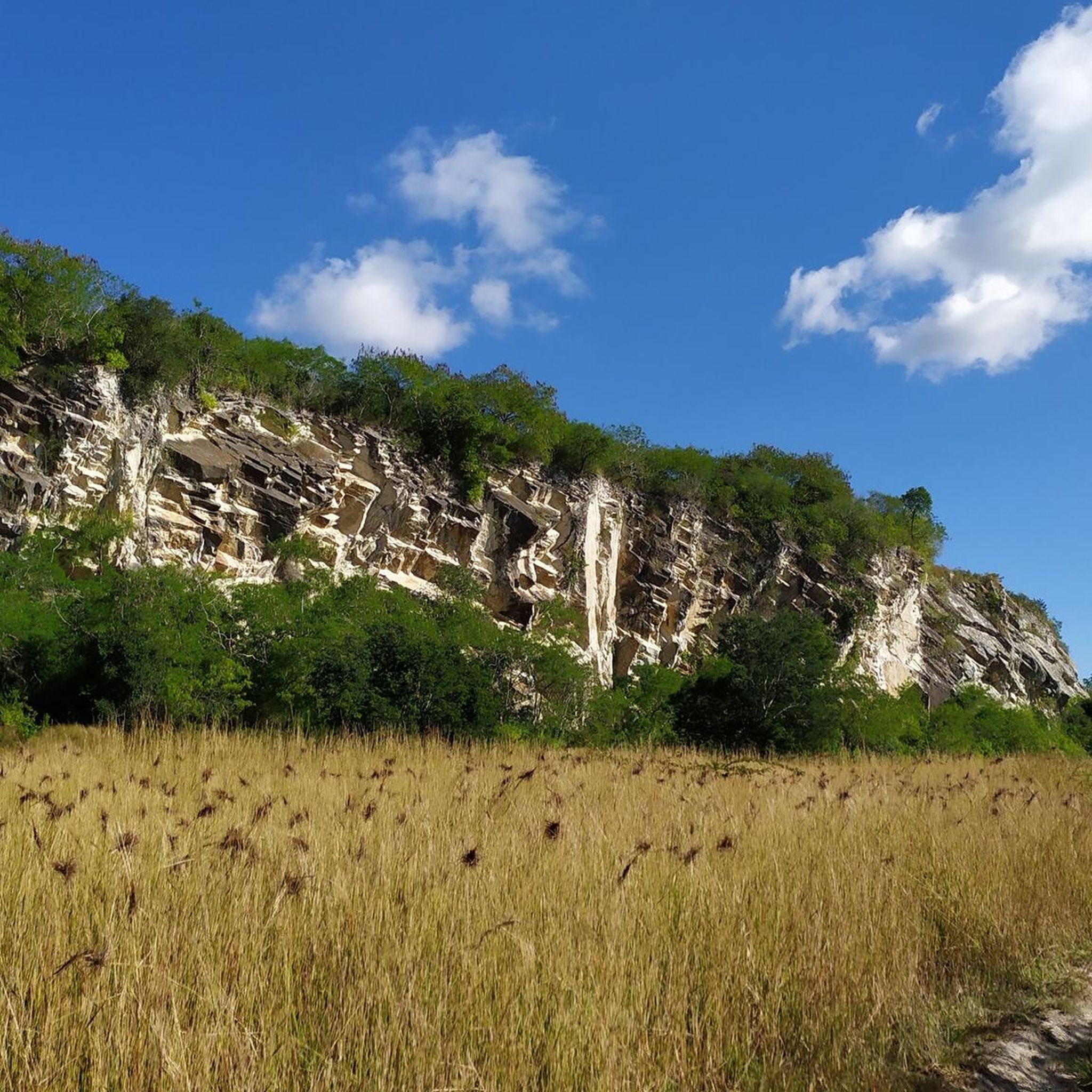
Touring cycling in Guanabacoa, a municipality near Havana, is characterized by varied topography, featuring hills and green spaces. The region's location provides dynamic routes with climbs and descents, offering a contrast to flatter cityscapes. Guanabacoa is bordered by rivers and offers a rural atmosphere, providing a less congested cycling environment compared to central Havana. Its proximity allows for routes extending to eastern Havana and coastal areas.
Best touring cycling routes in Guanabacoa
- The most popular touring cycling route is Baracoa…
Last updated: July 15, 2026
3.0
(1)
11
riders
57.1km
03:18
220m
220m
Moderate bike ride. Good fitness required. Mostly paved surfaces. Suitable for all skill levels.
6
riders
Moderate bike ride. Good fitness required. Mostly paved surfaces. Suitable for all skill levels.

Sign up for free
1.0
(1)
2
riders
14.2km
00:53
90m
90m
Easy bike ride. Great for any fitness level. Mostly paved surfaces. Suitable for all skill levels.
5.0
(1)
2
riders
22.3km
01:20
140m
140m
Easy bike ride. Great for any fitness level. Mostly paved surfaces. Suitable for all skill levels.
5.0
(1)
2
riders
Moderate bike ride. Good fitness required. Mostly paved surfaces. Suitable for all skill levels.
Get access to more routes and recommendations from other explorers.
Sign up for free
Already have an account?
Our route recommendations are based on thousands of hikes, rides, and runs completed by other people on komoot.
Start today with a free account
Your next adventure awaits.
Login or Signup
Popular around Guanabacoa
Tips from the Community

The Christ the Redeemer statue in Havana (Spanish: El Cristo de La Habana) is a 20-meter-high sculpture on a hill in the Casablanca district.
1
0
The Christ the Redeemer of Havana, also known as Cristo de la Habana, is a large white Carrara marble sculpture of Christ standing on a hill near Havana, Cuba, overlooking the city's bay. Created in 1958 by Cuban artist Jilma Madera, the statue is considered the largest statue of Christ in the world created by a woman.
1
0


The church and convent of San Francisco de Asís was built between 1580 and 1591 in the historic center of Havana by commission from the Franciscan friars and rebuilt in the Baroque style between 1719 and 1738. The three-aisled church is shaped like a Latin cross. From the 42-meter-high, three-tiered bell tower, there are magnificent views of the surrounding area. Inside, the church contains several paintings by unknown artists, and the crypt contains mausoleums of famous citizens. The former sacred building is now used as a concert hall for choral and chamber music and houses a museum of religious art. Along with Havana's historic center, the church is a UNESCO World Heritage Site.
1
0


The statue "El Cristo de La Habana" stands on a hill on the west side of the harbor entrance of Havana. The monument, created in Italy by the Cuban sculptor Jilma Madera, was erected and presented to the public in 1958. The monument, made of white Carrara marble, consists of 67 individual parts and is about 20 meters high including the base. Due to its exceptional artistic value, the Christ statue was declared a national monument.
0
0


The square has been generously laid out since the 16th century and was completely restored at the end of the 1990s. This square, located in front of the Church of Saint Francis of Assisi, is interesting because of the marble fountain (Fuente de los Leones), next to the church and the buildings Terminal Sierra Maestra (port terminal) and Lonja del Comercio, where the foreign companies with Cuban participation are housed.
1
0
Frequently Asked Questions
What kind of terrain can I expect when touring cycling in Guanabacoa?
Guanabacoa is known for its varied topography, featuring hills and green spaces. This means you can expect dynamic routes with climbs and descents, offering a more engaging experience compared to flatter cityscapes. The region's complex geological processes have created distinctive landscape features to explore.
Are there touring cycling routes suitable for beginners or those looking for an easy ride?
Yes, Guanabacoa offers several options for easy touring cycling. There are 6 easy routes available, perfect for a relaxed ride. An example of an easy route is the Colón Cemetery – Colon Cemetery loop from Chinatown, which covers 8.5 miles (13.7 km).
Can I find circular touring cycling routes in Guanabacoa?
Many of the touring cycling routes in Guanabacoa are designed as loops, allowing you to start and finish at the same point. For instance, the popular Baracoa Bridge – Colón Cemetery loop from 19 de Noviembre (Tulipán) is a moderate 35.5 miles (57.1 km) circular trail.
What are some notable landmarks or viewpoints I can visit along the touring cycling routes?
Guanabacoa's routes often integrate cultural and scenic elements. You can find routes that pass by historical sites like the Colón Cemetery, or offer panoramic views. The Welcome Sign of Guanabacoa – Christ of Havana loop from 19 de Noviembre (Tulipán), for example, includes ascents to viewpoints offering expansive city and sea vistas, including the iconic El Cristo de la Habana statue.
Are there any family-friendly touring cycling routes in Guanabacoa?
While specific 'family-friendly' designations are not provided, the region offers 6 easy routes that could be suitable for families looking for less challenging rides. These routes typically have lower elevation gains and shorter distances, making them more accessible. Consider routes like the Bike loop from Vedado for a shorter, easier option.
What is the best time of year to go touring cycling in Guanabacoa?
Guanabacoa, like much of Cuba, generally experiences a tropical climate. The dry season, typically from November to April, offers cooler temperatures and less humidity, making it ideal for outdoor activities like touring cycling. The wet season, from May to October, can bring higher temperatures and more rain.
Are there opportunities to combine cycling with cultural exploration in Guanabacoa?
Absolutely. Guanabacoa is rich in Afro-Cuban heritage and colonial architecture. Cycling routes can be planned to include visits to historic sites such as the Casa Museo de Guanabacoa, the Iglesia de Nuestra Señora de Regla, and the town's historical center, which is a National Heritage Site. The Antonio Maceo Monument – Colon Cemetery loop from Universidad de La Habana passes by historical sites, offering a journey through urban and historical landscapes.
How many touring cycling routes are available in Guanabacoa?
There are 11 touring cycling routes available in Guanabacoa, offering a variety of experiences. These include 6 easy routes and 5 moderate routes, catering to different skill levels.
What is the longest moderate touring cycling route in Guanabacoa?
The longest moderate touring cycling route is the Baracoa Bridge – Colón Cemetery loop from 19 de Noviembre (Tulipán), which spans 35.5 miles (57.1 km) and typically takes around 3 hours and 18 minutes to complete.
Are there any routes that offer views of the sea or coastal areas?
Yes, some routes provide opportunities for sea views. The Welcome Sign of Guanabacoa – Christ of Havana loop from 19 de Noviembre (Tulipán) leads to viewpoints that offer expansive city and sea vistas, including the iconic El Cristo de la Habana.
What is the average duration for a touring cycling route in Guanabacoa?
The duration varies significantly by route and your pace. For example, an easy route like the Castillo de Atarés – Havana Central Railway Station loop from Loma del Chaple can be completed in about 49 minutes, while a longer moderate route such as the Malecón of Havana – Colón Cemetery loop from 19 de Noviembre (Tulipán) might take around 2 hours and 9 minutes.
Is it possible to find routes that connect to central Havana?
Yes, some routes originate from or connect to areas near central Havana, allowing for integration with the city. For example, the Havana Central Railway Station – Castillo de Atarés loop from Estación Central de Ferrocarril starts from a key transport hub, offering a journey through urban and historical landscapes.

Get inspired with the komoot mobile app


Explore more
Browse the best Cycling routes in other regions.
