The best cycling routes in Centro Habana
3.4
(5)
50
riders
14
rides
Touring cycling in Centro Habana offers routes that navigate through the heart of the city, connecting historical landmarks and cultural sites. The terrain is generally flat, characteristic of an urban coastal environment, with occasional gentle inclines. Routes often feature views of significant monuments and architectural heritage. The region provides an accessible way to explore the urban landscape by bike.
Best touring cycling routes in Centro Habana
- The most popular touring cycling route is Baracoa Bridge – Colón Cemetery loop from…
Last updated: July 15, 2026
3.0
(1)
11
riders
57.1km
03:18
220m
220m
Moderate bike ride. Good fitness required. Mostly paved surfaces. Suitable for all skill levels.
7
riders
35.3km
02:00
80m
80m
Moderate bike ride. Good fitness required. Mostly paved surfaces. Suitable for all skill levels.

Sign up for free
8
riders
Moderate bike ride. Good fitness required. Mostly paved surfaces. Suitable for all skill levels.
6
riders
Moderate bike ride. Good fitness required. Mostly paved surfaces. Suitable for all skill levels.
1.0
(1)
2
riders
14.2km
00:53
90m
90m
Easy bike ride. Great for any fitness level. Mostly paved surfaces. Suitable for all skill levels.
5.0
(1)
2
riders
22.3km
01:20
140m
140m
Easy bike ride. Great for any fitness level. Mostly paved surfaces. Suitable for all skill levels.
5.0
(1)
2
riders
Moderate bike ride. Good fitness required. Mostly paved surfaces. Suitable for all skill levels.
Get access to more routes and recommendations from other explorers.
Sign up for free
Already have an account?
Our route recommendations are based on thousands of hikes, rides, and runs completed by other people on komoot.
Start today with a free account
Your next adventure awaits.
Login or Signup
Popular around Centro Habana
Tips from the Community

The Monument to Antonio Maceo in Havana, inaugurated in 1916, is an imposing bronze equestrian statue by the Italian sculptor Domenico Boni. Located in the seafront area, it is precisely in Parque Antonio Maceo (Centro Habana), between Avenida Malecón and the Hermanos Ameijeiras Hospital. The sculpture depicts General Maceo (known as the "Bronze Titan") on a galloping horse with a machete in hand, proudly looking towards the city. The granite and bronze base is richly decorated with allegorical scenes recalling the history of the Cuban War of Independence, including the Protest of Baraguá. The site is about a 15-20 minute walk from the heart of Habana Vieja (like Plaza de la Catedral) and is a highly appreciated spot for both its historical value and its sea view.
0
0

The Christ the Redeemer statue in Havana (Spanish: El Cristo de La Habana) is a 20-meter-high sculpture on a hill in the Casablanca district.
1
0
The Christ the Redeemer of Havana, also known as Cristo de la Habana, is a large white Carrara marble sculpture of Christ standing on a hill near Havana, Cuba, overlooking the city's bay. Created in 1958 by Cuban artist Jilma Madera, the statue is considered the largest statue of Christ in the world created by a woman.
1
0


A ride in a vintage car from the 1950s is something you shouldn't miss.
0
0

The church and convent of San Francisco de Asís was built between 1580 and 1591 in the historic center of Havana by commission from the Franciscan friars and rebuilt in the Baroque style between 1719 and 1738. The three-aisled church is shaped like a Latin cross. From the 42-meter-high, three-tiered bell tower, there are magnificent views of the surrounding area. Inside, the church contains several paintings by unknown artists, and the crypt contains mausoleums of famous citizens. The former sacred building is now used as a concert hall for choral and chamber music and houses a museum of religious art. Along with Havana's historic center, the church is a UNESCO World Heritage Site.
1
0


The statue "El Cristo de La Habana" stands on a hill on the west side of the harbor entrance of Havana. The monument, created in Italy by the Cuban sculptor Jilma Madera, was erected and presented to the public in 1958. The monument, made of white Carrara marble, consists of 67 individual parts and is about 20 meters high including the base. Due to its exceptional artistic value, the Christ statue was declared a national monument.
0
0
Frequently Asked Questions
How many touring cycling routes are available in Centro Habana?
There are over 15 touring cycling routes in Centro Habana, offering a variety of experiences through the city's urban landscape and historical sites.
Are there easy cycling routes suitable for beginners or families in Centro Habana?
Yes, Centro Habana offers several easy routes perfect for beginners or families. For instance, the Presa La Coca – Colon Cemetery loop from Havana is an easy 14.2 km ride, and the Havana Central Railway Station – Castillo de Atarés loop from La Habana is another accessible 22.2 km option.
What kind of terrain can I expect on Centro Habana's cycling routes?
The terrain in Centro Habana is generally flat, typical of an urban coastal environment. You might encounter occasional gentle inclines, but most routes are manageable for touring cyclists of various fitness levels.
What are some notable landmarks or attractions I can see while cycling in Centro Habana?
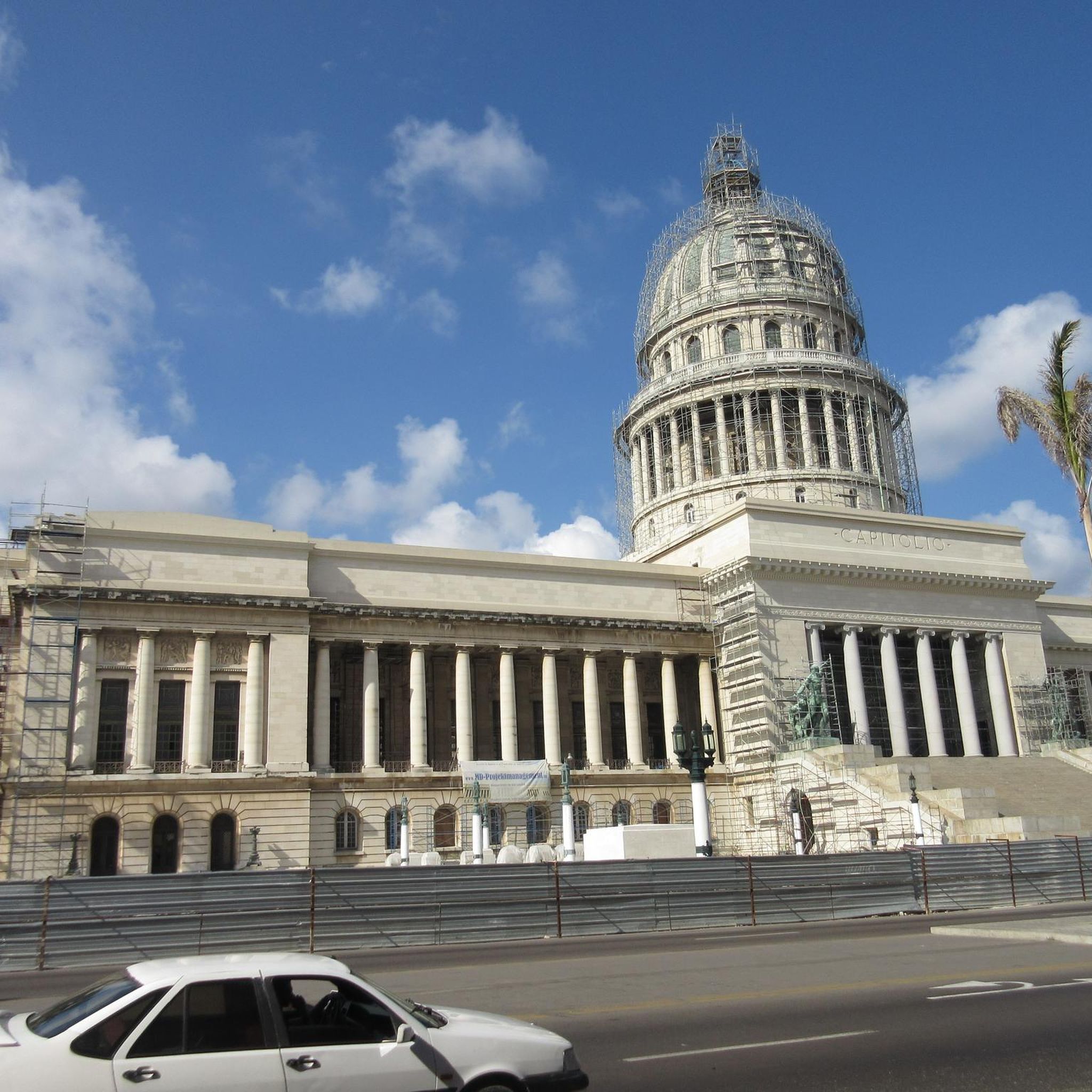
Cycling in Centro Habana allows you to explore many significant landmarks. You can pass by historical sites like Plaza Vieja, Havana, admire architectural marvels such as The Capitol of Havana and the Gran Teatro de La Habana, or visit the Cathedral of the Virgin Mary of the Immaculate Conception of Havana.
Are most cycling routes in Centro Habana circular?
Yes, many of the touring cycling routes in Centro Habana are designed as loops, allowing you to start and finish at the same point. This makes planning your ride and return journey straightforward.
What is the typical length of a touring cycling route in Centro Habana?
Route lengths vary, but you can find options ranging from shorter rides around 14 km, like the Presa La Coca – Colon Cemetery loop, to longer excursions over 50 km, such as the Baracoa Bridge – Colón Cemetery loop.
What do other cyclists say about touring cycling in Centro Habana?
The komoot community rates touring cycling in Centro Habana highly, with an average score of 3.5 stars. Cyclists often appreciate the opportunity to explore the city's rich history and vibrant culture by bike, with routes connecting various urban landmarks.
What is the best time of year to go touring cycling in Centro Habana?
The dry season, from November to April, is generally considered the best time for cycling in Centro Habana. Temperatures are milder, and there is less humidity and rain, making for more comfortable rides.
Are there any routes that offer coastal views or pass by cultural venues?
Absolutely. The Miramar Natural Pool – Karl Marx Theatre loop from Miramar is a great example, offering a mix of urban exploration and coastal scenery, while also passing by significant cultural venues.
Can I find routes that connect different historical districts?
Yes, many routes are designed to link historical districts and iconic monuments. The Antonio Maceo Monument – Colon Cemetery loop from Universidad de La Habana is a prime example, guiding you through historically rich areas.
What should I bring for a touring cycling trip in Centro Habana?
Given the urban environment and tropical climate, it's advisable to bring plenty of water, sun protection (sunscreen, hat, sunglasses), comfortable cycling attire, and basic bike repair tools. A map or GPS device is also helpful for navigation.
Are there any routes that take me to the outskirts or offer a different perspective of the city?
For a route that ventures a bit further and offers a different perspective, consider the Welcome Sign of Guanabacoa – Christ of Havana loop from 19 de Noviembre (Tulipán). This moderate 46.5 km route allows you to see more diverse areas surrounding the central districts.
Most popular attractions in Centro Habana

Get inspired with the komoot mobile app


Explore more
Browse the best Cycling routes in other regions.
