Top 10 Caves around Bissingen
Caves around Bissingen are situated in a region characterized by its geological formations, offering insights into natural history. The area features various karst caves, some of which are remnants of ancient underground systems. These sites provide opportunities to observe natural rock formations and historical significance. The landscape around Bissingen is shaped by geological processes, creating diverse cave environments.
Best caves around Bissingen
- The most popular caves is Great and Small Ofnet Caves, a cave that consists of two karst…
Last updated: October 11, 2026
Fräle Spring Grotto
Highlight • Cave
Translated by Google •
Tip by

Ofnet Caves
Highlight • Cave
Translated by Google •
Tip by

Sign up now to discover places like this
Get recommendations on the best single tracks, peaks, & plenty of other exciting outdoor places.
Hohlenstein Cave
Highlight • Cave
Translated by Google •
Tip by

Hanseleshohl Cave
Highlight • Cave
Legend …
Translated by Google •
Tip by

Hexenküche Cave at Kaufertsberg near Lierheim
Highlight • Cave
Translated by Google •
Tip by

Sign up for free to discover even more caves around Bissingen.
Already have an account?
Start today with a free account
Your next adventure awaits.
Popular around Bissingen
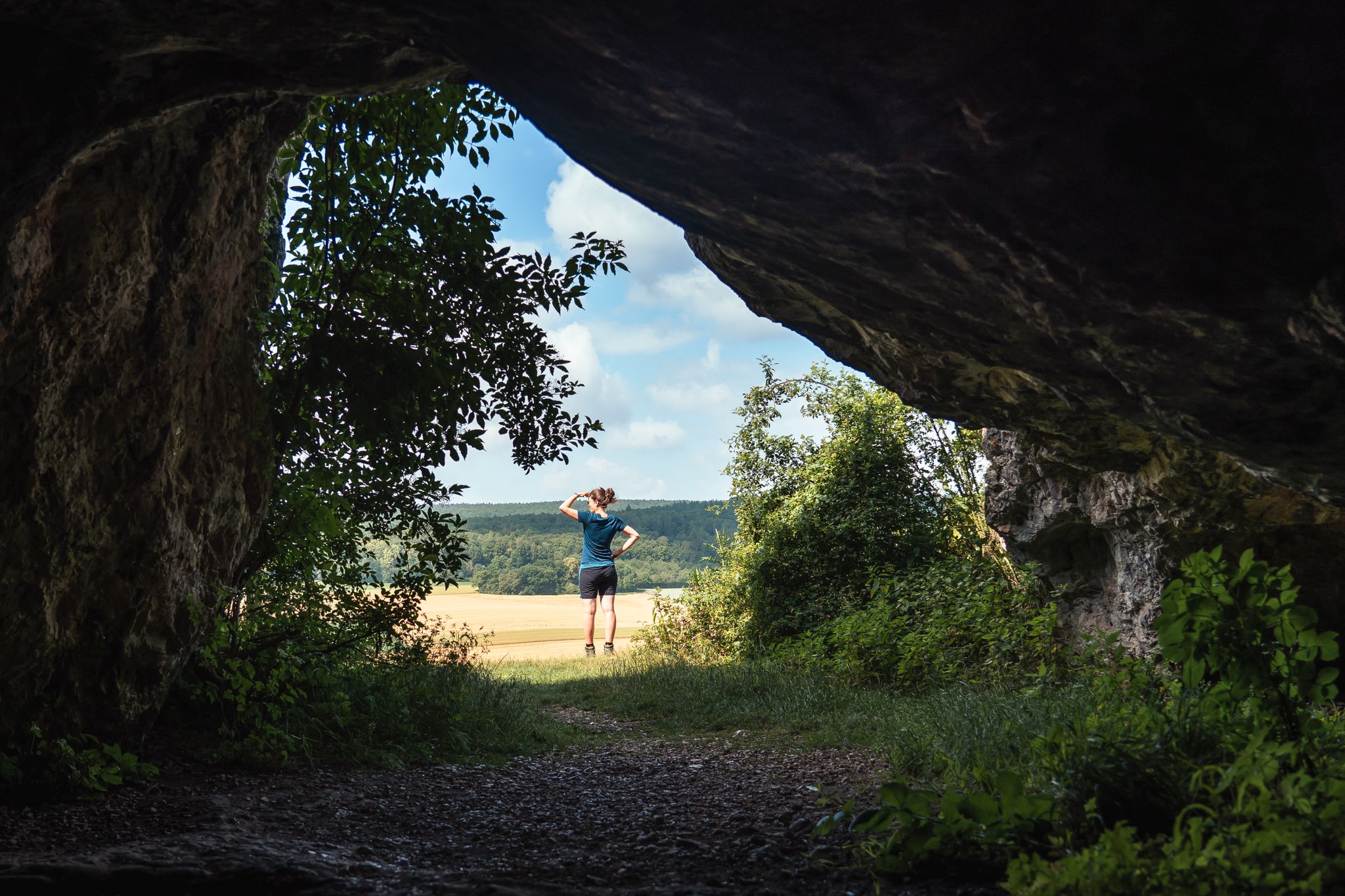
Historic and exciting – hiking in the DONAURIES holiday region
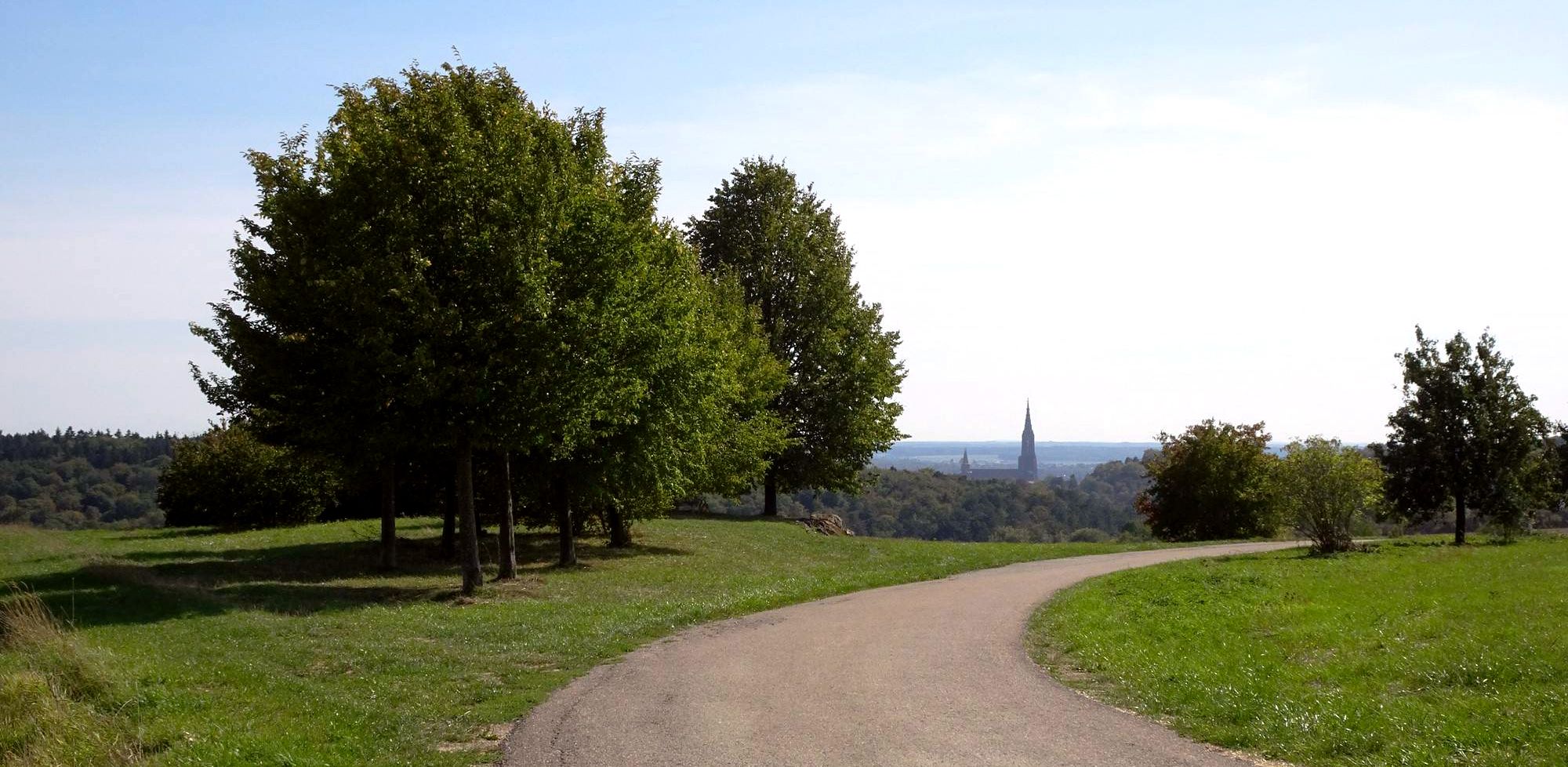
Full pleasure on the Danube valleys cycle path
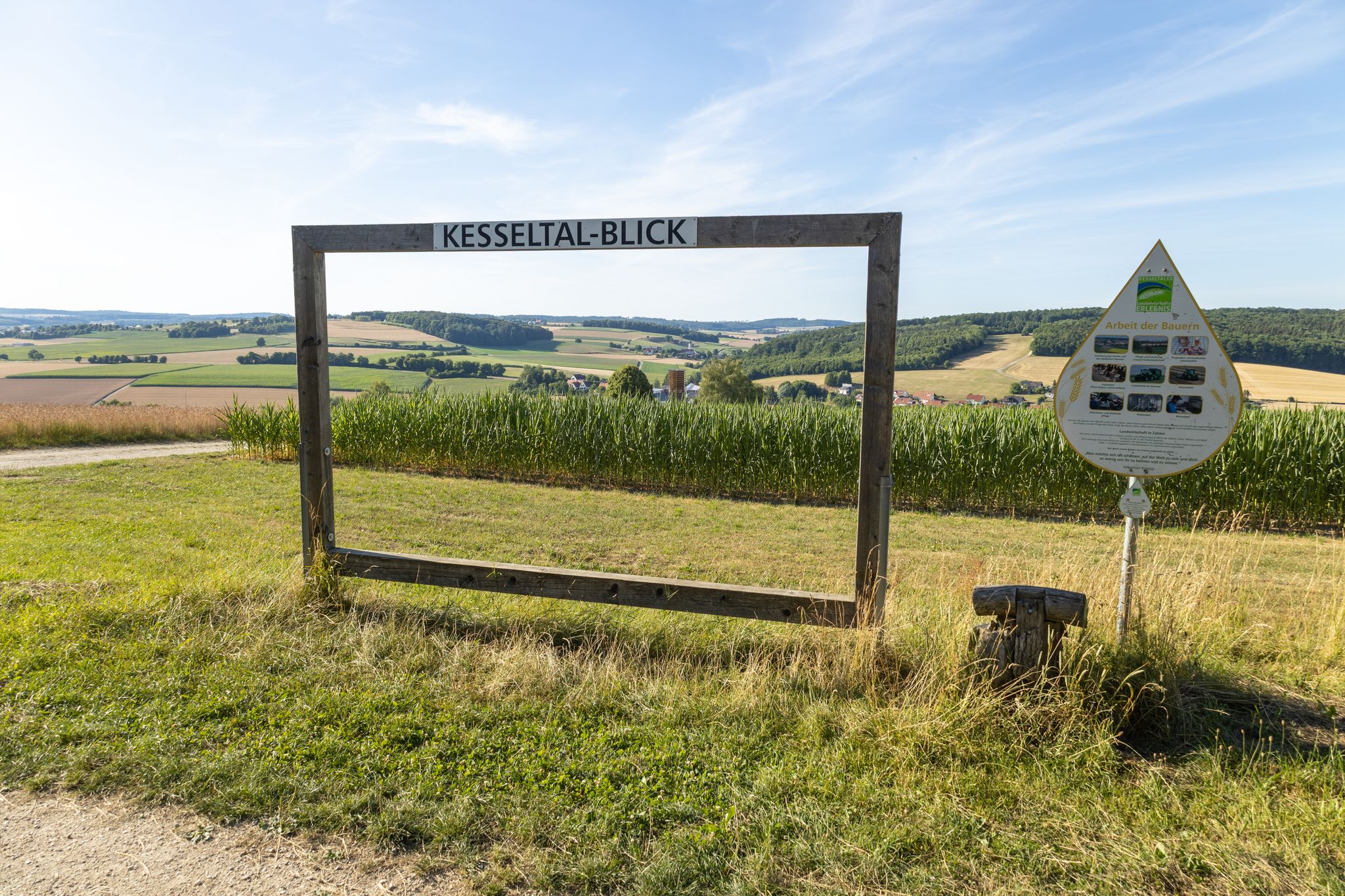
Kesseltal NaTour – Donautal Panoramawanderweg
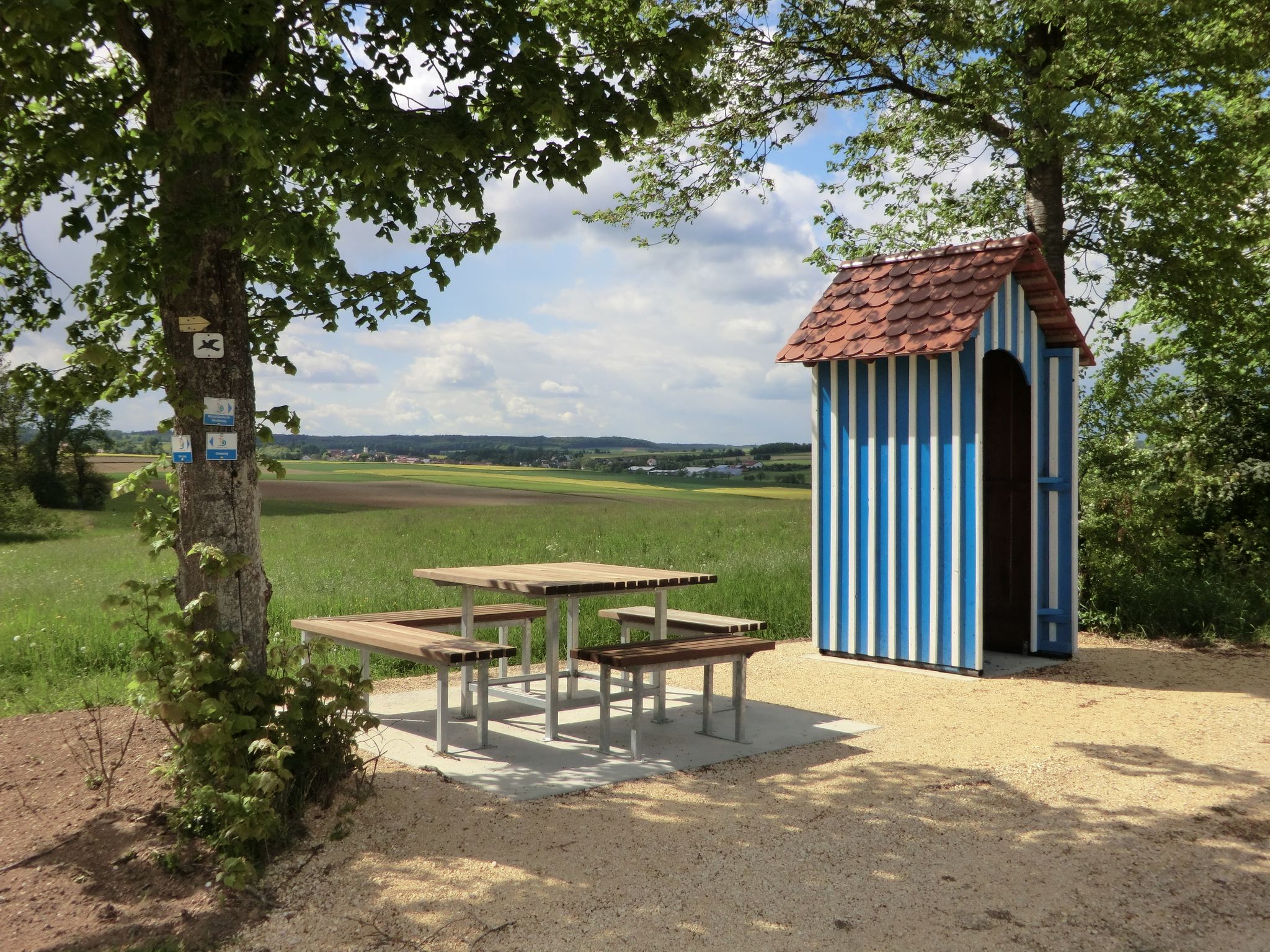
Grenzweg – Donautal Panoramawanderweg
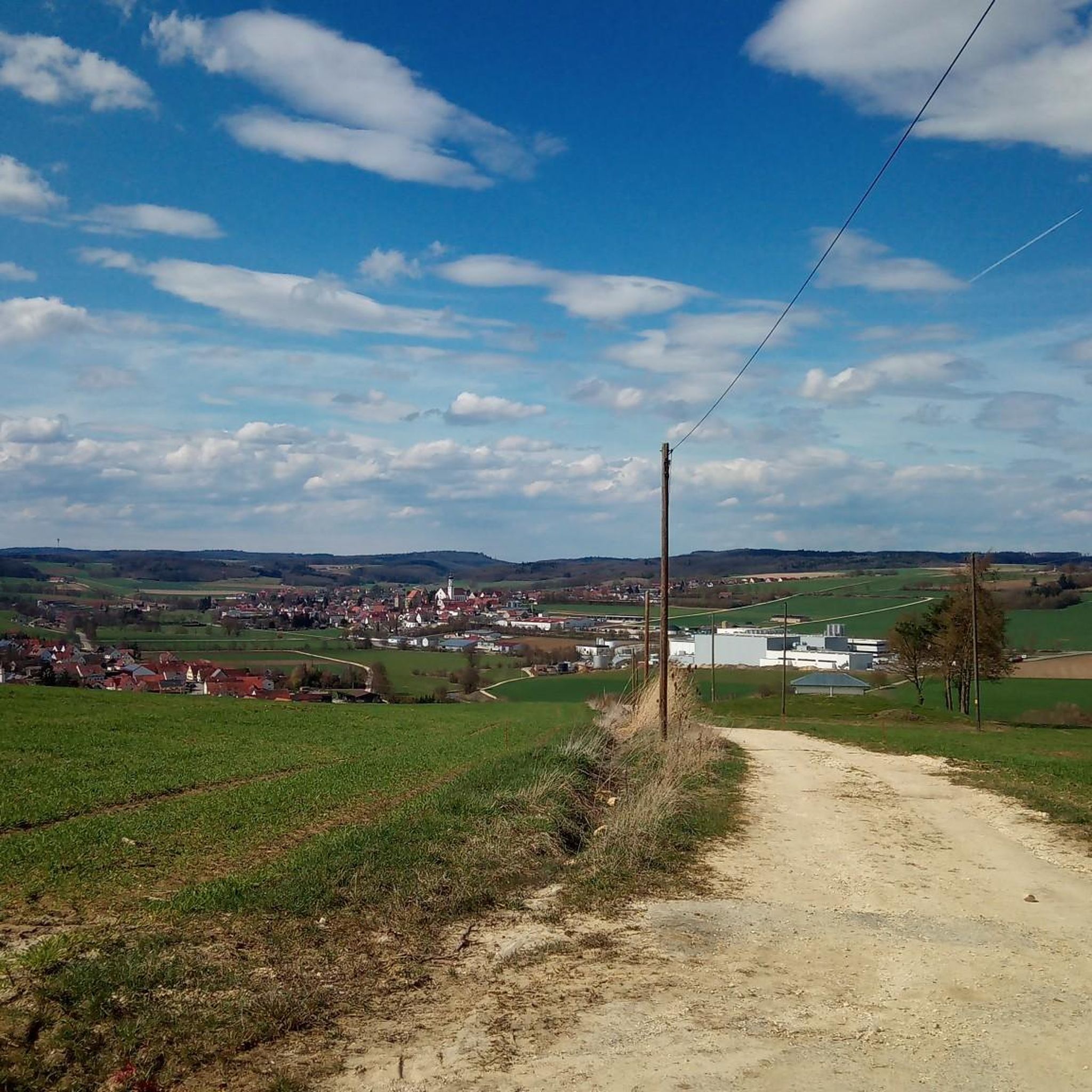
Hiking around Bissingen
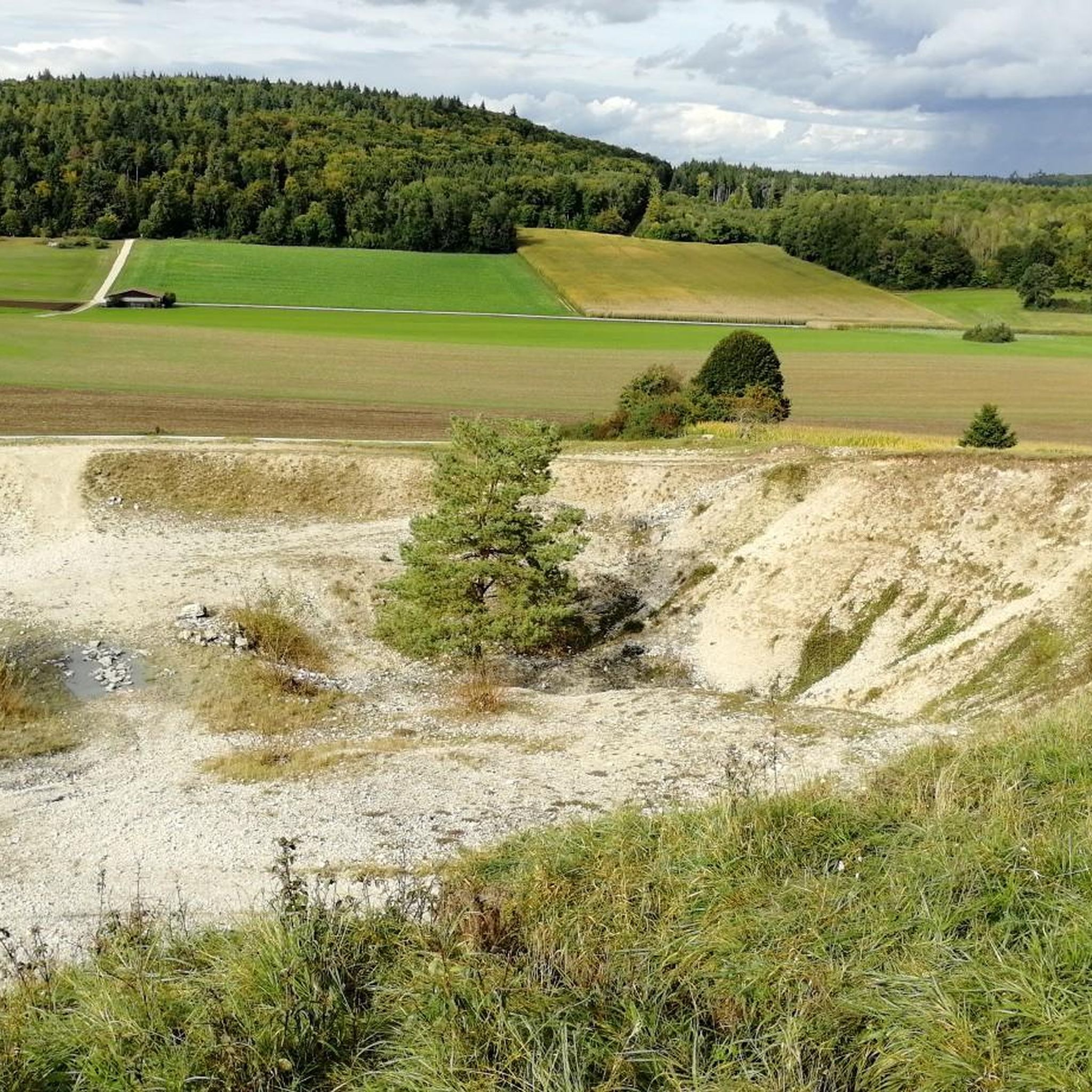
Cycling around Bissingen
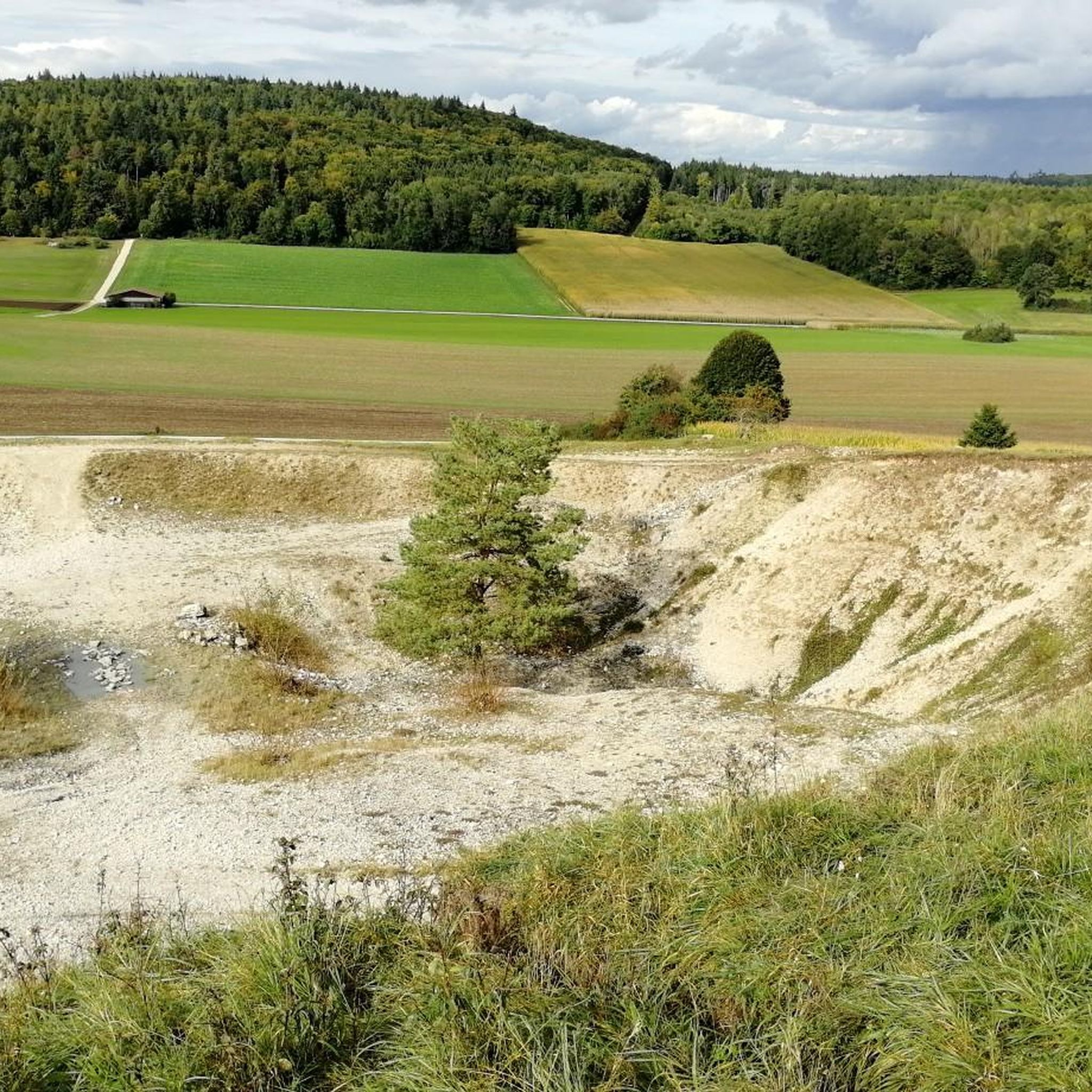
MTB Trails around Bissingen
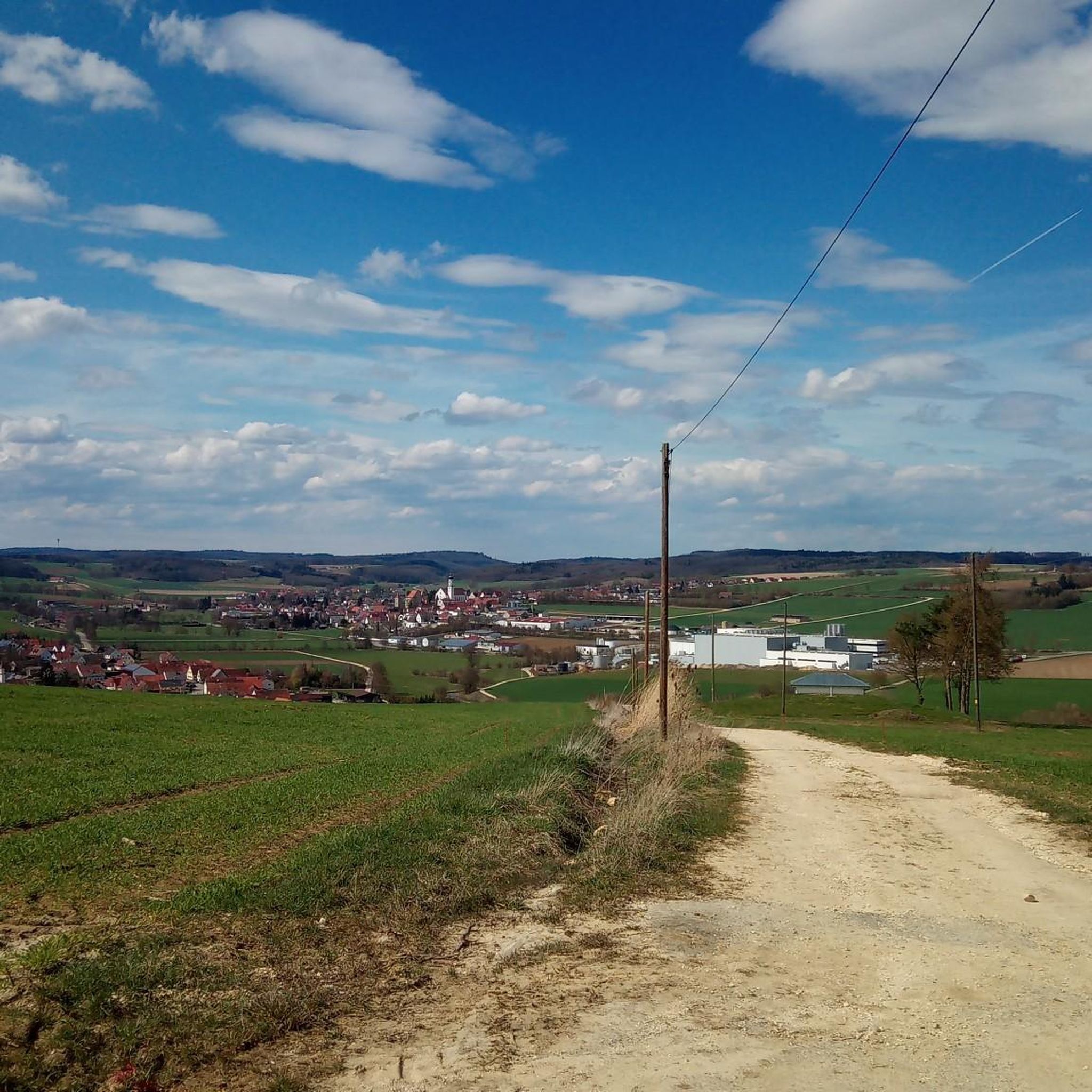
Road Cycling Routes around Bissingen
Running Trails around Bissingen
Gravel biking around Bissingen
Other adventures around Bissingen


Tips from the Community

Tolle Sehenswürdigkeit, die man sich ansehen sollte! Direkt davor steht eine Infotafel, die alles gut erklärt.
0
0

Schädelnester Excavations (1923, 1939) revealed evidence of religious skull burials. 6 human skulls, placed upright with their faces to the west towards the cave entrance. The presence of the uppermost cervical vertebra and cut marks on these vertebrae prove that the skulls were not buried skeletally, but were interred after violent separation. Alongside 4 male skulls without grave goods, 9 female and 20 child skulls were uncovered, to which 4000 perforated shells, partly from the Mediterranean region, and 200 drilled deer teeth were given.
0
0

Exciting caves along the way.
3
0

Sturdy footwear and surefootedness are a must
1
0

I don't know why it's called via ferrata, but it's beautiful there
1
0

Duck your head when you look into the cave :)
2
0

Anyone who follows the trail here must be aware that it ends up becoming a real via ferrata. The beginning of the trail is like a beautiful mountain hiking trail. Towards the end, however, you need to be absolutely sure-footed and wear good shoes, especially on the descent, even if it is only a short stretch. The scenery is of course very attractive. 🧗🙂
1
0
Frequently Asked Questions
What types of caves can I explore around Bissingen?
The region around Bissingen, particularly the Swabian Alb, is rich in karst caves. You'll find active water caves like Falkensteiner Cave, show caves with impressive formations such as Bärenhöhle and Nebelhöhle, and significant archaeological sites like Bocksteinhöhle. There are also accessible natural caves like Hohlenstein Cave and unique spring grottoes such as Grotto at Ursprungsweiher.
Are there any family-friendly caves in the Bissingen area?
Yes, several caves are ideal for families. The Hohlenstein Cave is easily accessible and offers insights into geology. The Bärenhöhle (Charles and Bears Cave) and Nebelhöhle are illuminated show caves with guided tours and well-maintained paths, perfect for an accessible caving experience. The Great and Small Ofnet Caves are also listed as family-friendly.
Which caves offer a glimpse into the region's history or archaeology?
The Great and Small Ofnet Caves are remnants of an ancient karst system with archaeological significance. The Ofnet Caves are famous for Stone Age finds, including tools, jewelry, and human skulls. The Hanseleshohl Cave is believed to have been a cult and sacrificial site in the Neolithic period. Additionally, the Bocksteinhöhle is a UNESCO World Heritage site, recognized as the oldest Neanderthal settlement complex in Southern Germany.
What is the best time of year to visit the caves around Bissingen?
Many show caves, such as Bärenhöhle and Nebelhöhle, are closed from November to March for bat hibernation. The Gutenberger Höhle is generally open from May to October. For active water caves like Falkensteiner Cave, it's crucial to avoid wet weather due to flood risks. Generally, late spring to early autumn (May to October) offers the most favorable conditions and wider access to various caves.
Are there any caves that require special equipment or permits for deeper exploration?
Yes, for deeper exploration into active water caves like Falkensteiner Cave, entry beyond 20 meters requires special equipment and permits. Guided tours with rental equipment are available for those interested in exploring further. Similarly, beyond the initial bottleneck of Goldloch Cave, a permit is required, and guided tours are offered.
Can I find hiking trails that include cave visits in the Bissingen area?
Yes, many caves are integrated into hiking routes. The Sibyllenloch Cave is easily accessible as part of a secured path around Teck Castle. The Hanseleshohl Cave is reached via a beautiful path on the steep wooded north slope of Michelsberg. You can also find various running, road cycling, and gravel biking routes in the wider Bissingen region. Explore options like the Running Trails around Bissingen or Road Cycling Routes around Bissingen for routes that might pass near these natural attractions.
Which caves are easily accessible for visitors who prefer less strenuous exploration?
The Hohlenstein Cave is noted for being very easy to reach and accessible. The Bärenhöhle and Nebelhöhle are illuminated show caves with well-maintained paths and guided tours, making them suitable for visitors seeking a comfortable experience. The Sibyllenloch is also easily accessible as part of a walk around Teck Castle.
Where can I find information about guided tours or booking for cave visits?
For Falkensteiner Cave, guided tours with rental equipment are available for deeper exploration. The Gutenberger Höhle also offers guided tours. For the Bärenhöhle and Nebelhöhle, which are show caves, guided tours are part of the experience. It's advisable to check the specific cave's official website or local tourist information for current booking details, opening hours, and ticket prices.
Are there any caves that are dog-friendly?
While some outdoor areas around caves might be dog-friendly, most underground cave systems, especially show caves or those requiring permits, typically do not allow dogs for safety and preservation reasons. For specific policies, it's best to check with the individual cave's management or visitor center before your visit.
What geological features make the caves around Bissingen unique?
The caves in the Bissingen area are primarily karst caves, formed by the dissolution of soluble bedrock like limestone. This process creates unique formations such as dripstones, stalagmites, micro gours, and underground rivers. The Tiefenhöhle, for example, is Germany's deepest accessible show cave, dramatically showcasing the karstification and multiple cave levels of the Swabian Alb. The Great and Small Ofnet Caves represent a former underground karst system modified by the Ries crater.
Are there any amenities like cafes or accommodation near the caves?
The region around Bissingen offers various amenities. For caves like Bärenhöhle and Nebelhöhle, there are often facilities like visitor centers, shops, and sometimes cafes nearby. For other caves, especially those in more natural settings, you might need to venture into nearby towns like Bissingen an der Teck or Bad Urach for cafes, pubs, and accommodation options. The Tiefenhöhle has a cave museum in its entrance building.
What are the parking options for visiting caves in the Bissingen area?
Parking availability varies by cave. Popular show caves like Bärenhöhle, Nebelhöhle, and Tiefenhöhle typically have designated parking areas for visitors. For more remote or natural caves, parking might be available at trailheads or nearby villages. It's recommended to check specific access information for each cave you plan to visit.
Most popular routes around Bissingen
Most popular attractions around Bissingen

Get inspired with the komoot mobile app


Explore more
Extend your search for the best caves by checking out these guides of the top ones around Bissingen:
