The best walks and hikes around Guteneck
4.5
(2190)
8,344
hikers
20
hikes
Hiking around Guteneck offers diverse trails through a varied natural environment. The region features wooded areas, small hills, and natural water features, providing a range of experiences for outdoor enthusiasts. Elevated areas, such as those near the Herrenberg Summit Cross, offer potential views across the landscape. The trails cater to different fitness levels, from easy strolls to more challenging routes.
Best hiking trails around Guteneck
- The most popular hiking route is Bader Chapel near Guteneck loop from Guteneck, a…
Last updated: August 28, 2026
4.5
(4)
17
hikers
4.57km
01:20
120m
120m
Easy hike. Great for any fitness level. Easily-accessible paths. Suitable for all skill levels.
8
hikers
7.14km
01:56
100m
100m
Easy hike. Great for any fitness level. Easily-accessible paths. Suitable for all skill levels.

Sign up for free
7
hikers
6.63km
01:48
100m
90m
Easy hike. Great for any fitness level. Easily-accessible paths. Suitable for all skill levels.
4.0
(1)
8
hikers
12.4km
03:31
260m
260m
Moderate hike. Good fitness required. Easily-accessible paths. Suitable for all skill levels.
5.0
(1)
4
hikers
8.12km
02:24
250m
250m
Moderate hike. Good fitness required. Easily-accessible paths. Suitable for all skill levels.
Get access to more routes and recommendations from other explorers.
Sign up for free
Already have an account?
Our route recommendations are based on thousands of hikes, rides, and runs completed by other people on komoot.
Start today with a free account
Your next adventure awaits.
Login or Signup
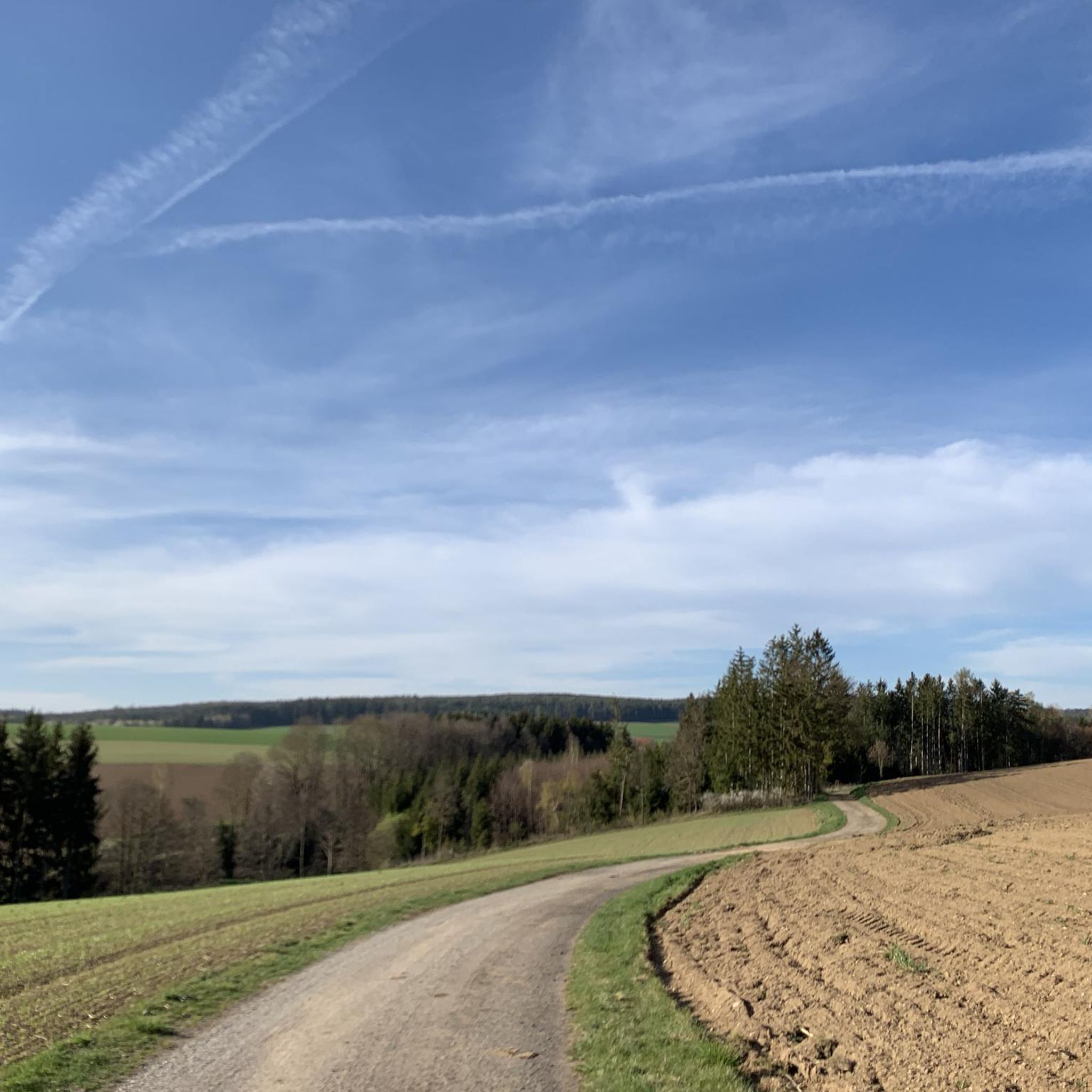
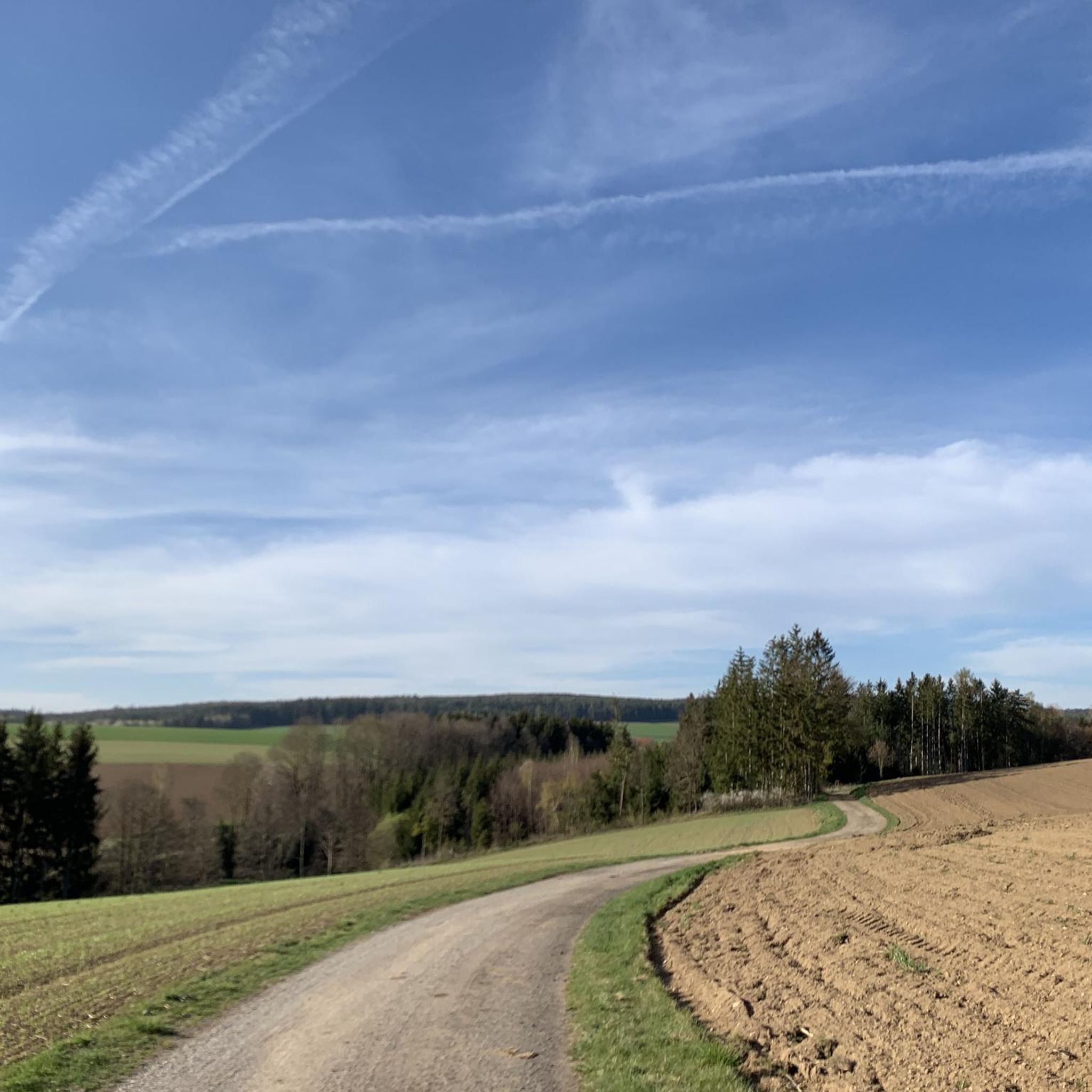
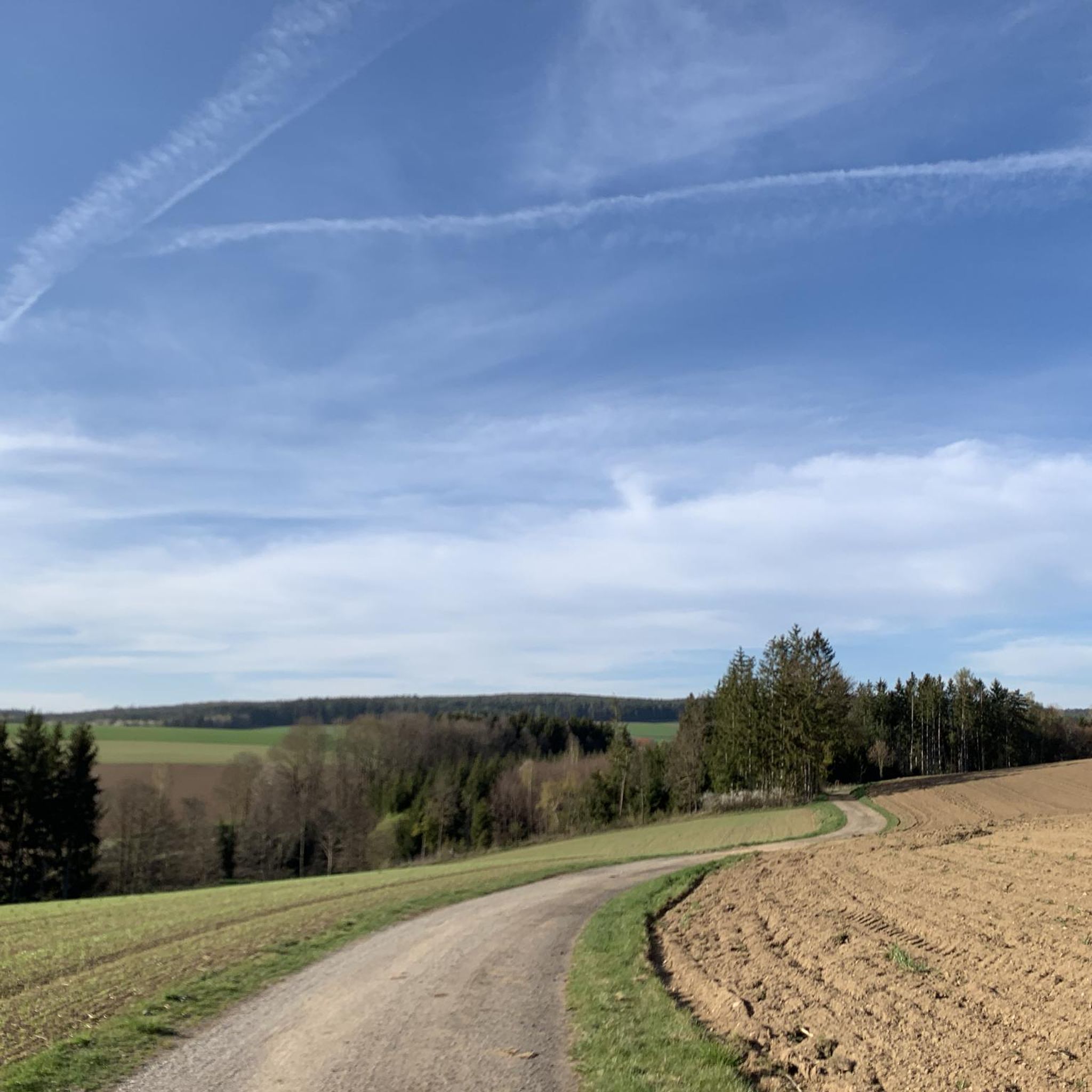
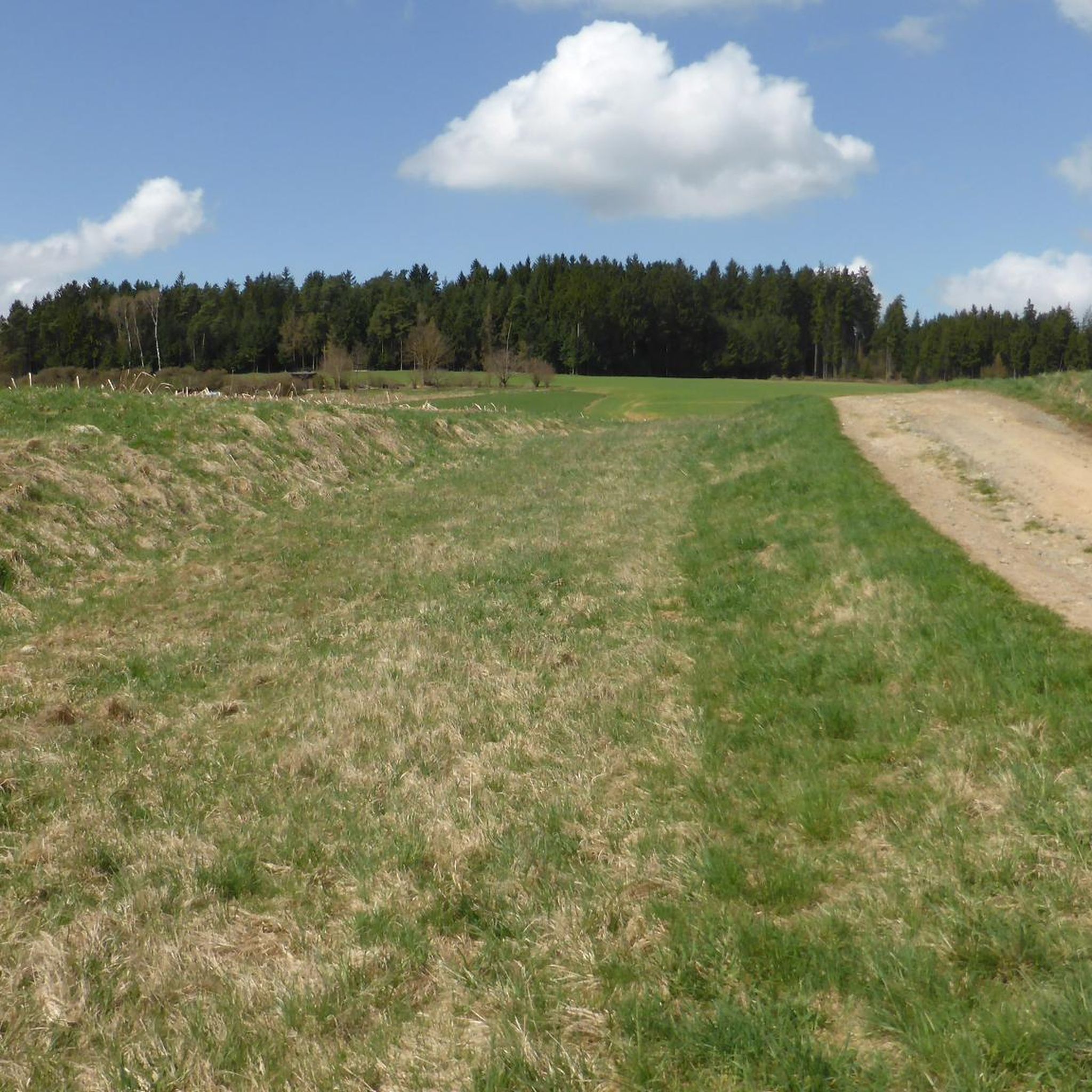

Tips from the Community

Guteneck Castle The castle was built in the 12th century, as evidenced by its Gothic walls. Guteneck was also first documented at this time. In 1278, Guteneck Castle came into the possession of the von und zu Murach family. A Jordan von Murach is first officially recorded in 1299. Wolff Albrecht von Murach sold Guteneck Castle to the Barons von Kreith in 1576. The Barons von Kreith were elevated to the rank of Imperial Counts in the 17th century and, like their predecessors, retained control of Guteneck for 300 years. During the Thirty Years' War, Guteneck and Weidenthal were devastated by soldiers. The castle burned down completely in 1822 during a village fire. Initially, only the chapel and the adjoining castle building were rebuilt. The last Imperial Countess, Franziska von Kreith (being childless), sold Guteneck Castle and its estate to her brother, Count Franz von Spreti, in 1894. That same year, he built a residential wing on medieval foundations, incorporating remnants of Baroque walls. In 1923, Count Spreti sold the property to a real estate agent from Nuremberg, who in turn sold it to Hereditary Prince Leopold of Saxe-Coburg and Gotha in 1937. In 1961, Count Albrecht Beissel von Gymnich acquired Guteneck Castle from the Duchess of Saxe-Coburg and Gotha and gave the estate its current appearance. Count Burkhard Beissel von Gymnich inherited the property from his father, Albrecht, in 2001. The building is a three- to four-sided structure. Parts of the castle were added later, including an arcaded courtyard in the 19th century. The castle chapel of St. Catherine dates from the 14th to 15th centuries and was rebuilt with alterations at the beginning of the 19th century. It features a roof turret with an onion dome. A so-called Swiss chalet with ground-floor vaulted ceilings and a former schoolhouse also belong to the complex. The castle has been revitalized through a variety of measures. Parts of it are offered as holiday apartments, a medieval banquet is regularly held there, a traditional Christmas market has been held for several years, the castle serves as a wedding venue, and the Highland Games and other celebrations take place there annually. In addition, the castle is used as a conference and seminar center. Source: Excerpts from www.wikipedia.de / www.schloss-guteneck.de/
3
0
Guteneck Castle The castle was built in the 12th century, as evidenced by its Gothic walls. Guteneck was also first documented at this time. In 1278, Guteneck Castle came into the possession of the von und zu Murach family. A Jordan von Murach is first officially recorded in 1299. Wolff Albrecht von Murach sold Guteneck Castle to the Barons von Kreith in 1576. The Barons von Kreith were elevated to the rank of Imperial Counts in the 17th century and, like their predecessors, retained control of Guteneck for 300 years. During the Thirty Years' War, Guteneck and Weidenthal were devastated by soldiers. The castle burned down completely in 1822 during a village fire. Initially, only the chapel and the adjoining castle building were rebuilt. The last Imperial Countess, Franziska von Kreith (being childless), sold Guteneck Castle and its estate to her brother, Count Franz von Spreti, in 1894. That same year, he built a residential wing on medieval foundations, incorporating remnants of Baroque walls. In 1923, Count Spreti sold the property to a real estate agent from Nuremberg, who in turn sold it to Hereditary Prince Leopold of Saxe-Coburg and Gotha in 1937. In 1961, Count Albrecht Beissel von Gymnich acquired Guteneck Castle from the Duchess of Saxe-Coburg and Gotha and gave the estate its current appearance. Count Burkhard Beissel von Gymnich inherited the property from his father, Albrecht, in 2001. The building is a three- to four-sided structure. Parts of the castle were added later, including an arcaded courtyard in the 19th century. The castle chapel of St. Catherine dates from the 14th to 15th centuries and was rebuilt with alterations at the beginning of the 19th century. It features a roof turret with an onion dome. A so-called Swiss chalet with ground-floor vaulted ceilings and a former schoolhouse also belong to the complex. The castle has been revitalized through a variety of measures. Parts of it are offered as holiday apartments, a medieval banquet is regularly held there, a traditional Christmas market has been held for several years, the castle serves as a wedding venue, and the Highland Games and other celebrations take place there annually. In addition, the castle is used as a conference and seminar center. Source: Excerpts from www.wikipedia.de / www.schloss-guteneck.de/
2
0
The large bear sculpture at Guteneck is reportedly the world's largest bear carved from a single tree trunk using chainsaws. It stands on the grounds of Guteneck Castle in the Schwandorf district and was carved from a poplar tree in May 2017. Height & Weight: The giant sculpture towers nearly 10 meters (approx. 9.94 m) in height. The 13-ton artwork was carved by Joachim Pochert and his team. The sculpture is a popular photo subject and is decorated for different seasons, such as the Christmas market.
3
0

Time for a summit schnapps
0
0
Beautifully preserved privately owned castle
0
0

The beautiful Christmas market at Guteneck Castle is particularly recommended. It is open on all four Advent weekends from Thursday to Sunday and recently even the weekend before as a "pre-opening" (except on Remembrance Sunday). The atmosphere is unique and the food selection is very varied. Despite the expensive entrance fee (between €8 and €10), it is really highly recommended.
2
0

Beer garden with snack bar at Guteneck Castle
1
0

Crisp ascent to the summit cross.
1
0
Frequently Asked Questions
How many hiking trails are available around Guteneck?
There are over 20 hiking trails in the Guteneck area, offering a variety of experiences for outdoor enthusiasts. These trails are highly rated by the komoot community, with an average score of 4.6 stars from over 1,900 reviews.
What kind of terrain can I expect on hikes around Guteneck?
Hiking around Guteneck features a diverse landscape of extensive wooded areas, gentle hills, and the scenic Katzbach River. You'll find paths winding through forests and ascending to elevated points like the Herrnberg, which offers potential panoramic views.
Are there easy hiking options suitable for beginners or families in Guteneck?
Yes, Guteneck is very inclusive for all abilities. There are 13 easy trails, many of which are described as easily-accessible and suitable for all skill levels. A great option for an easy stroll is the Bader Chapel near Guteneck loop from Trichenricht, which is about 6.8 km long.
Are there any circular hiking routes in Guteneck?
Many of the trails around Guteneck are designed as loops, allowing you to start and end at the same point. For example, the popular Bader Chapel near Guteneck loop from Guteneck is a 7.1 km circular route that takes about two hours to complete.
What are some notable landmarks or viewpoints to see while hiking in Guteneck?
The Herrnberg is a prominent hill with a summit cross, offering a crisp ascent rewarded with beautiful stretches and potential views. You can explore this area on the Ford With Small Bridge – Herrenberg Summit Cross loop from Guteneck. Additionally, nearby attractions include the Kulm Observation Tower and the St. Barbara Pilgrimage Church on Eixlberg.
Are there any dog-friendly hiking trails in Guteneck?
While specific dog restrictions are not noted, the natural and varied terrain of Guteneck, with its extensive wooded areas and open paths, generally makes it a welcoming region for hikers with dogs. Always ensure your dog is under control and respect local wildlife.
What is the best time of year to go hiking in Guteneck?
Guteneck's diverse landscape is enjoyable throughout much of the year. Spring and autumn offer pleasant temperatures and vibrant scenery, while summer provides lush green forests. The wooded areas can also be charming for winter walks, though some trails might be less accessible depending on snow conditions.
Are there any moderate hiking trails for more experienced hikers?
Yes, for those seeking a bit more challenge, Guteneck offers 7 moderate trails. A good option is the Herrenberg Summit Cross – Herrnberg loop from Guteneck, an 8.1 km route with significant elevation gain, typically taking around 2 hours and 25 minutes.
What do other hikers enjoy the most about hiking in Guteneck?
The komoot community highly rates Guteneck's trails, with an average score of 4.6 stars. Hikers often praise the varied natural scenery, including the peaceful wooded areas and the rewarding ascents to viewpoints like the Herrnberg. The accessibility of routes for different skill levels is also frequently highlighted.
Are there any natural monuments or unique geological features to explore?
Yes, the region around Guteneck features interesting natural monuments. You can find highlights such as the Wildstein Castle Ruins, the Pfreimdtal Riverside Trail, and the Geological Nature Trail Tännesberg, offering insights into the area's history and geology.
Most popular attractions around Guteneck

Get inspired with the komoot mobile app


Explore more
Browse the best Hikes in other regions.
