Attractions and Places To See in Copacabana - Top 14
Attractions and places to see in Copacabana, a town located on the shores of Lake Titicaca in Bolivia, feature a mix of historical sites, natural monuments, and religious buildings. The region is characterized by its high-altitude setting, offering panoramic views of the lake and surrounding landscapes. Visitors can explore ancient ruins, climb summits for expansive vistas, and experience local culture. This area provides opportunities for both historical exploration and outdoor activities.
Best attractions and places to see in Copacabana
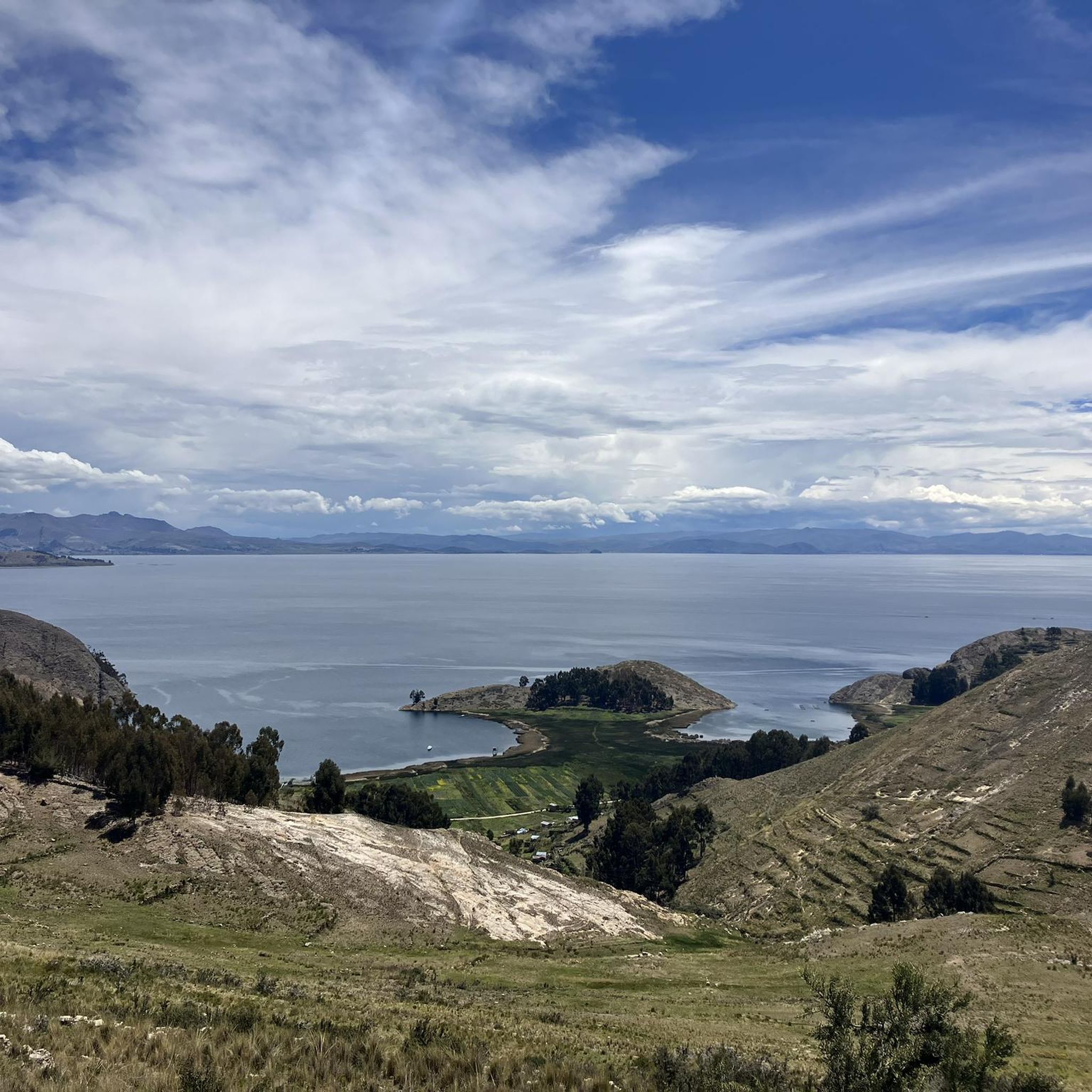
- The most popular attractions is Chincana Ruins, Isla del Sol, a historical site that offers spectacular views of Lake Titicaca and the surrounding area. The path to the temple features scenery with hidden coves, sandy beaches, and turquoise waters.
- Another must-see spot is Isla del Sol Ruins and Lake Titicaca View, a historical site and viewpoint. This location provides a hiking tour with fantastic views above the lake, allowing visitors to experience the island's landscape.
- Visitors also love Cerro Calvario, a viewpoint offering views down to Copacabana and Lake Titicaca. The climb is considered strenuous but provides rewarding vistas, especially at sunset.
- Copacabana is known for its historical sites, viewpoints, and religious buildings. The area offers a variety of attractions to see and explore, from ancient ruins to natural summits and cultural landmarks.
- The attractions in Copacabana are appreciated by the komoot community, with more than 40 upvotes and 11 photos across 14 highlights.
Last updated: July 17, 2026
Chincana Ruins, Isla del Sol
Highlight • Historical Site
Translated by Google •
Tip by

Basilica of Our Lady of Copacabana
Highlight • Religious Site
More information: es.wikipedia.org/wiki/Basilica_de_Nuestra_Señora_de_Copacabana
Translated by Google •
Tip by

Sign up now to discover places like this
Get recommendations on the best single tracks, peaks, & plenty of other exciting outdoor places.
Sign up for free
Cerro Calvario
Highlight • Viewpoint
Translated by Google •
Tip by

Sacred Rock (Titikala)
Highlight • Natural Monument
Translated by Google •
Tip by

Cerro Santa Barbara Junction
Highlight • Trail
Translated by Google •
Tip by
Isla del Sol Ruins and Lake Titicaca View
Highlight • Historical Site
The boat takes you from Copacabana to the island. The boats leave at 1 p.m., so you can dock at Isla del Sol in 1 hour (current status).
First ascending, the pretty path leads constantly along with a fantastic view above the lake. Small restaurants are on the way. The path leads down to the harbor from where you can easily take the boat back to Copacabana.
Attention: Lake Titicaca is a little over 4000 meters, acclimatization is an advantage.
Translated by Google •
Tip by

Playa de las Sirenas
Highlight • Beach
Translated by Google •
Tip by
Plaza 2 de Febrero, Copacabana
Highlight • Settlement
Translated by Google •
Tip by
Cerro Palla Khasa Summit
Highlight • Summit
Translated by Google •
Tip by

Cerro Tikani
Highlight • Summit
Translated by Google •
Tip by
Sign up for free to discover even more attractions in Copacabana.
Sign up for free
Already have an account?
Start today with a free account
Your next adventure awaits.
Login or Signup
Popular around Copacabana
Tips from the Community

A beautiful path has been created on the ridge, and the turnoff with a kiosk towers over the island.
1
0
Even the path to the Chincana Temple offers spectacular views of the lake and the surrounding area. The scenery is almost Mediterranean, with small, hidden coves, fine sandy beaches, and turquoise waters, a dreamlike experience.
2
1
Cerro Tikani, at 3,936 meters, is the highest point in the northern part of the island. The climb is somewhat challenging due to the altitude, but the view from up here is impressive.
1
0
If you don't know that you are almost 4000m above sea level, you feel like you are in the Caribbean.
1
0
The Basilica of Our Lady of Copacabana is a 17th-century Spanish colonial shrine that houses the statue of the Virgen de Copacabana. The statue can be rotated; on weekends, it faces the church, and during the week, it can be seen in the Virgin's house on the first floor.
3
0
The Way of the Cross was built on this hill in the 1950s when the government decided that Copacabana should have more to offer its thousands of pilgrims than just the Basilica of the Virgin Mary.
2
0

It is better not to go in rainy weather, as the slippery steps of the steep stairs can be dangerous, especially when going down.
0
0

The trail meanders along Lake Titicaca, where the azure waters lap against the rocky shoreline in an almost unreal way. The historic site itself is a mix of ancient stone walls and a backdrop that is almost meditative. Once you reach the top, it's worth stopping for a moment to look out over the pristine landscape. If you feel like it, you can even take a refreshing swim on the shore - a rare opportunity at this altitude. But remember to bring plenty of water with you, as the height of Lake Titicaca is noticeable.
1
0
Frequently Asked Questions
What are the most popular attractions to visit in Copacabana?
Visitors to Copacabana highly recommend exploring the Chincana Ruins, Isla del Sol, a historical site with spectacular views of Lake Titicaca. Another favorite is Cerro Calvario, a viewpoint offering rewarding vistas, especially at sunset. The Basilica of Our Lady of Copacabana is also a significant religious and historical landmark.
Are there any historical sites to explore in Copacabana?
Yes, Copacabana is rich in history. You can visit the Chincana Ruins, Isla del Sol, which offers a glimpse into ancient history with stunning lake views. Another important historical site is the Isla del Sol Ruins and Lake Titicaca View, providing a hiking tour experience with fantastic scenery. The Basilica of Our Lady of Copacabana, a 17th-century Spanish colonial shrine, is also a key historical and religious landmark.
Where can I find the best panoramic views of Lake Titicaca and the surrounding area?
For breathtaking panoramic views, climb Cerro Calvario, especially at sunset. The Chincana Ruins, Isla del Sol also offers spectacular vistas of the lake and its hidden coves. Additionally, the Isla del Sol Ruins and Lake Titicaca View provides fantastic views above the lake during a hiking tour.
What kind of natural features can I experience in Copacabana?
Copacabana is known for its stunning natural beauty, primarily centered around Lake Titicaca. You can enjoy the serene waters and sandy beaches near the Chincana Ruins, Isla del Sol. The region also features several summits like Cerro Palla Khasa Summit and Cerro Tikani, which offer elevated perspectives of the landscape.
Are there family-friendly attractions in Copacabana?
The Basilica of Our Lady of Copacabana is considered family-friendly, offering a cultural and historical experience. Exploring the town's main square, Plaza 2 de Febrero, can also be a pleasant activity for families, with its central location and proximity to facilities.
What outdoor activities or hiking trails are available near Copacabana's attractions?
You can enjoy various outdoor activities, including hiking, near Copacabana's attractions. Popular routes include the 'Cerro Calvario – Plaza 2 de Febrero, Copacabana loop from Copacabana' which is an easy 5.7 km hike. For more challenging options, consider the 'Playa de las Sirenas – Cerro Santa Barbara Junction loop from Isla del Sol' (difficult, 22.8 km) or the 'Traditional Rural Houses – Cerro Santa Barbara Junction loop from Yumani' (moderate, 9.3 km). You can find more details on these and other hiking routes in the Hiking in Copacabana guide.
What do visitors enjoy most about the attractions in Copacabana?
Visitors frequently highlight the spectacular views of Lake Titicaca, especially from sites like Chincana Ruins and Cerro Calvario. The unique blend of ancient ruins with stunning natural backdrops, often described as 'almost Mediterranean' with 'fine sandy beaches and turquoise waters,' is also a major draw. The sense of tranquility and the opportunity for refreshing swims at high altitude are also appreciated.
Is it possible to visit Isla del Sol from Copacabana?
Yes, Isla del Sol is a popular destination easily accessible from Copacabana. Boats typically depart from Copacabana, taking about an hour to reach the island. Once there, you can explore sites like the Chincana Ruins and the Isla del Sol Ruins and Lake Titicaca View, often via hiking tours.
Are there any religious buildings or sites of worship in Copacabana?
The most prominent religious site is the Basilica of Our Lady of Copacabana. This 17th-century Spanish colonial shrine houses the revered statue of the Virgen de Copacabana and features a unique Moorish-style architecture. It also includes an open-air chapel, historically built for indigenous worshippers.
What should I know about visiting attractions at high altitude in Copacabana?
Copacabana and Lake Titicaca are situated at over 4,000 meters (13,000 feet) above sea level. It's important to allow for acclimatization. When hiking, especially to viewpoints like Cerro Calvario, the climb can be strenuous due to the altitude. Remember to bring plenty of water and be mindful of your physical condition. It's also advised to avoid visiting during rainy weather, as paths can become slippery.
Are there any accessible attractions for visitors with mobility challenges?
The Plaza 2 de Febrero in Copacabana is noted as wheelchair accessible, offering a central point in town with facilities. While many of the natural and historical sites involve hiking or climbing, this central plaza provides an accessible option for experiencing the town's atmosphere.
How long should I plan to spend visiting the attractions in Copacabana?
To fully experience the main attractions like the Basilica, climbing Cerro Calvario, and taking a day trip to Isla del Sol to see the Chincana Ruins, it's recommended to allocate at least two to three days. This allows for acclimatization and a relaxed exploration of the area's historical and natural beauty.
Most popular routes in Copacabana
Most popular attractions in Copacabana

Get inspired with the komoot mobile app


Explore more
Still not found the Highlight you’re looking for? See guides of the top attractions in other regions:
