Attractions and Places To See in Sucre - Top 11
Attractions and places to see in Sucre, Bolivia, a UNESCO World Heritage site, is situated in a lush valley at an altitude of 2,810 meters. Known as "La Ciudad Blanca," the city offers a blend of historical landmarks and cultural sites. Its colonial architecture and significant role in Bolivian independence provide a rich experience for visitors. The surrounding area also features unique natural formations and opportunities for outdoor exploration.
Best attractions and places to see in Sucre
- The most popular attractions is Plaza Pedro de Anzúrez and La Recoleta Convent, a historical site that offers panoramic views of the city. This plaza is a historic place where the Villa de la Plata was founded, retaining its original character and peaceful atmosphere.
- Another must-see spot is Plaza 25 de Mayo, a man-made monument. This central square commemorates the start of Bolivia's war of independence and is surrounded by important buildings, serving as a vibrant hub.
- Visitors also love Inca Trail, a trail that is a restored trade route from Inca times. It offers views and typically takes 1.5 to 2 hours to walk.
- Sucre is known for its historical sites, viewpoints, and natural features. Visitors can explore colonial architecture, significant monuments, and unique geological formations.
- The attractions in Sucre are appreciated by the komoot community, with 13 upvotes and 24 photos shared by visitors.
Last updated: July 4, 2026
Plaza Pedro de Anzúrez and La Recoleta Convent
Highlight • Historical Site
More info: turismosucre.com/portal2/index.php?option=com_content&view=article&id=63&Itemid=71&lang=en
Tip by

Plaza 25 de Mayo
Highlight • Monument
Translated by Google •
Tip by

Sign up now to discover places like this
Get recommendations on the best single tracks, peaks, & plenty of other exciting outdoor places.
Sign up for free
Sacred Heart of Jesus Statue (Santísimo Sagrado Corazón de Jesús), Sucre
Highlight • Monument
Translated by Google •
Tip by
Inca Trail
Highlight • Trail
Translated by Google •
Tip by

Statue of Christ With View of Sucre
Highlight • Monument
Translated by Google •
Tip by

Time & Coffee La Recoleta
Highlight • Cafe
Translated by Google •
Tip by
Cal Orck’o Dinosaur Footprints
Highlight • Natural Monument
The site is a nearly vertical limestone wall, about 1.2 kilometers long and 80 meters high, containing over 5,000 individual footprints from several different dinosaur species, including sauropods, theropods, ornithopods, and ankylosaurs. These footprints date back roughly 68–66 million years, to the Cretaceous period.
The wall’s current vertical position resulted from tectonic forces that lifted and tilted what was once a muddy lakebed into a cliff face.
Today, the site is protected and displayed within Parque Cretácico, a museum and park that allows visitors to view the footprints and learn about the region’s dinosaur history.
The best way to visit the site is by taking the 11 a.m. shuttle bus from central Sucre, this tour provides access not only to the Dinosaur Park but also to the limestone pit, where you can get up close to the actual footprints.
Tip by

Museo del Tesoro
Highlight • Historical Site
The tour, available in Spanish, English, and French, lasts approximately 45 minutes and costs 30 Bs.
One of the most astonishing aspects is the opportunity to touch imposing precious stones weighing several dozen kilos. A unique experience not to be missed!
A shop at the end of the tour allows you to take home beautiful souvenirs of the country. The jewelry is made by the museum owner herself.
Opening hours: 9:00 a.m.–12:30 p.m. and 3:00 p.m.–6:30 p.m.
Translated by Google •
Tip by

Central Market of Sucre
Highlight • Restaurant
The cookshops are on the upper floor. If you don't like to cook, you will find cheap, local and traditional dishes there.
Translated by Google •
Tip by
Cerro Sica Sica Summit
Highlight • Summit
Translated by Google •
Tip by
Start today with a free account
Your next adventure awaits.
Login or Signup
Popular around Sucre
Tips from the Community

Cal Orck’o is a paleontological site in Sucre, Bolivia, known for dinosaur footprints. The site is a nearly vertical limestone wall, about 1.2 kilometers long and 80 meters high, containing over 5,000 individual footprints from several different dinosaur species, including sauropods, theropods, ornithopods, and ankylosaurs. These footprints date back roughly 68–66 million years, to the Cretaceous period. The wall’s current vertical position resulted from tectonic forces that lifted and tilted what was once a muddy lakebed into a cliff face. Today, the site is protected and displayed within Parque Cretácico, a museum and park that allows visitors to view the footprints and learn about the region’s dinosaur history. The best way to visit the site is by taking the 11 a.m. shuttle bus from central Sucre, this tour provides access not only to the Dinosaur Park but also to the limestone pit, where you can get up close to the actual footprints.
0
0

Be sure to bring sunscreen and sturdy shoes. It's windy on the mountain, but with UV 11 sun exposure, you can easily get sunburned. It's a good idea to get used to the air to avoid too much breathing difficulty.
0
0
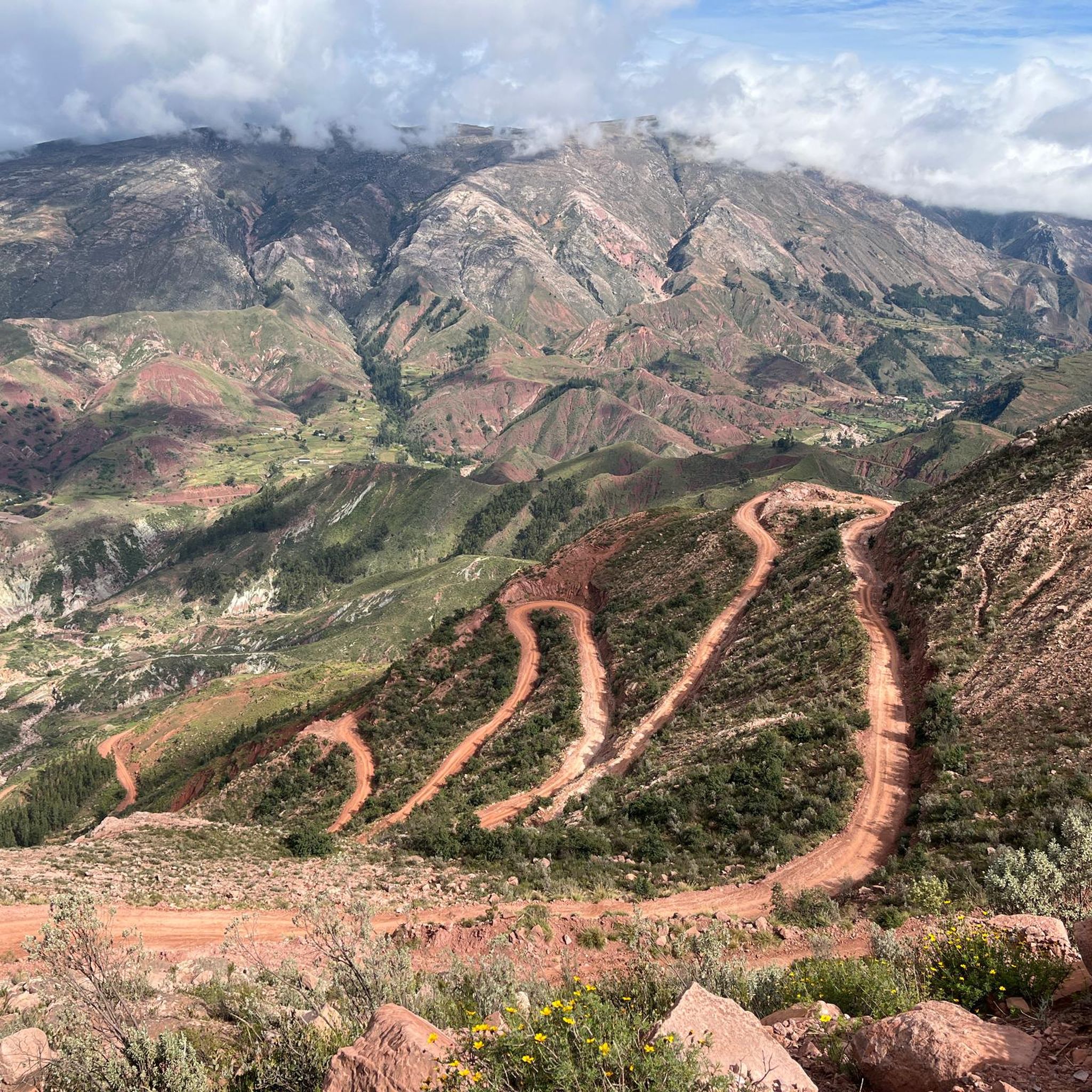
The path up is about 200 meters long and leads over rocky, awkward steps, and is quite strenuous. It's recommended only to attempt the hike if you're already somewhat accustomed to the altitude and can breathe well. But it's definitely worth it for the incredible view.
0
0

If you're visiting Sucre, don't miss this museum! It offers a fascinating perspective on the origins of local riches and the working of gold, silver, and precious stones. The tour, available in Spanish, English, and French, lasts approximately 45 minutes and costs 30 Bs. One of the most astonishing aspects is the opportunity to touch imposing precious stones weighing several dozen kilos. A unique experience not to be missed! A shop at the end of the tour allows you to take home beautiful souvenirs of the country. The jewelry is made by the museum owner herself. Opening hours: 9:00 a.m.–12:30 p.m. and 3:00 p.m.–6:30 p.m.
0
0

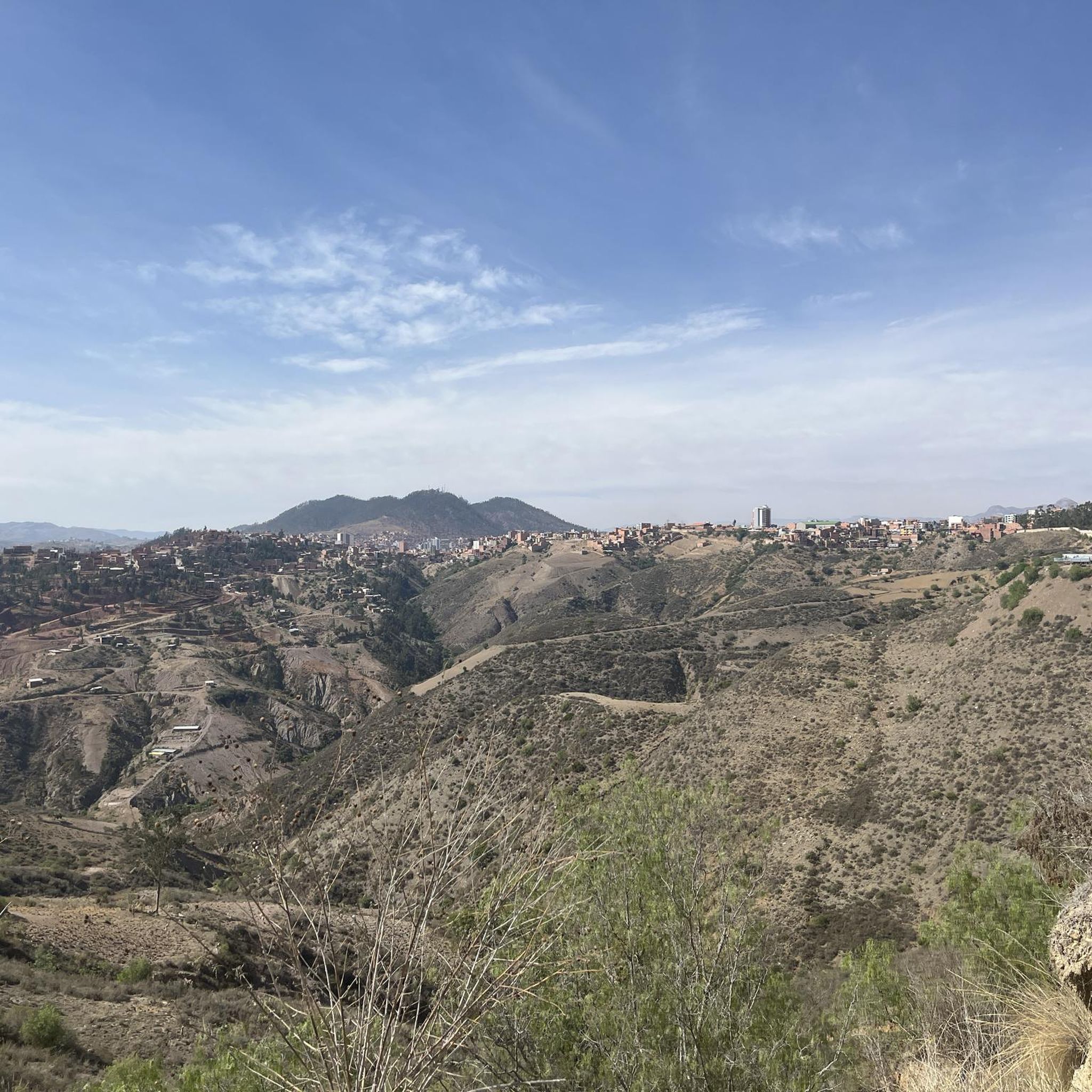
Plaza Pedro de Anzúrez is a quiet, historic square in Sucre that is a wonderful place to relax. Nestled at the foot of Churuquella Hill, the square offers a wide view of the city, especially impressive at sunset. It is fascinating to see how this plaza has retained its colonial charm. Old streets with special names such as "Street of the Black Cat" and "Street of the Quarrelsome Cat" bear witness to a turbulent history. A special highlight is the café that is located here and invites you to take a cozy break. Anyone interested in history should visit the La Recoleta convent, which adorns one of the square's facades, as well as marvel at the old sundial and the historic fountain from 1630. The flair of this place is unmistakable, a mix of colonial architecture, quiet corners and historical heritage - the perfect spot to experience Sucre from its authentic side.
1
0

This square is at its most beautiful on Sundays, when it is largely closed to vehicles. A variety of events take place here then, a stage is set up for musicians, and dance groups and sports groups can be found here.
2
0

Plaza Pedro Anzúrez is a historic place where the Villa de la Plata was founded. At the present time this square is surrounded by the scenic view built in 1979. It is one of the public spaces of tourist and urban importance of the city. Its location on the bottom of the Churuquella hill affords a complete view of the center of the city and its surroundings, besides, it also retain its original character and the peaceful and tranquil atmosphere and serves as a place of study. The convent of La Recoleta can be found in one of its facades as well as the solar clock, and a Water Fountain that was used in 1630 for the very first time. The plaza is surrounded by old streets with singular names, like street of the Black Cat, the White Cat, the Gray Cat and the Quarrelsome which were very popular during the Colonial period. More info: http://www.turismosucre.com/portal2/index.php?option=com_content&view=article&id=63&Itemid=71&lang=en
3
0
Large statue of Jesus overlooking Sucre with a nice view. You can drive up by car or climb the stairs on foot.
1
0
Frequently Asked Questions
What are the must-visit historical attractions in Sucre?
Sucre, a UNESCO World Heritage site, is rich in history. You can explore the Plaza 25 de Mayo, which commemorates Bolivia's independence and is surrounded by significant buildings like the Casa de la Libertad, where the Declaration of Independence was signed. Another key historical site is the Convento de San Felipe Neri, offering panoramic city views from its rooftops, and the beautiful Catedral Metropolitana.
Where can I find the best panoramic views of Sucre?
For stunning panoramic views, head to Plaza Pedro de Anzúrez and La Recoleta Convent. This historic plaza, located at the foot of Churuquella hill, provides a complete view of the city center and its surroundings. Another excellent spot is the Sacred Heart of Jesus Statue, which offers a great vantage point overlooking Sucre.
Are there any unique natural attractions to see in Sucre?
Absolutely! A truly unique natural attraction is Cal Orck’o Dinosaur Footprints, home to the world's largest collection of dinosaur footprints on a giant wall. For those seeking more adventure, the Maragua Crater offers a unique geological formation and is popular for day hikes, often traversing ancient Inca trails.
What cultural experiences can I have in Sucre?
Sucre offers a vibrant cultural scene. Visit the Museo de Arte Indígena (ASUR Textile Museum) to see a rich collection of indigenous textiles and witness weavers at work. The Central Market of Sucre provides a lively experience of local life, where you can observe daily routines and try local flavors like *salteñas*. The Cementerio General also offers insight into Bolivian cultural traditions surrounding remembrance.
What outdoor activities and trails are available near Sucre?
Sucre is a great base for outdoor adventures. You can explore the Inca Trail, a restored trade route offering scenic views, typically taking 1.5 to 2 hours to walk. For more extensive hiking, consider the trails around Maragua Crater or Las Siete Cascadas. You can find more hiking routes in the region on the Hiking in Sucre guide.
Are there family-friendly attractions in Sucre?
Yes, Sucre has several family-friendly options. Children and adults alike will enjoy Cal Orck’o Dinosaur Footprints with its impressive dinosaur wall and life-size models. The Plaza 25 de Mayo is a great spot for people-watching, and Parque Simón Bolívar features a playground and a mini-replica of the Eiffel Tower.
What are some good options for cycling or mountain biking near Sucre?
The area around Sucre offers various routes for cycling and mountain biking. For cycling, you can find routes like the Palacete del Guereo loop. Mountain biking enthusiasts can explore trails such as the Río Quirpinchaca – La Floresta loop. Discover more options in the Cycling in Sucre and MTB Trails in Sucre guides.
What is the best time to visit Sucre's attractions?
Sucre generally enjoys a pleasant climate year-round. The dry season, from April to October, is often considered ideal for visiting attractions and outdoor activities, as there is less rain. However, even during the rainy season (November to March), showers are typically short, and the city remains charming.
Are there any good cafes near Sucre's main attractions?
Yes, you'll find several pleasant cafes, especially around the central areas. Time & Coffee La Recoleta is a popular choice, located near the historic La Recoleta Convent and offering great views. The Plaza 25 de Mayo is also surrounded by numerous cafes and restaurants, perfect for a break.
What are some interesting day trips from Sucre?
A popular day trip is to the Tarabuco Market, about an hour's drive from Sucre. This Sunday market is famous for its vibrant indigenous culture, where communities sell textiles and agricultural products. It's a great way to experience authentic Bolivian traditions, especially during the annual Pujllay festival in March.
What are some less-known or 'hidden gem' attractions in Sucre?
Beyond the main sites, consider exploring El Castillo de La Glorieta, a unique 'Pink Palace' just outside the city, known for its distinctive architecture. Wandering the charming, white-washed streets of the historic city center itself can also reveal hidden cafes, green spots, and unexpected viewpoints.
Most popular routes in Sucre

Get inspired with the komoot mobile app


